
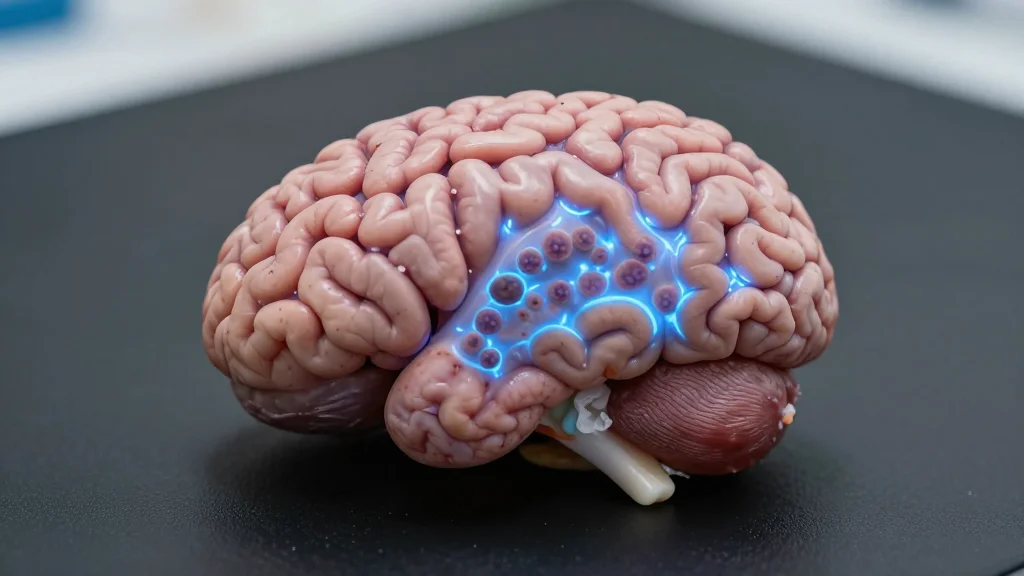
Targeting Astrocyte Behavior to Treat Neurodegeneration
Researchers reported two astrocyte‑focused strategies that reverse age‑related cognitive decline in mice. A small‑molecule histone deacetylase inhibitor, LASSBio‑1911, dampens inflammatory astrocyte activation and protects synapses in an amyloid‑beta toxicity model. Separately, adeno‑associated virus‑mediated overexpression of the extracellular matrix protein Hevin in hippocampal astrocytes restores synaptogenic signaling and improves memory in both aged wild‑type and APP/PS1 Alzheimer’s mice. Together, these pharmacologic and gene‑therapy approaches demonstrate that modest re‑programming of astrocyte phenotype can rescue brain function without wholesale suppression of reactivity.
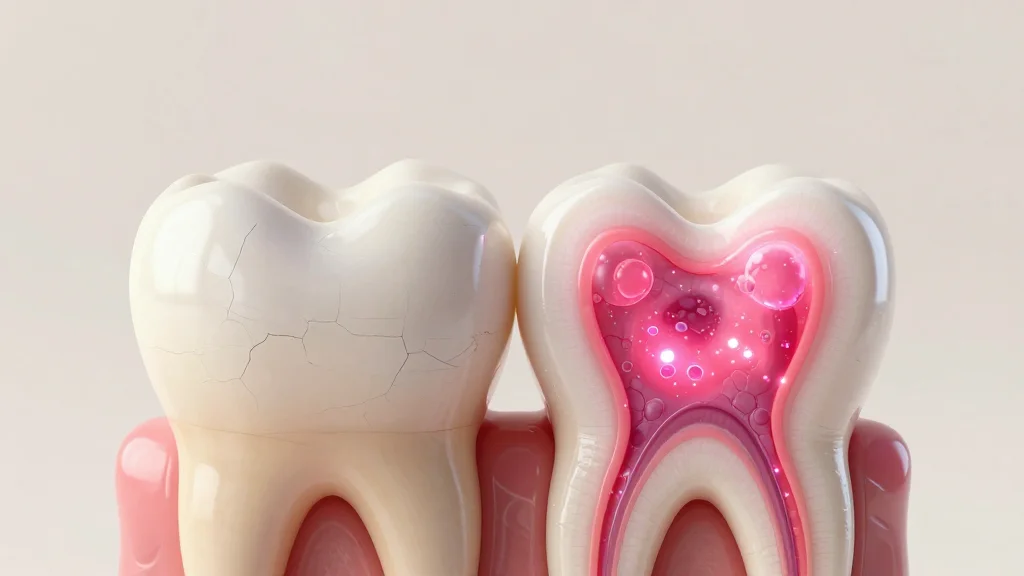
Senolytic Therapies Reduce the Impact of Aging on the Maintenance of Teeth
Researchers identified loss of NFATC1 in dental pulp mesenchymal stromal cells as a key driver of age‑related tooth brittleness. The decline is linked to accumulation of senescent cells in the pulp. Using senolytic drugs to clear these senescent cells restored...
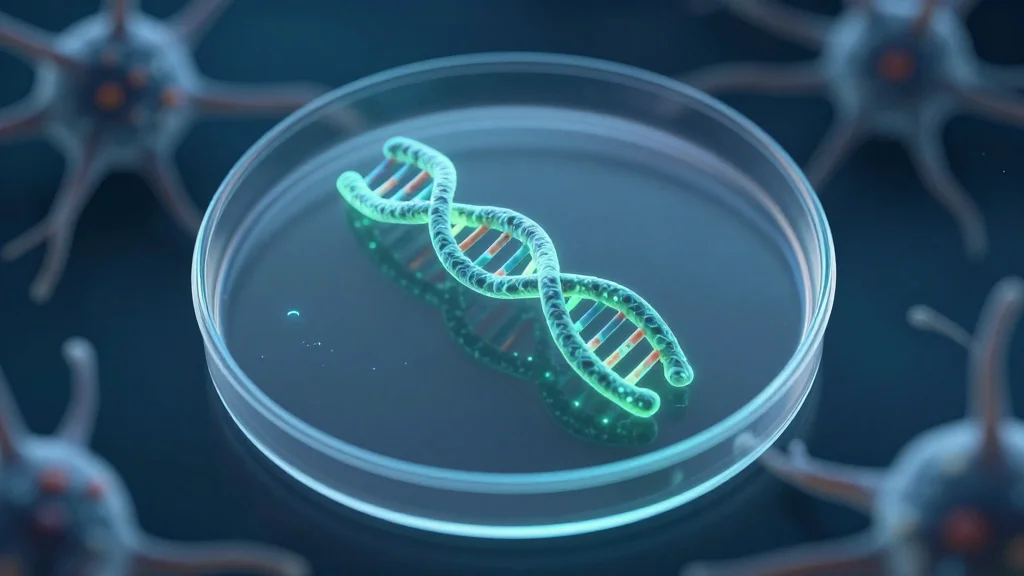
APOE2 Allele of APOE Makes Neurons More Resilient in Cell Cultures
A new open‑access study shows that neurons carrying the APOE2 allele activate DNA‑repair pathways, suffer less DNA damage and avoid senescence‑like changes compared with APOE3 and APOE4 cells. Using iPSC‑derived GABAergic and glutamatergic neurons, researchers observed smaller nucleoli, preserved nuclear...

A Public Health Viewpoint on the Future of Human Longevity
The authors contend that the biggest gains in life expectancy over the past century came from classic public‑health measures such as clean water, vaccination and nutrition. As populations age, chronic disease and multimorbidity have eclipsed infectious threats, demanding a shift...
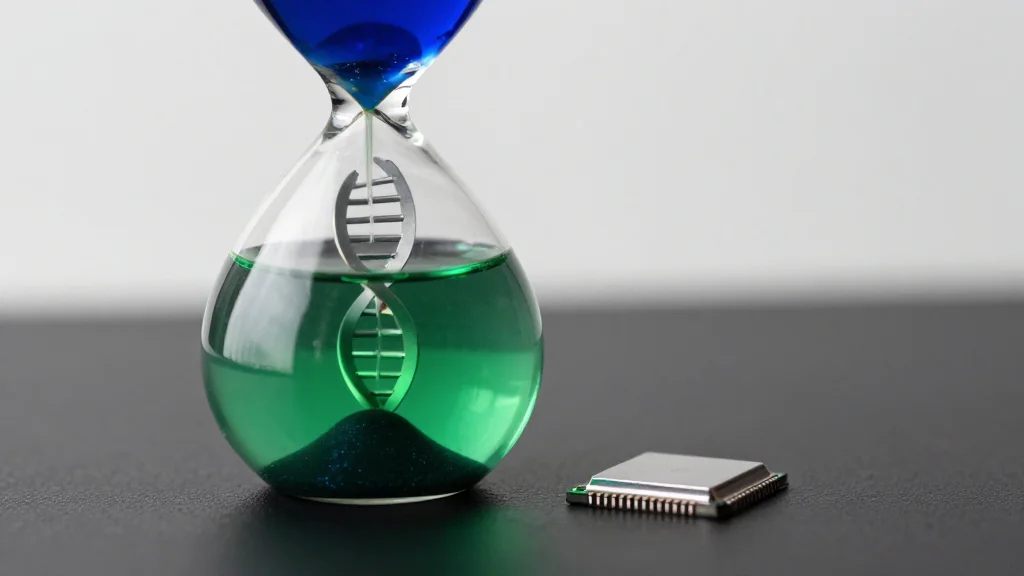
Arguing for the Desirability of Multi-Omics Aging Clocks
Machine‑learning models now generate biological aging clocks from diverse omics data, but most efforts still rely on single‑omic inputs such as DNA‑methylation. While early clocks like Horvath’s predict chronological age, newer clocks trained on mortality or disease outcomes show better...
Granzyme K Secreted by Aged T Cells Contributes to Cognitive Decline, an Effect that Can Be Reversed
Researchers identified an age‑associated CD8+ T‑cell subset that secretes the serine protease granzyme K (GZMK), which disrupts hippocampal signaling and drives cognitive decline. Using heterochronic parabiosis, they showed that aged circulating T cells retain their dysfunctional phenotype even in a young...
Cellular Senescence in Microglia as a Contribution to Neurodegenerative Conditions
Recent research highlights cellular senescence in brain microglia as a key driver of neurodegenerative diseases such as Alzheimer’s. Age‑related epigenetic and metabolic reprogramming pushes a subset of microglia into a senescent state marked by chronic inflammation, reduced phagocytosis, and mitochondrial...
More Epidemiological Evidence for the Recommended Level of Exercise to Be Too Low
A new accelerometer‑based cohort study finds that the widely‑cited 150 minutes per week of moderate‑to‑vigorous physical activity (MVPA) yields only an 8‑9% reduction in cardiovascular disease (CVD) risk. To achieve a substantial >30% risk reduction, participants needed roughly 560‑610 minutes of MVPA...
An Update on Progress at Repair Biotechnologies, Developing Means to Regress Atherosclerotic Plaque
Repair Biotechnologies announced that its lead candidate, now designated REP-0004, is a liver‑targeted mRNA lipid‑nanoparticle that produces a fusion protein to break down intracellular free cholesterol. The approach triggers a rapid, systemic pull of cholesterol from plaques, delivering dramatic regression...

Reviewing What Is Known of Mechanisms Driving Individual Variation in Longevity
The review examines why individuals age at different rates, highlighting the interplay of genetics, epigenetics, and environment. It contrasts accelerated‑aging disorders with the biology of centenarians to pinpoint protective and deleterious variants. Emerging mechanisms such as hypoxic adaptation, chromatin remodeling,...

The Hallmarks of Aging and the Scientific Endeavor
The Hallmarks of Aging have become the dominant taxonomy for geroscience, offering a neutral checklist of nine cellular and molecular damage pathways. Emerging after the more activist SENS framework, the Hallmarks provide a common language that streamlines research design, funding...
Sirtuin 6 Overexpression Reverses Age-Related Structural Changes in Nuclear DNA in Liver Cells
Researchers used a multi‑omics approach to show that aging in male mouse liver increases chromatin accessibility, driving inflammation and metabolic decline. Overexpressing the histone deacetylase SIRT6 via AAV vectors reversed these epigenetic alterations, restoring a youthful chromatin landscape. The reversal...
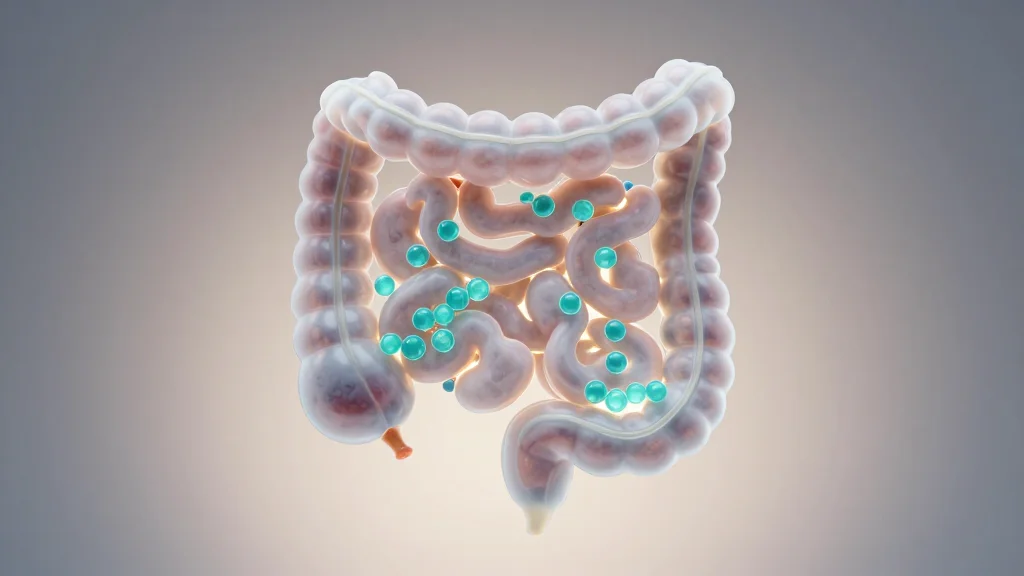
The Aged Gut Microbiome Generates Extracellular Vesicles that Harm Tissue Function
Researchers identified that extracellular vesicles—specifically gut luminal exosomes (LFEs)—from aged mice carry proteins and microRNAs that impair intestinal barrier integrity and promote insulin resistance. Multi‑omic profiling revealed distinct age‑ and sex‑dependent cargo signatures, with old‑derived LFEs triggering metabolic dysfunction when...
Cyclarity Therapeutics Reports Safety Data for 7-Ketocholesterol Clearance
Cyclarity Therapeutics reported first clinical evidence that its AI‑engineered cyclodextrin drug, UDP‑003, can safely bind and promote urinary excretion of 7‑ketocholesterol, a toxic oxysterol linked to atherosclerosis. The Phase 1 safety trial demonstrated favorable pharmacokinetics and pharmacodynamics, with no serious adverse...

KHL Foundation Launches a Medical Tourism Gene Therapy Program for Older Patients
The KHL Foundation, founded by longevity veterans Ken Scott and Helga Sands, has launched a medical‑tourism program that offers a gene‑therapy cocktail to people over 60. The Rejuvenation Cocktail combines intramuscular follistatin with intranasal klotho and SIRT1, targeting muscle, brain...