

Pulsed Ultrasound Alters the Gut Microbiome to Improve Muscle Function
Researchers applied low‑intensity pulsed ultrasound (LIPUS) to the abdomen of naturally aged C57BL/6 mice for eight weeks, starting at 92 weeks of age. The treatment significantly increased forelimb and hind‑limb grip strength, muscle mass, and myofiber diameter while suppressing key inflammatory mediators such as COX‑2, NF‑κB, and IL‑1β. Gut‑microbiome analysis revealed higher diversity and enrichment of anti‑inflammatory taxa including Lactobacillus, Bifidobacterium, Faecalibaculum and Coriobacteriaceae_UCG_002, which correlated with the functional gains. The findings suggest LIPUS may mitigate sarcopenia by reshaping the gut microbiome, though human relevance remains to be tested.

Age Associated B Cells Contribute to Autoimmunity
Age-associated B cells (ABCs) are a distinct, antigen‑experienced B‑cell subset that expands in older individuals and is defined by T‑bet and CD11c expression while lacking CD21/CD35. Research shows ABCs secrete inflammatory cytokines, generate autoantibodies, and present antigens, thereby fueling autoimmune...

Higher Predicted Age by a Metabolomic Aging Clock Correlates with Dementia Risk
Researchers applied a metabolomic aging clock (MileAge) to 223,496 UK Biobank participants and found that a higher metabolomic‑age delta predicts a 61% increase in all‑cause dementia risk and earlier disease onset. The hazard ratio for dementia rose to 1.61 per...

Integrated Stress Response Inhibition Slows Aging in Flies
Researchers used conditional genetic tools to modulate the GCN2‑ATF4 arm of the integrated stress response (ISR) in Drosophila melanogaster. Contrary to earlier work in yeast and nematodes, overexpressing dGCN2 or dATF4 shortened fly lifespan, while RNA‑i knockdown of dATF4 extended...

Sirtuin 1 as an Exerkine
Recent research re‑examines sirtuin 1 (SIRT1) as an "exerkine," linking exercise‑induced up‑regulation of the protein to metabolic and cellular benefits across multiple organs. The review synthesizes rodent and human data showing that acute and chronic aerobic, resistance, or combined training elevate...
Dietary Change Can Shift the Klemera-Doubal Method Aging Clock by a Few Years
Researchers evaluated whether a short‑term dietary shift could move the Klemera‑Doubler Method (KDM) biological‑age clock. In a 4‑week trial with 104 adults aged 65‑75, participants were assigned to high‑fat or high‑carb omnivore and semi‑vegetarian diets. The high‑carb omnivore group showed...

The Aging Gut Microbiome Dysregulates the Immune System in Intestinal Tissue
A recent study comparing intestinal tissue from young and aged mice reveals that aging triggers a cascade of gut‑related immune disruptions. Senior mice exhibit heightened senescence‑associated secretory phenotype markers, weakened tight‑junction proteins, and a leaky epithelial barrier. Immune profiling shows...

A View of the Changing Field of Research Into Cellular Senescence in Aging
Researchers are shifting from broad senolytic clearance toward precision targeting of harmful senescent cell subpopulations. Early clinical trials of dasatinib‑quercetin showed modest success, but most efforts now focus on mapping senescent heterogeneity and functional pathogenicity. New strategies aim to act...
HuR Inhibition in Platelets Attenuates Degenerative Aging in Mice
Researchers discovered that the RNA‑binding protein HuR drives age‑related platelet inflammation. By genetically deleting HuR only in platelets of old mice, they suppressed platelet‑secreted pro‑inflammatory factors, reduced cellular senescence, and limited platelet infiltration in multiple organs. The intervention restored physical...

Lipopolysaccharide Exposure Before Injury Improves Regeneration in Aged Skin
Researchers discovered that a brief pre‑exposure to bacterial lipopolysaccharide (LPS) dramatically improves wound healing in aged mouse skin. The LPS pulse triggers innate immune cells to form neutrophil extracellular traps and macrophage protrusions, creating a rapid physical barrier. This barrier...

Physical Fitness Does Not Strongly Influence Mainstream Epigenetic Clocks
Epigenetic clocks, built from DNA‑methylation patterns in blood, are widely used to estimate chronological age and mortality risk. A new systematic review and meta‑analysis of 44 studies involving 145,465 participants examined whether physical fitness influences these clocks. The analysis found...

An Accumulative Vesicle Load Hypothesis of Neurodegenerative Disease
Researchers introduce the Accumulative Vesicle Load Hypothesis, suggesting that bacterial extracellular vesicles from oral, nasal and airway niches can infiltrate the brain and contribute to Alzheimer’s disease pathology. The review maps vascular and neural pathways—such as the olfactory and trigeminal...

Aging Sets the Stage for Respiratory Dysfunction and Disease
Aging fundamentally impairs lung function, increasing susceptibility to diseases such as COPD, pulmonary fibrosis, and sleep apnea. The review highlights that most knowledge derives from extrapolations from other organs, animal models, or diseased tissue, leaving many aspects of normal lung...
Celastrol as an Exercise Mimetic to Modestly Slow Aging
Researchers identified the natural triterpenoid celastrol as a promising exercise mimetic that can counteract age‑related muscle loss and mitochondrial dysfunction. In cell cultures, celastrol boosted myogenic differentiation and oxidative metabolism without detectable toxicity. In vivo, the compound extended Caenorhabditis elegans...

Photobiomodulation as an Approach to Restore Lost Function in Neuromuscular Junctions
A recent open‑access study examined low‑level photobiomodulation (PBM) on the vastus lateralis of 18‑month‑old Wistar rats. Using 650 nm red light at 6 J/cm² for four consecutive 3‑minute sessions, researchers observed ultrastructural remodeling of neuromuscular junctions (NMJs). Treated muscles showed more active...

Evidence for Sleep Apnea to Accelerate Vascular Aging via Increased Cellular Senescence
Researchers modeled obstructive sleep apnea by exposing C57BL/6J mice to intermittent hypoxia. The exposure rapidly increased epigenetic age acceleration and p16‑positive senescent cells in vascular tissue. Mice developed higher systolic and diastolic pressure and endothelial dysfunction. Systemic removal of p16‑expressing...
Microgravity as a Model of Aging
Researchers used simulated microgravity in a rotating‑wall vessel bioreactor to expose peripheral blood mononuclear cells from participants in the Stanford 1,000 Immunomes Project. Whole‑genome transcriptomic and metabolic profiling showed that microgravity‑induced changes closely track natural aging trajectories across immune, metabolic,...

Electromagnetic Field Activation of Gene Therapy as an Approach to Reprogramming
Researchers have engineered an electromagnetic‑field (EMF)‑responsive DNA element that remotely activates partial cellular reprogramming genes in mice. By cycling EMF exposure, the system triggers the Oct4‑Sox2‑Klf4 cassette without permanent gene integration, extending median lifespan to 108 weeks—about 70 human years....

Theorizing that Energetic Constraints in Aging Make Time Appear to Have Passed More Rapidly
A new paper proposes the Neuroenergetic Constraint Model to explain why older adults feel that past years have passed more quickly. The model links age‑related declines in mitochondrial efficiency, vascular stiffness, and neurovascular coupling to reduced experiential density—fewer distinct memory...

Immune System Aging Is a Major Contribution to Neurodegeneration
A new open‑access review links age‑related immune dysfunction—both chronic inflammation (inflammaging) and declining immune competence (immunosenescence)—to the onset and progression of neurodegenerative diseases. Mislocalized mitochondrial and nuclear DNA continuously trigger innate immune sensors, creating a persistent inflammatory milieu in the...

Reviewing the Role of Advanced Glycation Endproducts in Aging and Age-Related Disease
Advanced glycation endproducts (AGEs) are protein‑sugar adducts that accumulate with age, altering protein structure and activating the RAGE receptor to drive chronic inflammation. The review highlights how AGEs cross‑link collagen, stiffening the extracellular matrix and contributing to diabetes, cardiovascular disease,...
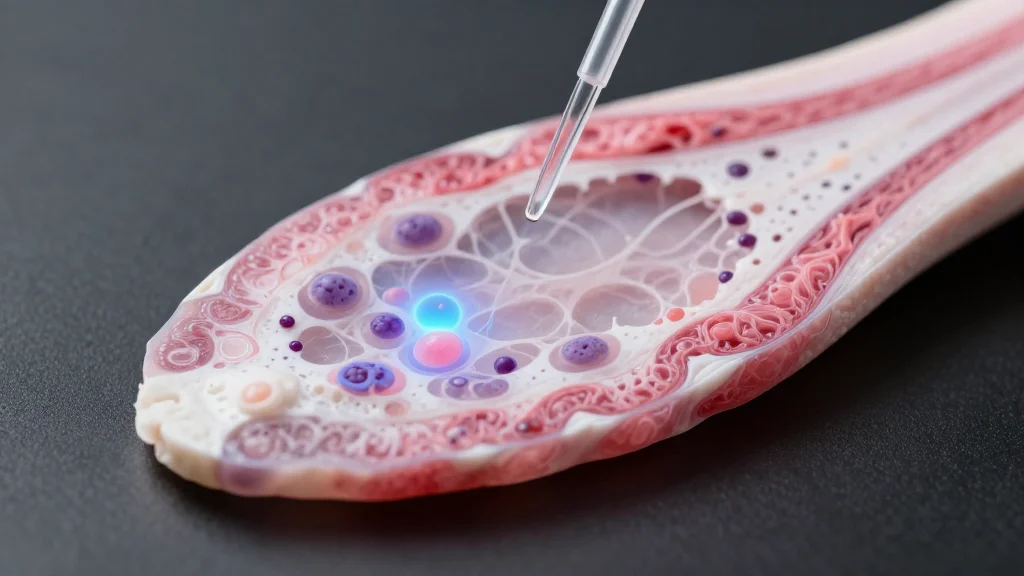
More Evidence for Muscle Stem Cell Activity to Be Inhibited by the Aged Tissue Environment
Researchers discovered that the extracellular matrix (ECM) of aged mice suppresses the growth of both young and rejuvenated muscle stem cells (MuSCs). Elevated collagen levels in the aged ECM create a non‑autonomous barrier that limits stem‑cell proliferation, even when intrinsic...
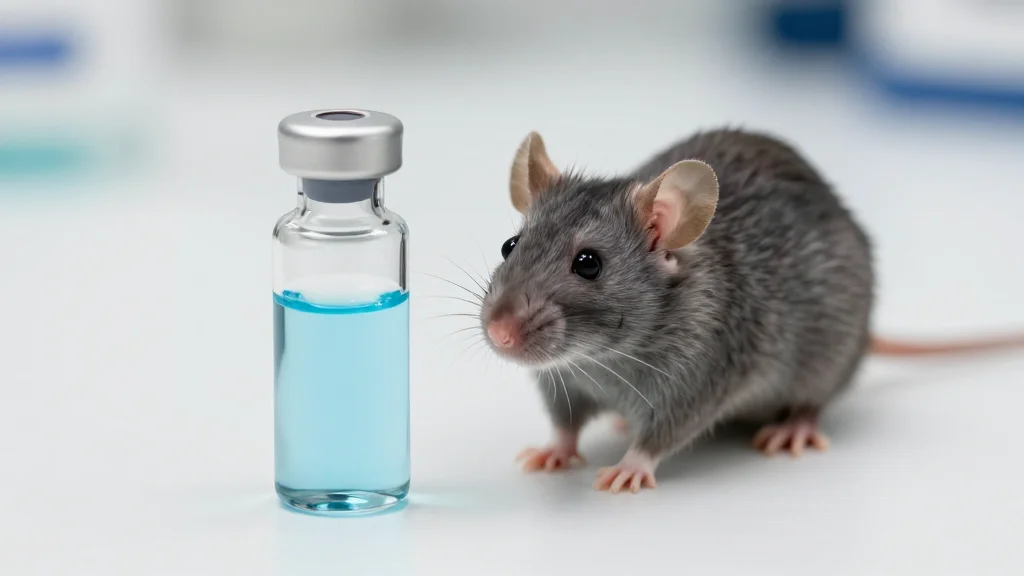
Assessing Candidate IGF-1 Receptor Inhibitors for the Ability to Modestly Slow Aging in Mice
The study tested two small‑molecule IGF‑1 receptor inhibitors, picropodophyllin (PPP) and NVP‑ADW742, in 13‑month‑old C57BL/6 mice to assess healthspan and survival. Both drugs improved memory, blood pressure, glucose tolerance and frailty metrics, with NVP‑ADW742 extending healthspan by about 93 days....
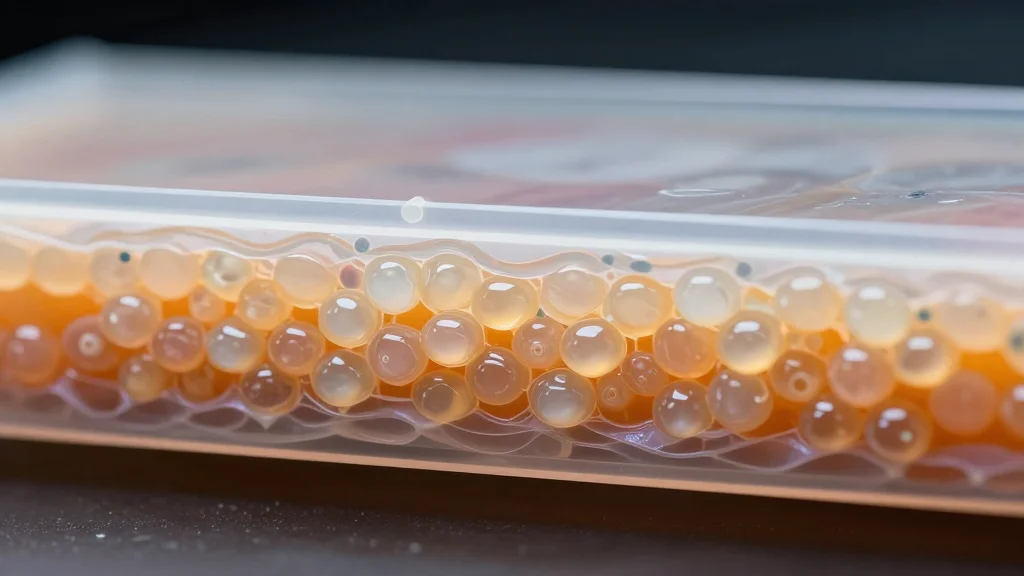
Examining the Extracellular Matrix of Skin in Long-Lived Naked Mole-Rats
Researchers examined the extracellular matrix (ECM) of naked mole‑rat skin to uncover why these rodents retain youthful skin for up to 40 years. Using Raman spectroscopy and FT‑IR, they found that, unlike mice, the mole‑rat epidermis thickens with age and hyaluronic...

Why Do Eusocial Species Tend Towards Greater Longevity?
Researchers propose that the reproductive architecture of eusocial colonies inherently selects for longer lifespans. Using mathematical modeling based on the Gompertz mortality equation, they demonstrate that channeling reproduction through a single queen amplifies selection on the rate of age‑related risk...

Partial Reprogramming Concern Altos Labs Is Becoming Less Stealthy
Altos Labs, launched in 2022 with roughly $3 billion in private funding, is intensifying its public profile as it pursues partial cellular reprogramming to reverse organ aging. The company is racing alongside rivals such as Life Biosciences, which has just begun...

Can Hydra Biology Inform Strategies to Extend Life in Other Species?
Hydra vulgaris displays negligible senescence thanks to a perpetual pool of stem cells that continuously replace its tissues. Researchers suggest that inserting Hydra‑like gene expression patterns into the short‑lived rotifer Brachionus manjavacas could extend the rotifer's healthspan and lower age‑related...

Inhibiting ID1 and ID3 Reduces Lung Fibrosis
Researchers identified that the transcription factors ID1 and ID3 are markedly elevated in fibroblasts from idiopathic pulmonary fibrosis (IPF) patients. Using both small‑molecule inhibitors and gene‑silencing techniques, they suppressed these proteins in mouse models, which halted fibroblast activation and triggered...
Blood as the Mirror of Aging
Recent research positions blood as both a diagnostic mirror and a therapeutic lever for aging. Multi‑omics studies show plasma proteins, metabolites, and extracellular vesicles reflect chronological and organ‑specific age, while heterochronic parabiosis and young plasma transfers demonstrate that youthful circulation...

Why Does More Cancer Imply Less Neurodegeneration and Vice Versa?
Epidemiological studies consistently reveal an inverse relationship between cancer incidence and neurodegenerative disease risk. The trade‑off is linked to how tissue‑maintenance activities, especially stem‑cell driven cell replication, decline with age. Lower replication reduces the chance of oncogenic mutations but also...

A Mechanism Linking Protein Aggregation to STING Activation and Inflammation in the Aging Brain
Researchers identified S‑nitrosylation of the immune sensor STING at cysteine‑148 as a key driver of neuroinflammation in Alzheimer’s disease. The modified protein, SNO‑STING, was abundant in human Alzheimer’s brains, cultured microglia, and mouse models. Blocking this chemical change reduced microglial...

Does Greater Adult Neurogenesis Allow Some People to Resist Alzheimer's Disease?
A new open‑access study examined human hippocampal tissue from control donors, Alzheimer’s patients, and individuals who showed Alzheimer’s pathology but remained cognitively resilient. Researchers identified immature neurons in all groups, but resilient brains displayed distinct transcriptional programs that promote cell...
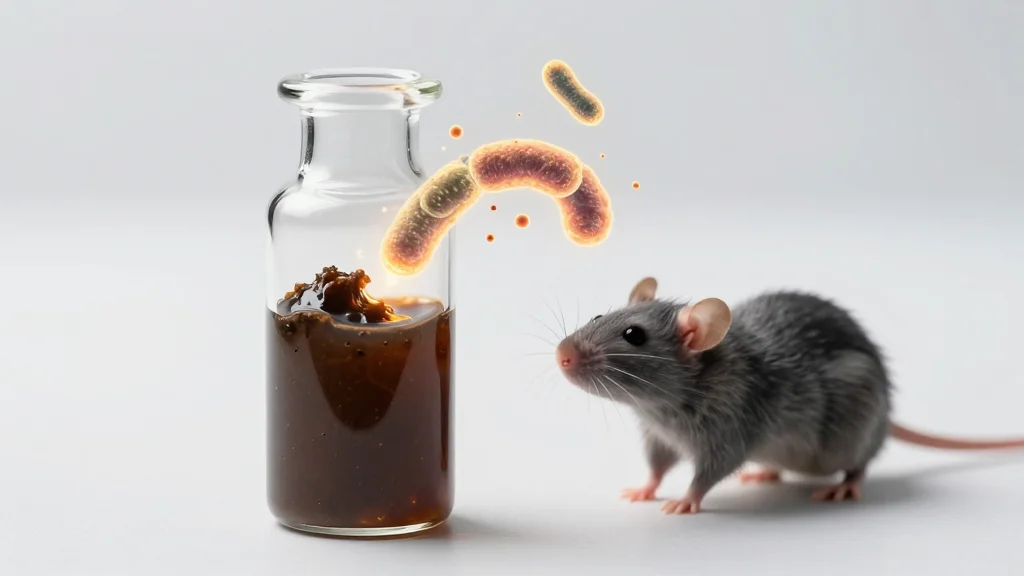
Fecal Microbiota Transplantation Reduces MDM2 Expression and Risk of Liver Cancer
Researchers demonstrated that fecal microbiota transplantation (FMT) from young to old mice suppresses age‑related MDM2 overexpression and prevents liver cancer development. In the study, none of the FMT‑treated older mice developed tumors, whereas two of eight control mice did. Treated...
Oxidative Stress Impairs Deubiquitylase Activity in the Aging Brain
Researchers used activity‑based proteomics in mouse and killifish brains to map cysteine deubiquitylases (DUBs) across the lifespan. They found a subset of DUBs that progressively lose catalytic activity with age, despite unchanged protein levels, due to oxidative thiol modification. Antioxidant...

High Altitude Populations Exhibit Features of Accelerated Immune Aging
Researchers examined immune cells in Tibetan plateau residents living at 3,600‑5,000 meters and found hallmarks of accelerated immune aging. Compared with low‑altitude groups, high‑altitude populations displayed higher chronic inflammation, increased neutrophil fractions, and enrichment of exhausted T cells and age‑associated...

A Combination Treatment Is Claimed to Produce Sizable Life Extension in Aged Mice
Seragon funded a pre‑clinical trial of SRN‑901, a proprietary oral cocktail that blends urolithin A, quercetin, nicotinamide riboside, alpha‑lipoic acid and the company’s SRN‑820. In 18‑month‑old mice on a Western diet, the regimen extended median remaining lifespan by 33% and cut...

What We Might Learn From the Immune Systems of Centenarians
Recent research highlights that centenarians exhibit a distinct immune profile that defies typical immunosenescence. While most elderly experience dwindling naïve T‑cell pools and chronic inflammation, these super‑agers preserve naïve T cells, expand cytotoxic CD4⁺ and CD8⁺ subsets, and maintain tight...
Phosphatidylcholine Synthesis Declines with Age to Contribute to Mitochondrial Dysfunction
Researchers identified a conserved age‑related decline in phosphatidylcholine (PC) synthesis as a key driver of mitochondrial dysfunction. Using C. elegans, human transcriptomic and metabolomic data, they showed that reduced activity of SAMS‑1 and PEMT enzymes leads to mitochondrial fragmentation and...
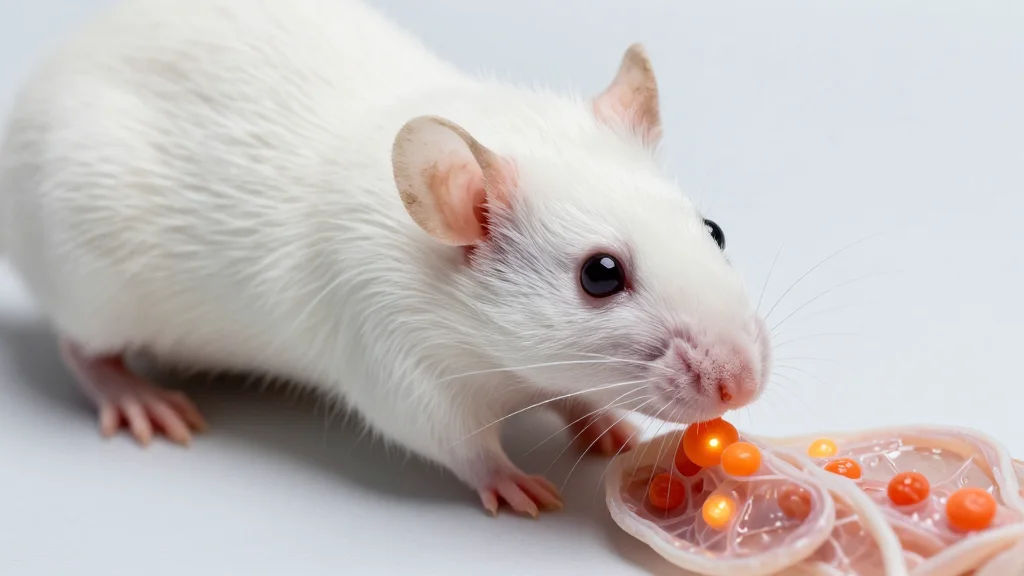
Reduced Ghrelin Receptor Activity Improves Mitochondrial Function and Muscle Function in Aged Mice
Researchers demonstrated that reducing activity of the ghrelin receptor (GHSR‑1a) improves muscle endurance and mitochondrial function in aged mice. Both genetic knockout and the inverse‑agonist PF‑5190457 increased markers of mitochondrial biogenesis and mitophagy, enhancing fatigue resistance. The interventions did not...
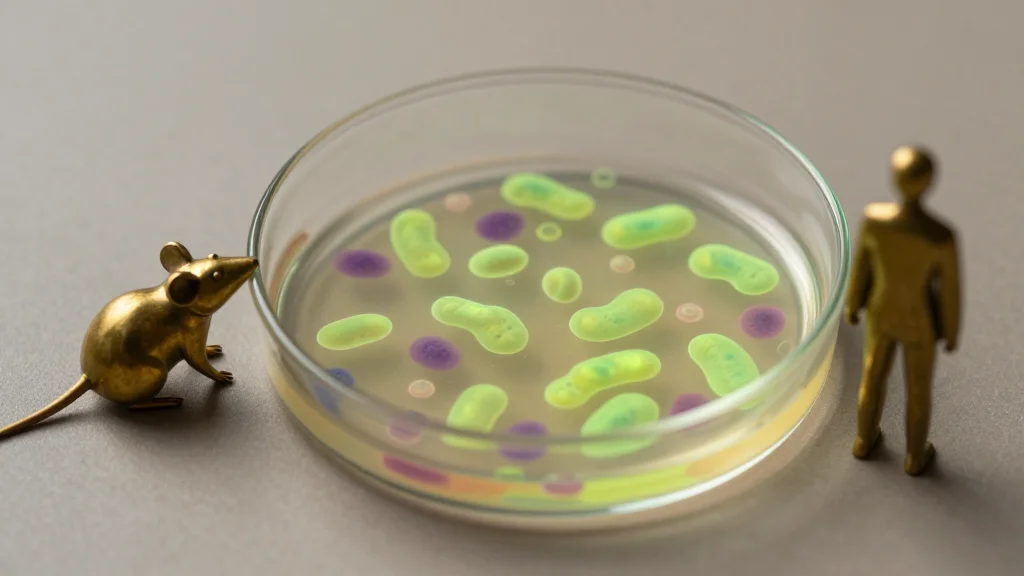
Arguing for an Emphasis on Comparative Organelle Biology
Researchers argue that aging studies should shift from a gene‑by‑gene focus to holistic comparisons of organelle structures across species. While genome‑centric approaches have identified hallmarks of aging, they often fail to explain why interventions that extend lifespan in short‑lived models...

Naked Mole-Rats Exhibit Little Change in Gut Microbiome Composition with Age
Researchers examined the gut microbiome of naked mole‑rats across more than three decades and found minimal age‑related changes, in stark contrast to the pronounced shifts observed in mice. Only the archaeon Methanomassiliicoccus intestinalis increased with age, while breeding queens displayed...

Targeting Senescent Cells as a Treatment for Chronic Obstructive Pulmonary Disease
Researchers have introduced BCLXL-PROTAC, a proteolysis‑targeting chimera that degrades the anti‑apoptotic protein BCLXL in senescent lung cells. In primary small‑airway epithelial cells and fibroblasts from COPD patients, the compound induced caspase‑3‑mediated apoptosis and lowered classic senescence markers such as p21,...
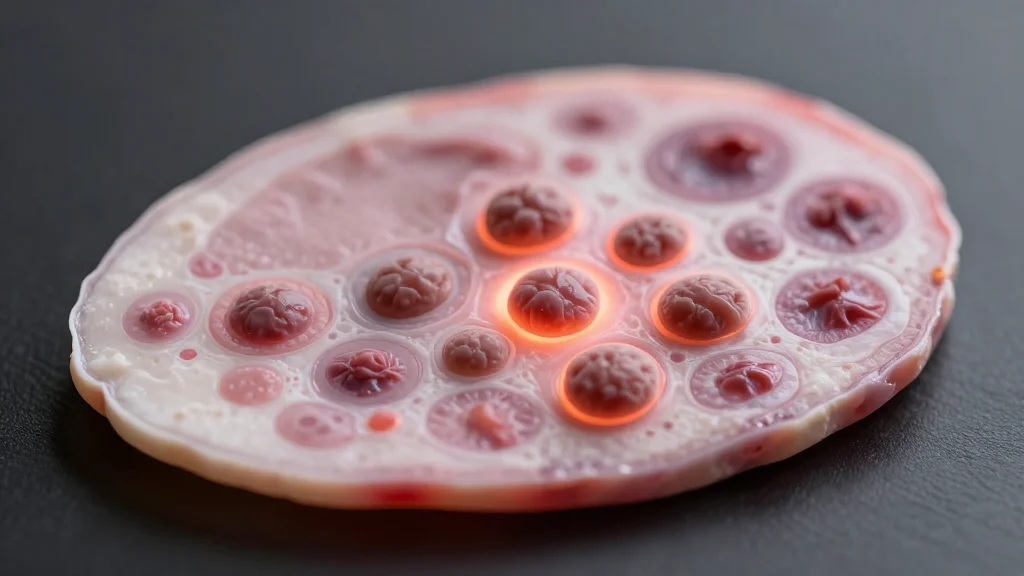
Senescent Macrophages Are Important in Liver Aging and Liver Disease
Researchers identified a distinct p21‑positive, TREM2‑positive senescent macrophage population that accumulates in aging and fatty livers. These cells drive chronic inflammation through a senescence‑associated secretory phenotype linked to type I interferon signaling. In mouse models, senolytic agents that selectively eliminate these...

Does Exposure to Air Pollution Literally Accelerate Aging?
A new open‑access study using UK Biobank data links long‑term exposure to five common air pollutants with accelerated biological aging, reduced gray‑ and white‑matter volumes, and a higher risk of dementia. Participants in the highest exposure tertile showed hazard ratios...
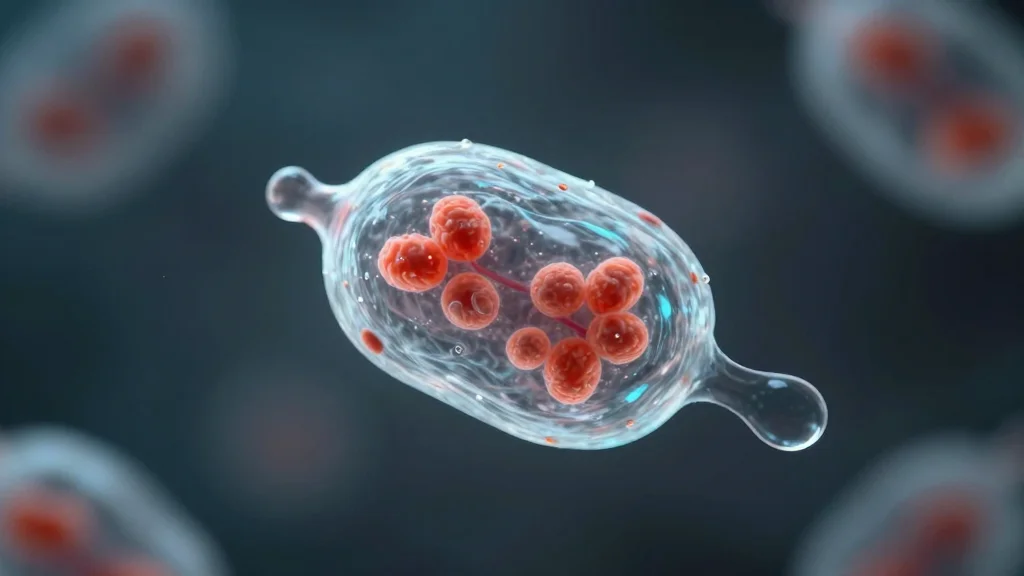
Evidence for MLKL to Be Important in Hematopoietic Stem Cell Aging
Researchers have identified the RIPK3‑MLKL signaling axis as a central driver of hematopoietic stem cell (HSC) aging. Activated MLKL accumulates in HSC mitochondria, impairing self‑renewal and lymphoid differentiation without causing necroptotic cell death. The study links multiple stress responses—such as...

Reviewing the Inability of Anti-Amyloid Immunotherapies to Affect Alzheimer's Disease
A recent Cochrane meta‑analysis of ten anti‑amyloid monoclonal antibodies—including aducanumab, lecanemab and donanemab—shows only trivial cognitive gains and modest functional improvement in patients with mild Alzheimer’s disease, despite clear plaque clearance. The studies also reveal an elevated risk of amyloid‑related...

Carefully Guided FGF8 Expression via Gene Therapy Enhances Digit Tip Regrowth in Mice
Researchers used a zebrafish-derived tissue‑regeneration enhancer to deliver fibroblast growth factor 8 (FGF8) via adeno‑associated virus, achieving focused up‑regulation of the gene in mouse digit tips. The therapy partially rescued regeneration in mice lacking SP6/SP8 transcription factors and accelerated tip...

Dasatinib and Quercetin Outperform Navitoclax in a Mouse Model of Intervertebral Disc Degeneration
Researchers compared two senolytic strategies in a mouse model of intervertebral disc degeneration, finding that the dasatinib‑quercetin (DQ) cocktail outperformed navitoclax. In SM/J mice, DQ lowered degeneration grades, reduced senescence markers such as p19ARF, p21, and SASP, and preserved nucleus...

Is Chronic Kidney Disease Accelerated Kidney Aging?
Chronic kidney disease (CKD) shares many structural and functional changes with normal kidney aging, but the decline in estimated glomerular filtration rate (eGFR) occurs at a markedly accelerated pace. Recent open‑access research highlights cellular senescence as a core driver of...
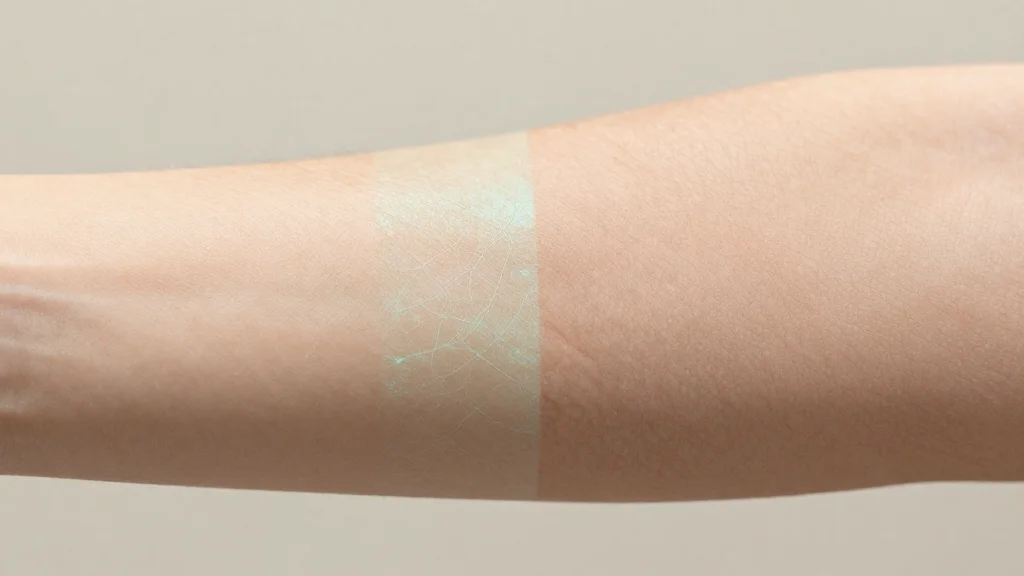
The Field of Dermatology Is Undergoing a Transformation
Dermatology is shifting from purely cosmetic, marketing‑driven procedures to science‑based longevity treatments that target the underlying mechanisms of skin aging. New therapies that clear senescent cells, modulate epigenetic clocks, and employ partial cellular reprogramming are delivering measurable improvements in barrier...