

In Whales, a Long Life Absent Cancer Results From Superior DNA Repair Mechanisms
Researchers have identified that bowhead whales, which can live over 200 years, exhibit an unusually robust DNA repair system that underpins their low cancer incidence. Unlike elephants, which rely on multiple TP53 copies, whales appear to use alternative genome‑maintenance pathways to counteract the mutational load of their massive bodies and long lifespans. The findings deepen our understanding of Peto's paradox and suggest that superior DNA repair is a key longevity factor in large mammals. The study opens a speculative avenue for translating these mechanisms into human anti‑cancer strategies.

Metabolic Acidosis May Be an Important Contributing Cause of Age-Related Frailty
A new open‑access study highlights metabolic acidosis—specifically low serum bicarbonate—as a potentially overlooked driver of age‑related frailty. Epidemiologic data link bicarbonate levels below 25 mEq/L to slower gait, reduced muscle strength, and higher mortality, even in seniors with normal kidney function....

Age-Related Degeneration of the Pineal Gland
A recent study examined how the human pineal gland’s structure changes with age, identifying two distinct aging pathways: an increase in astrocytes that may compensate for pinealocyte function, and a disruption of lobular architecture that leads to astrocytic atrophy and...

Connecting Gompertz Law Parameters with Specific Outcomes in the Treatment of Aging
Researchers used large‑scale Caenorhabditis elegans experiments to re‑interpret the two parameters of the Gompertz mortality equation. They found that reductions in the β parameter correspond to an expanded period of late‑life frailty, while declines in α reflect genuine health‑span extension...

Is Human Life Expectancy Increasing Because Aging Is Progressing More Slowly?
A new open‑access study examines whether rising life expectancy reflects a slower biological aging process or merely a postponement of its onset. Using cohort mortality data from 12 high‑income countries, the authors decompose the Gompertz slope—a proxy for the rate...

The Gut Microbe in INDY Related Longevity in Flies
Researchers investigated how the longevity‑associated Indy gene influences the gut microbiome in Drosophila. Indy heterozygous flies displayed lower bacterial load and greater microbial diversity as they aged, while still achieving lifespan extension even in germ‑free conditions. The study linked Indy...
PEPITEM as a Potential Therapy for Autoimmune Arthritis
Researchers at the University of Birmingham have identified a decline in the anti‑inflammatory peptide PEPITEM as a key driver of worsening inflammatory arthritis with age. Laboratory tests showed that adding synthetic PEPITEM restores white‑blood‑cell responsiveness to adiponectin in early‑stage rheumatoid...

Considering How to Define Animal Models of Intrinsic Capacity in Aging
A decade after the WHO introduced the intrinsic capacity (IC) framework, researchers still lack a unified way to measure its five domains—cognition, locomotion, vitality, sensory function, and psychological health. Numerous human‑centric metrics exist, but they are not comparable across studies....
ATF5 as a Point of Tradeoff in Muscle Mass versus Muscle Quality
Researchers discovered that deleting the transcription factor ATF5 in mice prevents the typical age‑related loss of skeletal muscle mass, but this comes at the cost of reduced muscle quality and endurance. ATF5‑deficient mice showed lower activation of mitochondrial quality‑control proteins,...

Mitrix Bio as an Example of the Trend Towards Alternative Paths to Initial Human Data
Mitrix Bio reported preliminary Phase 1 safety results for large‑dose mitochondrial infusions, showing no immediate adverse effects in two older participants. The company simultaneously opened Right‑to‑Try clinics in Dallas, Newport Beach and Palm Beach, offering the experimental therapy under a patient‑driven model. Its...
The Interventions Testing Program Shows that Another Eleven Compounds Do Not Slow Aging in Mice
The National Institute on Aging’s Interventions Testing Program evaluated eleven small‑molecule and supplement candidates—including astaxanthin, meclizine, mitoglitazone, pioglitazone, α‑ketoglutarate, mifepristone, methotrexate, and an atorvastatin‑telmisartan combo—in genetically heterogeneous UM‑HET3 mice and found none extended lifespan. Earlier studies that suggested modest benefits...

Oxygen Sensing as a Component of Differences in Regenerative Capacity Between Species
Researchers investigated how oxygen sensing influences tissue regeneration by comparing amphibian and mammalian models. They cultured frog tadpole limbs and mouse embryos under varied oxygen levels, focusing on the HIF1A protein that stabilizes under low oxygen. Reduced oxygen accelerated wound...

In Search of Novel Means to Provoke Mild Mitochondrial Stress to Slow Aging
Researchers screened 770 FDA‑approved drugs to find compounds that safely trigger a mild mitochondrial stress response, a process known as mitohormesis that can improve cellular resilience. The screen highlighted terbinafine and miglustat, which extended lifespan and healthspan in C. elegans...
IGF-1 Signaling Suppression Fails to Slow Aging in Mitochondrial Mutator Mice
Researchers examined whether suppressing insulin-like growth factor‑1 (IGF‑1) signaling could extend the lifespan of mitochondrial mutator mice, which carry a high rate of mitochondrial DNA mutations. Contrary to expectations, reduced IGF‑1 signaling did not increase longevity; most downstream pro‑longevity pathways...

Applying Mendelian Randomization to the Correlation Between Fitness and Health
Researchers applied a phenome‑wide Mendelian randomization approach to test whether genetically predicted aerobic fitness causally influences health. Screening 712 European‑ancestry phenotypes, they identified 108 discovery associations, with 34 confirming in independent validation. Higher genetically determined fitness correlated with lower risks...

Does Tau Aggregation Spread From Region to Region in the Aging Brain?
A new open‑access study examined tau seed activity in postmortem brain tissue from 128 individuals, combining synaptosome assays, genetic data, and fMRI‑derived connectivity. The researchers found that tau seeds originating in early‑affected regions, such as the entorhinal cortex, can induce...
Cellular Senescence and Mitochondrial Dysfunction and the Aging of the Vascular Endothelium
The review links cellular senescence and mitochondrial dysfunction to the aging of the vascular endothelium, showing how reduced nitric‑oxide, oxidative stress, and chronic inflammation drive atherosclerosis, hypertension, and blood‑brain barrier leakage. It details a feedback loop where mitochondrial bioenergetic decline...
Homoharringtonine as a Senotherapeutic Drug
Researchers used a large‑scale drug‑repositioning screen to identify homoharringtonine (HHT), an FDA‑approved anti‑leukemic agent, as a potent senotherapeutic. In vitro, HHT selectively eliminated senescent pre‑adipocytes while sparing healthy cells. In male mice, HHT cleared senescent adipocytes, restored white‑adipose tissue function,...

Reversing Some Age-Related Changes via Creation of DNA Gaps with the Box A Domain of HMGB1
Researchers delivered a plasmid encoding the Box A domain of HMGB1 to perimenopausal cynomolgus macaques, inducing DNA gap formation. The intervention reversed age‑related alterations in the plasma proteome, bringing key markers such as APOE and SHBG back to levels observed...

The Senescence Associated Secretory Phenotype as a Basis for an Aging Clock
Researchers have created a composite Senescence‑Associated Secretory Phenotype (SASP) Score using large‑scale proteomics and a guided autoencoder transformer model. The score, built on curated SASP proteins from the UK Biobank Pharma Proteomics Project, independently predicts mortality and major chronic diseases...

Evidence for Retrotransposon Suppression to Reduce Biological Age in Humans
Researchers evaluated two FDA‑approved nucleoside reverse transcriptase inhibitor (NRTI) regimens in healthy adults to see if they could blunt age‑related epigenetic drift. Over 12 weeks, the emtricitabine/tenofovir‑alafenamide (FTC/TAF) combo lowered multiple DNA‑methylation clocks, including DunedinPACE and PhenoAge, and reduced inflammatory...

An Attempt to Obtain Data on Longevity Effects of Human Psilocybin Use
A small observational analysis compared the longevity of documented psilocybin users—referred to as psychedelic personalities—with cancer and aging researchers. The study identified 11 psychedelic users, 12 cancer researchers and 5 aging researchers who died between 2010 and 2025, excluding deaths...
Reviewing What Is Known of Sex Differences in Response to Established Longevity Interventions
Recent research highlights that male and female mammals, especially mice, respond differently to interventions that aim to slow aging. While women outlive men in most populations, they also endure more disease, a pattern echoed in laboratory rodents where sex‑specific outcomes...

Influenza Vaccination Reduces Cardiovascular Risk Following Infection
A new Danish register‑based self‑controlled case series spanning 2014‑2025 shows that influenza infection triggers a sharp, short‑lived surge in acute myocardial infarction and stroke, especially within the first three days. Prior influenza vaccination cuts the excess cardiovascular risk dramatically, with...

NPPA Gene Therapy to Encourage Greater Regeneration Following Heart Attack
Researchers at Columbia Engineering have engineered an RNA‑lipid nanoparticle that programs skeletal muscle to secrete a pro‑ANP precursor, which the heart‑specific enzyme Corin converts into active atrial natriuretic peptide. This two‑phase gene‑therapy bypasses the need for direct cardiac drug delivery,...
Vulnerability to Infection Resulting From the Aging of the Immune System
A new review outlines how aging reshapes the immune system, making older adults far more vulnerable to respiratory viruses such as influenza. The authors detail the twin processes of immunosenescence—declining production of new immune cells—and inflammageing, a chronic, low‑grade inflammatory...

Arg-1 Makes Macrophages More Inflammatory, Impairing Cartilage Regeneration with Age
The study identifies Arginase‑1 (Arg‑1) as a key regulator of age‑dependent macrophage behavior that hampers cartilage regeneration. Single‑cell RNA sequencing shows older animals have fewer anti‑inflammatory macrophage subsets, with Arg‑1 expression declining with age, leading to heightened inflammation. Overexpressing Arg‑1...
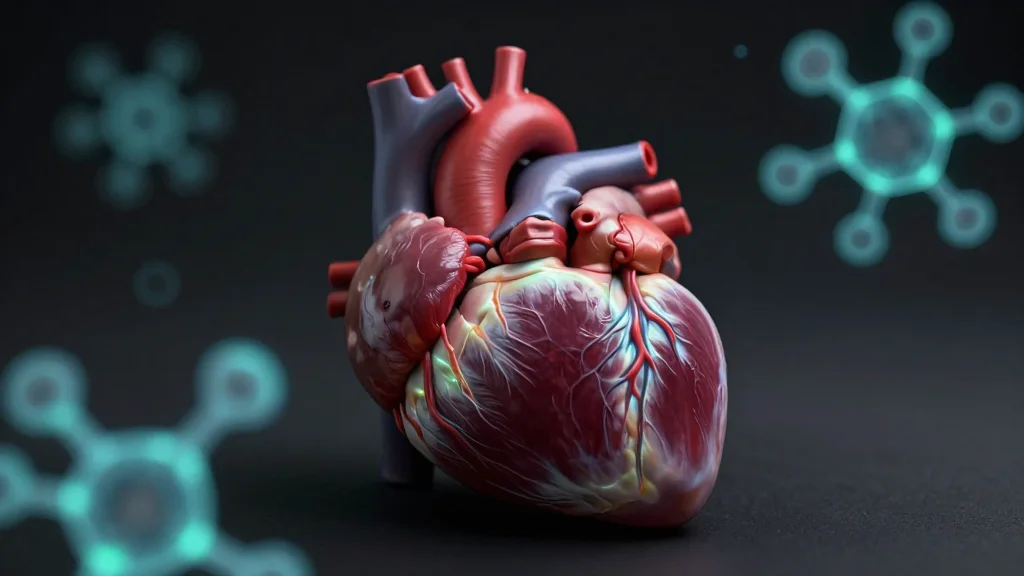
PANoptosis in the Aging of the Heart
The review spotlights PANoptosis—a hybrid programmed cell‑death process that fuses pyroptosis, apoptosis and necroptosis—and its emerging relevance to cardiac aging. It details how the PANoptosome complex accelerates cardiomyocyte loss, fibrosis and chronic inflammation, key drivers of age‑related heart decline. Preclinical...

High Dose Influenza Vaccine Correlates with Greater Reduction in Dementia Risk
A retrospective cohort study of U.S. seniors found that receiving a high‑dose inactivated influenza vaccine (H‑IIV) was associated with a significantly lower risk of Alzheimer’s disease compared with the standard‑dose vaccine (S‑IIV). The analysis used claims data from 2014‑2019, covering...

Data on the Effective Long Term Treatment of Transthyretin Amyloidosis
A new open‑label extension of the ATTRibute‑CM trial provides the first long‑term data on acoramidis, an approved transthyretin stabilizer, showing sustained efficacy through month 54 (4½ years). Continuous treatment cut all‑cause mortality by 45% (HR 0.55) and cardiovascular mortality by 49%...

First Human Data for Rubedo Life Sciences' Senolytic Drug RLS-1496
Rubedo Life Sciences reported preliminary Phase 1 data for RLS‑1496, the first topical GPX4‑modulating senolytic tested in humans. The double‑blind, vehicle‑controlled study in the EU evaluated safety, tolerability and early efficacy in plaque psoriasis, atopic dermatitis and photo‑aged skin. Results showed...

The Road to Producing New Bodies Starts with Multi-Organ Pseudo-Embryos
Biotech researchers are moving from organoid cultures toward multi‑organ pseudo‑embryos that mimic early human development without brains. Companies such as R3 Bio and Kind Biotechnology are pioneering these brain‑less constructs as a bridge between tissue engineering and full‑body regeneration. The...
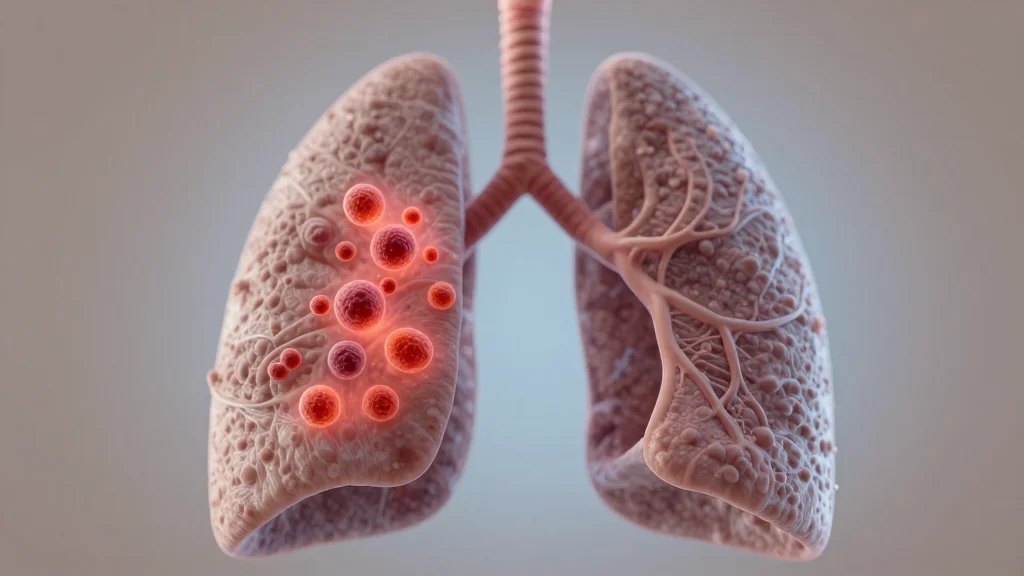
BCL-2 and Cellular Senescence in Pulmonary Fibrosis
Researchers identified BCL-2 as a key blocker of fibroblast apoptosis in idiopathic pulmonary fibrosis (IPF). Conditional over‑expression of BCL‑2 in PDGFRα‑positive fibroblasts generated senescent, pro‑fibrotic myofibroblasts that persisted in mouse lungs. Spatial transcriptomics confirmed BCL‑2‑positive senescent myofibroblasts in human IPF...

UPAR Targeting to Enable CAR T Cell Therapies to Treat Solid Cancers
Researchers at Memorial Sloan Kettering demonstrated that CAR T cells engineered to target the urokinase plasminogen activator receptor (uPAR) can eradicate solid‑tumor cells and metastases in multiple preclinical models. uPAR was found elevated in 12 of 14 examined cancer types,...

Academic Clinical Trials for Rapamycin to Answer Questions on Dosing for Anti-Aging Use
Researchers at UT Health San Antonio have launched a multi‑phase academic clinical trial to evaluate rapamycin’s biological effects in older adults. The program begins with a younger‑cohort benchmark study, then seeks the optimal dose that restores immune and metabolic markers...

A Review Focused on Exerkines in Extracellular Vesicles Generated by Muscle Tissue
A new review examines how muscle‑derived extracellular vesicles (EVs) act as carriers of exercise‑induced exerkines, linking physical activity to systemic health benefits. It details the molecular cargo—proteins, lipids, and non‑coding RNAs—that modulates muscle stem‑cell activation, combats sarcopenia, and influences distant...

Physical Activity Correlates With a Sizable Difference to Late Life Mortality
A 15‑year emulated trial of 11,169 Australian women found that consistently meeting WHO guidelines of at least 150 minutes of moderate‑to‑vigorous activity per week cut all‑cause mortality risk by half, equating to a 5.2‑percentage‑point absolute reduction. The study also observed...

Signal Reprogramming as an Approach to the Challenge of cGAS-STING Overactivation
A new open‑access review highlights the cGAS‑STING pathway as a central driver of ovarian aging, linking DNA and mitochondrial leaks to chronic inflammation and follicle loss. The authors propose three therapeutic angles: small‑molecule inhibitors that silence cGAS or STING, upstream...

Proposing Atrial Fibrillation and Heart Failure to Be Manifestations of the Same Condition
Researchers propose that atrial fibrillation and heart failure share a common molecular origin: reduced expression of the transcription factor TBX5. Mouse models lacking TBX5 in the atria develop arrhythmias and gene‑expression patterns that closely resemble heart‑failure signatures. Human atrial tissue...

Oral Microbiome Changes in the Correlation Between Periodontal Disease and Cognitive Decline
Researchers analyzed data from 1,157 participants in the Taizhou Imaging Study, linking periodontal health, salivary microbiome composition, and cognitive function. They found five clinical periodontal indices inversely related to cognition and identified ten bacterial genera, 21 functional pathways, and two...

Oxidized LDL in Vascular Dementia
Oxidized low‑density lipoprotein (oxLDL) is emerging as a key driver of vascular dementia by damaging the brain’s microvascular endothelium and compromising the blood‑brain barrier. Epidemiological data show that each 1 mmol/L increase in LDL raises all‑cause dementia risk by roughly 8%....
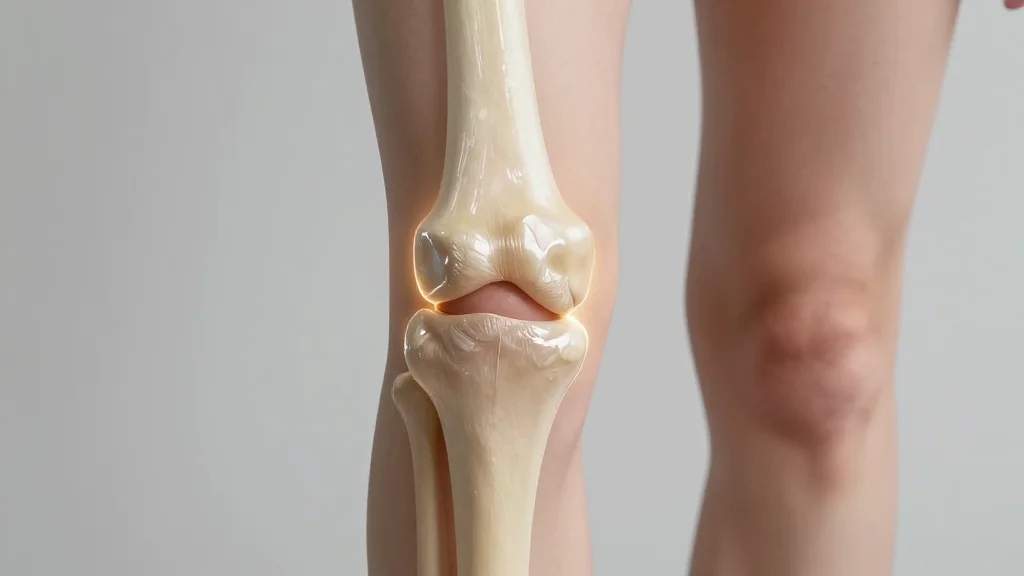
NR0B2 Is Protective of Cartilage, But Expression Decreases as Osteoarthritis Progresses
Researchers identified the orphan nuclear receptor NR0B2 (also known as SHP) as a protective factor in cartilage, with its expression markedly reduced in osteoarthritic tissue. In male mice, global or chondrocyte‑specific deletion of Nr0b2 worsened pain and joint damage after...

Microplastic and Nanoplastic Exposure in the Context of Aging
Recent animal research shows that high-dose nanoplastic accumulation can trigger cellular dysfunction, including oxidative stress and senescence. While these harmful exposure levels exceed current environmental concentrations, older adults may experience greater cumulative burden due to lifelong exposure and age‑related physiological...

Remaining Challenges in the Development of Partial Reprogramming Therapies
Partial reprogramming—brief exposure to Yamanaka factors OCT4, SOX2, KLF4 and MYC—has demonstrated modest rejuvenation in mouse studies but carries a substantial cancer risk if cells slip into full pluripotency. Funding is concentrated in a few well‑capitalized firms, notably Altos Labs,...

The Role of Reactive and Senescent Astrocytes in the Aging of the Brain
A new open‑access review examines how aging pushes astrocytes into reactive and senescent states, both of which contribute to neuroinflammation and cognitive decline. The authors synthesize recent single‑cell and transcriptomic studies showing region‑specific astrocyte phenotypes and highlight that reactivity and...

A Gut Microbiome Response to Low Protein Intake Drives Beneficial Browning of Fat Tissue
Researchers have shown that low‑protein diets (LPDs) stimulate the conversion of white adipose tissue into thermogenic beige fat, mirroring effects seen with cold exposure or β‑adrenergic activation. The browning response depends on specific gut microbes; germ‑free mice fail to brown,...

Efforts to Treat Neurodegenerative Disease by Altering the Gut Microbiome
Research increasingly shows that gut microbiome composition influences brain health, with age‑related dysbiosis linked to Alzheimer’s and Parkinson’s disease. Animal studies demonstrate that probiotic strains such as Lactobacillus and Bifidobacterium can reduce neuroinflammation and improve cognitive markers, while fecal microbiota...

A Novel G9a Inhibitor Reduces Symptoms in Mouse Models of Alzheimer's Disease
Researchers have unveiled FLAV-27, a novel G9a histone methyltransferase inhibitor that readily crosses the blood‑brain barrier and exhibits subnanomolar potency. The compound demonstrates high selectivity for G9a over related enzymes and a favorable safety profile, addressing the limitations of earlier...

Reviewing the Aging of Heart Muscle
Researchers review the biological mechanisms behind cardiac aging, highlighting molecular changes such as mitochondrial dysfunction, non‑coding RNA activity, and cellular senescence that impair myocardial energetics and regeneration. The article links these alterations to clinical outcomes like fibrosis, hypertrophy, valve calcification,...

Complicating 7-Ketocholesterol in Aging and Disease
Researchers are intensifying focus on 7‑ketocholesterol (7KC), an oxidized cholesterol derivative known for its cytotoxic, pro‑inflammatory and pro‑apoptotic effects, especially in atherosclerotic lesions and hypercholesterolemia. A new biotech, Cyclarity Therapeutics, has entered early clinical trials aiming to clear 7KC from...