

More Remaining Active Thymus Tissue Correlates with a Lower Mortality Risk
Researchers applied deep‑learning to routine chest scans to create a quantitative thymic health score for over 27,000 adults in the National Lung Screening Trial and Framingham Heart Study. Higher thymic health correlated with lower all‑cause mortality, reduced lung cancer and cardiovascular deaths, and fewer age‑related diseases after adjusting for age, sex, smoking and comorbidities. The study also linked thymic health to systemic inflammation, metabolic dysregulation, and lifestyle factors such as smoking, obesity and physical activity. These results suggest the thymus is a central regulator of healthy ageing and a potential therapeutic target.
CREB as an Important Player in the Decline of Immune System Control of Gut Microbiome Composition
Researchers using fruit‑fly models discovered that age‑related activation of the transcription factor CREB suppresses the antimicrobial protein PGRP‑SC2, leading to increased gut microbial load, a lower Firmicutes/Bacteroidetes ratio, and accelerated intestinal hyperplasia. Genetic enhancement of PGRP‑SC2 counteracts these effects, restoring...
An Aging Clock Built From Sleep Electroencephalography Data
Researchers have created a brain‑age clock using sleep electroencephalography (EEG) microstructures and interpretable machine‑learning across five long‑term U.S. cohorts totaling 7,105 participants. The resulting brain age index (BAI) quantifies the gap between EEG‑derived brain age and chronological age. A 10‑year...
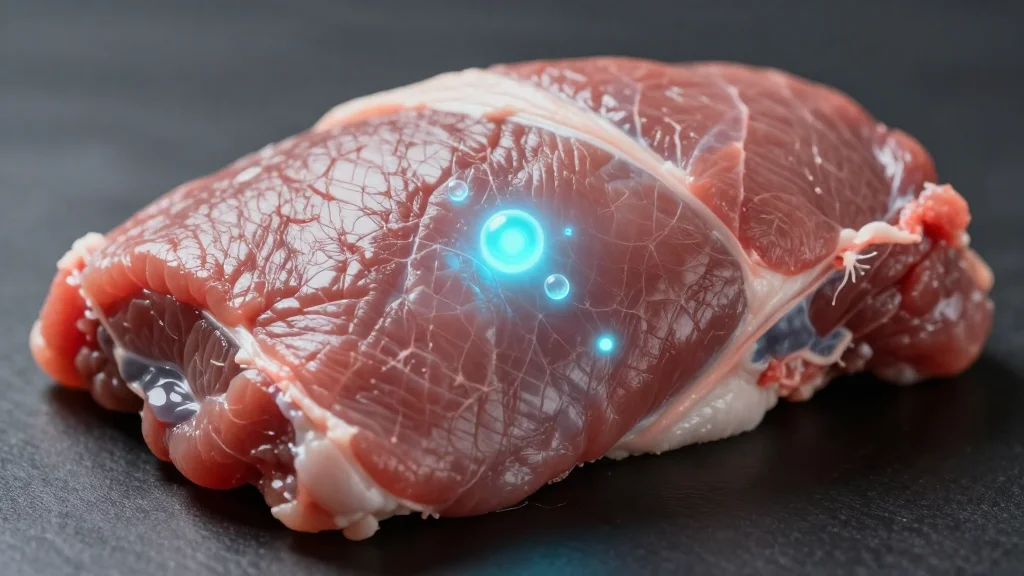
Aging Impairs Activation of Muscle Stem Cells, with MG53 as a Potential Target for Therapies
Researchers have shown that age‑related muscle loss stems primarily from a decline in the activation of resident muscle stem cells, not from their depletion. Early activation of these satellite cells is a stress‑sensitive, rate‑limiting step that becomes impaired in older...
A More Comprehensive Survey of Human Myostatin Mutations: Increased Muscle, Less Fat
A new open‑access study of 1.1 million people linked to the UK Biobank shows that carriers of loss‑of‑function myostatin (MSTN) variants have over 10 % greater skeletal muscle mass, stronger grip strength and markedly lower visceral fat. Deep‑learning segmentation of MRI scans...
Shingles Vaccination Correlates with Much Lower Risk of Cardiovascular Events
A new analysis of the TriNetX health‑record database found that adults 50 and older with atherosclerotic disease who received a shingles vaccine experienced dramatically lower rates of cardiovascular events. Over a one‑year follow‑up, vaccinated patients were 46% less likely to...
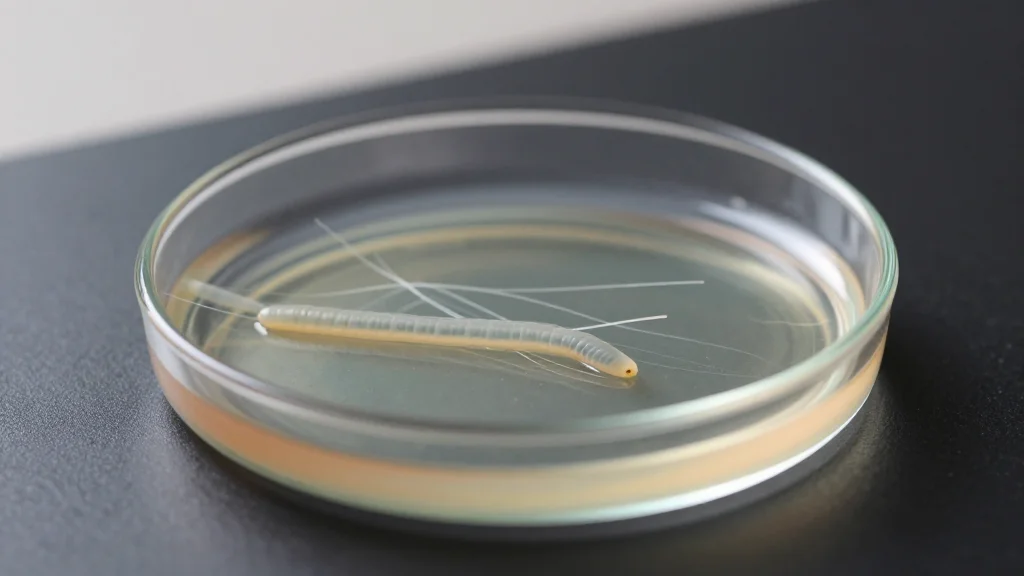
Collagen Gene Expression and Aging in Nematode Worms
Researchers analyzed RNA‑seq data from Caenorhabditis elegans and identified a broad decline in collagen gene expression with age, pinpointing 16 collagens consistently downregulated across multiple studies. Meta‑analysis of 66 datasets revealed that collagen expression is up‑regulated in 84% of long‑lived...
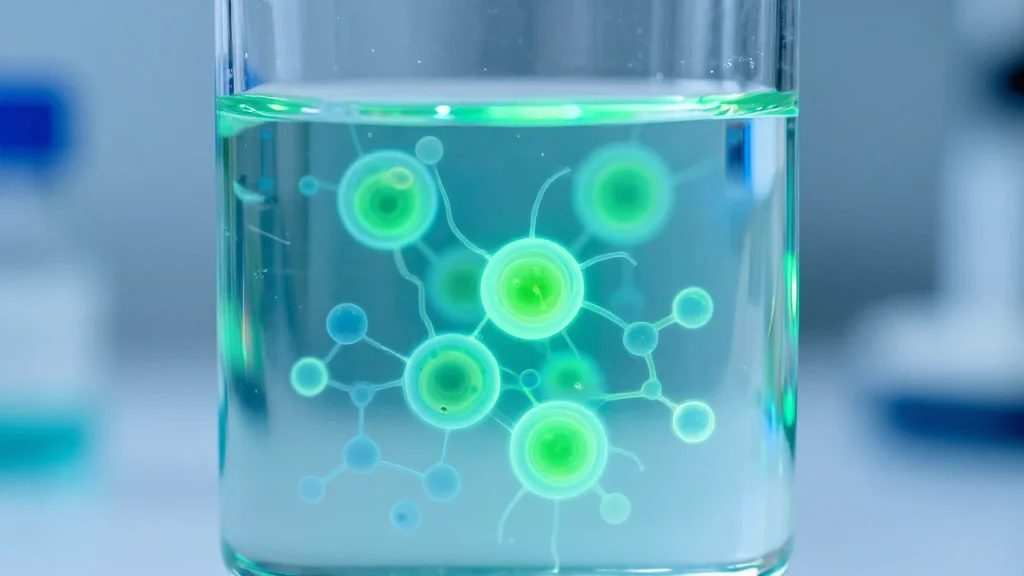
Messenger RNA Quality Control in Aging and Age-Related Disease
Cellular health depends on rigorous quality control of messenger RNA, yet these surveillance pathways weaken with age. Research in C. elegans and yeast shows that impaired nonsense‑mediated decay, nonstop decay, and no‑go decay lead to ribosome stalling, protein aggregation, and...
A Proteomic Map of the Hallmarks of Aging
Researchers created a single‑cell, subcellular proteome atlas of replicative aging in yeast, revealing hundreds of previously unknown protein changes tied to the classic hallmarks of aging. Spatial analysis showed that hallmark phenotypes often manifest as compartment‑specific relocalization and aggregation. Over...

A Review of the Role of Chronic Inflammation in Sarcopenia
Recent review highlights chronic inflammation as a central driver of age‑related sarcopenia, linking pathways such as cellular senescence, oxidative stress, mitochondrial dysfunction, and gut dysbiosis. Key inflammatory cytokines—including IL‑6, CRP, and TNF‑α—disrupt muscle protein balance and serve as potential biomarkers....

Neutrophils Exhibit Senescence-Like Behavior in Older Individuals
Researchers discovered that neutrophils from older individuals adopt a senescence‑like phenotype, marked by elevated SASP factors and reduced antimicrobial metabolism. RNA‑seq of lung neutrophils after Streptococcus pneumoniae infection revealed diminished glycolysis and ROS production, impairing bacterial clearance. Aged neutrophils also...

A Model of the Evolution of Aging that Accounts for Immortal Species
Researchers propose a new evolutionary model of aging that incorporates continuous gene effects on mortality, allowing for a runaway feedback loop that can produce immortal or negligibly senescent species. The model expands Hamilton’s classic framework by integrating external mortality, internal...
Autophagy as a Double Edged Sword in Aging
Recent research frames autophagy as a double‑edged sword in aging, proposing a threshold model where modest autophagic flux preserves mitochondrial health and blocks senescence, while excessive autophagy sustains the metabolic needs of established senescent cells. Above the damage threshold, autophagy...
Evidence for Microglia to Actively Promote Amyloid Aggregation in the Aging Brain
Researchers have discovered that microglia, the brain’s innate immune cells, can actively remodel soluble amyloid‑β (Aβ42) into extracellular fibrils with strong seeding activity, contrary to the prevailing view that they only clear plaques. Cell‑based assays showed that microglia‑generated amyloid closely...
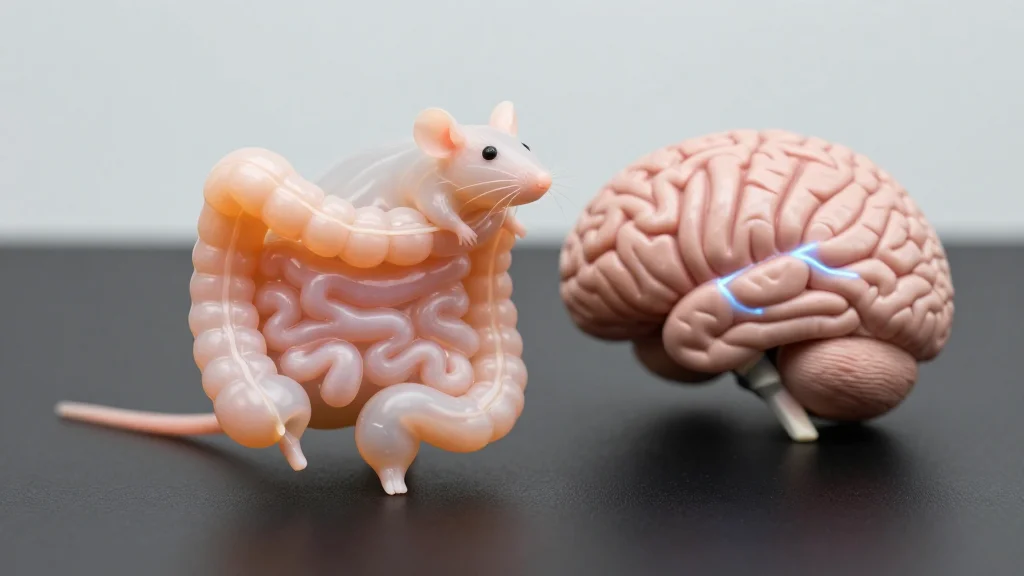
Exercise Modifies the Gut Microbiome and Tryptophan Metabolism to Improve Mood and Memory
Regular exercise reshapes the gut microbiome in adult male rats, notably reducing the abundance of Alistipes and Clostridium species. These microbial shifts enhance systemic tryptophan metabolism, increasing the serotonin catabolite 5‑hydroxytryptol and altering indole derivatives. Concurrently, hippocampal expression of the...
Interfering in Induction of Bystander Senescence as an Approach to Senotherapy
Researchers have mapped how senescence spreads between human brain cell types via the senescence‑associated secretory phenotype (SASP). Using DNA‑damage‑induced cultures and conditioned‑media assays, they identified cell‑type‑specific SASP signatures that drive secondary senescence in neighboring astrocytes, endothelial cells, microglia, oligodendrocytes and...
IGFBP7 Secreted by Senescent Cells Suppresses the Benefits of Exercise
Researchers identified insulin‑like growth factor binding protein‑7 (IGFBP7) as a circulating factor that limits exercise adaptation in older adults. Plasma proteomics from a year‑long high‑intensity interval training trial showed higher IGFBP7 levels predicted smaller fitness gains. In mice, genetic deletion...

A Preprint Claiming Exceptional Extension of Life in Mice via a Telomere Transfer Mechanism
A recent preprint from biotech startup Sentcell claims that adoptive transfer of engineered CD4+ T cells can generate extracellular “telomere Rivers,” which purportedly extend median mouse lifespan by about 17 months, with some animals living nearly five years. The authors...

Investigating the Early Stages of Age-Related Cataract Formation
Researchers used genetic code expansion to insert the oxidation product 5‑hydroxytryptophan into a critical tryptophan site of human γS‑crystallin, creating a controlled model of early cataract chemistry. The modified protein showed reduced thermal stability and a heightened tendency to aggregate,...

In an Average Decline of Function, Some Old People Exhibit Improved Function
A longitudinal study of U.S. adults aged 65 and older found that 45.15% improved either cognitive performance or walking speed over a 12‑year span. Researchers used a measure capable of detecting upward trajectories, contrary to typical aging metrics that only...
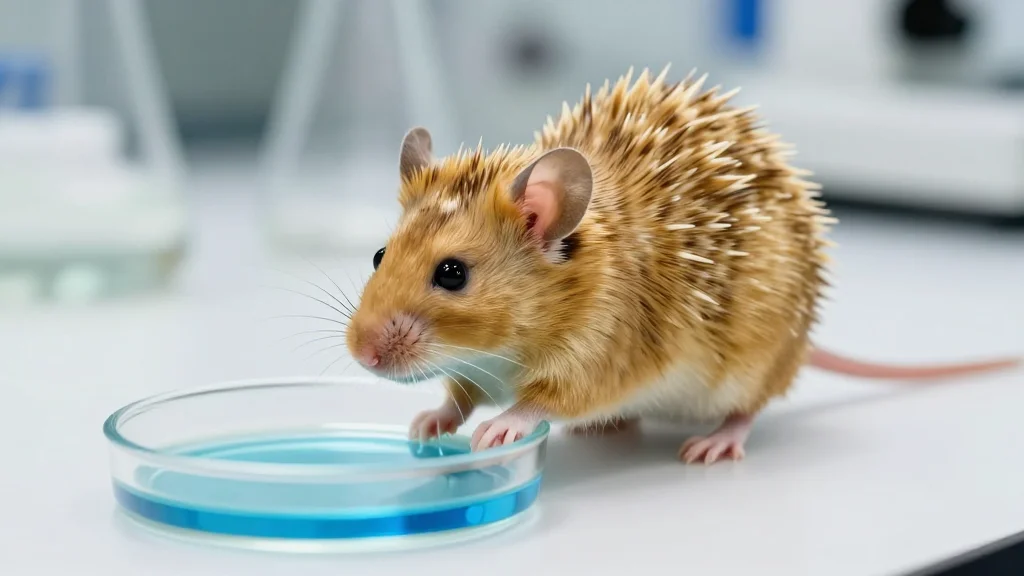
Some Spiny Mouse Species Are Long-Lived in Addition to Displaying Exceptional Regeneration
Researchers found golden spiny mouse (Acomys russatus) lives longer and retains regenerative abilities compared to its sister species. In a non‑pathogen‑free setting, aged A. russatus showed minimal frailty, reduced inflammaging, and preserved thymic structure beyond four years. Transcriptomic analysis revealed youthful...

Injectable Mini-Livers as an Alternative to Liver Regeneration
Researchers have introduced INSITE, an injectable platform that combines primary human hepatocytes with hydrogel microspheres to form self‑assembling, vascularizable tissue ensembles in situ. Using ultrasound guidance, the scaffold is delivered to an ectopic site where it integrates with host vasculature...
A Better View of How Cells Take Up Mitochondria to Restore Function
Researchers have demonstrated that mesenchymal stromal cells (MSCs) can actively internalize isolated, functional mitochondria through endocytic pathways. The study shows that the internalized organelles retain structural integrity and boost cellular proliferation, stress tolerance, and oxygen consumption. Chemical inhibition of endocytosis...

Arguing for PPARα Agonist Fenofibrate to Be Geroprotective
Researchers report that fenofibrate, a PPARα agonist approved for hyperlipidemia, extends lifespan and reverses cellular senescence in several mouse models, including D‑galactose‑induced, 18‑month‑old, and SAMP8 strains. The drug reduces age‑related lipid accumulation and restores mitochondrial function by up‑regulating CPT1C, a...
Periodontitis Alters the Gut Microbiome to Accelerate Osteoporosis
Researchers have shown that periodontitis reshapes the gut microbiome, accelerating bone loss in a mouse model of osteoporosis. Salivary microbiota from gum‑disease patients increased gut dysbiosis, suppressed tryptophan metabolism and reduced the osteoclast‑inhibiting metabolite indole‑3‑lactic acid (ILA). The altered microbiome...
The Hypoxia Response as an Example of the Way in Which Mild Stressors Slow Aging
Researchers have shown that mild, repeated stressors such as hypoxia can trigger cellular maintenance programs, notably autophagy, which delays senescence and extends organismal lifespan. Under low‑oxygen conditions, oxygen‑dependent histone demethylases are inhibited, leading to increased histone methylation and stabilized chromatin...
A View of the Present State of the Comparative Biology of Aging
The article reviews the emerging field of comparative biogerontology, emphasizing that while the hallmarks of aging have been mapped in laboratory models, their relevance across the vast diversity of animal species remains unclear. It argues that integrating molecular insights from...

Complement System Biomarkers Change with Age, and More So in Dementia Patients
A decade‑long study of 235 cognitively normal adults tracked plasma levels of 14 complement proteins every two years. Five factors—C4, C4b, Factor I, Factor D and Properdin—showed progressive deviations only in participants who later developed Alzheimer’s disease. These peripheral changes...

Electric Fields Allow Bioprinting of Aligned Muscle Fibers
Researchers have integrated an electric field into electrohydrodynamic (EHD) bioprinting to orient fibrin‑alginate hydrogels, producing nanofiber alignment that directs myocyte organization. The conductive polymer‑enhanced constructs exhibit improved myotube differentiation and mimic native muscle conductivity. In vivo tests on rats demonstrated...
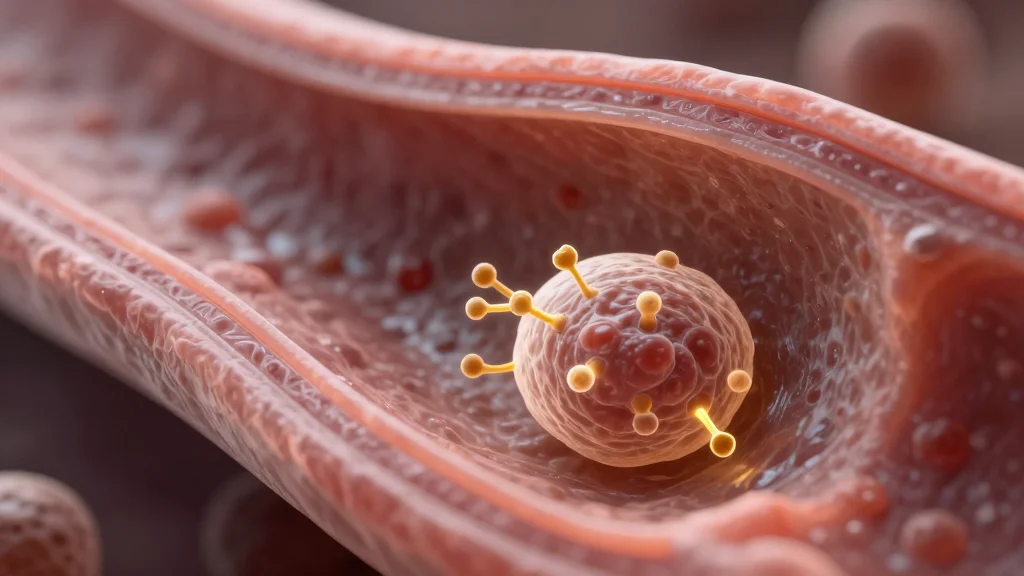
A SEMA7A Feedback Loop in Macrophages Accelerates Atherosclerosis
Researchers identified macrophage‑derived Semaphorin 7A (SEMA7A) as a potent driver of atherosclerosis. Gene‑expression analysis showed high SEMA7A and its receptor integrin β1 in human mononuclear cells, and mouse models with macrophage‑specific Sema7a deletion exhibited a 57.2% reduction in lesion size and improved...
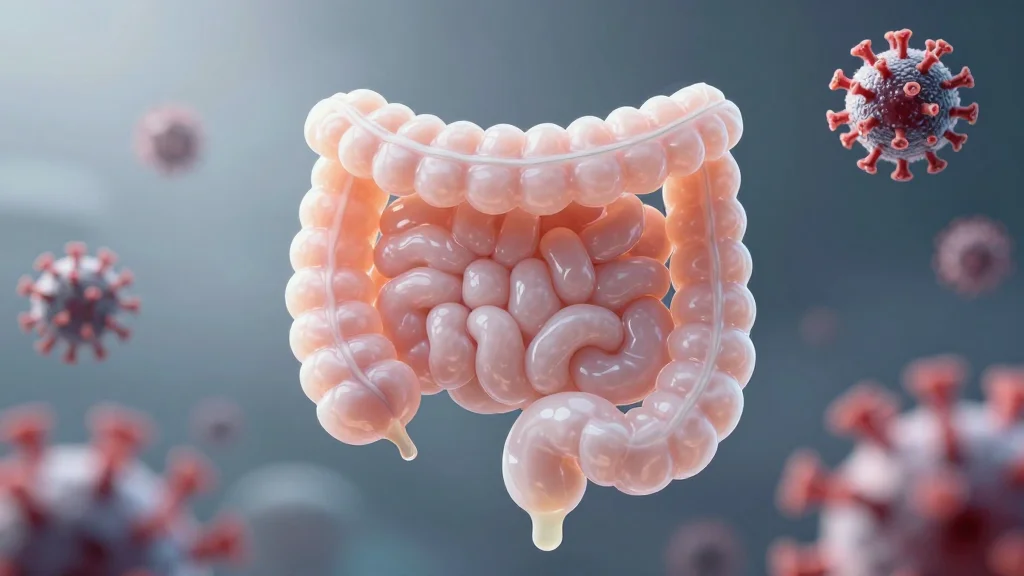
Reviewing What Is Known of the Virome in Aging
Recent open‑access review maps the human virome’s role in aging, highlighting how gut and circulating viruses influence immunity, inflammation, and metabolism. Age‑related virome changes include expansion of bacteriophage families, reactivation of latent herpesviruses, and altered viral diversity, with centenarians displaying...
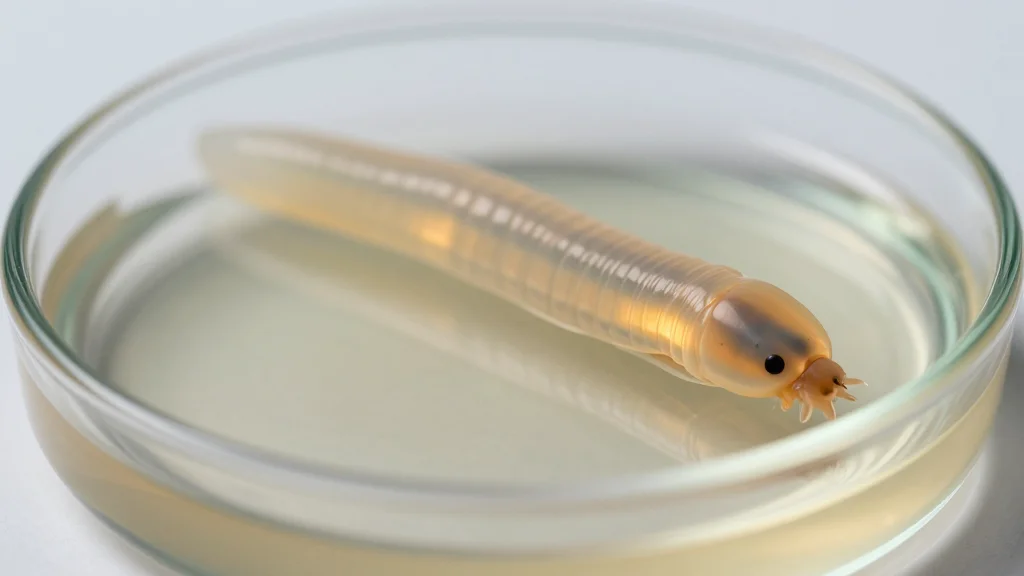
FMO-2 Upregulation Is Common to Multiple Longevity Associated Mutations in Nematodes
Researchers have identified flavin‑containing monooxygenase‑2 (FMO‑2) as a shared downstream effector in several long‑lived mitochondrial mutants of Caenorhabditis elegans, including clk‑1, isp‑1 and nuo‑6. RNA interference or genetic loss of fmo‑2 shortens the extended lifespan of these mutants, confirming its...
More Confirming Data for Adult Human Neurogenesis
Researchers used multiomic single‑cell sequencing on nearly 356,000 hippocampal nuclei to confirm that adult neurogenesis occurs in humans. The study compared young adults, cognitively normal elders, SuperAgers, and individuals with preclinical and clinical Alzheimer’s disease, revealing distinct cellular and chromatin...
Circular RNA MT-RNR2 in Mitochondrial Function and Aging
Researchers identified mitochondrial circular RNA MT‑RNR2 as abundant in young cells but depleted in older individuals and senescent fibroblasts. The RNA‑binding protein GRSF1 binds both linear and circular MT‑RNR2, linking it to TCA‑cycle enzymes and glucose metabolism. Loss of GRSF1...
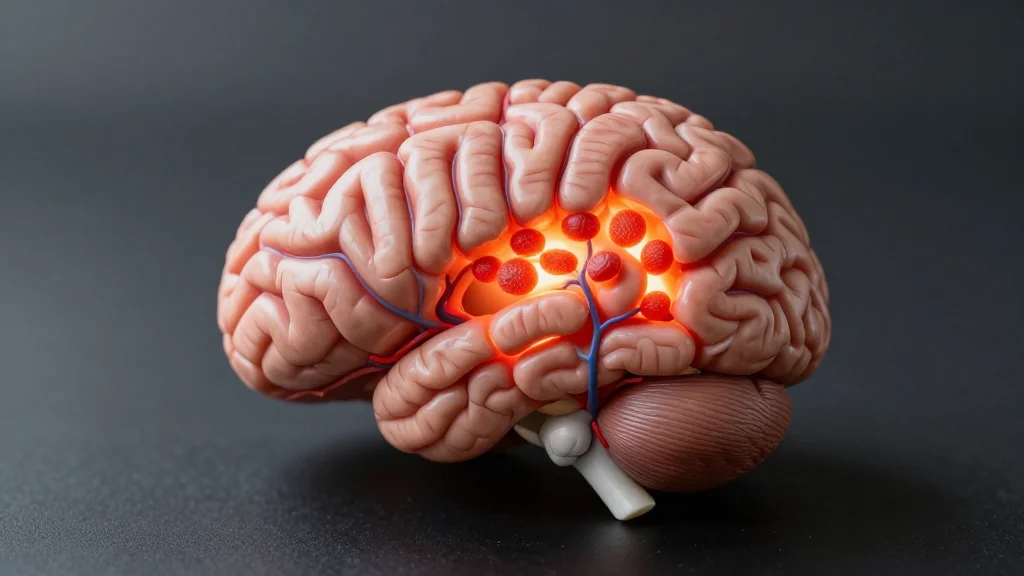
Enhancing Mitochondrial Function Improves Memory in Flies and Mice
Researchers discovered that boosting mitochondrial metabolism in neurons enhances long‑term memory formation in both fruit flies and mice. By reducing expression of the mitochondrial calcium exporter Letm1, calcium accumulates in the mitochondrial matrix, over‑activating metabolic pathways and increasing ATP production...

A Fair Amount of ARPA-H Funding Is Being Used for Clinical Trials Relevant to Aging
ARPA‑H is committing up to $144 million to healthspan‑focused human trials through its PROSPR program, funding seven teams to develop early biomarkers and surrogate endpoints for aging interventions. The agency has awarded Cambrian Bio $30.8 million for an oral rapamycin analog targeting...
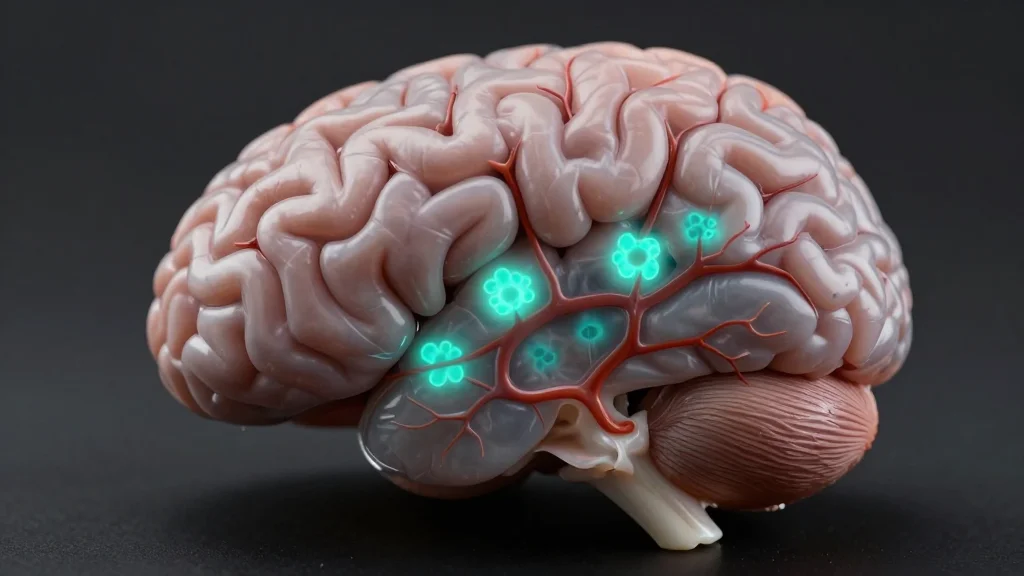
TDP-43 Aggregation as a Feature of Vascular Dementia
Researchers have identified that chronic cerebral hypoperfusion, a hallmark of vascular dementia, induces pathological TDP‑43 modifications—including cytoplasmic mislocalisation and hyperphosphorylation—in mouse and cell models. These changes mirror TDP‑43 proteinopathies observed in ALS, frontotemporal dementia, and Alzheimer’s disease, suggesting a shared...
Distinct Nuclear DNA Structure in Immune Cells From Centenarians
Researchers identified a unique chromatin accessibility signature in peripheral blood mononuclear cells of centenarians, marked by widespread chromatin openness across multiple immune subsets. Unlike typical aging, which often links increased accessibility with senescence, centenarians maintain open promoters and enhancers in...
The Role of the cGAS-STING Interaction in the Age-Related Inflammation of the Brain
The cGAS‑STING pathway, a DNA‑sensing immune circuit, becomes aberrantly activated in the aging brain as mitochondrial and nuclear DNA escape into the cytoplasm. This chronic activation drives low‑grade neuroinflammation, contributing to neurodegenerative diseases such as Alzheimer’s, Parkinson’s and ALS. Preclinical...

Some Epigenetic Clocks Correlate with Risk of Dementia
A recent analysis of 6,069 cognitively normal women examined whether epigenetic aging clocks predict incident mild cognitive impairment or dementia. Second‑ and third‑generation clocks (AgeAccelPheno, AgeAccelGrim2, DunedinPACE) were compared with first‑generation Horvath and Hannum measures. Only the AgeAccelGrim2 clock showed...
The Relevance of Clonal Hematopoiesis to Degenerative Aging Remains Uncertain
Clonal hematopoiesis (CH) is the age‑related expansion of blood‑cell clones carrying somatic mutations acquired in hematopoietic stem cells. Detectable CH appears in roughly 10 % of individuals over 70, making it a common form of somatic mosaicism. While CH is a...
Changes in the Gut Microbiome Drive Age-Related Intestinal Barrier Dysfunction
Researchers identified that the aging gut microbiome harbors increased Klebsiella aerogenes, which elevates histamine production and compromises intestinal barrier integrity. The excess histamine suppresses Nlrp6 expression, disrupting LC3‑mediated autophagy and intensifying inflammation in septic models. Experiments showed that lowering histamine...

Reviewing What Is Known of the Mechanisms by Which Calorie Restriction Slows Aging
Calorie restriction (CR) and broader dietary restriction (DR) remain the most robust, evolutionarily conserved interventions for extending lifespan and healthspan across species. In rodents, CR can increase lifespan by up to 40%, while human data suggest only modest gains of...
A View of Age-Related Changes in the Features of Extracellular Vesicles
Researchers analyzed plasma‑derived extracellular vesicles (EVs) from a healthy aging cohort using size‑exclusion chromatography, surface profiling, nanoparticle tracking and small‑RNA sequencing. They observed age‑dependent shifts in EV surface markers—decreases in CD3, CD56, HLA‑A, CD45 and increases in CD14, CD69—signaling immunosenescence...
Polyploidy and Cellular Senescence Are Tangled Together
Researchers highlight that senescent cells arising from DNA replication errors that generate whole‑chromosome duplications—polyploidy‑induced senescence (PIS)—are biochemically distinct from senescence caused by other stresses. Existing literature often fails to separate polyploid senescent cells from diploid counterparts, obscuring their unique roles...

Obesity Reduces Lifespan of Offspring
A new study shows that maternal obesity dramatically shortens the lifespan of mouse offspring, even when the pups are switched to a healthy diet after weaning. The reduction in longevity is linked to early‑life epigenetic programming that triggers widespread organ...
A Review of Efforts to Develop Stem Cell Therapies for Neurodegenerative Conditions
Stem cell therapies for neurodegenerative diseases span unregulated, low‑evidence clinics to proprietary, patent‑protected programs seeking regulatory approval. A new narrative review compiles trial outcomes, highlighting modest benefits—primarily brief inflammation reduction—and significant variability across patients and cell batches. The paper also...
The Brain as the Rate-Limiting Organ for Longevity
The article argues that the brain is the rate‑limiting organ for longevity, asserting that neural network degradation drives functional decline across the body. While peripheral organ rejuvenation has advanced, preserving and repairing brain tissue remains the critical bottleneck. It proposes...
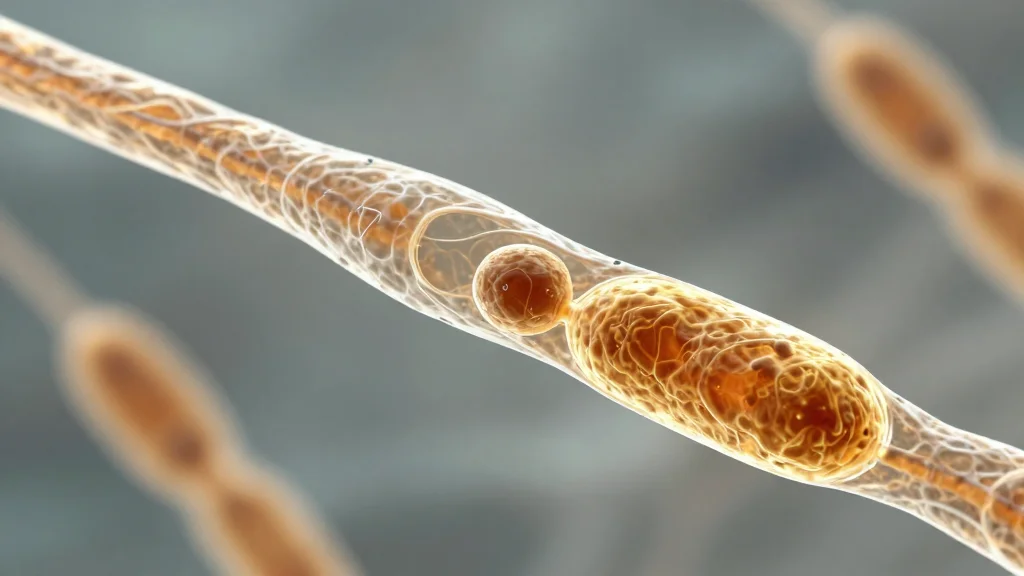
Distribution of Mitochondria Is Connected to Function in Aging Neurons
Researchers using Drosophila models demonstrated that proper distribution of mitochondria along axons is essential for neuronal autophagy and protein homeostasis. Depleting axonal mitochondria triggers protein accumulation, autophagic failure, and a shift in eIF2β expression that suppresses global translation. Overexpressing eIF2β...
Relationships Between an Aged Oral Microbiome and Harms Done by Senescent Cells
A new open‑access study investigates how the aging oral microbiome influences senescent cells and their SASP secretions, proposing a systemic oral‑microbiome‑senescence axis. The authors outline evidence that dysbiotic oral communities can exacerbate chronic inflammation and accelerate age‑related pathologies, yet they...