

Aging B Cells Are Harmful to Immune Function
Researchers discovered that age‑associated B cells (ABCs) actively impair immune function in older mice. Permanent genetic ablation of B cells reduced CD4 T‑cell aging, restored naive T‑cell pools, and prevented T‑cell receptor clonal restriction. The study identified B‑cell intrinsic insulin‑receptor signaling and MHC‑II interactions as mechanisms driving this dysfunction. Mice lacking B cells showed improved healthspan and extended lifespan, suggesting B‑cell targeting could mitigate immunosenescence.

OMG as a Marker of Resiliency to Neurodegenerative Processes
Researchers identified oligodendrocyte myelin glycoprotein (OMG) in blood as a marker inversely associated with cortical amyloid‑β deposition and neurodegeneration. Large‑scale plasma proteomics across more than a dozen cohorts showed lower OMG levels in individuals with Alzheimer’s disease, other dementias, and...

To What Degree Does Cytomegalovirus Contribute to Neurodegenerative Conditions?
Cytomegalovirus (CMV) infection, prevalent in most adults, increasingly appears linked to neurodegenerative processes. Large cohort studies show higher CMV IgG levels correlate with accelerated cognitive decline, and post‑mortem analyses detect CMV DNA in a majority of vascular dementia brains. Animal...

Levetiracetam Reduces Amyloid-Β Production in the Brain
Researchers report that the FDA‑approved antiepileptic levetiracetam reduces amyloid‑β42 production in mouse models of Alzheimer’s disease. The drug redirects amyloid precursor protein processing toward the non‑amyloidogenic pathway by modifying synaptic vesicle cycling and increasing surface APP expression. Mass‑spectrometry and electrophysiology...

Aging Is Often Overlooked in Mouse Models of Age-Related Conditions
Researchers increasingly rely on rapid, toxic mouse models that sideline the natural aging process, even though age is the chief risk factor for many diseases. In Parkinson's disease research, most pre‑clinical studies still use young rodents, obscuring how biological aging...

IL-6 as a Measure of Peripheral Inflammation Is More Often Elevated in Cognitively Impaired Individuals
A recent open‑access study of 514 Canadian seniors examined peripheral inflammation using IL‑6 and C‑reactive protein. The analysis revealed that elevated IL‑6 levels were present in 12% of cognitively normal participants but rose sharply to 36‑55% among Alzheimer’s, mixed dementia,...
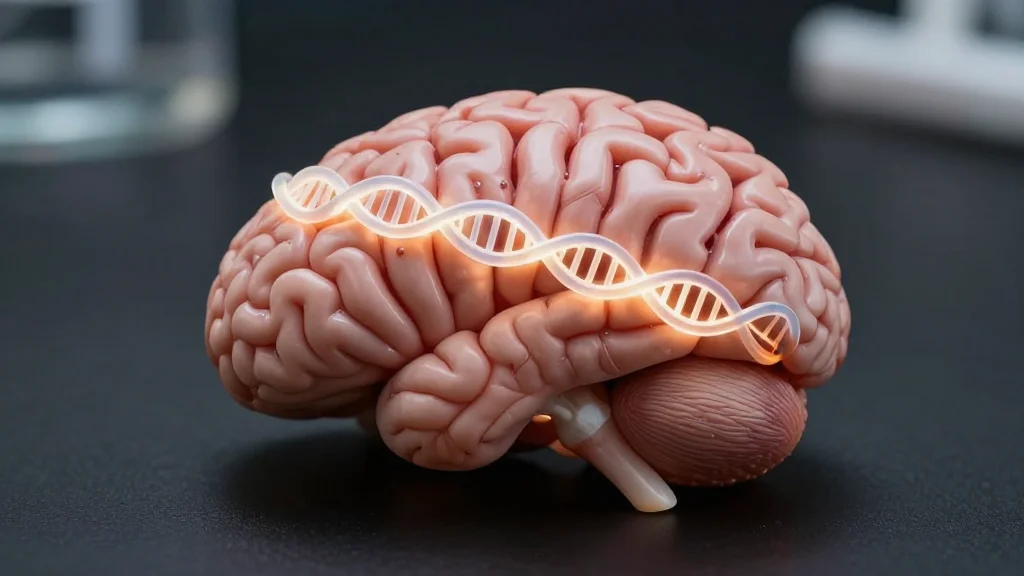
Partial Reprogramming of Neurons Encoding Memory Improves Cognitive Function in Aged Mice
Researchers applied cyclic OSK (Oct4‑Sox2‑Klf4) gene therapy to memory‑encoding neurons in aged mice, achieving partial cellular reprogramming without full pluripotency. The intervention reversed senescence‑related gene expression, restored youthful epigenetic patterns, and normalized synaptic plasticity in both hippocampal and prefrontal engrams....

Reduced APOE Expression Improves Bone Regeneration in Aged Mice
Researchers discovered that elevated circulating APOE in older mice suppresses bone regeneration by inhibiting osteoblast differentiation. Liver‑specific knockout of APOE or a single dose of a neutralizing antibody lowered serum APOE, restored Wnt/β‑catenin signaling, and markedly improved fracture callus density...
IRF7 Expression Drives Instability in Atherosclerotic Plaques
Researchers identified interferon regulatory factor 7 (IRF7) as a master transcriptional driver that pushes vascular smooth muscle cells (SMCs) into a pro‑inflammatory, macrophage‑like state, a key step in plaque destabilisation. Single‑cell RNA sequencing and trajectory analysis uncovered an intermediate stem‑endothelial‑monocyte...

The Aging of Retinal Vasculature Reflects the Aging of the Brain
Researchers used UK Biobank data to map vascular phenotypes across the retina, carotid artery, aorta, and brain, revealing consistent cross‑organ correlations. Retinal vascular density showed modest but significant negative links with white‑matter hyperintensities, carotid intima‑media thickness, and aortic lumen size,...

People Are Still Working on the Senolytic Peptide FOXO4-DRI
FOXO4‑DRI, a peptide that blocks the FOXO4‑p53 interaction, continues to be explored as a senolytic therapy. Recent preclinical work shows that injecting the peptide into aged and progeroid mice reduces endothelial cell senescence and improves aortic function. Companies such as...
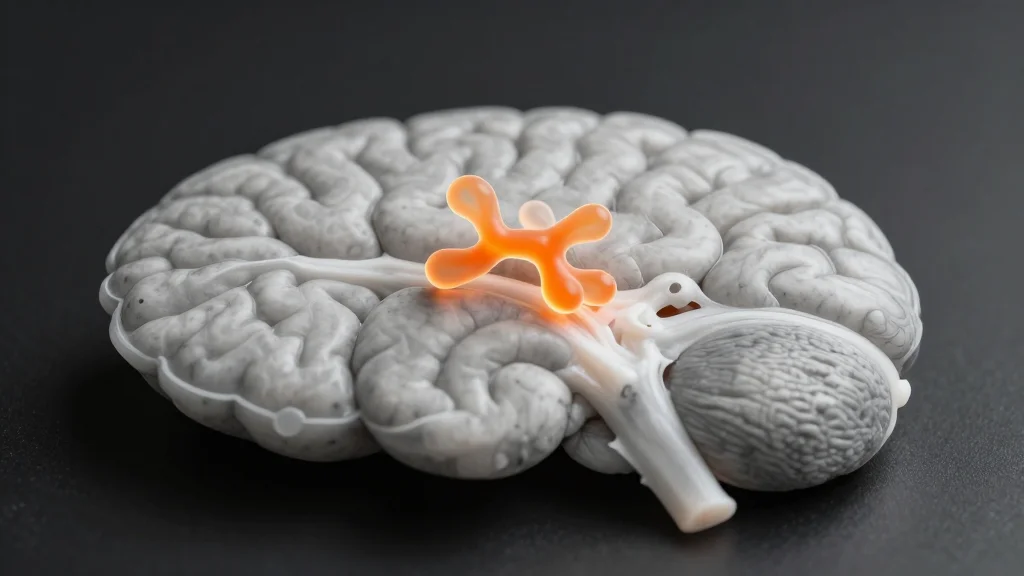
Increased O-GlcNAc Transferase Expression as an Approach to Improving Function in the Aging Brain
Age‑related decline in O‑GlcNAc Transferase (OGT) activity contributes to neurodegenerative disorders such as Alzheimer’s, Parkinson’s and ALS. Traditional approaches aim to raise O‑GlcNAc levels by inhibiting O‑GlcNAcase, but recent research highlights transcriptional control of OGT as a more direct therapeutic...

Inflammatory Glycogen Produced by Gut Microbes Contributes to Neurodegeneration
Researchers have identified inflammatory glycogen produced by gut microbes as a driver of age‑related neurodegeneration, especially in ALS and frontotemporal dementia linked to C9ORF72 mutations. In germ‑free mice lacking C9ORF72, colonization with glycogen‑producing Parabacteroides merdae triggered monocytosis, blood‑brain barrier breakdown,...

The ARMOR Study of Fecal Microbiota Transplantation to Treat Aging
The ARMOR study is a double‑blind, placebo‑controlled trial testing oral fecal microbiota transplantation (FMT) from young, physically active donors in adults aged 65‑84. By delivering lyophilized microbiota capsules, the trial aims to restore gut diversity and assess impacts on muscle...
The Ethical Case for the Development of Means to Treat Aging as a Medical Condition
The article argues that aging, the leading cause of human suffering, should be treated as a medical condition, leveraging recent biogerontology breakthroughs that demonstrate its biological malleability. It contends that ethical justification must go beyond cost‑benefit calculations, grounding the case...
Interactions Between Neurons and Glial Cells in the Aging Brain
Researchers examined how aging alters neuron‑glia communication in Drosophila, identifying 872 age‑dependent glial surface proteins. Proteins linked to transport increased, while those involved in synapse organization declined. Overexpressing the glial adhesion protein DIP‑β extended both male and female lifespan and...
Position Effect Variegation as a Way to Visualize Age-Related Structural Change of Nuclear DNA
Researchers have repurposed position effect variegation (PEV) in Drosophila melanogaster as a visual aging clock that reports age‑dependent loss of heterochromatin. Pericentric insertions show suppressed eye variegation in older flies, indicating chromatin decompaction and increased transcription. Environmental interventions such as...
MTOR Inhibitors Reduce DNA Damage and Consequent Cellular Senescence in Immune Cells
Researchers have found that mTOR inhibitors such as rapamycin directly reduce DNA damage in human immune cells, thereby decreasing cellular senescence. The effect was observed in vitro with T cells under genotoxic stress and was not mediated by autophagy, protein...
Endoplasmic Reticulum Autophagy Is Important in Aging
Researchers used high‑resolution live imaging in C. elegans, yeast, and mammalian cells to map how the endoplasmic reticulum (ER) remodels during ageing. They observed a universal decline in ER protein content and a shift from dense sheet structures to diffuse...
More Evidence for a Prevalent Accumulation of Aggregated Proteins in the Aging Brain
Researchers identified an "aggregome" of 1,726 proteins that accumulate in the aging mouse brain, with neuronal protein half‑life roughly doubling between 4 and 24 months. The aggregation profile varies across brain regions and is enriched for synaptic proteins. Over half...

A Reinvigorated Alcor and Growth in Cryonics
The post highlights Alcor’s recent surge in funding and operational upgrades, marking a turning point for the cryonics sector. New initiatives include the first in‑house whole‑body CT scan for real‑time vitrification assessment, improved organ‑preservation protocols, and pioneering brain‑slice culture experiments....
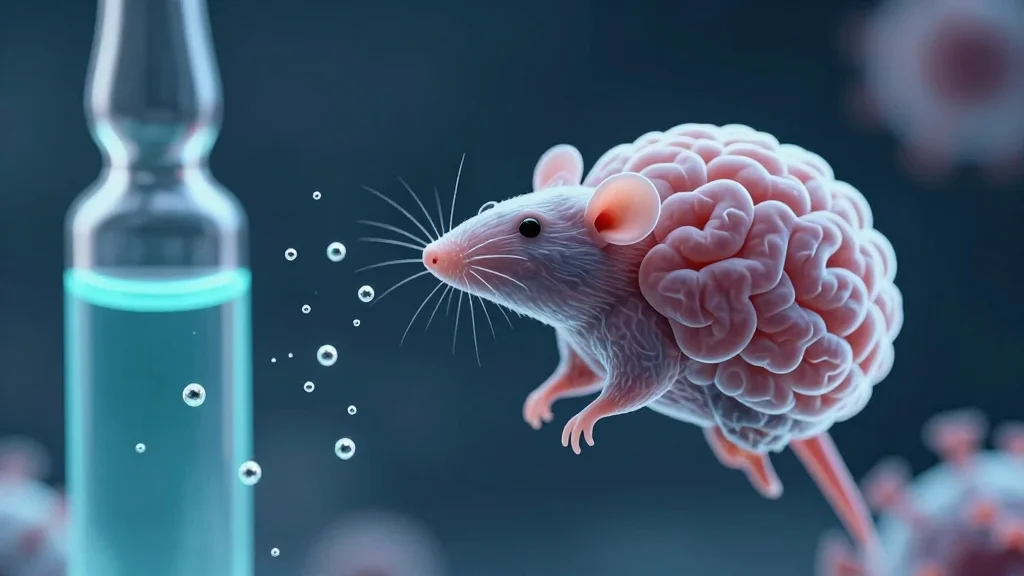
BDNF Gene Therapy Improves Cognitive Function in Alzheimer's Model Mice
Researchers engineered a novel adeno‑associated virus serotype, AAVT42, that shows superior neuronal tropism compared with AAV9. By stereotactically injecting AAVT42‑delivered BDNF into the hippocampus of three Alzheimer’s disease mouse models, they achieved long‑term BDNF expression. This intervention mitigated neuronal loss...

A Technique for Generating Artificial Lymph Nodes
Researchers have introduced a centrifuge‑based bioengineered lymphatic tissue (CeLyT) that merges lymphatic endothelial cells (LECs) with mesenchymal stem/stromal cells (MSCs) using an additive‑free cell‑stacking method. The construct self‑assembles a functional lymphatic network in culture and, after implantation in mice, generates...

Arguing for a Higher Heritability of Human Longevity
A new open‑access study re‑examines human longevity heritability, arguing that previous estimates were biased low because they ignored extrinsic mortality and arbitrary age cutoffs. By modeling and correcting for these factors, the authors find intrinsic lifespan heritability rises to roughly...
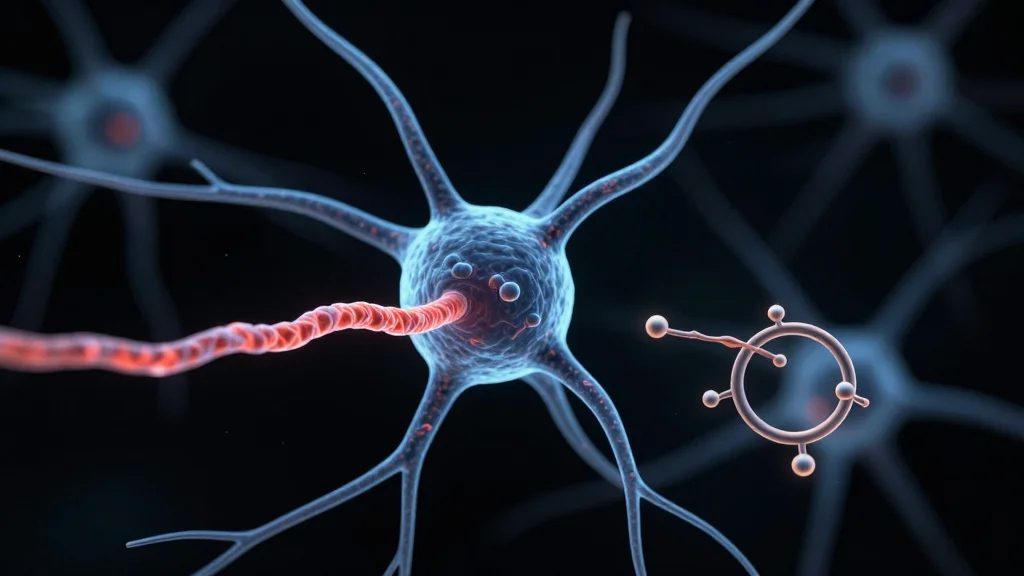
CUL5 as a Potential Target to Reduce Tau Levels in the Aging Brain
Researchers have identified the ubiquitin ligase CUL5 as a negative regulator of tau protein levels in human neurons. A genome‑wide CRISPR interference screen in iPSC‑derived neurons highlighted CUL5 knockdown as a potent means to lower intracellular tau, echoing similar hits...
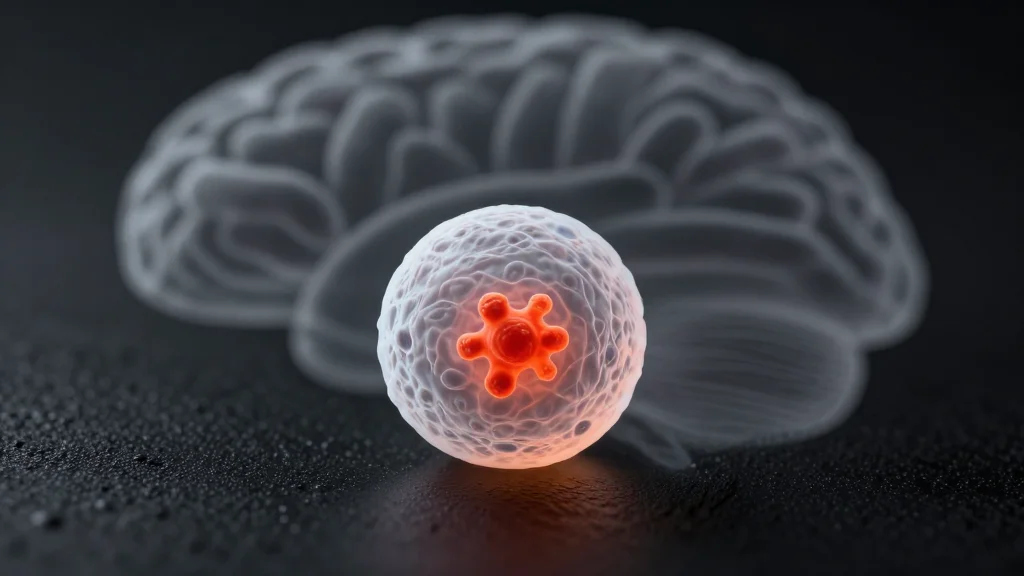
Better Understanding How Misfolded Α-Synuclein Moves From Gut to Brain
Researchers have identified muscularis macrophages (ME‑Macs) as pivotal carriers of misfolded α‑synuclein in the gut, facilitating its spread to the brain in Parkinson's disease models. Experimental depletion of ME‑Macs markedly reduced α‑synuclein pathology in both the enteric and central nervous...

Perspectives on Aging Research and the Near Future of the Field
The blog compiles leading scientists' forecasts for aging research over the next decade, highlighting a shift from descriptive studies to therapeutic interventions. Experts anticipate rapid advances in senescent‑cell clearance, epigenetic reprogramming, multi‑omics profiling, and AI‑driven target discovery. Clinical pipelines are...
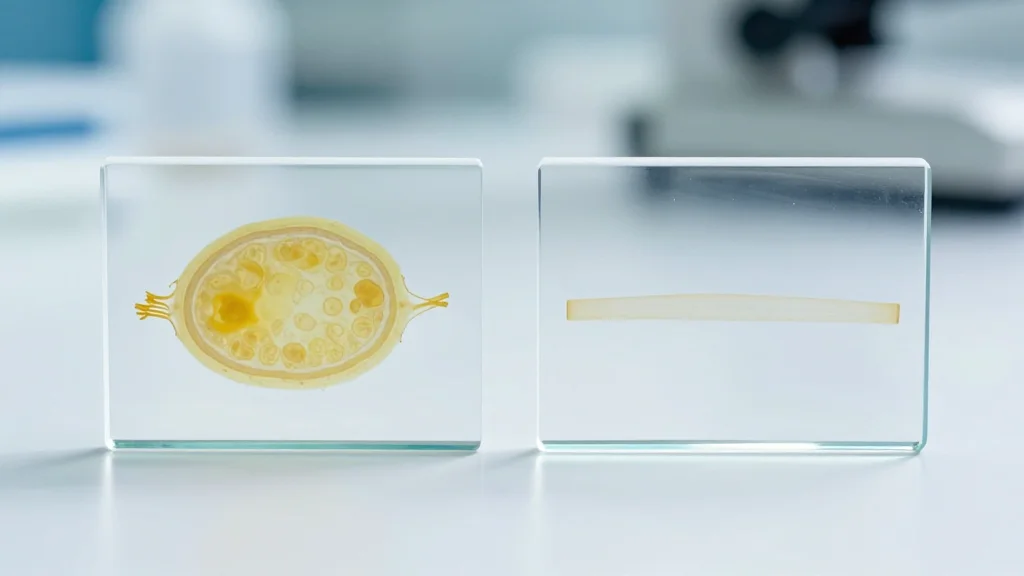
Sex Differences in Atherosclerotic Cardiovascular Disease
A new analysis of the CARDIA cohort spanning 34 years confirms that men experience premature atherosclerotic cardiovascular disease (CVD) several years earlier than women, with a 5% cumulative incidence occurring at age 50.5 versus 57.5 for women. The gap emerges...

Α-Ketoglutarate Interacts with TET to Regulate Cellular Senescence
A recent human trial of α‑ketoglutarate (AKG) supplementation failed to demonstrate measurable health benefits, prompting renewed focus on pre‑clinical evidence. New cell‑based research shows that the AKG‑TET enzymatic axis governs epigenetic reprogramming that drives or reverses cellular senescence. Down‑regulating AKG...
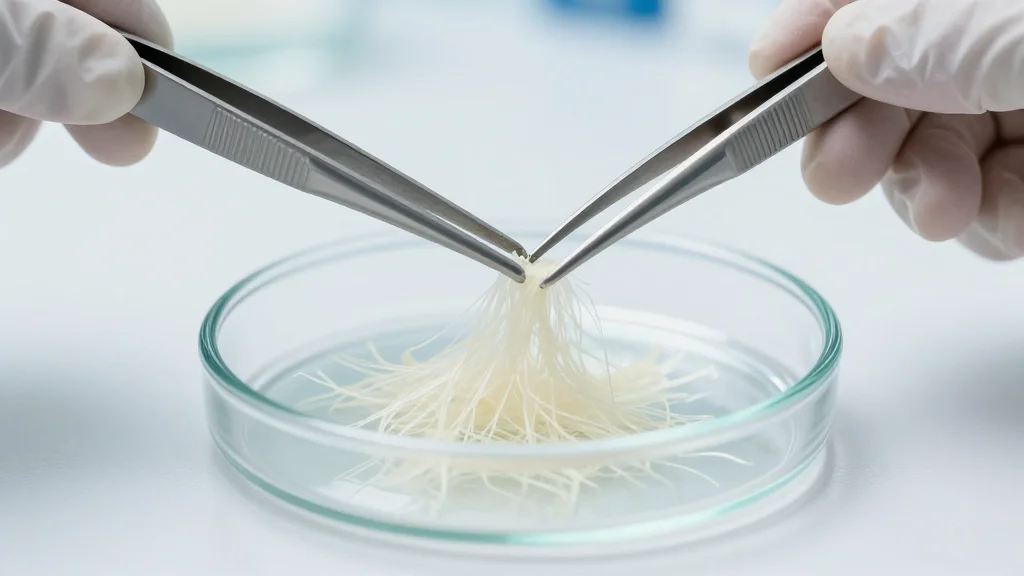
Functional Amyloids Are Involved in Long Term Memory
Researchers have identified a Drosophila chaperone, named Funes (CG10375), that promotes the formation of functional amyloids essential for long‑term memory. Funes interacts with the prion‑like protein Orb2, driving its amyloid conversion at synapses, and flies with elevated Funes retain odor‑reward...

The First Clinical Trial of Partial Reprogramming Will Start Soon
The FDA has cleared Life Bioscience’s ER-100 for the first human trial of partial epigenetic reprogramming, aimed at restoring damaged retinal cells in patients with open‑angle glaucoma and non‑arteritic anterior ischemic optic neuropathy. The therapy delivers three Yamanaka factors—Oct4, Sox2...

Ferroptosis in Alzheimer's Disease Is Reduced by Exercise
Recent review highlights ferroptosis, an iron‑dependent lipid‑peroxidation cell death, as a key driver of neuronal loss in Alzheimer’s disease. Senescent cells disrupt iron homeostasis, antioxidant defenses, and autophagy, creating a pro‑ferroptotic brain environment that accelerates pathology. Physical exercise counteracts these...

Considering Autophagy as a Means to Modestly Slow Aging
Autophagy is the cell’s recycling system that removes damaged proteins and organelles, becoming most active under mild stress such as fasting or exercise. Research shows that enhancing autophagy can modestly extend lifespan and healthspan in animal models. The longevity industry...

Phenotypic Age Predicts Mortality Risk in Parkinson's Disease Patients
The post discusses a new study using the Phenotypic Age (PhenoAge) clock to predict mortality risk in Parkinson's disease (PD) patients, finding that higher PhenoAge and its acceleration are strong independent predictors of death alongside factors like age, male sex,...

A Deeper Investigation of Recent Trends in Life Expectancy
A new study of 450 sub‑national regions in 13 Western European countries reveals stark regional disparities in life expectancy trends. Researchers identify two distinct phases: a "golden era" from 1992‑2005 with robust gains of roughly 2.5 months per year for...

Exercise as a Way to Enhance DNA Repair to Slow Aging
An open‑access review links regular exercise to enhanced DNA‑repair pathways that may decelerate muscle aging. It outlines two emerging mechanisms: somatic mosaicism from stem‑cell mutations and epigenetic drift driven by repeated double‑strand break repair. The paper highlights how chronic training...

Small RNAs Altered in Human Calorie Restriction
Researchers analyzed small non‑coding RNAs in participants of the CALERIE Phase 2 calorie‑restriction trial, which achieved a 12‑15% reduction in intake over 12‑24 months. Using smRNA sequencing of plasma, muscle, and adipose tissue, they identified 16 RNAs linked to the degree of...

The Γδ T-Cell Population Changes with Age
A recent mouse study shows that aging dramatically reshapes the peripheral γδ T‑cell compartment, expanding innate‑like subsets that produce higher levels of IL‑17. The age‑associated shift coincides with a marked loss of the transcription factor Foxo1 within these cells. Researchers...

Senolytics as a Treatment for Diabetic Kidney Disease
Researchers evaluated the senolytic combination dasatinib plus quercetin (D+Q) in diabetic kidney disease models and a pilot human trial. In streptozotocin‑induced diabetic mice, a short five‑day oral regimen reduced kidney injury markers, fibrosis, and the senescence marker p16Ink4a while boosting...

Facial Skin Regenerates with Less Scarring, and the Underlying Mechanism Could Be Applied Elsewhere in the Body
Researchers have uncovered why facial skin heals with less scarring than other body sites. They identified a signaling pathway centered on the protein ROBO2 that keeps facial fibroblasts in a low‑fibrotic state by inhibiting EP300. In mouse models, pharmacologic EP300...

Fecal Microbiota Transplantation From Young Mice to Old Mice Improves Intestinal Stem Cell Function
A recent study demonstrates that transferring fecal microbiota from young to old mice restores intestinal stem cell (ISC) function by reactivating canonical Wnt signaling. The young‑derived microbiota increased expression of Ascl2 and Lgr5, boosted crypt mitotic activity, and improved regenerative...

Exercise Reduces Inflammatory TMAO Produced by the Gut Microbiome
Researchers demonstrated that regular exercise markedly reduces the gut‑derived inflammatory metabolite trimethylamine N‑oxide (TMAO) in an aging rat model, lowering plasma TMAO by roughly 40%. The reduction coincided with significant improvements in cognitive performance, with the discrimination index rising 22.6%...

Bone Targeted Delivery of Mitochondria Wrapped in Artificial Cell Membranes
Researchers have engineered artificial cell microspheres (Fmito@ACs) that encapsulate healthy mitochondria from fetal mouse mesenchymal stem cells, shielding them from degradation in circulation. By applying an external magnetic field, these microspheres can be directed to bone fracture sites, where they...

Reviewing the Role of Mitochondrial Dysfunction in Alzheimer's Disease
Recent open‑access review argues mitochondrial dysfunction is a central driver of Alzheimer’s disease. The paper highlights altered mitochondrial morphology, reduced mtDNA, and impaired oxidative phosphorylation in AD brains. It proposes mitochondrial transplantation, delivered intrathecally, as a near‑term therapeutic strategy, while...

Greater Prevalence of the Favorable APOE-Ε2 Variant in People with Preserved Cognitive Function
Researchers examined APOE allele frequencies in “SuperAgers” versus Alzheimer’s disease patients and typical controls using the ADSP‑PHC multicohort dataset. Among non‑Hispanic White participants, SuperAgers displayed significantly fewer APOE‑ε4 alleles and a higher prevalence of the protective APOE‑ε2 allele compared with...
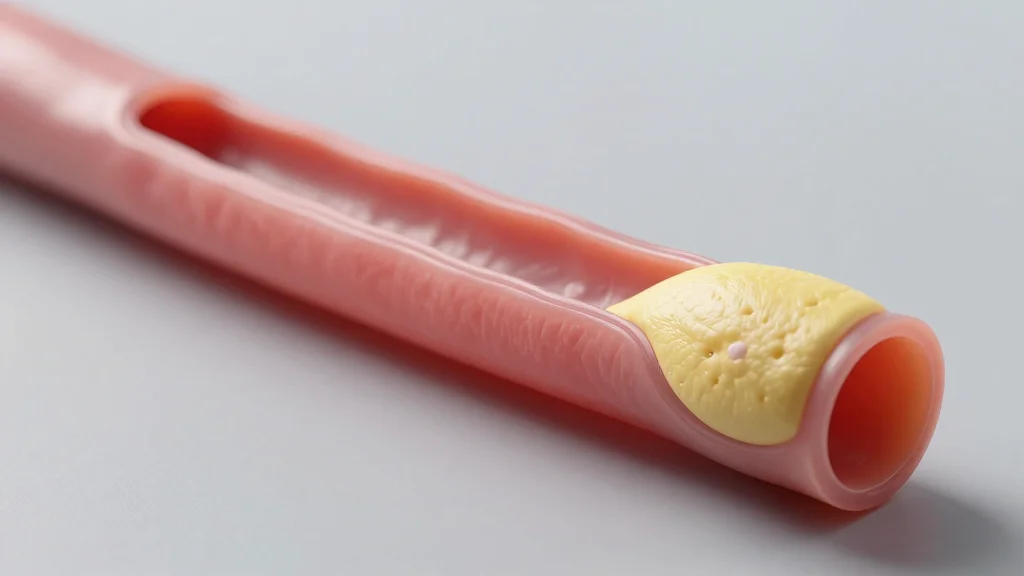
Heart Disease and Stroke Continue to Account for More than a Quarter of Human Mortality
Heart disease and stroke together accounted for more than a quarter of all U.S. deaths in 2023, remaining the nation’s leading cause of mortality. Although overall death rates are improving post‑COVID, half of American adults still live with some form...
Results From the Immunis Phase 2 Trial of a Stem Cell Secretome Therapy
Immunis announced interim Phase 2 results for its IMM01‑STEM secretome therapy in 47 obese seniors with muscle loss and metabolic dysfunction. The double‑blind, placebo‑controlled study showed a 26 % improvement in gait speed, a validated marker of overall health. Preclinical data also...

Data Suggests Age-Related RNA Processing Alterations in Sperm Cells
Researchers applied PANDORA‑seq to profile small non‑coding RNAs in mouse and human sperm across the lifespan, uncovering an "aging cliff" marked by abrupt shifts in tRNA‑derived (tsRNA) and rRNA‑derived (rsRNA) small RNAs. In aged sperm heads, rsRNAs lengthened while shorter...

Correlation Between Shingles Vaccination and Measures of Biological Aging
Using data from the U.S. Health and Retirement Study, researchers examined more than 3,800 adults aged 70 and older and found that receipt of the shingles vaccine was linked to slower biological aging across seven biomarkers. Vaccinated participants showed significantly...

ANGPT2 Encourages Blood-Brain Barrier Leakage and Consequent Neurodegeneration
Researchers have identified angiopoietin‑2 (ANGPT2) as a key driver of blood‑brain barrier (BBB) dysfunction in Alzheimer’s disease (AD). Transcriptomic data show ANGPT2 is markedly up‑regulated in human AD brains, and mouse models reveal that endothelial‑specific deletion of ANGPT2 lowers β‑amyloid...