

Nuclear Export of HMGB1 Drives Astrocyte Senescence
The study shows that high‑mobility group box‑1 (HMGB1) expression declines in astrocytes as they age, and astrocyte‑specific HMGB1 knockout accelerates mouse aging. Nuclear HMGB1 acts as an anti‑senescence factor, while extracellular HMGB1 functions as a pro‑senescent, inflammatory signal. By inhibiting HMGB1 nuclear export, researchers retained HMGB1 in the nucleus and markedly reduced astrocyte senescence. The findings propose nuclear retention of HMGB1 as a novel therapeutic avenue for mitigating brain aging and neurodegeneration.

Hemoglobin in the Progression of Aging
Hemoglobin, traditionally viewed as the body’s oxygen carrier, also modulates inflammation, oxidative stress, and vascular health, all of which influence aging trajectories. In older adults, anemia is linked to frailty, cognitive impairment, higher hospitalization rates, and mortality, while elevated hemoglobin...
Epoxy-Oxylipins as a Potential Means to Reduce Chronic Inflammation
Researchers have identified soluble epoxide hydrolase (sEH) inhibition as a means to boost epoxy‑oxylipin levels, notably 12,13‑EpOME and 14,15‑EET, in humans. Elevated epoxy‑oxylipins selectively reduce intermediate monocytes through p38 MAPK inhibition, accelerating pain resolution while leaving acute inflammatory markers largely...
Reduced Mechanical Stimulation in Aged Bone Marrow Contributes to Cell Dysfunction
Researchers discovered that aging diminishes mechanical stimulation in bone marrow, lowering intracellular traction forces of mesenchymal stem cells. Applying low‑frequency vibration restores these forces, re‑opening chromatin and reactivating FOXO1 transcription. The mechanical rescue improves locomotor activity, reduces frailty, and dampens...

TNFα Contributes to Age-Related Liver and Intestinal Barrier Dysfunction
Chronic, age‑related inflammation elevates hepatic TNFα and senescence markers p16 and p21 in male C57BL/6J mice. When TNFα is genetically deleted, 24‑month‑old mice show markedly reduced liver inflammation, fibrosis, and cellular senescence compared with wild‑type controls. The knockout also preserves...
Is Ferroptosis Important in Muscle Aging?
Recent research highlights ferroptosis—a form of iron‑dependent, lipid‑peroxidation cell death—as a potentially pivotal driver of age‑related muscle loss and weakness. Evidence of ferroptotic signatures appears across cellular, animal, and limited human studies, yet causality remains unproven. The authors propose that...
An Approach to Measuring Somatic Mosaicism in Solid Tissues
Researchers introduced single‑cell Genotype‑to‑Phenotype sequencing (scG2P) to quantify somatic mosaicism in solid tissues. Applying scG2P to esophageal samples from six older adults, they identified driver mutations in more than half of over 10,000 cells. NOTCH1 mutations were most prevalent, promoting...

A Brief Tour of Metabolites Shown to Modestly Slow Aging in Animal Studies
A recent open‑access review catalogs several endogenous metabolites—taurine, betaine, α‑ketoglutarate, oxaloacetate, hydrogen sulfide, NAD+, and methionine—that modestly extend lifespan or improve healthspan in animal models. The paper highlights how up‑regulating these compounds, or restricting methionine, can mitigate age‑related decline in...
Exercise Reduces Immunosenescence
Regular physical activity mitigates immunosenescence, restoring immune competence in older adults. Exercise improves insulin sensitivity, modulates mTOR/AMPK pathways, and reduces chronic inflammation. Metabolic remodeling, myokine release, and gut microbiota shifts enhance both innate and adaptive immunity, increasing naive T‑cell output....
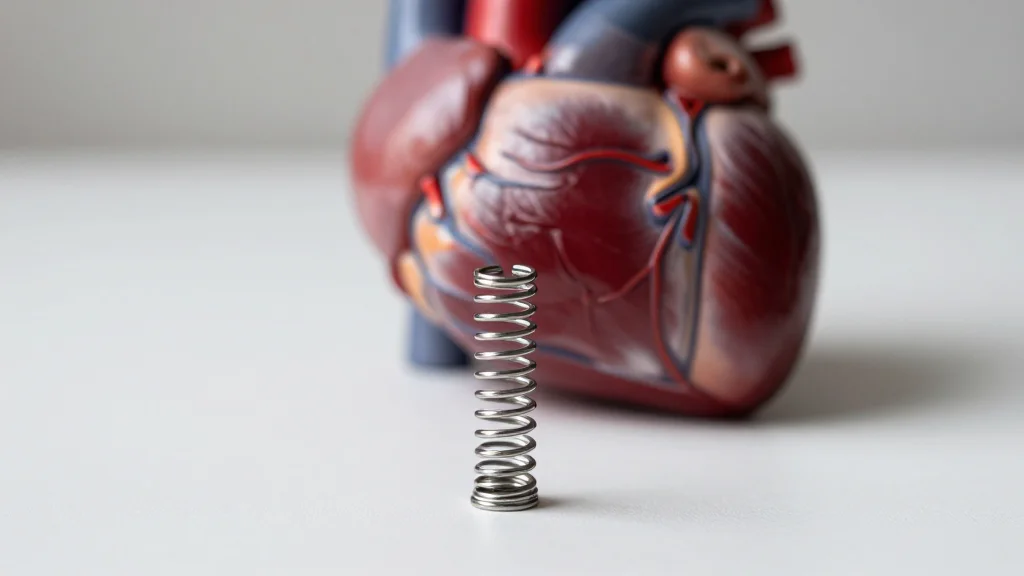
Reversing Loss of Titin Elasticity to Improve the Function of Aged Hearts
Heart failure with preserved ejection fraction (HFpEF) is driven in part by stiff titin isoforms. Researchers showed that partially inhibiting the splicing regulator RBM20 with antisense oligonucleotides shifts titin expression toward more compliant N2BA‑N isoforms. In a mouse model mimicking...

PDI Overexpression Improves Vascular Contractility in Aged Blood Vessels
Researchers discovered that overexpressing protein disulfide isomerase (PDI) restores contractile function in aged vascular smooth muscle. The study links age‑related loss of sulfenylation‑dependent actin remodeling to reduced arterial stiffness. In murine models, PDI overexpression re‑established F‑actin assembly and rescued vessel...

A Discovery Platform for Transcription Factors Capable of Tissue Rejuvenation
Researchers introduced a high‑throughput discovery platform that screens individual transcription factors for their ability to reverse cellular aging. Using aged human fibroblasts, the system highlighted more than a dozen candidates and rigorously validated four—E2F3 and EZH2 (activation) and STAT3 and...

Caudate Nucleus Blood Flow and Connectivity Correlate with Grip Strength
Researchers used functional MRI to examine brain activity in older adults performing maximum grip strength tests. Among dozens of regions, the caudate nucleus showed the strongest correlation with grip strength. In a sample of 60 participants equally split by gender,...

An Intracellular Antibody for Α-Synuclein Improves Motor Function in Aged Rats
Researchers used an adeno‑associated virus to deliver the NAC32 intrabody into the substantia nigra of aged rats, achieving a marked reduction in α‑synuclein accumulation. The treatment restored tyrosine hydroxylase expression, raised striatal dopamine levels, and significantly improved locomotor performance without...
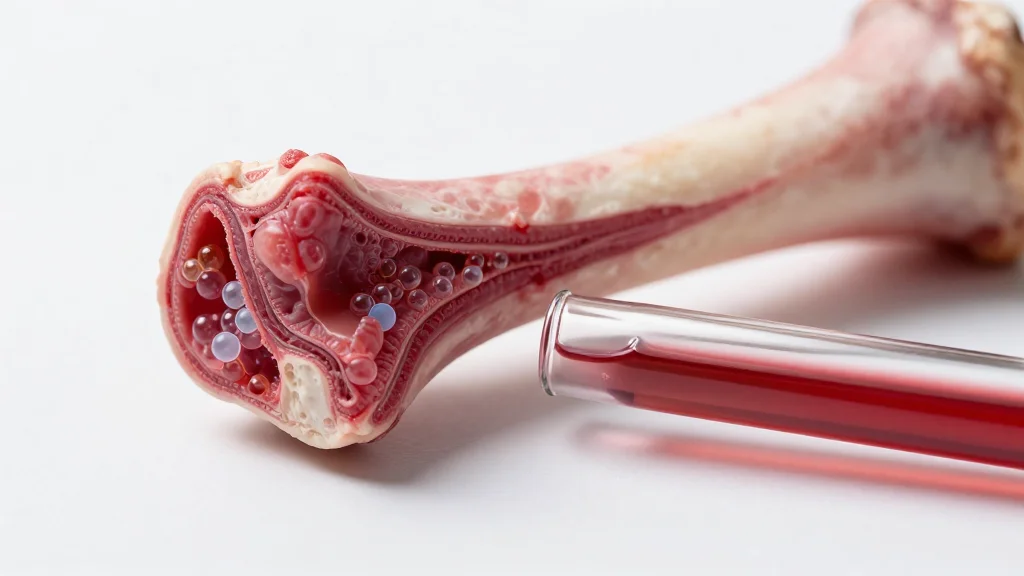
Mechanisms of Aging in the Vasculature and Immune System in the Context of Hypertension
The review highlights chronic inflammation as a central driver of vascular dysfunction in hypertension, emphasizing a feedback loop where immune dysregulation impairs hematopoiesis in the bone marrow, which in turn fuels further inflammation. It details how oxidative stress and endothelial...

Resistance Exercise Improves Cognitive Function in Older Adults
A meta‑analysis of 17 randomized controlled trials involving 739 older adults found that resistance exercise modestly improves overall cognitive function (SMD = 0.40). Significant gains were observed in working memory (SMD = 0.44), verbal learning (MD = 3.01), and spatial memory span (SMD = 0.63), while processing speed,...
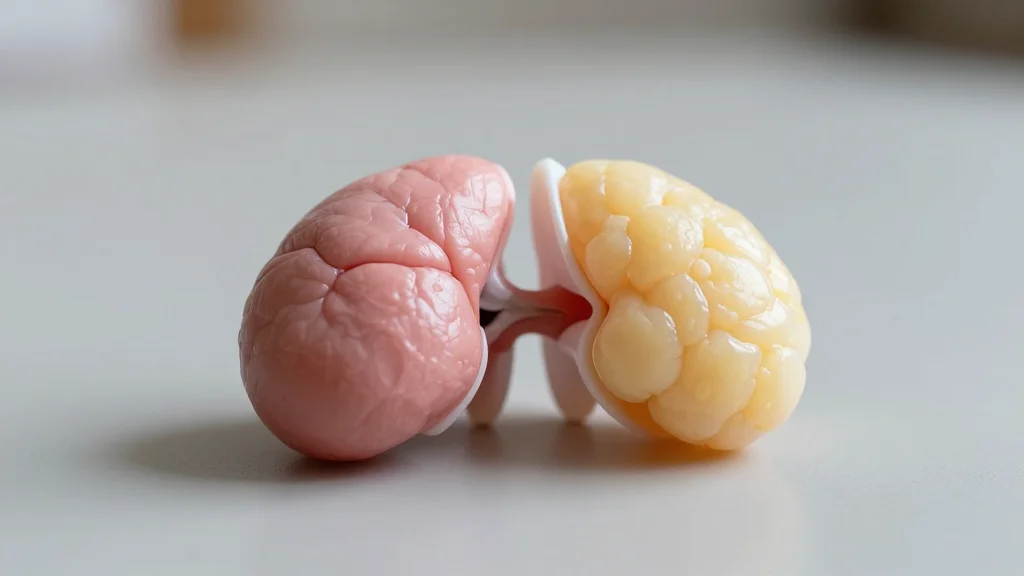
Yet Another New Biotech Company Aims at Regeneration of the Atrophied Thymus
Swiss biotech TECregen announced seed financing to launch a pipeline of biologic drugs aimed at regenerating the aged thymus. The company’s “thymopoietics” are engineered growth‑factor molecules designed to rebuild thymic epithelial cells, the niche essential for T‑cell maturation. By concentrating...

Investigating the Epigenetics of Cellular Senescence in T Cells
The paper examines epigenetic regulation of senescence in CD8+ T cells from younger and older donors, revealing that the senescent state, rather than chronological age, drives the majority of epigenomic and transcriptional shifts. Approximately 40% of detectable transcription factors are...

A Beneficial Function of TGF-Β in Aging
Researchers discovered that transforming growth factor‑beta (TGF‑β) signaling in microglia acts as a protective checkpoint for myelin integrity in the aging spinal cord. In aged mice, the dorsal column showed pronounced myelin degeneration alongside heightened TGF‑β activity in resident microglia....

Thoughts on Aging as Damage versus Aging as a Program of Altered Gene Expression
The article contrasts two dominant aging paradigms—damage accumulation and programmed gene‑expression—and highlights a growing synthesis of the two. It explains that a damage view drives research toward repair mechanisms, while a program view pushes gene‑expression and metabolic re‑engineering. Recent discoveries,...
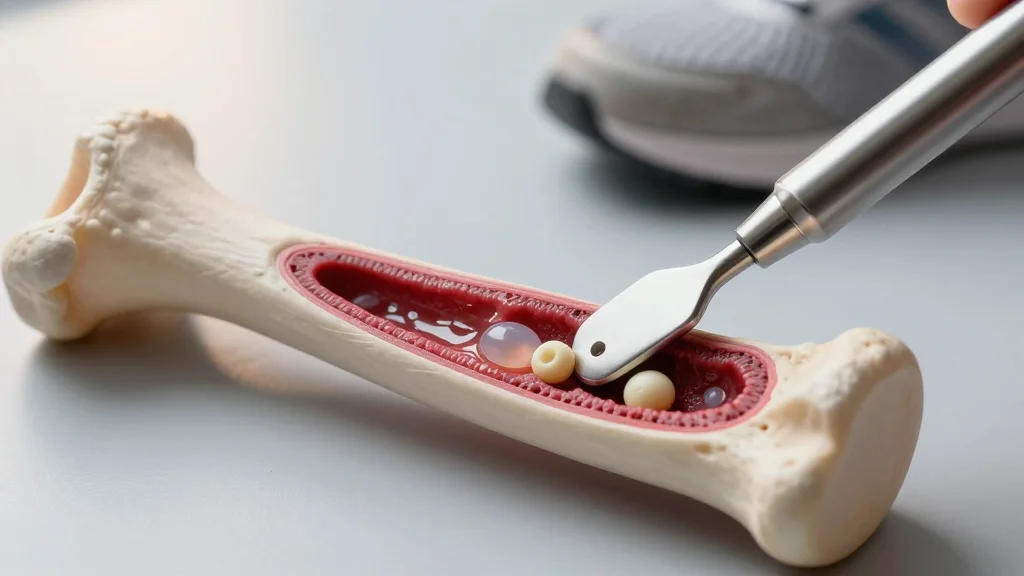
Mechanotransduction via Piezo1 Drives the Benefits of Exercise on Bone Tissue
Researchers identified the mechanosensitive ion channel Piezo1 in bone‑marrow mesenchymal stem cells as the key mediator of exercise‑induced bone health. Mechanical loading activates Piezo1, which suppresses marrow adipogenesis, curtails a Ccl2‑Lcn2 inflammatory loop, and promotes osteoblast differentiation. Mice lacking Piezo1...

Common Changes in RNA Splicing and Processing with Age Across Tissues
Researchers applied differential network analysis to human transcriptomes (ages 20‑70) across multiple tissues, uncovering age‑related transcriptional changes that standard differential expression missed. By integrating both methods, they identified a core set of genes consistently modulated with age, heavily enriched for...

Reviewing the Use of Fecal Microbiota Transplantation to Treat Parkinson's Disease
Recent research highlights the gut‑brain axis as a key factor in Parkinson’s disease, where age‑related dysbiosis may exacerbate neurodegeneration. Small clinical trials of fecal microbiota transplantation (FMT) have shown restored microbial balance, reduced constipation, and measurable improvements in motor, cognitive,...

LINE-1 RNA Provokes Inflammation to Contribute to Cognitive Dysfunction
Researchers identified plasma extracellular vesicle (EV) LINE‑1 RNA as a potent systemic aging factor that rises sharply with age and correlates with brain‑aging biomarkers. In mouse models, aged EVs cross the blood‑brain barrier, deliver LINE‑1 RNA to microglia, and activate...

Interactions Between Gut Microbiome and Muscle Tissue in the Development of Sarcopenia
Researchers highlight a bidirectional link between the aging gut microbiome and skeletal muscle, where myokine signaling shapes microbial composition and microbial metabolites influence muscle mass. Dysbiosis and reduced myokine secretion create a vicious cycle that accelerates sarcopenia. Interventions that modulate...
Arguing for Sirtuins to Be Involved in Known Interventions to Modestly Slow Vascular Calcification
Vascular calcification, a hallmark of cardiovascular aging, lacks effective reversal therapies beyond modest chelation. A new open‑access study links the SIRT family of proteins to slowed calcification by modulating inflammation, oxidative stress, and ferroptosis, primarily through metformin‑driven activation of SIRT1...

An Opinionated View of Current Issues with Aging Clocks
Aging clocks aim to quantify biological age using molecular data, promising faster assessment of anti‑aging therapies. While dozens of clocks exist, they are currently trusted only for research and personal health monitoring, not for regulatory or clinical decision‑making. The blog...

Dementia Risk Varies Between Strong versus Weak Circadian Clock Regulation
A new open‑access study of 2,183 older adults found that individuals with stronger circadian rhythms have a markedly lower risk of developing dementia. Researchers quantified rhythm strength using the relative amplitude of activity‑rest cycles derived from heart‑monitor and accelerometer data,...

Retro Biosciences Starts a Safety Trial for an Autophagy Promoter
Retro Biosciences has initiated a Phase 1 safety trial of its small‑molecule autophagy promoter RTR242 in healthy volunteers in Australia. The drug is designed to restore lysosomal acidity, thereby enhancing cellular waste‑clearance mechanisms that decline with age. The study is randomized,...
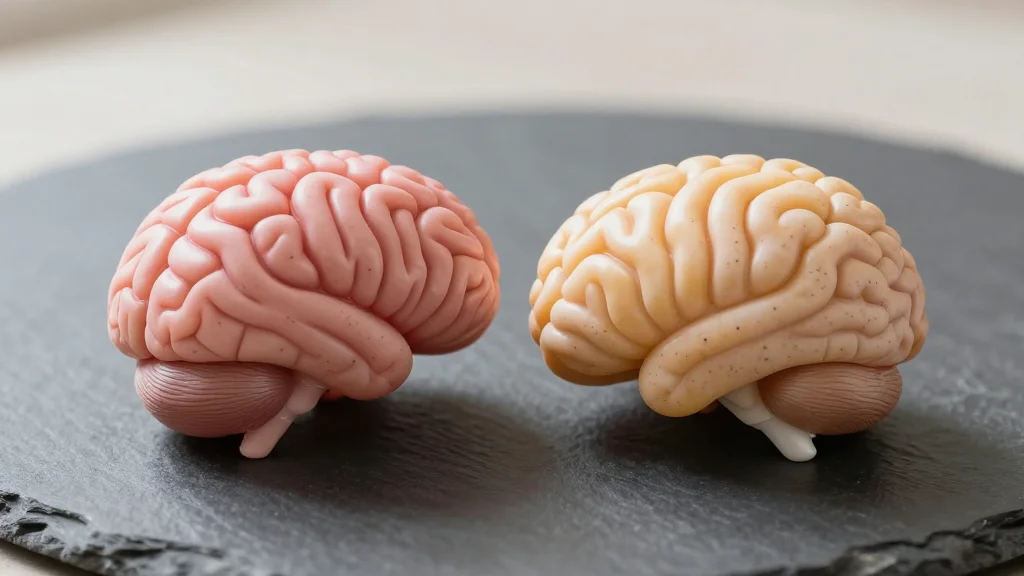
In Search of Mechanisms to Explain the Sex Difference in Alzheimer's Disease Outcomes
Recent open‑access research confirms that women experience more severe Alzheimer’s pathology than men, with female 5xFAD mice developing larger, less compact amyloid‑β plaques. Transcriptomic analysis revealed that female microglia up‑regulate glycolytic metabolism, antigen‑presentation pathways, and a distinct type‑I interferon signature,...

Reduced Cystathionine Γ-Lyase Levels May Contribute Meaningfully to Age-Related Neurodegeneration
Researchers found that cystathionine γ‑lyase (CSE) levels decline with age and that complete genetic removal of CSE in mice reproduces key features of brain aging. CSE‑deficient mice exhibited oxidative damage, blood‑brain barrier breakdown, impaired neurogenesis, and measurable cognitive deficits. The...

Improved Drainage of Cerebrospinal Fluid as a Time Critical Treatment for Stroke
Researchers at Monash University are developing non‑invasive neck devices that accelerate cerebrospinal fluid drainage via the glymphatic system immediately after ischemic stroke. Advanced imaging of 140 participants shows women have less lymphatic coverage in the brain’s outer layer, potentially explaining...

A Small Sample of the Complexity of Hair Follicle Aging
A recent single‑cell RNA sequencing study mapped the transcriptional landscape of human hair follicles across a wide age range, profiling 57,181 cells from young, middle‑aged and elderly donors. The analysis identified three distinct keratinocyte subtypes and highlighted activation of the...

Exosomes in Aging and Age-Related Conditions
Exosomes, nanoscale extracellular vesicles, are increasingly recognized as key mediators of aging and age‑related diseases through their cargo of proteins, lipids, and RNAs. Recent research shows that stem‑cell‑derived exosomes can reproduce the therapeutic signals of cell transplantation, prompting early clinical...

Evidence for Tau and Amyloid Pathology to Drive White Matter Damage in the Brain
A recent PET imaging study of older adults finds that amyloid‑β and tau protein deposits drive the progression of white matter hyperintensities (WMHs) rather than the reverse. Baseline analyses showed bidirectional links, but longitudinal data revealed that higher amyloid levels...

The Saturating-Removal Model of Damage Accumulation and Effects of Lifestyle on Aging
The Saturating-Removal (SR) model links stochastic damage accumulation to human mortality, showing that variations in damage production or removal rates are tightly constrained across individuals. Analyses of NHANES cohorts, centenarian siblings, and progeria cases support the model’s prediction that maximal...

MICOS in the Age-Related Decline of Mitochondrial Function
Recent 3‑D reconstructions reveal that the mitochondrial contact site and cristae organizing system (MICOS) becomes progressively disordered in aging neurons, especially those exposed to Alzheimer’s disease (AD) pathology. The study documents age‑dependent cristae fragmentation, reduced inter‑mitochondrial connectivity, and altered mitochondrial...

Modest Reversal of Proteomic Aging via a Structured Program of Exercise
A recent study using a 12‑week supervised exercise program showed a modest reversal of proteomic aging, shrinking the predicted biological age by roughly ten months in 26 male participants. The research linked higher ProtAgeGap scores to lower physical activity and...

Restoration of Lymphatic Vessel Contractility in Aged Mice
Researchers identified the voltage‑gated sodium channel NaV1.3 as a selective, drug‑gable target in adult lymphatic smooth muscle. Using the scorpion‑venom‑derived activator Tf2, they fully restored lymphatic vessel contractility in aged mice and partially rescued radiation‑induced deficits. NaV1.3 is absent from...