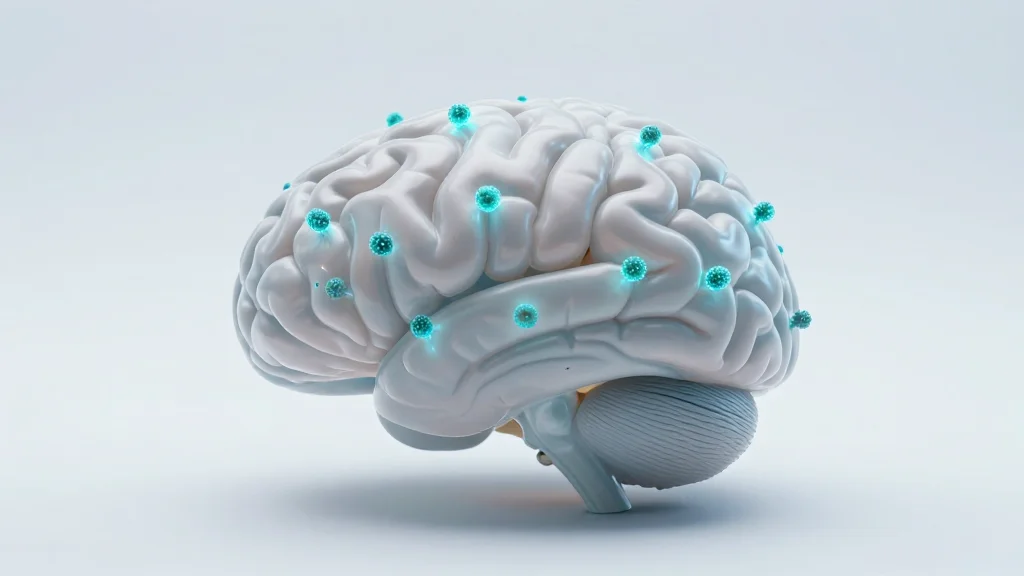
Efforts to Treat Neurodegenerative Disease by Altering the Gut Microbiome

Key Takeaways
- •Gut dysbiosis linked to Alzheimer’s and Parkinson’s
- •Probiotic strains Lactobacillus, Bifidobacterium show mental health benefits
- •FMT from young donors restores youthful microbiome in mice
- •Human clinical data remain limited, trials needed
- •Industry likely to launch probiotic products before approvals
Pulse Analysis
The gut‑brain axis is increasingly recognized as a bidirectional communication highway that integrates neural, endocrine and immune signals. As people age, the microbial community in the intestine shifts toward pro‑inflammatory species while beneficial metabolite‑producing bacteria decline, a process termed dysbiosis. This imbalance fuels chronic low‑grade inflammation—often called inflammaging—and can impair blood‑brain barrier integrity, neurotransmitter balance, and neuronal health. Researchers now link these microbial changes to the onset and progression of neurodegenerative disorders such as Alzheimer’s disease and Parkinson’s disease, positioning the microbiome as a modifiable risk factor.
Probiotic supplementation offers a pragmatic route to reshape the aging microbiome. Clinical and pre‑clinical studies highlight Lactobacillus and Bifidobacterium strains for reducing anxiety, depression, and neuroinflammation, while also modestly enhancing cognition. The global probiotics market, already exceeding $70 billion, is poised to expand as biotech firms develop targeted, high‑dose formulations aimed at brain health. Because probiotics are generally recognized as safe, companies can bring products to market faster than they can complete large‑scale human trials, creating a commercial incentive to capitalize on emerging scientific evidence.
Fecal microbiota transplantation (FMT) represents a more aggressive strategy, transplanting a youthful microbial ecosystem into older recipients. Mouse models of Parkinson’s and Alzheimer’s have shown restored motor function, lowered amyloid burden, and reduced neuroinflammatory markers after a single FMT course. Yet human data remain sparse, and regulatory agencies caution about pathogen transmission and donor‑screening complexities. Large, placebo‑controlled trials are now underway to define which patient sub‑groups benefit most and to establish safety benchmarks. If successful, FMT could become a cornerstone of precision neuro‑gerontology, complementing pharmacologic approaches.
Efforts to Treat Neurodegenerative Disease by Altering the Gut Microbiome
Comments
Want to join the conversation?