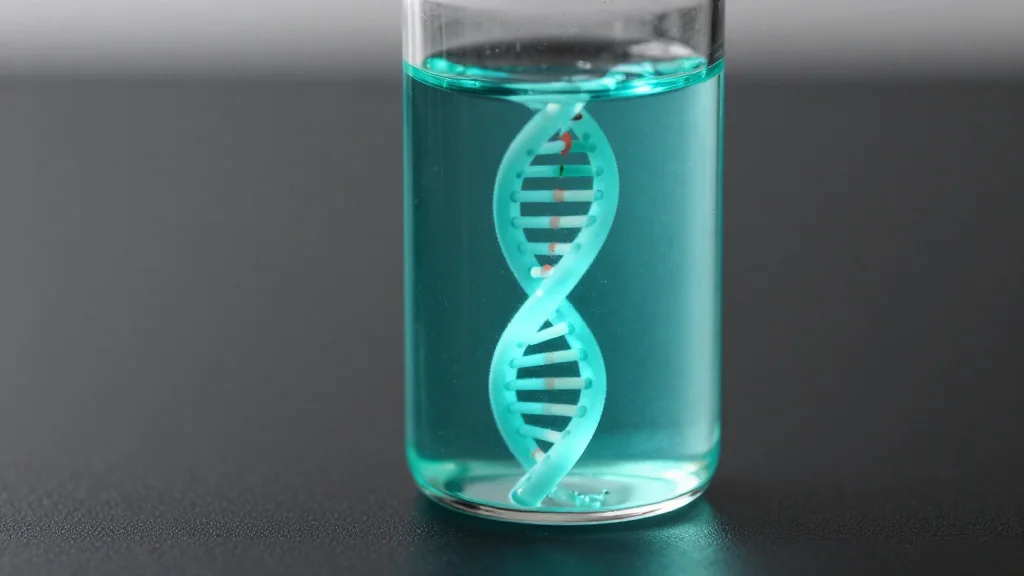
Reversing Some Age-Related Changes via Creation of DNA Gaps with the Box A Domain of HMGB1

Key Takeaways
- •Box A plasmid restores youthful plasma protein profile in perimenopausal macaques
- •DNA gap numbers decline with age; Box A induces their formation
- •Proteomic shifts include APOE and SHBG normalization toward younger levels
- •Findings suggest gene‑therapy route to mitigate age‑related cellular stress
Pulse Analysis
The architecture of nuclear DNA is more than a static scaffold; it dynamically oscillates between tightly packed heterochromatin and open regions that permit transcription. A lesser‑known component of this choreography is the formation of physiological DNA gaps—small, double‑strand interruptions that alleviate mechanical stress on the genome. As organisms age, the prevalence of these gaps wanes, correlating with increased DNA damage, senescence, and systemic inflammation. Understanding how to replenish or mimic these gaps has become a frontier in geroscience, promising to address the root causes of cellular aging rather than merely treating downstream symptoms.
In a recent open‑access study, scientists employed a plasmid encoding the Box A domain of the High Mobility Group Box 1 (HMGB1) protein to directly stimulate DNA‑gap creation in perimenopausal female cynomolgus monkeys. Using label‑free quantitative proteomics, they documented a broad re‑programming of the plasma proteome: stress‑response proteins were down‑regulated, immune‑modulatory factors rebounded, and lipid‑transport carriers such as apolipoprotein E and sex‑hormone‑binding globulin returned to youthful concentrations. These molecular shifts were accompanied by improved biomarkers of tissue health, suggesting that the induced gaps restored a more resilient genomic environment.
The implications extend beyond primate research. If DNA‑gap augmentation can be safely translated to humans, it offers a novel gene‑therapy modality that targets the epigenetic and structural underpinnings of aging. Biotech firms focused on longevity could leverage this mechanism to develop treatments for age‑related disorders ranging from neurodegeneration to metabolic dysfunction. Moreover, the study underscores the value of proteomic readouts as early efficacy signals, guiding regulatory pathways for next‑generation anti‑aging therapeutics. As the field moves toward clinical trials, the Box A approach may become a cornerstone of precision geroprotection.
Reversing Some Age-Related Changes via Creation of DNA Gaps with the Box A Domain of HMGB1
Comments
Want to join the conversation?