Pulsed Ultrasound Alters the Gut Microbiome to Improve Muscle Function

Key Takeaways
- •LIPUS treatment boosted grip strength and muscle mass in 100‑week mice
- •Inflammatory mediators COX‑2, NF‑κB, NLRP3, IL‑1β decreased after ultrasound
- •Gut microbial diversity rose, with Lactobacillus and Bifidobacterium enrichment
- •Enriched taxa positively correlated with improved muscle performance
- •Study limited to small mouse cohort; human applicability remains unproven
Pulse Analysis
Sarcopenia, the progressive loss of muscle mass and function, poses a major health burden for older adults and drives demand for innovative therapies. Recent research has linked age‑related shifts in the gut microbiome to heightened inflammation and reduced muscle regeneration, positioning the microbiome as a strategic target for intervention. Traditional approaches—dietary modulation, probiotics, or fecal microbiota transplantation—face compliance and scalability challenges, prompting scientists to explore physical modalities that can reshape microbial ecosystems without drugs.
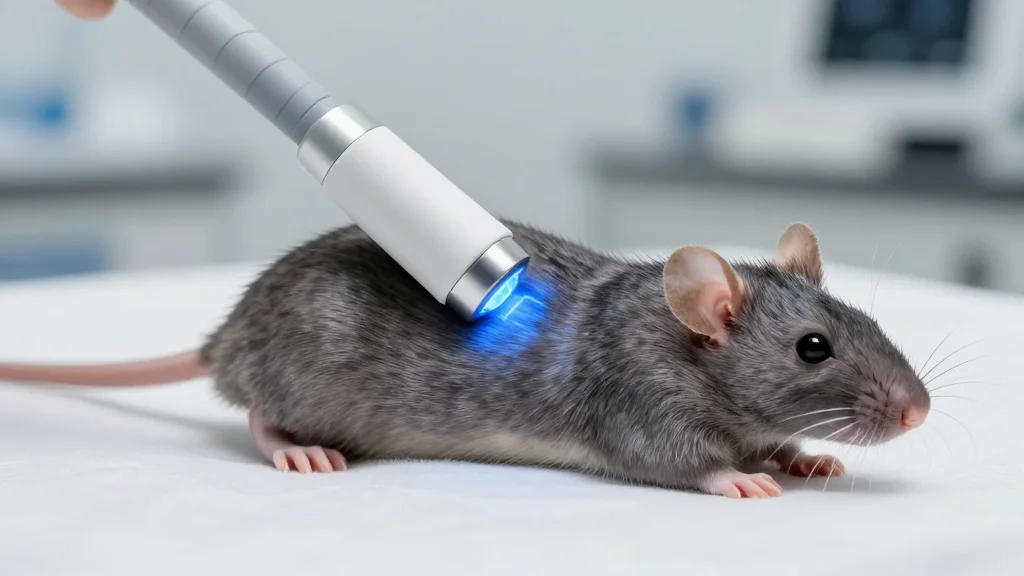
In a pre‑clinical trial, investigators delivered low‑intensity pulsed ultrasound (LIPUS) to the abdominal region of naturally aged C57BL/6 mice for eight weeks. The non‑invasive protocol yielded a 20‑30% increase in fore‑ and hind‑limb grip strength and restored muscle weight to levels comparable with younger cohorts. Molecular assays showed marked reductions in pro‑inflammatory markers, including COX‑2, phosphorylated NF‑κB, NLRP3, IL‑1β and Caspase‑1. Simultaneously, 16S rRNA sequencing documented a rise in microbial diversity and a surge in beneficial taxa such as Lactobacillus, Bifidobacterium, Faecalibaculum and Coriobacteriaceae_UCG_002. Correlation analyses linked these microbial shifts directly to the observed functional improvements, suggesting that LIPUS may act as a gut‑muscle conduit, dampening systemic inflammation while fostering a microbiome conducive to muscle health.
The implications extend beyond the laboratory. If replicated in humans, abdominal LIPUS could become a low‑cost, outpatient therapy for sarcopenia, complementing exercise and nutrition programs. Its non‑pharmacologic nature sidesteps drug‑related side effects and may appeal to a broad elderly demographic. However, the study’s small sample size and species‑specific physiology warrant cautious optimism. Future trials must address dosage optimization, long‑term safety, and mechanistic pathways to convince regulators and investors of its commercial viability. Nonetheless, the work underscores a growing convergence of bio‑physics and microbiome science, opening new avenues for age‑related disease mitigation.
Pulsed Ultrasound Alters the Gut Microbiome to Improve Muscle Function
Comments
Want to join the conversation?