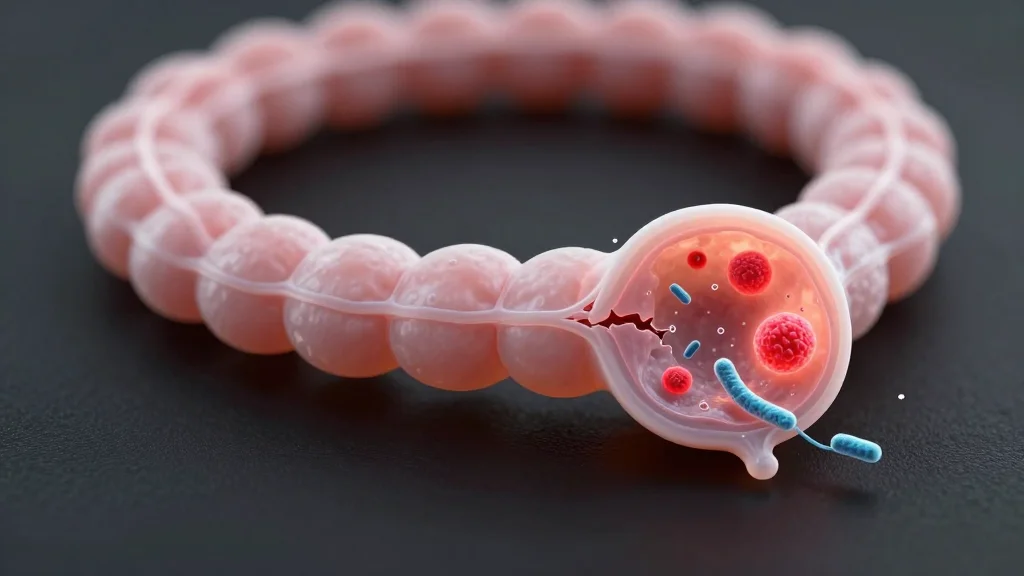
The Aging Gut Microbiome Dysregulates the Immune System in Intestinal Tissue

Key Takeaways
- •Aging mice show higher IL‑1β, TNF‑α, and p16 levels
- •Tight‑junction proteins occludin and tricellulin decline with age
- •Naïve Th cells drop while Th17 cells rise in aged gut
- •Inflammatory bacteria Desulfovibrio and Candidatus Saccharimonas increase
- •M‑cell markers Gp2 and Ccl28 are down‑regulated
Pulse Analysis
The gut microbiome’s composition shifts dramatically as organisms age, and this study provides the first comprehensive look at how those changes reverberate through intestinal immunity. Researchers harvested intestinal tissue from both young and aged mice, pairing histological assessments with RNA sequencing of follicle‑associated epithelial cells and 16S rRNA profiling of fecal microbes. By integrating these data streams, they mapped a multi‑layered breakdown of barrier integrity, immune cell balance, and microbial ecology that accompanies senescence.
Key observations include a surge in senescence‑associated secretory phenotype markers—IL‑1β, TNF‑α, and p16—paired with reduced expression of tight‑junction proteins occludin and tricellulin, indicating a compromised epithelial seal. Immunologically, naïve T‑helper cells diminish while pro‑inflammatory Th17 cells expand, and fecal IgA production wanes, eroding the first line of defense. Simultaneously, the microbiome tilts toward pathogenic taxa such as Desulfovibrio and Candidatus Saccharimonas, raising dysbiosis scores. Crucially, RNA‑seq uncovered down‑regulation of M‑cell markers Gp2 and Ccl28, suggesting that microbial shifts directly impair antigen‑sampling mechanisms essential for mucosal immunity.
For biotech and healthcare stakeholders, these insights open avenues for therapeutic intervention. Modulating the aged microbiome through targeted probiotics, post‑biotics, or fecal microbiota transplantation could restore barrier function and rebalance T‑cell subsets. Likewise, drugs that boost M‑cell activity or reinforce tight‑junction integrity may mitigate age‑related susceptibility to gastrointestinal infections. As the global elderly population expands, the market for microbiome‑based solutions and immune‑supportive nutraceuticals is poised for rapid growth, making translational research from mouse models to human trials a strategic priority.
The Aging Gut Microbiome Dysregulates the Immune System in Intestinal Tissue
Comments
Want to join the conversation?