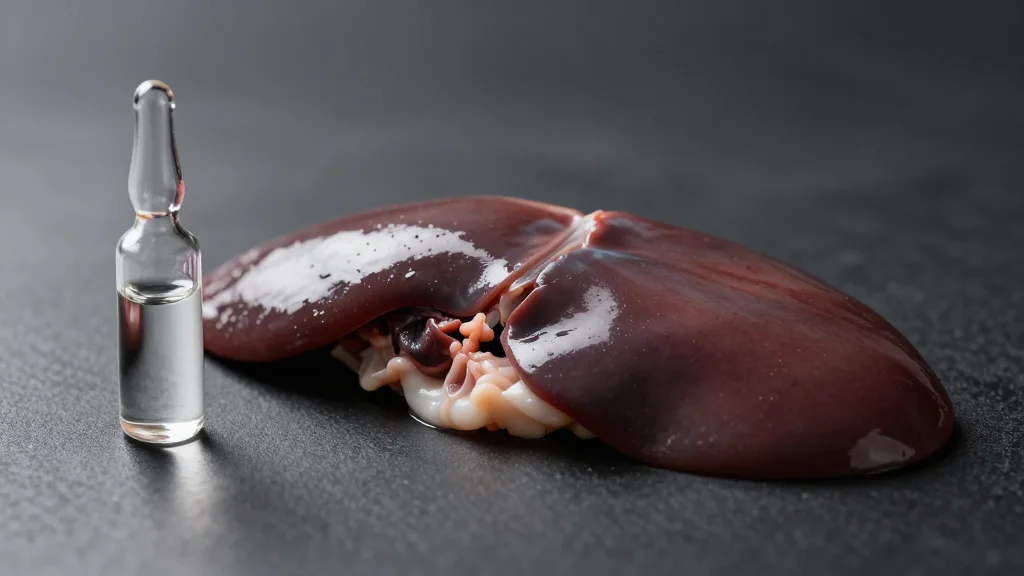
Sirtuin 6 Overexpression Reverses Age-Related Structural Changes in Nuclear DNA in Liver Cells

Key Takeaways
- •SIRT6 overexpression restores youthful chromatin accessibility in aged mouse liver
- •Reversed chromatin changes lower inflammation and boost metabolic gene expression
- •AAV delivery enables safe, systemic SIRT6 increase in older mice
- •ETS and liver-specific transcription factors mediate age‑related accessibility shifts
- •H3K9ac, not H3K56ac, drives increased accessibility; SIRT6 specifically targets H3K9ac
Pulse Analysis
Aging reshapes the epigenetic architecture of cells, especially within the liver, where chromatin becomes more open and transcriptional noise fuels inflammation and metabolic slowdown. This chromatin drift is largely driven by histone modifications such as H3K9 acetylation, which loosens DNA packaging and permits aberrant gene activation. Scientists have long sought interventions that can reset this epigenetic drift without erasing cellular identity, positioning histone deacetylases like SIRT6 at the forefront of geroscience research.
In a recent study, investigators combined ATAC‑seq, methylome profiling, and RNA‑seq to map age‑related chromatin changes in male murine livers. They discovered that aging amplifies accessibility at sites enriched for ETS family transcription factors while suppressing regions governed by liver‑specific regulators, leading to heightened inflammatory signaling. By delivering SIRT6 via an adeno‑associated virus, they were able to reverse H3K9ac‑driven openness, re‑establishing a youthful chromatin state. The restored landscape correlated with reduced inflammatory transcripts and revitalized metabolic pathways, effectively rejuvenating liver function in aged mice.
The implications extend beyond basic biology. AAV‑mediated SIRT6 overexpression demonstrates a scalable, tissue‑targeted gene‑therapy platform that could be adapted for human age‑related disorders. As the biotech sector intensifies its focus on epigenetic therapeutics, SIRT6 emerges as a high‑value target for drug pipelines aiming to extend healthspan and combat chronic liver diseases. Future work will need to address long‑term safety, dosing strategies, and translation to diverse patient populations, but the current findings lay a robust foundation for next‑generation anti‑aging interventions.
Sirtuin 6 Overexpression Reverses Age-Related Structural Changes in Nuclear DNA in Liver Cells
Comments
Want to join the conversation?