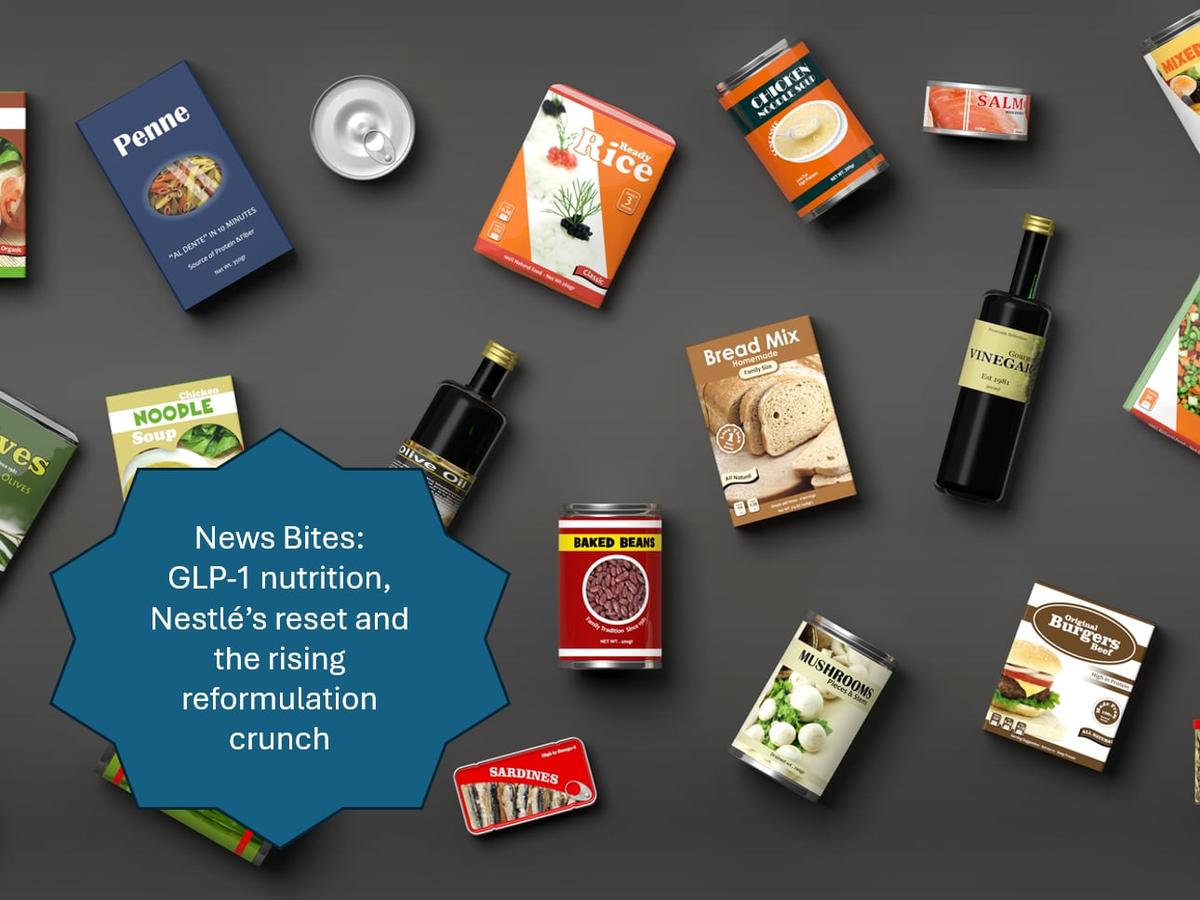
GLP‑1 Nutrition, Nestlé’s Reset and the Rising Reformulation Crunch
April highlighted a rapid shift in the food sector as GLP‑1 weight‑loss drugs, Nestlé’s strategic reset, and Aldi’s expanded ingredient bans converge on product reformulation. Brands are redesigning nutrition to emphasize protein, fiber and lower calories to meet GLP‑1 users without alienating traditional shoppers. Nestlé’s new five‑point plan pivots toward premium, chef‑inspired condiments and at‑home coffee, aiming for leaner growth. Meanwhile, Aldi’s plan to restrict 57 ingredients by 2027 intensifies clean‑label pressure, adding cost and complexity for suppliers.

Chicago Named Home of Candy Hall of Fame Experience
The National Confectionery Sales Association has selected Chicago’s Magnificent Mile as the permanent home for the 60,000‑square‑foot Candy Hall of Fame Experience, slated to open in summer 2027. The museum will trace the history of iconic candy brands and their...
Universities Emerge as Backbone of Alternative Protein Scale-Up
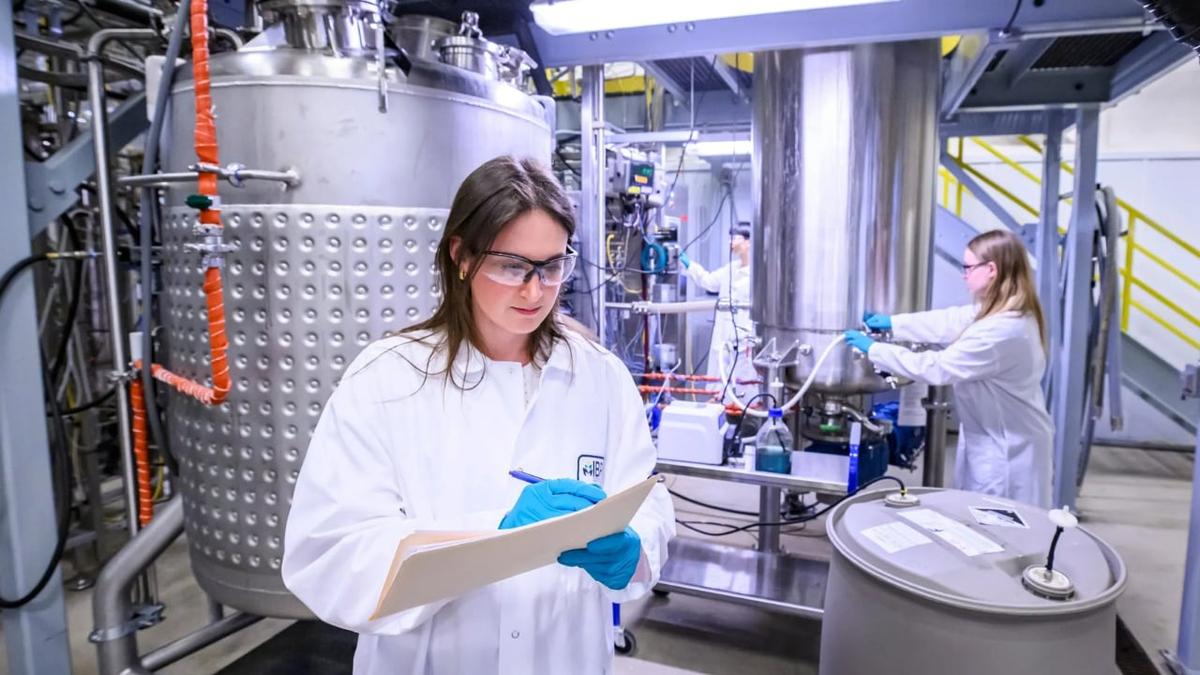
Universities are becoming the backbone of alternative‑protein scale‑up, offering research labs, pilot‑scale facilities and safety‑testing expertise that startups need. UC Davis’s iCAMP and the University of Illinois’s iFAB hub illustrate how academic centers are de‑risking product development and accelerating commercialization....

Rip Van Sees Opportunity as Rising Snack Prices Narrow Gap for Better-for-You Treats
Rip Van, the Brooklyn‑based snack maker known for its Dutch stroopwafels, has transformed its flagship cookie from a 14‑gram sugar bomb into a 3‑gram low‑sugar, high‑fiber treat using monk fruit. The healthier formula has unlocked a broader product portfolio, adding...

Whey’s Growing Influence on Dairy Price Dynamics
Butter prices are under pressure as abundant milk is being redirected into cheese and whey processing, swelling inventories and creating volatility. Cheese remains a stable, growing segment, while high‑value whey proteins are commanding premium prices and attracting new capacity investments....
Burlap & Barrel Awaits Trade Court Ruling as Judges Weigh Limits on Presidential Tariff Power
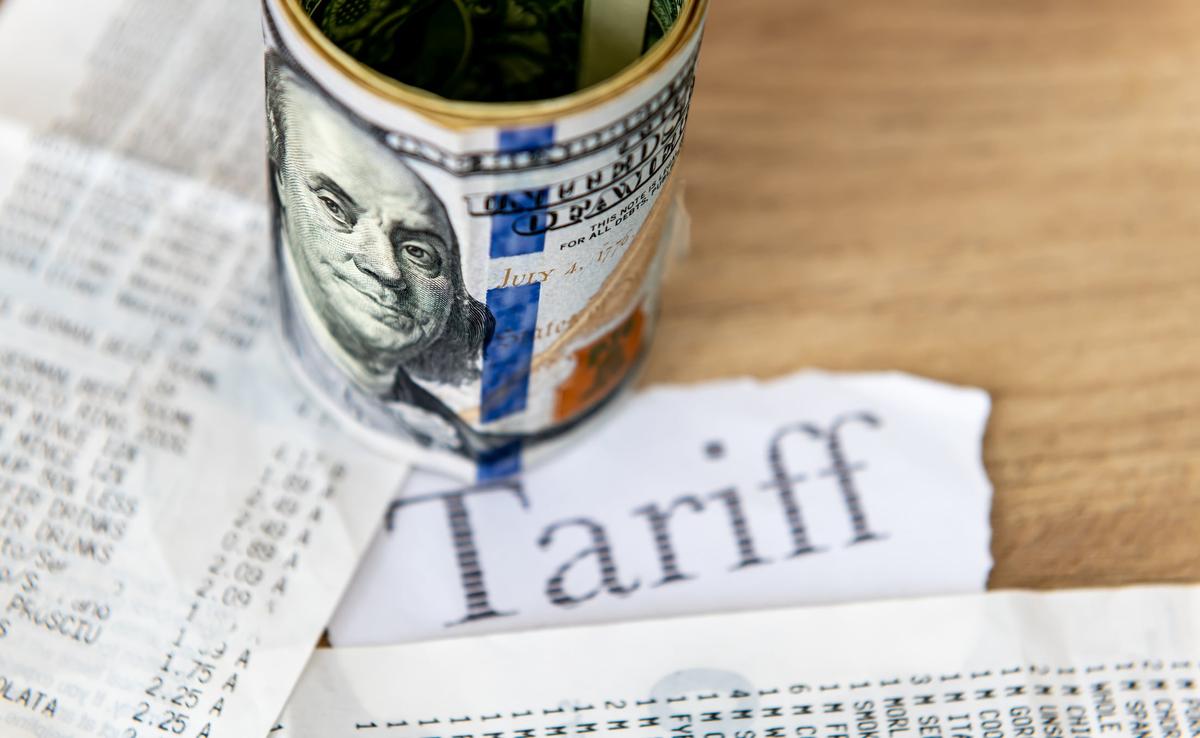
Burlap & Barrel, backed by the nonprofit Liberty Justice Center, has taken the Trump administration’s Section 122 tariffs to the U.S. Court of International Trade, arguing the law’s narrow 1970s intent makes the tariffs illegal. The case, merged with a parallel...

Certified Giving Emerges as a Quiet Sustainability Strategy Driving Brand Growth
Third‑party certified giving is emerging as a low‑cost sustainability lever for food and beverage brands facing green‑washing scrutiny. 1 % for the Planet reports that companies pledging 1 % of sales to vetted environmental partners see measurable lifts in brand perception and...
Non-GMO Project: Ultra-Processed Foods Are Harming the Planet, Not Just Our Health
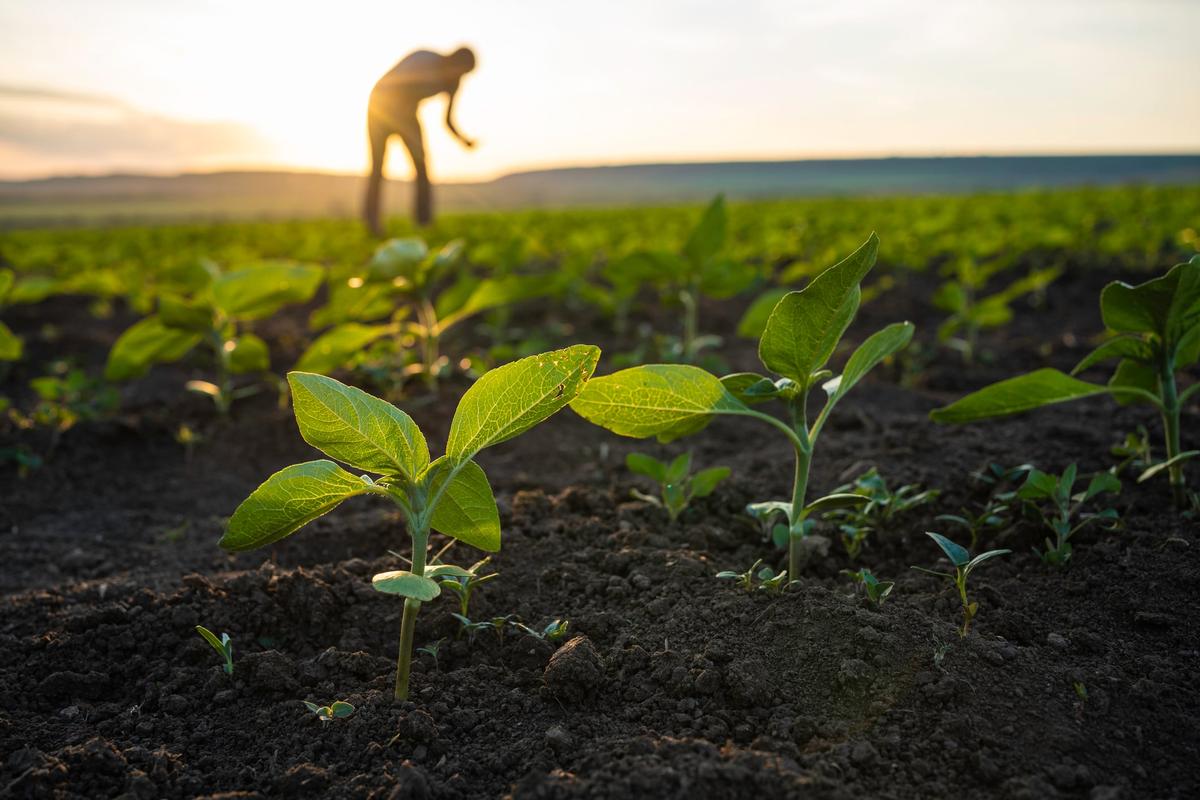
The Non‑GMO Project is rolling out a Non‑UPF verification program to label foods that avoid ultra‑processing, arguing that such products harm the planet as much as they affect health. It points out that roughly 70% of U.S. arable land is...

Bel Group Accelerates the Shift to Paper Packaging by Taking a Holistic Transition Approach
Bel Group has pledged to switch all Babybel cheese sold in 50 countries to certified paper packaging by 2027, marking a major move toward plastic reduction. The company’s packaging research leader, Clément Ernest, says the transition requires a full system...
Upcycled Food Association Launches Canada Hub to Unify, Scale Upcycled Food Sector
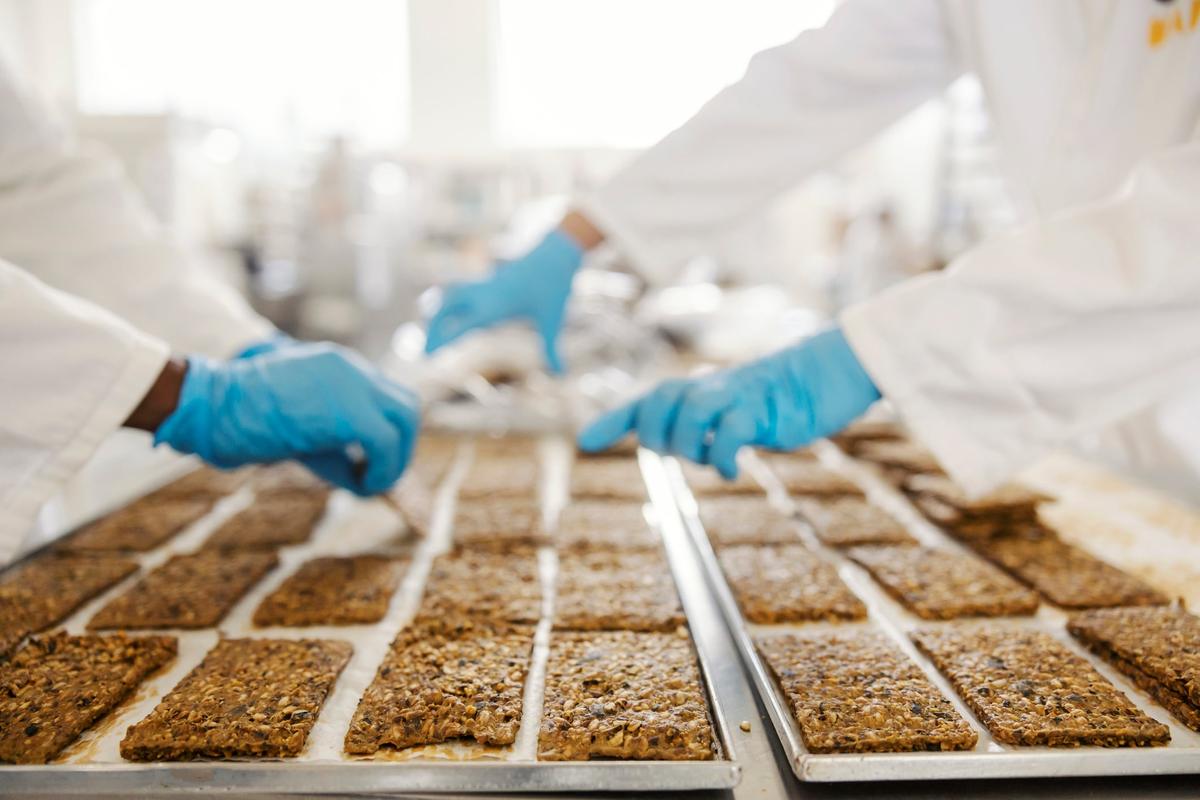
The Upcycled Food Association (UFA) announced a new Canadian hub to bring together producers, processors, and innovators in the emerging up‑cycled food sector. The hub follows 2025 research by Vineland Research and Innovation Centre, funded by the Canadian government, which...
The Fault Line in Aquaculture Sustainability: Can Seafood Certification Deliver What It Promises?
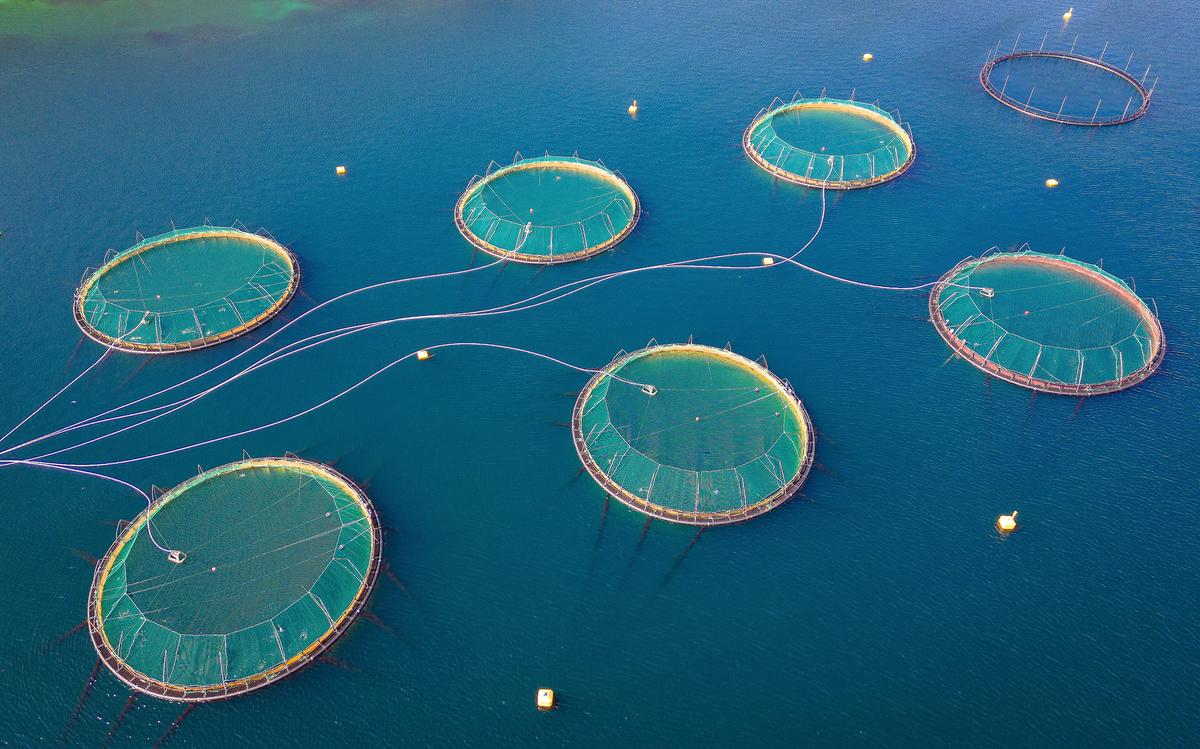
Aquaculture certification faces a sharp split between watchdog groups, who argue that labels often conceal industrial practices, and bodies like the Aquaculture Stewardship Council (ASC), which view certification as one of the few scalable tools for improving a fragmented global...

Sustainability at a Crossroads
The food and beverage sector is seeing a surge in sustainable sourcing, with up‑cycled products now a $109.3 million market in the U.S., up 30% year‑over‑year. Consumers are willing to pay premiums for eco‑friendly items, driving nearly 45% of category growth...

As Food Brands Tweak Child Marketing Rules, UNICEF’s Playbook Still Holds
UNICEF argues that voluntary child‑food‑marketing rules are inadequate, urging mandatory restrictions as brands like Coca‑Cola and General Mills tighten online policies. Regulators in the U.S. are pressuring the FTC and state legislatures to modernize oversight of digital ads, while Norway has...

FTC to Rein in Hidden Grocery Delivery Fees After Multimillion-Dollar Settlements with Walmart, Instacart, Grubhub, Amazon
The Federal Trade Commission has issued an Advance Notice of Proposed Rulemaking to address hidden fees in online food and grocery delivery, inviting public comment on potential federal regulations. The move follows multimillion‑dollar settlements with Walmart ($100 million), Instacart ($60 million), Grubhub...
GLP-1-Friendly Foods Are Booming – but the Label Is Still Taboo
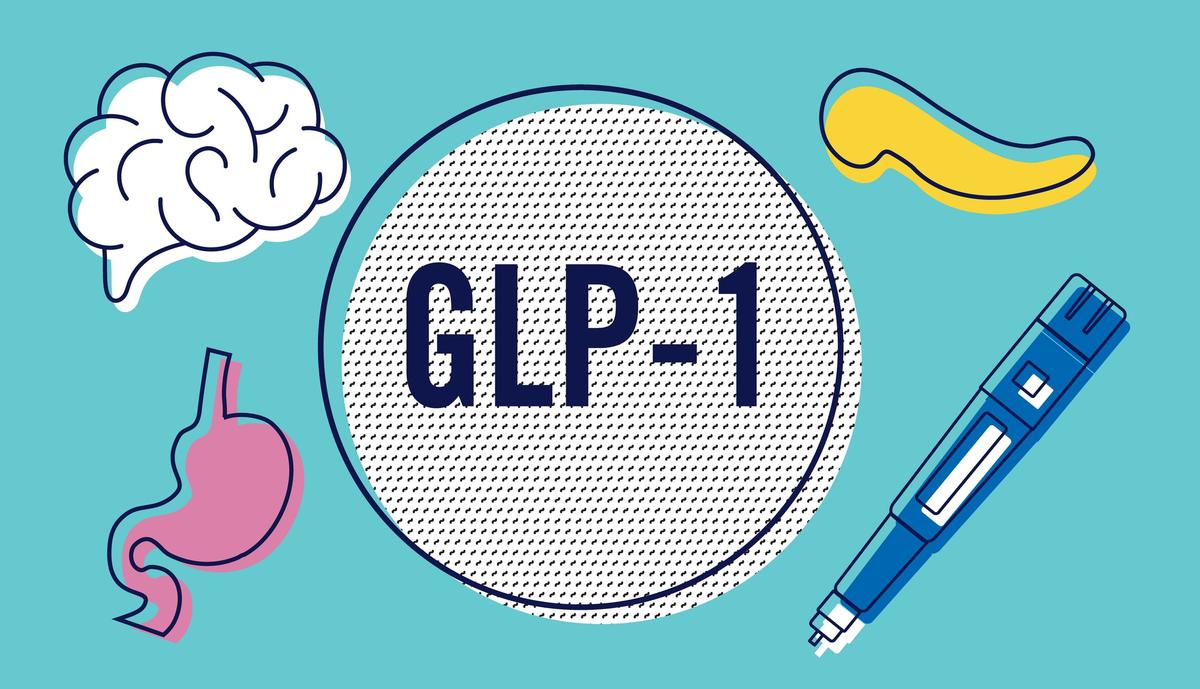
Consumer packaged goods are rapidly adding GLP‑1‑friendly claims, highlighting high protein, fiber and low‑sugar profiles, yet the explicit GLP‑1 label remains rare. Conagra Brands pioneered the “On Track” badge on 26 items in early 2025, while Nestlé and Mission Foods...
Nestlé’s 5-Point Turnaround Plan Targets Leaner Growth Under New CEO
Nestlé’s newly appointed CEO Philipp Navratil unveiled a five‑point turnaround plan aimed at simplifying the portfolio and accelerating growth. The strategy narrows focus to four core businesses—coffee, pet care, nutrition, and food & snacks—while spinning off ice‑cream and evaluating its water...
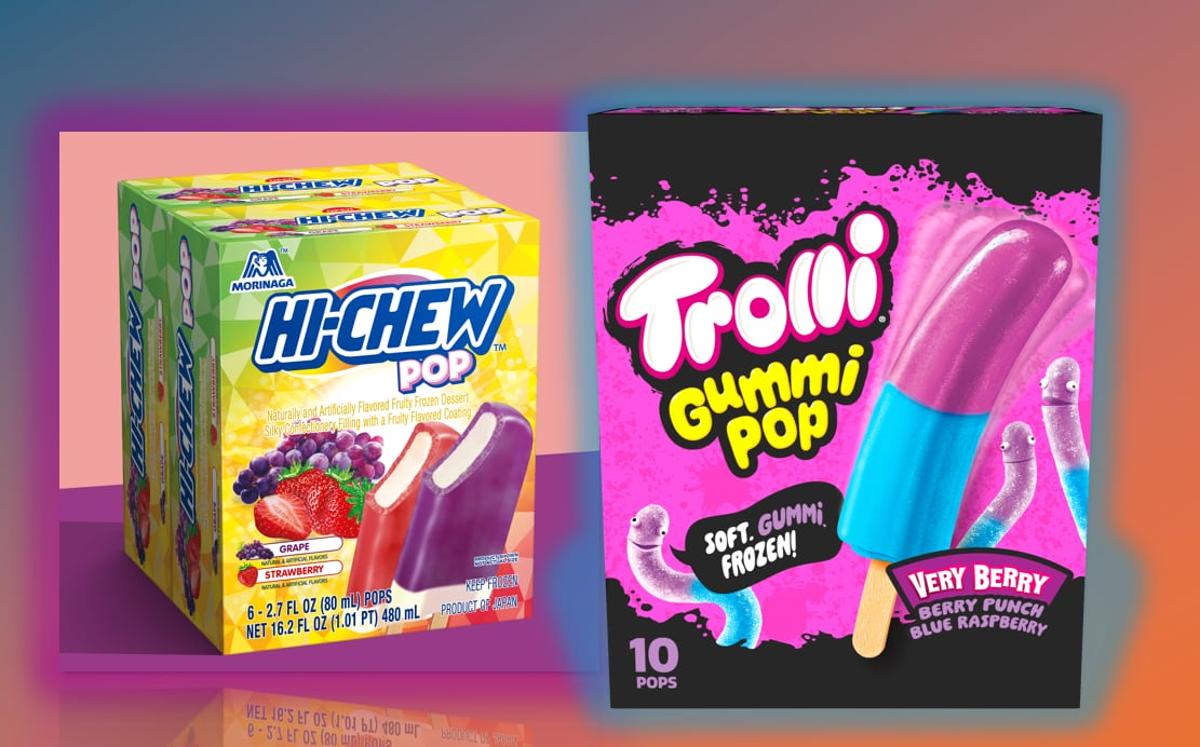
Beyond the Candy Bar: Is Confectionery Redefining Frozen Novelties?
Confectionery makers are reshaping frozen novelties by turning core candy textures into ice‑pop and frozen‑candy formats rather than simply coating existing bars with ice cream. Trolli’s Very Berry Gummi Pops and Morinaga’s Hi‑Chew Pops illustrate a texture‑first approach that highlights chewy,...
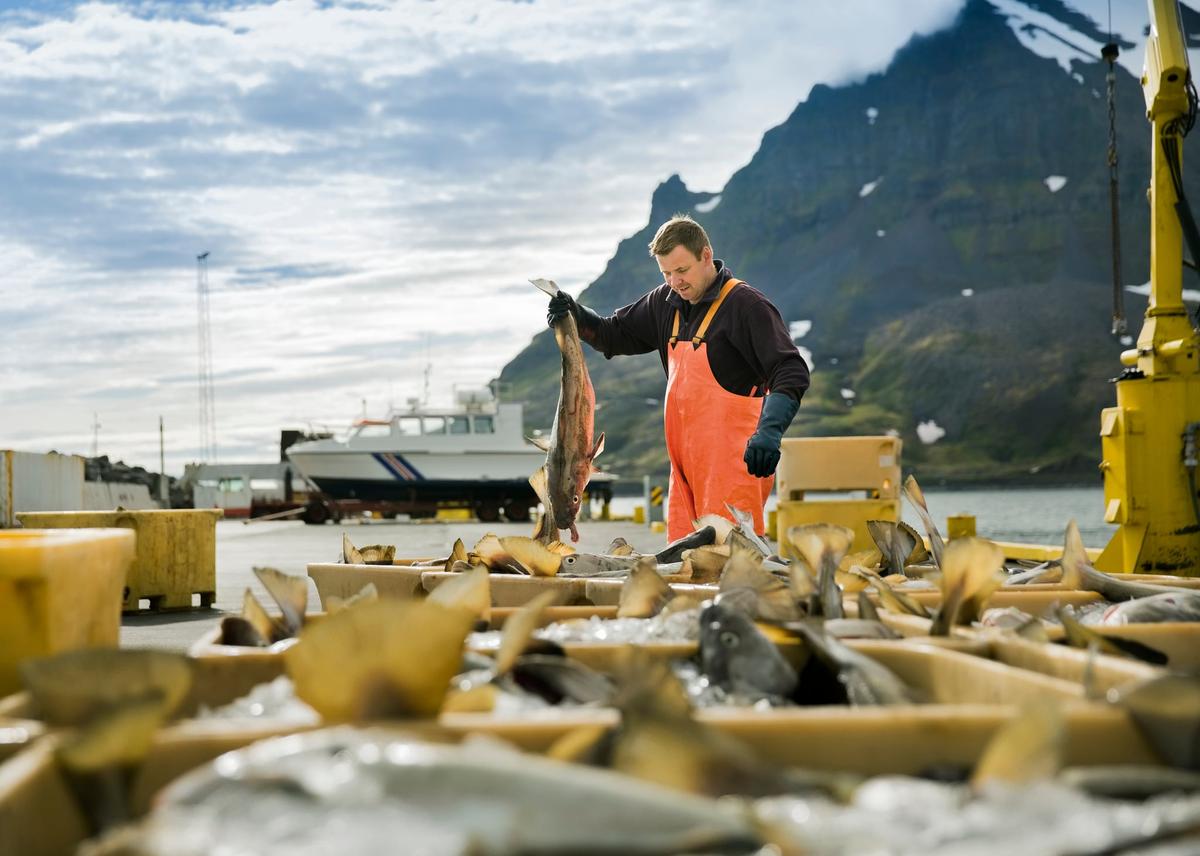
USDA Creates Office of Seafood to Boost US Seafood Competitiveness
The U.S. Department of Agriculture announced the creation of an Office of Seafood to integrate the fishing sector into federal food policy and simplify access to USDA programs. The office aligns with President Trump’s 2025 Executive Order aimed at closing...
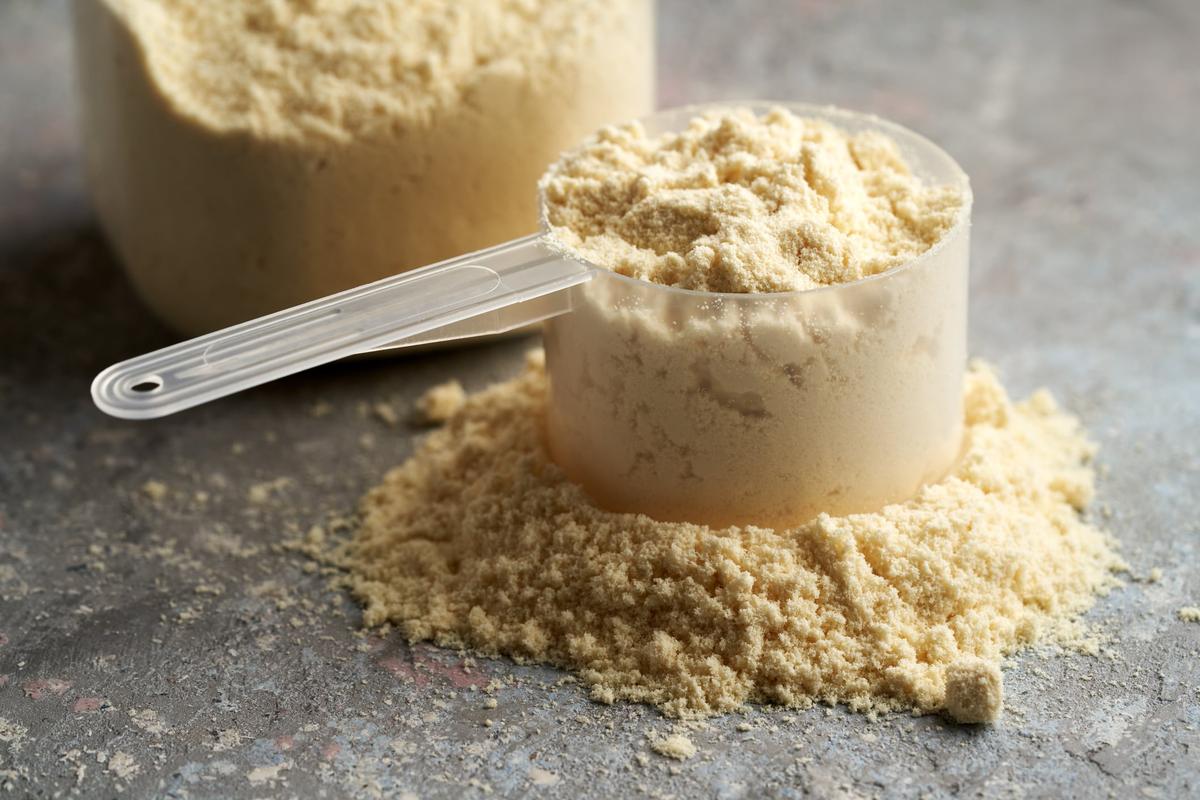
US Patent for Solar Foods’ Air-Based Protein Production Opens Door for Scaling
Solar Foods has obtained a U.S. patent covering its proprietary gas‑fermentation process that converts carbon dioxide, hydrogen and water into the animal‑free protein Solein. The protection strengthens the Finnish firm’s IP moat as it moves from a pilot plant to...

Looming Deadline for State Packaging Laws Places Reporting Pressure on CPGs
Extended producer responsibility (EPR) laws in seven U.S. states now require CPGs to track, report, and sometimes pay fees for the packaging they place on the market. The first major reporting deadline of May 31 applies to California, Colorado, Oregon, Minnesota,...

Private-Label Consolidation Continues with CK Snacks’ Purchase of Keystone Food Products
CK Snacks, a longtime private‑label snack manufacturer, announced the acquisition of Keystone Food Products, expanding its footprint to the East Coast. The deal, disclosed without a purchase price, adds Keystone’s state‑of‑the‑art facility in Easton, Pennsylvania, to CK Snacks’ existing sites...

Alianza Team Spends $36M to Open First US Plant
Colombian lipids manufacturer Alianza Team opened a $36.4 million processing facility in Goldsboro, North Carolina, its first U.S. plant. The 2024‑built plant blends refined fats and oils, aiming to produce over 13,120 metric tons annually by 2029 and serve the Northeastern market....

Why Non‑UPF Verification Is Emerging as a Strategic Advantage for Startups
Non‑UPF verification is emerging as a strategic tool for early‑stage food brands as consumer demand to avoid ultra‑processed foods spikes. Surveys reveal 72 % of Americans want to steer clear of such products, yet most lack clear guidance, creating a trust...

Global Milk Boom Continues as Prices Come Under Renewed Pressure
Global milk production remained elevated in Q1 2026, keeping supply abundant and pushing commodity prices lower. Whole‑milk powder fell about 30% and butter‑fat 40% since September, while protein‑rich products slipped roughly 15%. The dairy trade index, after six months of...

Clean Label vs Shelf Life: A New Food-Tech Solution Removes the Tradeoff
BioBlends, a food‑tech startup, uses bacterial volatile organic compounds (VOCs) to form a protective, non‑ingredient barrier that dramatically extends product shelf life without additives. In lab tests, its VOC spray kept bread mold‑free for up to 80 days, far surpassing...

Can Biopeptides Reclaim Weight Loss From GLP‑1 Drugs?
Biotech startup Lembas is developing biopeptide ingredients that trigger satiety pathways, positioning them as a functional‑food complement to GLP‑1 weight‑loss drugs rather than a replacement. The short, bioavailable peptides aim to activate a cascade of gut hormones, delivering six to...

Iran Conflict: Is Ceasefire Too Little, Too Late for Global Food?
The United States and Iran have agreed to a two‑week cease‑fire that temporarily reopens the Strait of Hormuz under Iranian military coordination. The strait carries about 30 % of global fertilizer shipments, making its partial reopening critical for agricultural input supplies....
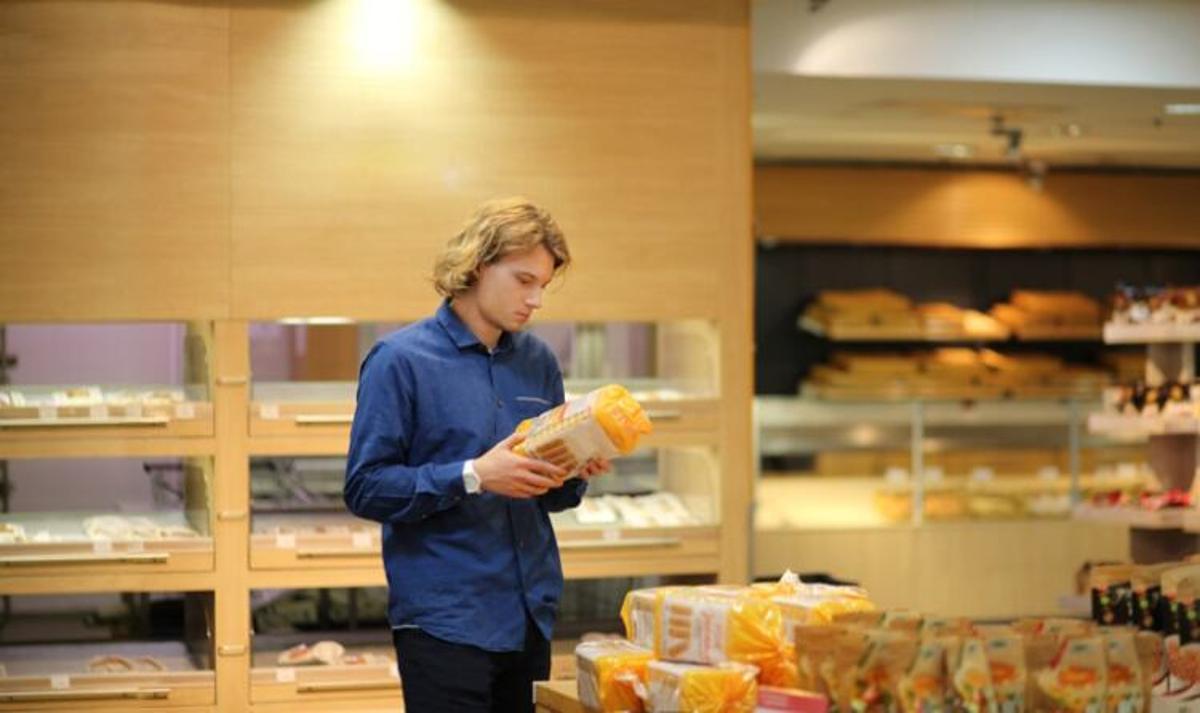
FDA Extends Deadline as Hidden Gluten Puts Regulatory Fine-Tuning Under the Spotlight
The FDA has extended its Request for Information on gluten labeling and cross‑contact to April 22 2026, inviting broader industry and consumer input. Current rules cap gluten at 20 ppm for a "gluten‑free" claim, yet hidden sources and inconsistent cross‑contact disclosures leave many...

Beyond Disruption: What Big Food Actually Needs From Startups
Food‑tech startups often pitch disruptive science, but large food corporations prioritize readiness over novelty. Companies require near turn‑key solutions that already address cost, scale, regulatory compliance, and internal stakeholder alignment. The critical gap lies between pilot trials and commercial production,...

It’s Time to Use the Robinson-Patman Act to Tackle High Food Prices
The Robinson‑Patman Act, a 1936 antitrust law prohibiting price discrimination, has been largely dormant since the 1980s, allowing large retailers to secure lower wholesale prices than independent grocers. Recent FTC actions under Chair Lina Khan—against Southern Glazer’s Wine & Spirits...

Iran War Forces Small Dairies to Hedge Like Multinationals
Small and medium-sized dairy firms are turning to corporate‑level hedging tools as the US‑Israeli conflict with Iran drives volatile fuel and commodity prices. Attara reports a 300% jump in hedging activity among agricultural SMEs, with swaps becoming the preferred instrument...

Fermentation Growth Collides with Manufacturing Shortage – iFAB Aims to Fix It
The iFAB accelerator in central Illinois secured a $51 million federal grant and $30 million state contribution to build a precision‑fermentation hub. Partnering with corn giants ADM and Primient, iFAB creates contract‑manufacturing pathways that let startups use large‑scale facilities instead of building...

From 67 No’s to Nationwide: How Magic Mind Built Its Functional Shot Business
Magic Mind transformed a niche 2‑ounce functional shot into a nationwide retail brand after surviving 67 investor rejections and years of product refinement. The caffeine‑and‑botanical blend, offered in three potency levels, leverages nano‑encapsulation technology to promise five‑times better absorption than...
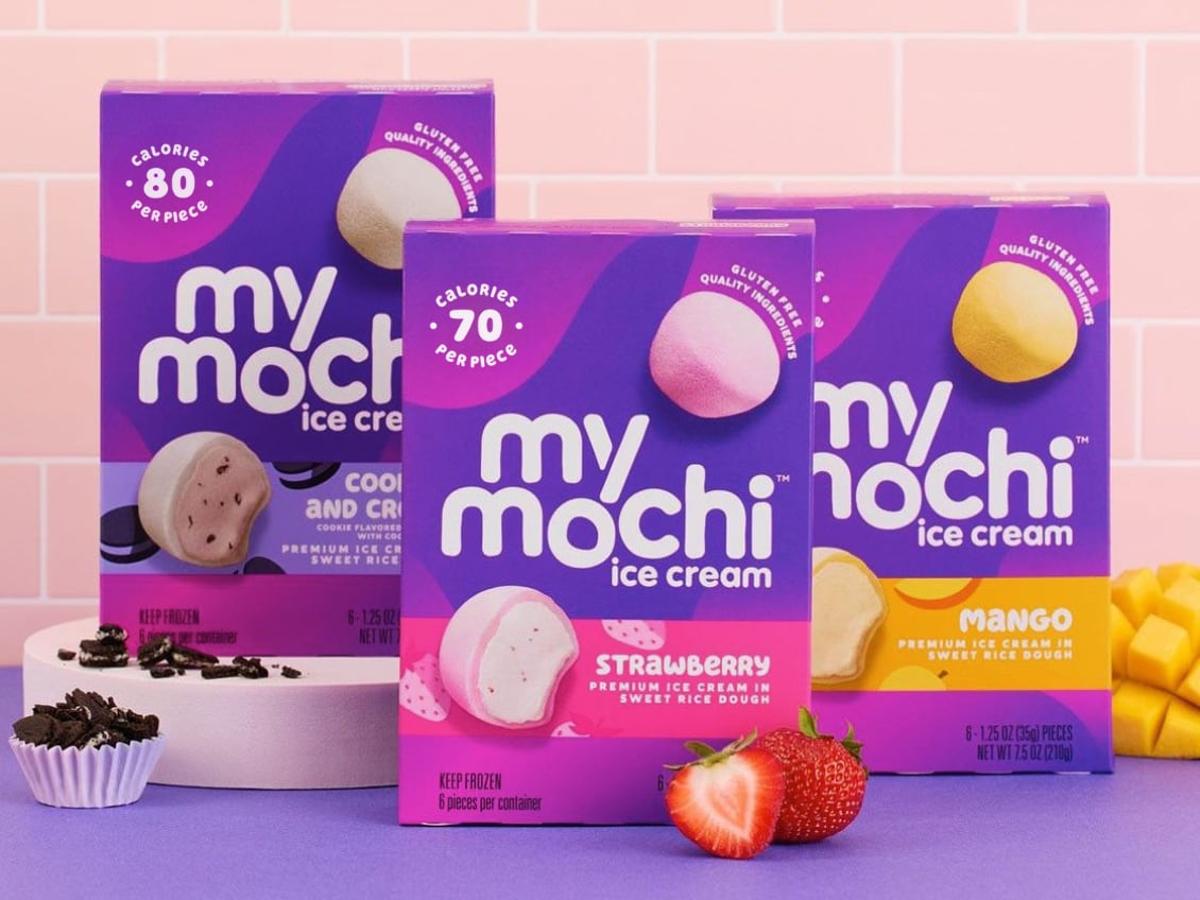
From Hi‑Chew to Mochi: Morinaga America Bites Into the US Frozen Treats Scene
Morinaga America announced the acquisition of My/Mochi, a frozen mochi brand with an established U.S. grocery distribution network, to broaden its frozen‑treats and confectionery portfolio beyond the flagship Hi‑Chew candy. The deal supports Morinaga’s strategic goal of expanding its product...

Inside the Race to Reinvent Food Color: Global Food Tech Awards Americas Heat Winner Pioneers New Approach to Natural Dyes
The FDA’s voluntary agreement pushes CPG makers to eliminate petroleum‑based dyes by 2027, spurring a rush for natural colorants. Traditional plant‑derived pigments struggle with seasonal supply, low yields, and the need for 50‑100 times more material than synthetics. Biotech startup Michroma...

Women Are Growing the Food & Beverage by Reshaping the Industry to Be More Equitable
Women‑owned food and beverage businesses are expanding rapidly, with a 17.1% growth in firms and a 53.8% jump in revenue between 2019 and 2024, generating roughly $3.3 trillion annually. Despite representing 39.2% of U.S. businesses, they hold only 9.6% of employment...

Middle East Tensions, Rising Energy and Fertilizer Costs Push Grocery Prices Higher
Grocery prices in February rose 0.4% month‑over‑month, reaching a 2.4% year‑over‑year increase for food consumed at home. The uptick coincides with a 0.6% rise in energy costs and a more than 25% surge in urea fertilizer prices, driven by escalating...
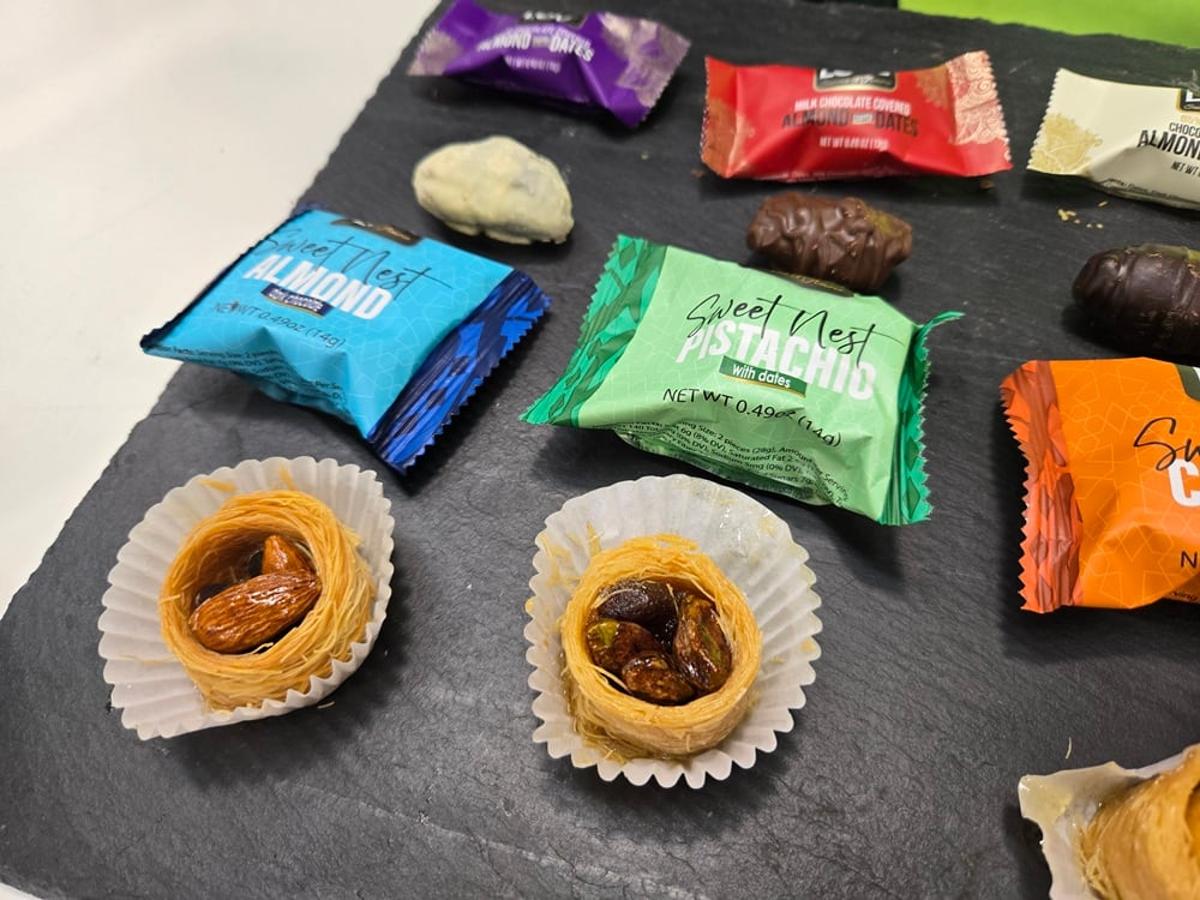
Expo West Brands Embrace ‘Sensemaxxing’ with Layered Textures, Bold Flavors and Playful Formats
At Natural Products Expo West 2026, the Specialty Food Association highlighted “sensemaxxing” as the year’s theme, showcasing foods that fuse bold flavors, layered textures and functional benefits. Brands like Kitchen & Love introduced bite‑size, reduced‑sugar baklava “Sweet Nests,” while Issei...

Wisecode Gives Brands a New Way to Claim They’re Non-UPF
Wisecode has introduced the Non‑UPF Shield verification program, a voluntary label that lets food and beverage brands certify products as non‑ultra‑processed. The service costs $200 per SKU annually, with a limited‑time discount offering one free SKU and three at half...
Grocery’s Growth Divide: Where CPG Brands Should Bet in 2026
Grocery traffic is fragmenting, with short, mission‑driven trips now exceeding 40% of visits and large chains still accounting for roughly half of all trips. Placer.ai’s report shows big chains dominate full‑basket, stock‑up trips, while specialty and independent stores capture frequent,...
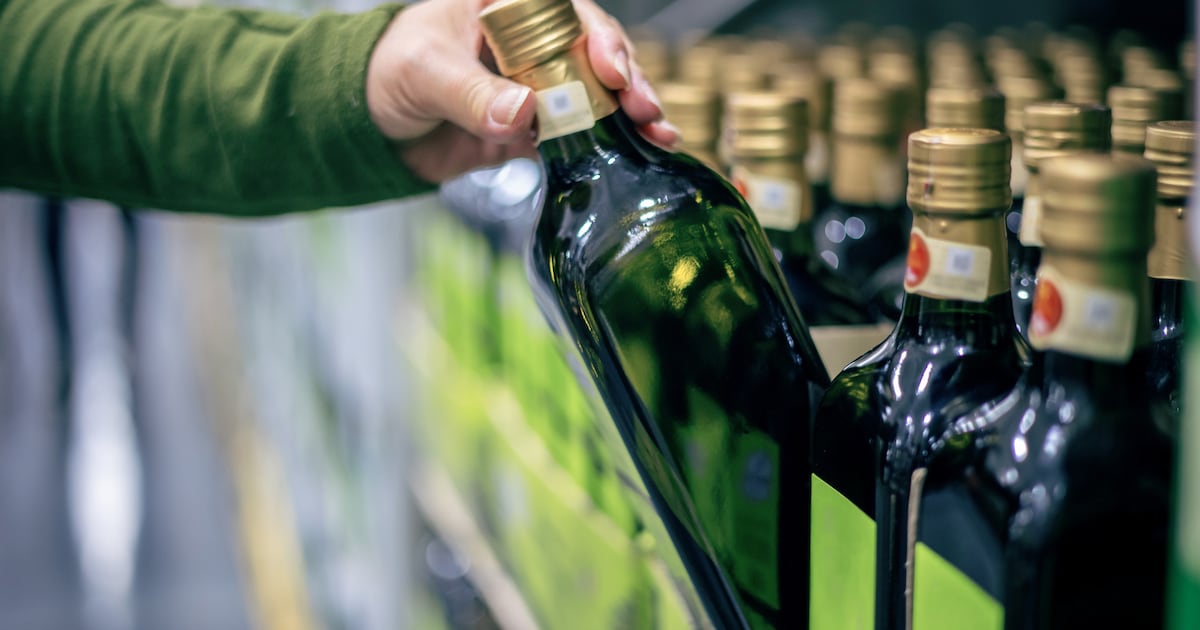
Stricter Certification Aims to Bring Higher Quality to Extra Virgin Olive Oils
The North American Olive Oil Certification (NAOOA) is tightening its standards, lowering the free fatty acid limit for extra virgin olive oil from 0.8% to 0.5% and shortening the best‑if‑used‑by date to 18 months. The program, which already carries the...
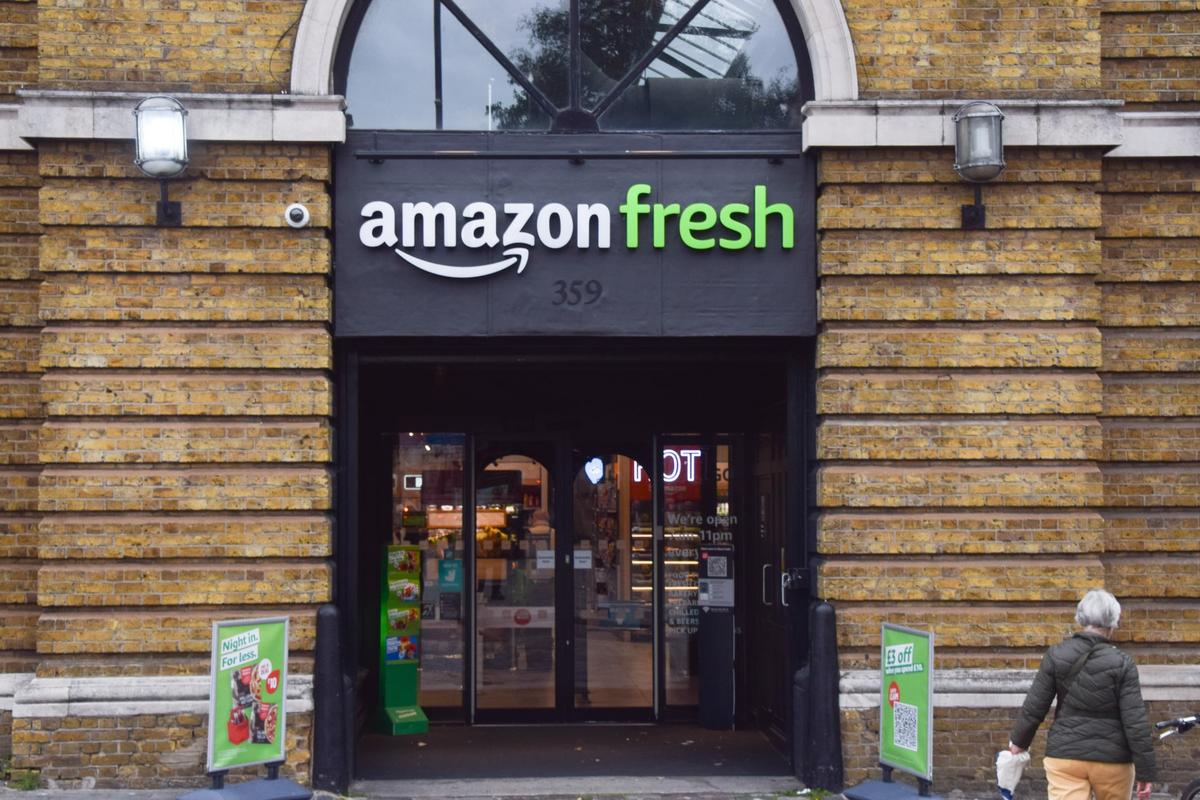
Amazon’s Disruption of Walmart Is a Slow Work in Progress
Amazon is rolling out a new supercenter model that doubles as a fulfillment hub, with the first site slated for Orland Park, Illinois in 2027. The hybrid design dedicates roughly half the space to warehousing and the rest to a traditional...
Farm Bill Markup Sparks Debate over Nutrition and Rural Policy
The 2026 Farm Bill preserves existing nutrition programs such as SNAP, TEFAP and the Gus Schumacher Nutrition Incentive Program, extending them through FY2031 without additional funding. Democrats and health‑focused NGOs argue the bill fails to address hunger, restore cuts, or...