
On the Ground with Dani Nierenberg: Chasing Malaria in Mbita, Kenya
At the International Centre of Insect Physiology and Ecology (icipe) in Mbita, Kenya, researchers led by Dr. Syeda Tullu Bukhari are intensifying malaria surveillance as climate‑driven rainfall changes lengthen the transmission season. Their work combines CDC light traps, PCR testing, and genetic analysis to track mosquito species, insecticide resistance, and protective microbes. Funding shortfalls are forcing scientists to collect baseline data themselves, while community health workers help co‑design interventions such as bed‑net distribution and housing improvements. The effort underscores malaria’s ripple effects on education, food security, and regional economic resilience.

What Do GLP-1s Mean for Food Waste?
Around 12% of U.S. adults have tried GLP‑1 drugs such as Ozempic or Wegovy, according to a JAMA study. ReFED reports that these medications are reshaping grocery demand, prompting smaller portion preferences and heightened awareness of plate waste. While early...

The Henry Ford Brings Farm to School Film to New York City
On May 13, 2026, The Henry Ford will screen its new documentary “Farm To School Lunch Across America” at the Tribeca Film Center, followed by a reception. The event features a panel with nutritionist Marion Nestle, chef Michel Nischan, former USDA Midwest...

Food Tank’s Weekly News Roundup: Australia Cracks Down on Food Waste, COP31 Pushes Clean Energy, Ag Co-Ops Offer Hope
A new UN‑backed report shows Africa’s public spending on agriculture rose to $16 billion in 2022, yet financing gaps persist, especially in private credit. The COP31 presidency in Turkey has partnered with the IEA to accelerate clean‑energy transitions, focusing on clean...
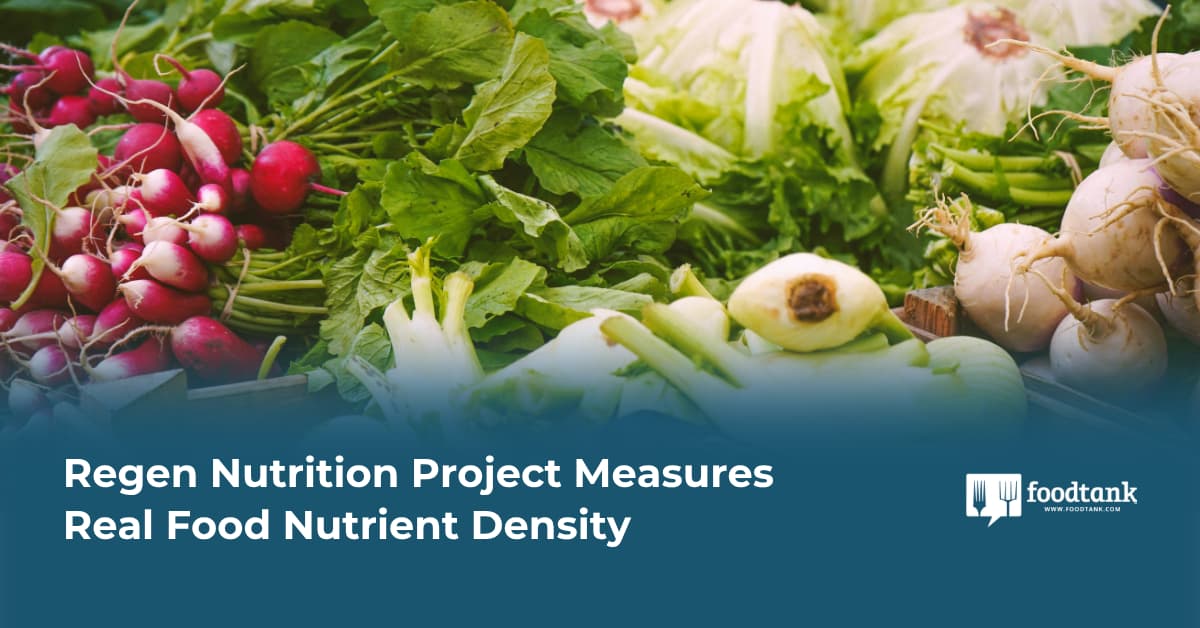
Regen Nutrition Project Measures Real Food Nutrient Density
The Nutrient Density Initiative (NDI) and food‑testing firm Edacious have launched the Regen Nutrition Project, a 2024 effort that measures how regenerative farming practices affect the nutrient profile of foods. More than 50 member companies and farms submit product samples...
Food Tank Explains: True Cost Accounting
Food Tank’s primer explains True Cost Accounting (TCA), a holistic framework that quantifies the hidden environmental, health, social and economic externalities of the global food system. The UN’s FAO estimates these unpriced impacts total roughly $12 trillion each year, with separate...
Op-Ed | Consumers Think Regenerative Means No Pesticides. They’re Often Wrong.
Regenerative food labels are proliferating on grocery shelves, but many allow synthetic pesticides that pose health and environmental risks. Friends of the Earth’s new guide shows that standards vary widely, with some programs permitting chemicals linked to cancer and hormone...

Food Tank Explains: Carbon Farming
Carbon farming uses regenerative agricultural practices to pull carbon dioxide from the atmosphere and lock it into soils and plants, turning farmlands into carbon sinks. Soils could sequester up to 1.85 gigatons of carbon per year—roughly the emissions of the global...
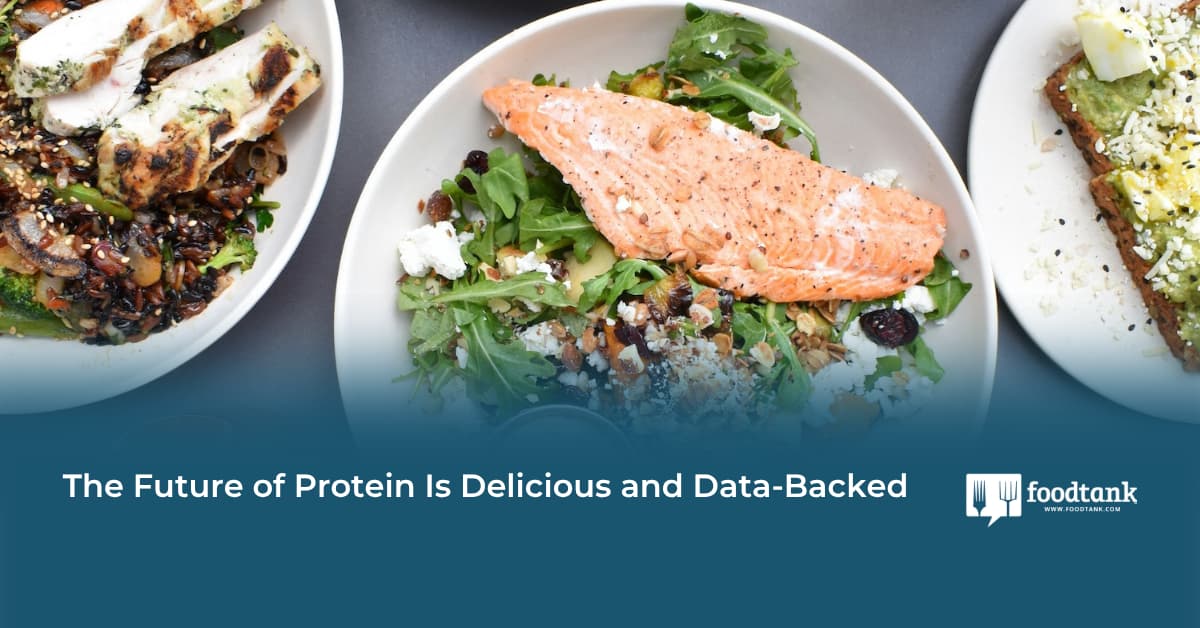
Op-Ed | The Future of Protein Is Delicious and Data-Backed
The op‑ed highlights a growing consensus that taste is the gateway to scaling healthier, sustainable protein. Industry leaders—from regenerative beef ranchers to insect and plant‑based innovators—are aligning on the need for flavor, convenience, and affordability. New data‑driven tools such as...
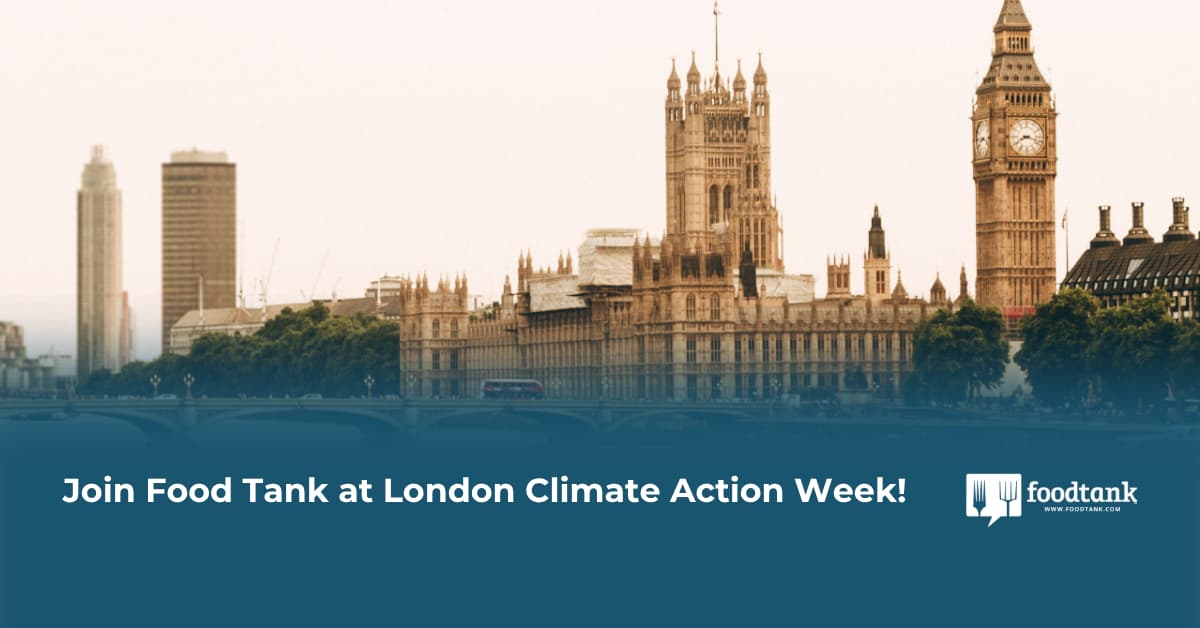
Join Food Tank at London Climate Action Week
Food Tank, Google Cloud, and the U.N. Environment Programme are co‑hosting the third annual Food Tank London Climate Action Week Summit on June 25 at Google’s London campus. The event will convene more than 180 senior leaders—CEOs, CSOs, founders and...
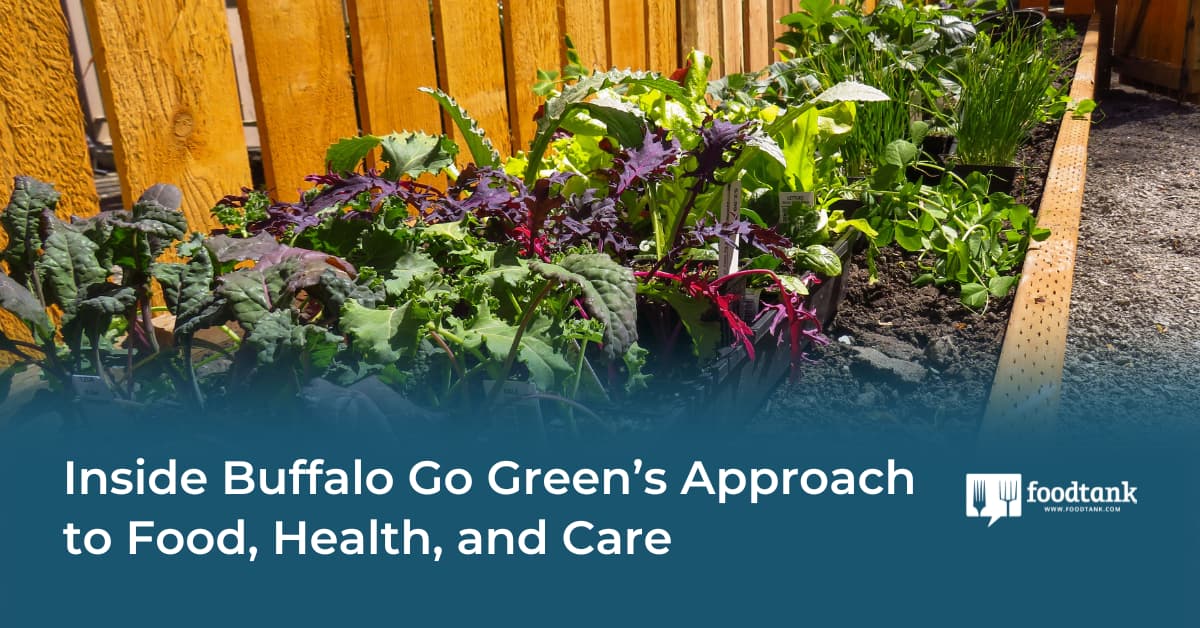
Inside Buffalo Go Green’s Approach to Food, Health, and Care
Buffalo Go Green, a nonprofit operating on Buffalo’s East Side, is tackling food inequity by linking access, education, and health services. Founder Allison DeHonney built a farm and produce‑prescription program, then expanded to mobile markets and nutrition training. To close...
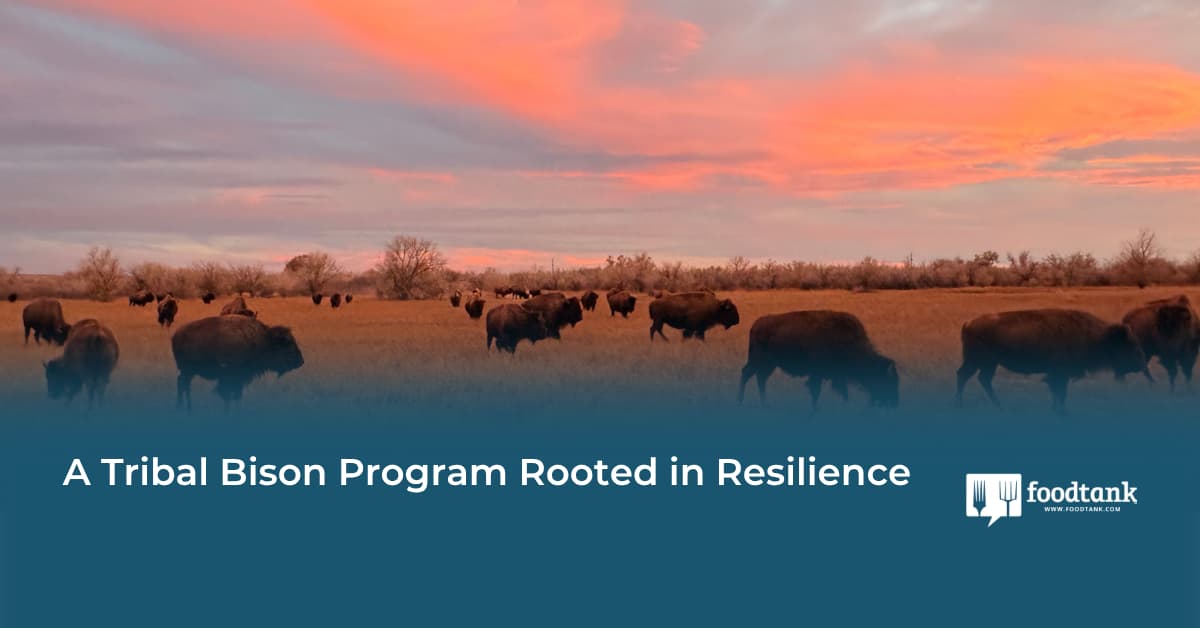
A Tribal Bison Program Rooted in Resilience
Ute Bison Meat Company was created in 2015 to address an overpopulated tribal bison herd that was straying onto public lands. Led by COO AJ Kanip, the tribe built infrastructure, navigated federal regulations, and launched a tribally owned bison meat...

Food Tank Explains: Food Is Medicine
Food is Medicine (FIM) initiatives link nutrition, agriculture, and healthcare to combat diet‑related chronic disease. The article highlights that poor diets drive 45% of US cardiometabolic deaths and cost over $1.1 trillion annually, disproportionately affecting low‑income and minority groups. Programs such...

Op-Ed | Dietary Guidelines for (Some) Americans: The Impact of Ignoring Health Equity in the DGA
The 2025‑2030 Dietary Guidelines for Americans (DGA) rejected 30 of the 56 recommendations from the Dietary Guidelines Advisory Committee (DGAC) after labeling the committee’s health‑equity focus as biased. Instead, the administration relied on a newly commissioned “Scientific Foundation” report that...

Food Tank’s Weekly News Roundup: Farm Bankruptcies Climb, Nigeria Distributes Clean Cookstoves, Uganda Moves to Certify Agroecological Produce
U.S. agriculture is undergoing rapid consolidation as the number of farms fell 150,000 in five years, a rate three times faster than the loss of farmland, while farm bankruptcies surged 46% year‑over‑year. Severe wildfires in Nebraska scorched over 800,000 acres,...