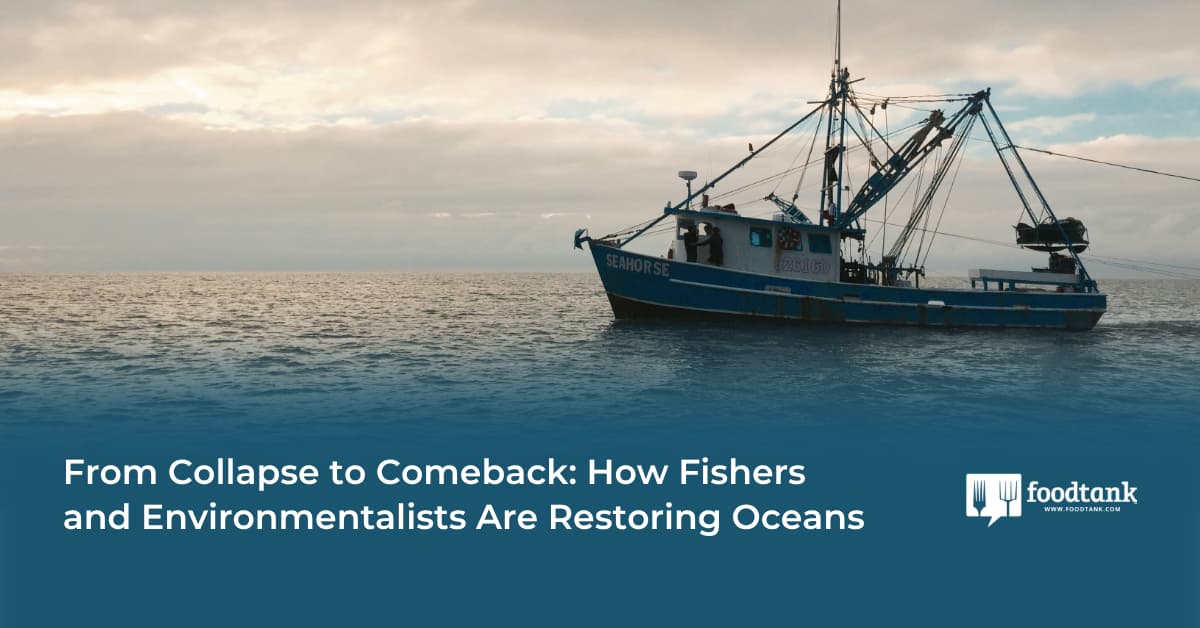
From Collapse to Comeback: How Fishers And Environmentalists Are Restoring Oceans
The book *Sea Change* showcases how catch‑share programs have turned collapsing fisheries into thriving ecosystems, centering on the Texas red snapper case. EDF Executive Director Amanda Leland describes catch shares as built‑in incentives that let fishers fish any time while stocks recover, boosting both catch volumes and revenue. Former skeptic Keith “Buddy” Guindon saw snapper numbers rise, operating costs fall, and jobs stabilize, prompting him to become the program’s most vocal champion. The approach is now being promoted for other species and regions despite ongoing funding and policy hurdles.

UBC Researchers Fight Tire Toxins Threatening Salmon
Researchers at UBC’s Scholes Lab have identified 6PPD‑quinone, a tire‑wear byproduct, as a lethal contaminant for coho salmon in Pacific Northwest streams. Through the interdisciplinary STREAM project they are modeling which waterways, especially those near highways and First Nations reserves,...
Op-Ed | A Toxic Turn for Our Daily Bread: Why GMO Wheat Raises Serious Concerns
The U.S. government has approved HB4, a genetically engineered wheat tolerant to the herbicide glufosinate, marking the first commercial GMO wheat in America. Glufosinate is linked to reproductive toxicity and is banned in the EU, raising concerns about residue buildup...
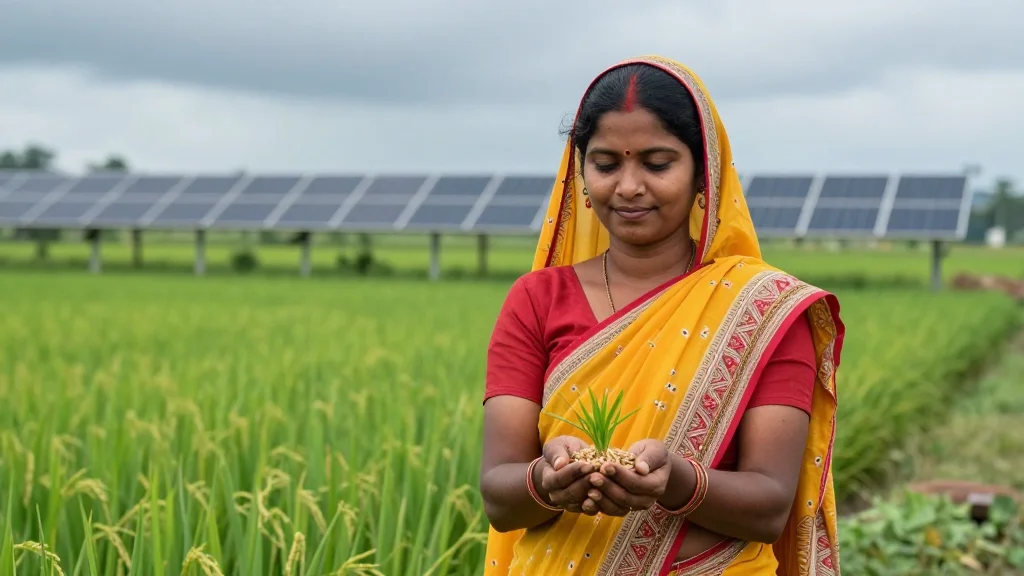
As Climate Stress Grows, SEWA Equips Women Farmers With New Tools
India’s Self‑Employed Women’s Association (SEWA), representing 3.8 million informal workers, is confronting a rapid “feminization of agriculture” as climate shocks force men to migrate to cities. To protect its largely female farming base, SEWA has rolled out a parametric climate‑insurance scheme...
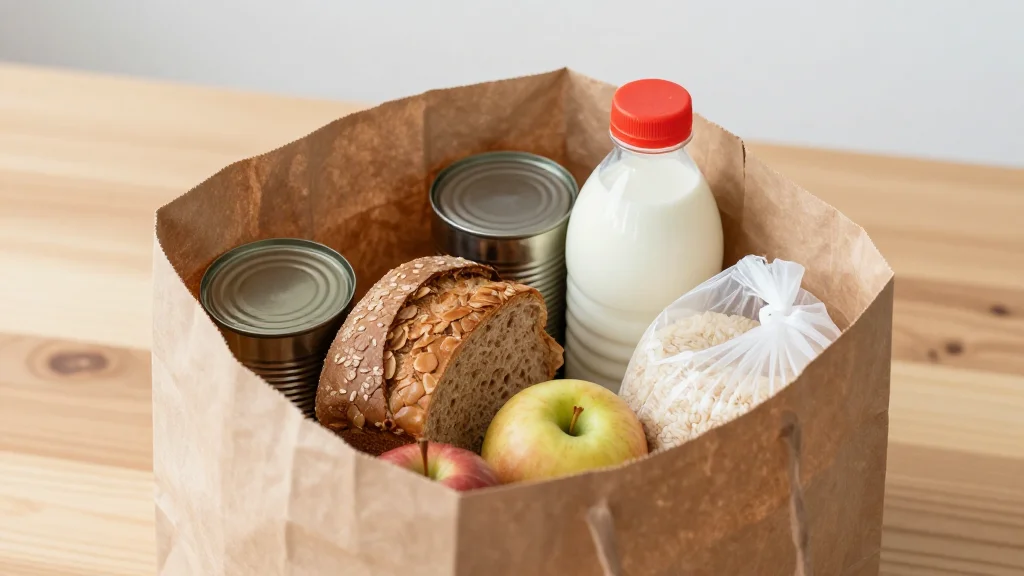
ICE’s Impact on Food Security, as Seen Through Joyce Uptown Food Shelf
Joyce Uptown Food Shelf in Minneapolis adapted its operations after the federal Operation Metro Surge, which saw thousands of ICE and CBP agents deployed and resulted in two fatal shootings. At the surge's peak the pantry operated at 130% capacity,...
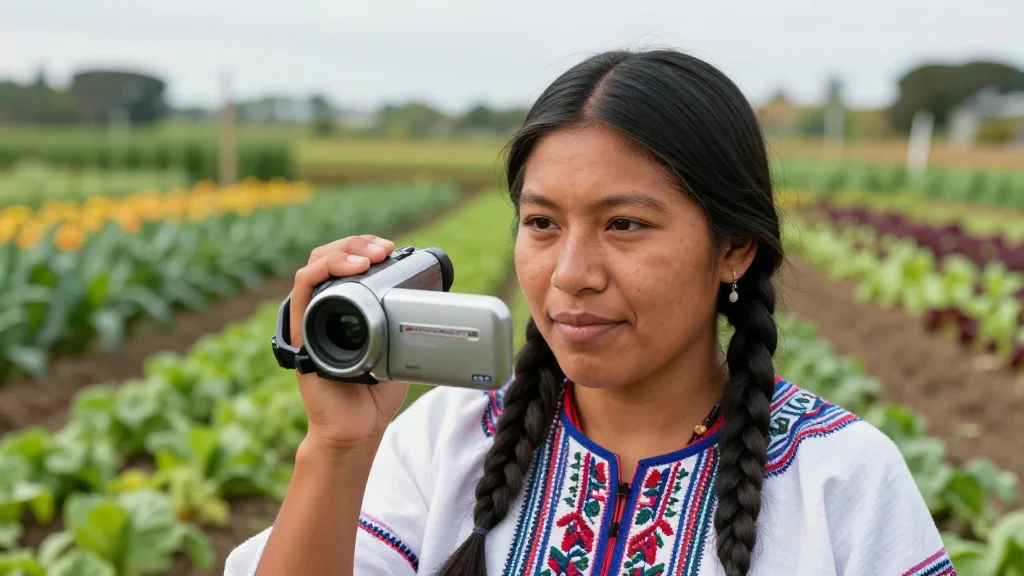
Field to Film Festival Amplifies Indigenous and Rural Youth Voices
The 4th Annual Youth Storytellers Field to Film Festival, part of Groundswell International’s Youth Storyteller Program, invites Indigenous and rural youth to document agroecological transformations in their communities. Running through March 12, the 2026 edition places a special emphasis on...

‘Unearthing the Future’ Unpacks the Food and Farming Systems Impacting Human Health
The Lexicon of Food and BBC StoryWorks have launched a six‑episode digital film series called “Unearthing the Future,” which examines how language influences food and agriculture systems. The episodes spotlight topics such as land access, alternative proteins, and school lunches,...
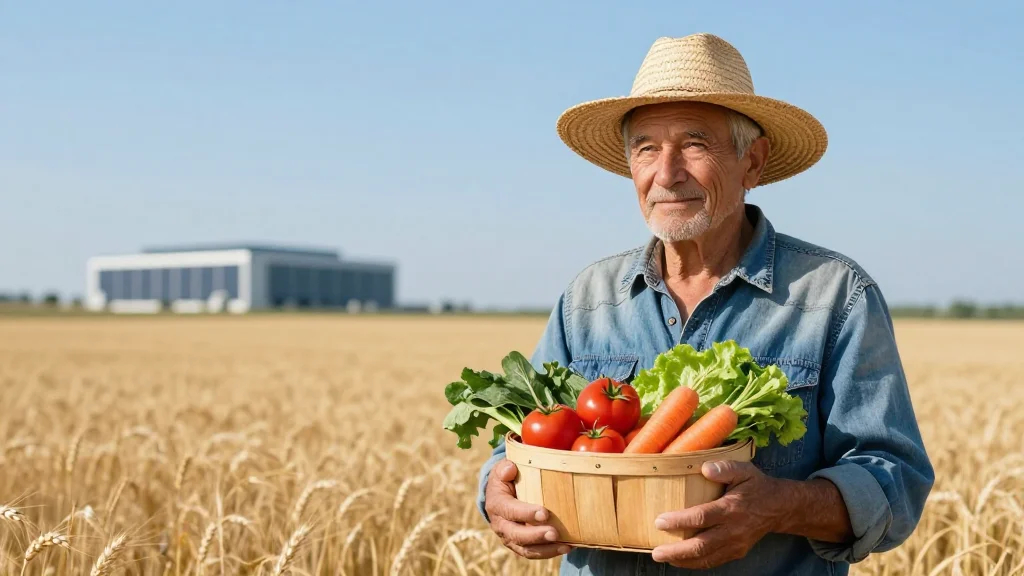
Food Tank’s Weekly News Roundup: The Next Farm Bill, Producers Stand Their Ground, and the Latest Progress on Deforestation
The House Agriculture Committee is set to markup a farm bill draft that critics say neglects SNAP cuts and fails to protect rural seniors, prompting over 100 hunger groups to lobby for the Delivering for Rural Seniors Act. At the...
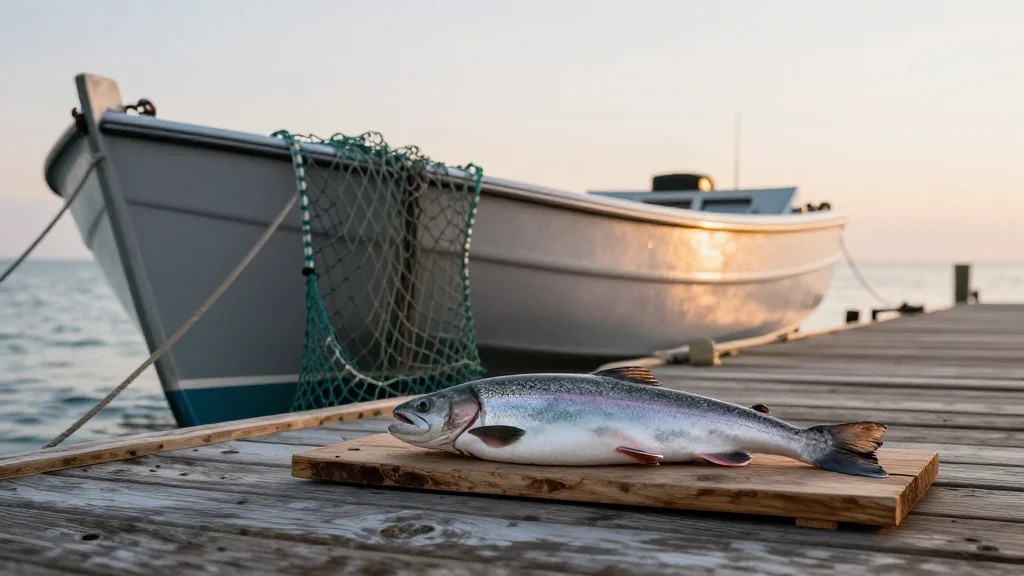
Astoria’s FisherPoets Give Testimony to Transition
The 29th FisherPoets Gathering in Astoria, Oregon, brings commercial fishers, artists, and policymakers together to share poetry, essays, and songs about a shifting seafood industry. Founded by salmon fisherman Jon Broderick in 1998, the event has grown from a single...
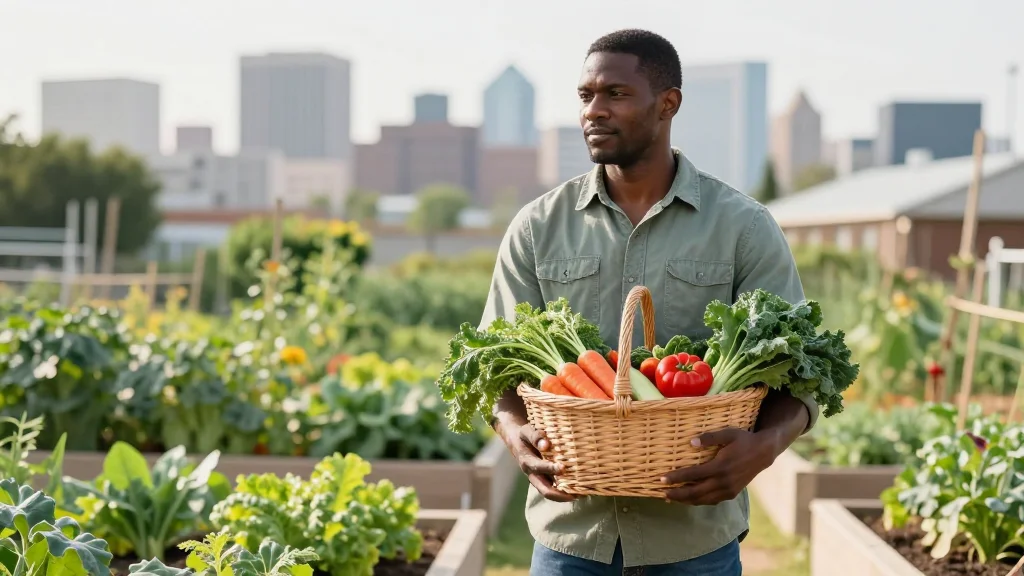
Collective Action Confronts Food System Inequities in Connecticut
Azeem Zakir Kareem, former hip‑hop artist, co‑founded the Samad Gardens Initiative in Bloomfield, Connecticut, to train urban residents as regenerative farmers. The pandemic exposed food deserts, prompting him to launch the Liberated Land Cooperative, Connecticut’s first statewide Community Supported Agriculture...

How GLP-1 Medications Are Driving Food and Beverage Innovation
GLP-1 weight‑loss drugs are reshaping food consumption, prompting manufacturers to redesign products for smaller portions, higher protein, fiber, and micronutrients. About 10 % of U.S. adults currently use these medications, and over half meet eligibility, creating a sizable market. Companies like...

Chefs in the Schools: Equitable Meals Across New York City
Chefs in the Schools (CITS) completed a three‑year pilot that delivered scratch‑made, plant‑based meals to nearly one million New York City public‑school children daily. The program developed 44 culturally inclusive recipes, trained cooks in over 1,000 schools, and engaged more...

Book Excerpt | Meat: How the Next Agricultural Revolution Will Transform Humanity’s Favorite Food―And Our Future
Bruce Friedrich’s new book argues that plant‑based and cultivated meat are essential to curb animal‑agriculture harms. It reveals that creating convincing plant‑based meat is a complex scientific problem, requiring teams of biologists, chemists, and engineers rather than simple culinary tricks....