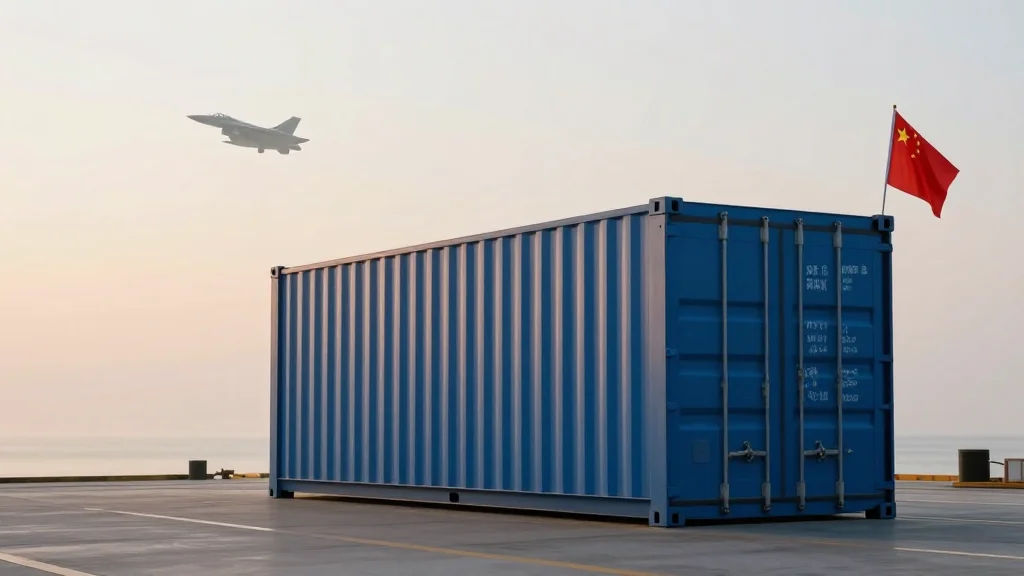
The Real Threat to Taiwan
Eyck Freymann warns that China’s primary lever over Taiwan is not missile strikes but a coordinated gray‑zone campaign of customs inspections and aviation manifest demands. By coercing airlines and shipping firms to comply, Beijing can choke Taiwan’s trade without provoking open conflict. The article argues that U.S. policymakers are fixated on kinetic threats while neglecting this economic pressure. Freymann calls for a strategic shift toward counter‑coercion tools that protect Taiwan’s supply chains and sovereignty.
Let Iran Defeat Itself
President Trump initially called for Iranians to rise up and promised regime change, but within weeks the administration retreated, framing the conflict as a limited war aimed at preventing a nuclear bomb. The war has installed a new generation of...

The Iran War’s Threat to Turkey
Turkey is striving to stay neutral in the escalating Iran‑U.S./Israel war, drawing on its World War II balancing act as a diplomatic model. Despite this stance, Ankara faces security gaps after its Russian S‑400 purchase left it excluded from key NATO...

The Other China Flash Point
While Taiwan remains the headline flashpoint in U.S.-China tensions, the South China Sea is emerging as a more immediate trigger for conflict. Beijing’s aggressive coercion—ranging from water‑cannon attacks to axe‑wielded assaults—has injured Filipino and Vietnamese mariners and escalated confrontations with...

A Gaza for Gazans
Rebuilding Gaza is one of the most massive urban recovery tasks in modern history, with roughly 60 million tons of rubble covering an area comparable to a midsize U.S. city. Over 70 percent of its buildings have been destroyed, a level of...

How China and Russia Can Exploit the Iran War
The U.S.–Israeli conflict with Iran is giving Russia and China a strategic opening to weaken American influence in the Middle East. Moscow is supplying weapons to Tehran and using the war to test anti‑air systems, while Beijing is securing energy...

America Should Be Israel’s Partner, Not Its Patron
The United States and Israel have moved from a patron‑client dynamic to a true partnership, highlighted by joint operations against Iran. Decades‑old U.S. military aid—about $3 billion annually, roughly 7% of Israel’s defense budget—now appears outdated as Israel’s economy and capabilities...

The New Trade Order
At Davos, Canadian Prime Minister Mark Carney called for a "new trade order" to correct imbalances in the global economy, invoking Václav Havel’s 1978 essay on powerlessness. He urged multinationals and governments to prioritize supply‑chain resilience, fair labor standards, and climate‑aligned tariffs....

A Grand Strategy of Consolidation
A new U.S. defense blueprint calls for a dramatic consolidation of forces, shifting the primary focus to homeland security while delegating distant perimeter defense to allies. The plan mirrors the United Kingdom’s 1904 strategic pivot, prompting alarm from establishment hawks...
The Iran War Is an Expectations Game
The United States and Iran entered a two‑week cease‑fire on April 8, yet both sides claim outright victory. While U.S. forces inflicted heavy damage with minimal casualties, the American public expects regime change, not just tactical success. Iran, by contrast, frames...

How to Fight an Economic War
At Davos, former Bank of England governor Mark Carney warned that globalization has morphed into economic warfare, with great powers weaponising tariffs, finance and supply‑chain dependencies. The United States and China now dominate key chokepoints—U.S. dollar payments, AI chips and...

North Korea as It Is
Victor Cha’s May/June 2026 essay argues the United States should pursue a “cold peace” with North Korea. He traces U.S. awareness of the regime’s nuclear ambitions back to the early 1990s, noting the lack of delivery capability then and the long...

Kim’s Dangerous Liaisons
In June 2024 Russian President Vladimir Putin made his first trip to North Korea in 25 years, culminating in the signing of a Treaty on Comprehensive Strategic Partnership with Kim Jong Un. The ceremony featured extensive North Korean pageantry, underscoring the regime’s propaganda style....
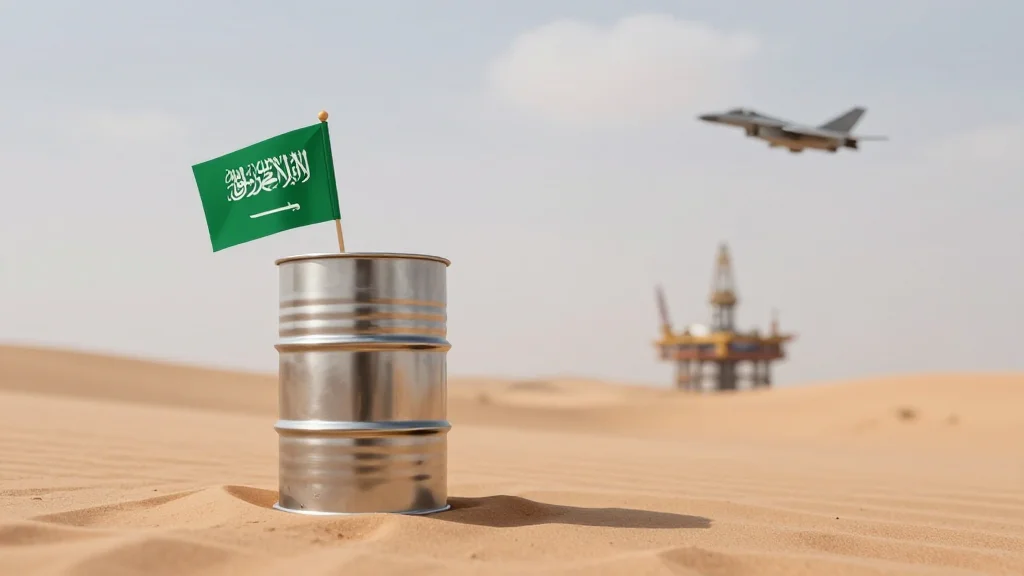
Can Saudi Arabia Keep Hedging?
Saudi Arabia has adopted a cautious stance as the Iran‑Israel‑U.S. conflict escalates, opting not to retaliate against Iranian strikes in the Gulf. Despite the heightened security risk, Riyadh continues to sustain its oil output, signaling a commitment to market stability....

The G-2’s Missing Link
U.S. President Donald Trump and Chinese President Xi Jinping are slated to meet in Beijing in mid‑May 2026, a summit that follows their first face‑to‑face G‑2 encounter in South Korea last year. The term “G‑2” has sparked debate among allies,...
The Iran War Is a Win for China
The ongoing Iran war is reshaping global geopolitics by cementing China’s role as a key energy supplier and strategic partner in the region. As Tehran leans on Beijing for diplomatic cover and infrastructure financing, Washington’s planned summit with Xi has...

America and Iran’s Long Road to Peace
The United States and Iran held their first in‑person talks in a decade this April, with Vice President JD Vance and Iranian Parliament Speaker Mohammad Bagher Ghalibaf leading the delegations. The overnight negotiations produced a preliminary framework for a comprehensive security pact,...

Europe Still Needs China
A new analysis by Tsinghua professor Da Wei argues that Europe remains heavily dependent on China for critical technologies, rare‑earth supplies, and infrastructure investment. While the United States is increasingly using sanctions and security pressure to curb Chinese influence, the EU’s...
Cyberwar’s New Frontier
The article warns that autonomous cyber‑agents are moving from theory to operational reality, capable of launching attacks in minutes and persisting undetected across critical sectors. It highlights the U.S. 2026 Cyber Strategy’s embrace of such agents while noting severe staffing...
For Iran, Hormuz Is More a Weakness Than a Weapon
The United States launched a naval blockade of the Strait of Hormuz six weeks into its conflict with Iran, aiming to choke a critical chokepoint for global oil shipments. While analysts have long viewed Tehran’s control of Hormuz as a...

The Tech High Ground
The United States must overhaul its technology strategy to counter China’s expanding control over critical supply‑chain nodes such as batteries, rare‑earths, and biotech inputs. Washington’s plan centers on four high‑ground pillars: revitalizing the techno‑industrial base, accelerating military innovation, building a...

The Real Thucydides Trap
Joshua Rovner’s April 14, 2026 essay warns that the classic “Thucydides Trap”—the tendency for a rising power to clash with an established hegemon—now applies to U.S.–China relations. He argues that Chinese confidence, demonstrated by recent drills around Taiwan, combined with U.S. strategic...

How Congress Can Help Ukraine
The article argues that Congress should adopt a Taiwan Relations Act‑style framework to provide sustained, bipartisan support for Ukraine amid President Donald Trump’s erratic peace overtures. It highlights Trump’s 28‑point plan, which many view as overly favorable to Russia, and...

A Test of Wills in Iran
The United States and Iran failed to reach a cease‑fire agreement during talks in Pakistan, leaving their war unresolved. Washington pressed Tehran to reopen the Strait of Hormuz, curb its nuclear and missile programs, and halt support for proxy groups....

The Trouble With Permanent Alliances
The United States has relied on permanent alliances such as NATO, South Korea and Thailand since World War II, a strategy that worked during the Cold War but now hampers flexibility in a multipolar world. Historically, alliances were temporary coalitions formed...

How to End the Iran Crisis
U.S. and Iranian negotiators abruptly ended peace talks, with the nuclear program proving the decisive sticking point. The recent war crippled Iran’s enrichment facilities but left its scientific expertise and long‑term capability largely intact. Analysts argue that coercive pressure alone...

Why the Cease-Fire With Iran Will Hold
On April 7 the United States and Iran agreed to a two‑week cease‑fire, framing the conflict as a draw rather than a decisive victory. Both sides entered the truce exhausted, having realized that continued escalation would cost more than any strategic...

Venezuela’s Treacherous Recovery
The United States has installed an interim caretaker government in Venezuela after removing President Maduro, opening the door to a potential economic rebound driven by oil, mining and diaspora capital. Restoring oil production could require more than $100 billion and a...
Europe’s New Defense Core
Facing an increasingly hostile Russia and a wavering U.S. security guarantee, the EU is racing to build a home‑grown defense architecture. Brussels has launched a $175 bn loan program and a modest €4.6 bn annual research fund, but most of the heavy...
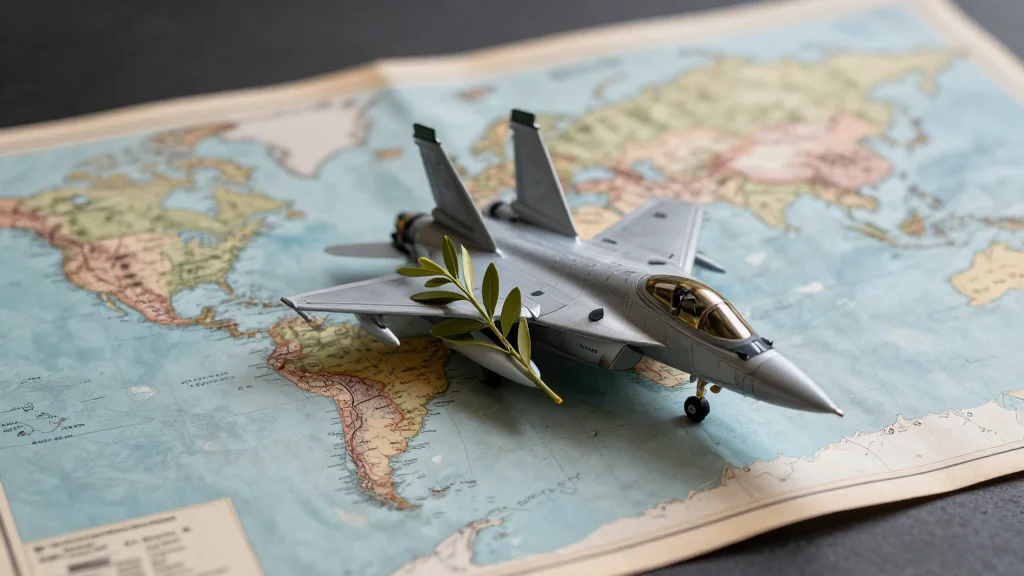
How a Cease-Fire Can Lead to Disaster
The article warns that the April 7 cease‑fire ending the U.S.–Israel air campaign against Iran could repeat the post‑Desert Storm quagmire the United States faced in Iraq. It argues that leaving Tehran’s regime in place but weakened will force a costly...

Don't Partition Sudan Again
Three years into Sudan’s devastating civil war, the Sudanese Armed Forces (SAF) control the north, east and central regions while the Rapid Support Forces (RSF) dominate Darfur and Kordofan, creating a de facto partition with rival governments and economies. Both sides...
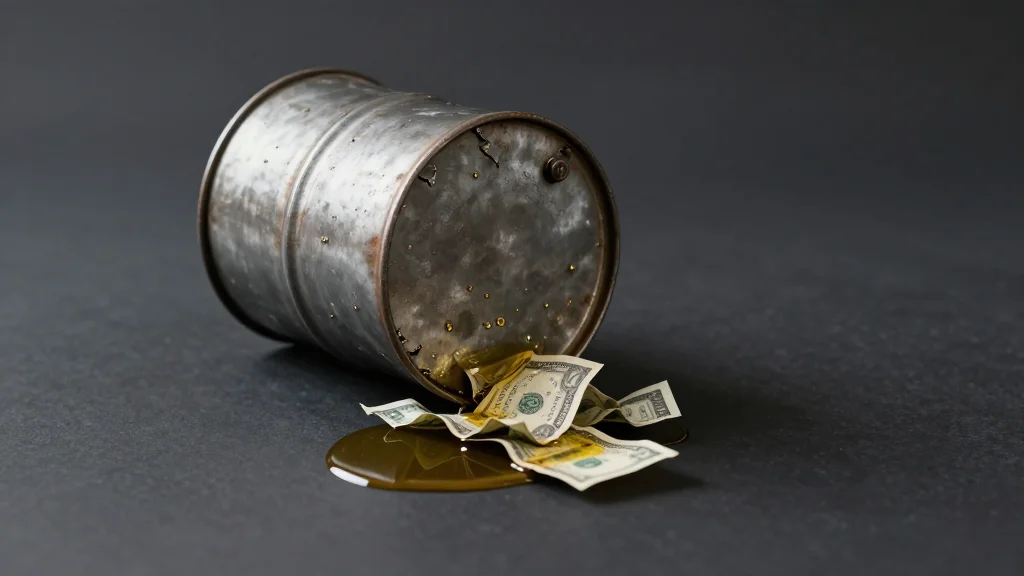
How the Iran War Will Upend the Global Economy
In late March Israel and Iran struck gas fields in the Persian Gulf, creating a sharp supply shock that will push global energy prices higher. The disruption has already prompted U.S. markets to price in further Federal Reserve rate hikes...

America and China Can Make AI Safer
The article argues that the United States and China, as the world’s leading AI developers, must cooperate to make artificial intelligence safer. It highlights how AI can be weaponized to create pathogens, launch autonomous cyber‑attacks, or spread convincing deepfakes, posing...
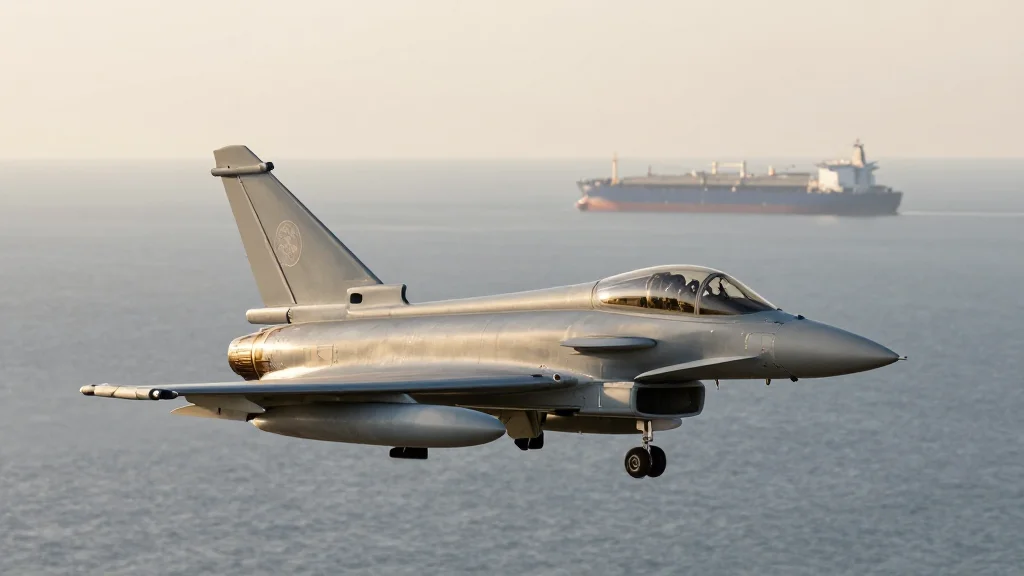
Europe Is Stuck With America
European leaders are confronting deep economic and military reliance on the United States after a year of Trump‑era tariffs, threats to withdraw troops, and pressure on energy supplies. The U.S. now accounts for over 20% of Europe’s exports and supplies...

The Iran Shock
Within weeks of the U.S.-Israeli attack on Iran, Tehran’s near‑shutdown of the Strait of Hormuz halted roughly 20% of global oil and LNG transit, sending crude prices up 55% and gasoline up about $1 per gallon. The disruption exposed the...

America Is Losing the Innovation Race
China has transformed from a manufacturing hub into an innovation powerhouse, outpacing the United States in electric vehicles, batteries, robotics, next‑generation nuclear power and hypersonic missiles. The surge stems from a decade‑long, state‑driven strategy that funds basic research, talent development...
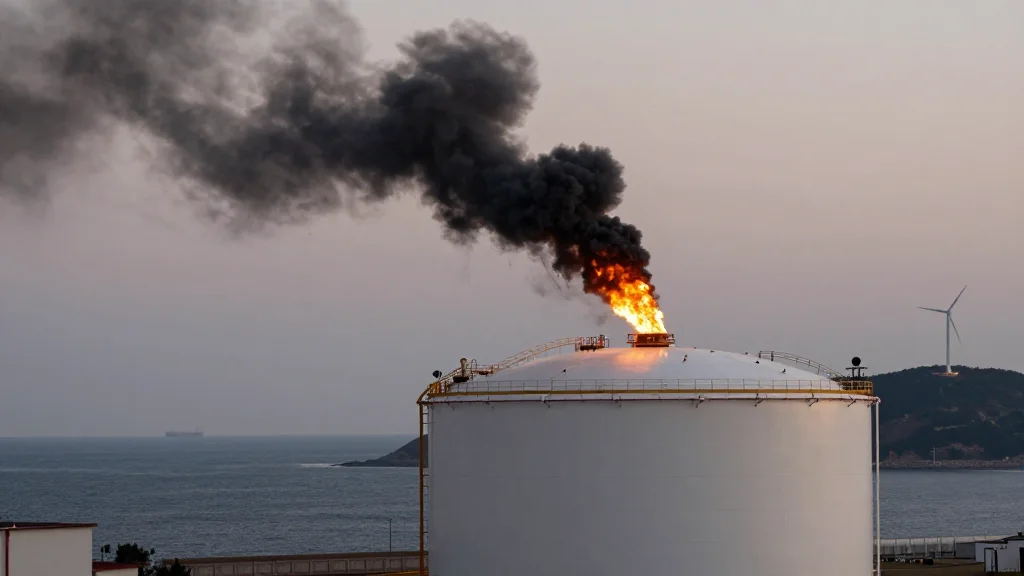
A Post-American Persian Gulf?
The U.S.-Israeli war with Iran has slashed oil and LNG flows through the Strait of Hormuz to roughly five percent of normal levels and damaged Qatar's Ras Laffan LNG plant, threatening a $20 billion annual export loss. Gulf states face immediate economic...
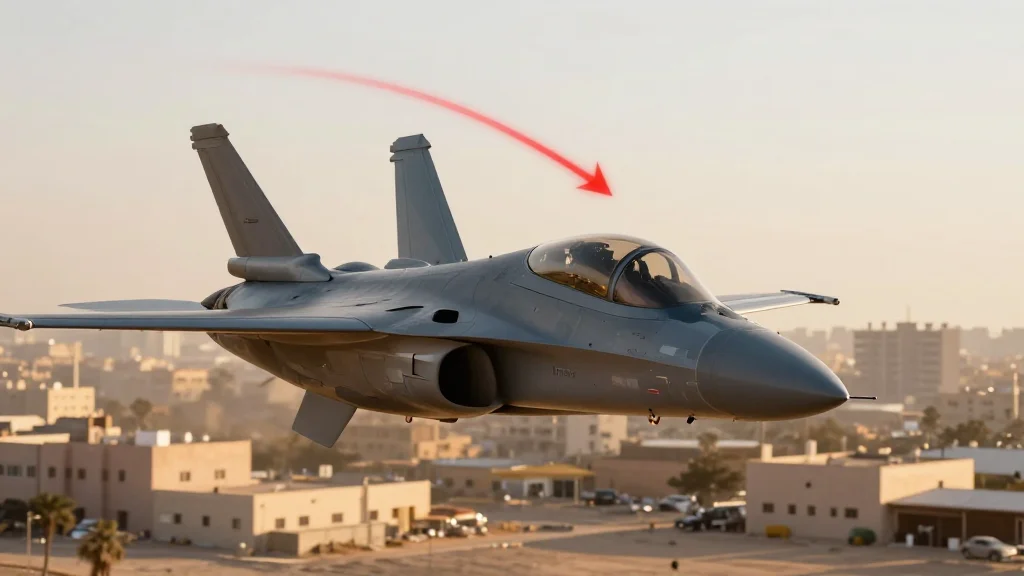
The Price of Strategic Incoherence in Iran
The Trump administration launched a preventive war against Iran without a clear strategy linking military means to political ends. It set overlapping goals—nuclear denial, missile neutralization, and regime change—yet achieved only tactical degradation while inflaming Tehran’s resolve. Repeated strikes have...
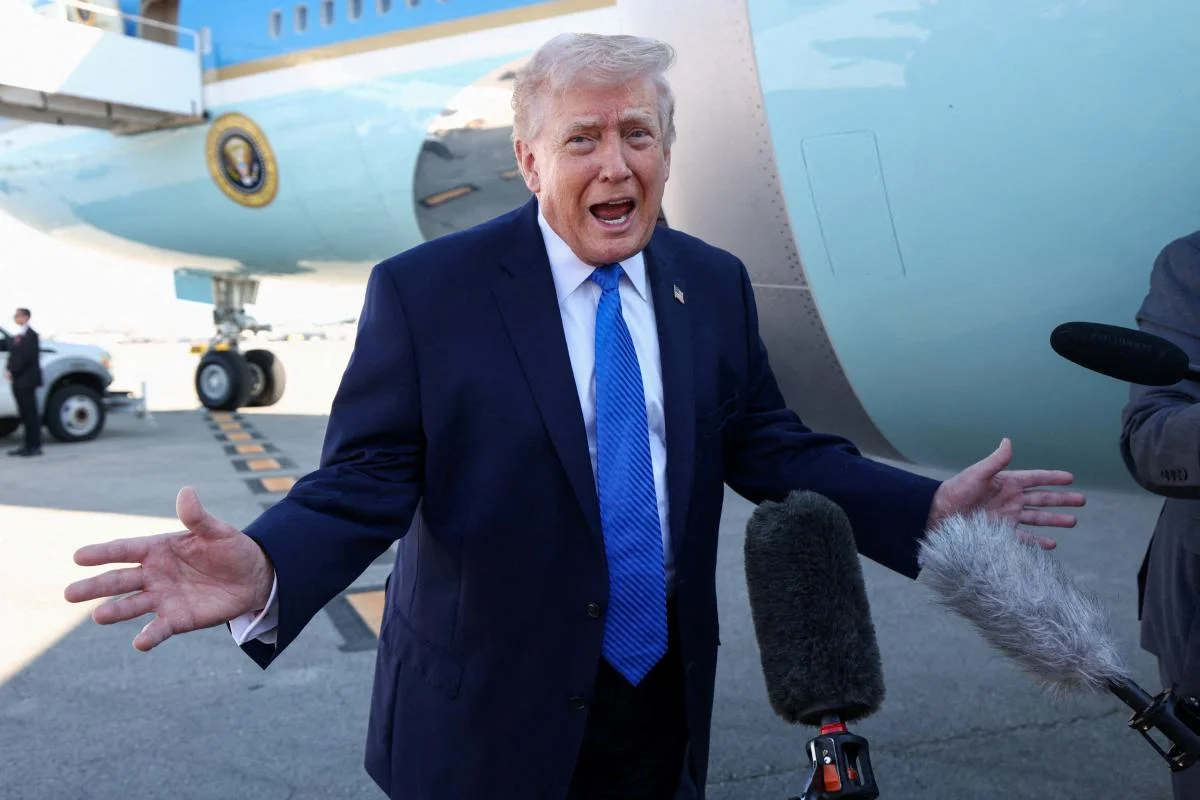
The False Promise of “Flexible Realism”
The authors argue that President Donald Trump’s foreign‑policy brand of “flexible realism” is a rhetorical veneer lacking substantive strategic coherence, especially evident in his aggressive posture toward Iran. By invoking Thucydides‑style power politics, the administration claims pragmatism while pursuing erratic...

Why Russia Is Losing the Sahel
Since 2020 Russia has pursued a resource‑for‑security strategy in the Sahel, backing coups in Mali, Burkina Faso and Niger with Wagner mercenaries and intelligence support. Over five years the Kremlin’s footprint has stalled: a modest force of roughly 2,500 fighters cannot...
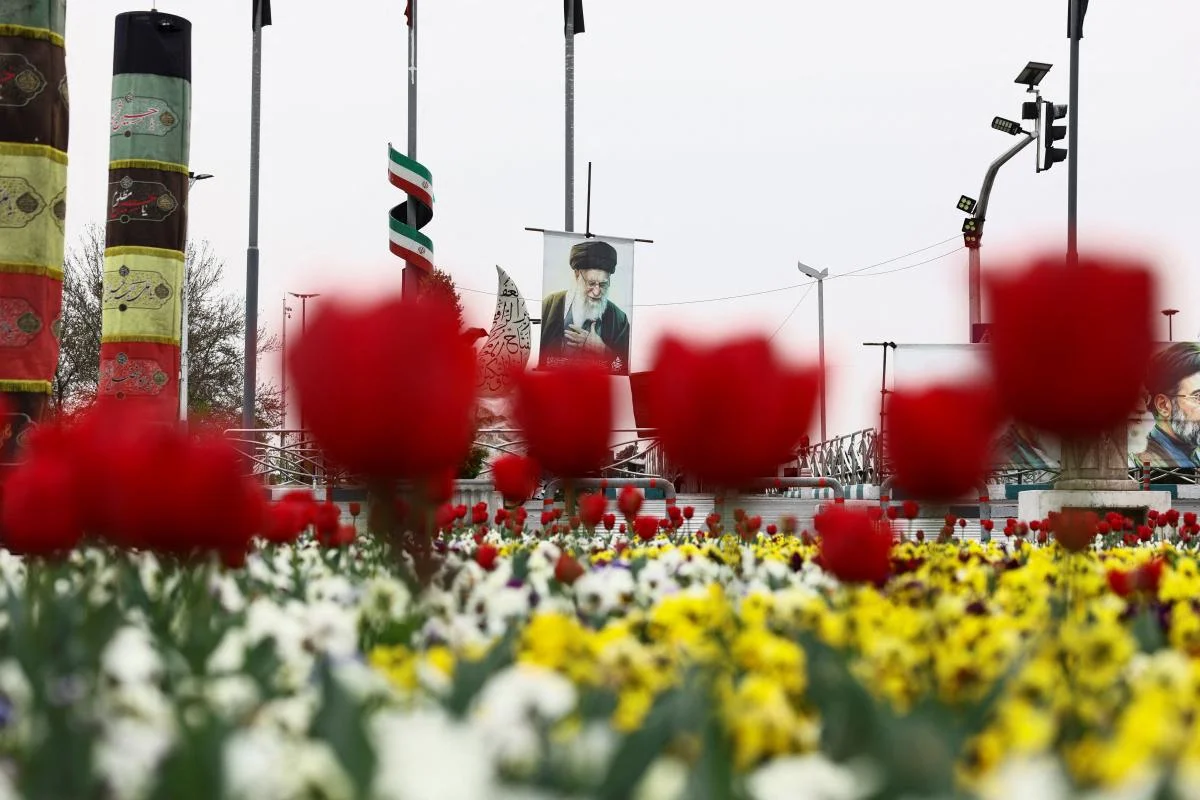
The Myth of Authoritarian Stability in the Middle East
President Donald Trump has openly pursued an authoritarian replacement for Iran’s late Supreme Leader, echoing a long‑standing U.S. belief that autocratic rule ensures regional stability. The article argues that this myth has deepened since the Arab Spring, as Gulf monarchies...
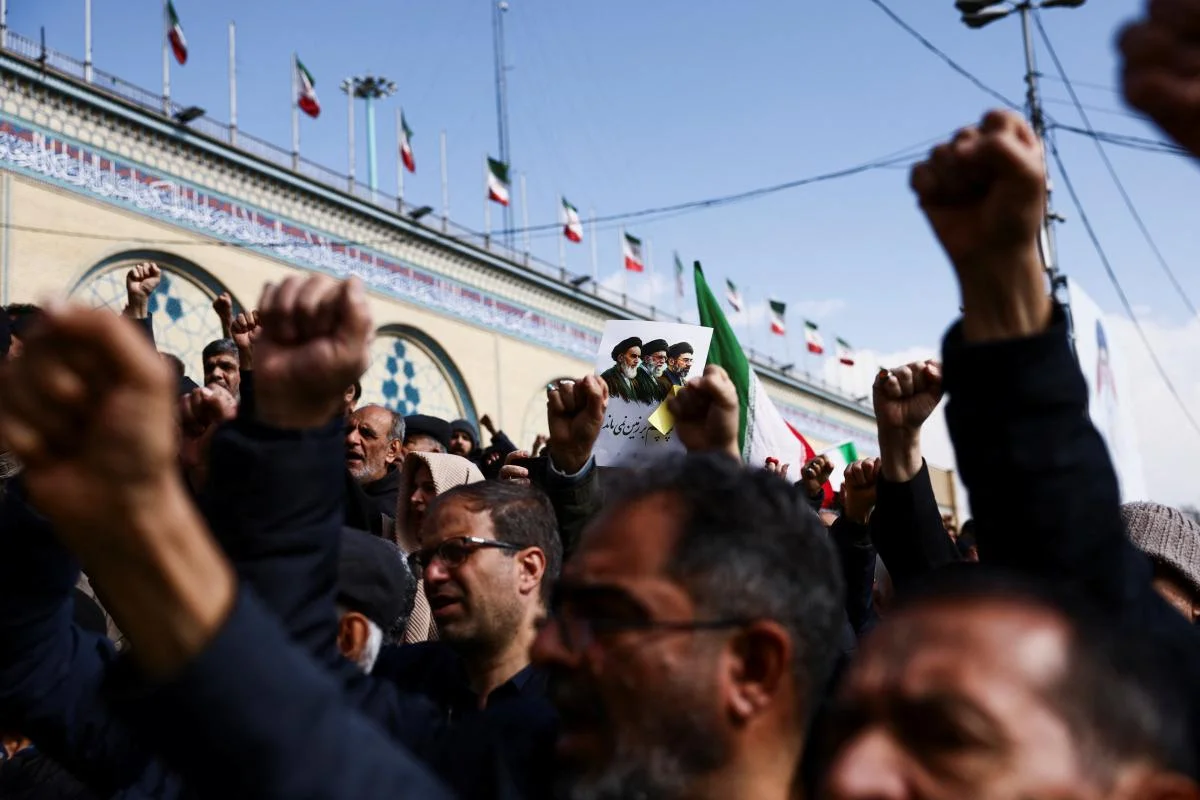
Will Iran Turn to Terrorism?
Operation Epic Fury has prompted Tehran to openly threaten terrorist attacks against the United States and its allies, citing the recent killing of Supreme Leader Ali Khamenei as justification. Iran’s Qods Force and proxy networks have accelerated recruitment of criminal groups and sleeper...
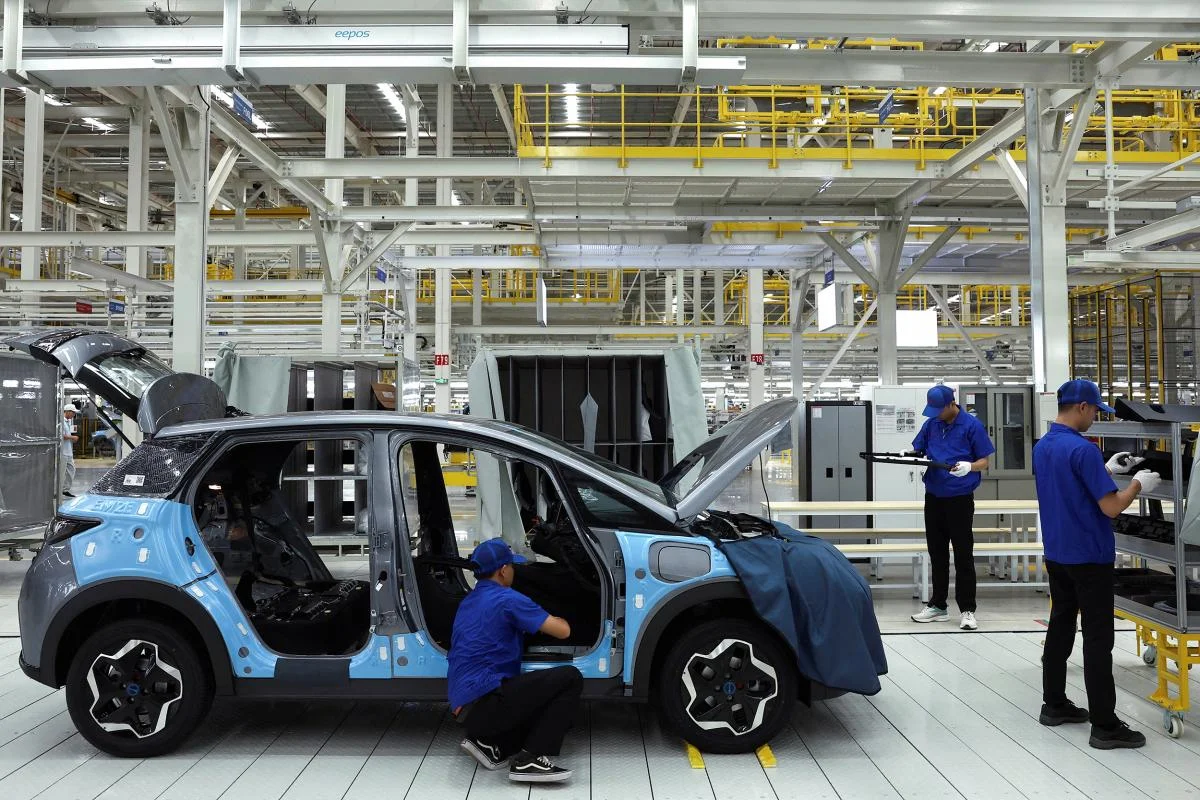
China Is Squeezing Southeast Asia
China’s Belt and Road and the China‑ASEAN FTA have made Southeast Asia its largest trading partner, with roughly $126 bn of Chinese investment over the past decade. Yet the region’s trade deficit with Beijing has swelled to about $140 bn in 2024...

How China Forgot Karl Marx
China’s labor share fell from 21% in 1987 to 15% in 2023, leaving workers with a shrinking slice of economic output. Despite dramatic poverty reduction, wages in manufacturing now rank near the bottom of a 87‑country survey, and the minimum...
Trump, Xi, and the Case for Strategic Calm
After a decade of heightened tensions, Washington and Beijing entered a tentative détente when President Donald Trump and Xi Jinping signed a Busan agreement in October 2025 that paused new U.S. tariffs and eased Chinese restrictions on rare‑earths and magnets....

How Iran Sees the War
In late February the United States and Israel launched a full‑scale war against Iran, assassinating Supreme Leader Ali Khamenei and striking dozens of military, governmental and civilian targets. Within three weeks the campaign has crippled key energy facilities, airports and infrastructure,...
How America’s War on Iran Backfired
The Atlantic Council’s Nate Swanson argues that the United States’ aggressive posture toward Iran has backfired, culminating in an Iranian missile strike on central Israel and a diplomatic reversal. Tehran, emboldened by U.S. missteps, is now positioning itself to set...
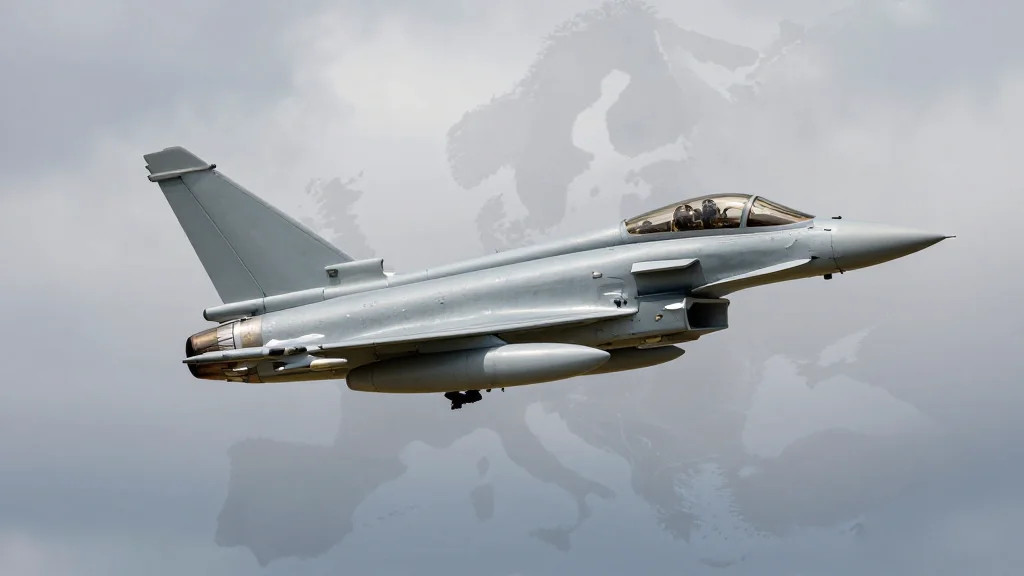
Europe Cannot Be a Military Power
Since World War II Europe has depended on the United States for its security while deepening economic integration through the EU. Recent U.S. actions—ranging from aggressive diplomatic posturing to conditional NATO demands—have exposed the fragility of this arrangement. European leaders are...
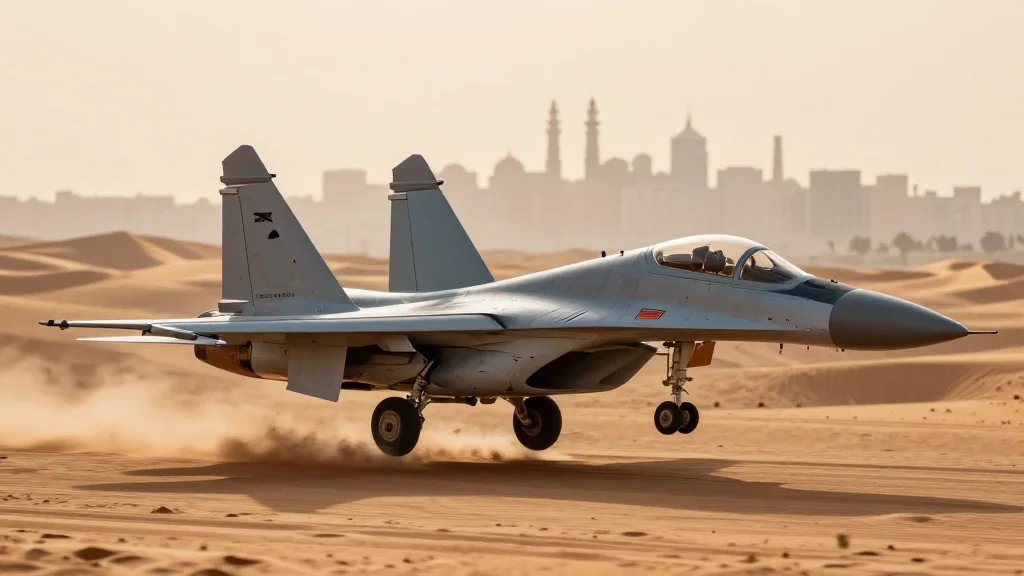
Why Russia Is Watching Iran Burn
The Comprehensive Strategic Partnership Treaty signed by Putin and Iran’s president formalized political ties but contains no mutual‑defense clause. When the United States and Israel struck Iran in early 2024, Russia issued condemnations yet provided only limited intelligence and drone‑tactic...
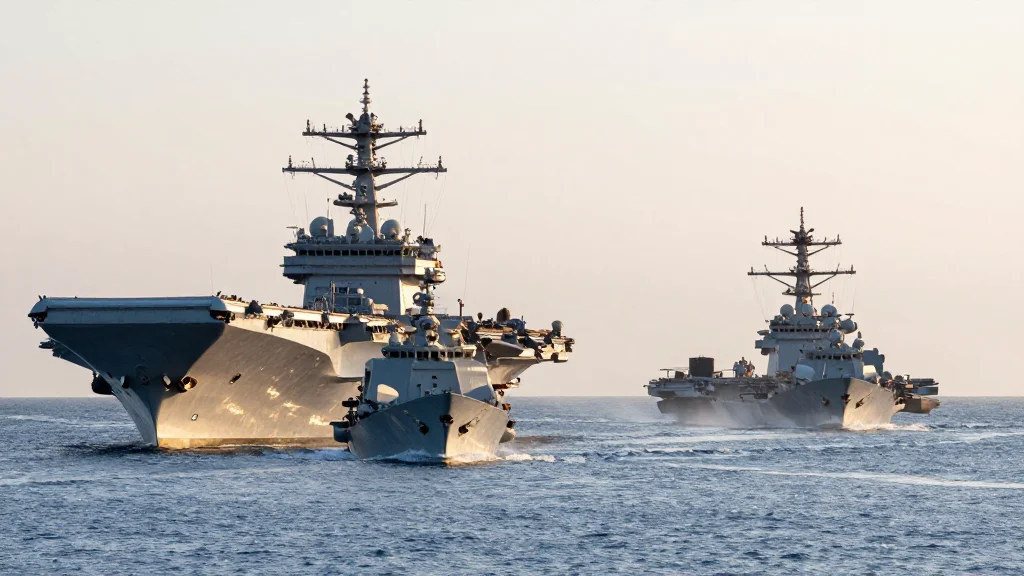
How Takaichi Can Triumph
Japanese Prime Minister Sanae Takaichi leveraged her landslide snap‑election win to double down on a U.S.-centric security strategy, positioning Japan as the linchpin of a broader Indo‑Pacific coalition against China. Her approach directly counters Canadian Prime Minister Mark Carney’s call...