
China’s AI Heist
Open‑weight AI models that run locally on laptops and phones are rapidly replacing cloud‑based services, and Chinese firms are dominating this space by distilling U.S. frontier models into cheaper, device‑ready versions. The shift promises lower costs and data sovereignty but also creates a strategic asymmetry, as distilled Chinese models lack the safety layers built into their U.S. originals. This dynamic threatens U.S. technological leadership and raises security concerns, prompting calls for tighter export controls, expanded FDPR licensing, and public investment in competitive American open‑weight alternatives.

Hormuz Is a Warning for the Indo-Pacific
Iran’s Islamic Revolutionary Guard Corps threatened to seal the Strait of Hormuz in February, warning it would fire on any vessel attempting passage. Tehran deployed drones, anti‑ship missiles and mines, effectively choking Middle Eastern oil exports and spiking global energy...
Why Mexico’s Cartels Are So Hard to Defeat
On Feb. 22 Mexican forces killed Jalisco New Generation Cartel leader Nemesio Oseguera Cervantes, known as El Mencho, in a raid in Tapalpa. President Claudia Sheinbaum framed the operation as a political win, highlighting enhanced intelligence cooperation with the United States and...

The Winners and Losers of the Iran Energy Shock
The closure of the Strait of Hormuz in March choked roughly 20% of global oil and LNG flows, triggering national energy emergencies and sharp price spikes. Countries heavily dependent on imported fuels, from the Philippines to Zambia, scrambled for emergency...
Why Japan and South Korea Won’t Go Nuclear
A mid‑2025 survey of 860 South Korean and 515 Japanese strategic elites found that 75 % of Korean and 79 % of Japanese respondents are not in favor of acquiring nuclear weapons. While public polls show high popular support, the elite consensus...
This Is Not the World Russia Wants
The article argues that Russia’s long‑standing push for a multipolar world is being thwarted by an increasingly assertive United States. Since the 2022 invasion of Ukraine, Moscow has intensified efforts to reshape Europe’s security architecture and challenge Western institutions. U.S....
The Return of Japanese Hard Power
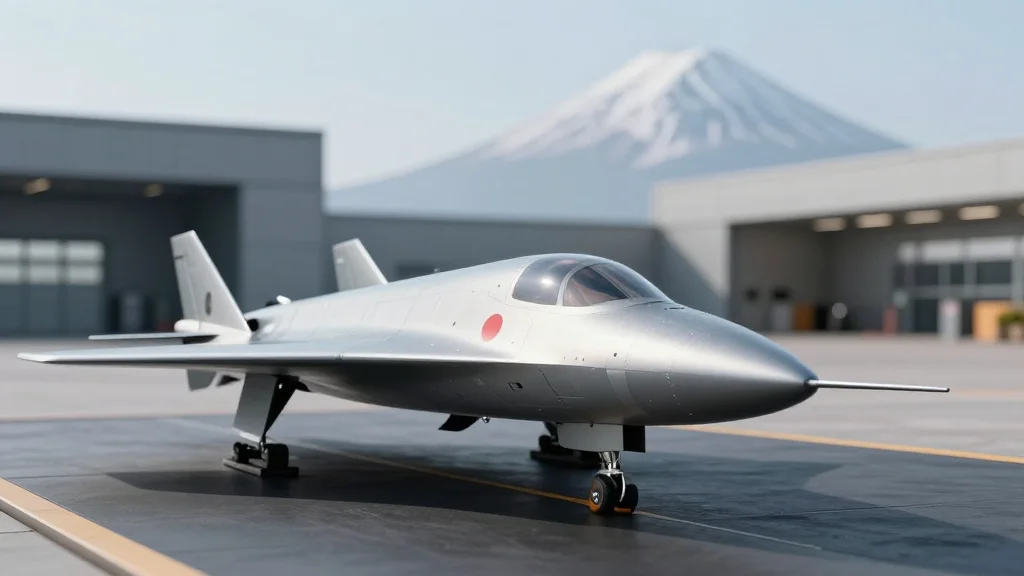
Japan is rapidly reviving its dormant defense industry, driven by a budget surge that will lift spending from roughly $35 billion in 2022 to about $60 billion by 2027, making it the world’s ninth‑largest military spender. The government has lifted long‑standing bans...

Only Congress Can Fix American Trade
The U.S. Supreme Court recently nullified President Trump’s “Liberation Day” tariffs that were based on a broad reading of the International Emergency Economic Powers Act. The decision highlights a long‑standing gap: Congress has delegated most tariff authority to the executive...

The End of the Axis of Abraham
In February 2024 the United States and Israel launched a war against Iran, prompting Tehran to retaliate with missile and drone strikes on Gulf airports, ports, oil facilities and desalination plants, effectively closing the Strait of Hormuz and halting exports...
Why the Next India-Pakistan War Will Escalate
President Donald Trump touted his role in ending the May 2025 India‑Pakistan clash, claiming U.S. pressure averted a nuclear war. The four‑day exchange saw unprecedented drone, missile and artillery strikes on both sides, prompting military planners to accelerate development of faster,...

The Price of Peace With Iran
U.S.–Iran talks have stalled despite a fragile cease‑fire and a 21‑hour summit in Islamabad. Washington’s maximalist stance and Tehran’s mistrust have prevented a durable agreement, with disputes over nuclear enrichment and control of the Strait of Hormuz at the core....
China and America Are Courting Nuclear Catastrophe
China has almost tripled its nuclear warhead inventory since 2019 and announced plans to further expand its strategic deterrent. The United States, alarmed by a shift toward a tripolar nuclear order, declined to renew the New START treaty to avoid...

What Drove Down America’s Fentanyl Deaths?
U.S. fentanyl overdose deaths fell sharply after mid‑2023, dropping nearly 50% by September 2025. Researchers link the decline to a supply shock, citing reduced fentanyl seizures, lower purity, and a surge in Reddit mentions of a "fentanyl drought." The shock appears...

The New Resource Curse
Recent oil price spikes illustrate how geopolitical shocks can drive commodity volatility, but the emerging critical‑minerals sector poses even greater risks. Demand for lithium, cobalt, nickel and rare earths is surging—IEA reports a 30% jump in lithium demand this year...

The Transatlantic MAGA Fantasy
President Donald Trump’s second term has seen a dramatic shift in U.S. policy toward Europe, highlighted by a public threat to annex Denmark’s Greenland and a series of tariff hikes on EU steel and aluminum. His administration has openly courted...