
StockWatch: Qiagen Shares Rebound on Report It Is Assessing Strategic Options
Qiagen (QGEN) shares surged to the $55 range after Bloomberg reported the company is evaluating strategic options, including a possible sale. The stock jumped 17% on the news, marking its strongest week in three years. Analysts note the firm’s EV/EBITDA of 10x and a potential $13 billion deal value, roughly $60 per share. The move comes amid a CEO transition and a refreshed five‑pillar growth strategy targeting $2 billion in sales by 2028.

IBD Linked to Colon Cancer Through TL1A-Driven Immune Pathway
Inflammatory bowel disease (IBD) heightens colorectal cancer risk through a TL1A‑driven immune pathway. TL1A activates gut‑resident ILC3 cells, prompting them to release GM‑CSF, which triggers emergency granulopoiesis and floods the colon with tumor‑promoting neutrophils. Mouse experiments showed that removing the...

Lung Cancer’s “Bodyguard System” Discovered by Singapore Scientists
Singapore’s A*STAR Institute of Molecular and Cell Biology identified a P2Y2‑integrin axis that protects mutant EGFR proteins in non‑small cell lung cancer from degradation. The study screened over 21,000 genes and found that excess extracellular ATP activates P2Y2, which partners...

Macrophage-Targeting CAR T Cell Therapy Improves Survival in Solid Tumor Mouse Models
Scientists at Icahn School of Medicine have engineered IL-12‑producing CAR T cells that specifically target tumor‑associated macrophages (TAMs) rather than cancer cells. In mouse models of metastatic lung and ovarian cancer, the anti‑TAM CAR T therapy dramatically extended survival, with...

Diet Addresses Liver Dysfunction in Down Syndrome Mouse Model
A study in Cell Reports shows that people with Down syndrome have markedly altered liver metabolism, including consistently higher bile acid levels in the bloodstream. Multi‑omic profiling of more than 400 participants and iPSC‑derived hepatocytes revealed intrinsic metabolic dysfunction and...

Milestone Reached in Cell and Gene Therapy Robotic Automation and Manufacturing Collaboration
Cellular Origins has completed the first phase of its partnership with Fresenius Kabi, integrating the CueR Cell Processing System into the ConstellationR CGT robotic manufacturing platform. The combined solution delivers end‑to‑end automation and markedly reduces manual intervention, as confirmed by...

Breath-Based Testing Emerges as Tool for Monitoring Microbiome Health
Researchers at Washington University School of Medicine and the Children’s Hospital of Philadelphia demonstrated that volatile organic compounds (VOCs) in exhaled breath accurately reflect gut microbiome composition in children and gnotobiotic mice. By correlating breath VOC profiles with stool metagenomics,...

High‑MYC Tumors Evade the Immune System by Clearing R‑Loop Alarm Signals
Researchers published in Cell reveal that high‑MYC tumors evade immune detection by binding nascent RNA and clearing R‑loop structures that would otherwise trigger innate immune signaling. MYC multimerizes, forms condensates with the nuclear exosome, and uses its RBRIII RNA‑binding domain...

Oligodendrocyte Differentiation Holds Promise for MS Treatment Development
Johns Hopkins researchers led by Dwight Bergles uncovered that oligodendrocyte precursor cells (OPCs) continuously differentiate into myelinating oligodendrocytes, a process they term constitutive differentiation. Using cross‑species gene‑expression profiling, protein localization, and live‑mouse time‑lapse microscopy, they identified distinctive “dandelion clock‑like” extracellular...

Pharma Bets Big on AI Platforms with Flurry of New Year Deals
In early 2026 pharma giants Eli Lilly, GSK and Pfizer announced multi‑year AI platform agreements with start‑ups Chai Discovery, Noetik, and Boltz. Chai’s de novo antibody design model, Chai‑2, claims double‑digit success rates—over 100‑fold better than prior methods—while Noetik secured a $50 million...

How Bird Retinas Function Without Oxygen May Inform Future Stroke Therapies
Researchers have shown that bird retinas operate in permanent oxygen deprivation, relying on anaerobic glycolysis rather than blood‑borne oxygen. Direct measurements revealed that the inner retina of species like the zebra finch is fully anoxic, overturning the long‑standing belief that...

Cell Lines That Make Their Own Amino Acids
Researchers at the Technical University of Denmark have engineered Chinese Hamster Ovary (CHO) cell lines that can produce the essential amino acids threonine and histidine, eliminating the need for these nutrients in culture media. The same team created a CHO...

Biosynthesis of Medicarpin in Engineered Yeast
Scientists in China have engineered Saccharomyces cerevisiae to biosynthesize the antitumor isoflavonoid medicarpin, achieving peak titers of over 157 µg/L in the GlaN26 strain. The effort required constructing 26 yeast variants and rewiring glycolysis, the pentose phosphate, shikimate, and isoflavonoid pathways....

Manufacturing Science Matters in Biosimilar Retinal Biotherapeutics
Rapid growth of biosimilars is reshaping retinal therapeutics, with ranibizumab biosimilars already market leaders and aflibercept biosimilars poised to follow. The two drugs differ fundamentally in manufacturing: ranibizumab is produced in Escherichia coli, requiring complex refolding of inclusion bodies, while...

Additive Manufacturing as a Flexible Option for Bespoke Bioreactors
A recent study highlights additive manufacturing as a flexible alternative for producing bespoke bioreactors used in cell and gene therapy. Unlike traditional injection‑molded single‑use devices, 3D printing allows unlimited shape and size changes without new molds. Although per‑part costs are...

Microglia Activity in the Brain Drives Infantile Amnesia in Young Mice
Scientists at Trinity College Dublin discovered that microglial activity in the brain drives infantile amnesia in young mice. By pharmacologically suppressing microglia during a critical post‑natal window, the researchers observed heightened memory retention of a fearful task. Suppressed microglia led...
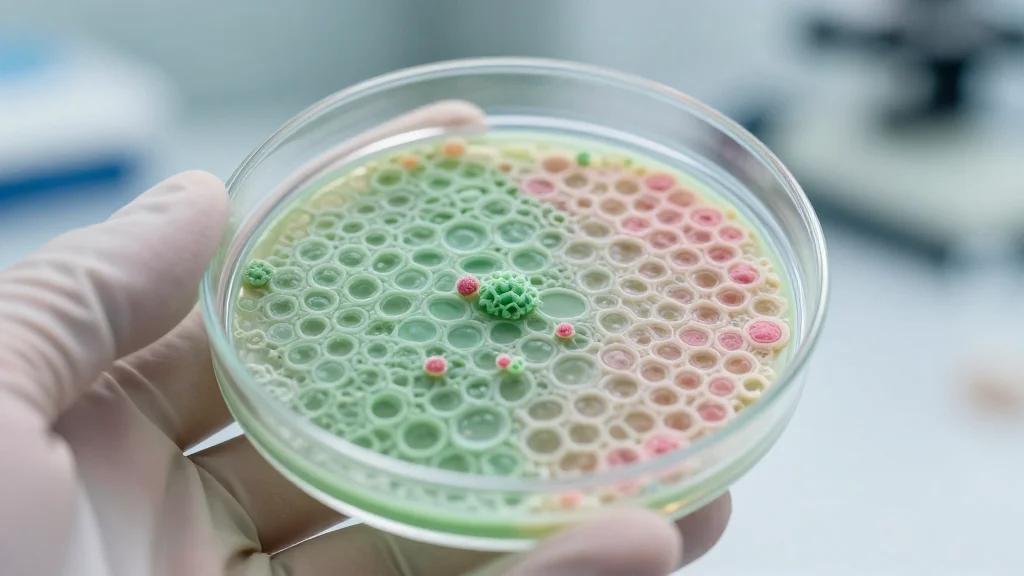
Nasal Passage Cell Response to Common Cold Virus Determines Sickness Severity
Yale researchers used an air‑liquid interface organoid of human nasal epithelium to show that a rapid interferon (IFN) response limits rhinovirus infection to less than 2% of cells, while blocking IFN triggers widespread viral replication. The study also identified a...

Dormant Cancer Cells Evade Immune System by Changing Shape in Mouse Model
Researchers at Memorial Sloan Kettering published a study in Nature Cancer showing that TGFβ drives disseminated lung adenocarcinoma cells through a full epithelial‑to‑mesenchymal transition before they adopt a rounded, low‑tension shape. This biomechanical softening, mediated by the actin‑severing protein gelsolin,...

Disarming Antibiotic-Resistant Bacteria That Prevent Healing in Chronic Wounds
An international team led by NTU Singapore uncovered that Enterococcus faecalis impairs chronic wound healing through extracellular electron transport (EET) that generates reactive oxygen species (ROS). The ROS activates the unfolded protein response in keratinocytes, halting cell migration needed for...

Tiny Nanocourier that Delivers Molecular Packages to Cell Surface Unveiled
An international team led by Pompeu Fabra University scientists visualized the nanomachine that drives constitutive exocytosis, naming it ExHOS – a flexible ring formed by seven exocyst protein assemblies. Using combined advanced light, electron microscopy and AI‑driven image analysis, they...

UC San Diego Launches ARPA-H Project to 3D Bioprint Patient-Specific Human Livers
UC San Diego, backed by a $25.8 million ARPA‑H grant, is developing a 3‑D bioprinting platform to create patient‑specific, functional human livers. The multidisciplinary team combines rapid light‑based printing with AI‑driven vascular design to fabricate complex, multi‑cellular tissue in seconds. Partnering...

Writing the Code of Life: Synthetic Human Chromosomes on the Horizon
The Wellcome‑funded Synthetic Human Genome (SynHG) project has launched a £10 million, five‑year effort to develop scalable technologies for building synthetic human chromosomes. The consortium of five UK universities aims to create the first fully synthetic human genome, tackling challenges from...
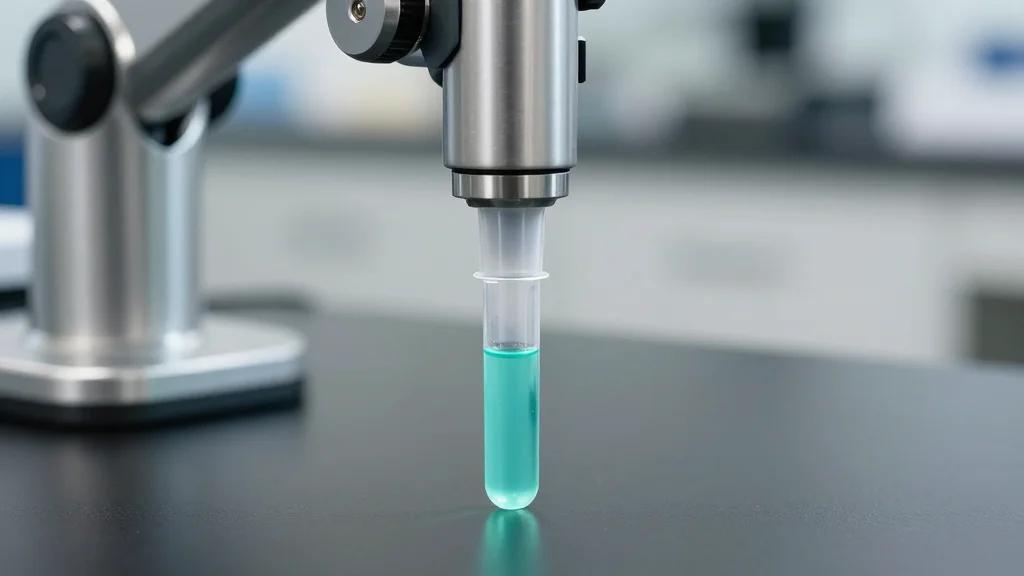
Automated Twist Bioscience NGS Library Prep Workflows Enabled on SPT’s Firefly
SPT Labtech has launched validated automated workflows for Twist Bioscience’s next‑generation sequencing (NGS) library preparation kits on its firefly® liquid handling platform. The initial offering supports the FlexPrep™ UHT kit and integrates the Twist Enzymatic Fragmentation Kit 2.0, delivering higher‑throughput,...

Immune-Regulating Lipid Signals May Provide a Path to Treat Chronic Inflammation
Scientists at University College London identified epoxy‑oxylipins as natural brakes that curb chronic inflammation by limiting intermediate monocyte expansion. In a human trial, the soluble epoxide hydrolase inhibitor GSK2256294 boosted epoxy‑oxylipin levels, accelerated pain resolution and lowered monocyte counts, though...

Agenus Closes Strategic Immunotherapeutic Collaboration with Zydus Lifesciences
Agenus finalized a $141 million strategic collaboration with Zydus Lifesciences to accelerate development and potential commercialization of its botensilimab‑balstilimab (BOT+BAL) immunotherapy combo. The deal grants Zydus exclusive rights to develop and sell BOT and BAL in India and Sri Lanka, while...

How Beige Fat Works to Promote Healthy Blood Pressure in Mice
Researchers at Rockefeller University demonstrated that loss of beige fat in mice triggers hypertension. Mice engineered to lack the beige‑fat regulator PRDM16 develop perivascular fibrosis and heightened sensitivity to angiotensin II. The study identified the secreted enzyme QSOX1 as the...

Cellares Inks Long-Term Lease for IDMO Smart Factory at Leiden Bio Science Park
Cellares has signed a long‑term lease for a 9,741 m² site at Leiden Bio Science Park, designating it as its European headquarters and a new IDMO Smart Factory. The facility will host the company’s automated Cell Shuttle manufacturing platform and Cell...

Cryo-EM Maps Autoantibody Hotspots on NMDA Receptors in Autoimmune Encephalitis
A study in Science Advances used cryo‑electron microscopy to map the exact binding sites of anti‑NMDAR autoantibodies on the GluN1 amino‑terminal domain of NMDA receptors. The researchers showed that mouse‑derived antibodies bind the same two hotspots as those isolated from...

Framework to Optimize Mammalian Cell Culture Media Blending
Researchers from Osaka University and Shimadzu introduced a mathematically precise workflow for chemically defined media (CDM) blending in mammalian cell culture. The three‑step process combines experimental design, cell culture testing, and regression modeling, using PCA to eliminate multicollinearity and D‑optimal...

Drugs From the Deep
Marine organisms have yielded over 40,000 natural compounds, with 13 now FDA‑approved for cancers, viral infections and chronic pain. The primary obstacle to expanding this "blue pharmaceutical" pipeline is supply, as many bioactive molecules occur in minute quantities that are...

Biologics Manufacturers Urged to Develop QC Plans Early
At an upcoming conference, French biotech consultancy INITS will urge biologics manufacturers to establish a chemistry, manufacturing and controls (CMC) management strategy for reference materials early in development. Regulators increasingly demand deep characterization of reference material, especially by Phase III, and...

Regulatory Support Helping Biopharma to Embrace Platform Technologies
Biopharma firms are increasingly adopting platform technologies—standardized manufacturing bases that can be customized with disease‑specific modules—to accelerate product development and cut costs. Experts cite the lipid nanoparticle system used for mRNA vaccines as a prime example, where swapping the mRNA...

Virtual Scientists Poised to Accelerate Discovery
AI‑driven virtual scientists are moving from prototype to production as Potato’s AI agent, Tater, replicated a core neuroscience finding and pinpointed SARS‑CoV‑2 protease mutations within hours. The company closed a $4.5 million seed round and partnered with Wiley to ingest peer‑reviewed...

Building Intelligent Workflows for the Multiomic Era
Genomics is shifting from manual, bottlenecked processes to automated, modular workflows that can keep pace with rapidly evolving assays. Companies such as Opentrons, 10x Genomics, and SPT Labtech are delivering flexible robotic platforms that reconfigure library‑prep and single‑cell pipelines on...

Mapping the Next Phase of Analytical Innovation for ADCs
Antibody‑drug conjugates (ADCs) are reshaping oncology, but their structural heterogeneity creates demanding bioanalytical and pharmacokinetic challenges. WuXi AppTec’s DMPK leaders stress that precise drug‑to‑antibody ratio (DAR) measurement, payload release profiling, and biotransformation mapping are essential across development stages. They recommend...

MS Linked to EBV Infection Through Cross-Reactive T Cells
Researchers at Karolinska Institutet discovered that CD4+ T cells targeting Epstein‑Barr virus (EBV) protein EBNA1 also recognize the brain protein Anoctamin‑2 (ANO2), providing mechanistic evidence linking EBV infection to multiple sclerosis (MS). In blood samples, about 57% of untreated MS...

Charles River Laboratories Acquires PathoQuest and K.F. (Cambodia)
Charles River Laboratories exercised its option to buy the remaining 79% of PathoQuest for roughly $60 million, completing its 2018 investment. The Paris‑based firm brings next‑generation sequencing (NGS) capabilities that accelerate in‑vitro GMP and non‑GMP biologics testing while supporting alternative methods...

Trenchant BioSystems Reports Multiple Data Readouts From AutoCell CGT Manufacturing Prototype
Trenchant Biosystems unveiled data from its AutoCell CGT manufacturing prototype, claiming a reduction of vein‑to‑vein timelines from six weeks to just 2.5 days. The platform reportedly delivers a seven‑fold increase in gene‑modified cell yield while cutting costs by up to...

Tahoe, Arc Institute, and Biohub Join Forces on Massive Virtual Cell Dataset
Tahoe Therapeutics, the Arc Institute and Biohub have pledged multi‑million‑dollar investments to create the largest virtual‑cell dataset to date, generating more than 120 million single‑cell data points across 225,000 perturbations using Tahoe’s Mosaic technology. The new resource will be over four...

“Motivational Brake” Could Point to Schizophrenia and Depression Treatments
Researchers at Kyoto University identified a ventral striatum‑to‑ventral pallidum (VS‑VP) circuit that functions as a "motivation brake" suppressing action initiation under stressful conditions. Using chemogenetic inhibition in macaque monkeys, they showed that silencing this pathway restored willingness to start tasks...

Organoids Reveal How Pressure and Growth Shape Pancreatic Lumens
Researchers using mouse-derived pancreatic organoids identified three key factors—cell proliferation rate, lumenal pressure, and epithelial permeability—that govern lumen shape during development. They showed that low pressure combined with high proliferation yields star‑shaped, interconnected lumens, while increasing permeability reduces pressure and...

Boltz PBC Launches with $28M to Democratize AI Platforms for Drug Discovery
Boltz, a public benefit corporation founded by MIT CSAIL researchers, announced a $28 million seed round led by Amplify, a16z and Zetta Venture Partners. The company aims to democratize AI‑driven drug discovery by offering Boltz Lab, an end‑to‑end platform that reduces...

Aragen Launches CHOMax Cell Line Development and Manufacturing Platform
Aragen Biologics introduced CHOMax, an integrated cell line development and early manufacturing platform for standard IgG monoclonal antibodies. Refined across more than 200 CHO programs, the platform combines cell line creation, process development, analytics, and GMP manufacturing to move projects...

Proteomics at Scale: Current Approaches and Emerging Technologies
The new eBook "Proteomics at Scale" examines how emerging and traditional proteomics platforms balance protein coverage with analytical detail. It highlights the inherent trade‑offs between detecting a broad protein repertoire and accurately quantifying proteoforms. The publication introduces Nautilus™’ Iterative Mapping...

Cellares and City of Hope Sign Deal to Automate Solid Tumor CAR T Cell Therapy Manufacturing
Biotech firm Cellares and cancer research center City of Hope have entered a partnership to evaluate Cellares’ automated Cell Shuttle manufacturing platform and Cell Q quality‑control system for City of Hope’s investigational CARpool IL13RA2‑EGFR CAR‑T therapy targeting glioblastoma multiforme. The...

Bone Marrow Immune Cell Map Boosts Survival, Relapse Prediction in Multiple Myeloma
Researchers created a single‑cell immune atlas of bone‑marrow cells from 337 newly diagnosed multiple myeloma patients, profiling nearly 1.4 million plasma and immune cells. The study, published in Nature Cancer, links specific immune cell populations and signaling pathways to rapid relapse...

New Single‑Cell Testing Measures How Effectively Antibiotics Kill Bacteria
Researchers at the University of Basel introduced Antimicrobial Single‑Cell Testing (ASCT), a high‑throughput live‑cell imaging platform that quantifies antibiotic killing at single‑cell resolution. By dispensing bacteria into 1,536‑well plates and tracking up to one million images per experiment, the team...

Stem Cell-Derived Neurons Navigate to Form Connections in the Injured Brain
Researchers at Sanford Burnham Prebys and Duke‑NUS have demonstrated that human embryonic stem cell‑derived cortical neurons can be grafted directly into the lesion cavity of mice after ischemic stroke, survive, mature into NeuN‑positive neurons, and re‑establish long‑range connections. By tracing...

Synaffix and Sidewinder Agree to Advance Next-Generation Bispecific ADC Development
Synaffix, a Lonza company, and Sidewinder Therapeutics have signed a multi‑target licensing agreement to co‑develop first‑in‑class bispecific antibody‑drug conjugates (ADCs) for solid‑tumor indications. The deal gives Sidewinder access to Synaffix’s GlycoConnect antibody‑conjugation, HydraSpace polar spacer, and toxSYN linker‑payload technologies, while...

Cas12a3 CRISPR System Targets tRNA Without Destroying Host Cell
Researchers at Utah State University identified a novel CRISPR nuclease, Cas12a3, that selectively cleaves the 3′ CCA tails of transfer RNAs, halting protein synthesis without damaging host DNA. Unlike Cas9, which makes a single cut in DNA, Cas12a3 is activated...