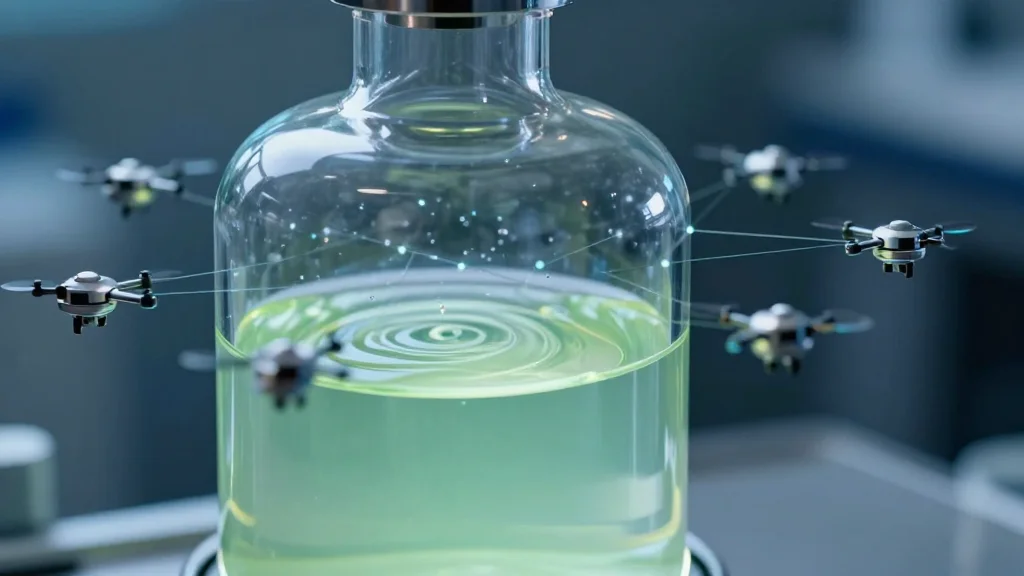
Adaptive, Agent-Oriented Control for Biomanufacturing Systems
The Adaptive Agent‑Oriented System Control (AAOSC) framework, created by the Technical University of Denmark and SiC Systems, adds a decentralized layer of autonomous agent "hives" to biomanufacturing plants. By linking digital twins, IoT sensors and enterprise systems, AAOSC can reduce deviation times, avert shutdowns in fault scenarios and lift overall process efficiency. Four case studies published in 2026 demonstrate these gains while staying aligned with strict regulatory requirements. The developers caution that full autonomous control still needs FDA/EMA clearance, recommending a shadow‑mode rollout with human oversight.

Circio Partners with TraffikGene Project to Advance Non-Viral circVec Delivery
Circio, an Oslo‑based circular RNA company, has partnered with the Universidad de Santiago de Compostela’s TraffikGene project to explore non‑viral delivery of its circVec circular RNA expression vectors. The collaboration merges Circio’s circVec platform with TraffikGene’s peptide amphiphile carrier system...
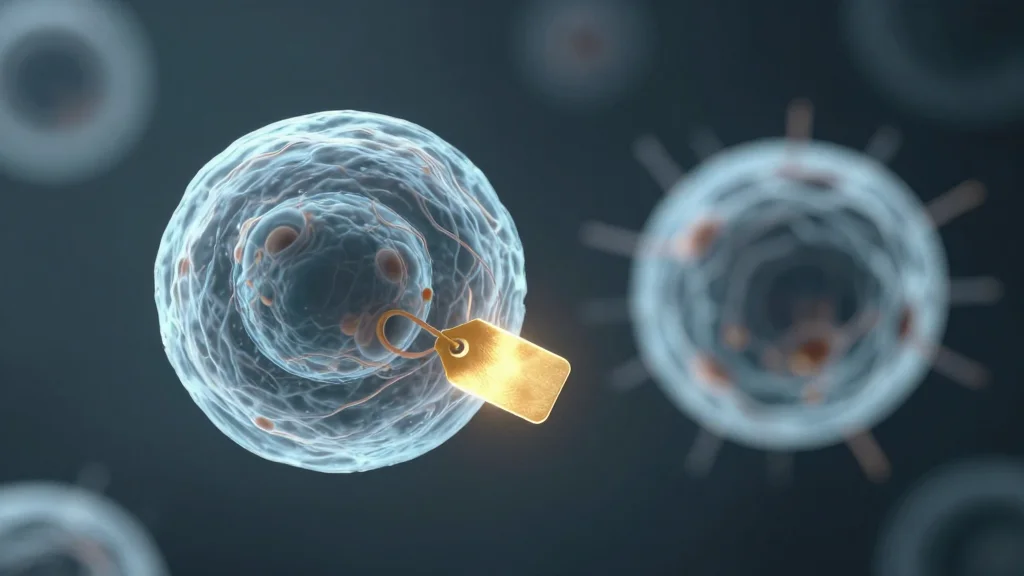
Method Identifies Cellular Makeup of Microenvironments Favoring Tumor Metastasis
Researchers at Baylor College of Medicine introduced Sortase A‑Based Microenvironment Niche Tagging (SAMENT), a technique that chemically labels normal cells directly contacted by metastatic cancer cells. Using SAMENT across bone, lung, liver and brain models, they identified a common niche...

WHO Designates Network of Regional Biomanufacturing Training Centers
The World Health Organization has officially designated a network of regional biomanufacturing training centers spanning all six WHO regions, marking a major step in building a skilled global workforce for vaccines, biotherapeutics and other biologics. The centers—located in Senegal, South...

Pencil Beam Laser Could Help Researchers Design Brain-Targeted Therapies
MIT researchers have demonstrated that laser light can self‑organize into a tightly focused "pencil beam," enabling a new bioimaging modality that is both faster and high‑resolution. In proof‑of‑concept experiments the team captured three‑dimensional images of the human blood‑brain barrier 25...

Abdominal Contractions May Drive Brain Fluid Flow, Aiding in Neural Waste Clearance
A new study in Nature Neuroscience shows that abdominal muscle contractions compress vessels linked to the spinal cord, nudging the brain within the skull. This subtle motion drives cerebrospinal fluid flow, helping to wash away neural waste. Researchers demonstrated the...

StockWatch: Trump Order Lifts Psychedelic Drug Shares
President Donald Trump signed Executive Order 14401, directing the FDA to accelerate research and grant Commissioner’s National Priority Vouchers (CNPVs) to breakthrough psychedelic therapies. The order also mandates the HHS to allocate at least $50 million through ARPA‑H to partner with...

AI Learns to Predict Breast Cancer Risk From How Single Cells Respond to Pressure
Researchers at City of Hope and UC Berkeley unveiled a microfluidic platform, mechano‑NPS, that squeezes individual breast epithelial cells to gauge their mechanical response. By training a machine‑learning classifier called MechanoAge, they derived a "mechanical age" metric that correlates with...

One Biosciences Chooses Albany, NY, as Its U.S. Location
Paris‑based One Biosciences, backed by Institut Curie, announced its first U.S. hub in Albany, New York, where it will build a high‑complexity laboratory and computational analytics operation. The state’s Empire State Development agency will provide up to $525,000 in performance‑based...
AI in Oncology Takes Off, Tackling HIV and Liver Disease, Pharma’s Recent Gains
At AACR 2026 in San Diego, AI-powered platforms took center stage, signaling a rapid shift toward data‑driven oncology. Parallel research revealed CRISPR screens that mapped CD4+ T‑cell genes that either promote or block HIV infection, while synthetic‑biology engineers demonstrated implantable...

Japanese Pharma Companies Turning to CDMOs Earlier in Product Life Cycle
Japanese pharmaceutical firms are engaging contract development and manufacturing organizations (CDMOs) earlier in the product lifecycle, especially for peptide programs. Over the past 12‑24 months, demand for preclinical and early‑clinical peptide services has risen sharply, driven by venture‑backed biotech spinouts...
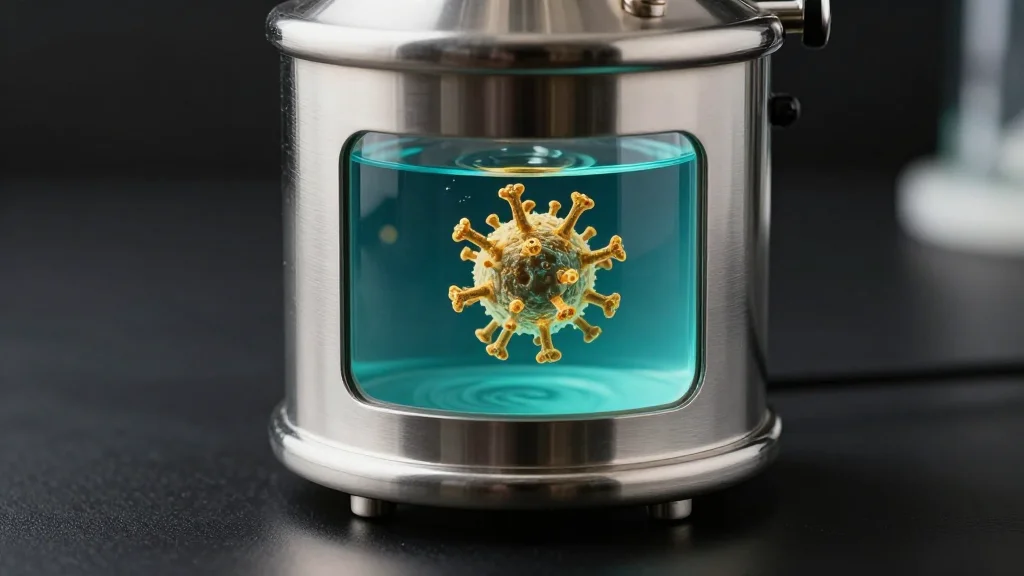
Enabling In Vivo Lentiviral Therapies: Manufacturing Strategies to Improve Purity, Scalability, and Clinical Readiness
SK pharmteco’s CTO Tatiana Nanda and Director Mardhani Aparajithan discussed the shift of lentiviral vectors from ex‑vivo tools to in‑vivo therapeutic platforms. They highlighted manufacturing hurdles such as the need for substantially higher vector doses, stricter impurity thresholds, and the...

CRISPR Base Editing Repairs Hard-to-Treat Cystic Fibrosis Mutation in Cell Models
A new study published in Science Translational Medicine demonstrates that an adenine base editor (SpRY‑ABE9) can correct the hard‑to‑treat CFTR 1717‑1G>A splicing mutation in cell models. Researchers delivered optimized mRNA and sgRNA, achieving up to 30% editing in kidney and...
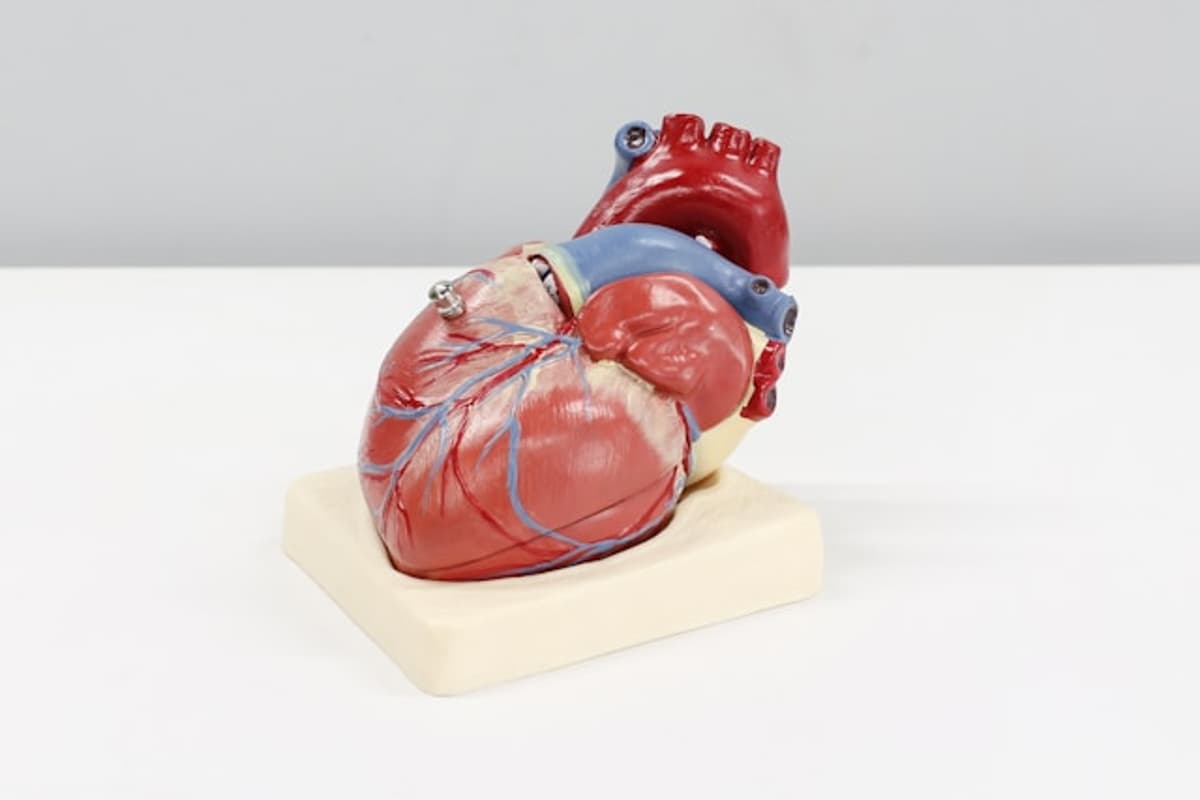
Heart’s Constant Beating Suppresses Tumor Growth in Cardiac Tissues
Researchers at the International Centre for Genetic Engineering and Biotechnology discovered that the heart’s constant beating mechanically suppresses tumor growth. Using mouse models and engineered heart tissues, they showed that normal mechanical load limits cancer cell proliferation, while surgically unloaded...

Regenerative Medicine: Promise, Hype, and What Actually Works
Regenerative medicine spans stem cells, platelet‑rich plasma (PRP) and autologous conditioned serum (ACS), but not all modalities live up to hype. Dr. Thomas Buchheit emphasizes that stem‑cell injections rarely persist in tissue and mainly trigger immune‑mediated repair, while PRP and...

New ADC Yields Encouraging Clinical Benefit in Platinum-Resistant Ovarian Cancer
In a Phase I trial presented at AACR 2026, the investigational antibody‑drug conjugate QLS5132 demonstrated notable antitumor activity in patients with advanced platinum‑resistant ovarian cancer. Among 28 heavily pretreated participants, the overall objective response rate was 50% and disease control...
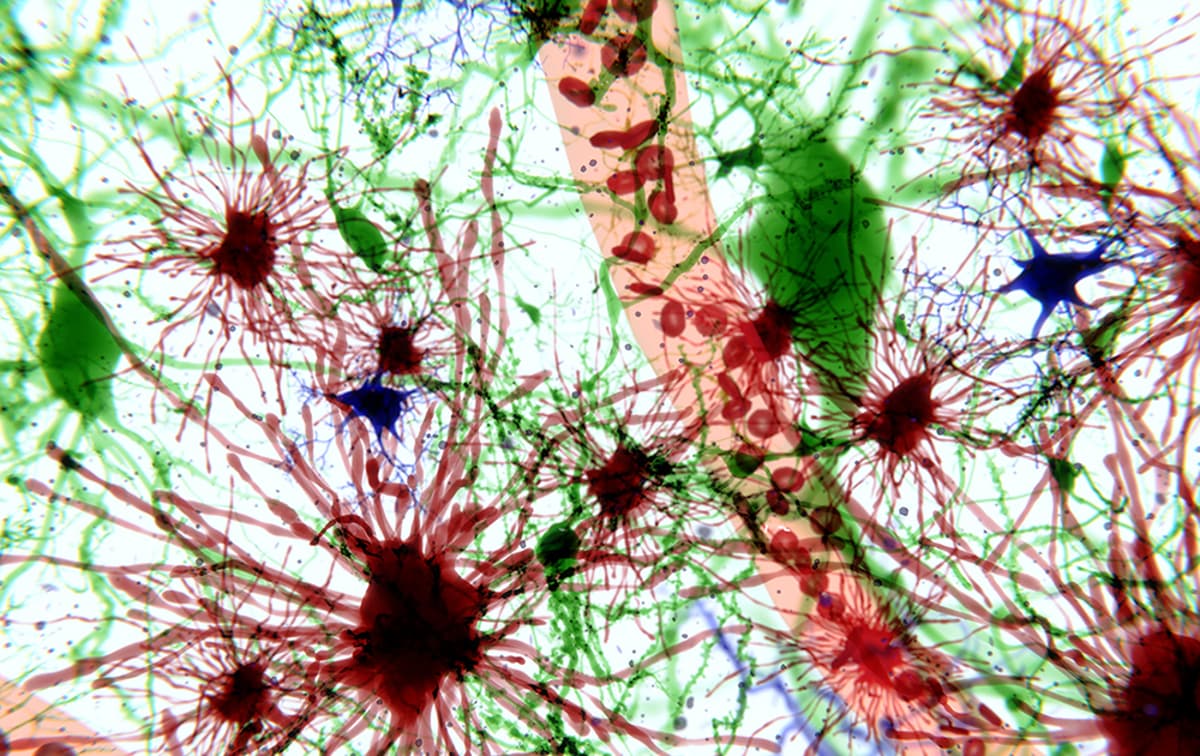
Brain Astrocytes Form Far-Reaching Connections in Mice
Researchers at NYU Langone Health have mapped brain‑wide astrocyte networks in mice, showing these support cells form long‑range, gap‑junction pathways that link regions not connected by neurons. Using a virus‑delivered tracer and whole‑brain clearing, the team visualized three‑dimensional astrocyte webs...

Cellular Mechanisms Behind Diabetes-Derived Vascular Disease Unveiled
A study led by Zhen Chen at City of Hope uncovered that the receptor TREM2 is markedly up‑regulated in macrophages and endothelial cells of arteries from type‑2 diabetes patients, disrupting vascular repair. Using single‑cell RNA sequencing, spatial transcriptomics, and a...

Andelyn Partners with S. Korea-Based ENCell to Accelerate Global Delivery of Gene Therapies
Andelyn Biosciences and South Korea’s ENCell have signed a collaboration to create a dual‑hemisphere manufacturing bridge between the United States and the Asia‑Pacific region. The agreement leverages both firms’ GMP facilities, viral vector expertise and regional networks to accelerate development,...
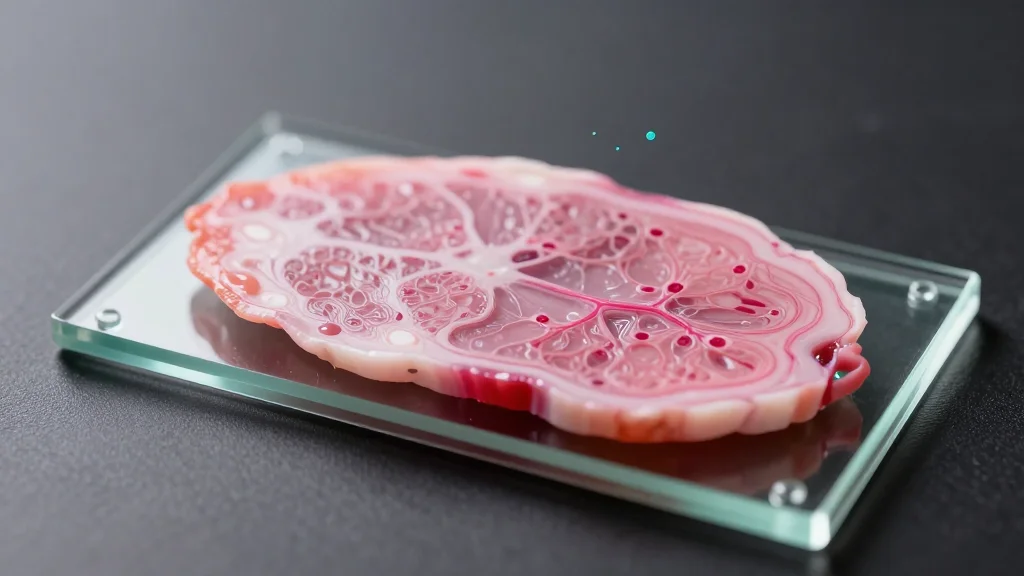
AACR 2026: Lung Cancer Immunotherapy Response Predicted by Pathomics AI Model
Researchers at UT MD Anderson unveiled Path-IO, a deep‑learning pathomics model that predicts outcomes and immunotherapy response in metastatic non‑small cell lung cancer (NSCLC). The AI was trained on 797 patients and externally validated on 280 cases, consistently outperforming the...

Navigating with Excellence: The Multi-Faceted Service Lines of Precision Logistics
Marken UPS Healthcare Precision Logistics has unveiled an eBook detailing its seven specialized service lines that support the pharmaceutical supply chain from manufacture to bedside. The firm emphasizes cold‑chain innovation, real‑time visibility, and rigorous regulatory compliance to safeguard high‑value, temperature‑sensitive...
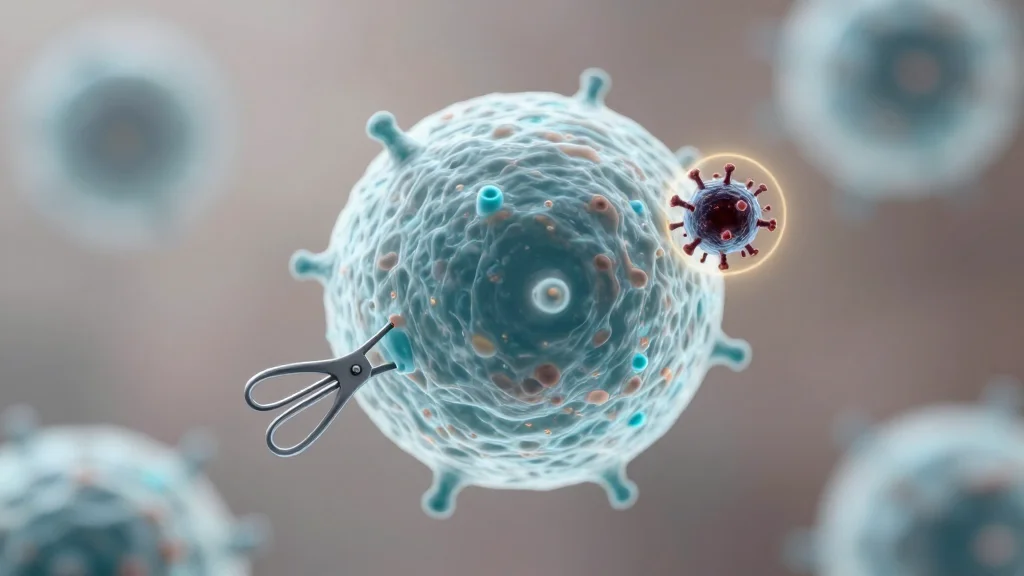
CRISPR Screens Map Human T‑Cell Genes That Promote or Block HIV Infection
Researchers at Gladstone Institutes and UCSF used genome‑wide CRISPR activation and knockout screens in primary human CD4+ T cells to map host genes that either promote or restrict HIV infection. By optimizing infection rates to about 70%, they could perturb...
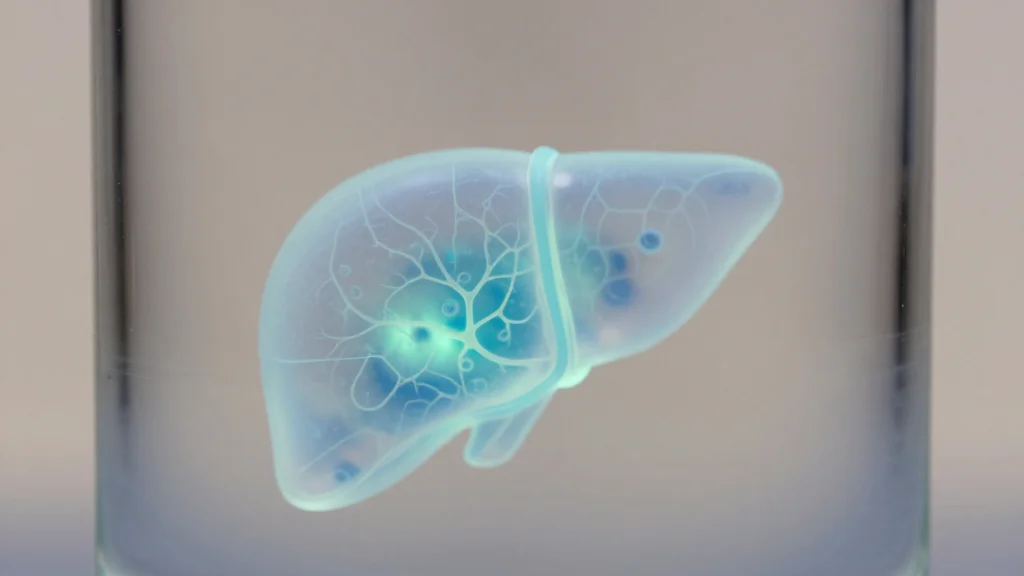
Synthetic Biology and Tissue Engineering Grow Liver Tissue In‑Body
Researchers at the Wyss Institute, Boston University and MIT have created a synthetic‑biology platform called BOOST that triggers growth of tiny engineered liver constructs after implantation. By rewiring hepatocytes and fibroblasts with a doxycycline‑controlled YAP protein and four growth‑factor genes,...

AACR 2026: Cancers of Unknown Primary Identified by DNA Methylation AI Model
Researchers at Kindai University unveiled a machine‑learning model that reads CpG‑based DNA methylation to pinpoint the tissue of origin for cancers of unknown primary (CUP). In a test set the model achieved roughly 95% accuracy, and it maintained 87% accuracy...

Decoding Resistance to Targeted Therapy via New Cancer Models
ATCC and the Broad Institute have created a panel of isogenic non‑small cell lung cancer (NSCLC) cell lines that model resistance to osimertinib, the newest EGFR inhibitor. Using CRISPR editing and gene‑overexpression, the team introduced six clinically observed resistance mechanisms,...

StockWatch: Revolution’s Phase III Pancreatic Cancer Data Dazzles Investors, Analysts
Revolution Medicines reported Phase III RASolute 302 results showing its oral RAS inhibitor daraxonrasib extended median overall survival to 13.2 months in previously treated metastatic pancreatic ductal adenocarcinoma, versus 6.7 months for standard chemotherapy (HR 0.40, p < 0.0001). The data sparked a...

10x Genomics Unveils Atera Spatial Platform at AACR Meeting
10x Genomics announced the Atera spatial platform at the AACR meeting, promising whole‑transcriptome spatial profiling at scale. The instrument delivers four times the throughput, six times the plex capacity, and up to three‑fold higher sensitivity compared with the company’s Xenium...

Targeted Gene Delivery Calms Lung Inflammation in Respiratory Infection Mouse Models
Scientists at the University of Cambridge have engineered an adeno‑associated virus (AAV6.2‑CC10) to deliver anti‑inflammatory cytokines directly to mouse lung tissue. The platform achieved sustained, localized expression of IL‑1RA and IL‑10, markedly reducing lung damage and weight loss in influenza...

For What’s Next: Preparing Today’s Lab or Tomorrow’s Discoveries
The new GEN eBook outlines how modern biology’s growing complexity is driving labs toward automated, AI‑enabled workflows. It highlights challenges such as manual variability, scaling across sites, and data‑pipeline bottlenecks, and presents solutions ranging from colony‑picking robots to AI‑powered high‑content...

TRACERx MRD Results Showcase ppmSeq’s Ultra-Sensitive ctDNA Detection at AACR
Ultima Genomics unveiled ultra‑sensitive ctDNA detection using its ppmSeq platform at AACR, presenting six abstracts including a plenary on TRACERx MRD data. A pilot of 50 plasma samples demonstrated analytical sensitivity at low single‑digit parts‑per‑million, while independent studies showed >99.9%...
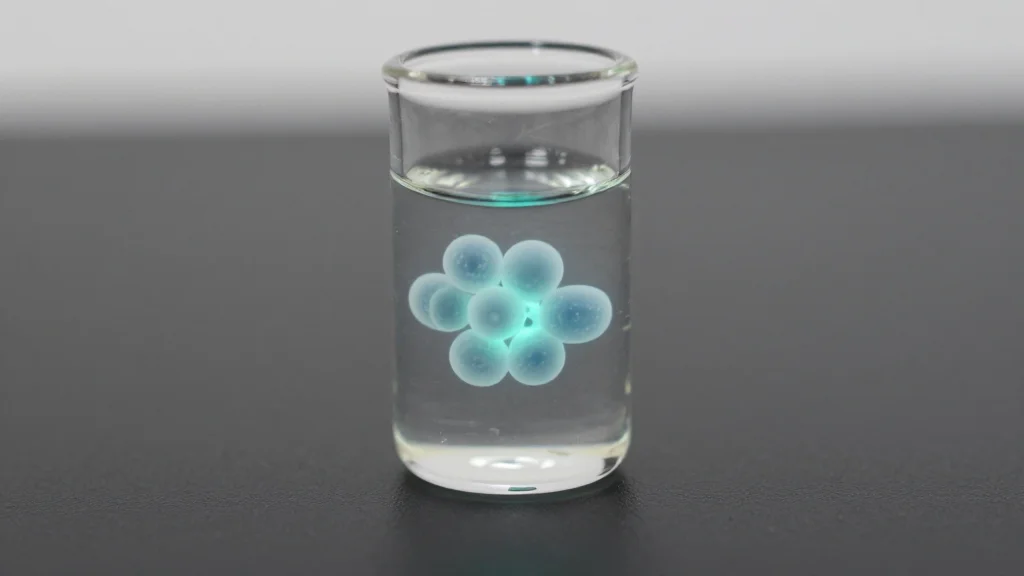
Stem Cell Editing Programs the Immune System to Make Own Therapeutic Proteins
Researchers at Rockefeller University used CRISPR to edit hematopoietic stem and progenitor cells (HSPCs), programming them to produce therapeutic antibodies or other proteins after vaccination. In mice, as few as 7,000 edited HSPCs generated durable, high‑titer antibody responses that protected...

Brain Circuits Underlying Placebo Pain Relief Identified in Mice
Scientists led by UC San Diego identified a cortical‑brainstem‑spinal circuit in mice that underlies placebo‑induced pain relief, pinpointing opioid peptide activity in the ventrolateral periaqueductal gray (vlPAG). By adapting a human placebo protocol, they showed that training mice with one...
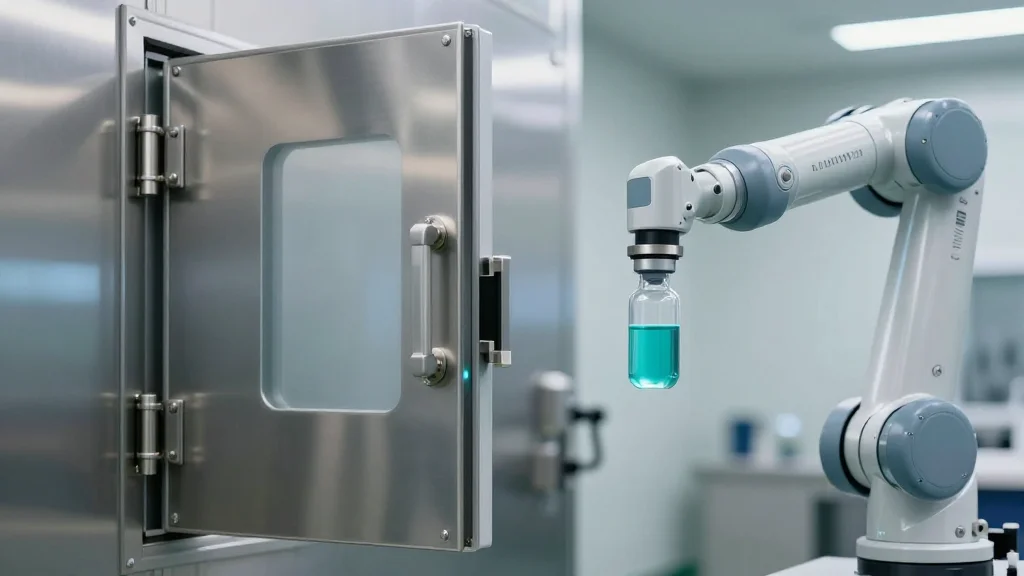
Fujifilm Biotechnologies Opens New QC Lab in Denmark
Fujifilm Biotechnologies has opened a 2,000‑square‑meter GMP‑approved quality control laboratory at its Hillerød, Denmark site. The facility, designed for bioassay and virology work, will accommodate roughly 100 quality‑team members and features robotics, airlocks and a new LIMS for digital data...
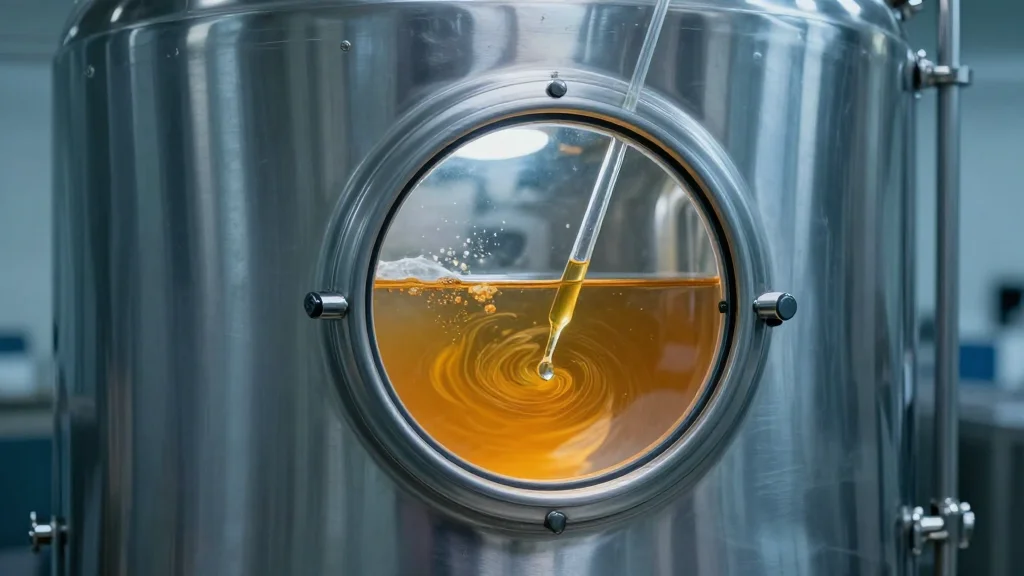
Digital Twin Process Could Slash Microbial Protein Costs
A consortium led by Novasign has built an end‑to‑end digital twin of the microbial protein production process, promising to cut experimental runs by roughly 70% compared with traditional design‑of‑experiments approaches. The model spans upstream to downstream steps, offering real‑time deviation...
Ultra- and Diafiltration Clear Leachables Effectively
A new study from the National Institute for Bioprocessing Research demonstrates that ultrafiltration and diafiltration (UF/DF) consistently remove over 98% of 24 out of 28 tested leachable compounds across three distinct protein processes. The clearance is largely driven by the...

IPSC-Based Manufacture Vs. Autologous Model Production Costs Examined via Financial Analysis
A new Cellistic white paper quantifies the cost advantage of using induced pluripotent stem cells (iPSCs) to manufacture NK cell therapies. The analysis shows cost of goods per dose can drop to roughly $5,000, a 95% reduction compared with $115,000...
Biopharma Adopting AI Despite Remaining GMP Compliance Questions
Biopharma firms are rapidly integrating artificial intelligence and machine learning into manufacturing, but regulatory‑compliant use cases remain a hurdle. Thermo Fisher’s senior director emphasizes that AI should augment, not replace, validated processes and must operate within a clear GMP framework....
Novel Targets for Complex Cancer Revealed by Genetic Regulatory Node Mapping
Researchers at Rockefeller University unveiled PerturbFate, a single‑cell platform that maps how diverse genetic variations reshape cellular behavior over time. By profiling DNA accessibility, RNA output, and chromatin state in thousands of cells, the system identified common regulatory nodes that...
CAR T Cell Therapy Biomanufactured by Cellares Infused Into First Two Patients
Cellares has successfully infused the first two patients with rese‑cel, Cabaletta Bio’s investigational autologous CAR‑T therapy, using its automated Cell Shuttle manufacturing platform. The product met all GMP release criteria, demonstrating that a low‑cost, high‑capacity process can produce clinical‑grade cell...

GLP-1 Drug Improves Liver Health Independent of Weight Loss, Mouse Study Finds
Researchers at Toronto’s Sinai Health discovered that semaglutide, a GLP‑1 agonist, improves liver function by acting directly on liver sinusoidal endothelial cells, independent of weight loss. The study, published in Cell Metabolism, used mouse models of metabolic dysfunction‑associated steatohepatitis (MASH)...

From Colossal to Chickens: The Scientists Behind Neion Bio’s Biologics Platform
Neion Bio, founded by Dimi Kellari and Sam Levin, is developing a chicken‑based platform that inserts therapeutic proteins into the ovalbumin gene so that eggs become biologic factories. The company recruited former Colossal Biosciences veterans Sven Bocklandt (CSO) and James...
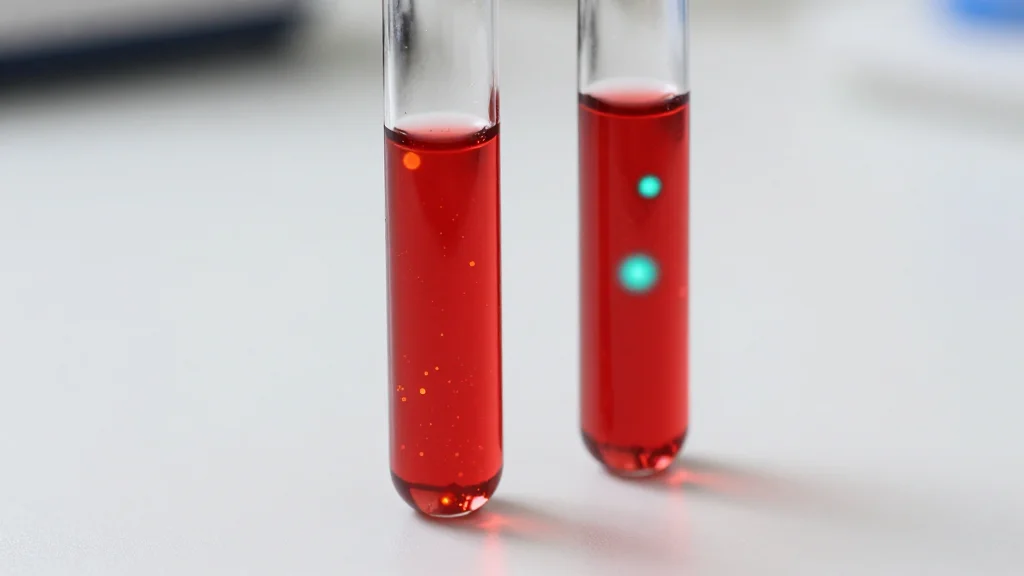
Sex-Related Differences in Immune System Aging May Impact Disease Susceptibility
Researchers at Barcelona Supercomputing Center used single‑cell RNA sequencing on nearly 1,000 blood samples to map how immune aging differs between men and women. The analysis revealed that women experience a pronounced increase in inflammatory immune cells with age, which...
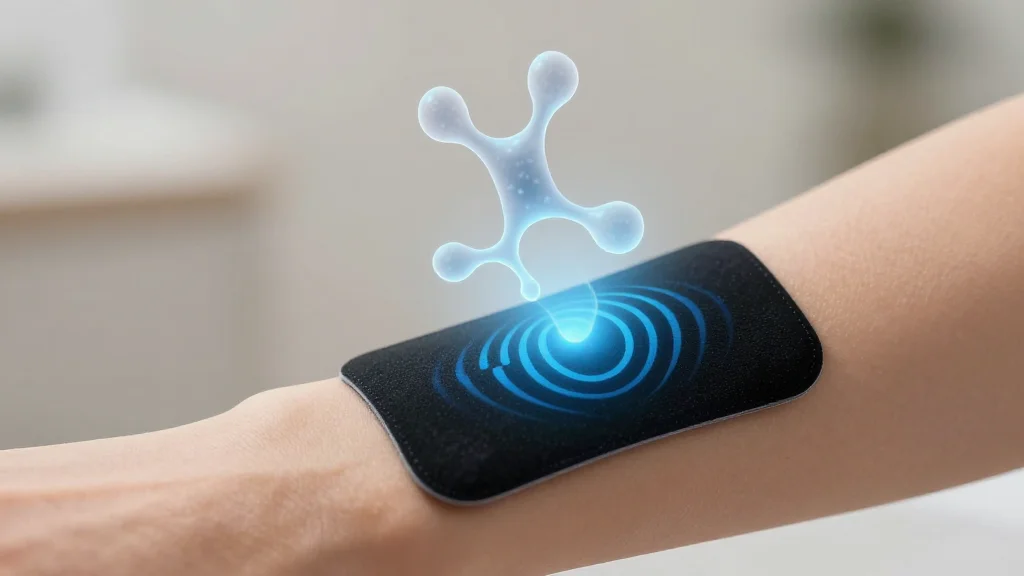
Salk to Lead $41.3M ARPA-H Effort to Advance Sonogenetics Therapies
The Salk Institute secured a $41.3 million ARPA‑H award to advance sonogenetics, a technique that uses low‑intensity ultrasound to control engineered cellular proteins. Over the next five years, Salk’s Dr. Sreekanth Chalasani and a multi‑institutional team will develop ultrasound‑responsive proteins, wearable...

AACR 2026: Professional Awards Acknowledge Community’s Contributions to Cancer Research
The American Association for Cancer Research unveiled its 2026 professional award winners at the San Diego meeting (April 17‑22). Honorees span the spectrum of oncology, from James P. Allison’s seminal CTLA‑4 work to the Broad Institute’s Cancer Dependency Map team that charted...
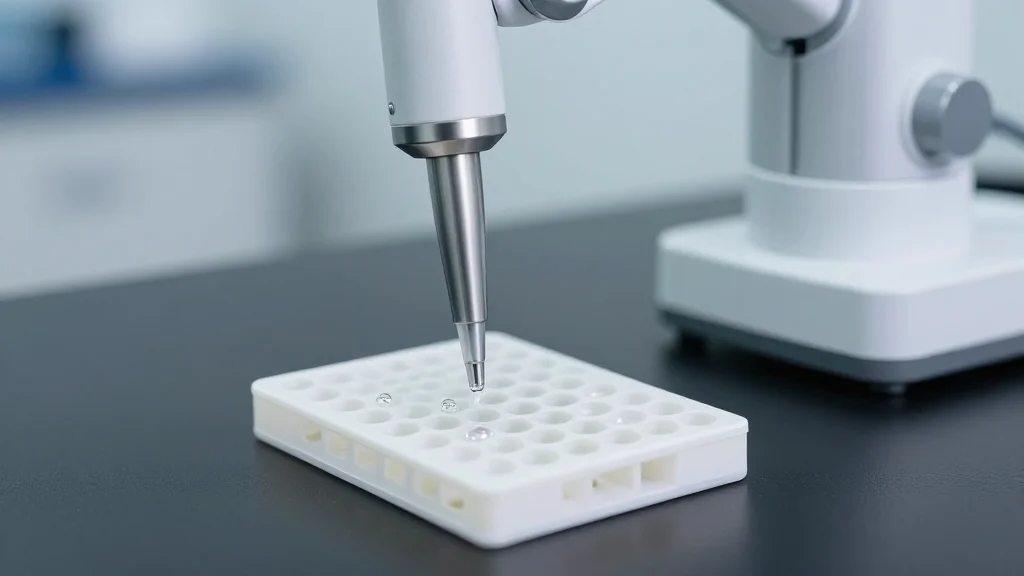
Advancing Fully Walkaway Automation in Genomics Workflows
SPT Labtech and the European Molecular Biology Laboratory’s GeneCore facility in Heidelberg have partnered to install the firefly®+ all‑in‑one liquid‑handling platform, aiming to deliver fully walkaway automated genomics workflows. The system combines pipetting, dispensing, incubation and shaking, and will run...
StockWatch: IPO Market Shows Sign of Life with Avalyn Filing
Avalyn Pharma, a Boston‑based biotech, filed an S‑1 on Wednesday seeking up to $100 million to advance its inhaled antifibrotic pipeline for pulmonary fibrosis. The filing marks the first biotech IPO since Generate: Biomedicines raised $400 million and revives a market that...

First Detailed Insight Into Bornavirus Nucleoprotein–RNA Complex Reveals Unique Assembly
Researchers from Kyoto, Osaka Dental, and Osaka Metropolitan Universities used cryo‑electron microscopy to obtain the first high‑resolution structure of the Borna disease virus 1 (BoDV‑1) nucleoprotein‑RNA complex. The study revealed ring‑like assemblies where each nucleoprotein subunit binds eight RNA nucleotides,...
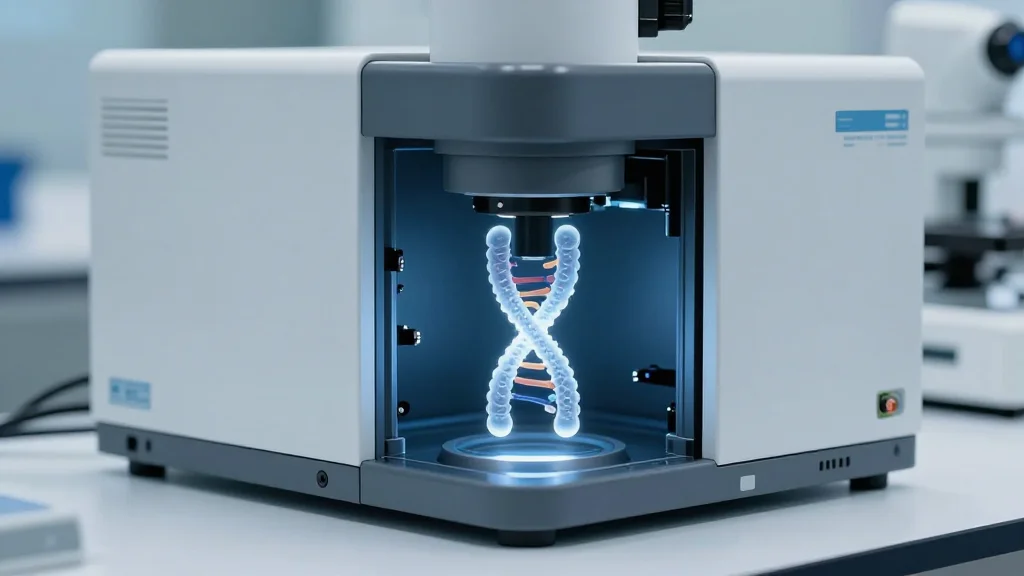
Cryo-EM Structural Biology Facility Opened in San Diego by FairJourney Bio
FairJourney Bio has launched an advanced cryo‑electron microscopy (cryo‑EM) structural biology facility in San Diego, featuring two 300 kV ThermoFisher Titan Krios 5 systems. The lab brings atomic‑resolution imaging directly into the company’s antibody discovery platform, supporting everything from epitope mapping to...

Drugs From a Text Prompt, Wegovy Pill Competition Dampens Lilly’s Surge
Agentic AI is revolutionizing drug discovery, allowing scientists to generate candidates from simple text prompts and run extended‑reality guided experiments. In parallel, Gilead announced a deal to acquire Tubulis for up to $5 billion, strengthening its antibody‑drug conjugate portfolio. Eli Lilly and...
BBB Access Route via Proteomic Vascular Mapping
Researchers led by Jiefu Li at the Howard Hughes Medical Institute have unveiled an in‑vivo proteomic method that tags and isolates proteins on the luminal surface of blood vessels. By perfusing a lectin‑conjugated peroxidase, they biotinylate adjacent proteins, enabling mass‑spectrometry...