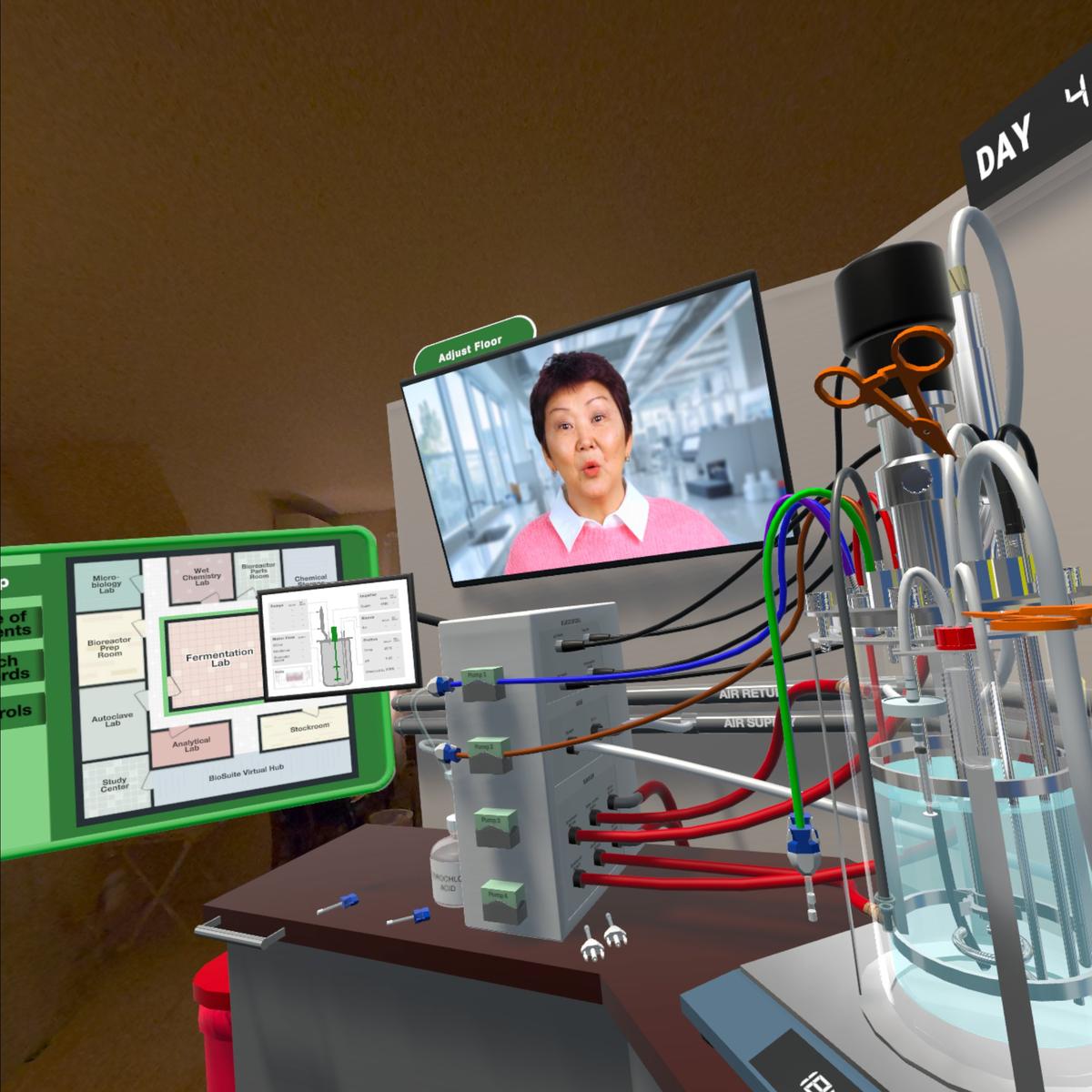
Mixed-Reality Fermentation Simulator Preps Workforce
Mixed-reality platform BioSuite Virtual, created by Prism Immersive with BioMADE funding, delivers end‑to‑end fermentation training through over 40 interactive modules. The system blends virtual bioreactors with physical space, letting learners assemble, sterilize, inoculate, and monitor runs at their own pace. Early adopters are community colleges across the U.S., with about a dozen institutions licensing the tool for the upcoming academic year, and interest is growing among contract manufacturers and biopharma firms. Future updates will expand into biosafety cabinet and aseptic technique modules.

Kraig Biocraft Labs Creates Immortalized Silk Gland Cell Line
Kraig Biocraft Laboratories announced the creation of an immortalized silk gland cell line that could serve as the foundation for a next‑generation biotechnology platform. The cells exhibit strong proliferative capacity, stable serial passaging and robust long‑term viability, while delivering high...

Google DeepMind and Edison Are Building the AI Scientist
Google DeepMind and Edison Scientific have unveiled AI‑scientist platforms—DeepMind's Co‑Scientist and Edison's Robin and its successor Kosmos—designed to automate hypothesis generation, experimental design, and data interpretation. The systems have already demonstrated drug‑repurposing for acute myeloid leukemia, novel target discovery for...

Drug Target for Fragile X Syndrome Identified Through Preclinical Study
UCLA Health researchers identified synaptic protein EPAC2 as a potential drug target for fragile X syndrome (FXS). Using Fmr1 knockout mice, they showed that genetic or pharmacologic inhibition of EPAC2 normalized abnormal brain activity and improved behavioral deficits such as...

RAGE Implicated in Worsening Breast Cancer Mortality with Age
Georgetown researchers discovered that the receptor for advanced glycation end‑products (RAGE) fuels breast cancer metastasis in older hosts. In three mouse models of triple‑negative breast cancer, aged mice showed markedly more lung metastases, a surge that vanished when RAGE was...

Multiomic ALS Study Links Peripheral Immune Infiltration to CNS Inflammation
Northwestern University researchers used single‑cell RNA sequencing and spatial transcriptomics to map immune activity in ALS patients. They discovered that inflamed peripheral immune cells infiltrate the spinal cord and cluster around motor‑neuron loss and TDP‑43 protein aggregates. The intensity of...

ASGCT Q1 Landscape Report Paints Positive Picture for Gene and RNA Therapy
The American Society for Gene and Cell Therapy (ASGCT) released its Q1 2026 Landscape Report, noting 42 gene, 38 RNA and 76 cell therapies have received regulatory approval worldwide. Startup funding surged 30% year‑over‑year, with 26 new companies entering the...

ASGCT 2026: Beverly Davidson Offers Vehicle and Route for Huntington’s Disease Gene Therapy
Geneticist Beverly Davidson, chief scientific strategy officer at CHOP, received the 2026 ASGCT Outstanding Achievement Award and highlighted her work on engineered AAV vectors for Huntington’s disease. Her spin‑out, Latus Bio, just closed a $97 million Series A round to advance its...

ASGCT 2026: AI-Optimized Cas12l Gene Editor Offers Compact Cas9 Alternative
Researchers at Caszyme and Vilnius University unveiled an AI‑engineered Cas12l variant, M82, that delivers 67% indel editing efficiency—essentially on par with the industry‑standard Cas9. The 867‑amino‑acid nuclease is markedly smaller, recognizing C‑rich PAMs and showing up to 56% homology‑directed repair...

Visualizing Receptor Transport Within Neurons via Transcytosis
Johns Hopkins researchers visualized the transcytosis of the nerve‑growth‑factor receptor TrkA from neuronal cell bodies to axon terminals in live mice, using live‑cell imaging and electron microscopy. The study showed TrkA‑laden vesicles travel anterogradely with variable speed and direction, confirming...

Cellares and ProTgen Automate Manufacturing of Progenitor T-Cell Therapy for Blood Cancer
Cellares, an integrated development and manufacturing organization, has partnered with ProTgen to automate the production and quality control of ProT-096, a personalized progenitor T‑cell therapy for refractory leukemia and other blood cancers. Cellares will deploy its Cell Shuttle and Cell...

Adopting Creative Chemistry to Optimize Bioprocessing Workflow
Professor Sunny Zhou of Northeastern University argues that creative chemistry can mitigate unique bioprocessing challenges of antibody‑drug conjugates (ADCs). He highlights two major vulnerabilities: light‑sensitive payloads that cause aggregation and linker cleavage by host‑cell enzymes, both of which can compromise...

AAVs in Focus: Practical Approaches to Capsid Analytics and Plasmid DNA Control
The United States Pharmacopeia (USP) is hosting a three-part webinar series on adeno‑associated virus (AAV) platforms, scheduled for May 19, June 16 and July 8, 2026. Each session moves from an overview of the current AAV landscape to deep dives...

Brain Histamine Map Links Genetic Factors to Mental Health and Psychiatric Disorders
Researchers at King’s College London and the University of Porto have produced the first multiscale map of the brain's histamine system, integrating genetics, neuroimaging and functional data. The map links histamine receptor expression to specific brain cell types, cognitive processes...

Acute Myeloid Leukemia Therapy Improved by CRISPR Stem Cell Transplant
A Phase I/II multicenter trial led by Washington University used CRISPR‑Cas9 to delete CD33 from donor hematopoietic stem cells in 30 high‑risk AML or MDS patients. The edited cells engrafted on schedule, with platelet recovery by day 16 and overall...

Stable Producer Cell Line Generation Platform Adds to VIVEbiotech’s Lentiviral Vector Manufacturing Capabilities
VIVEbiotech has introduced EvoLVcell, a stable producer cell line (SCL) generation platform that integrates a developer’s transgenic element into a fully characterized monoclonal lentiviral packaging cell line, eliminating the need for transfection. The solution reduces batch‑to‑batch variability, lowers impurity levels,...

RegVelo AI Model Predicts Cell Fate, Tackles Developmental Disorders and Cancer
Researchers at the Stowers Institute unveiled RegVelo, an AI framework that fuses RNA‑velocity dynamics with gene‑regulatory network inference to map cell‑state transitions over time. In zebrafish neural‑crest development the model pinpointed tfec as an early pigment‑cell driver and discovered a...

StockWatch: EnGene Shares Crater on Declines in Complete Response Rates to Bladder Cancer Therapy
enGene (ENGN) shares plunged 83% after Phase II LEGEND trial data showed its gene therapy detalimogene achieved a 43% complete response at six months, far below the 62% benchmark previously reported. The updated data also revealed a 13.3% twelve‑month response and...

How Digital Orchestration Is Redefining Regulatory Infrastructure for Cell and Gene Therapy
The surge in cell and gene therapies is exposing the limits of legacy batch‑centric biopharma systems, which struggle to maintain chain‑of‑identity and chain‑of‑custody for patient‑specific products. SAP’s Cell and Gene Therapy Orchestration (CGTO) platform redesigns digital infrastructure to embed compliance...

Remembering J. Craig Venter, PhD
J. Craig Venter, the pioneering genome scientist and biotech entrepreneur, died at 79 after a cancer diagnosis. He co‑led the private effort that rivaled the Human Genome Project, delivering a draft human genome in the late 1990s. Venter’s later work on...
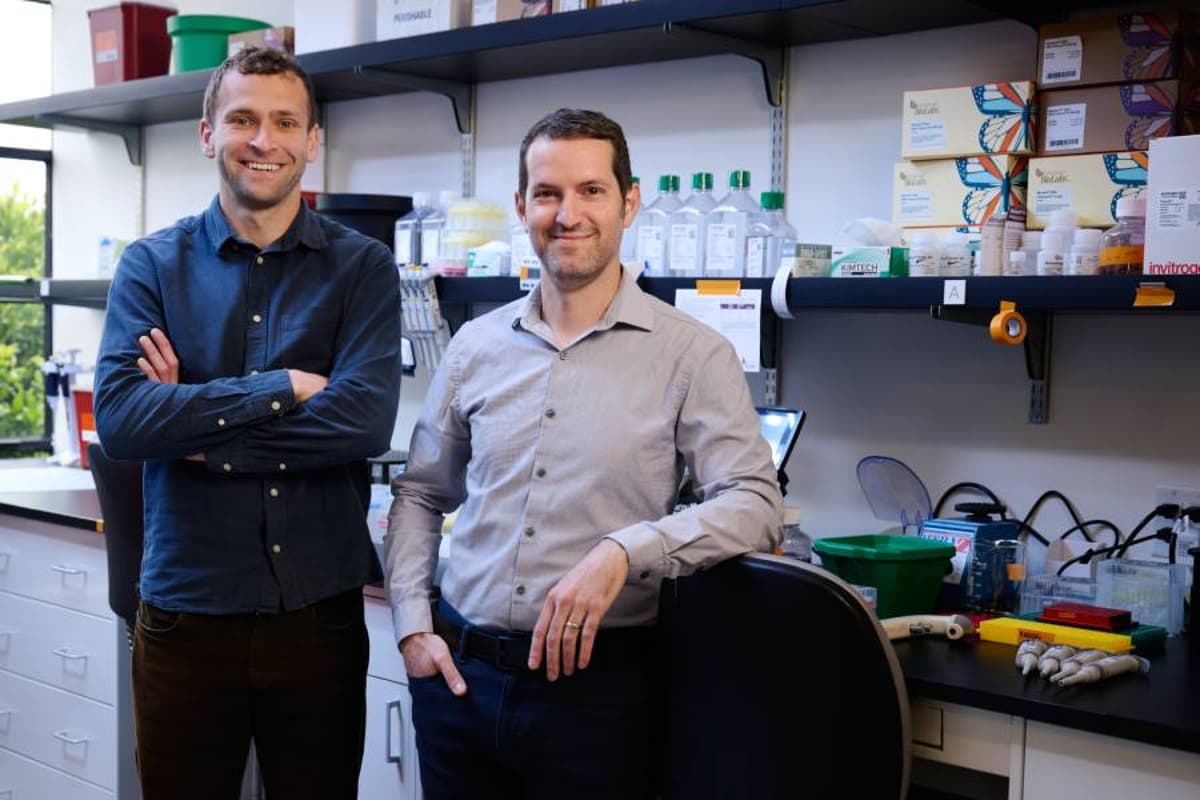
ParcelBio Unveils Programmable mRNA Platform Backed by $13M Financing
ParcelBio announced a $13 million seed round led by Breyer Capital, with participation from General Catalyst, Y Combinator and other investors. The funding will accelerate its proprietary Amplified and Prolonged Expression mRNA (APEXm™) platform, which claims to deliver markedly higher and longer‑lasting...

ASGCT Honors Mohamed Abou‑el‑Enein as Outstanding New Investigator
Mohamed Abou‑el‑Enein, MD, PhD, received the American Society of Gene and Cell Therapy’s 2026 Outstanding New Investigator Award and his lab earned the Best of Molecular Therapy Award. His team’s high‑dimensional spectral flow cytometry platform maps CAR‑T cell states, pinpointing...
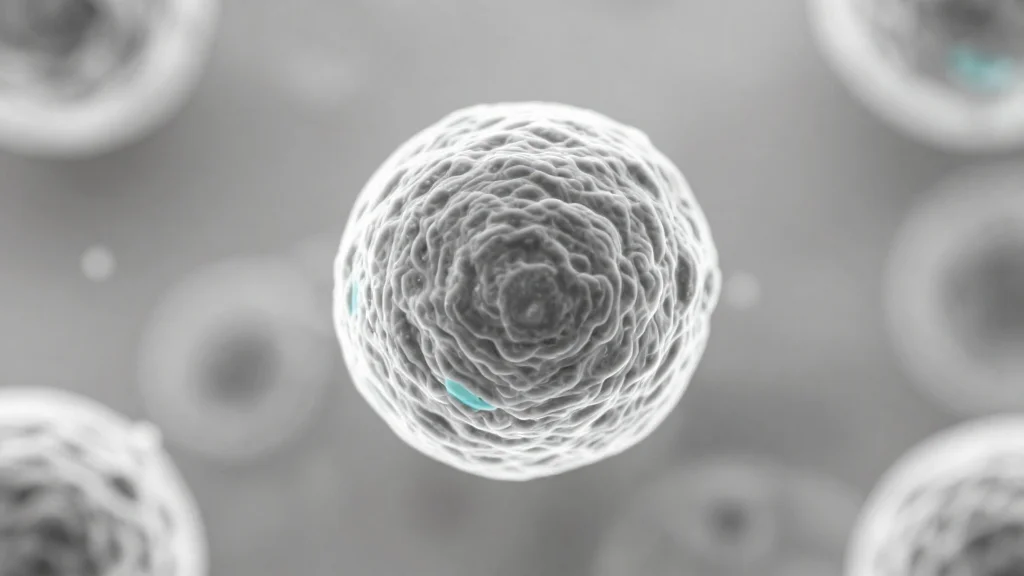
Macrophages Use Cell Volume Changes to Sense Danger and Amplify Inflammation
Researchers at the University of Manchester found that loss of the volume‑regulated anion channel (VRAC) prevents macrophages from correcting swelling under hypo‑osmotic stress, triggering type I interferon signaling and amplifying inflammation. The swelling reprograms gene expression toward antiviral and pro‑inflammatory pathways....
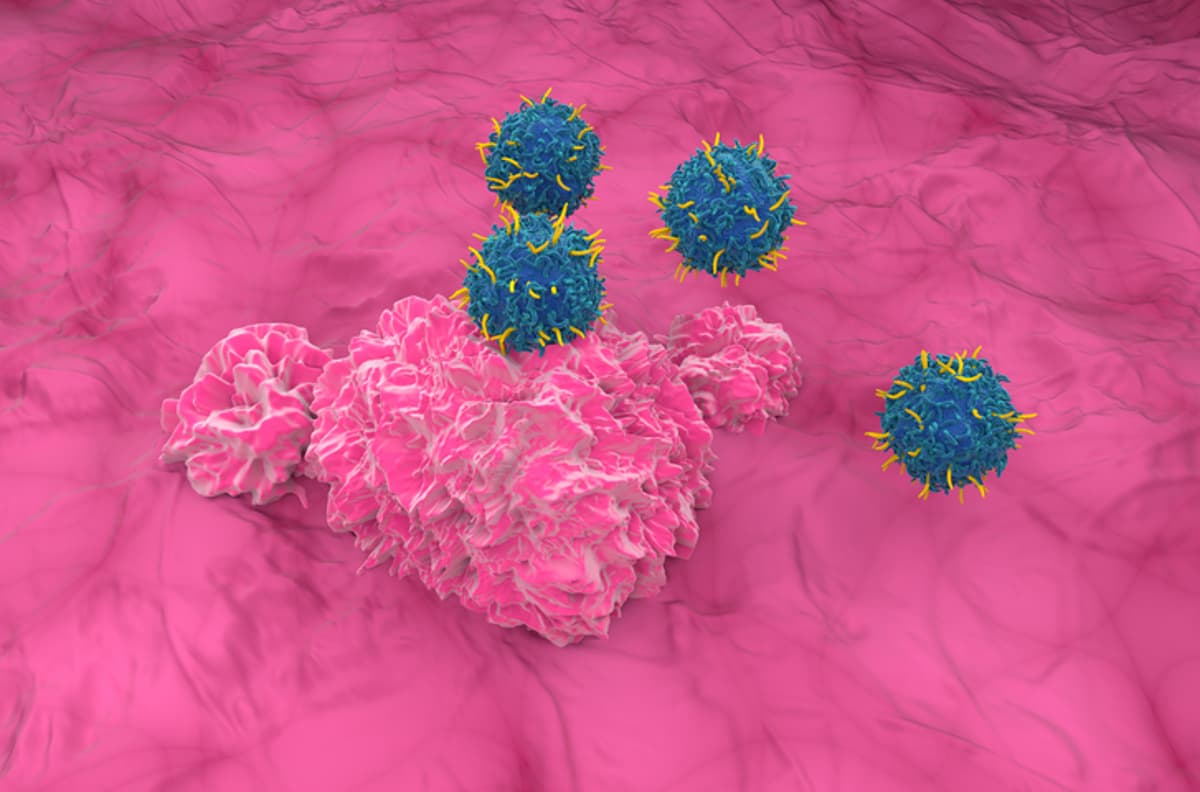
G-Link CAR-T Delivery Platform Showcased at ASGCT
Vyriad unveiled its G‑Link CAR‑T delivery platform at the ASGCT meeting, showcasing a modular protein adapter that repurposes existing lentiviral vectors for in‑vivo use. The technology promises to cut development timelines by eliminating extensive vector redesign and to boost transduction...

Human Antibodies Identified That Have Potential To Prevent and Treat Measles Virus
Scientists at the La Jolla Institute for Immunology have isolated the first human monoclonal antibodies that can neutralize measles virus. The antibodies, derived from a vaccinated donor, bind the virus' hemagglutinin and fusion proteins, blocking entry into cells. In a...

Cellular Origins Collaborates with Immatics on Automation for Cell Therapy Manufacturing
Cellular Origins has partnered with immuno‑oncology firm Immatics to integrate its Constellation® automated mobile robotic platform into select steps of Immatics’ cell‑therapy manufacturing workflow. The joint effort will test how robotics can boost efficiency, scalability and cost‑effectiveness for next‑generation therapies,...

Next Gen Leadership Awards Presented at the AGBT Agricultural Meeting
At the AGBT Agricultural Meeting in Phoenix, the organization announced the 2026 Next Gen Leadership Awards, recognizing nine early‑career scientists and graduate students in agricultural genomics. Recipients receive travel grants and speaking opportunities, connecting them with senior researchers and industry...

From Discovery to GMP: Building Scalable Cell Therapy Manufacturing
Genetic Engineering & Biotechnology News and ElevateBio released an eBook titled “From Discovery to GMP: Building Scalable Cell Therapy Manufacturing.” It argues that the next growth phase for cell and gene therapies hinges on integrating therapeutic design with manufacturing to...

Heavy-Chain BsAbs More Manufacturable than Light-Chains
Bispecific antibodies (BsAbs) have grown to 19 FDA approvals and roughly 250 candidates in development, but scaling their production remains a bottleneck. A recent study by Universidad Nacional Autónoma de México researchers compared six BsAb architectures and linked design to...

Researchers’ Spinout Focuses on Simplifying Viral Vector Purification
Researchers at North Carolina State University have spun out ChromaGenix to commercialize synthetic peptide ligands for affinity purification of viral vectors used in gene therapies. The peptide ligands are cheaper, more stable and less immunogenic than traditional protein ligands, cutting...

Moss Powering the Next Drug Frontier
Eleva is commercializing a moss‑based biomanufacturing platform that can produce complex glycoproteins difficult to express in traditional CHO or yeast systems. The German firm has advanced its first candidate, a recombinant alpha‑galactosidase for Fabry disease, into clinical trials and is...

Regulators Should Rely on Peers’ GMP Audits to Cut Inspection Burden
Biopharma manufacturing sites face an average of 2.68 GMP inspections per year, each lasting up to nine days, and preparation can take six months to a year. The International Federation of Pharmaceutical Manufacturers and Associations (IFPMA) argues that regulators should...

CoCoGraph AI Model Generates Molecules that Comply with Rules of Chemistry
Researchers at Universitat Rovira i Virgili have unveiled CoCoGraph, an AI diffusion model that generates synthetic molecules while strictly adhering to fundamental chemical rules. By progressively disordering and reconstructing real molecules, the system ensures valid bond counts and produces chemically...

Light-Controlled Gene Expression Platform Reportedly Doubles Standard Fed-Batch Manufacturing Performance
Prolific Machines announced a 21 g/L monoclonal antibody titer after a 15‑day intensified fed‑batch CHO run, more than double the typical sub‑10 g/L industry benchmark. The company’s optogenetic platform uses light to dynamically regulate gene expression, giving manufacturers real‑time control over protein...
Novelty Nobility Expands AGC Biologics Deal to Take Product Candidate Through GMP Manufacturing
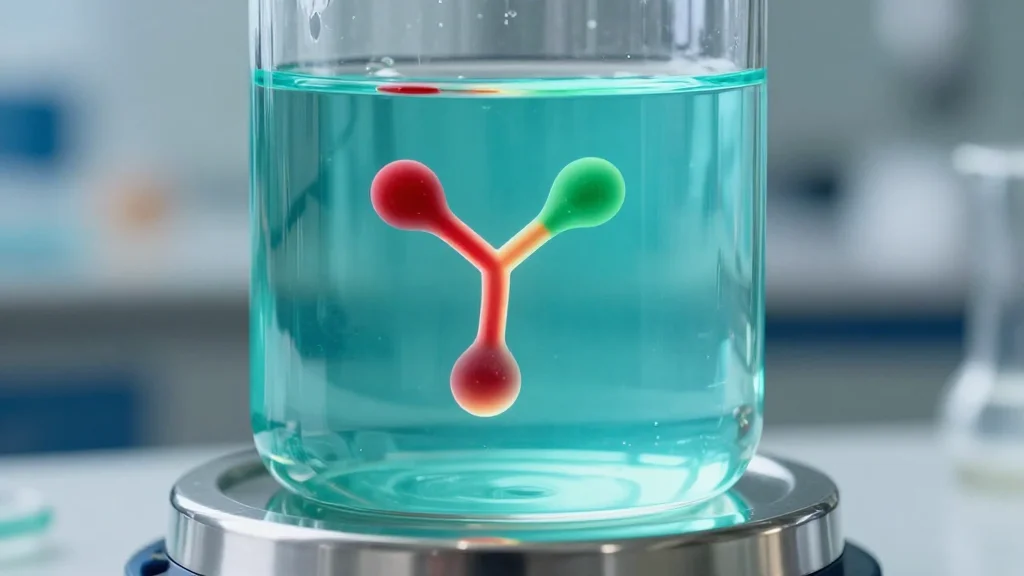
Korea‑based Novelty Nobility has expanded its contract with CDMO AGC Biologics to move its bispecific antibody NN4101 through process development and GMP manufacturing at AGC’s Chiba, Japan facility. Cell‑line development was completed in Copenhagen and will be transferred to Chiba...
Blood Stem Cells Evade Immune Attack in Aplastic Anemia Through Gene Mutations
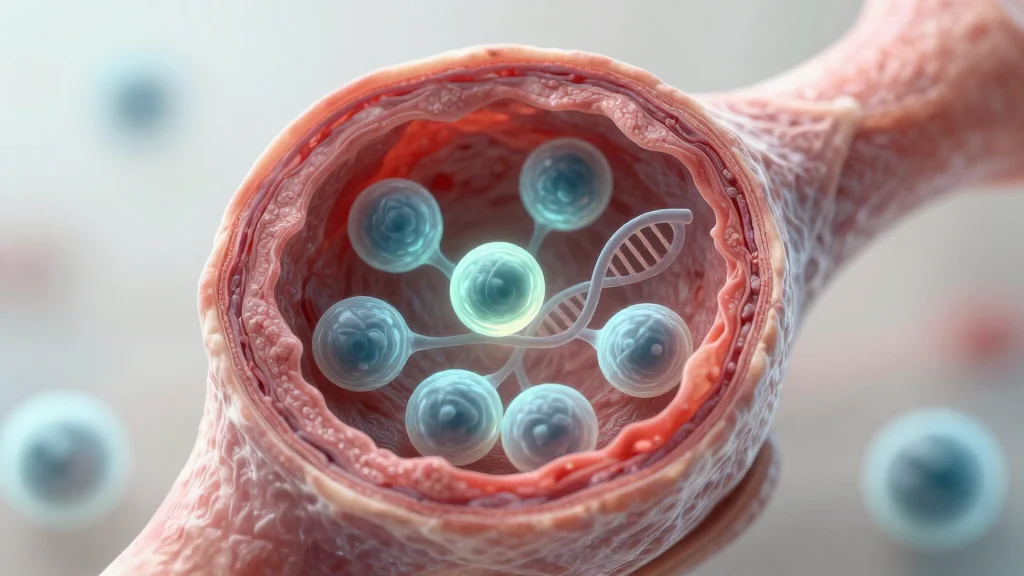
Scientists at St. Jude Children’s Research Hospital analyzed 619 aplastic anemia patients and discovered that multiple independent gene mutations in blood stem cells silence the disease‑triggering HLA risk allele, allowing those cells to evade autoimmune attack. Overall, 69% of patients...

Protein Biomarkers in Practice: Strategies to Reduce Drug Development Risk
Protein biomarkers are emerging as pivotal tools for reducing risk across the drug development lifecycle. Advances in high‑throughput proteomic platforms now allow real‑time functional insights, enabling stronger target validation, patient segmentation, and measurable efficacy signals. An eBook from GEN compiles...

TRACS Enables Strain-Level Tracking of Microbial Transmission
A new algorithm called TRACS (Transmission Clustering of Strains) can differentiate closely related bacterial strains by analyzing single‑nucleotide polymorphisms. The tool was applied to SARS‑CoV‑2, Streptococcus pneumoniae and Plasmodium falciparum datasets, revealing detailed transmission networks across hospitals, populations and mother‑infant...

StockWatch: Patient Death, Rival’s Patent Challenge Sink Erasca Shares
Erasca (NASDAQ: ERAS) saw its shares plunge 53% after disclosing a patient death linked to its pan‑RAS drug ERAS‑0015 and a patent infringement claim from rival Revolution Medicine. The company reported unconfirmed overall response rates of 62%‑75% in KRAS G12X...

DNA-Containing Extracellular Vesicles Boost Antitumor Responses in Mice
Researchers at Weill Cornell Medicine discovered that extracellular vesicles released by activated T cells contain DNA that can be transferred to dendritic and tumor cells, enhancing antigen processing and presentation. In mouse models of glioblastoma, pancreatic and triple‑negative breast cancer,...
Restoring Protein Recycling Reverses T-Cell Exhaustion in Mice
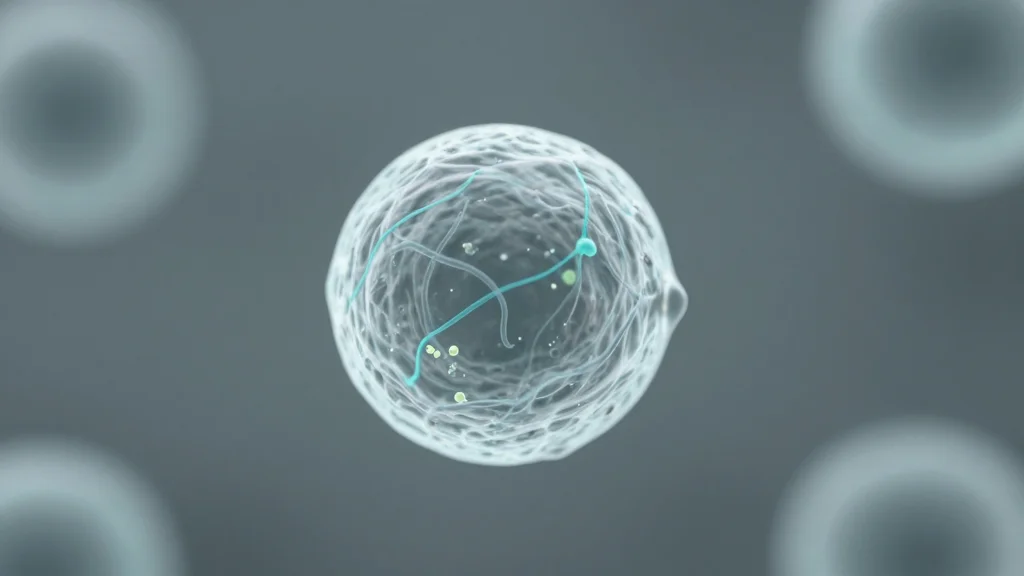
Scientists at UC San Diego discovered that impaired protein recycling drives T‑cell exhaustion in mice. Restoring the activity of specific E3 ligases—NEURL3, RNF149, and WSB1—reestablished proteostasis, cleared misfolded proteins, and revived T‑cell anti‑tumor function. The findings, published in Cell, suggest...

Approaches to Reducing Toxicity and Side Effects in Cell and Gene Therapy
Cell and gene therapies are expanding rapidly, with the market projected to exceed $9 billion in 2025 and grow over 15% annually through 2035. Safety remains a hurdle, prompting multiple strategies to curb cytokine release syndrome (CRS) and related toxicities. Companies...

Gene Editing at Scale, Clinic Seeks Generalizable Therapies
Integrated DNA Technologies helped deliver a CRISPR therapy that rescued baby KJ Muldoon from a fatal urea‑cycle disorder, proving gene editing can correct a single disease‑causing mutation. The success highlights the field’s next hurdle: scaling personalized edits for disorders with...

Smarter AAVs Drive Gene Therapy’s Next Chapter
Gene therapy’s growth is hampered by AAV manufacturing bottlenecks, safety concerns, and high costs, prompting a wave of innovations across bioprocessing, analytics, and vector design. Companies like Thermo Fisher, PackGene, Catalent, and Asimov are deploying design‑space modeling, high‑throughput purification, and...

What’s Next in the Evolution of Standards for Biologics Development
The United States Pharmacopeia (USP) is redefining how documentary standards support biologics, moving from product‑specific monographs toward a hybrid model that blends platform‑based chapters, emerging standards, and analytical reference materials. This shift addresses the growing complexity of monoclonal antibodies, ADCs,...

Restoring Vision with Stem Cell–Derived Retinal Cells by Overcoming ILM Barrier
Researchers have shown that disrupting the internal limiting membrane (ILM) enables transplanted human pluripotent stem cell‑derived retinal ganglion cells (hRGCs) to survive, migrate, and mature in the retina of mice, rats and non‑human primates. In eyes with a genetically incomplete...
“Click Clotting” Technique Rapidly Creates Stronger Blood Clots
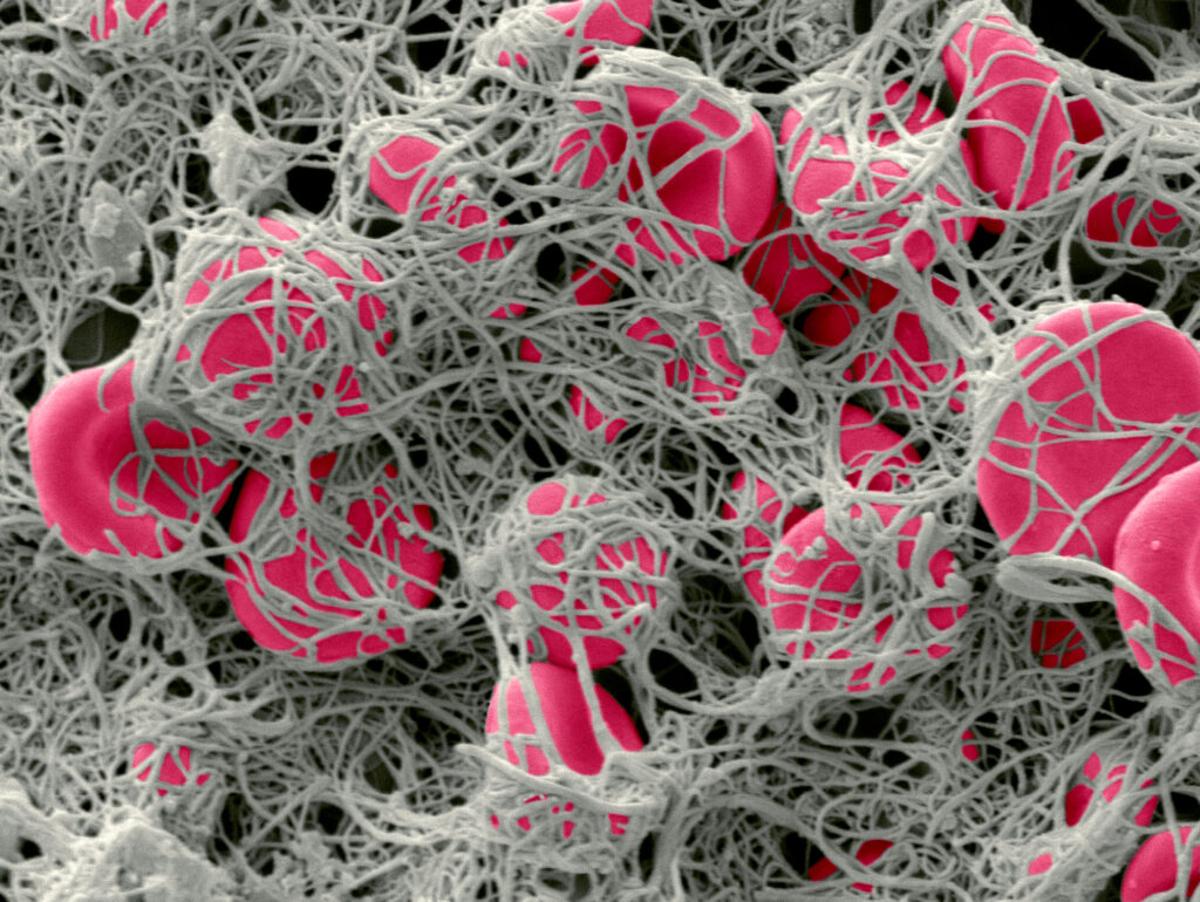
Researchers at McGill University unveiled a "click clotting" method that chemically links red blood cell surface proteins, forming a biocompatible cytogel within five seconds. The engineered blood clots are 13 times more fracture‑tough and four times more adhesive than natural...

Supply Chain Digital Twins: An Evolution, Not a Breakthrough
Researchers at NIST and EMD Millipore argue that digital twins can model the intricate biopharmaceutical supply chain, from demand shocks to distribution bottlenecks. By creating in‑silico replicas of cells, raw materials, and logistics flows, twins could identify alternative distribution centers and...

Milk Exosomes Transform Therapeutic Bioprocessing
Milk-derived extracellular vesicles, known as milk exosomes, are emerging as a biocompatible platform for therapeutic delivery. Researchers have loaded the JAK inhibitor tofacitinib into exosomes (mEXOs@TOF) for ulcerative colitis, achieving high drug‑loading efficiency, stability and strong anti‑inflammatory effects without toxicity....

Hopes Raised for More Sustainable Oligonucleotide Manufacturing
QurAlis CTO Hagen Cramer says enzymatic synthesis could make large‑scale oligonucleotide production far more sustainable than the solvent‑intensive solid‑phase method. While solid‑phase synthesis remains fast and automated, it generates high process mass intensity due to extensive solvent washes. Enzymatic, aqueous‑based...