Deal or No Deal: Can JD.com Fix The Very Group’s Fashion Problem?
Chinese e‑commerce giant JD.com is in talks to acquire UK‑based retailer The Very Group. The deal is seen as a way to inject capital and technology into Very’s struggling fashion division, which posted a 12% revenue decline in 2025. JD.com would bring AI‑powered inventory management, a vast logistics network, and access to its massive consumer base. Analysts warn that cultural differences, UK data‑privacy rules, and the need to revamp Very’s brand positioning could limit the upside.
CCC Urges Benetton to Settle Severance with Croatian Workers
Clean Clothes Campaign (CCC) and activists staged a protest in Milan demanding Benetton settle outstanding severance for 28 former workers of the closed Leonarda factory in Croatia. The workers are owed roughly €50,000 ($58,200), more than half of which remains...
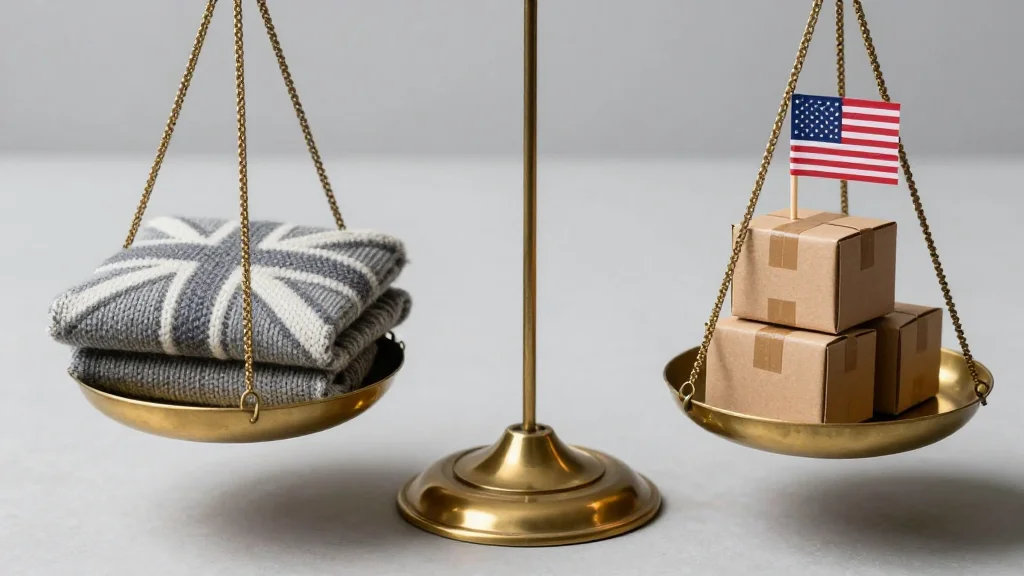
Tariffs Return: What UK Fashion Brands May Be Overlooking in the US
UK fashion brands selling in the United States are confronting a resurgence of tariffs that were re‑imposed in early 2026. Many firms have filed for tariff‑refunds after over‑paying duties, only to discover a labyrinthine claims process that delays cash flow...

Developing Economies Squeezed by Rising Trade Compliance Costs
The United Nations Conference on Trade and Development reports that non‑tariff measures—such as certification rules and technical standards—now generate higher trade costs than traditional tariffs for most nations. Developing economies are feeling the squeeze as compliance expenses rise, eroding profit...
Jonathan Andic to Step Away From Mango Temporarily Amid Investigation
Jonathan Andic, Mango’s executive vice president since January 2025, will temporarily step away from his duties while he is named a suspect in the investigation into founder Isak Andic’s death. The board and CEO Toni Ruiz publicly endorsed Andic’s innocence...

AI Smart Glasses Saving CO2 at Bangladesh RMG Factories
Bangladesh's ready‑made garment (RMG) sector has begun deploying AI‑powered smart glasses that guide workers on stitching, cutting and quality checks. Early pilots in 120 factories reported a 12% drop in energy use and an estimated 180,000 metric tons of CO₂...
Deal or No Deal: Has Everlane Sold Out to Fast-Fashion with Shein Alliance?
Everlane disclosed a strategic alliance with Shein, the Chinese fast‑fashion giant, to co‑produce a limited‑edition line slated for launch later this year. The partnership leverages Shein’s ultra‑efficient logistics network while promising Everlane’s hallmark transparent pricing. Critics immediately flagged the move...
Wolverine Worldwide Starts FY26 Strong as Q1 Revenue, Net Earnings Rise
Wolverine Worldwide posted an 11% year‑on‑year revenue increase to $457.6 million in the first quarter of FY26, while operating profit surged 61% to $33.9 million. Net earnings rose 67% to $20.2 million, lifting diluted EPS to $0.24. The company kept gross margin steady...

Retailer Caution Keeps Import Cargo Volume Under 2025 Projections
US import cargo volumes remain below 2025 levels as retailers adopt a cautious stance on inventory replenishment. The Global Port Tracker recorded 2.16 million TEUs in March 2026, a modest 0.6% year‑over‑year rise, while April is projected to dip to 2.13 million...
Under Armour Q4 Net Loss Improves as FY26 Net Losses Total $496m
Under Armour reported a Q4 FY26 net loss of $43 million, an improvement from the $67 million loss a year earlier, while total revenue held steady at $1.2 billion. International sales rose 10% driven by strong gains in EMEA, Asia‑Pacific and Latin America,...
US Clothing Imports From China Slip Further in March as Asian Rivals Gain Ground
U.S. apparel imports fell 5.6% in March 2026, with China experiencing the steepest decline as buyers pivot to Vietnam and other Southeast Asian producers. Seven of the ten largest U.S. apparel suppliers reported lower shipment volumes from China. The shift...
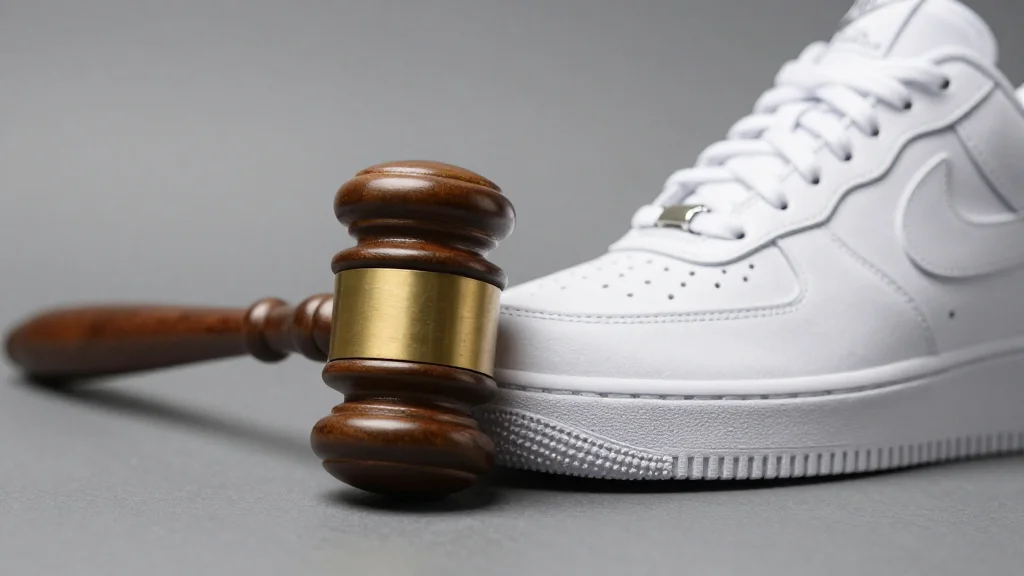
Nike Slapped with Consumer Lawsuit over Unreturned Tariff-Related Charges
Nike is being sued by a group of consumers who claim the company failed to refund price increases tied to U.S. tariffs on imported goods. The plaintiffs allege that after the 2018 tariffs on Chinese apparel, Nike retained the additional...
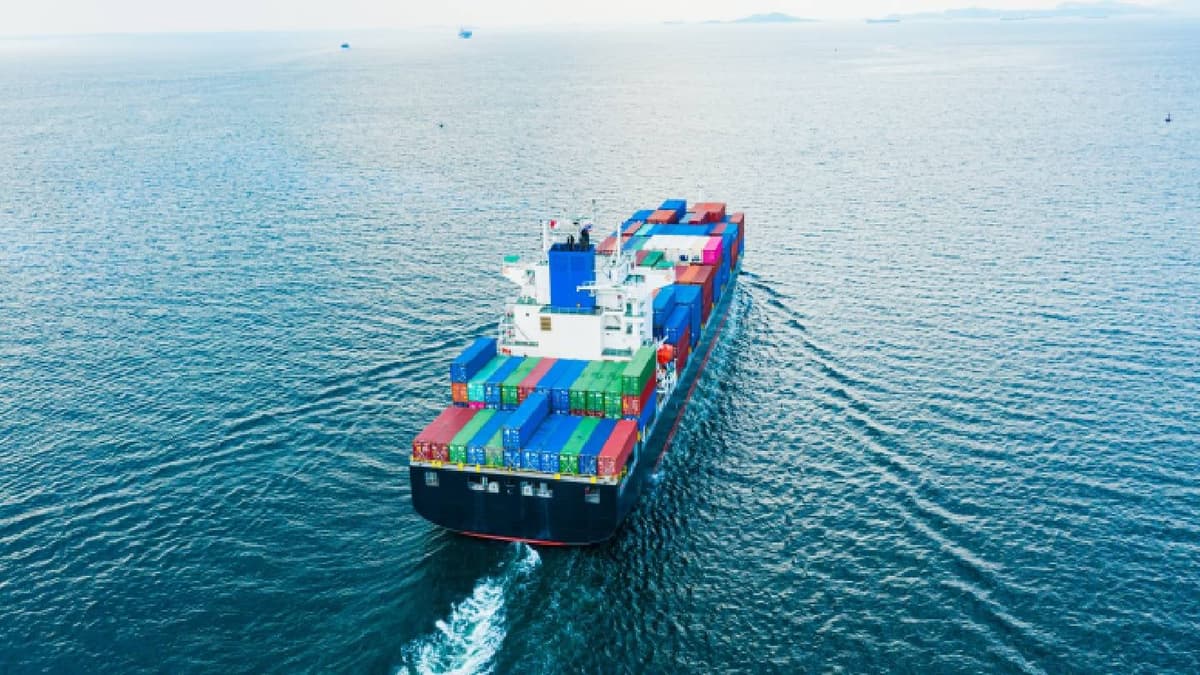
US Container Imports Dip in April Amid Middle East and Trade Tensions
U.S. container imports slipped 5.5% year‑over‑year in April, totaling 2.28 million TEUs, according to Descartes. Imports from China fell 15.3% YoY, more than a third below the July 2024 peak, while other origins showed mixed results. West Coast ports reclaimed market share...
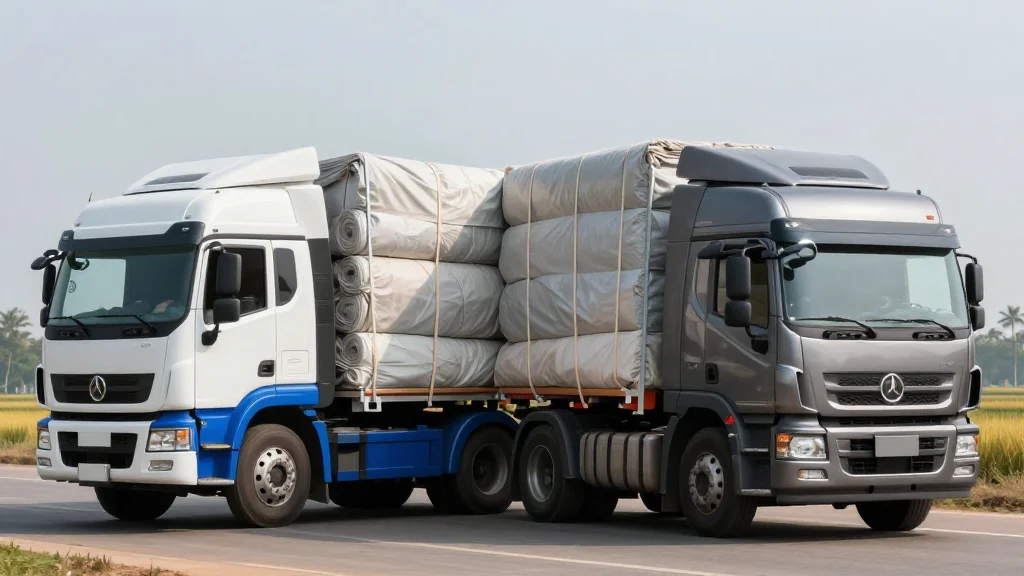
Transport Costs Jump 20% in Cambodia Clothing, Textile Sector Due to Oil Crisis
Transport costs in Cambodia’s clothing and textile sector have surged by roughly 20% as diesel prices spike amid an oil crisis that has tightened Gulf fuel supplies. The increase threatens profit margins for manufacturers and could push garment prices higher...
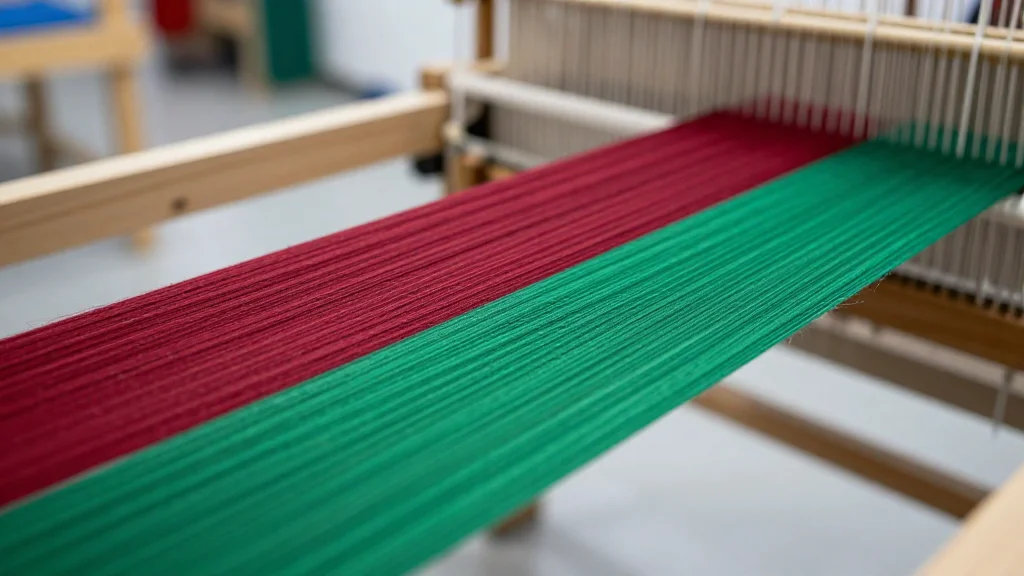
BGMEA Seeks Investment and Collaboration in Meeting with CNTAC
Bangladesh’s garment sector, represented by BGMEA, met with China’s CNTAC and CDPA on April 26, 2026 to court Chinese investment and technology collaboration. The talks emphasized China’s role as a trusted supplier and highlighted Bangladesh’s $8‑9 bn annual woven‑fabric import market....