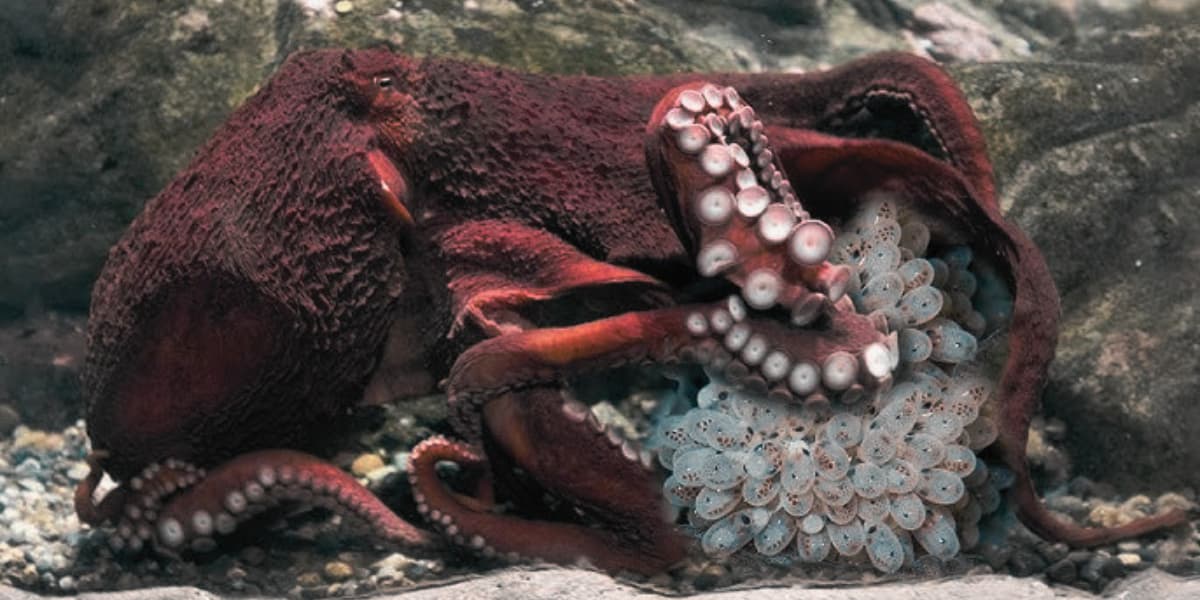
What Animal Parents Teach Humans About Care
Scientists observed a deep‑sea octopus in California that guarded a clutch of over 150 eggs for an unprecedented 53 months, far exceeding typical cephalopod incubation periods. The mother survived without food, maintaining the brood until hatching, then perished, highlighting the extreme lengths of parental sacrifice. Researchers attribute the prolonged care to the cold, low‑metabolism environment and use the case to explore how parental investment shapes evolutionary pathways. The article expands the discussion to insects, mammals, and humans, arguing that cooperative caregiving underpins complex societies.
Lit Hub Daily: May 4, 2026
Lit Hub Daily’s May 4 2026 edition curates fifteen pieces that span criticism, memoir, poetry, and cultural commentary. Highlights include Kaveh Akbar’s peace‑prize speech on war‑taxes, Han Kang’s nonfiction debut *Light and Thread*, and a Wired investigation into algorithmic erasure of Indigenous languages....

What Tradwife “Influencers” Of Centuries Past Share With Their Social Media Contemporaries
Today’s tradwife influencers echo 19th‑century domestic manuals by Lydia Maria Child and Catherine Beecher, packaging nostalgic home‑care aesthetics for TikTok and Instagram. Both the historic texts and modern creators respond to a cultural narrative that treats housekeeping as essential yet...
Han Kang’s Light and Thread Is a Love Letter to Language
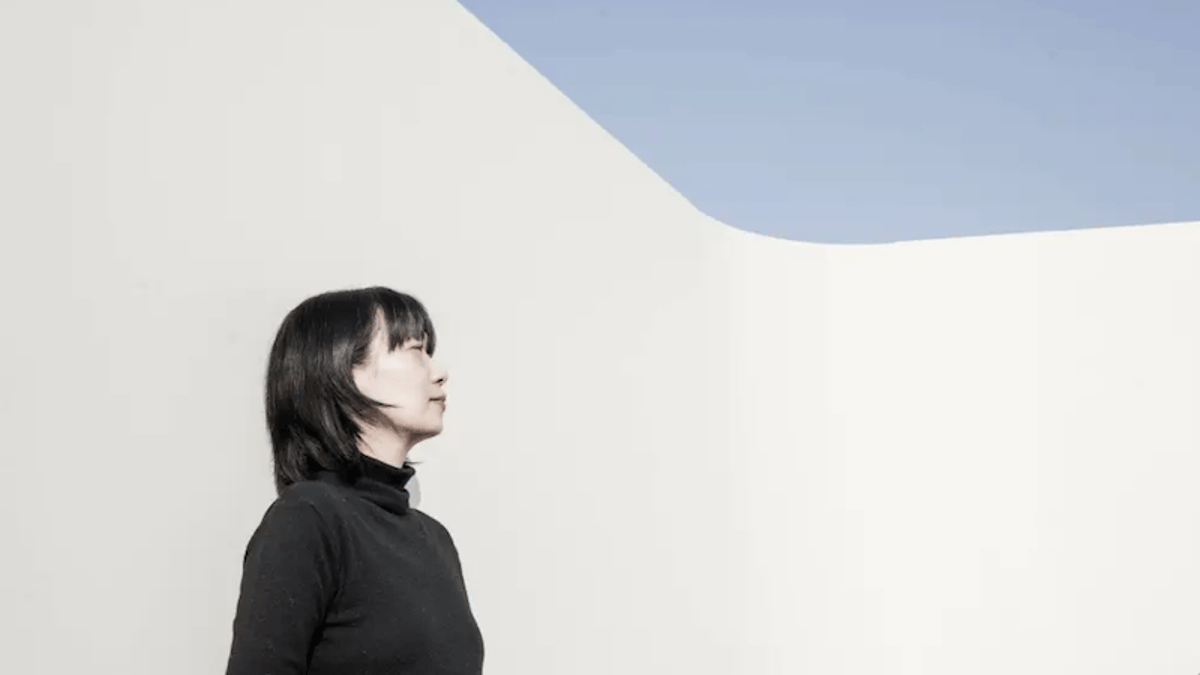
Han Kang’s newly released nonfiction volume, Light and Thread, gathers her Nobel lecture, diaries, poems, and photographs into her first English-language work beyond fiction. The collection shifts her longstanding portrayal of language as a source of violence toward a celebratory...
Maria Semple Thinks Abandoning a Novel Is One of Life’s Great Feelings
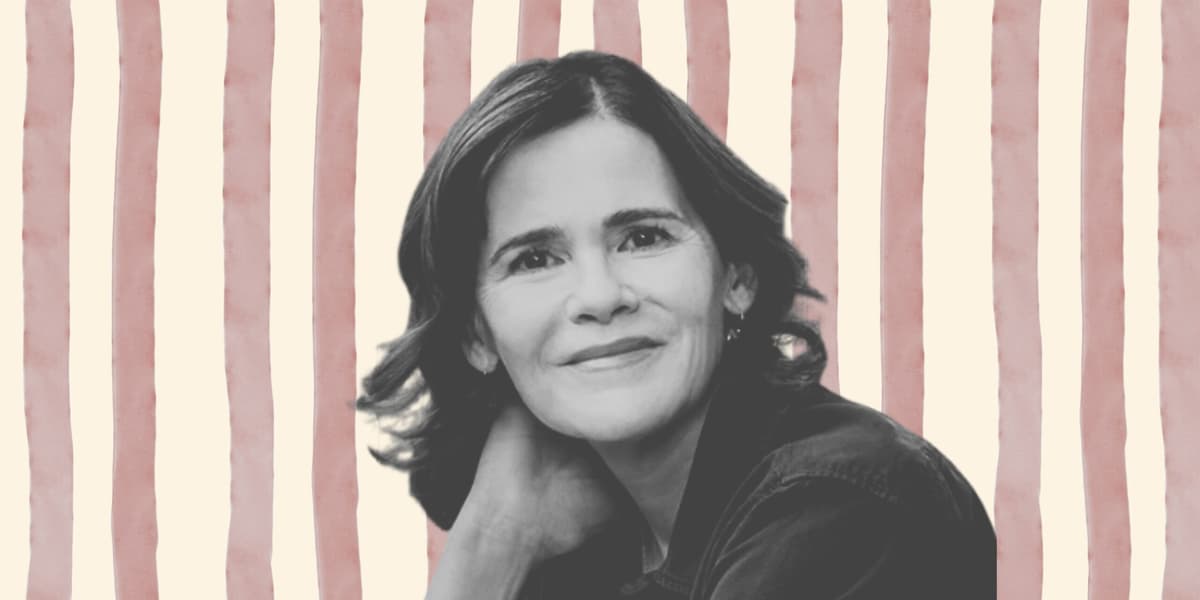
Maria Semple’s latest novel, *Go Gentle*, has hit shelves via G.P. Putnam’s Sons, and in a candid interview she reveals how she navigates writer’s block by treating unproductive drafts as books that simply don’t want to be written. She credits...
Saying Yes to the Book Is Just Like Saying Yes to the Dress
Jocelyn Jane Cox’s memoir *Motion Dazzle* chronicles her mother’s dementia, her own grief, figure‑skating career, and a quirky zebra motif. After 100 manuscript submissions in 2022, she secured two publishing offers and chose a small press that honored her “stripe”...
To Be Honest in Poetry Right Now Is to Embrace the Abstract, Negative, and Weak
Xuela Zhang’s debut collection *To Compare* argues that contemporary transnational poetry has become a performance of righteousness, favoring marketable activism over authentic feeling. Zhang contends that true poetic honesty lies in embracing abstract, negative and weak expressions that reflect the...
Lit Hub Weekly: April 27 – May 1, 2026
Lit Hub’s weekly roundup (April 27‑May 1, 2026) aggregates more than 20 essays and reviews from outlets such as The Baffler, The Chronicle of Higher Education, Aeon, and The New Yorker. The pieces span literary history, criticism, memoir, photography, and cultural commentary, tackling...
One Great Poem to Read Today: Sarah Jean Grimm’s “Zero Conditional”
Literary Hub is celebrating the 30th National Poetry Month by spotlighting a new poem each workday, and today’s pick is Sarah Jean Grimm’s “Zero Conditional,” first published in February 2026. The poem strings together concise images—a manicured lawn, startled birds, a silent...

Lit Hub Daily: April 28, 2026
Lit Hub Daily’s April 28, 2026 edition curates a wide‑range literary roundup, from the story of Scott Meredith inventing the modern book auction to a look at the 1850s American prose renaissance. It spotlights 20 new titles launching that day, a historical piece...
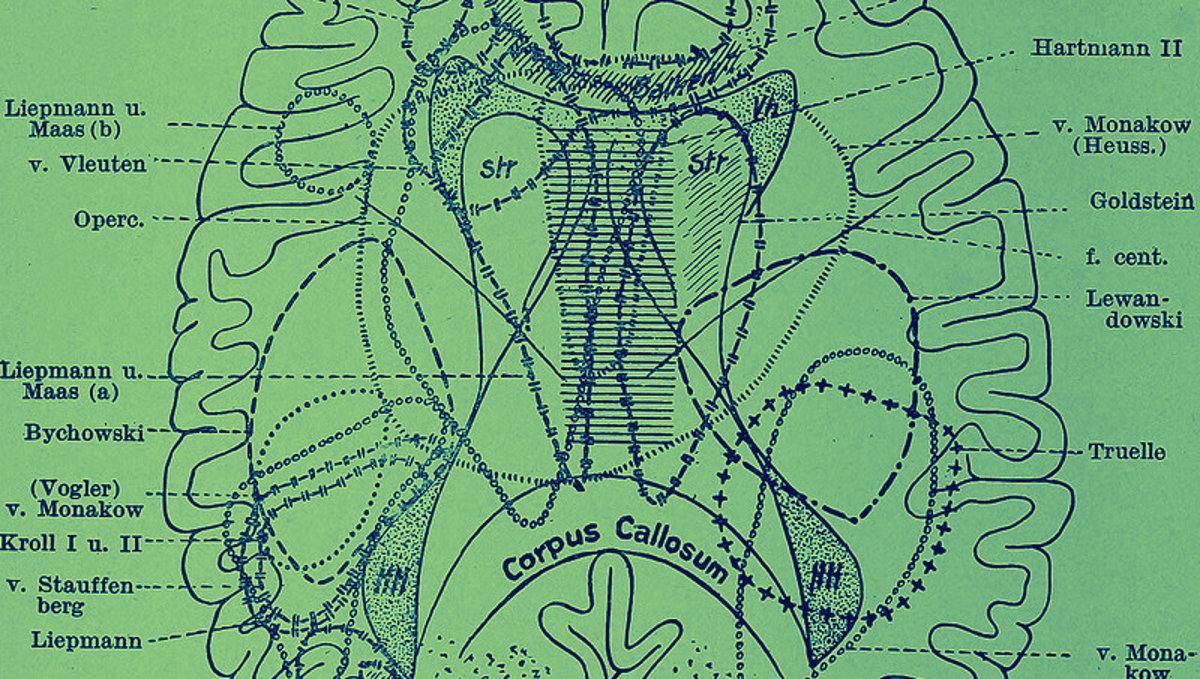
The Medicalization of Madness: How Schizophrenia Was Treated Throughout the Ages
The article traces schizophrenia’s treatment from ancient Greek humoral theories through medieval religious rites, 19th‑century moral‑treatment reforms, and the brutal experiments of early‑20th‑century asylums to the breakthrough of chlorpromazine in the 1950s. It highlights how the disease’s name was coined...
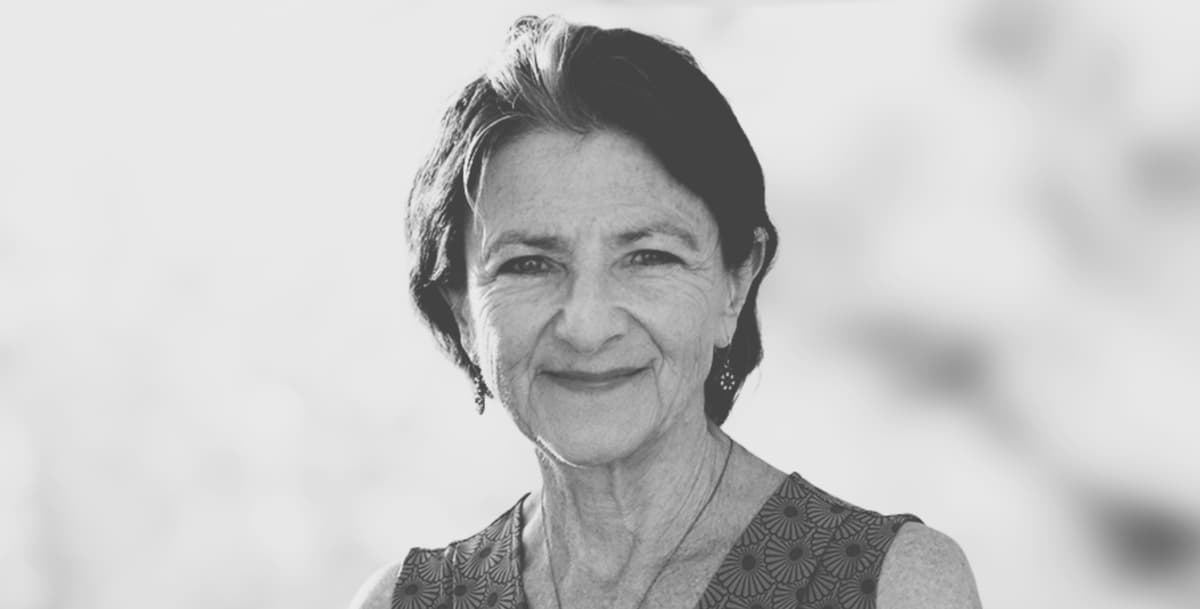
Helen Benedict on Chronicling the Legacy of the Iraq War In Fiction
Helen Benedict explains why she turned to fiction after her nonfiction work, *The Lonely Soldier*, exposed sexual abuse of women serving in Iraq. She uses her Reparation trilogy—*Sand Queen*, *The Soldier’s House*, and *Wolf Season*—to give voice to the silences...
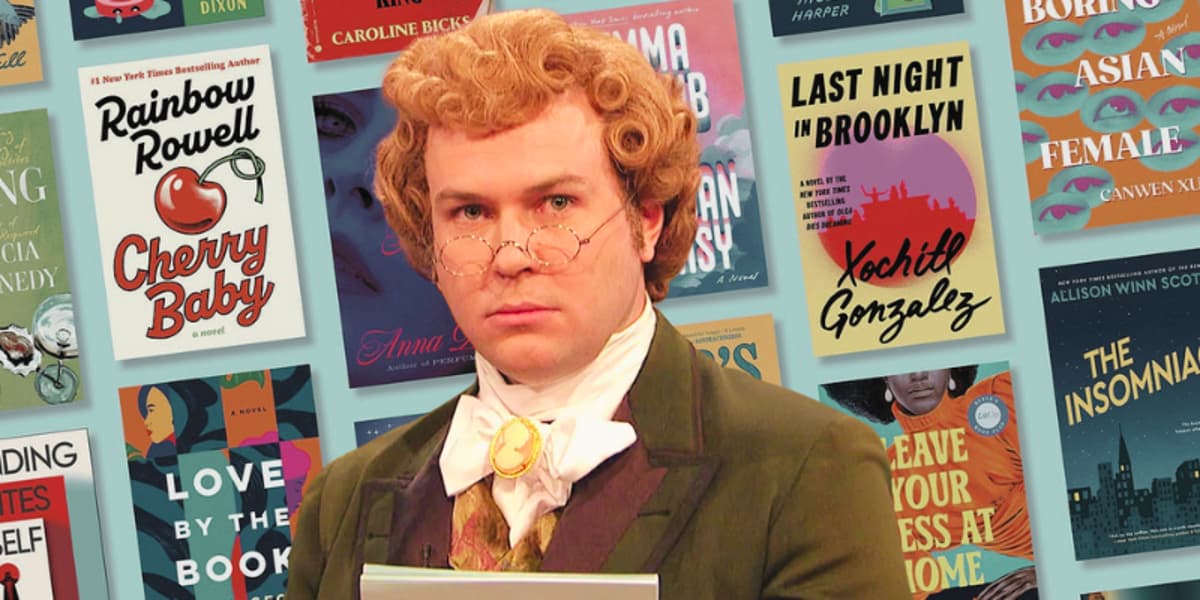
Five Great Book Critics Writing Today (and Where to Find Them).
Dwight Garner’s recent New York Times essay highlights the decline of institutional book criticism, echoing the earlier shutdown of The Washington Post’s Book World. The article argues that while traditional hubs are fading, a vibrant cohort of freelance critics is...
One Great Poem to Read Today: Corey Van Landingham’s “Adult Swim”
Literary Hub is marking the 30th National Poetry Month by featuring a daily free poem, starting today with Corey Van Landingham’s “Adult Swim.” The poem, described as candy‑coated and peppered with pop‑culture treats like corn dogs and Sour Patch Kids, shifts into deeper reflections...
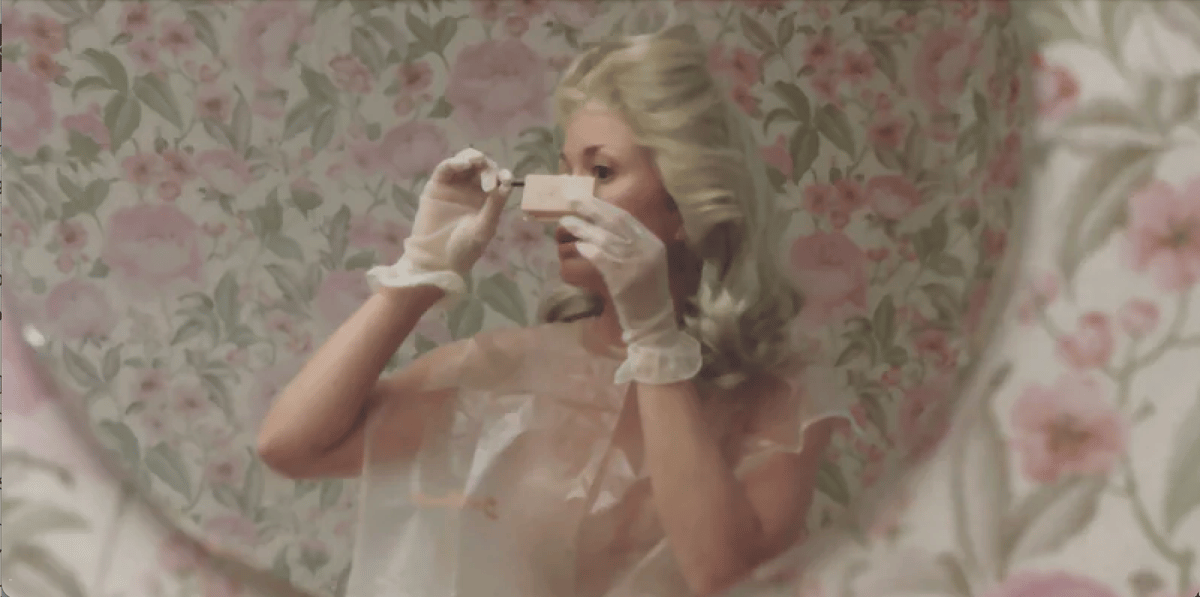
On Vigdis Hjorth’s Repetition and the Hidden Disenfranchisement of Children
Vigdis Hjorth’s novel *Repetition* follows a 16‑year‑old caught between sexual trauma and a family that equates financial provision with absolute authority. The protagonist’s recurring thought, “where else would I go,” underscores the absence of safe alternatives for abused teens. Through...
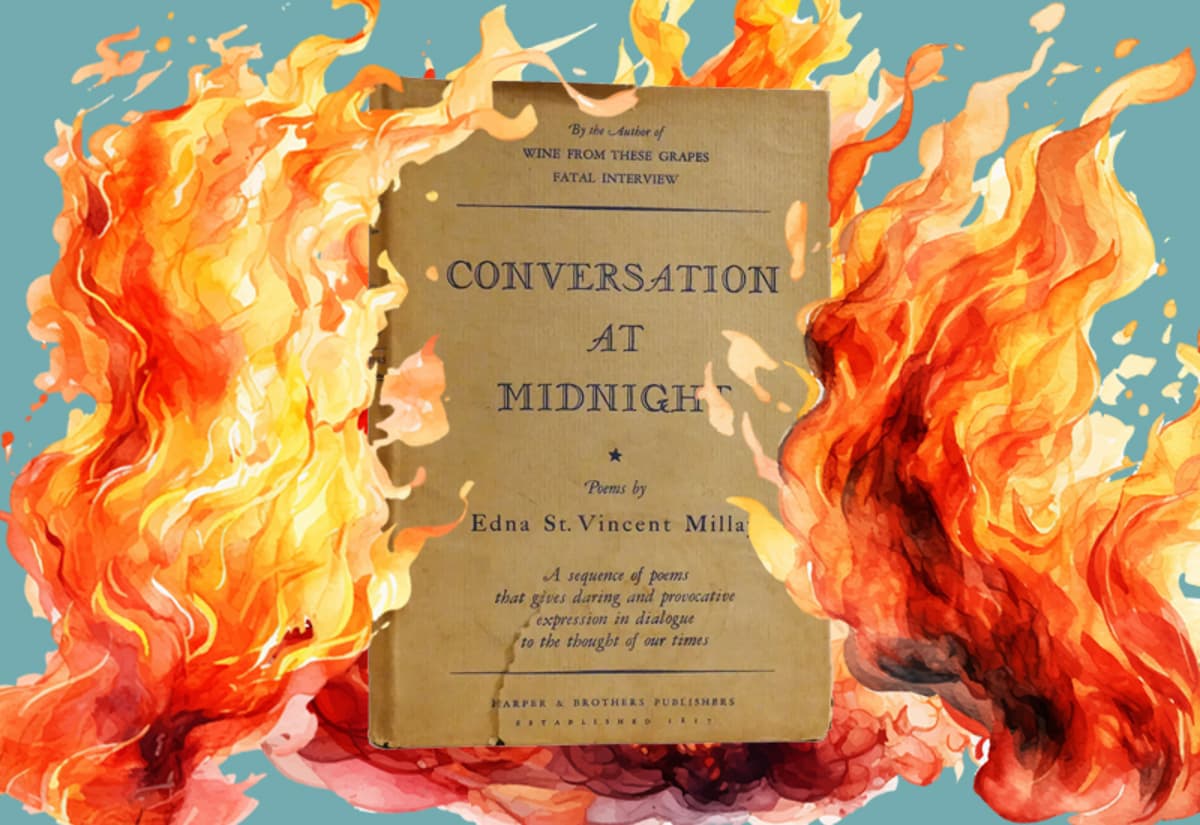
This Week in Literary History: Edna St. Vincent Millay Loses Her Manuscript in a Hotel Fire
On May 2, 1936, Pulitzer‑winning poet Edna St. Vincent Millay arrived at a Sanibel Island hotel with her in‑progress manuscript *Conversation at Midnight*. A sudden fire destroyed the hotel, consuming the manuscript and a cherished seventeenth‑century copy of Catullus. Millay’s...

Haruki Murakami Has a New Novel Coming Out—And for the First Time, It Features a Female Main Character.
Haruki Murakami’s next full‑length novel, *The Tale of KAHO*, arrives in Japan on July 3, published by Shinchosha. The book follows a 26‑year‑old picture‑book author navigating a surreal world and marks Murakami’s first novel with a lone female lead. It expands...
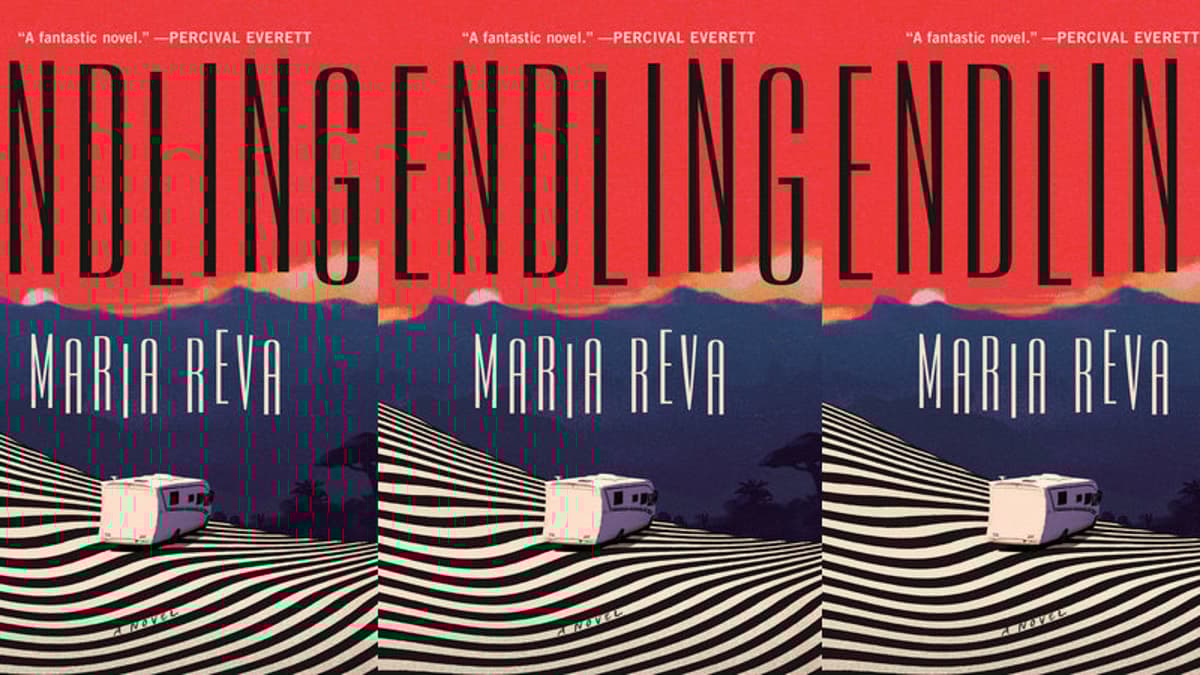
Maria Reva’s Endling Has Won the 2026 Aspen Words Literary Prize.
Maria Reva’s debut novel Endling has been awarded the 2026 Aspen Words Literary Prize, which includes a $35,000 cash award. The prize honors fiction that illuminates vital contemporary issues, and the jury praised Endling for its blend of ecological concerns,...

One Great Poem to Read Today: Marie Howe’s “You Think This Happened Only Once and Long Ago”
Literary Hub is celebrating the 30th National Poetry Month by featuring a free‑access poem each workday, starting with Marie Howe’s “You Think This Happened Only Once and Long Ago.” The piece, highlighted by associate editor Julia Hass, explores mortality, joy,...
Lit Hub Daily: April 24, 2026
Lit Hub Daily’s April 24, 2026 edition aggregates a diverse set of literary pieces, ranging from essays on women’s fiction as a divorce‑survival tool to critiques of diet culture and AI’s role in education. The roundup spotlights best‑reviewed titles such as Sophie Mackintosh’s...
One Great Poem to Read Today: Carson Jordan’s “Permiso”
Literary Hub is marking the 30th National Poetry Month by recommending a different poem each workday in April. For today’s pick, the site highlights Carson Jordan’s “Permiso,” a free‑to‑read piece that treats everyday objects as objects of worship. The poem...

Lit Hub Daily: April 22, 2026
Lit Hub’s Daily roundup for April 22, 2026 spotlights a diverse slate of literary commentary, from a reminder that Kate Chopin’s *The Awakening* debuted in 1892 to essays on Stephen King’s early draft, writer productivity, and Shakespeare’s punctuation. The collection weaves criticism, craft advice,...

Here’s the Shortlist for the 2026 Carol Shields Prize for Fiction.
The Carol Shields Prize for Fiction unveiled its 2026 shortlist, featuring five titles by women and non‑binary authors published in Canada and the United States. The jury, chaired by Carmen Maria Machado, includes Ivan Coyote, Cherie Dimaline, Chitra Divakaruni and Deesha Philyaw....

One Great Poem to Read Today: Allen Ginsberg’s “A Supermarket in California”
Literary Hub’s daily‑poem series for National Poetry Month recommends Allen Ginsberg’s “A Supermarket in California.” The piece imagines Walt Whitman wandering a modern supermarket, blending high‑brow philosophy with everyday grocery imagery. The article highlights the poem’s catchy lines and its...
Lit Hub Daily: April 21, 2026
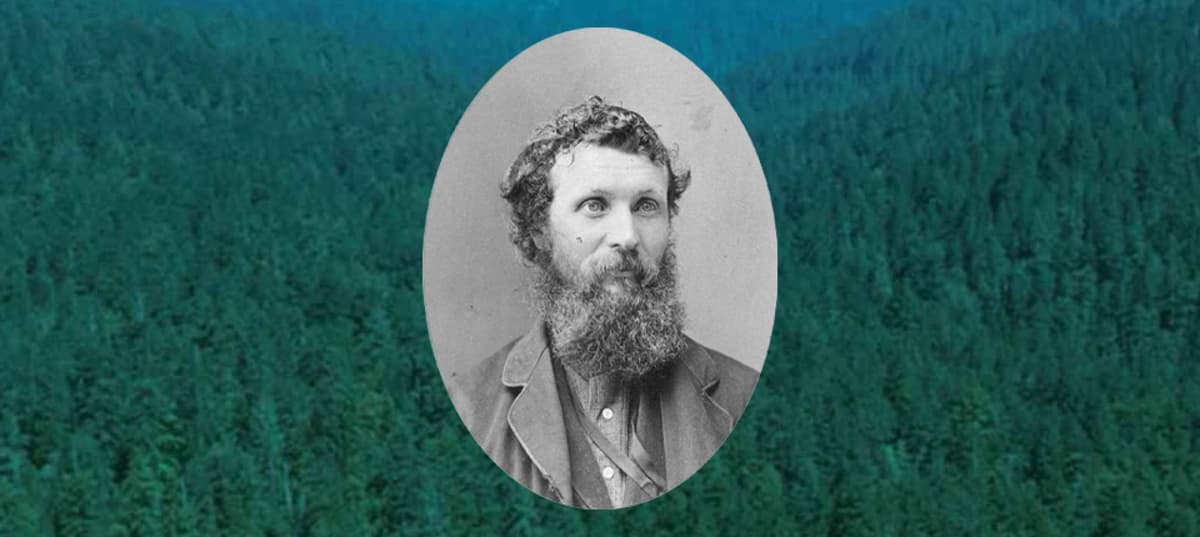
Lit Hub Daily released its April 21, 2026 roundup, featuring more than 15 pieces that span literary criticism, author interviews, book recommendations, and cultural essays. Highlights range from a tribute to naturalist John Muir’s birth to analyses of the best literary...

Prone To Be Productive: In Praise of Writing in Bed
Megan O’Grady’s essay champions writing from bed as a productive, creative practice, citing personal experience and historic writers like Wharton and Twain. She describes how the comfort of a bed reduces distractions, supports chronic‑illness sufferers, and can spark deeper insight...
Jayne Anne Phillips on Chronicling Her West Virginia Upbringing and Writer’s Journey
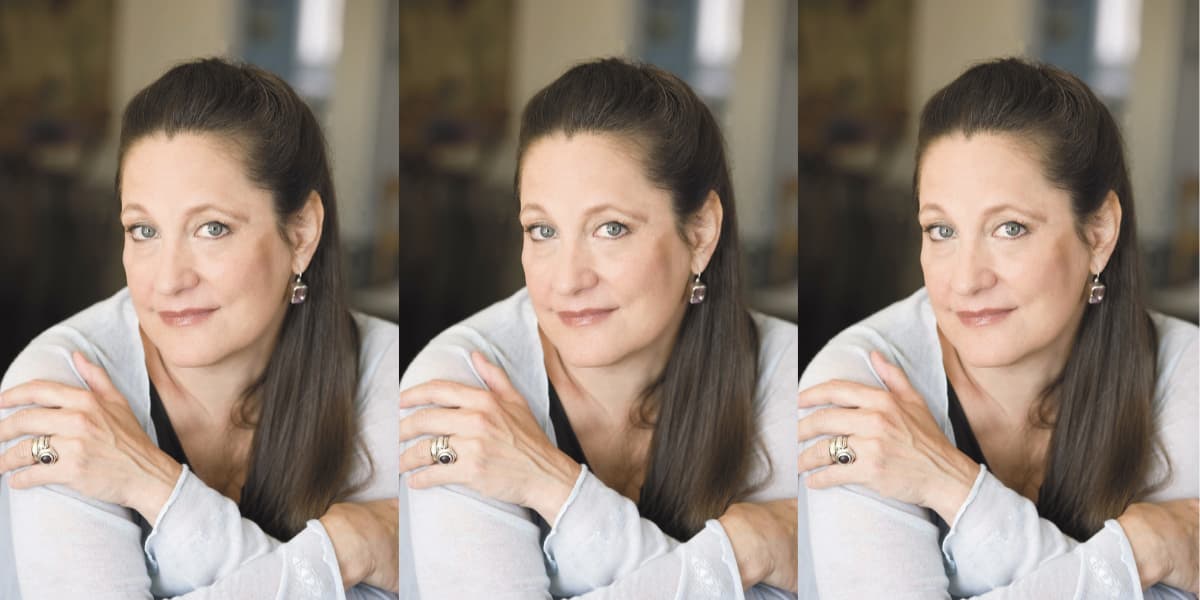
Jayne Anne Phillips, celebrated author of the war‑novel trilogy and the acclaimed collection Black Tickets, has published her first memoir‑in‑essays, Small Town Girls. The book recounts her West Virginia childhood, family dynamics, and the cultural shifts of the 1950s‑70s, while...

One Great Poem to Read Today: Robert Hayden’s “Those Winter Sundays”
Literary Hub marks the 30th anniversary of National Poetry Month by featuring a daily poem series, beginning with Robert Hayden’s “Those Winter Sundays.” The piece, a quietly tender elegy to the poet’s foster‑father, examines unspoken parental love and late‑life regret....
![One Great Poem to Read Today: Alejandra Pizarnik’s “[All Night I Hear the Noise of Water Sobbing.]”](/cdn-cgi/image/width=1200,quality=75,format=auto,fit=cover/https://s26162.pcdn.co/wp-content/uploads/2026/04/AdobeStock_317283639.jpeg)
One Great Poem to Read Today: Alejandra Pizarnik’s “[All Night I Hear the Noise of Water Sobbing.]”
Literary Hub is marking the 30th National Poetry Month by posting a free poem each workday in April. Today’s feature is Alejandra Pizarnik’s “All night I hear the noise of water sobbing,” translated by Patricio Ferrari and Forrest Gander and available on the...
Polly Barton on Ryūnosuke Akutagawa’s Hell of Solitude
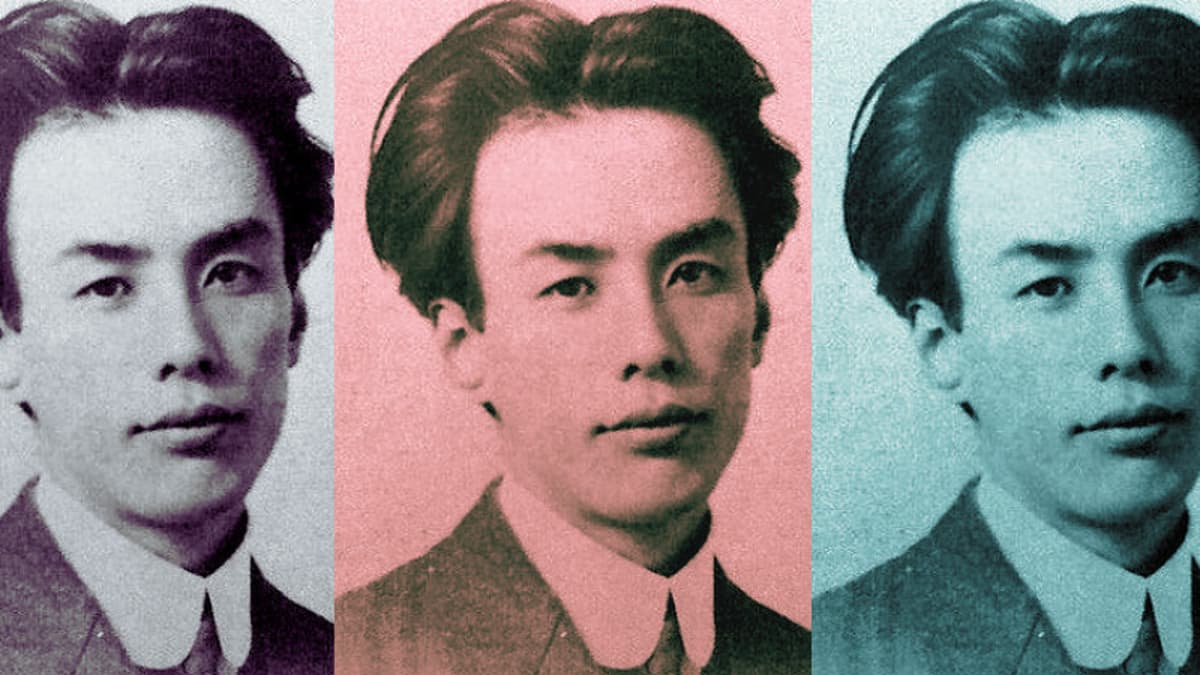
Polly Barton’s essay introduces Ryūnosuke Akutagawa’s new anthology Hell of Solitude, a curated mix of poems, obscure short pieces and experimental “un‑storylike” works translated by Ryan Choi. Barton notes Akutagawa’s towering status in Japan—father of the modern short story, creator of...
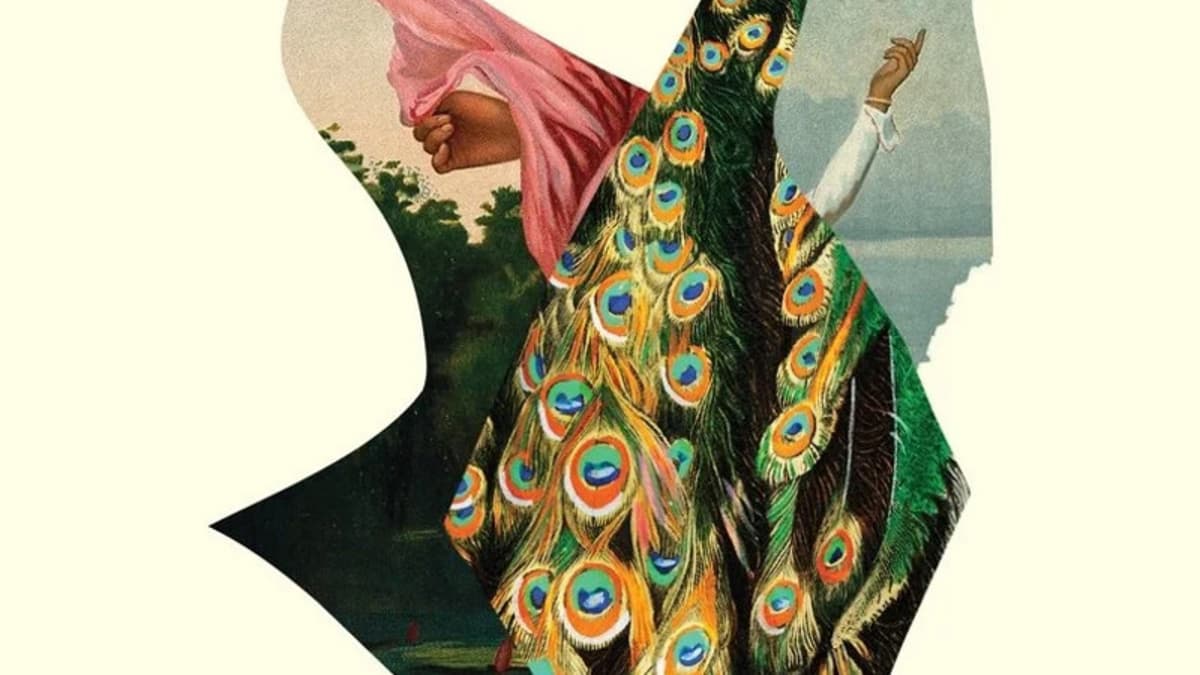
A Linguistic and Philosophical Tapestry: Suchitra Ramachandran on Jeyamohan’s The Abyss
Suchitra Ramachandran’s introduction frames Jeyamohan’s new novel *The Abyss* as a stark, multilingual exploration of humanism amid extreme marginalisation. The work follows his epic projects—*Vishnupuram*, *Venmurasu* (26 volumes, >25,000 pages), and recent Dalit reinterpretation *Kaviyam*—by placing beggars in a hyper‑realistic...
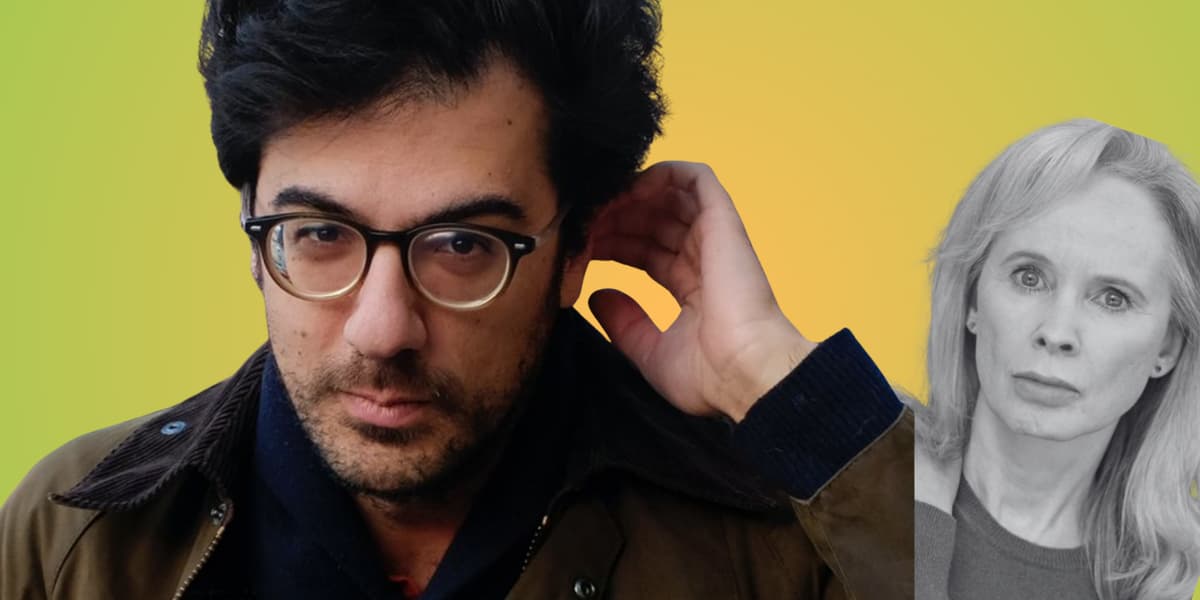
Andrew Martin (with Mary Gaitskill)
The New York State Writers Institute launched the new season of its podcast, The Writers Institute, on April 15, 2026. The opening episode features author Andrew Martin discussing his novel Down Time and Mary Gaitskill reading from her novel The...

Of Nature, Art and Grace: On Norman Maclean’s A River Runs Through It
Norman Maclean’s *A River Runs Through It* turns fifty, marking half a century of literary acclaim. The University of Chicago Press took a chance on the Montana‑set manuscript after major New York houses rejected it for its “trees.” The novella’s...

This Week’s News in Venn Diagrams.
The weekly Venn‑diagram roundup spotlights three intersecting stories: author Helen Dewitt turned down the Windham‑Campbell Prize, FSG closed its MCD imprint as publishing consolidates, and the Artemis II crew broke the record for distance from Earth, underscoring commercial space momentum. It also...

Here’s What’s Been Making Us Happy This Week.
Lit Hub’s weekly roundup celebrates a series of cultural moments that blend literature, humor, and activism. Drew Broussard attended Sam Rebelein’s live reading, highlighting a growing trend of authors using performance to refine drafts. The return of the British game...

One Great Poem to Read Today: Mark Doty’s “Visitation”
Literary Hub is celebrating the 30th National Poetry Month by recommending Mark Doty’s poem “Visitation” as a daily read. The piece highlights the poem’s famous closing lines, which have become a viral image macro on social media. The article shares...

Lit Hub Daily: April 10, 2026
Lit Hub’s April 10 daily roundup curates a diverse set of literary news, from a retrospective on how the pulp magazine Amazing Stories forged the language of American science fiction to a profile of Daphne Du Meowier’s celebrated book‑shop pets. The edition also...

Molly Crabapple on History as a Necromantic Art
Molly Crabapple’s new nonfiction work, *Here Where We Live Is Our Country*, chronicles the Jewish Bund—a secular, socialist party that fought for dignity in the Russian Pale of Settlement. The seven‑year research project blends archival deep‑dives with vivid, sensory storytelling, which she describes as “necromantic art.” In...
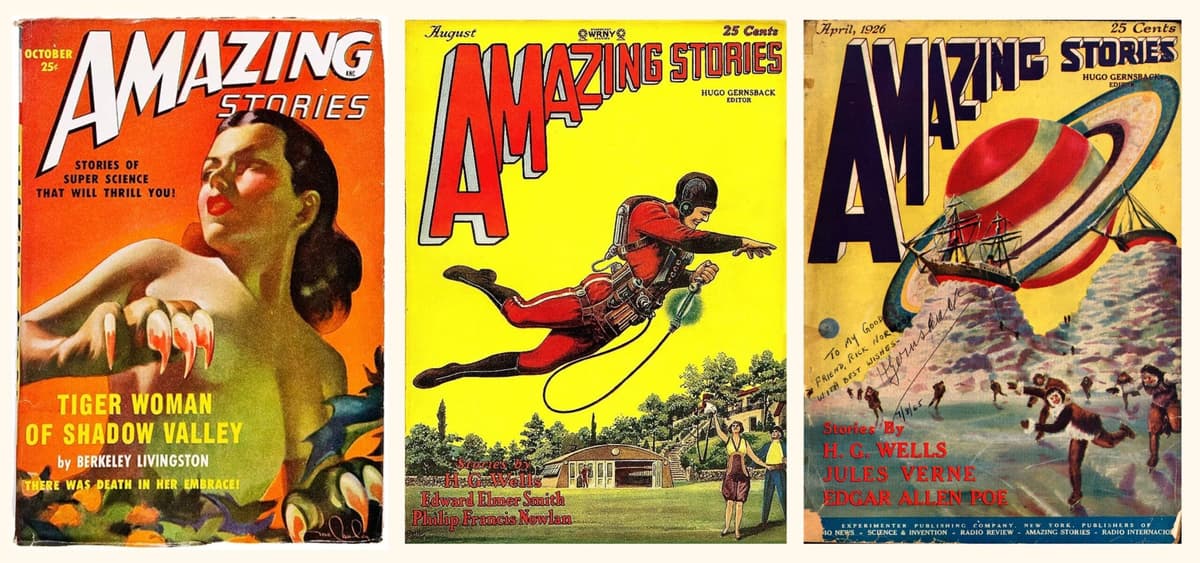
How Amazing Stories Served as the Blueprint for American Science Fiction
Amazing Stories debuted in April 1926, founded by Hugo Gernsback, and coined the term “science fiction.” The pulp magazine set a template of cover art, editorial ratios of science to story, and a platform that launched writers such as Ray Bradbury,...

Here Are the Winners of the 2026 Windham-Campbell Prizes.
The Windham‑Campbell Prizes announced their eight 2026 winners, granting each an unrestricted $175,000 award. Recipients span fiction, nonfiction, drama and poetry, with two honorees per category. Winners include Gwendoline Riley and Adam Ehrlich Sachs in fiction, Lucy Sante and Kei Miller...

One Great Poem to Read Today: Michael Ondaatje’s “To a Sad Daughter”
Literary Hub marks the 30th National Poetry Month by publishing a daily poem series. For April 1 it recommends Michael Ondaatje’s “To a Sad Daughter,” a piece that juxtaposes hockey metaphors with a parent’s reflections on teenage growth. The article shares...

Lit Hub Daily: April 9, 2026
Lit Hub Daily’s April 9, 2026 edition delivers a curated mix of literary content, ranging from a revisit of Basil Bunting’s poem on bio‑acoustic loss to Emma Straub’s nostalgic interview about her 1990 New Kids on the Block fanny pack, and the...

Read Two Poems by Leigh Lucas, “Art Monster” And “These Days”
Leigh Lucas, a San Francisco‑based poet, has unveiled two new poems—“Art Monster” and “These Days”—as part of her forthcoming collection Splashed Things, slated for spring 2026. The collection was chosen for the A. Poulin Jr. Prize by Boa Editions, an independent literary press....
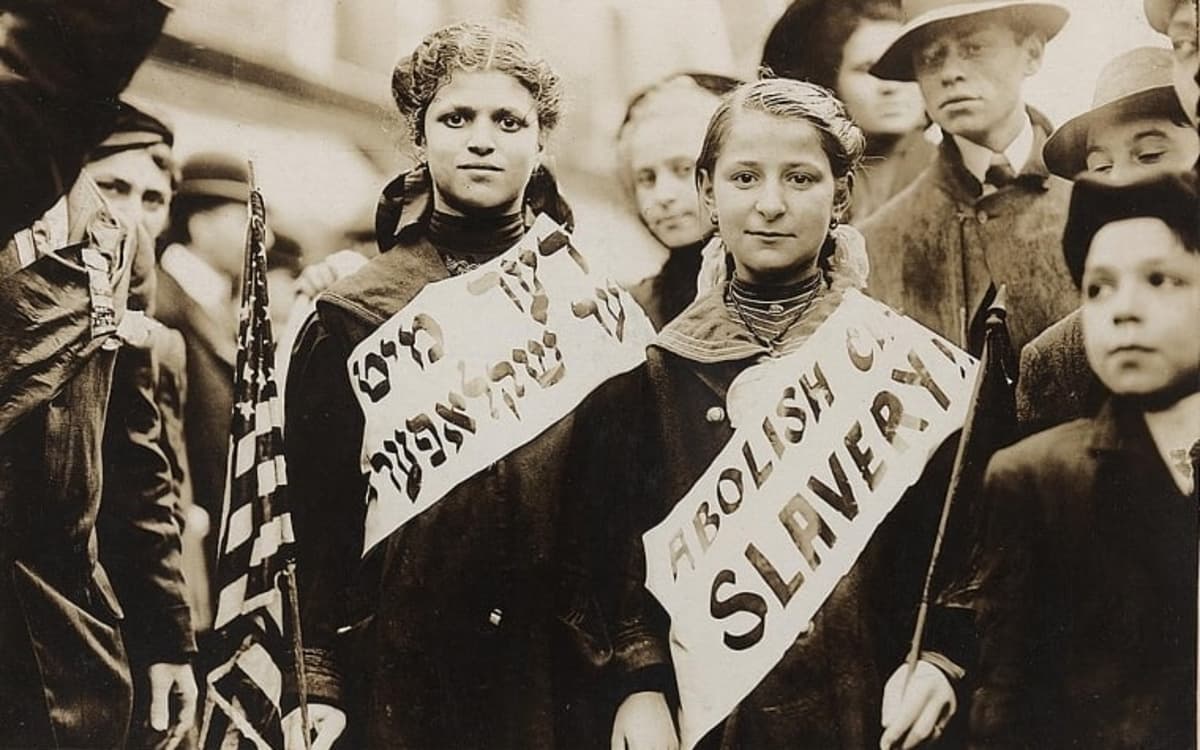
An Open Letter to the Jewish Book Council From a Concerned Group of Jewish Writers
A coalition of Jewish writers has published an open letter accusing the Jewish Book Council (JBC) of privileging Zionist and Israeli narratives while marginalizing non‑ and anti‑Zionist voices. The writers detail specific grievances, including a post‑Oct 7 anti‑semitism reporting tool that...

One Great Poem to Read Today: Elizander Espenschied’s “If Only We Had Medicine Like That Today”
Literary Hub marks the 30th National Poetry Month by recommending a daily free poem throughout April, starting with Elizander Espenschied’s “If Only We Had Medicine Like That Today.” The piece appears on the experimental online magazine HAD, known for genre‑blurring...

Sonya Walger on Writing a Multifaceted Novel of Marriage and Adultery
Sonya Walger, known for her acting career, discusses her second novel *Wifehouse*, which uses adultery as a lens to dissect marriage and competing narratives. She argues that a third‑party character exposes hidden tensions, allowing each spouse to confront their own...
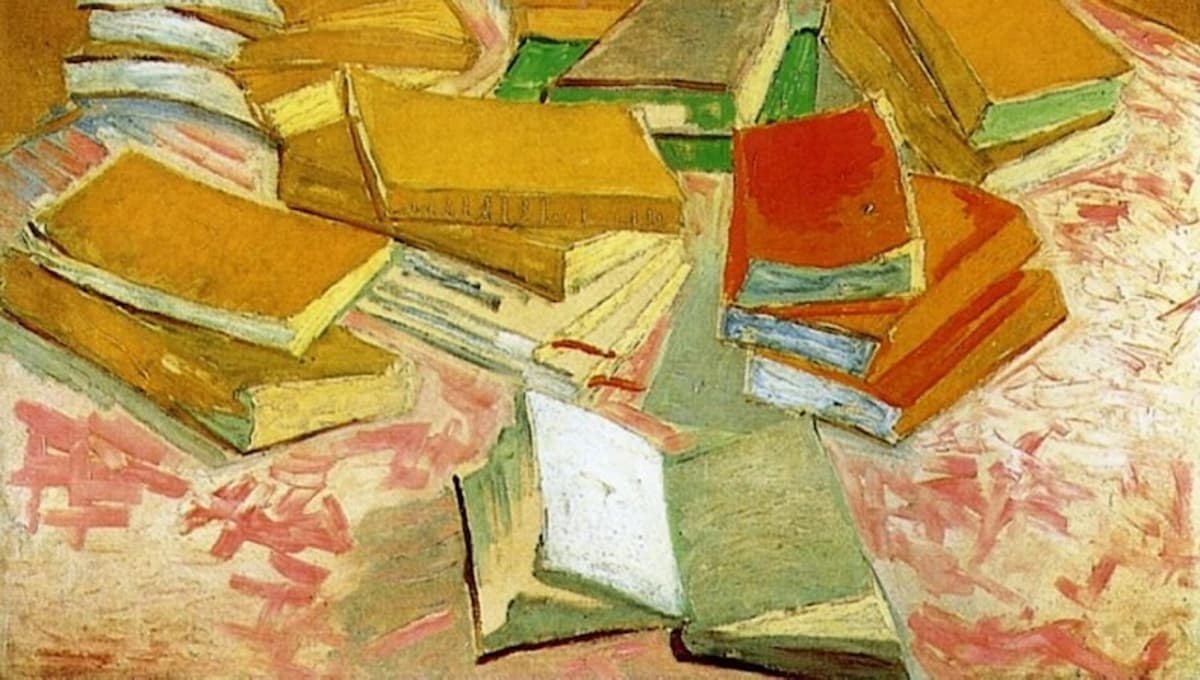
The Responsibility of the Critic: On Art, Honesty, and Introspection
The author uses a personal museum visit to examine a critic’s essay that faulted her novel for not naming the Gaza genocide. She argues the essayist’s critique reflects more of the reviewer’s own desires than the book’s content, highlighting a...
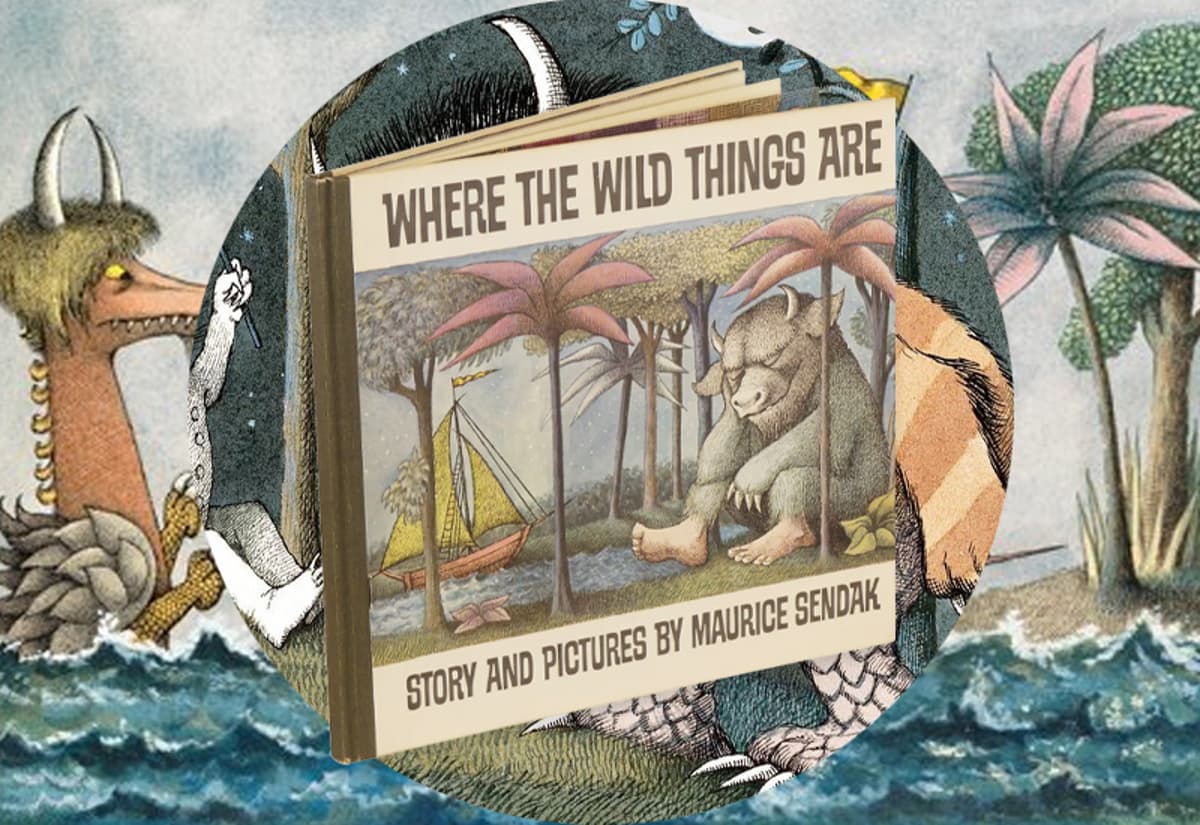
This Week in Literary History: Maurice Sendak’s Where the Wild Things Are Is Published
On April 9 1963 Maurice Sendak released *Where the Wild Things Are*, after a decade‑plus career illustrating for FAO Schwarz and publishing two earlier children’s books. The picture book quickly captured the public imagination, earning the 1964 Caldecott Medal and cementing Sendak’s reputation as...
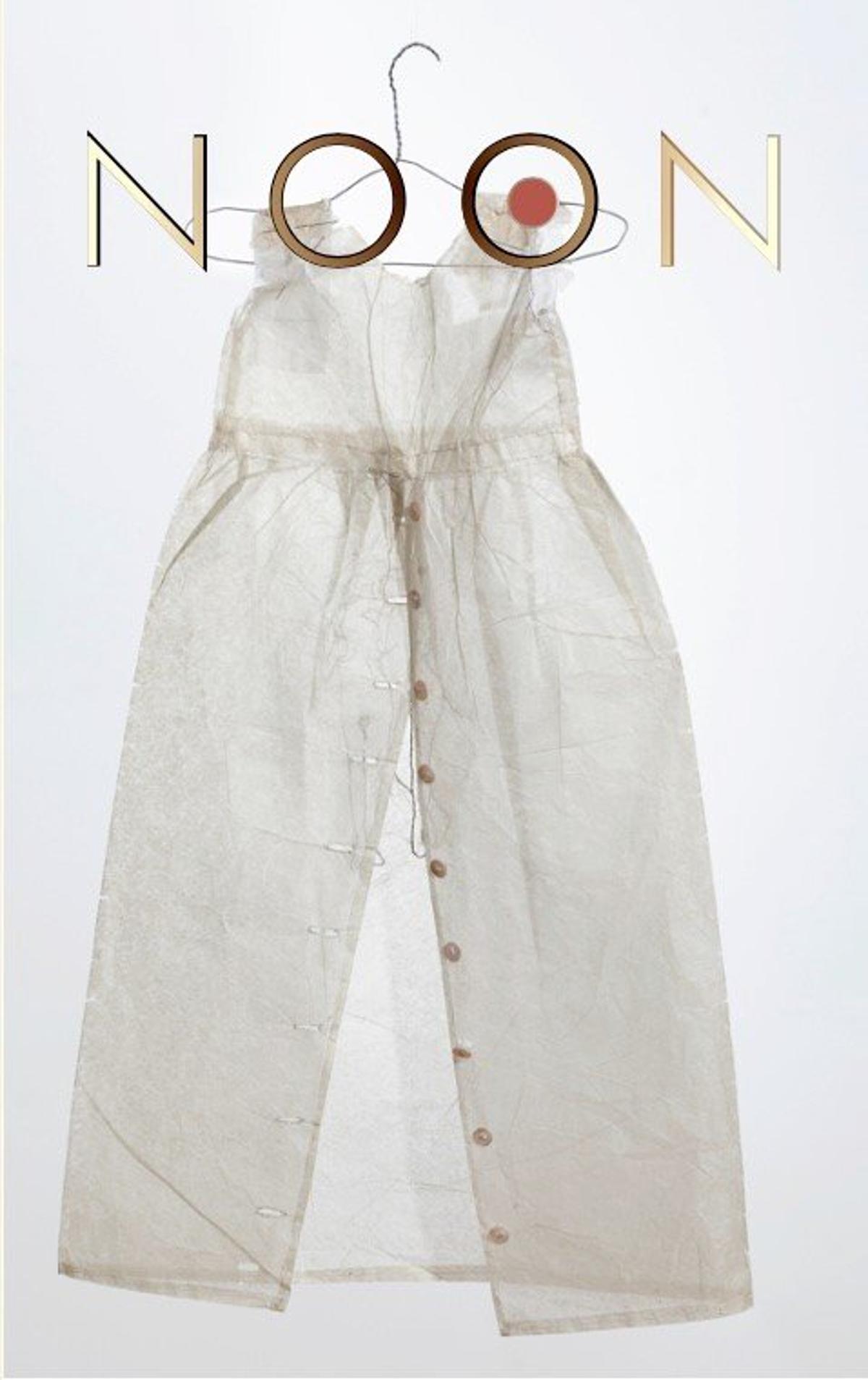
“That’s What I Did”
Lara Pawson’s short piece “That’s What I Did” appears in the spring 2026 issue of NOON, a boutique literary magazine. The memoir‑like vignette recounts a harsh Somerset childhood under the watch of “The Major,” focusing on riding feral horses without...

Dylan Landis on How Writing Her Rainey Royal Series Saved Her Life
Dylan Landis reveals that writing her Rainey Royal series became a lifeline during a 2011 personal crisis that included breast cancer, family emergencies, and a strained marriage. By channeling daily anguish into the rebellious teen protagonist, she established a disciplined...