
One Label, Many Risks: How Grouping Asian Americans Hides Deadly Cancer Patterns
California researchers, backed by a $12.5 million National Cancer Institute grant, have launched the ASPIRE Cohort to follow 20,000 Asian Americans and uncover why certain cancers are rising in this population. The study highlights a surprising increase in lung cancer among nonsmoking Asian American women and a rapid climb in early‑onset breast cancer. By disaggregating the broad Asian American label, researchers aim to reveal ethnic‑specific risk patterns that have been hidden in previous studies. The initiative seeks to fill long‑standing gaps in representation and funding for Asian‑focused cancer research.
Emergency Room Visits During Heat Waves Available to the Public in 'Near-Real Time' In L.A. County
Los Angeles County launched a Heat‑Related Illness and Mortality Dashboard that publishes weekly counts of emergency‑room visits and deaths linked to extreme heat. The data, previously restricted to officials, now breaks down cases by age, race, and geography, highlighting vulnerability...

Parental Mental Health — Not Medication — Drives Autism Correlation, New Study Finds
A new Lancet review of 37 studies covering more than 25 million pregnancies finds that prenatal antidepressant use does not independently increase a child’s risk of autism or ADHD once parental mental‑health history is accounted for. The analysis shows children of...

How a SoCal Native Became One of NASA's Most Valuable Assets
Victor Glover, a Southern‑California native and former test pilot, became the only astronaut to have piloted NASA’s Orion capsule during the successful Artemis II lunar flyby. The mission marks a turning point as NASA plans to accelerate Artemis launches from every...
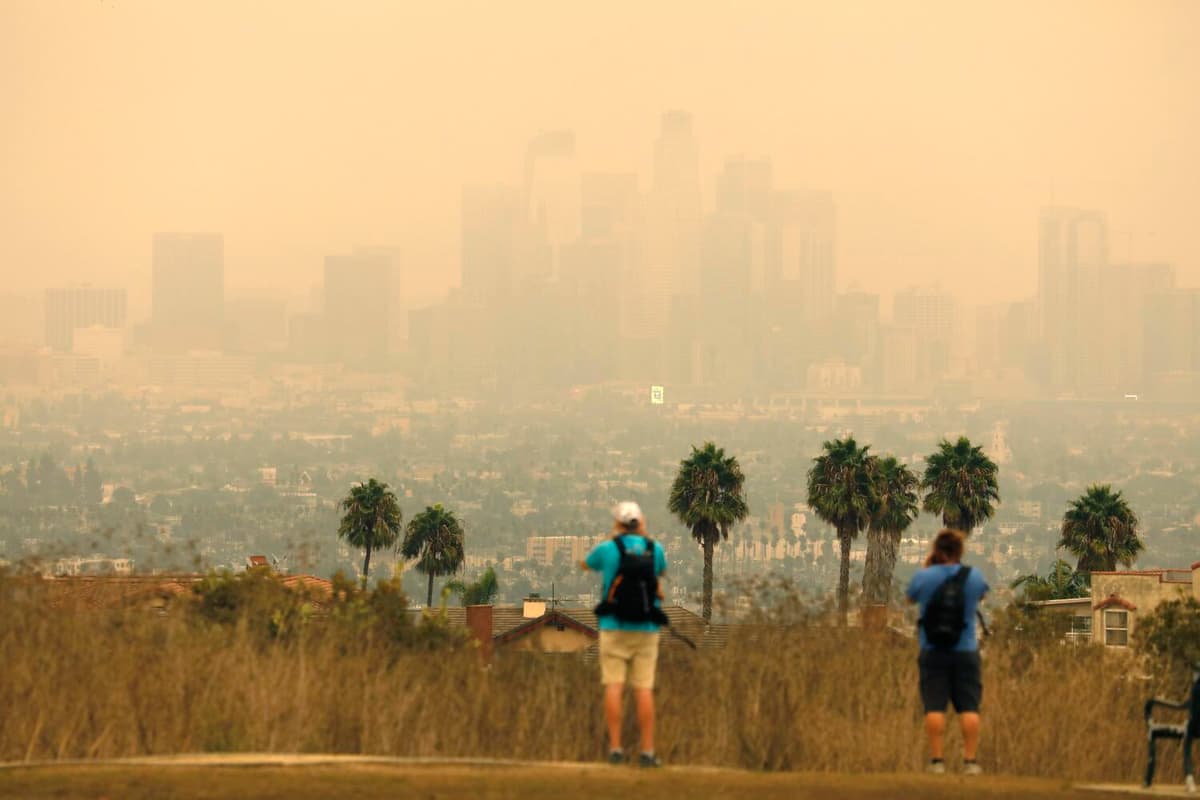
Ten Times Worse than Benzene — California Updates Its Science on Two Chemicals in Everyday Air
California’s Office of Environmental Health Hazard Assessment released a draft assessment indicating that acrolein and ethylene oxide pose cancer risks more than ten times higher than benzene, a known carcinogen. The agency estimates the risk exceeds 800 cases per million,...

Contributor: Fuel Drug Development, Not Big Pharma's Profits
The author, a 65‑year‑old ALS patient, urges faster U.S. drug development for amyotrophic lateral sclerosis, highlighting the pending ACT for ALS legislation. He notes more than 200 ALS drug candidates are stalled by a system that favors large pharmaceutical firms...

Dirty Mind? Study Suggests Gut Movement May Flush Excess Material From Our Brains
Penn State researchers discovered that the brain’s subtle forward motion during walking is driven by abdominal muscle contractions, transmitted via the vertebral venous plexus. High‑resolution imaging and pressure sensors on mice showed the brain shifts milliseconds before each step, confirming...
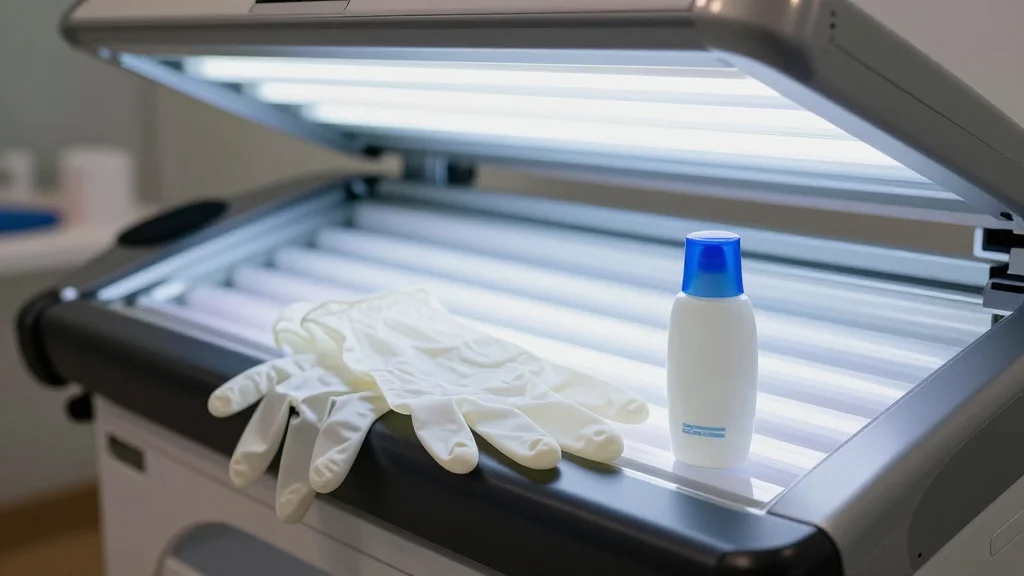
RFK Jr. Clears Path for Minors' Use of Tanning Beds, Much to the Dismay of Dermatologists
Future Health and Human Services Secretary‑designate Robert F. Kennedy Jr. withdrew the FDA’s proposed rule that would have barred minors from indoor tanning salons and required all users to sign a cancer‑risk acknowledgment. The rule, first drafted in 2015, aimed to curb exposure...

Contributor: Focus on the Real Causes of the Shortage in Hormone Treatments
U.S. pharmacies have struggled to fill estradiol patch prescriptions, prompting media narratives that blame a surge in menopause hormone demand. In reality, usage of hormone therapy has hovered around 5% of menopausal women, far from unprecedented levels. The shortage is...

California Sees the Most Measles Cases in 7 Years as Disease Resurges Nationwide
California has recorded at least 40 confirmed measles cases in 2026, the highest annual tally in the state since 2019 and surpassing the 25 cases reported in 2025. Health officials say 95% of the cases involve unvaccinated or unknown‑status individuals,...

Contributor: Vaccine Confusion Sets up U.S. for a Resurgence of Hepatitis B in Babies
New research shows U.S. newborn hepatitis B vaccination rates dropped more than 10% between 2023 and August 2025. The federal Advisory Committee on Immunization Practices recently changed its guidance, moving the newborn dose from a universal recommendation to a case‑by‑case decision for...

Diablo Canyon Nuclear Power Plant Gets Final Go-Ahead to Run Through 2030
The U.S. Nuclear Regulatory Commission has renewed Diablo Canyon’s operating license, allowing the plant to stay online through at least 2030. Originally slated to close in 2025, the deadline was extended by California lawmakers in 2022 because the facility supplies...

Autistic People Are More Likely to Experience Suicidal Crisis. 988 Is Changing to Serve Them Better
The 988 Lifeline, the nation’s 24‑hour free suicide‑prevention service, has fielded roughly 25 million contacts since its launch in July 2022. Autistic individuals, who are significantly more likely to experience suicidal thoughts, often encounter communication barriers that can turn a crisis call...

New Report on L.A. Post-Fire Beach Contamination Finds Something Unexpected: Good News
Researchers from USC’s CLEAN Waters project report that, a year after the 2025 Palisades and Eaton fires, lead and other heavy metals in Los Angeles coastal waters and sand remain well below EPA and California safety limits. Initial spikes recorded...

Freaked Out by the News? Tips for Staying Calm From Ex-Refugees, Hostages and 'Uncertainty Experts'
Sam Conniff and neuroscientist Katherine Templar‑Lewis release "The Uncertainty Toolkit," a book that translates a 2022 UCL study on uncertainty tolerance into practical strategies. The work draws on interviews with 40 “uncertainty experts” – former prisoners, addicts, refugees and hostages...