
A Strategic Guide to Material Handling Fleet Management
Material handling equipment (MHE) fleets—forklifts, pallet jacks, AMRs—are moving from basic maintenance schedules to data‑driven operations. The modern approach hinges on three pillars: telemetry‑based utilization, advanced collision‑avoidance safety, and operator‑behavior monitoring. Mixed‑brand fleets create siloed telematics data, making it hard to answer simple utilization questions and inflating costs. The article argues that only a manufacturer‑agnostic, unified data architecture can deliver true visibility, predictive maintenance and measurable ROI.

Material Handling Equipment Market to Reach$424.6 Billion by 2033
Persistent Market Research projects the global material handling equipment market to grow from $280.5 billion in 2026 to $424.6 billion by 2033, a 6.1% compound annual growth rate. The surge is powered by e‑commerce logistics expansion, Industry 4.0 adoption, and persistent labor shortages....
International Freight Update
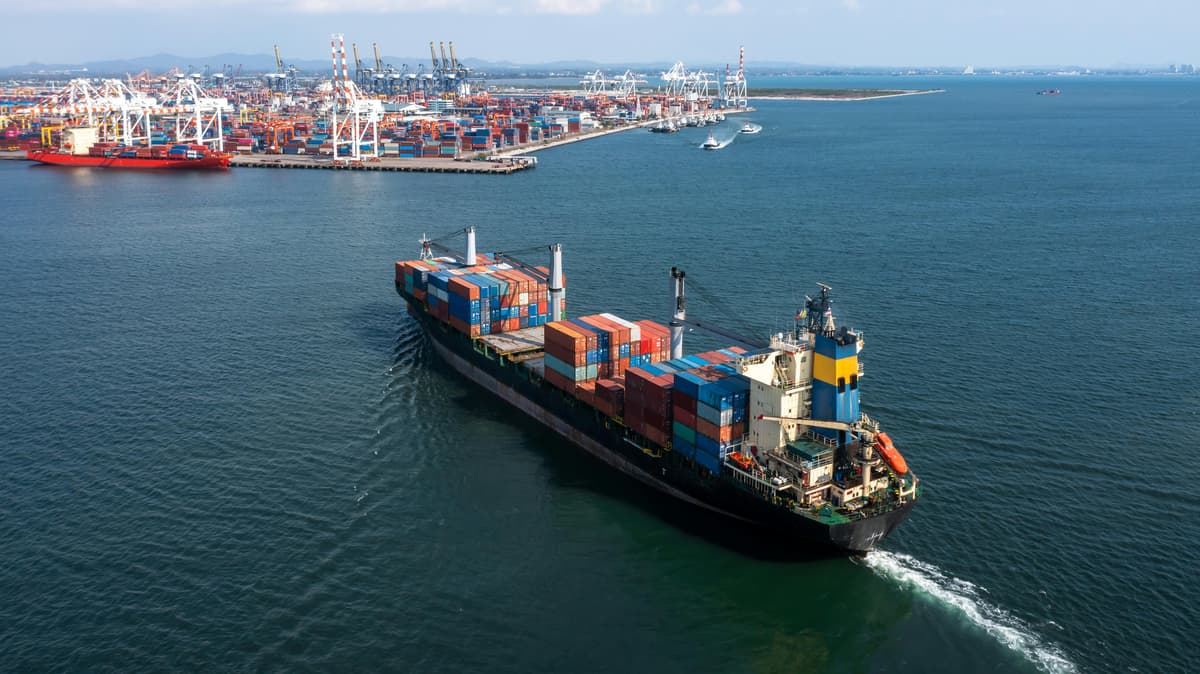
Freightos reports that the United States paused Operation Freedom, the naval escort program for vessels through the Strait of Hormuz, amid renewed US‑Iran skirmishes. Iran responded by establishing a Persian Gulf Strait Authority that will require permission—and possibly fees—for transits....

Supply Chain Execs Transforming Supply Chain
A new KPMG U.S. Supply Chain Survey finds 73% of executives plan to overhaul operating models within the next one to three years. Companies are boosting supply‑chain spend to 11‑15% of revenue, up from 5‑10% in 2024. Risk mitigation tops...

Spending to Hit Record $38 Billion for Mother's Day
U.S. consumer spending for Mother’s Day is projected to reach a record $38 billion in 2026, according to the National Retail Federation and Prosper Insights & Analytics. This eclipses last year’s $34.1 billion and the previous record of $35.7 billion set in 2023. The average...

Reshoring: Despite Investments, Tariffs Imports Still Rise
According to Kearney’s 2026 Reshoring Index, U.S. imports of manufactured goods from Asian low‑cost countries rose to a four‑year high despite record investment and tariff measures. Direct imports from mainland China fell below 10% of total, losing $135 billion, while the...

Warehouse Automation to Hit $120 Billion by 2034
The global warehouse automation market, valued at $23.97 billion in 2024, is projected to surge to $119.79 billion by 2034, driven by a 17.5% CAGR. Growth is propelled by expanding e‑commerce, labor shortages, and rising consumer expectations for rapid delivery. Companies are...

Leaders Are Trying to Reduce Supply Chain Environmental Impact
Two‑thirds of supply‑chain leaders are actively working to cut emissions, yet only one in five feels confident they will hit their sustainability targets. Nearly half of large enterprises have formed dedicated sustainability teams, but sustainability now ranks lower among top...

Roundup: Warehousing Automation Benefits
Warehouse automation is accelerating, with Interact Analysis projecting over 6% of global warehouses adopting it by 2027. Companies that model workflows, integrate WMS with robots, stage rollouts, and plan for exceptions see the fastest ROI, according to Insurance Edge. Decathlon’s...
Supply Chain Market Update: April
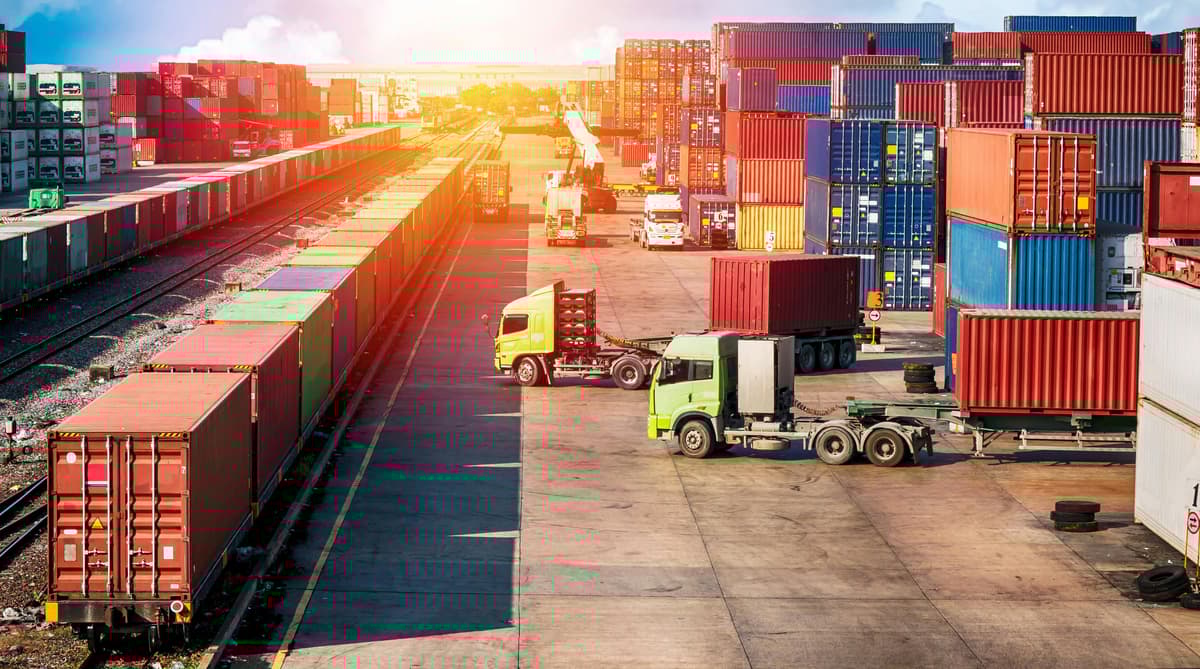
ITS Logistics’ April 2026 market update shows the Logistics Managers’ Index climbing to 65.7, the strongest level since May 2022, as overall logistics activity accelerates. Warehouse capacity slipped to 46.0, moving from neutral to contraction, while warehousing prices rose to...

MODEX 2026: All AI, All the Time
At MODEX 2026, AI topped the MHI Annual Industry Report as the most disruptive technology for supply‑chain and logistics, with 70% of surveyed professionals expecting major impact within the next decade. Companies such as Carvana and Disney highlighted AI‑driven analytics...

Snapshot of Industrial Market for Q1
The Q1 2026 Colliers report shows the U.S. industrial market stabilizing as supply and demand realign after years of rapid growth. Vacancy held at 7.4% nationally, edging up year‑over‑year but pausing after sharp spikes in 2023‑24. New construction slowed to...
Resilience Is Top Priority for Food Supply Chain
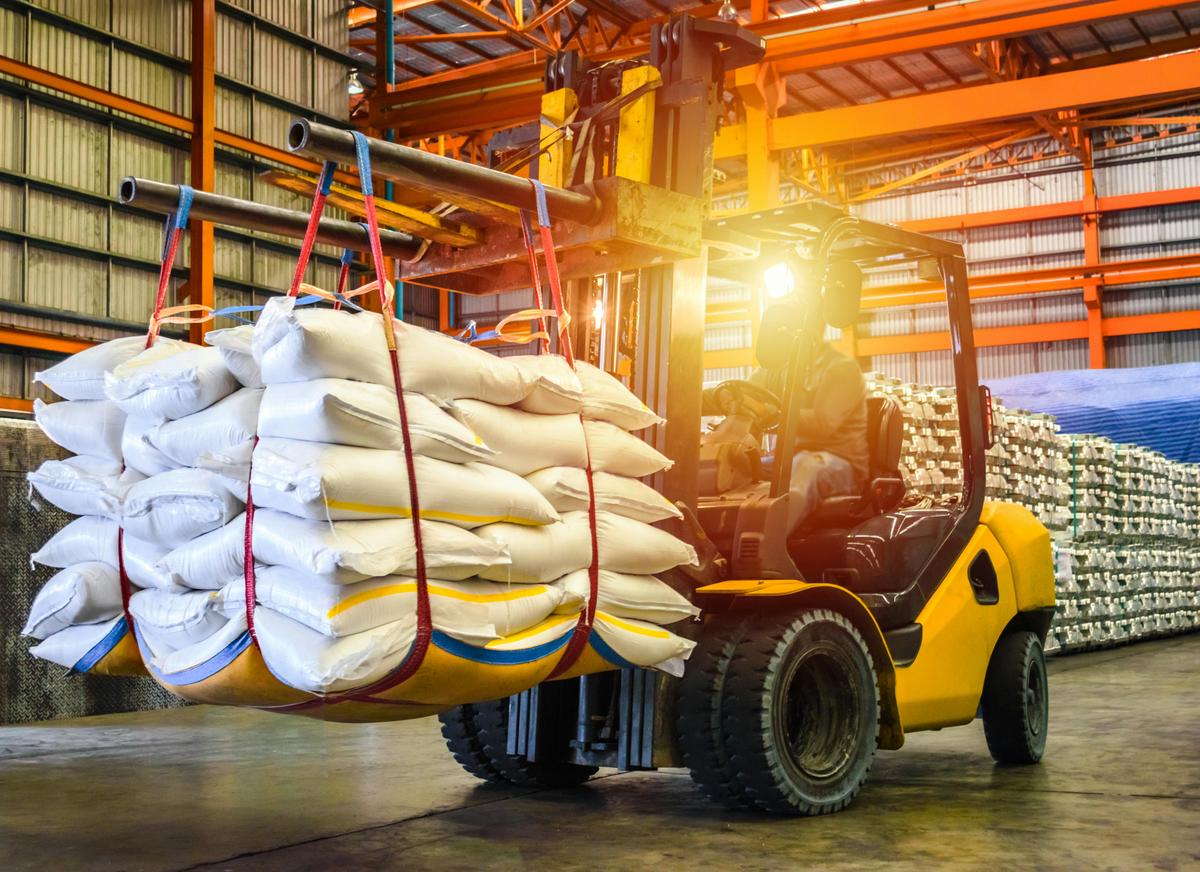
Food and beverage firms are elevating supply‑chain resilience as tariffs, regulations and geopolitical shifts intensify volatility. A Lineage Cold Chain Insights Survey of 1,000 North‑American decision‑makers shows 73% expect tariffs to erode finances in 2026, while 72% report growing demand...

International Transportation Update: Freightos
Cease‑fire talks over the Middle‑East conflict collapsed, prompting a U.S. naval blockade that further restricts traffic through the Strait of Hormuz. The closure has shaved roughly 10% off global oil supply, driving bunker‑fuel shortages and spiking energy costs. Emergency fuel...

DOL Launches New Tools to Strengthen Supply Chains
The U.S. Department of Labor unveiled a voluntary suite of self‑assessment tools—LaborShield, ImportWatch, SourcingStrong, and a supply‑chain traceability portal—to help American firms tighten global supply‑chain oversight. The tools are designed to identify labor‑rights violations, flag risky imports, and map sourcing...