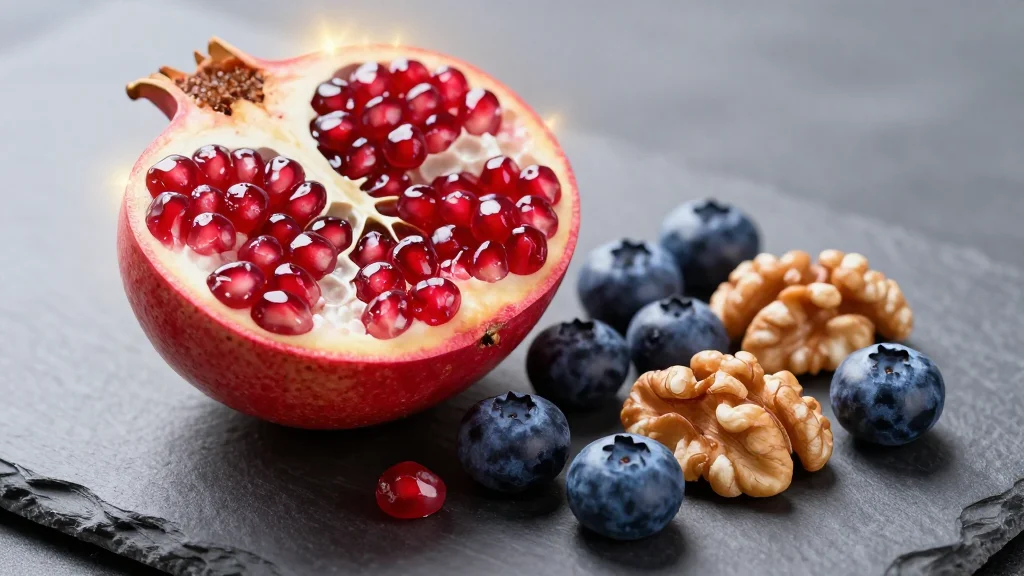
Why Neuroscientists Are Suddenly Interested In Strawberries & Walnuts
A recent scientific review highlights urolithins—metabolites produced by gut bacteria from ellagitannin‑rich foods such as pomegranates, berries and walnuts—as potential neuroprotective agents. Laboratory and animal studies show these compounds can cross the blood‑brain barrier, protect neurons from tau toxicity, reduce inflammation, act as antioxidants, and promote mitochondrial cleanup, all pathways linked to Alzheimer’s disease. Production varies widely among individuals depending on their microbiome composition, making gut health a key factor in realizing brain benefits. While human trials are pending, the findings suggest dietary strategies that boost urolithin formation could aid long‑term brain health.

The 5 Biomarkers Every Adult Over 30 Should Be Tracking, Per A Longevity Expert
Florence Comité, MD, argues that conventional lab reference ranges mask early metabolic decline, so she recommends five optimal biomarkers for adults over 30. The targets include fasting glucose 70‑80 mg/dL, fasting insulin ≤5 μIU/mL, HbA1c under 5 %, a low cholesterol risk ratio, and...

These ‘Invisible’ Stressors May Be Accelerating Your Aging Process
A University of Edinburgh study of over 15,000 older adults introduced a "precarity index" that measures instability in finances, housing, food, energy costs, caregiving and relationships. The index predicted frailty—a key marker of biological aging—more accurately than traditional socioeconomic indicators...
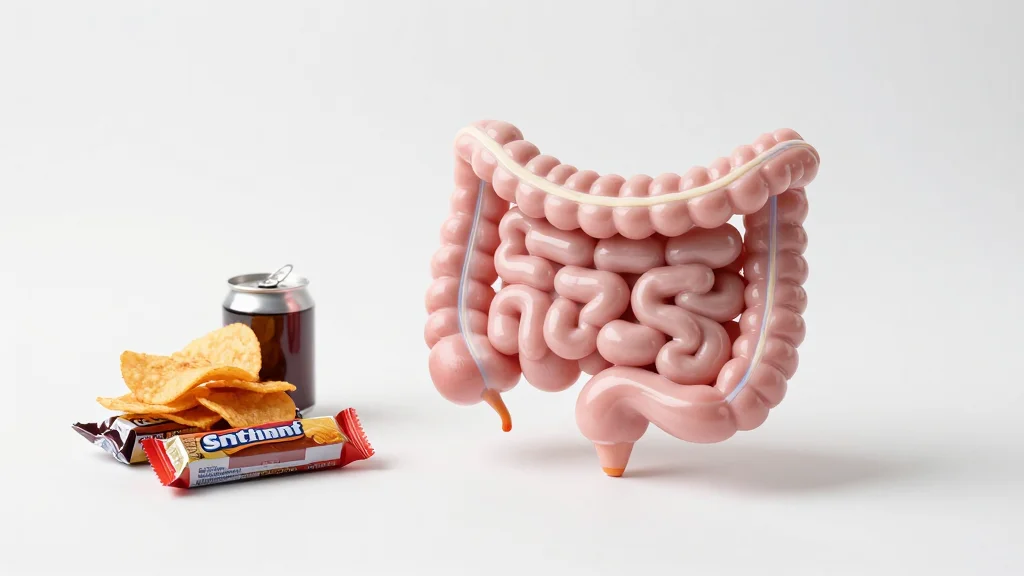
This Common Food Category Is Linked To Higher Crohn’s Disease Risk
New narrative review in Nutrients links higher consumption of ultra‑processed foods to increased risk of Crohn’s disease, while the association with ulcerative colitis is weaker. Observational studies and mechanistic research suggest additives like emulsifiers thin the gut mucus layer, disrupt...
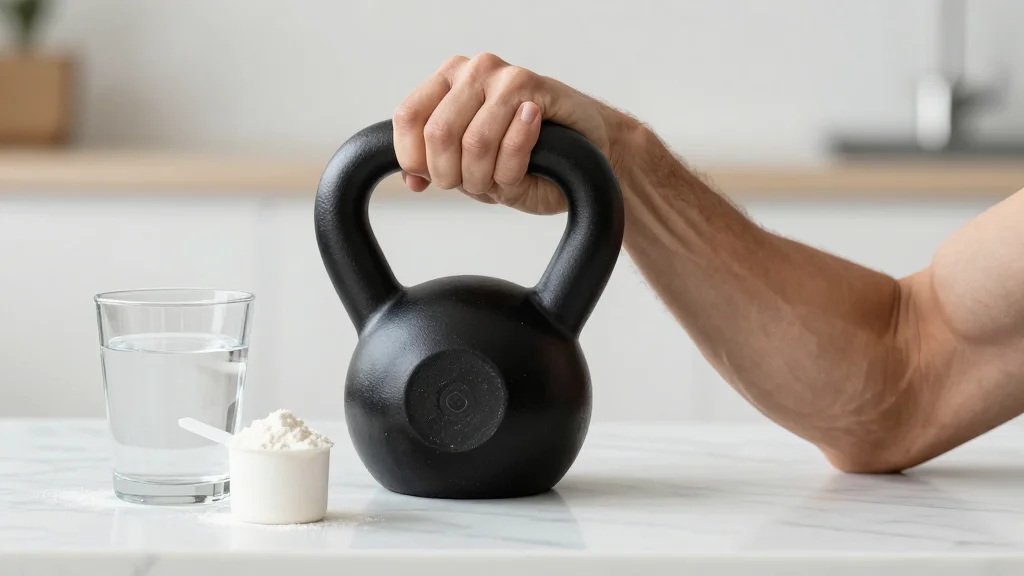
These 2 Habits Can Protect Muscle & Metabolic Health As You Age
A new research review underscores the two‑way link between skeletal muscle and blood‑sugar control, highlighting that preserving muscle through regular strength training and daily creatine supplementation can markedly improve metabolic health. The review cites a randomized trial where adults with...
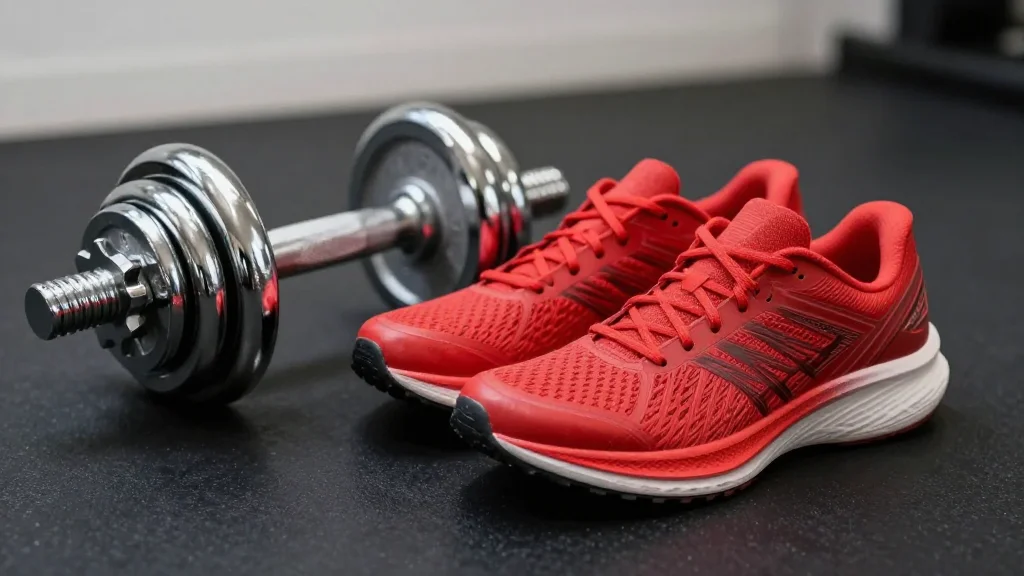
Sorry, But Your Strength Training Isn't Cardio — Here's Why It Matters
The article explains that strength training, despite raising heart rate, does not replace cardio because it stresses the body differently. Aerobic exercise provides sustained oxygen demand that improves VO₂ max and overall cardiorespiratory fitness, key predictors of longevity. Resistance training offers...
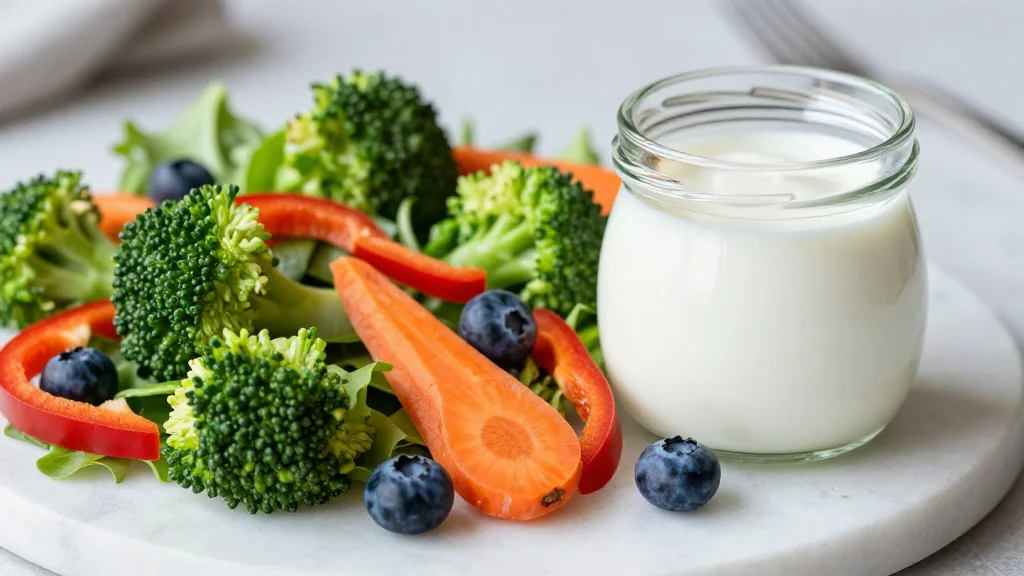
The Ultimate Gut-Health Grocery List To Boost GLP-1 Naturally
Microbiologist Colleen Cutcliffe explains that a healthy gut microbiome can naturally stimulate GLP‑1, the hormone that curbs appetite and stabilizes blood sugar. She highlights two key strains—Akkermansia muciniphila and Clostridium butyricum—as central to GLP‑1 production. By prioritizing fiber‑rich vegetables, polyphenol‑dense fruits,...

Research-Backed Treatments For Dark Spots, Crepey Skin & Sun Damage
Alexandra Engler outlines research‑backed interventions for sun‑induced skin concerns—including hyperpigmentation, crepey texture, wrinkles, and dullness—by explaining UV‑driven cellular damage and then pairing specific actives (tranexamic acid, niacinamide, AHAs, retinol) with in‑office procedures (IPL, ultrasound, red‑light, fractional laser, peels). The piece...
This “Bad” Fat In Dairy Is Not Linked To Heart Disease, Study Shows
A new systematic review and meta‑analysis found that naturally occurring trans fats in dairy do not worsen blood lipid markers or increase cardiovascular disease risk. The analysis covered ten randomized trials comparing high‑trans‑fat dairy to conventional products and twelve long‑term...
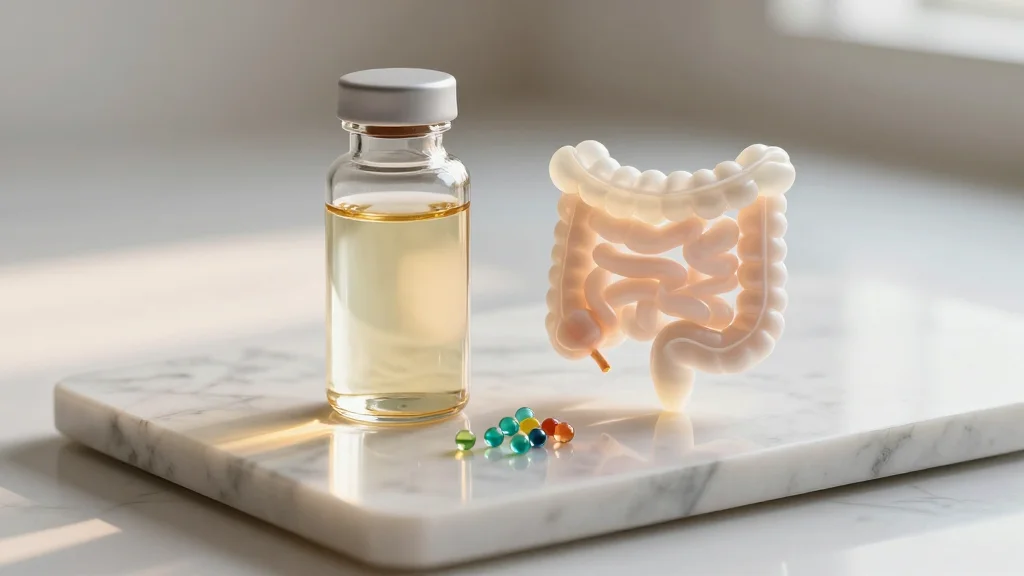
This Vitamin May Help “Retrain” The Immune System In Gut Inflammation
Researchers conducted a 12‑week trial in inflammatory bowel disease patients with low vitamin D, supplementing them daily. Multi‑omics analysis showed vitamin D boosted IgA activity while suppressing IgG, shifting the immune system toward tolerance of gut microbes. The supplement also redirected immune...
Meet The Newest Alternative To Caffeine — But Does It Work?
Paraxanthine, the main caffeine metabolite that makes up about 80% of caffeine breakdown, is being marketed as a cleaner, crash‑free stimulant. Early animal research, notably a 2023 rat study, shows a higher lethal dose and fewer adverse effects compared with...
Researchers Analyzed 234K Women — This Hormonal Pattern Signals Metabolic Risk
A large‑scale analysis of 234,000 women showed that early natural menopause raises the odds of metabolic syndrome by 27%. Researchers used electronic health records, excluded surgical or therapy‑induced menopause, and adjusted for body weight, race and medication use. The findings...
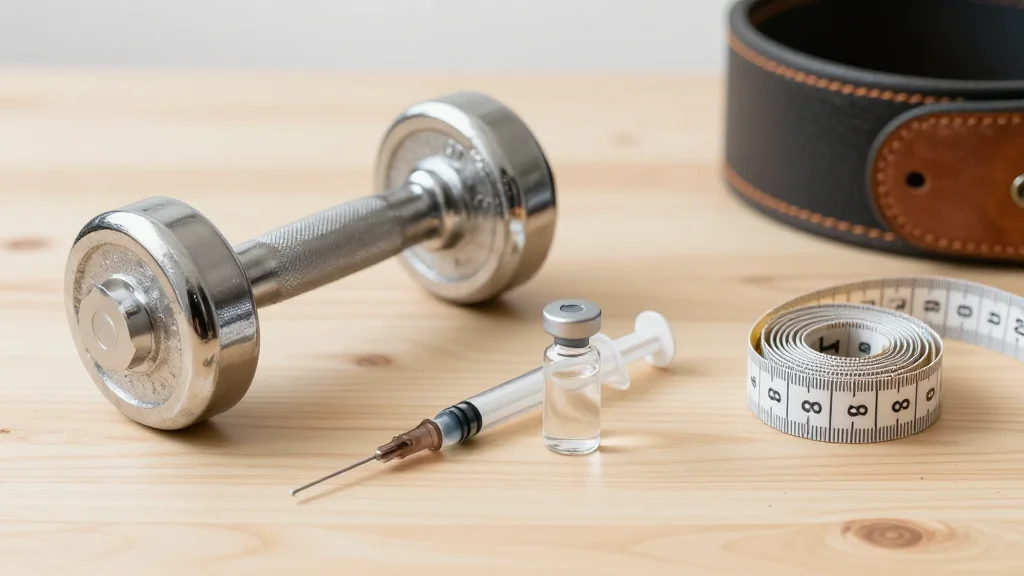
The Doctor-Approved Plan for Taking a GLP-1 Without Losing Your Muscle
Endocrinologist Rocío Salas‑Whalen outlines a three‑part “GPS” protocol to prevent muscle loss for patients on GLP‑1 obesity drugs. She notes that while GLP‑1s suppress appetite and promote fat loss, up to 10 % of total weight loss can be lean mass...
Can This Antioxidant-Rich Food Speed Up Recovery? Here’s What 28 Studies Found
A new scoping review examined 28 randomized controlled trials on tart cherry supplementation, focusing on performance, muscle‑strength recovery, and delayed‑onset muscle soreness. The analysis found the most consistent benefit was faster muscle‑strength recovery, likely due to the anti‑inflammatory anthocyanins in...
Want To Build Muscle? Most Women Are Missing This Nutrient (It’s Not Protein)
Women who lift weights often focus on protein, but many overlook carbohydrates, a critical fuel for muscle growth. Dr. Ana Kausel notes that over 80% of her female patients have tried low‑carb diets, leading to fatigue, cortisol spikes, and stalled...
This Heart Health Marker May Explain Why Exercise Improves Mood
A new analysis of over 16,000 NHANES participants finds that adults who meet the 150‑minute weekly exercise guideline have a 57% lower prevalence of depression. The study also shows that higher HDL cholesterol levels independently reduce depression odds. Mediation modeling...

Nearly 27% Of Women Experience This Pain, Yet Care Misses A Key Factor
A recent international study of 108 women with chronic pelvic pain revealed that self‑reported factors such as fatigue, sleep quality, anxiety, and pain catastrophizing differentiate pain experiences more effectively than traditional lab tests. Researchers identified three distinct clusters – whole‑body...

Sleep Loss Disrupts This Cognitive Function Most & Caffeine Reverses It
A recent animal study found that brief sleep deprivation selectively impairs hippocampal circuits responsible for social memory, increasing adenosine signaling and reducing synaptic plasticity. Continuous caffeine administration during the deprivation blocked adenosine receptors, restored synaptic function, and rescued performance on...

These 2 Lifestyle Habits May Help Night Shift Workers Live Longer
A UK Biobank study of 12,044 night‑shift workers tracked over 13 years found that regular moderate‑to‑vigorous exercise and adherence to a Mediterranean‑style diet dramatically cut mortality risk. Exercise alone lowered death risk by 32.3%, while the diet reduced it by...
This Antioxidant “Wakes Up The Brain” Similar To Exercise
A preclinical study published in Current Research in Food Science found that the astringent taste of flavanols—found in dark chocolate, tea, red wine and berries—activates brain alertness pathways in mice, producing effects similar to a mild workout. Mice given 25 mg/kg...
Research Finds This Dysfunction Could Be Fueling Alzheimer's Risk
Researchers at UC Irvine have discovered that dopamine levels in the entorhinal cortex of a mouse model of Alzheimer’s disease fall to less than one‑fifth of normal, leading to impaired neuronal signaling and memory loss. Restoring dopamine with direct infusion...
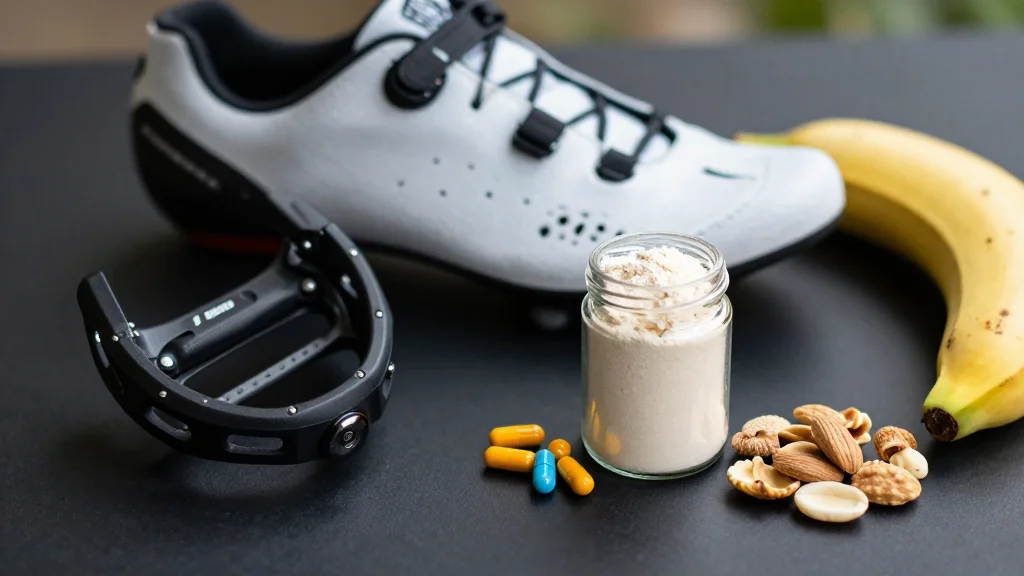
Getting Into Spinning Or Cycling? Research Says These Supplements Are Best
A recent systematic review led by Australian Olympian Sophie Edwards identified the top supplements that enhance cycling performance and accelerate recovery. The researchers highlighted beta‑alanine, caffeine, carbohydrates, creatine, electrolytes and several others for on‑bike fuel and fatigue resistance. For post‑ride...

Your Stress & Recovery Might Depend on This Relationship Behavior
A study of 80 romantic couples published in JAMA Psychiatry found that physical intimacy combined with intranasal oxytocin accelerated skin wound healing, whereas oxytocin alone or conversation alone did not. The effect was strongest when affectionate touch occurred alongside oxytocin,...

Feeling Overwhelmed? This Everyday Habit May Cut Anxiety Risk By Up To 50%
A new systematic review of more than 80,000 adults, published in the American Journal of Preventive Medicine, finds that regular physical activity dramatically lowers the likelihood of developing anxiety. Participants who exercised consistently showed a 13% reduction in any anxiety...
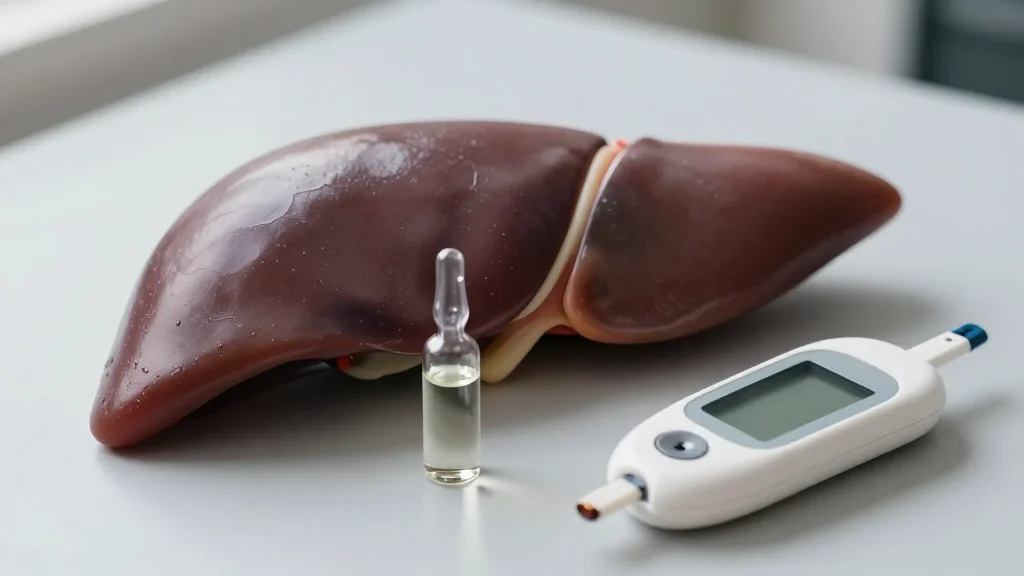
This Metabolic Disease Has Increased 143% Since 1990 & It's Not Diabetes
A new Lancet Gastroenterology & Hepatology analysis shows metabolic dysfunction‑associated steatotic liver disease (MASLD) has jumped 143% since 1990, affecting roughly 1.3 billion people in 2023. The surge is linked to rising fasting glucose, obesity and smoking, and deaths from MASLD...
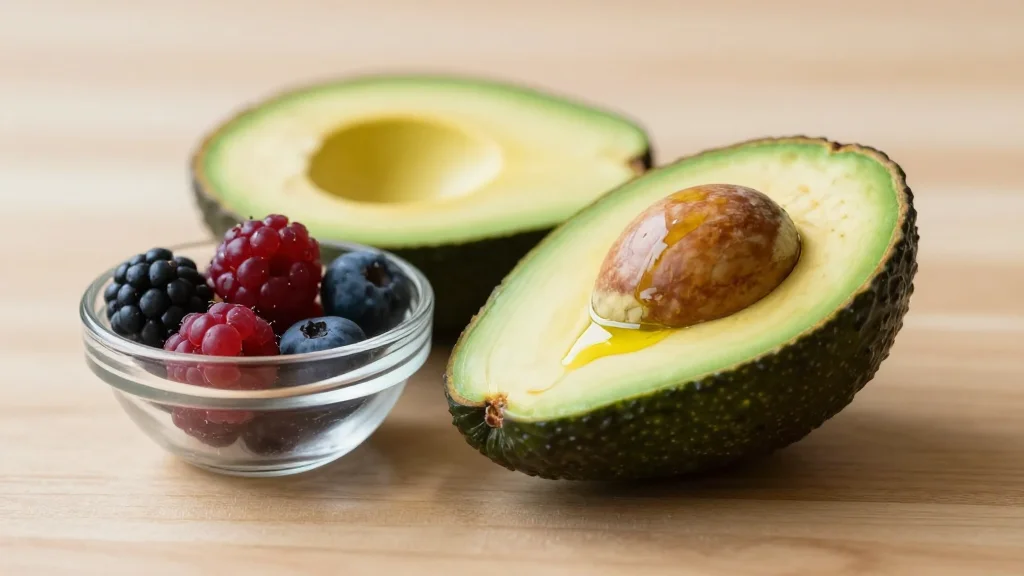
Eating This Fruit Daily May Help Stabilize Blood Sugar, Study Finds
A randomized trial of more than 1,000 adults with elevated waist circumference found that eating one large avocado each day for six months lowered dietary glycemic load by roughly 14 points compared with a control group limited to two avocados...
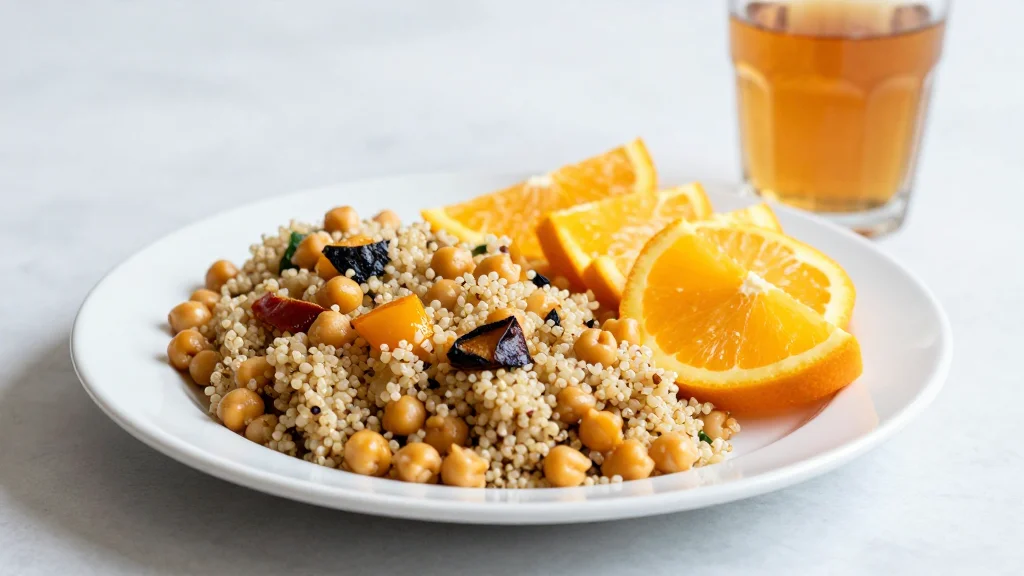
One Month Of These Simple Diet Shifts Can Reduce Your Biological Age
A recent study of 104 adults aged 65 to 75 found that four weeks of high‑carbohydrate or semi‑vegetarian diets can noticeably lower KDM‑derived biological‑age scores. Participants on an omnivorous high‑carb plan outperformed those on a high‑fat regimen, while semi‑vegetarian groups...
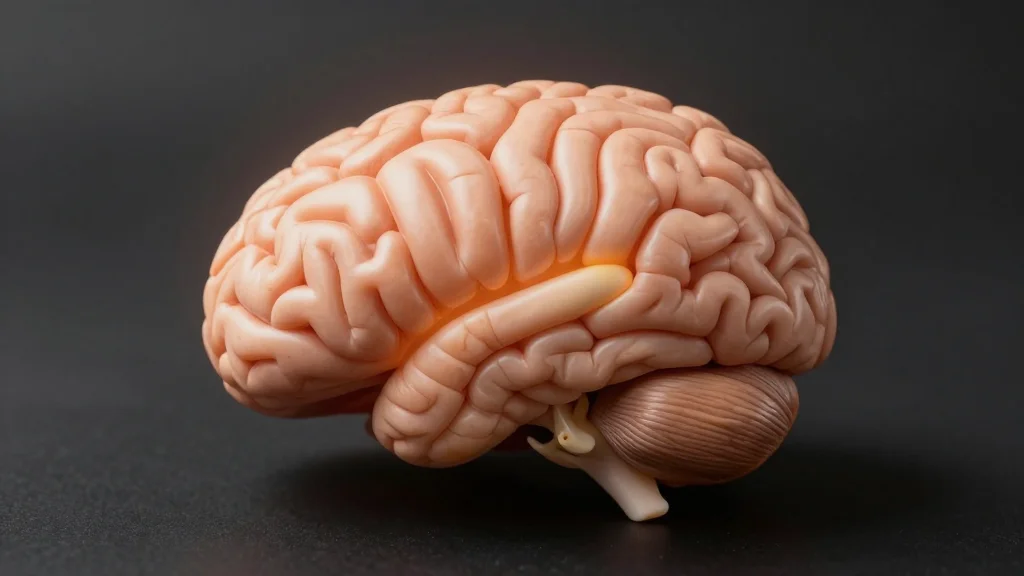
Menopause Literally Changes Brain Structure — Here’s What That Means
New research presented at The Menopause Society’s 2025 Annual Meeting confirms that menopause triggers measurable changes in brain structure, including temporary gray‑matter loss in the frontal, temporal and hippocampal regions and an increase in white‑matter hyperintensities linked to stress and...

Can You Live Longer By Drinking More Coffee? What A New Study Concludes
A new review in the journal Nutrients consolidates decades of cohort data, concluding that drinking roughly 3.5 cups of coffee daily (about 28 ounces) is associated with the greatest longevity benefit. The analysis links regular coffee intake to a 15% lower...

I Had Breast Cancer At 19 — Here’s What Healing Looked Like After Treatment
Actress Miranda McKeon was diagnosed with stage 3 breast cancer at 19, underwent double mastectomy, eight rounds of chemo, 25 radiation sessions and egg‑freezing, and has been cancer‑free since 2022. She now lives with ongoing hormone injections, occasional arm cramping, and fertility...
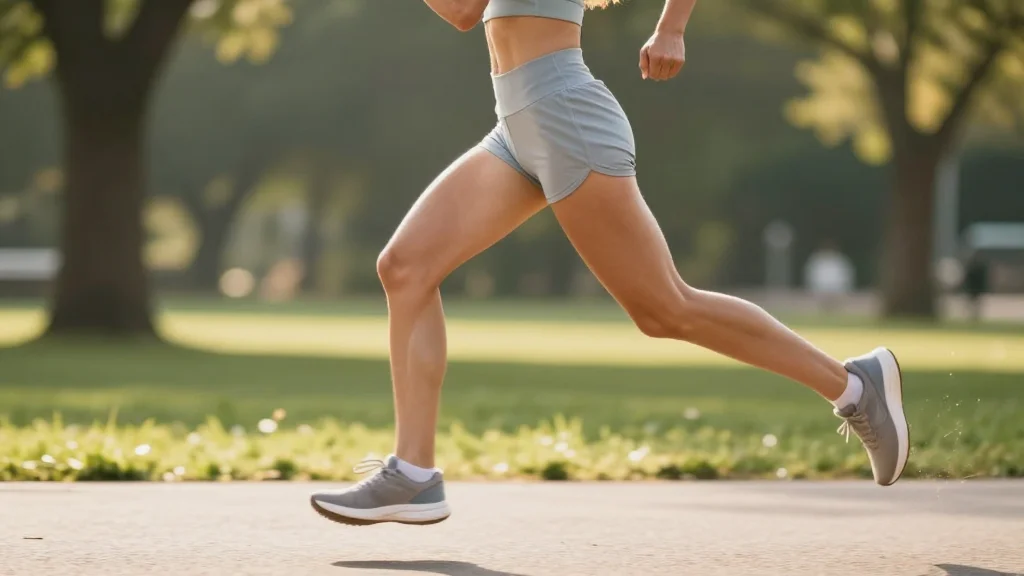
I Thought Longer Workouts Were Better — Until I Tried the 10-20-30 Method
Ava Durgin recounts swapping long, monotonous runs for the 10‑20‑30 interval protocol and Swedish fartlek, both of which deliver cardio gains in minutes. The 10‑20‑30 method mixes 30 seconds easy, 20 seconds moderate, and 10 seconds sprint, while fartlek adds...
How AI Helped Me Spot The Real Reason Behind My Afternoon Cravings
Health editor Ava Durgin experimented with an AI‑powered nutrition tool to gauge her daily protein intake without formal tracking. By jotting meals in a notes app and letting the AI estimate protein, she discovered that low protein at lunch correlated...
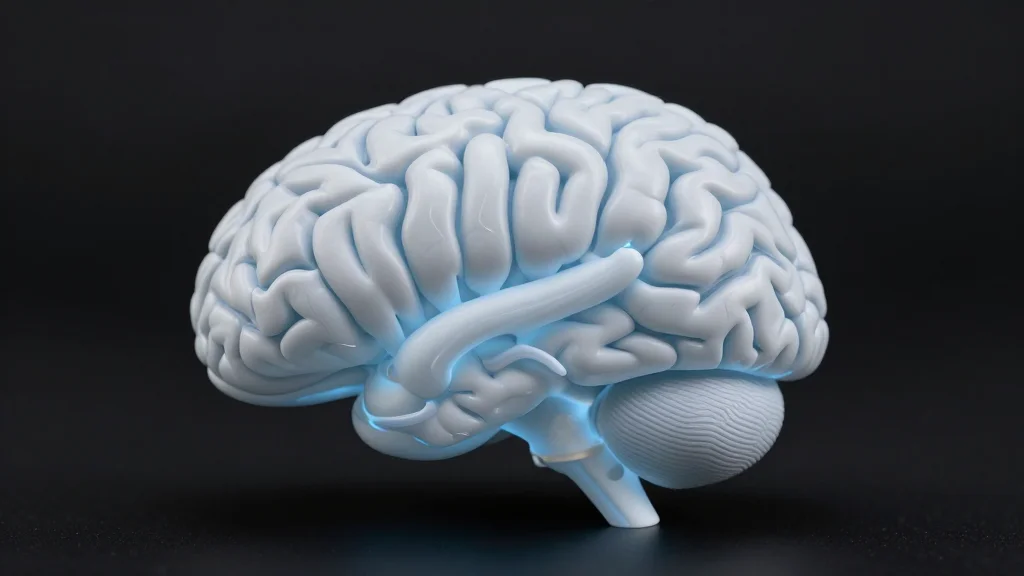
Scientists Can Now Measure Brain Aging — Here's What It Means For You
A UK Biobank study of 40,488 participants used the DTI‑ALPS MRI index to quantify glymphatic function, establishing it as a reliable biomarker of brain age. Better glymphatic clearance correlated with younger‑looking brains, longer telomeres, and superior cognition. The analysis identified...

The Unexpected Reason That Stress Management Matters In Pregnancy
A recent mouse study examined how maternal stress interacts with prenatal exercise to shape offspring metabolic health. Pregnant mice were placed in four groups—exercise only, sedentary, stress only, or both—and their offspring’s glucose tolerance and brown‑fat function were tracked into...
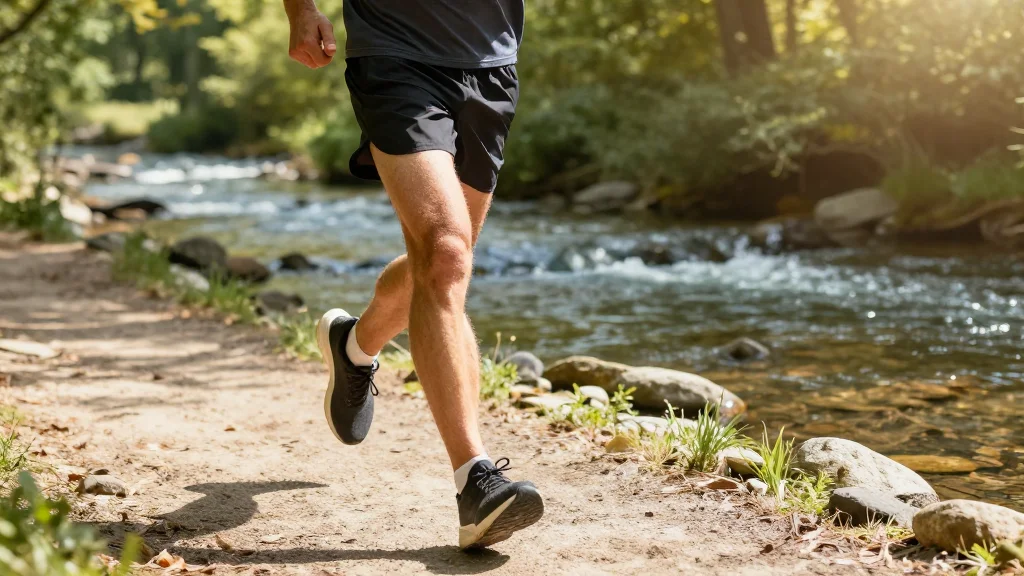
A Study Of 4 Million People Points To A Surprising Brain Health Predictor
A meta‑analysis of 27 cohort studies covering more than 4 million participants found that higher cardiorespiratory fitness, measured by VO₂ max, is associated with a 36 % lower risk of depression and a 39 % lower risk of dementia. The relationship held even when...
Take Melatonin Every Night? A New Study Warns Of This Surprising Risk
A five‑year observational study of 130,000 adults with insomnia found that nightly melatonin use was associated with a 90% higher risk of heart failure, a three‑fold increase in heart‑failure hospitalizations, and nearly double the all‑cause mortality rate compared with non‑users....
This Overlooked Mineral May Play A Role In Protecting Against Alzheimer’s
Physician‑scientist David Fajgenbaum highlights emerging evidence that lithium, a long‑used mood stabilizer, may protect against Alzheimer’s disease. Human post‑mortem studies show lower lithium in the prefrontal cortex of patients with mild cognitive impairment, while mouse experiments demonstrate that dietary lithium...
Colon Cancer Is Surging In Young Women — New 24-Year Study Points To Why
A 24‑year analysis of the Nurses’ Health Study II tracked 29,105 women under 50 and linked high consumption of ultra‑processed foods to a 45% increase in precancerous colorectal polyps. The women ate an average of 5.7 servings of such foods daily,...
This Little-Known Carb Can Help Your Sleep, Mood & Memory, Study Shows
Researchers conducted a 12‑week, double‑blind trial giving 5 grams of partially hydrolyzed guar fiber (PHGG) daily to 59 adults over 60. Compared with placebo, participants showed improved visual‑memory scores, better sleep initiation and maintenance, and heightened vigor with reduced confusion. The...

Hot Flashes, Joint Pain & Mood Swings? This Common Herb Helped With All Three
A triple‑blind clinical trial in Iran tested 100 mg chamomile capsules taken four times daily for 12 weeks in 80 postmenopausal women. The study found statistically significant reductions in vasomotor symptoms, mood disturbances, joint pain, and urological issues compared with placebo....

Treadmill Vs. Dumbbells — One Is Dramatically Better For Blood Sugar
A new preclinical study using mice on a high‑fat diet found that resistance training outperformed running in improving insulin sensitivity and reducing both visceral and subcutaneous fat. Over eight weeks, weight‑trained mice showed superior glucose tolerance and molecular adaptations that...
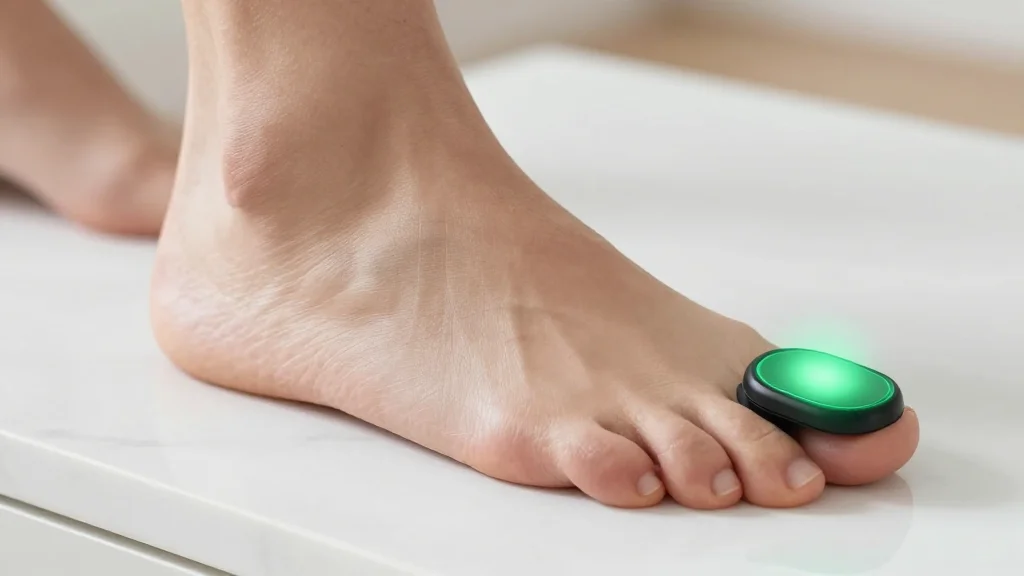
7 Tips To Optimize Your Walks & Improve Healthspan All At Once
Chiropractic physician Courtney Conley, co‑author of the new book *Walk*, outlines seven biomechanical and timing tweaks that turn ordinary strolling into a health‑optimizing habit. She stresses natural arm swing, upright posture, soft heel‑to‑toe roll, and a brisk cadence of 130‑135 steps...
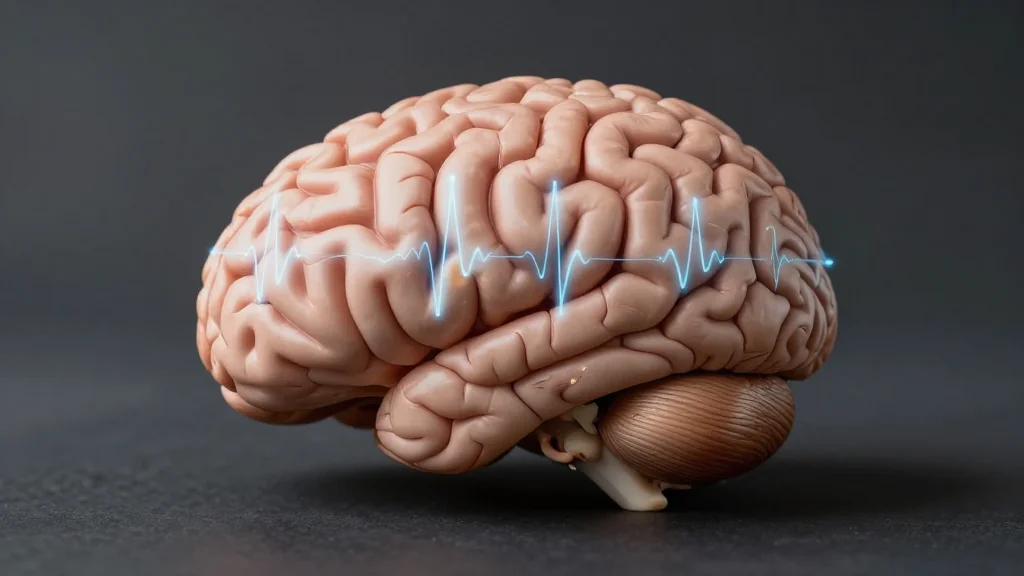
The #1 Predictor Of Cognitive Decline, Backed By 20 Years Of Data
Researchers at the Mayo Clinic have unveiled a risk calculator that predicts a person’s chance of developing mild cognitive impairment or dementia up to ten years in advance, using age, sex, APOE ε4 genotype and PET‑measured brain amyloid. The analysis of...
What Really Drives Body Recomposition — And It’s Not More Cardio
Recent fitness research debunks the myth that cardio alone drives fat loss, highlighting nutrition—especially protein—and resistance training as the primary levers of body recomposition. Adequate protein supports muscle preservation while calorie balance fuels fat reduction. Strength training signals the body...
Reproductive Organs Age Differently—Now Science Can Track It
Researchers in Barcelona used AI to create the first large‑scale map of how seven female reproductive organs age, analyzing over 1,100 tissue images from 304 women aged 20‑70. The study found that ovaries and vagina age gradually years before menopause,...
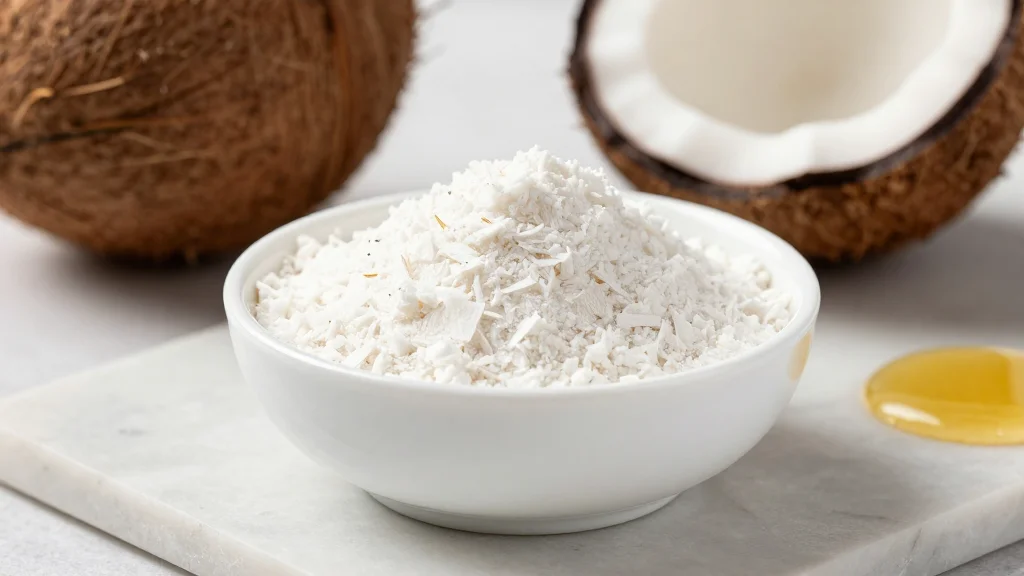
Why Coconut Flour May Be The Very Thing Your Baking Projects Need
Coconut flour is gaining traction as a gluten‑free alternative for bakers, thanks to its light texture, natural sweetness, and high fiber content. Per quarter‑cup it delivers 10 g of fiber, 6 g of protein, and 20 % of the daily iron value, while...
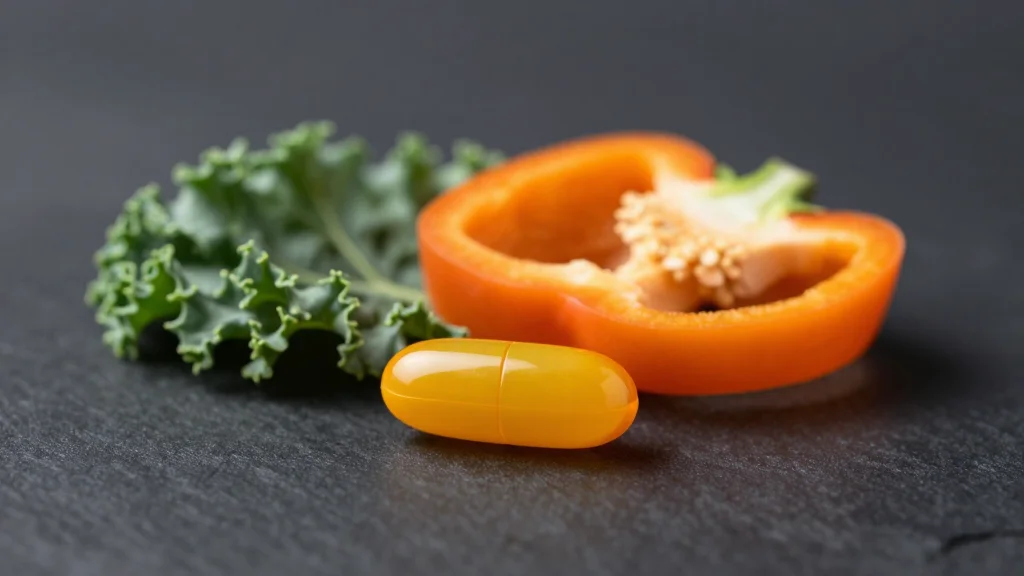
This Surprising Nutrient Could Supercharge Your Immune System
A recent pre‑clinical study reveals that zeaxanthin, the carotenoid best known for eye health, can markedly enhance T‑cell activity and slow tumor growth in mouse models. The nutrient strengthens the T‑cell receptor complex, improving immune cells’ ability to recognize and...
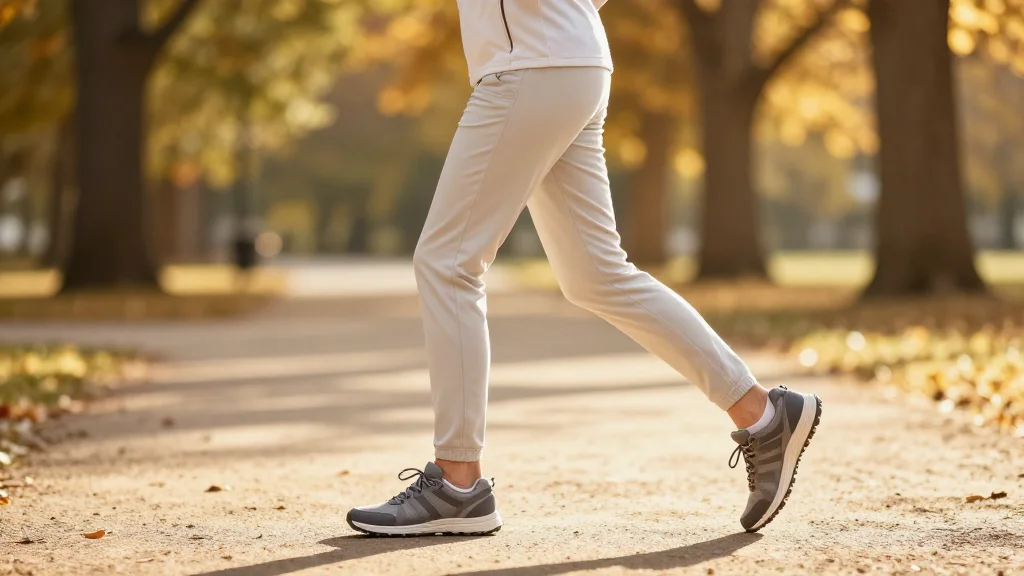
New Study Shows Doing This During Your Walk Can Boost Strength & Stamina
A recent 12‑week study of roughly 100 frail and prefrail seniors found that increasing walking cadence by just 14 steps per minute – roughly a 10‑15% boost – markedly improved functional performance on the 6‑minute walk test. Participants who walked...

The Real Predictor Of Longevity Isn’t At All What You’d Expect
A new analysis of the Framingham Heart Study tracked 3,231 adults for roughly 25 years and then followed health outcomes for a median of 28 years. By aggregating participants’ Life’s Essential 8 scores across the entire period, researchers created a cumulative...

This Small Change At Home Improved Brain Performance In Just 4 Weeks
A randomized crossover study of 119 adults aged 30‑74 found that using a HEPA air purifier at home for one month improved executive‑function speed by 12% in participants over 40, compared with a sham device. The improvement was measured with...