
A Happiness Researcher Shares 6 Ways You Can Boost Connection This Week
Happiness researcher Sonja Lyubomirsky reveals that simple social habits—like genuine curiosity, acts of kindness, and deeper conversations—can boost feelings of connection and measurable happiness within a week. Her new book, *How To Feel Loved*, distills decades of lab‑tested interventions into six actionable steps, each designed to increase perceived love and well‑being. The core insight is that connection, not material gain, drives lasting happiness. Lyubomirsky recommends a 15‑minute, small‑talk‑free dialogue as a quick, science‑backed happiness hack.

This Diet Was Linked To Less Psychological Distress In Just 12 Weeks
The MoodFood pilot study enrolled 122 adults in a 6‑ to 12‑week online Mediterranean‑style diet program and measured psychological distress and wellbeing before and after. Ninety‑six participants reported lower distress scores, and overall wellbeing improved, despite diet adherence showing no...
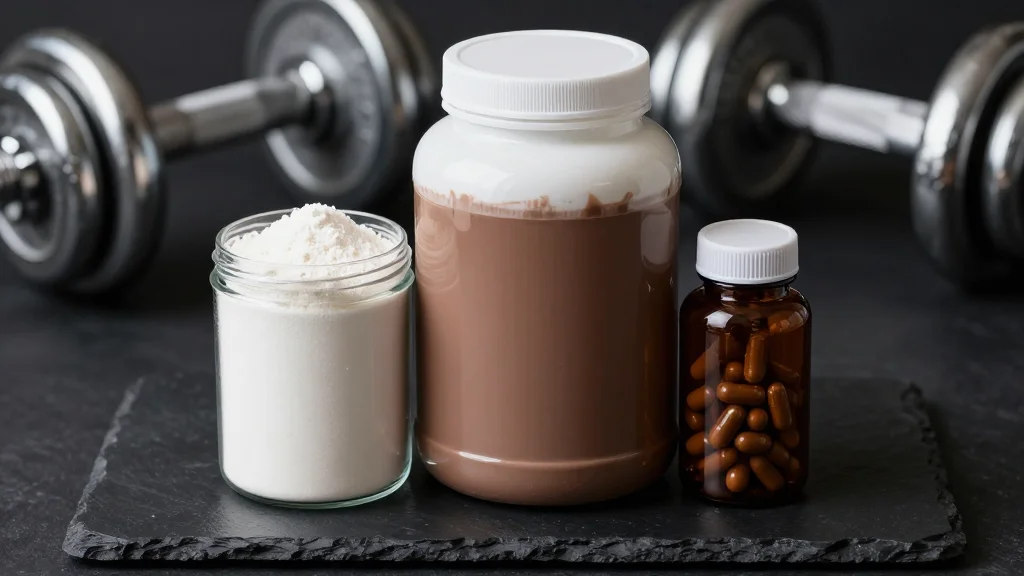
If You Exercise 5+ Times A Week — These Supplements Should Be In Your Stack
The article outlines three science‑backed supplements—creatine, whey protein, and magnesium—that can enhance performance for anyone exercising five or more times a week. Creatine at 5 g daily helps build lean muscle, boost strength, and even aid older adults in preserving mass....

Formal Workouts Vs Everyday Activity — What 300,000 Check-Ins Reveal
Researchers conducted a meta‑analysis of 67 datasets across 14 countries, tracking over 8,000 participants and 321,000 real‑time mood check‑ins via fitness trackers. The findings show that everyday movement—such as walking, stair climbing, or brief activity breaks—correlates with modest but consistent...
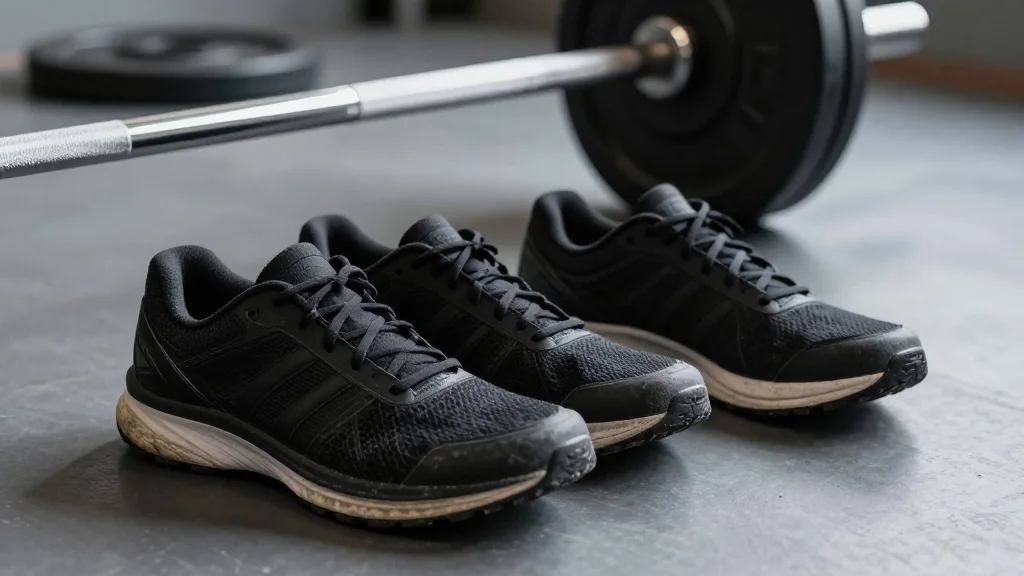
New To Strength Training? Avoid These 4 Progress-Killing Mistakes
The article outlines four common mistakes that stall progress for beginners in strength training: wearing running shoes for lifts, skipping warm‑up and cool‑down, training without a structured plan, and selecting inappropriate weights. It explains how each error compromises biomechanics, injury...
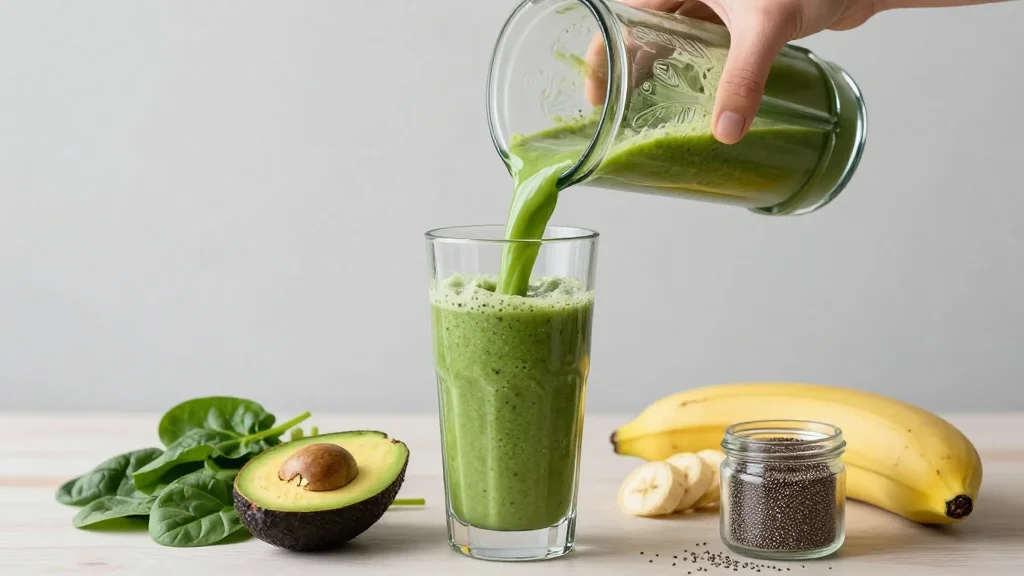
Is Your Omega-3 Intake High Enough? What Women 40+ Need to Know
Nearly 95% of Americans fall short on omega‑3s, a shortfall that becomes critical for women over 40. As estrogen declines during perimenopause, cardiovascular risk rises, but EPA and DHA can counter inflammation and support healthy blood vessels. Cognitive research shows...

Feel Like You’ve Lost Yourself? These 6 Expert Tips Can Help
The article, authored by Tamara Frankfort Odinec of My Next Chapter, outlines six practical strategies for adults who feel disconnected from their true selves. It emphasizes naming emotions, decoupling feelings from impulsive actions, rebuilding self‑trust, setting personal growth goals, establishing...

New Research Says This Everyday Exposure Drives Faster Biological Aging
A large European study of over 330,000 participants found that long‑term exposure to fine particulate matter (PM₂.₅), coarse particles (PM₁₀) and nitrogen dioxide (NO₂) accelerates biological aging. Faster cellular aging accounted for 11.5%‑52.3% of the link between pollution and all‑cause...
Could A Nasal Spray Reverse Brain Aging? What A New Study Reveals
A Texas A&M study shows a nasal spray packed with extracellular vesicles (EVs) carrying micro‑RNAs can slash neuroinflammation, revive neuronal mitochondria, and boost memory in mice after just two doses. The intranasal route bypasses the blood‑brain barrier, delivering the cargo...

These 4 Nutrients Are Consistently Linked To A Better Mood, Study Shows
A new study of 5,068 U.S. adults published in Nutritional Psychiatry found that higher intake of four nutrients—fiber, folate, magnesium, and selenium—was consistently associated with lower depressive symptoms. Participants with the highest consumption of each nutrient showed 23‑40% reduced odds...
This Unexpected Body Part Could Reveal Early Signs Of Bone Loss
A new AI system called RetiAGE analyzes retinal photographs to estimate biological age and predict osteoporosis risk. The study, which examined 1,965 older adults in Singapore and 43,938 participants from the UK Biobank, found that eyes appearing older than a...

How Much Can Better Sleep Lower Cancer Risk? What A New Study Reveals
A large UK Biobank study of 472,105 adults linked healthier sleep patterns to markedly lower risks of several cancers, especially gastrointestinal tumors. Researchers created a five‑component sleep health score and identified a 303‑protein "sleep proteomic score" that explained the risk...
This 2-Nutrient Combo Can Support Mitochondrial & Muscle Health
A recent review of glycine and N‑acetylcysteine (NAC) supplementation finds the duo can boost glutathione production, reduce oxidative damage, and improve mitochondrial function. Across human and animal studies the combination showed modest gains in muscle strength, insulin sensitivity, and even...
Your Bloodwork May Reveal Diseases Years Before Symptoms Start
A UK Biobank analysis of 23,776 adults measured nearly 3,000 blood proteins and 159 metabolites, showing that protein‑based models outperformed traditional risk factors for 16 of 17 chronic diseases. The proteomic signatures flagged disease risk years before participants received a...
The Best Food For Brain Power? Science Points To This Everyday Snack
A recent study found that a walnut‑rich breakfast (about 50 g) sharpens cognitive performance in healthy adults aged 18‑30. Participants showed faster reaction times, EEG patterns linked to focus, and steadier blood glucose over six hours. The research highlights walnuts’ omega‑3,...
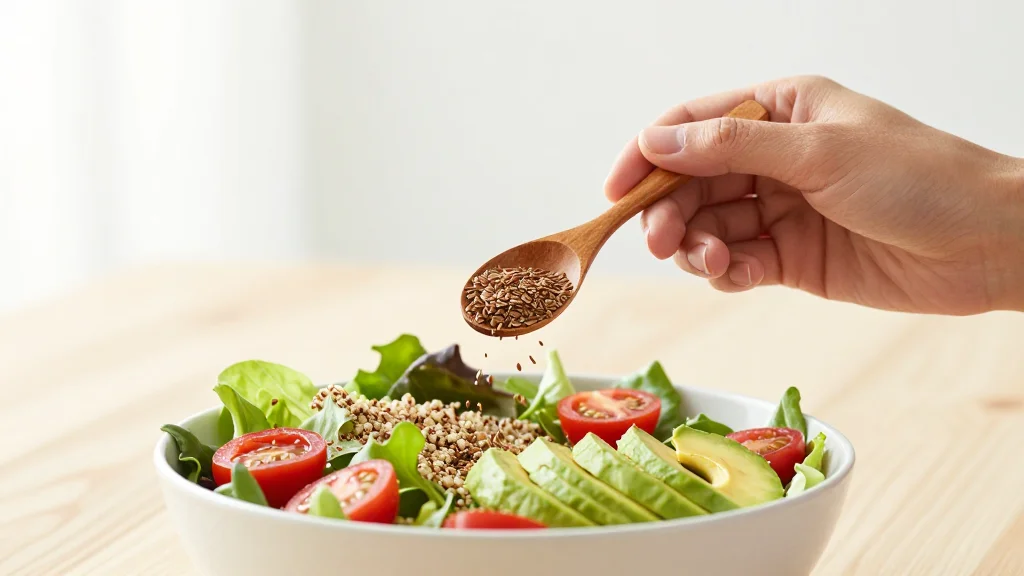
This Nutrient Improved Bone & Inflammation Markers In Female Runners
A pilot study in Frontiers in Nutrition examined daily 20 g collagen peptide supplementation in 22 premenopausal female endurance runners who log at least 35 miles per week. Over four weeks, the collagen group showed a 5.1% rise in the bone‑formation...

What Training For HYROX At 46 Taught Me About My Physical Potential
Colleen Wachob, co‑founder and co‑CEO of mbg, tackled her first HYROX competition at age 46, blending high‑intensity cardio with functional strength. She rebuilt her running base with twice‑weekly 5‑mile sessions, hit zone 4‑5 heart rates, and adjusted her diet to include...
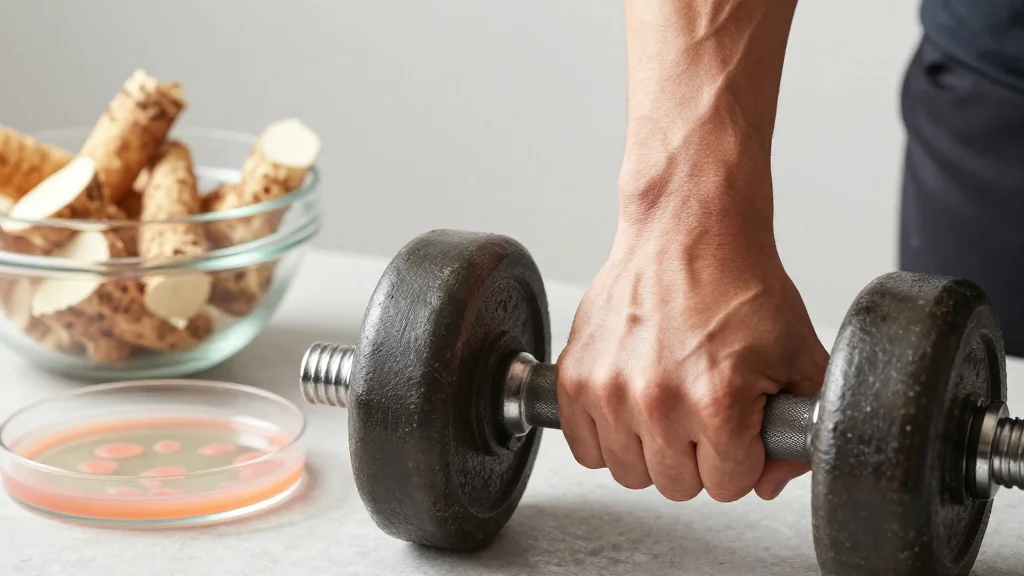
This One Type Of Gut Bacteria Is Linked To 29% Greater Muscle Strength
Researchers published in the journal Gut identified the gut bacterium Roseburia inulinivorans as a strong correlate of muscle strength. In a cohort of 90 young adults and 33 seniors, the presence of the microbe was associated with a 29% increase...

Want a Healthier Microbiome? Add This Type Of Food To Your Plate
A new scientific review confirms that fermented foods such as yogurt, kimchi, sauerkraut and kefir deliver measurable health benefits. The analysis links regular consumption to reduced inflammation, improved metabolic markers, lower perceived stress, and a healthier balance of gut bacteria...
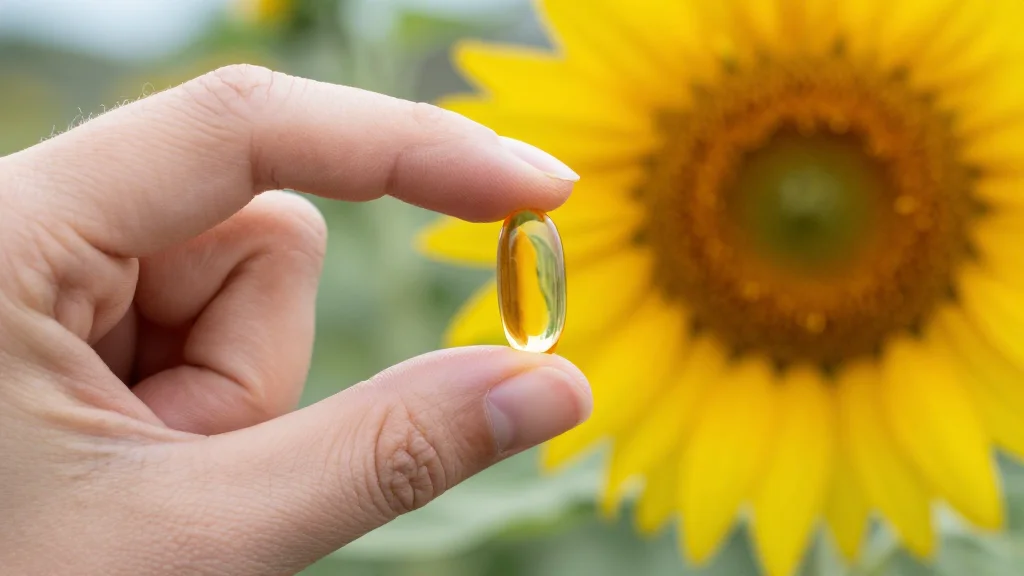
If You Have A Longer Menstrual Cycle, You May Be Low In This Vitamin
A recent cross‑sectional study of 449 women with polyendocrine metabolic ovarian syndrome (PMOS) found a strong link between vitamin D status and menstrual cycle length. Women deficient in vitamin D (<20 ng/mL) experienced prolonged cycles at a rate of 87.2%, versus 70% for...

New Study Reveals This Hidden Source Of Poor Memory & Brain Fog
A new Canadian study of 6,878 adults aged around 58 linked higher long‑term exposure to PM2.5 and nitrogen dioxide with poorer performance on memory, attention and processing speed tests. MRI scans revealed subtle vascular brain injuries in participants with higher...

Your Guide To Perimenopause: What To Expect & How To Feel Your Best
Perimenopause, the five‑to‑seven‑year hormonal transition before a woman’s final period, typically begins in the mid‑40s and can last an average of four years, though some women experience it for up to a decade. Experts cite genetics, estrogen fluctuations, ethnicity, smoking,...
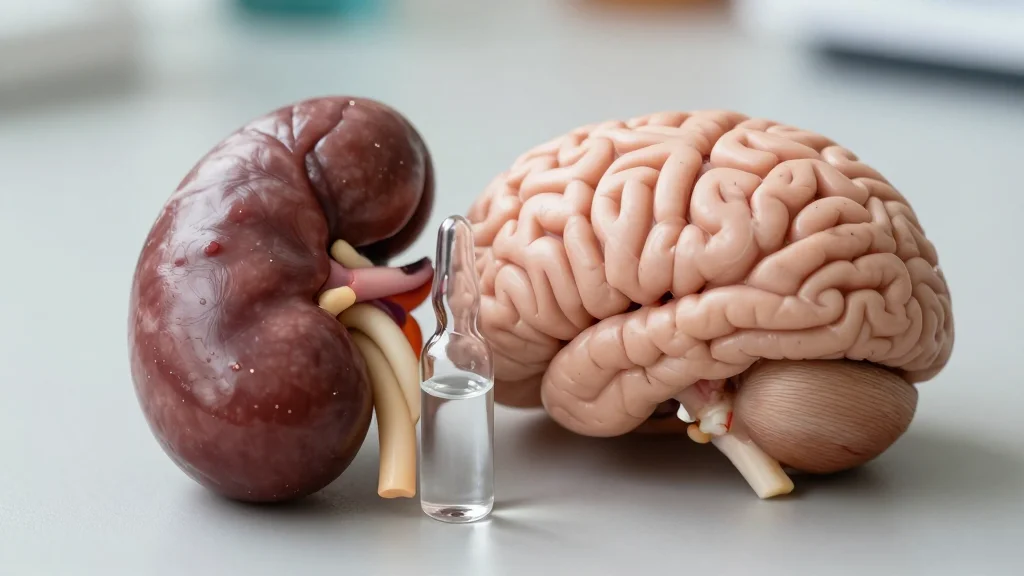
The Overlooked Organ That Could Be Hiding Your True Alzheimer’s Risk
A new Neurology study of over 2,000 seniors found that reduced kidney function, measured by eGFR, significantly raises blood levels of Alzheimer’s biomarkers such as tau, amyloid‑beta, and especially neurofilament light chain. The elevation persists even after excluding participants who...

7 Sleep Myths Experts Say Are Wrecking Your Rest (& What To Do Instead)
A new expert‑led study in Sleep Health catalogued seven pervasive sleep myths, from the belief that five hours of rest is sufficient to the idea that alcohol improves sleep quality. Researchers rated each myth’s falseness and highlighted the physiological harms...

Make Your Brain Age In Reverse With This Nutrient (& Women Benefit Even More)
A recent study links higher dietary magnesium to healthier brain aging, showing larger hippocampal volumes and fewer white‑matter lesions. Participants consuming at least 550 mg of magnesium daily had brain volumes equivalent to being one year younger than those with typical...
New Research Reveals A Little-Known Way Coffee Affects The Brain
A recent double‑blind crossover study found that a single 200 mg dose of caffeine – roughly two 8‑ounce cups of coffee – enhances sensory‑motor integration in the brain, as measured by short‑latency afferent inhibition (SAI). The improvement was detected only with...

This Diet May Help Build Cognitive Resilience As You Age, Study Shows
A new study in Frontiers in Nutrition examined 66 older adults and found that adherence to the MIND diet mitigates the cognitive impact of age‑related brain changes such as white‑matter lesions and cortical loss. Participants with higher MIND scores performed...
This Many Hours Of Sleep Is The Sweet Spot For Healthy Aging
A new Nature study using UK Biobank data found a U‑shaped link between sleep duration and biological aging. The smallest gaps between biological and chronological age occurred with 6.4‑7.8 hours of sleep, varying slightly by sex. Both short (8 hrs) sleep were...

Stop Overlooking This Vitamin When It Comes To Muscle Health
New research from Cornell and the University of Alabama at Birmingham shows that vitamin B12 deficiency impairs muscle mitochondria, reducing energy output by roughly 25% in mice. Deficient animals also exhibited a tenfold increase in mitochondrial DNA errors, while weekly...
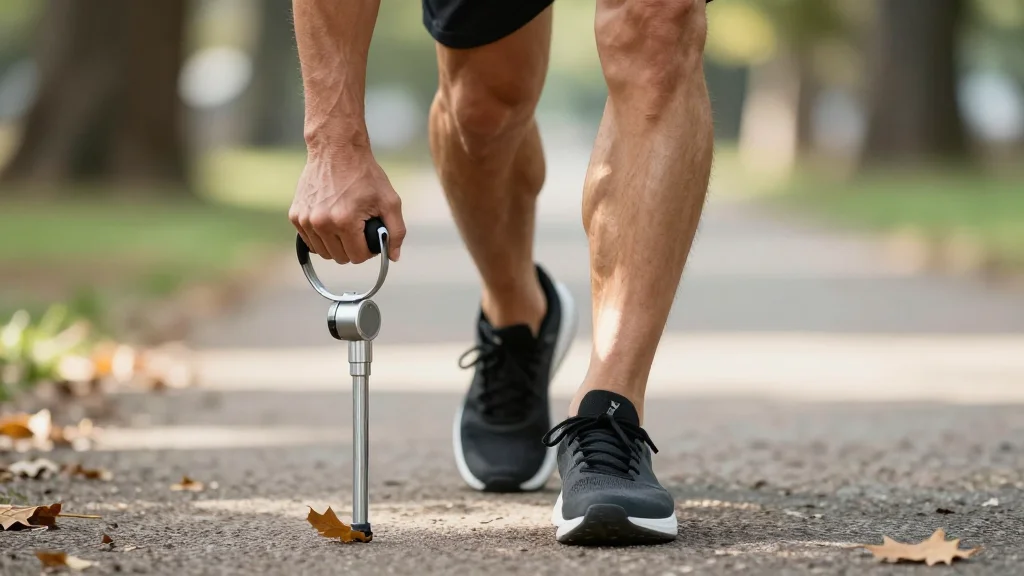
3 Physical Markers Beyond Blood Pressure That Can Predict Stroke Risk
A new UK Biobank analysis of 483,000 participants over 14 years identifies three simple physical markers—walking pace, grip strength, and muscle mass—that independently predict stroke risk. Slow walkers face a 64% higher risk, each 5 kg loss in grip strength adds...

170K People Were Tracked for 30 Years & This Type of Exerciser Lives Longest
A BMJ Medicine study tracked 170,000 adults for over 30 years and found that exercising a wider range of activities, not just more hours, is linked to longer life. Participants who regularly mixed cardio, strength and flexibility saw up to...
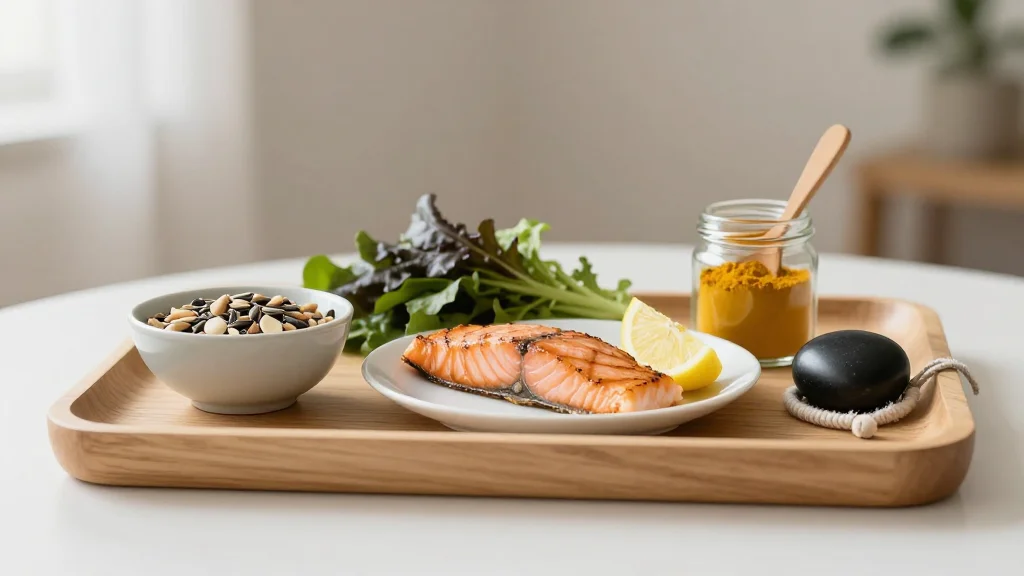
These 10 Nutrients Are A Must For Healthy Aging — Are You Getting Enough?
A new nationwide analysis reveals that most Americans, even those who consider their diets "healthy," fall short on ten key nutrients linked to healthy aging. The study found 21 of 24 examined micronutrients were under‑consumed, with Vitamin D, Vitamin E, calcium, magnesium...

These 2 Dietary Patterns Reduce Liver Disease Risk By Almost A Third
A new meta‑analysis of global studies finds that higher scores on the Healthy Eating Index (HEI) and the Alternative Healthy Eating Index (AHEI) are linked to roughly a 30% lower risk of chronic liver diseases, including MASLD, fibrosis, cirrhosis and...
What Brazilian Supercentenarians Can Teach Us About Living To 110
Brazilian researchers examined over 100 centenarians, including 20 supercentenarians, uncovering three biological advantages—robust protein maintenance, resilient immune function, and rare protective gene variants. These elders often live without advanced medical care, highlighting lifestyle and genetic factors that sustain health into...

Why Consistency Beats Perfection When It Comes To Healthy Aging
A May 2026 JAMA Network Open study of 207 adults, average age 68, linked stronger, more regular circadian rhythms to slower epigenetic age acceleration measured by GrimAge and PhenoAge. Participants wore wrist devices for a week, allowing researchers to map rest‑activity...
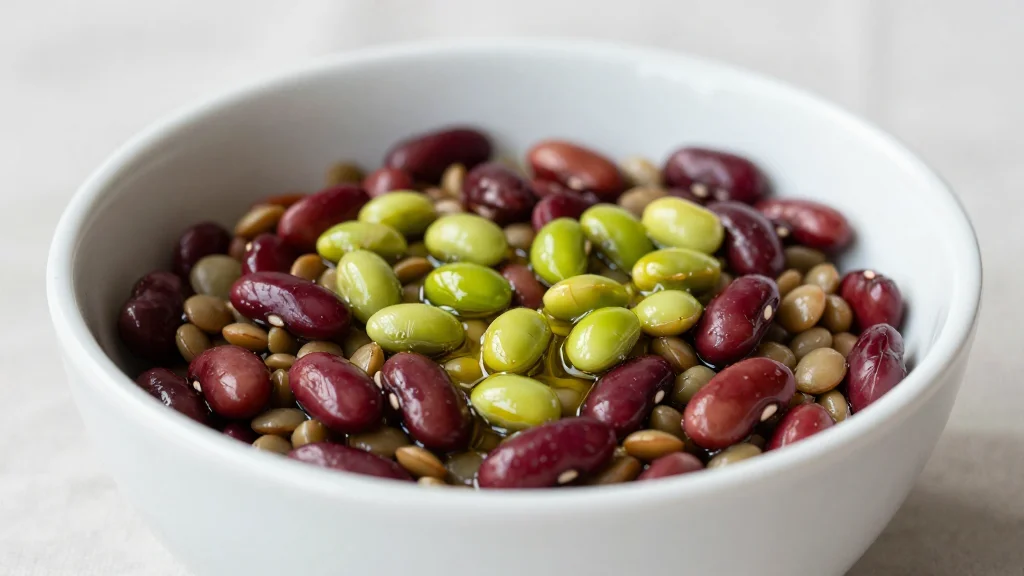
Can Beans Lower Blood Pressure? What Data From 300K People Shows
A new BMJ Nutrition meta‑analysis of 12 studies covering over 300,000 people finds that higher legume and soy consumption is linked to substantially lower hypertension risk. The highest legume eaters saw a 16% risk reduction, while soy intake cut risk...
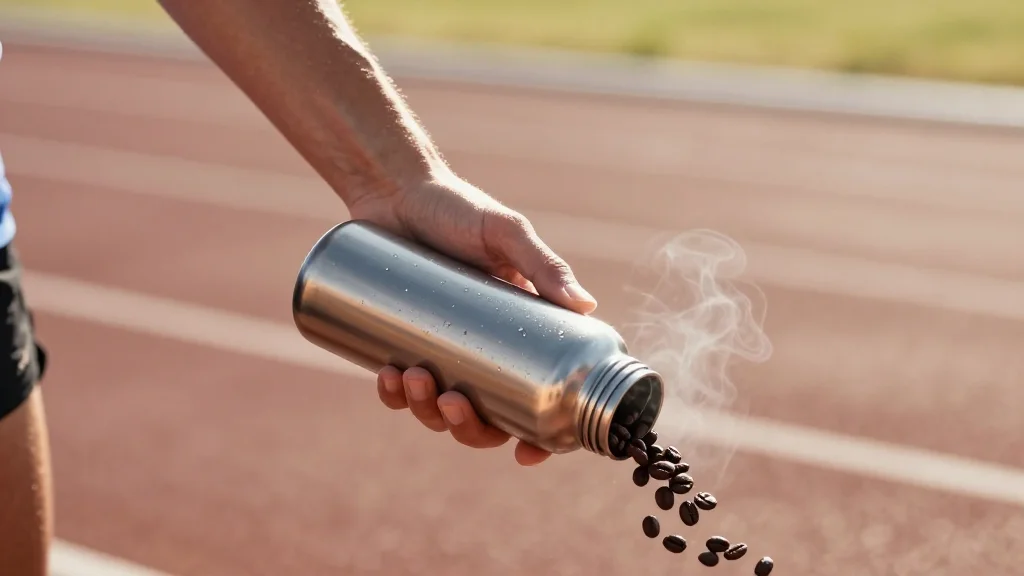
Feeling Drained During Hot Workouts? Drinking This Beforehand Can Help
A recent double‑blind study with 17 trained athletes shows that caffeine taken before exercise can counteract the performance drop caused by heat. Participants ingested either a placebo, 3 mg/kg, or 6 mg/kg of caffeine 60 minutes before workouts at 92 °F, with the...

126 Minutes of Jumping Later — What It Did For My Lymphatic, Muscle & Bone Health
Assistant health editor Ava Durgin spent three weeks doing a six‑minute daily jumping routine to test its promised lymphatic‑drainage benefits. The sequence, inspired by Qigong, combines body jumps, hip turns, trunk twists, arm movements and waves to stimulate fascia and...

Coffee Impacts Mood, Memory, Stress, & Anxiety — And It’s Not Just Caffeine
A randomized crossover trial examined how both caffeinated and decaffeinated coffee affect mood, cognition, and the gut microbiome in healthy adults. Participants experienced lower stress, reduced depressive symptoms, and improved memory after coffee re‑introduction, regardless of caffeine content. Decaf uniquely...

Coffee Drinkers, This Is Reassuring News for Your Brain
A new JAMA study of 131,821 adults found that drinking 2–3 cups of caffeinated coffee or 1–2 cups of caffeinated tea each day is associated with a lower risk of dementia and slower cognitive decline. The protective link appears tied...

This Many Hours Of Sleep Keeps Your Brain Younger, Study Finds
Researchers analyzing data from over half a million adults found that sleeping 7–9 hours per night is linked to the healthiest brain structures. Participants who consistently slept less than seven hours showed increased white‑matter damage, while those exceeding nine hours...
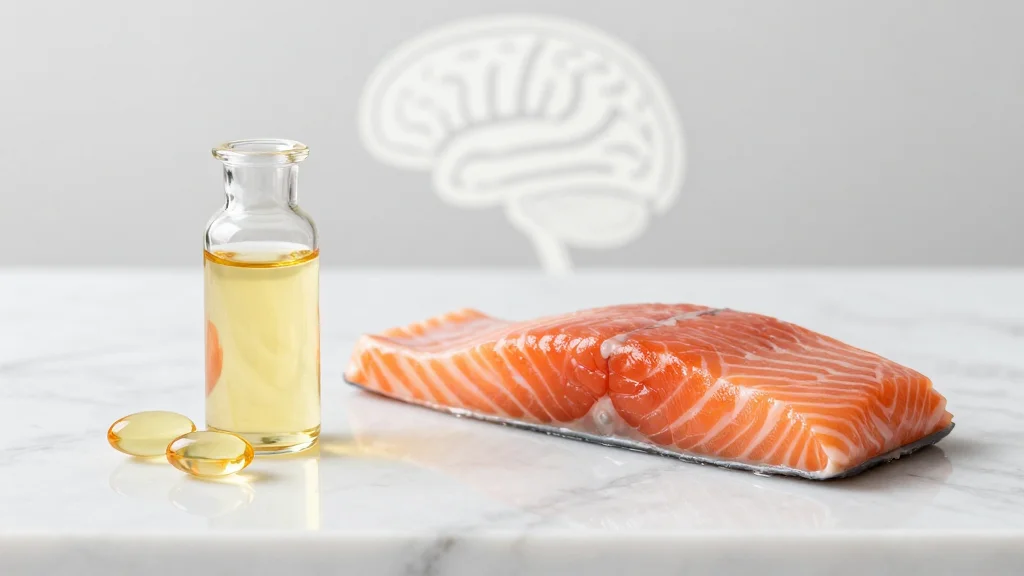
This Brain-Focused Nutrient Supports Cognitive Function & Longevity*
Docosahexaenoic acid (DHA), a key omega‑3 fatty acid, comprises the majority of the brain’s fat and is essential for neuronal membrane integrity, memory, and neuroprotection. Clinical studies link DHA intake to better problem‑solving in infants, improved cognition in school‑age children,...

A Therapist Explains What To Do When You Kid Makes A Mistake
Therapist Lia Avellino advises parents to pause and connect with their own emotions before correcting a child’s mistake. She recommends replacing immediate judgment with curiosity, using natural consequences, and prompting critical‑thinking questions to build self‑awareness. Avellino also stresses timing feedback...
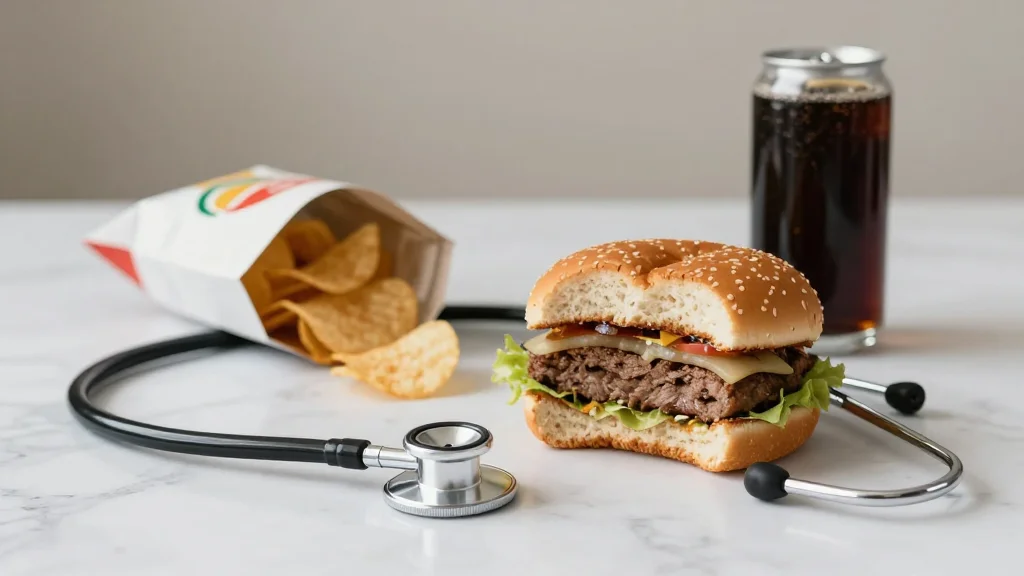
These “Healthy” Foods You Eat Daily Are Linked To 65% Higher Heart Risk
A new consensus report from the European Society of Cardiology, synthesizing a decade of research, links high consumption of ultra‑processed foods (UPFs) to a 65 % higher risk of cardiovascular death. The analysis of longitudinal cohort studies across Europe shows a...
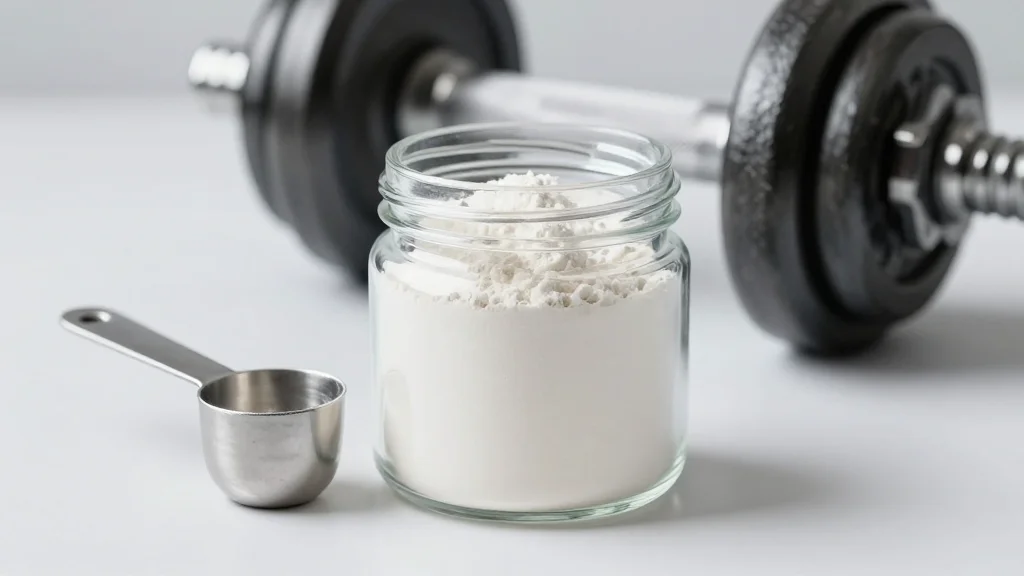
I Found A Solution To Cut Through My Fatigue & Brain Fog (That's Not Caffeine)
Assistant health editor Sela Breen reports that daily use of mindbodygreen’s Creatine Brain+, a blend of 5 g creatine monohydrate and 500 mg citicoline, helped her cut through afternoon fatigue and brain fog without caffeine. She notes improved focus, mood stability, and...

The Best Time To Start Hormone Therapy To Lower Disease Risk By 60%
A new analysis of more than 120 million patient records presented at The Menopause Society’s 2025 Annual Meeting found that women who begin estrogen‑based hormone therapy during perimenopause and continue it for at least ten years experience roughly a 60 % lower...
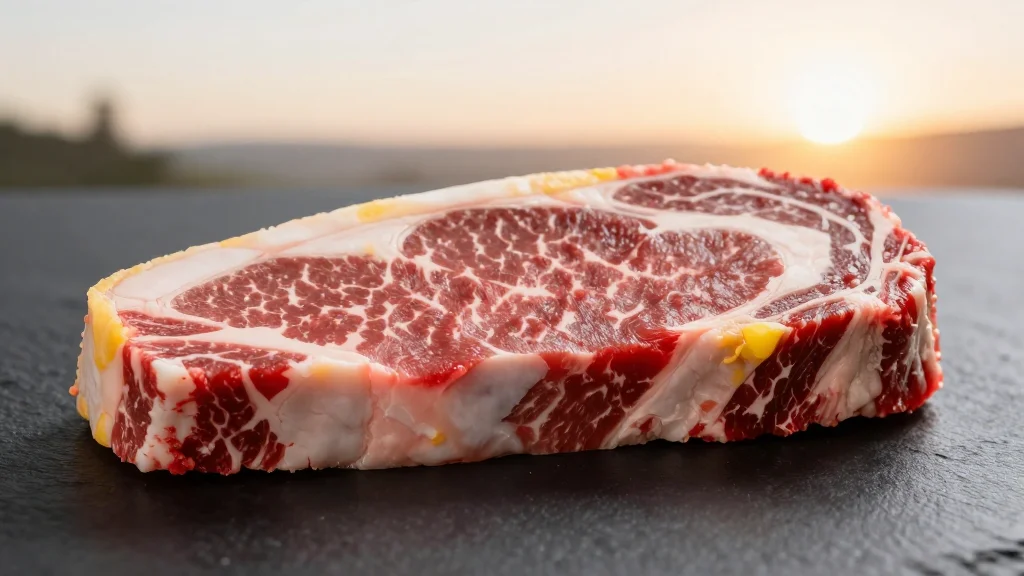
This ‘Hidden’ Body Fat May Matter More Than Your Weight
A new MRI study of more than 11,000 adults found that fat stored within muscle tissue, known as intermuscular adipose tissue (IMAT), is strongly linked to higher blood pressure, poorer blood‑sugar control, and adverse cholesterol levels. The risk escalates dramatically...
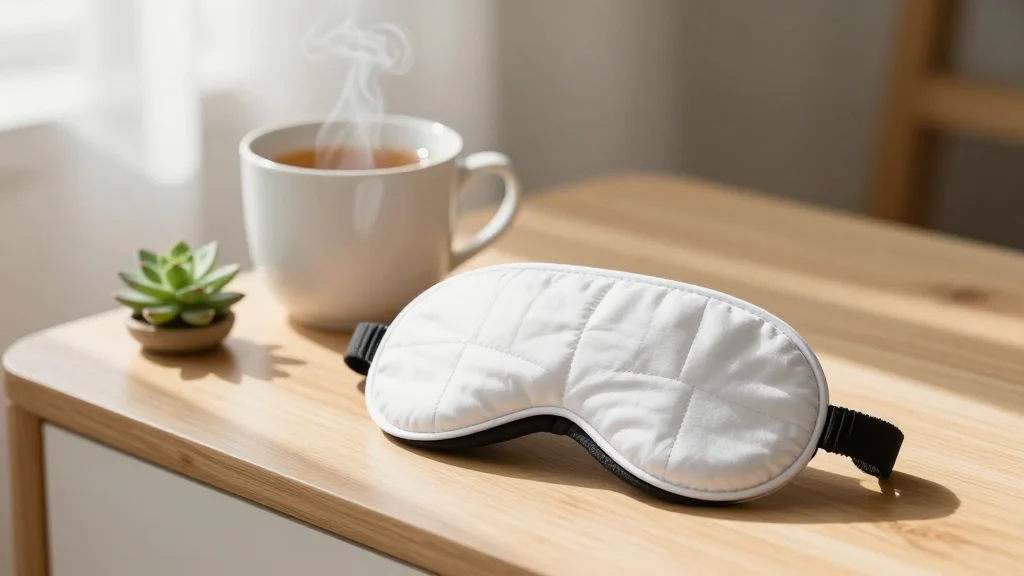
The Surprising Brain Upgrade That Happens When You Nap
A controlled study of 20 adults found that a 45‑minute afternoon nap reduces overall synaptic strength while enhancing the brain's ability to forge new connections. Researchers used EEG and transcranial magnetic stimulation to measure changes before and after the nap,...
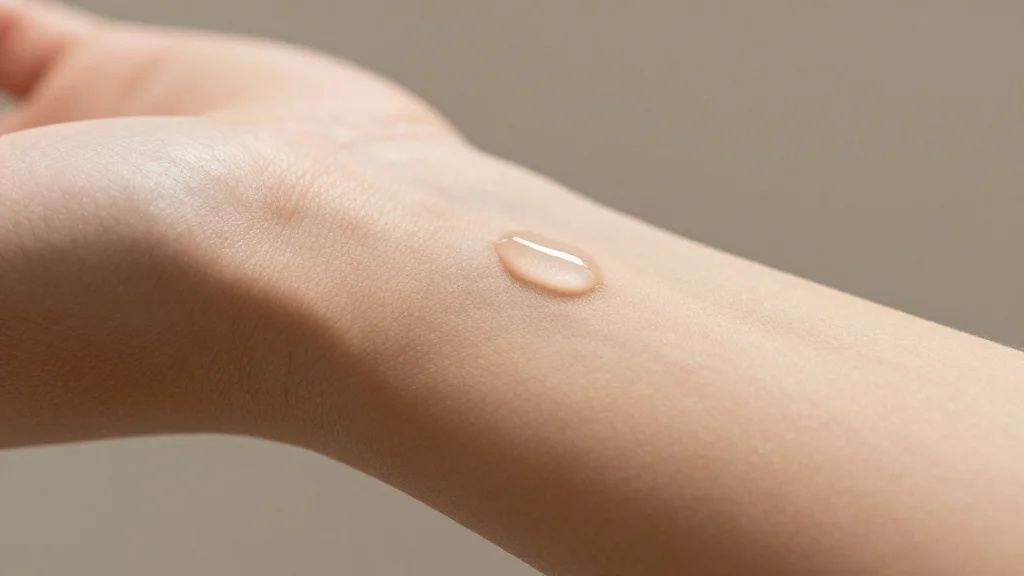
Researchers Explain What The Redness On Your Face Actually Is
Researchers published a study in the Journal of the American Academy of Dermatology comparing sensitive skin and rosacea, revealing distinct biological signatures. Demodex mite levels were identical in both groups, while the antimicrobial peptides cathelicidin and dermcidin were lower in...
The Best Workouts For Restful Nights, Sleep Science Reveals
A new study examined five exercise categories—strength, aerobic, balance, flexibility, and combination workouts—to see which most improves sleep. Results show resistance training delivers the greatest gains in sleep quality, with participants reporting fewer insomnia symptoms. Aerobic activity of 60 minutes...