
Science Says "Healthspan" Doesn't Equal Optimal Aging — Meet “Peakspan”
A new study in *Aging and Disease* introduces “peakspan,” the period when individuals retain at least 90 % of their peak physiological or cognitive performance. Unlike healthspan, which tracks disease‑free years, peakspan highlights the functional decline that begins in the 20s‑30s for most systems. Researchers found that by age 50 most people have exited peakspan despite remaining healthy by clinical standards. The paper outlines evidence‑based interventions—resistance training, aerobic exercise, cognitive challenges, sleep, and nutrition—to extend peakspan, emphasizing early adoption for maximal benefit.
Early Birds & Night Owls Don't Build Muscle the Same — Science Explains Why
Recent research links chronotype—the body’s natural sleep‑wake preference—to muscle health. Evening‑type individuals experience poorer sleep, irregular eating and lower activity, which together raise the risk of sarcopenia and metabolic disorders. The same studies show that workout timing matters: afternoon or...

Your Diet May Have A Bigger Impact On Mental Health Than You Think
A seven‑year Hong Kong cohort of 3,740 seniors found that diets high in inflammatory potential were consistently associated with greater depressive symptoms, with the effect markedly stronger in women. The researchers used the Dietary Inflammatory Index to rank participants, showing that...

Strength Training Vs. Cardio: Which Is Better For Restorative Sleep?
The article explains how different workout styles influence sleep architecture, with strength training enhancing deep slow‑wave sleep and longer cardio sessions boosting REM sleep. Todd Anderson, co‑founder of Dream Performance & Recovery, emphasizes that any regular movement improves sleep as...

Maternal Rage Is Real — But It's Not Something To Feel Bad About
Therapist Lia Avellino argues that maternal rage is a legitimate emotion and offers five practical steps for parents to recognize, channel, and model healthy anger. She emphasizes that anger signals unmet needs, often rooted in gendered expectations and systemic pressures....
What Being A Late Eater Means For Your Blood Sugar, According To Research
A new narrative review in Frontiers in Nutrition examines chrononutrition, focusing on how eating after 5 p.m. affects blood‑sugar control and long‑term cardiometabolic health. The analysis of observational and clinical studies finds that late eaters—those consuming at least 45% of daily...

Pregnant Women Who Do More Of This Have A Lower Risk Of Complications
A new JAMA study using wearable trackers found that pregnant women who sit less and engage in more light‑intensity activity face significantly lower rates of complications such as hypertension. Women who logged around 10 hours of sitting daily had more than...
How To Take Early Action Against Cognitive Decline, From A Neurologist
Preventive neurologist Richard Isaacson stresses that early detection of cognitive decline can uncover reversible causes, which account for about 5% of cases. He advocates a basic clinical screen followed by comprehensive blood biomarker panels—including tau, amyloid, GFAP, NFL, APOE4 and...
Upping Your Training? Make Sure You’re Getting Enough Of This
A new systematic review of nearly 6,000 adult distance runners found that lower daily intake of calories, fat, and fiber is linked to a higher risk of running‑related injuries, especially among women. Injured female runners consumed about 300‑450 fewer calories,...

"Zombie" Cells Are A Sign Of Aging — What Health Risks Do They Pose?
A recent precision‑aging review in the journal Aging challenges the blanket view that all senescent, or “zombie,” cells are detrimental. It shows that while some senescent cells fuel inflammation and disease, others, such as pancreatic beta cells, can enhance physiological...
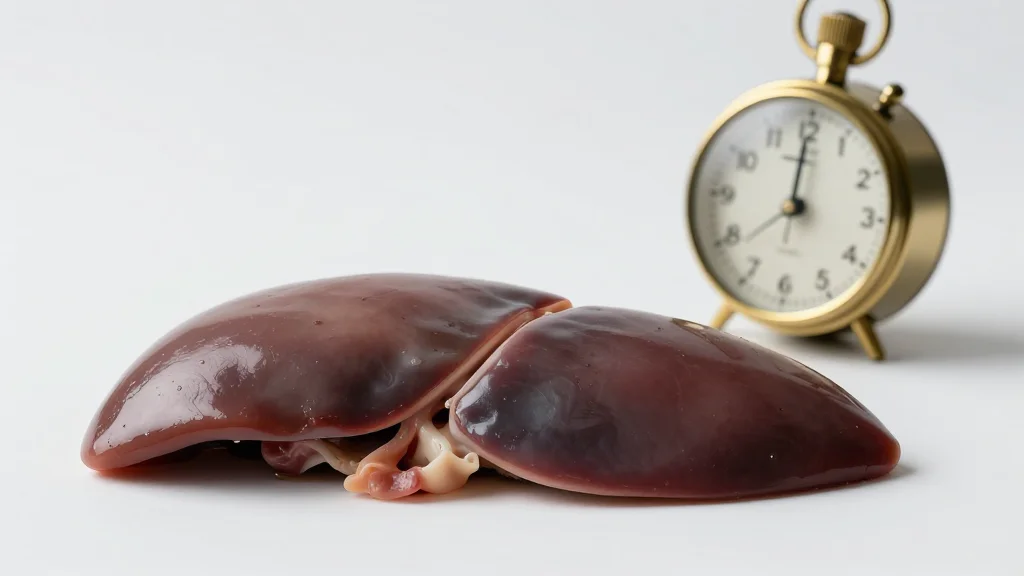
This Underrated Habit Could Majorly Boost Liver & Metabolic Health
New research published in Nature Metabolism reveals that irregular eating patterns can throw off the liver’s internal circadian clock, altering the timing of protein secretion that governs metabolism. In a controlled trial, participants who ate meals at consistent times preserved...

High-Protein Vs. High-Fiber Breakfasts: Which One Wins For Metabolism?
A recent British Journal of Nutrition randomized crossover trial compared high‑protein and high‑fiber breakfasts in 19 overweight adults. Both diets front‑loaded 45% of daily calories at breakfast and produced significant weight loss over 28 days, with the fiber‑rich plan yielding...

New Study Explains Why Some People Taking GLP-1s Notice Fewer Cravings
A recent Nature study used CRISPR‑edited mice to show that next‑generation oral GLP‑1 drugs not only suppress hunger but also dampen pleasure‑driven eating by targeting a specific brain circuit. The drugs activate neurons in the central amygdala, which in turn...

The Lifestyle Habits That Could Extend Your Life After Cancer
Researchers analyzed 28,550 UK Biobank cancer survivors and found that each additional World Cancer Research Fund/American Institute for Cancer Research recommendation met lowered all‑cause mortality by 8% over a median six‑year follow‑up. Significant survival gains of 5%‑14% were observed for...

Change These 5 Pooping Habits To Prevent Hemorrhoids, Says An MD
Harvard gastroenterologist Dr. Trisha Pasricha warns that common bathroom habits—especially prolonged sitting and straining—drive painful hemorrhoids. A study of adults 45+ found smartphone use in the restroom raises hemorrhoid risk by 46%, largely due to longer toilet sessions. Pasricha recommends...