Science Says "Healthspan" Doesn't Equal Optimal Aging — Meet “Peakspan”
Why It Matters
Peakspan reframes longevity from disease avoidance to preserving functional capacity, a shift that could reshape wellness programs, biotech R&D, and insurance underwriting.
Key Takeaways
- •Peakspan measures years at 90% of peak functional performance
- •Cognitive peak occurs in mid‑20s, earlier than most expect
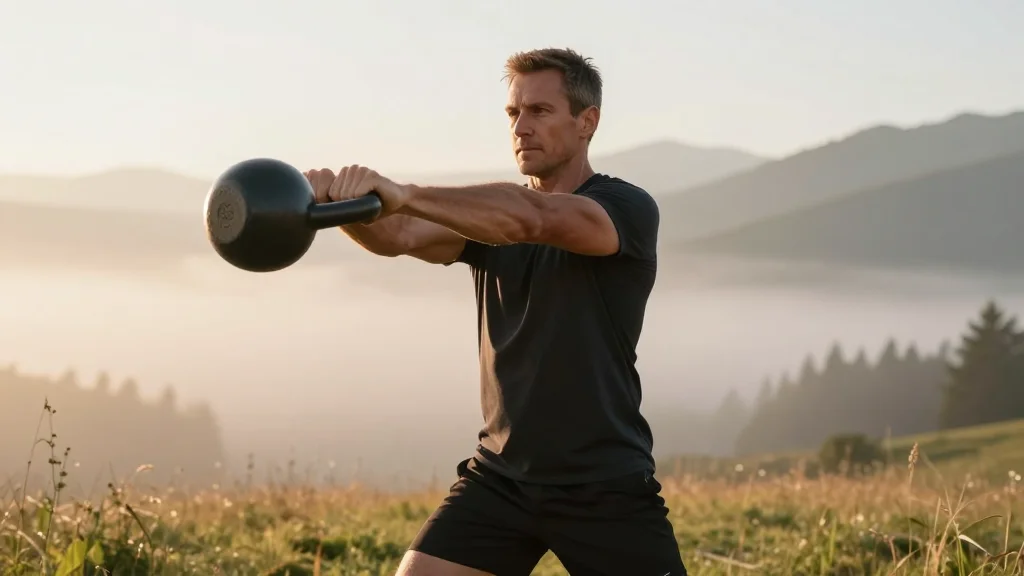
- •Resistance training is essential to extend physical peakspan
- •Aerobic exercise and sleep boost both cardiovascular and cognitive peakspan
- •Interventions started at 40 outperform those begun after 60
Pulse Analysis
The emergence of "peakspan" marks a pivotal evolution in longevity science, moving the conversation beyond the traditional healthspan metric that merely counts disease‑free years. By defining the interval during which individuals operate at 90 % of their physiological or cognitive apex, researchers expose a functional gap that often goes unnoticed until performance wanes. This nuanced view aligns with a growing body of geroscience that treats aging as a mosaic of system‑specific trajectories, offering a more granular target for interventions and a clearer benchmark for assessing age‑related decline.
For the health‑tech and wellness sectors, peakspan presents a fresh market opportunity. Fitness platforms can now market programs that promise to preserve or extend functional capacity rather than just improve cardio metrics. Biotech firms may pivot toward therapeutics that sustain neural plasticity or muscle quality, while insurers could integrate peakspan assessments into underwriting to differentiate risk based on functional longevity. The emphasis on early, system‑wide interventions—resistance training, aerobic activity, cognitive challenges, sleep hygiene, and anti‑inflammatory nutrition—creates a demand for integrated, data‑driven solutions that track performance across multiple domains.
Consumers and employers alike stand to benefit from adopting a peakspan mindset. Individuals can prioritize strength training in their 30s, maintain regular aerobic workouts, and engage in lifelong learning to delay the onset of functional decline. Employers might incorporate peakspan‑focused wellness incentives, recognizing that sustained productivity hinges on employees’ cognitive and physical sharpness. As research refines the metrics and validates long‑term outcomes, peakspan could become a standard KPI in personal health dashboards, driving a new era where longevity is measured not just by years lived, but by years lived at one’s best.
Science Says "Healthspan" Doesn't Equal Optimal Aging — Meet “Peakspan”
Comments
Want to join the conversation?
Loading comments...