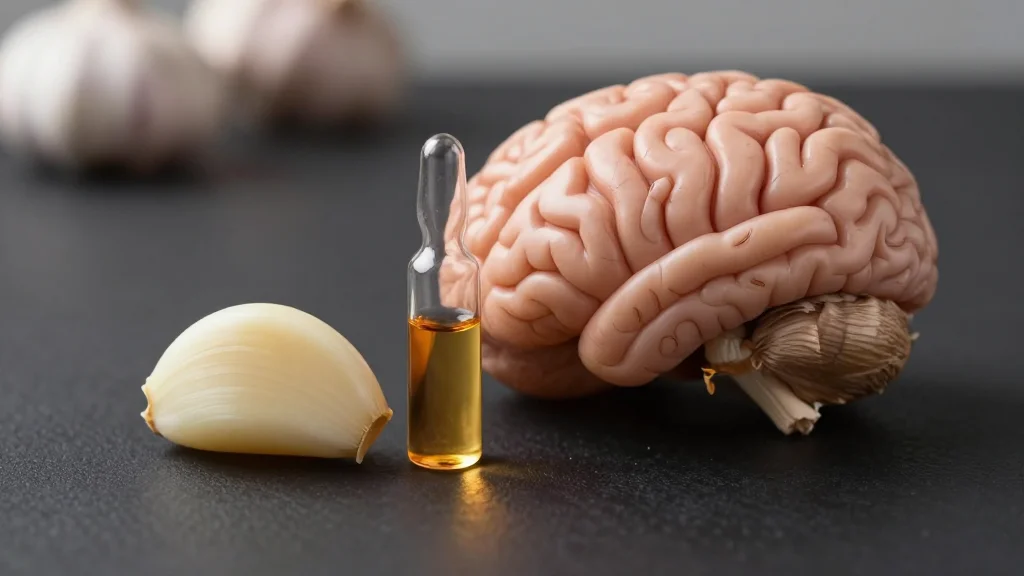
How This Little-Known Compound Impacts Fat, Brain & Muscle Health
A recent Cell Metabolism study identified S‑1‑propenyl‑L‑cysteine (S1PC), a compound in aged garlic extract, as a trigger for a fat‑to‑brain signaling cascade that raises eNAMPT and supports muscle function in aged mice. The pathway bypasses direct muscle action, instead sending eNAMPT from fat tissue to the hypothalamus, which then enhances skeletal muscle performance. In a small human trial, a single 25 mg S1PC dose acutely increased circulating eNAMPT, but muscle strength or long‑term health outcomes were not measured. The findings suggest a novel metabolic route for age‑related muscle resilience, though human benefits remain unproven.

Want Faster Reflexes & Better Balance? This Habit Sharpens Brain-Body Connection
A recent study in *Medicine & Science in Sports & Exercise* found that just four weeks of hand‑grip resistance training, performed three times a week, significantly increased nerve conduction velocity in participants aged 18 to 84. Both younger and older...
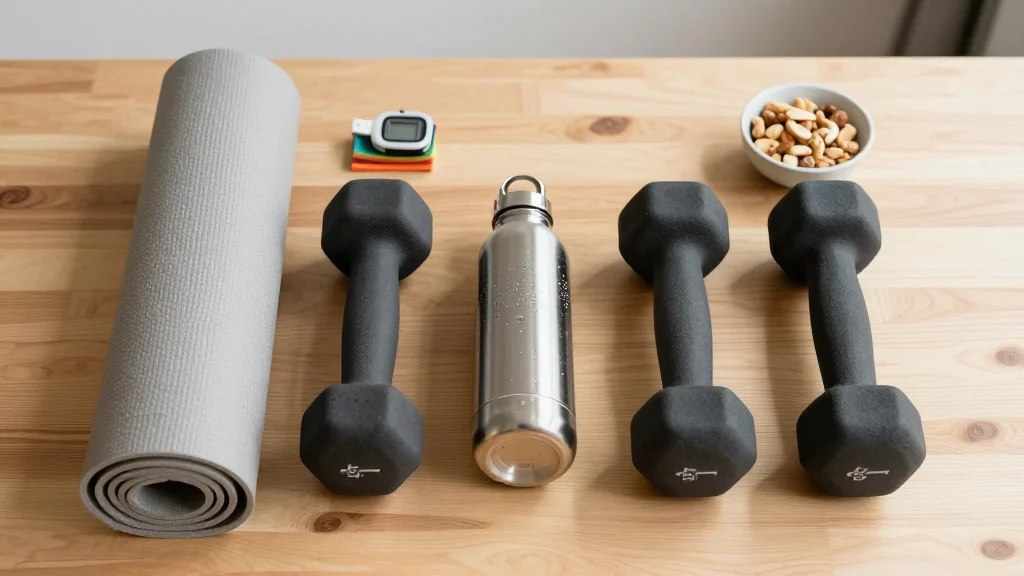
Why More Workouts Aren’t Better — And What To Do Instead
Fitness expert Shannon Ritchey argues that more workout time often backfires, leading to fatigue and burnout. She recommends shorter, higher‑quality strength sessions spread across four to five days, targeting each muscle group twice weekly. The plan pairs these sessions with...
This May Help Reduce Muscle Damage After Exercise, Study Shows
A recent study involving 34 recreationally active men examined tart cherry supplementation’s effect on muscle damage after a strenuous workout. Participants took either a placebo, low‑dose, or high‑dose tart cherry concentrate for ten days, after which muscle biopsies revealed significant...
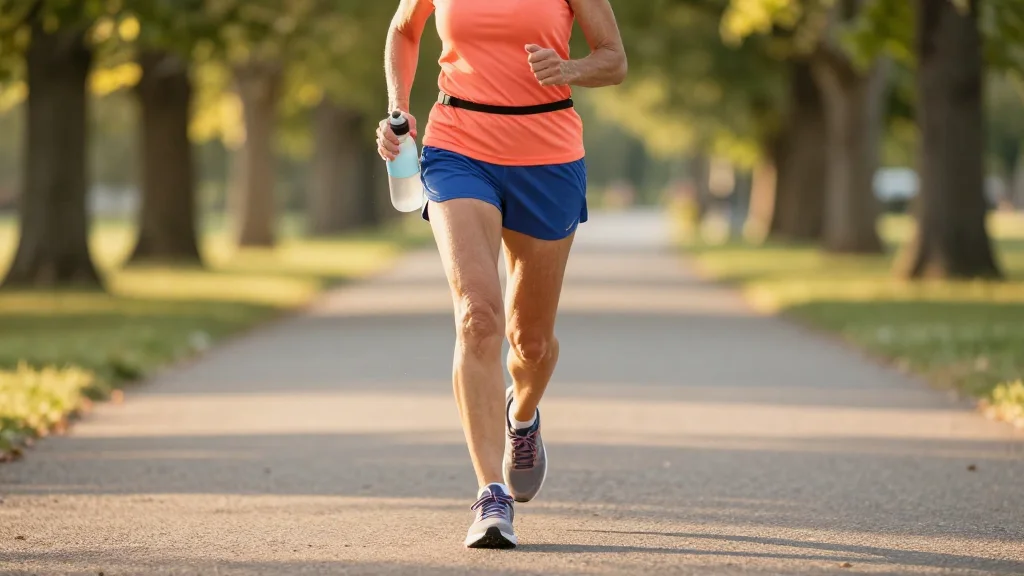
This Everyday Habit May May Slow “Metabolic Aging,” Study Suggests
A new analysis of NHANES data and a Chinese cohort links overall diet quality to healthier metabolic aging markers. Participants with higher Healthy Eating Index‑2015 scores showed lower insulin resistance (HOMA‑IR) and more favorable lipid profiles (AIP). The study also...
Can This Classic Exercise Really Predict Heart Disease? What The Research Shows
A Harvard study of 1,104 active‑duty male firefighters tracked push‑up capacity and cardiovascular outcomes over ten years. Men who could perform more than 40 push‑ups had a 96% lower risk of heart disease compared to those doing fewer than 10....

AFib Patients Drank Coffee Every Day For 182 Days – Here’s What Happened
A new randomized trial involving 200 adults with persistent atrial fibrillation found that drinking at least one cup of caffeinated coffee daily for six months reduced the risk of AFib recurrence by 39% compared with complete caffeine abstinence. Recurrence rates...

This Type Of Cardio Is One Of The Best Things You Can Do For Your Brain
A scoping review of 87 intervention studies across 19 countries found that structured cycling programs boost mood, cognitive performance, social connection, and overall psychological well‑being. The analysis highlighted that multi‑session outdoor rides produce the most pronounced benefits, outperforming indoor or...
Can Turmeric Improve Body Composition? Here’s What 20 Clinical Trials Reveal
A new systematic review and meta‑analysis of 20 randomized controlled trials examined turmeric or curcumin supplements in people with prediabetes or type 2 diabetes. The pooled data show an average weight loss of about 2 kg (4.4 lb) and a 2–3 cm reduction in...
Feeling Sore After Workouts? This Spice Helps Your Muscles Recover
A recent review in Nutrition Reviews found that consuming 2 grams of ginger daily for 11 days reduces delayed‑onset muscle soreness by roughly 23‑25% after eccentric exercise. Single‑dose ginger taken before a workout showed no benefit, highlighting the importance of consistent...
This 2-Year Study Found A Sustainable Approach To Nutrition For Healthy Aging
A two‑year analysis of the CALERIE 2 trial showed that healthy adults who cut calories by about 12% improved diet quality and reduced dietary inflammation without developing nutrient deficiencies. Participants received intensive nutrition education, which helped them replace empty calories with...

This Habit May Be One Of The Best Things You Can Do For Healthy Aging
A new 11‑year Australian study of 12,862 adults aged 70 and older found that regular social and cognitive activities—reading, listening to music, maintaining relationships, and community outings—slow the progression of frailty and lower the risk of becoming frail. Passive mental...
This Daily Movement Metric Could Spot Parkinson’s Years Earlier
A UK Biobank study of 95,000 adults found that lower daily step counts precede Parkinson’s diagnoses by up to two years. Participants walking fewer than 6,276 steps per day faced a markedly higher risk, while those exceeding 12,369 steps enjoyed...
A New Study Suggests Heart Attacks Can Leave A Neurological “Aftershock”
A University of Ottawa study discovered that the metabolic by‑product methylglyoxal (MG) accumulates in the brain shortly after a heart attack, especially in the cortex and brainstem. This buildup triggers neuroinflammation, weakens the blood‑brain barrier, and may underlie post‑myocardial infarction...
I Tried 5 Blood Sugar Hacks — Here’s What Worked According To My CGM
Assistant health editor Ava Durgin spent two weeks wearing a continuous glucose monitor (CGM) to test five popular blood‑sugar hacks. She found that a tablespoon of apple cider vinegar before meals modestly softened glucose spikes, while cooling cooked carbs boosted...
The Surprising Way Magnesium May Help Protect Against Colon Cancer
A recent trial published in The American Journal of Clinical Nutrition found that magnesium supplementation increases two strains of gut bacteria that synthesize vitamin D, a pathway that may lower colon‑cancer risk. The benefit was most pronounced in participants carrying a...

Depression May Not Affect Every Brain In The Same Way
A new neuroimaging study of 46 major‑depression patients shows that episodes lasting longer than two years exhibit opposite patterns of brain‑network activity compared with shorter‑term cases. In short‑term depression, greater symptom severity links to weaker communication between the Central Executive...
Does Caffeine Work Differently For Women? What New Research Shows
A new systematic review and meta‑analysis examined caffeine’s ergogenic impact on women competing in intermittent sports and explored whether menstrual cycle phases modify the effect. Across nine studies involving 118 female athletes, caffeine doses of 3–6 mg per kilogram taken about...

New Research Challenges What We Thought About Sleeping In
A new prospective study of 85,618 UK Biobank participants, validated by a 4,586‑person NHANES cohort, shows that short‑term sleep restriction followed by an acute rebound night reduces all‑cause mortality risk, whereas severe restriction without rebound raises it. Researchers used wrist‑worn...
Your Cycle Has Been Telling You Something For Years — Researchers Explain
Researchers unveiled WAVES, an open‑source algorithm that mines basal body temperature to generate 32 menstrual‑cycle metrics. Analyzing 5,674 cycles from 753 women, the study found clear age‑related shifts—higher average temperatures, shorter follicular phases, and increased variability. Crucially, many metrics form...
You’re Showing Up At The Gym — So Why Aren’t You Seeing Results?
The article explains that gym‑goers often stall because they stick to the same weights, creating a “comfortable plateau.” It introduces progressive overload—the systematic increase of training stress—as the evidence‑based solution. By adjusting weight, reps, sets, frequency, rest intervals, or form,...
These Are 5 Sleep Conditions That Magnesium Actually Improves
Magnesium is emerging as a go‑to sleep aid, offering benefits that extend beyond the popular melatonin trend. Clinical data show that daily doses of 320‑500 mg can shorten sleep onset, increase total sleep time, and improve overall quality for people with...
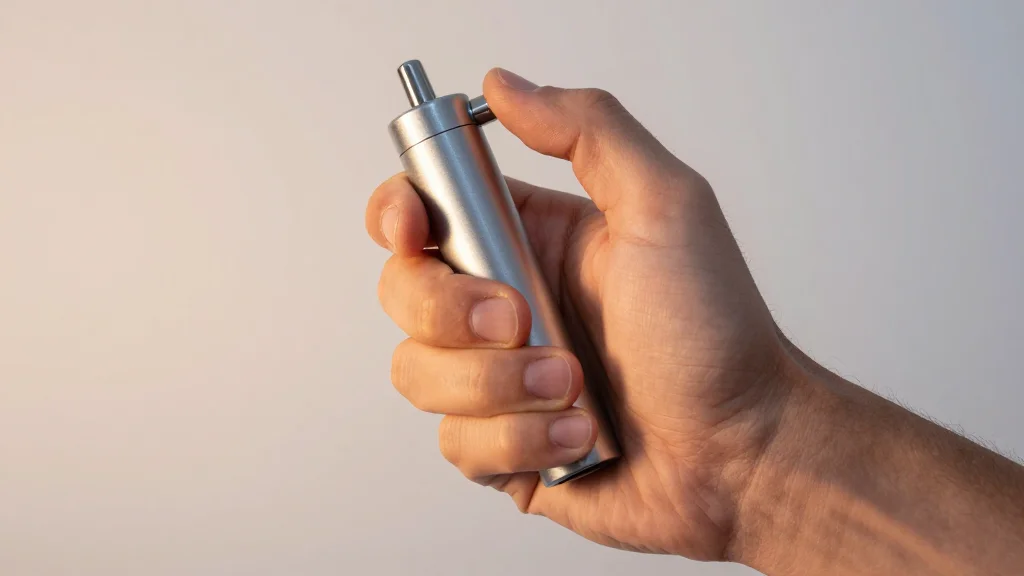
Unexpected Physical Trait Linked To Depression Risk In 500,000 People
Researchers pooled data from 12 studies covering 497,336 adults across 14 countries, totaling more than 3.4 million person‑years. The analysis, which excluded anyone with pre‑existing depression, showed that lower grip strength was associated with a 42 % higher odds of developing depression...

5 Takeaways From The New Colorectal Cancer Screening Guidelines
The American Cancer Society released its first major colorectal cancer screening update since 2018, adding two FDA‑approved stool‑based tests—ColoSense and Cologuard Plus—to its list of preferred options. Blood‑based liquid biopsies are relegated to a secondary role, recommended only for patients who...
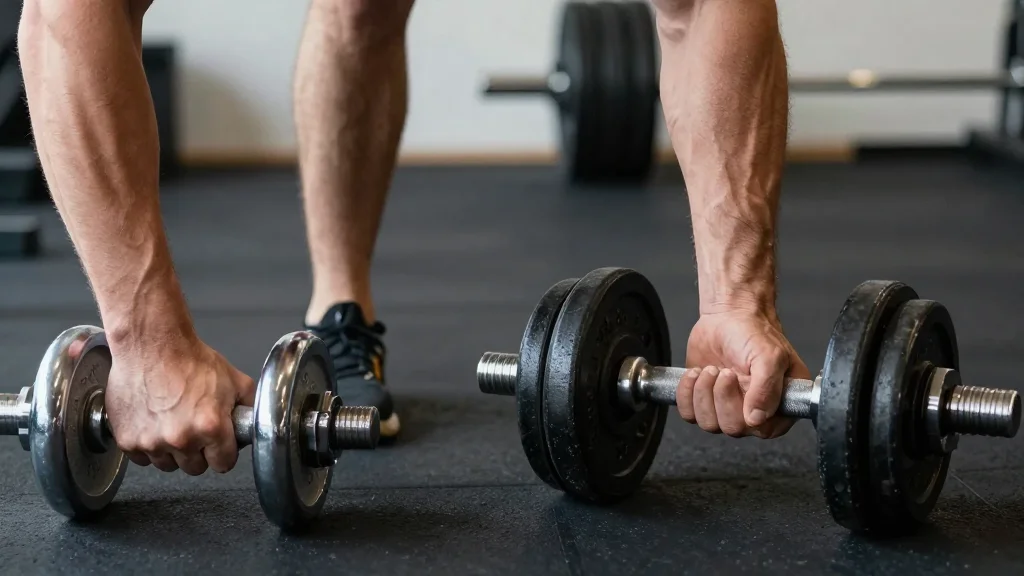
The Beginner-To-Elite Strength Guide: Progress, Recovery, & Results
New research contrasts how beginners and elite athletes respond to resistance training, highlighting that novices gain strength primarily through neural adaptations while seasoned lifters depend on muscular hypertrophy. The study shows beginners thrive on simple progressive overload, whereas elites need...
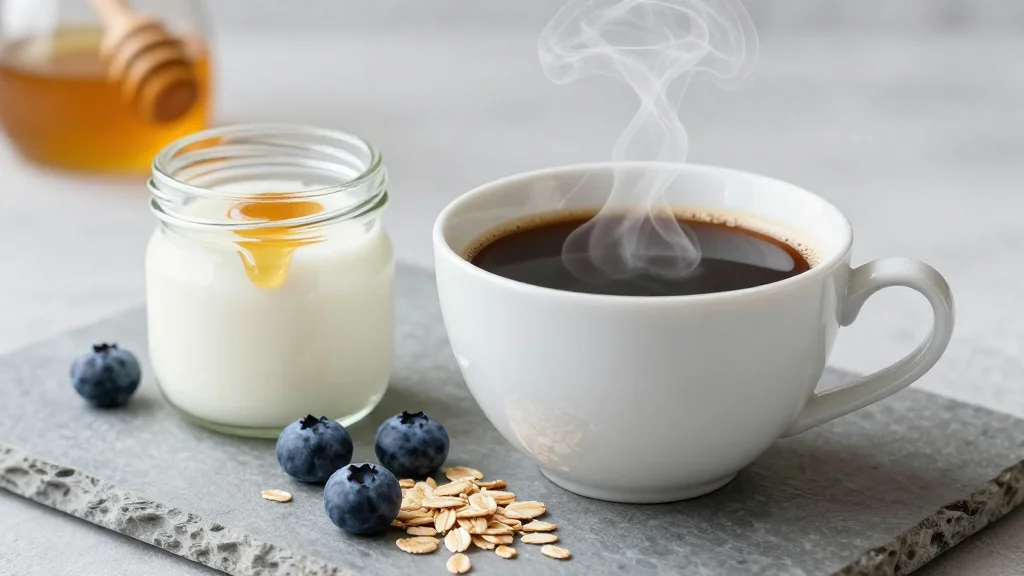
Is Coffee The Secret To A Healthier Gut Microbiome? Here’s What Science Says
Emerging research links daily coffee consumption to higher levels of the beneficial gut bacterium Lawsonibacter asaccharolyticus, which produces the anti‑inflammatory short‑chain fatty acid butyrate. The study found that drinking more than three cups per day, especially black coffee, significantly boosts...
This Medication Was Linked To A 56% Lower Risk Of Breast Cancer Recurrence
A new observational study of 841,000 U.S. breast‑cancer patients found that GLP‑1 drugs such as semaglutide and tirzepatide were linked to markedly lower mortality and recurrence rates in women with obesity or type 2 diabetes. In obese survivors, GLP‑1 use cut...
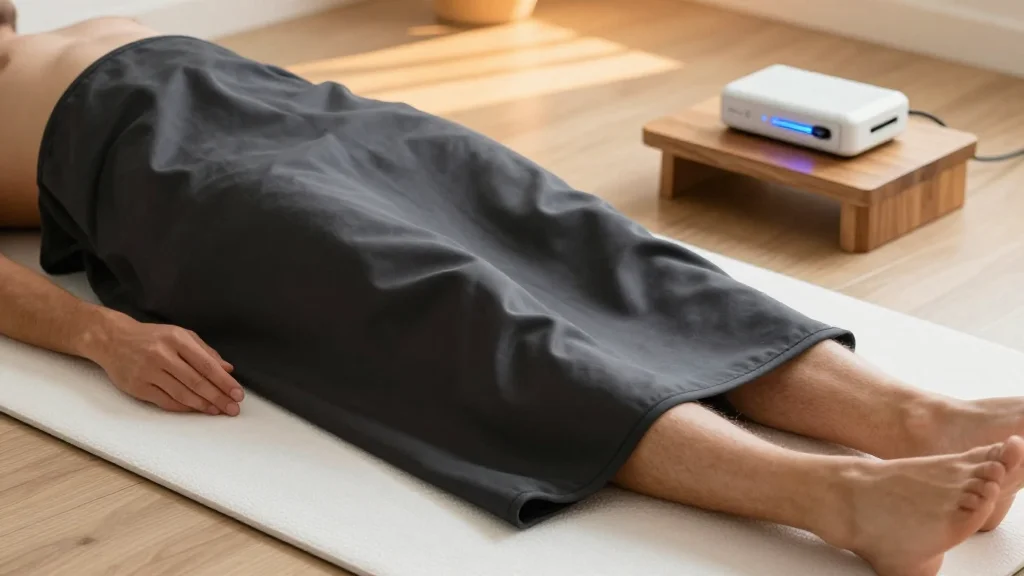
Want To Boost Your HRV? We Swear By These Longevity Tools (& They're 25% Off)
Mindbodygreen’s deputy commerce editor highlights heart‑rate variability (HRV) as a core metric for longevity and performance, recommending three BON CHARGE recovery tools now 25% off for Memorial Day. The infrared sauna blanket, PEMF mat, and PEMF sauna dome each claim to...
Women With Alzheimer’s Are Often Missing These Nutrients, Study Shows
A new study of 841 participants published in Alzheimer’s & Dementia reveals distinct blood‑lipid patterns in women with Alzheimer’s disease. Women with the condition show lower levels of protective omega‑3‑rich lipids and higher saturated‑fat lipids, a shift that appears early...
Lower Risk Of 5 Major Brain & Mood Disorders With This One Daily Habit
A UK Biobank analysis of more than 73,000 adults wearing accelerometers for a week found that moderate‑to‑vigorous physical activity reduces the risk of dementia, stroke, anxiety, depression and sleep disorders by 14%‑40% compared with sedentary peers. Inactivity, measured as prolonged...
Your Brain May Be Shrinking For Reasons Beyond Normal Aging
A study of 159 patients with bipolar disorder or major depression found that poor metabolic health—especially insulin resistance and elevated leptin—correlates with reduced gray‑matter volume in the hippocampus, amygdala, and frontal‑temporal regions. Brain scans, cognitive tests, and blood panels showed...
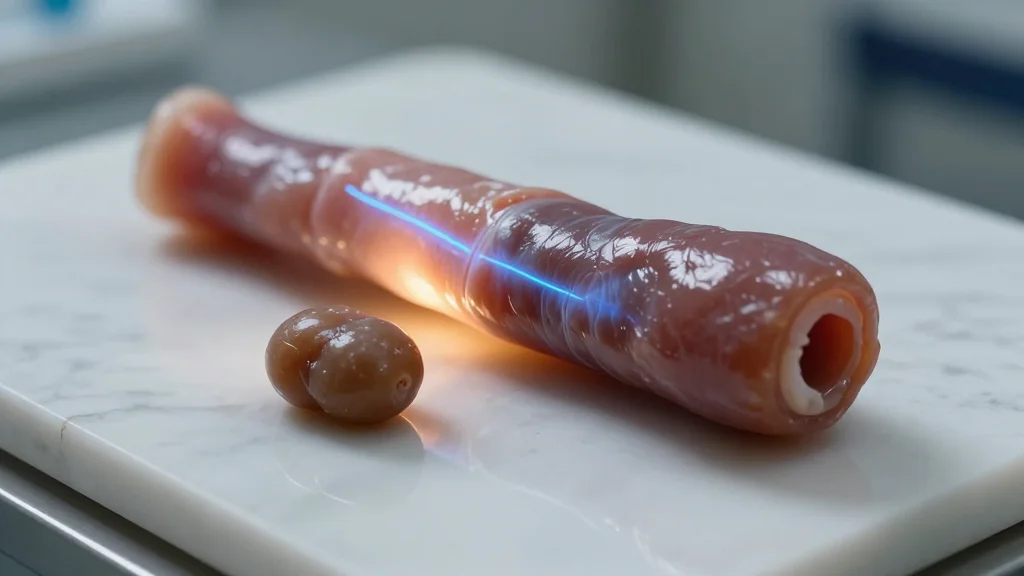
This Fat Burns Calories & Protects Your Heart Health, Study Finds
A new study published in *Arteriosclerosis, Thrombosis, and Vascular Biology* found that obese adults who retain metabolically active brown adipose tissue exhibit markedly lower inflammation in the aorta, a key early marker of atherosclerosis. Researchers used PET/CT scans after cold...

Millions Of Women Have A Success Wound — Are You One Of Them?
Brooke Taylor introduces the "success wound," an unconscious habit where professional women tie their self‑worth to career achievements. A 2023 Conference Board study shows women report significantly lower job satisfaction than men, and Taylor’s own coaching data reveal 60% blame...
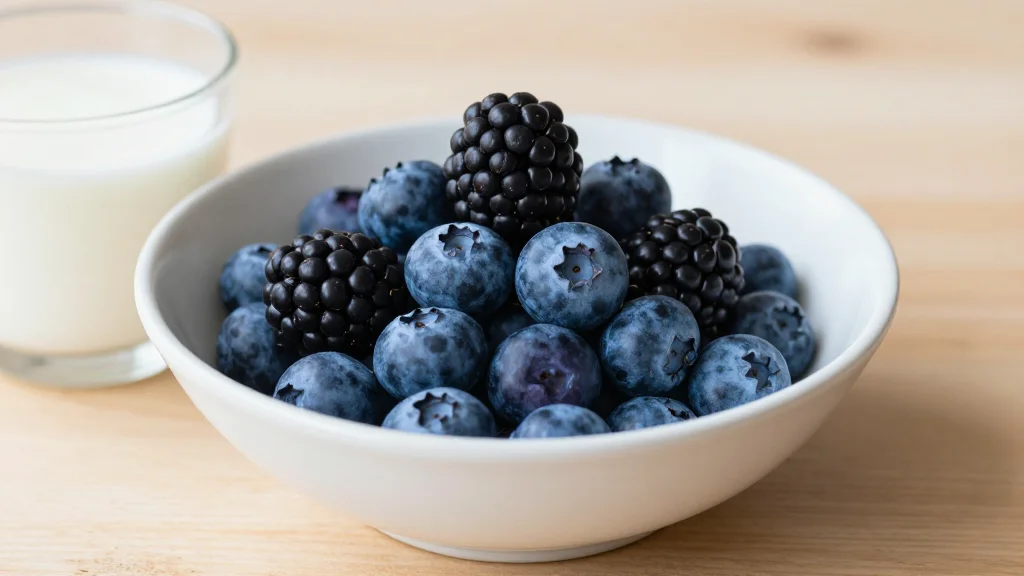
Yes, Gut Inflammation & Cognition Are Connected, What A New Study Shows
A new cross‑sectional study of 217 adults aged 60 and older found that one‑third exhibited cognitive impairment alongside elevated inflammatory markers and signs of a leaky gut. Participants with poorer cognition had higher blood IL‑6, stool calprotectin and lower plasma...
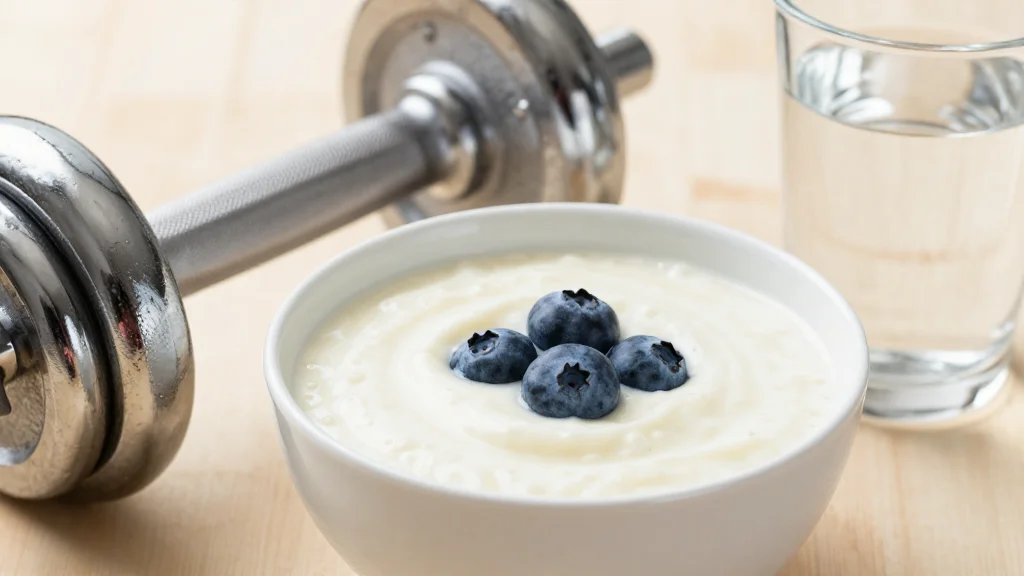
5 Ways To "Feed" Your Muscles Daily & Why It's Essential For Healthy Aging
Maintaining lean muscle mass is crucial for healthy aging, as low muscle mass raises fall risk and other health concerns. The article outlines five beginner-friendly strategies: regular strength training, consuming high‑quality protein (about 100 g daily), prioritizing 7‑9 hours of sleep,...
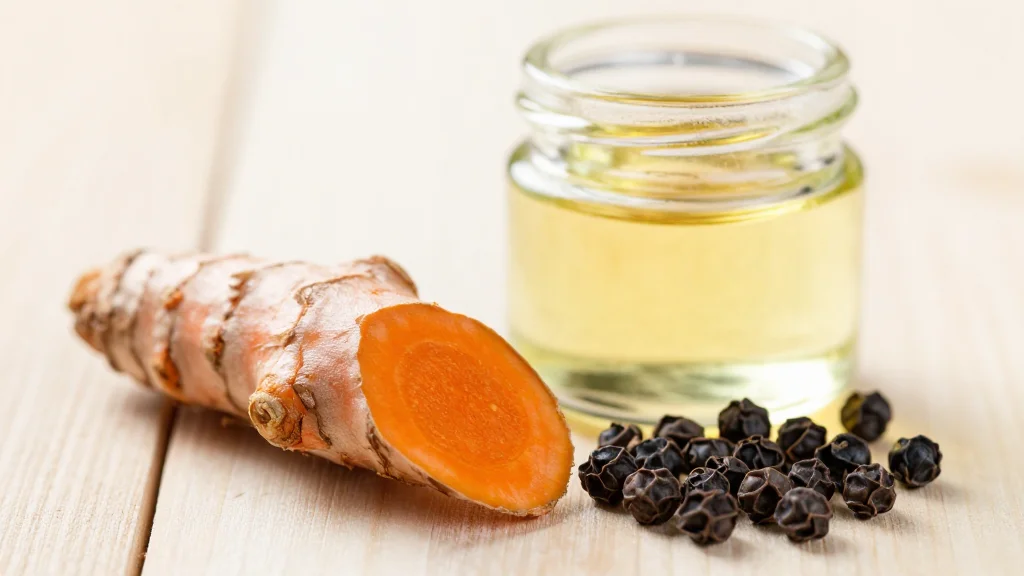
Turmeric Works Better With This For Blood Sugar & Inflammation
A systematic review of 19 randomized trials found that curcumin paired with piperine significantly improves inflammation, oxidative stress, and metabolic markers. Participants took 500‑1,500 mg curcumin with 5‑15 mg piperine daily for up to 12 weeks, showing reductions in CRP, IL‑6, fasting...

Research Finds The Exact Number Of Workouts It Takes To Feel Happier
University of Portsmouth researchers discovered that a single workout can lift mood and trigger a measurable increase in prosocial behavior, but only for participants who report heightened energy, termed "vigor," after exercising. The study compared moderate cycling with a passive...
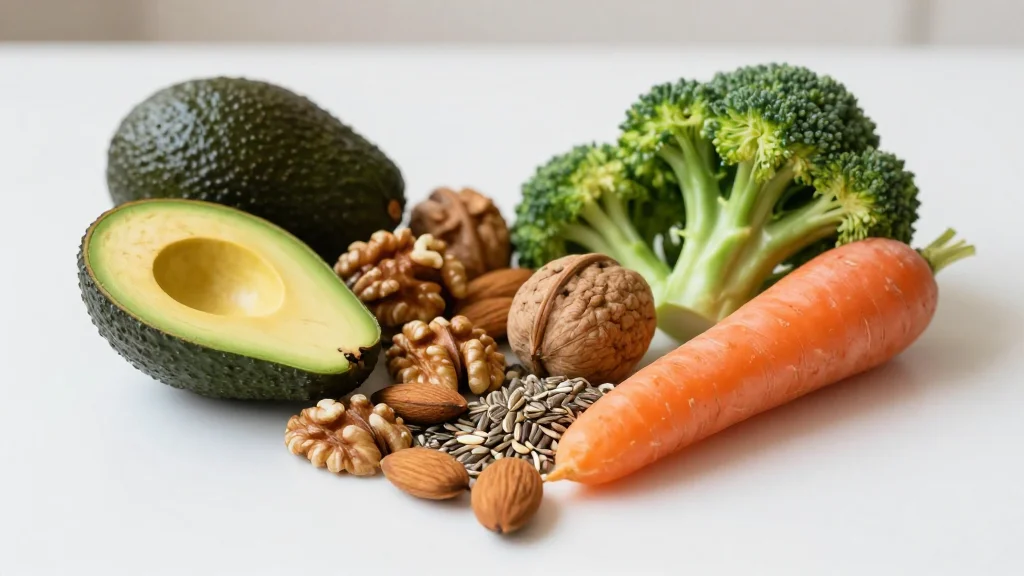
Lower Your Heart Disease & Diabetes Risk By Eating More Of These Foods
Harvard researchers analyzed data from over 200,000 health professionals and found that people who consume more phytosterol‑rich foods experience a 9 % lower risk of heart disease and an 8 % lower risk of type‑2 diabetes. The study linked higher intake to...
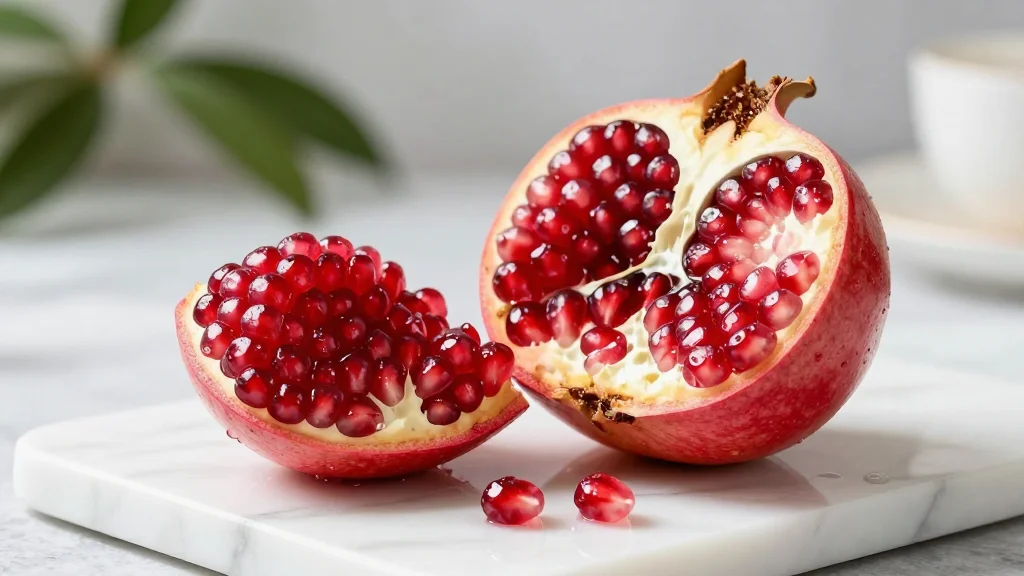
This Antioxidant-Rich Fruit Can Lower Blood Pressure, New Review Shows
A new meta‑analysis of 33 randomized trials involving 1,490 adults found that pomegranate supplementation modestly lowers blood pressure, cutting systolic pressure by 3.5 mmHg and diastolic pressure by 1.5 mmHg. The review also reported reductions in inflammatory markers such as IL‑6 and...

A Happiness Researcher Shares 6 Ways You Can Boost Connection This Week
Happiness researcher Sonja Lyubomirsky reveals that simple social habits—like genuine curiosity, acts of kindness, and deeper conversations—can boost feelings of connection and measurable happiness within a week. Her new book, *How To Feel Loved*, distills decades of lab‑tested interventions into six...

This Diet Was Linked To Less Psychological Distress In Just 12 Weeks
The MoodFood pilot study enrolled 122 adults in a 6‑ to 12‑week online Mediterranean‑style diet program and measured psychological distress and wellbeing before and after. Ninety‑six participants reported lower distress scores, and overall wellbeing improved, despite diet adherence showing no...
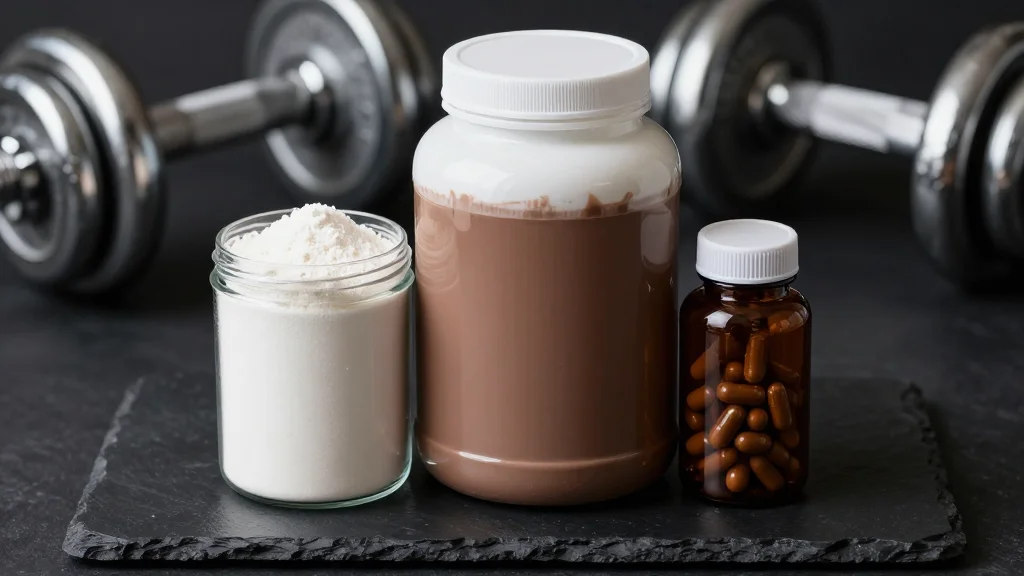
If You Exercise 5+ Times A Week — These Supplements Should Be In Your Stack
The article outlines three science‑backed supplements—creatine, whey protein, and magnesium—that can enhance performance for anyone exercising five or more times a week. Creatine at 5 g daily helps build lean muscle, boost strength, and even aid older adults in preserving mass....
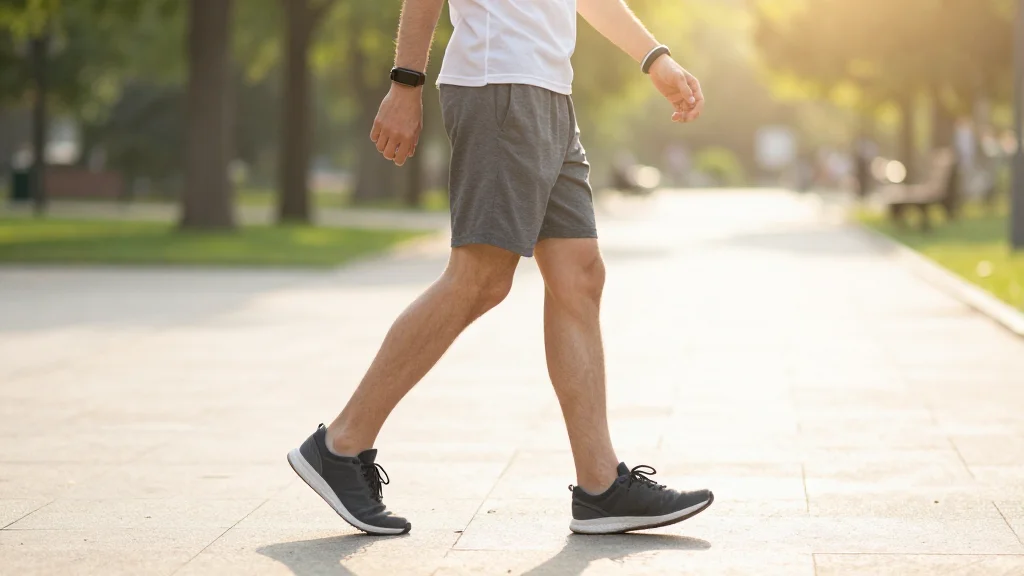
Formal Workouts Vs Everyday Activity — What 300,000 Check-Ins Reveal
Researchers conducted a meta‑analysis of 67 datasets across 14 countries, tracking over 8,000 participants and 321,000 real‑time mood check‑ins via fitness trackers. The findings show that everyday movement—such as walking, stair climbing, or brief activity breaks—correlates with modest but consistent...
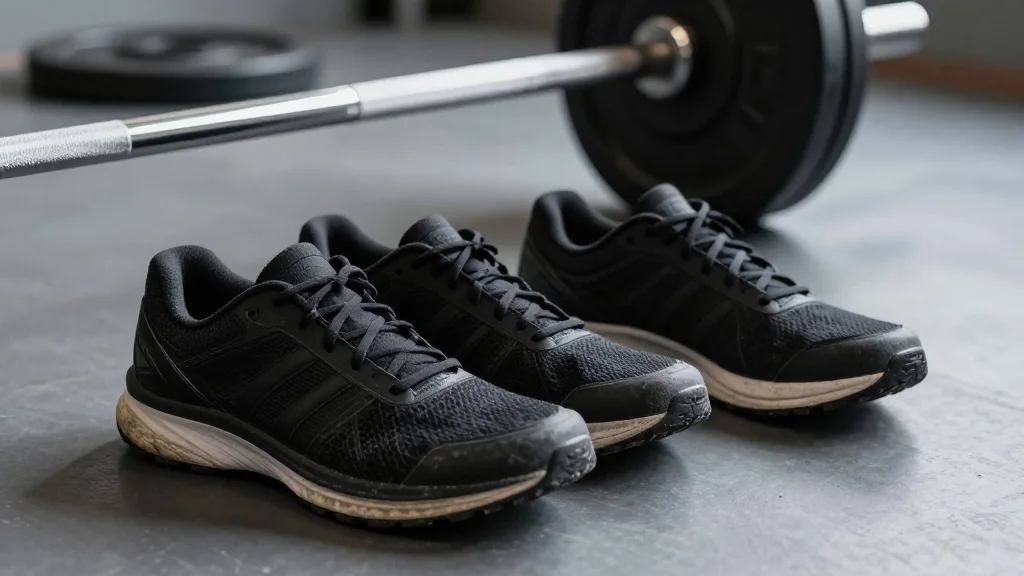
New To Strength Training? Avoid These 4 Progress-Killing Mistakes
The article outlines four common mistakes that stall progress for beginners in strength training: wearing running shoes for lifts, skipping warm‑up and cool‑down, training without a structured plan, and selecting inappropriate weights. It explains how each error compromises biomechanics, injury...
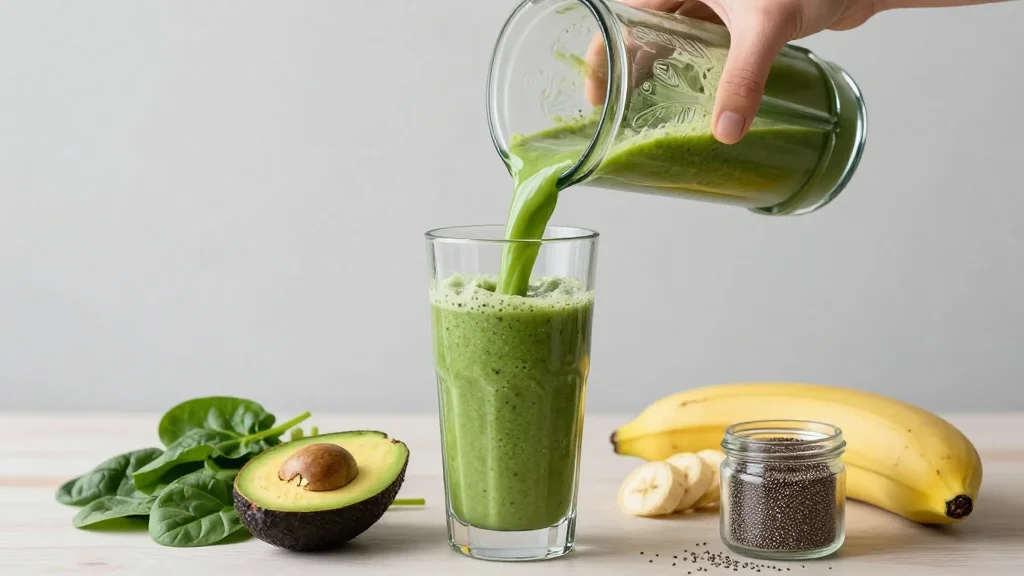
Is Your Omega-3 Intake High Enough? What Women 40+ Need to Know
Nearly 95% of Americans fall short on omega‑3s, a shortfall that becomes critical for women over 40. As estrogen declines during perimenopause, cardiovascular risk rises, but EPA and DHA can counter inflammation and support healthy blood vessels. Cognitive research shows...

Feel Like You’ve Lost Yourself? These 6 Expert Tips Can Help
The article, authored by Tamara Frankfort Odinec of My Next Chapter, outlines six practical strategies for adults who feel disconnected from their true selves. It emphasizes naming emotions, decoupling feelings from impulsive actions, rebuilding self‑trust, setting personal growth goals, establishing...

New Research Says This Everyday Exposure Drives Faster Biological Aging
A large European study of over 330,000 participants found that long‑term exposure to fine particulate matter (PM₂.₅), coarse particles (PM₁₀) and nitrogen dioxide (NO₂) accelerates biological aging. Faster cellular aging accounted for 11.5%‑52.3% of the link between pollution and all‑cause...
Could A Nasal Spray Reverse Brain Aging? What A New Study Reveals
A Texas A&M study shows a nasal spray packed with extracellular vesicles (EVs) carrying micro‑RNAs can slash neuroinflammation, revive neuronal mitochondria, and boost memory in mice after just two doses. The intranasal route bypasses the blood‑brain barrier, delivering the cargo...

These 4 Nutrients Are Consistently Linked To A Better Mood, Study Shows
A new study of 5,068 U.S. adults published in Nutritional Psychiatry found that higher intake of four nutrients—fiber, folate, magnesium, and selenium—was consistently associated with lower depressive symptoms. Participants with the highest consumption of each nutrient showed 23‑40% reduced odds...
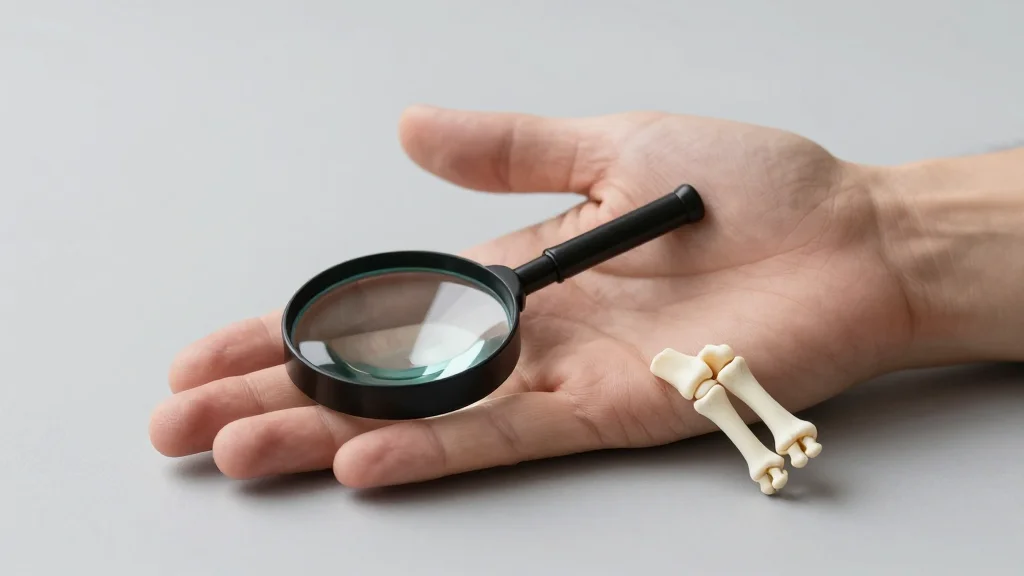
This Unexpected Body Part Could Reveal Early Signs Of Bone Loss
A new AI system called RetiAGE analyzes retinal photographs to estimate biological age and predict osteoporosis risk. The study, which examined 1,965 older adults in Singapore and 43,938 participants from the UK Biobank, found that eyes appearing older than a...