
Brighter MRI Signals
MIT bioengineers have unveiled liposomal nanoparticle reporters (LisNRs) that amplify MRI contrast by coupling a single target molecule to many gadolinium‑based agents. The probes embed gadolinium in liposomes and use engineered water channels that open or close when a specific molecule displaces a protein blocker, brightening or dimming the signal. In rat studies the LisNRs detected micromolar biotin with roughly tenfold greater sensitivity than conventional one‑to‑one sensors. The team plans to adapt the platform for neurotransmitters such as dopamine and glutamate, promising brain‑wide molecular imaging.
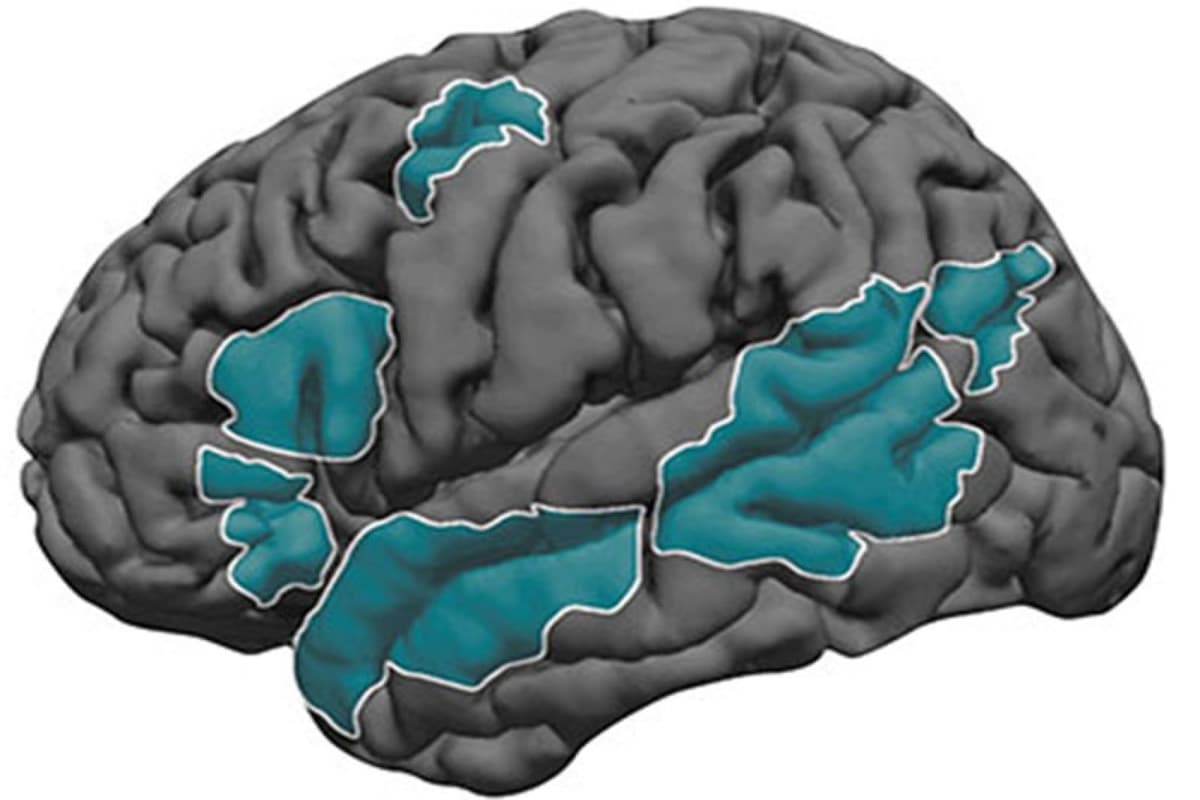
Language Development in the Brain
MIT researchers analyzed fMRI scans of 4‑ to 16‑year‑old children and found that language processing is already strongly left‑hemisphere lateralized by age four. The language network continues to integrate and become more responsive through adolescence, reaching peak maturity around age...

Solving Hard Problems in Soft Electronics
Camille Cunin, a recent MIT Materials Science PhD, created polymer‑metal “mille‑feuille” composites that enable soft, stretchable organic transistors for bioelectronic applications. Her work tackles the dual challenge of conducting electrons and ions in hydrated, flexible environments, a key hurdle for...

Rethinking How Our Brains Use Categories to Make Sense of the World
In a new Nature Reviews Neuroscience review, Earl Miller and Lisa Feldman Barrett argue that categorization is a predictive process that prepares the brain for action rather than a passive labeling of sensory input. They propose that the brain constructs...

MIT BrainTrust Supports Neighbors Living with Brain Injuries
MIT’s BrainTrust club, active since 1998, pairs students with Boston-area individuals living with brain injuries through a structured buddy program. Members also volunteer in nursing homes and hospice settings, collaborating with the third‑party organization Compassus and receiving transportation funding from...
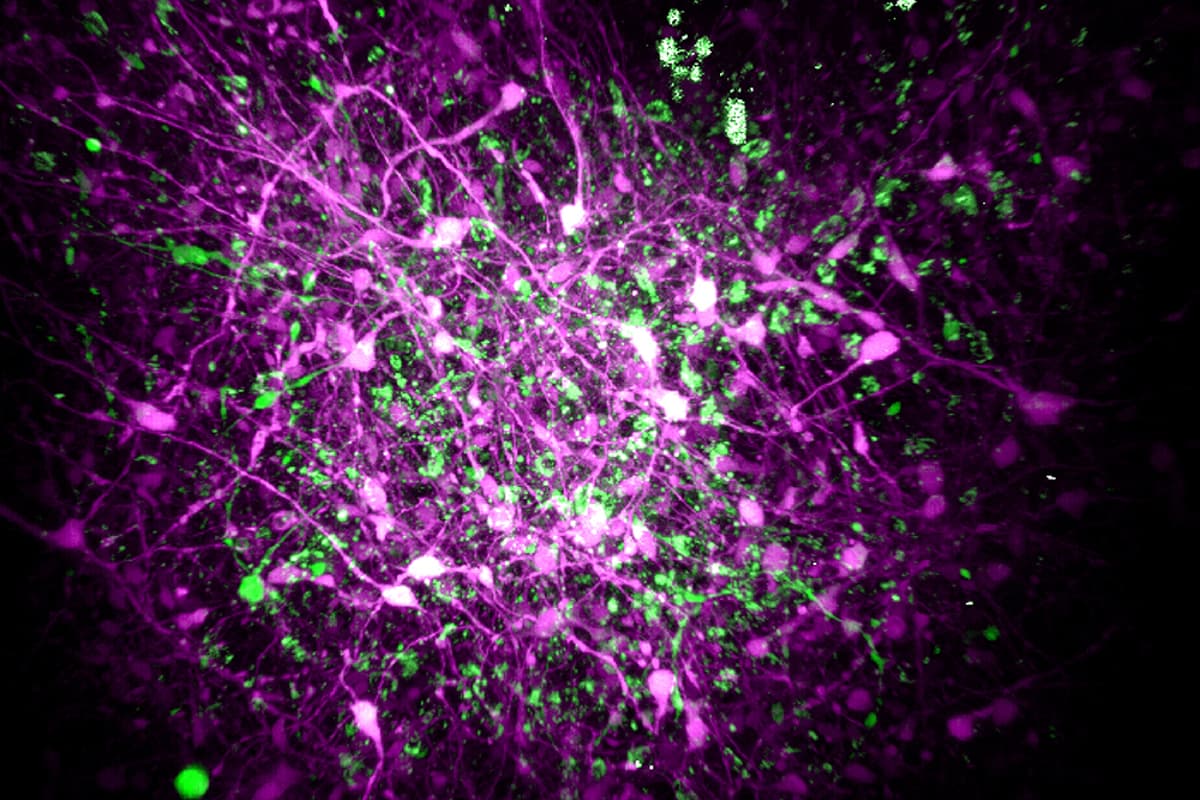
Rett Syndrome Study Highlights Potential for Personalized Treatments
MIT researchers used 3‑D brain organoids derived from Rett patients to compare two common MECP2 mutations, R306C and V247X. The study revealed mutation‑specific structural, activity and network abnormalities, confirmed by patient EEG data. Targeted drug tests—an HDAC2 inhibitor for R306C...

Beacon Biosignals Is Mapping the Brain During Sleep
Beacon Biosignals has launched an FDA‑cleared, lightweight EEG headband that records clinical‑grade brain activity while users sleep at home. The device’s machine‑learning platform extracts detailed sleep‑stage metrics and subtle architecture changes, supporting more than 40 global clinical trials for conditions...
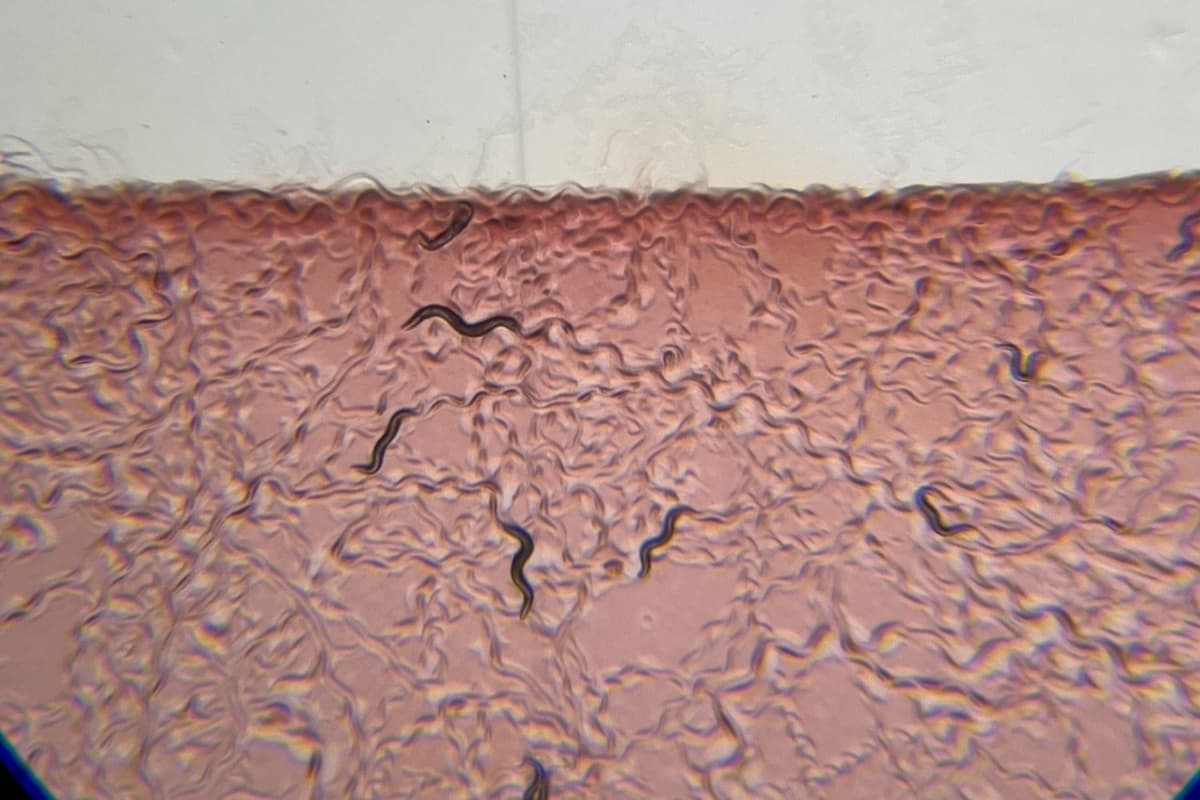
How Neurons Sense Bacteria in the Gut
A MIT team led by Cassi Estrem and Steven Flavell uncovered how a single neuron in the nematode Caenorhabditis elegans detects bacterial cues. The NSM neuron uses acid‑sensing ion channels (ASICs) to sense polysaccharide sugars, especially peptidoglycan from gram‑positive bacteria,...

Turning Muscles Into Motors Gives Static Organs New Life
MIT researchers unveiled a myoneural actuator (MNA) that rewires sensory nerves to transform existing muscle into a fatigue‑resistant, computer‑controlled motor for paralyzed organs. In rodent models the MNA restored intestinal squeezing and mimicked residual calf muscle function while sending sensory...