NPR - Space
Public-interest reporting on space exploration and private space ventures
This Week in Space News: Artemis II Next Steps and a Mysterious Interstellar Visitor
Artemis II completed a successful flight, setting a new record for the farthest distance humans have traveled from Earth, though it did not land on the Moon. NASA plans to test lunar landers from SpaceX and Blue Origin as early as 2025, with a crewed surface landing targeted for 2028. A recent glitch with Blue Origin’s Glenn upper‑stage could slow its hardware timeline, while the 2024 total solar eclipse produced a measurable seismic quiet across North America. Meanwhile, interstellar comet 3I/ATLAS was found to contain semi‑heavy water, hinting at a colder, distant origin.
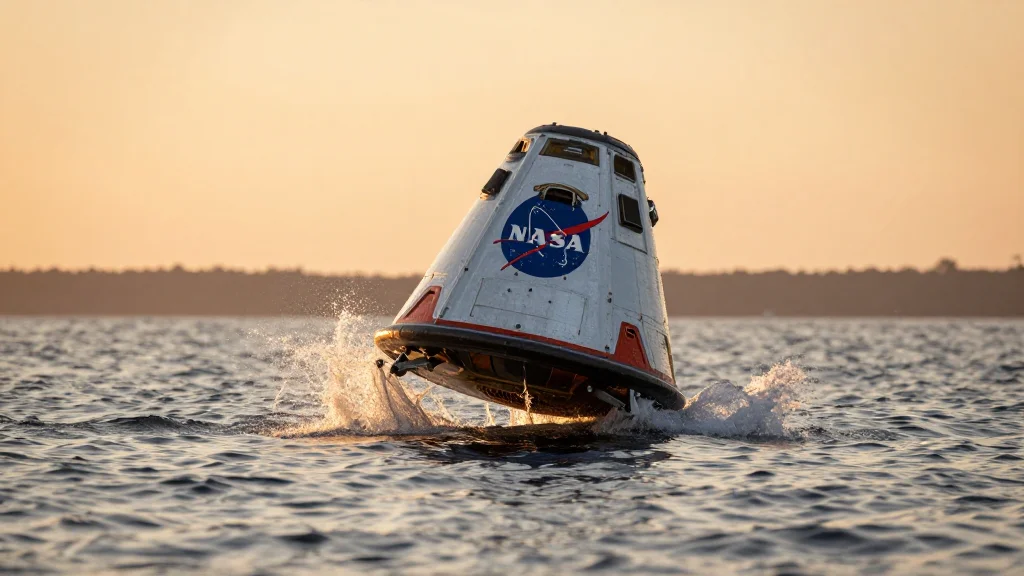
After More than 9 Days in Flight, NASA's Artemis II Is Set to Return to Earth
NASA’s Artemis II crew completed a nine‑day lunar flyby and splashed down in the Pacific off San Diego. The Orion capsule re‑entered at over 24,000 mph, enduring temperatures near 5,000 °F before deploying three parachutes. Four astronauts—including the first woman and the first person...
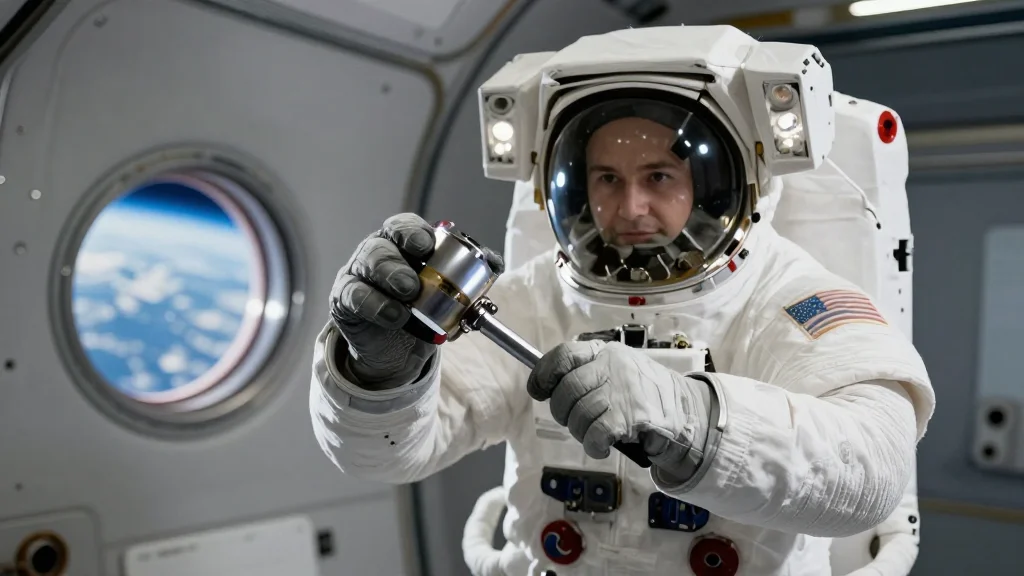
In Tight Quarters, Artemis II Astronauts Stay Fit with the Flywheel
NASA’s Artemis II crew is using a compact flywheel exercise device to counteract microgravity‑induced muscle and bone loss during the mission’s 10‑day flight. The handheld system fits in a carry‑on‑sized space, yet can deliver up to 400 pounds of resistance for squats,...
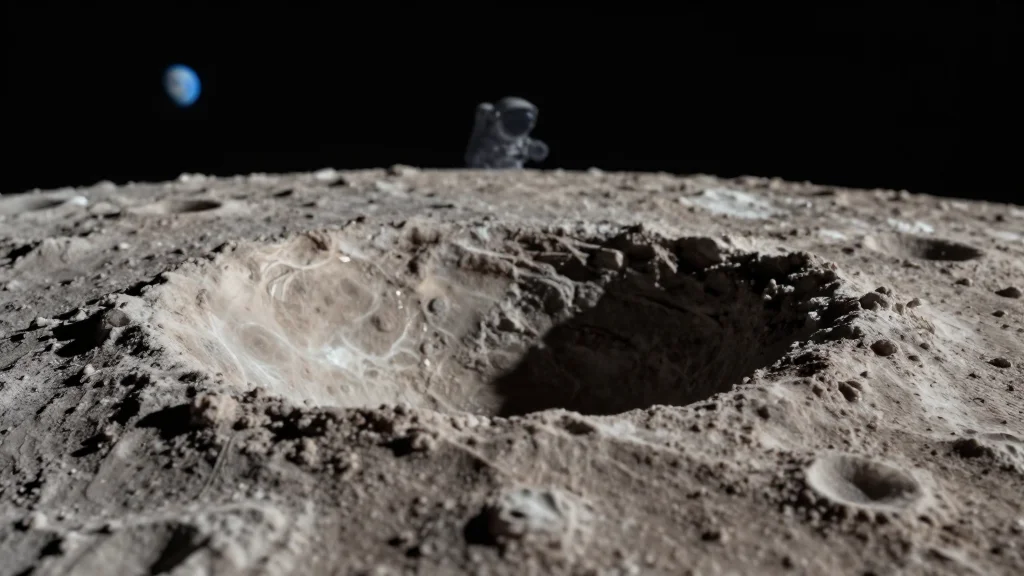
Astronauts Suggest Naming a Moon Crater 'Carroll' After Their Commander's Late Wife
Artemis II astronauts broke the record for the farthest human distance from Earth and became the first crew to see the Moon’s far side. During the historic lunar flyby they identified two unnamed craters and proposed naming them “Integrity” and “Carroll,”...
What Scientists Hope to Learn From Artemis II's Moon Mission
Artemis II, NASA’s first crewed lunar flyby since Apollo, will orbit the Moon to test life‑support, navigation and deep‑space communications. Astronauts will provide human observations that can reveal surface details cameras miss, echoing Apollo’s unexpected discoveries. The mission focuses on the...
How the Crew of Artemis II Reacted to Seeing the Moon up Close
Artemis II’s crew performed a seven‑hour flyby of the Moon, becoming the farthest humans from Earth since the Apollo era. The spacecraft lost contact for about 45 minutes as it passed behind the lunar far side, giving the astronauts a rare...
Retired NASA Astronaut Leland Melvin on the Goal of Artemis II and Its Significance
Artemis II, the first crewed lunar flyby in over five decades, launched today with four astronauts aboard NASA's Orion capsule. The mission will circle the Moon and return to Earth in just under ten days, testing life‑support systems and the interim...

40 Years After Challenger: Lingering Guilt and Lessons Learned
Forty years after the Challenger explosion, former Morton Thiokol engineers recount how cold‑temperature O‑ring concerns were dismissed, leading to the shuttle’s catastrophic failure. Engineers Roger Boisjoly, Bob Ebeling and others warned NASA that the stiffened O‑rings could cause blow‑by, but Thiokol executives reversed...

What Stranger Things Gets Right About Wormholes
The fifth season of *Stranger Things* features a classroom lesson that correctly identifies wormholes as Einstein‑Rosen bridges—hypothetical tunnels linking distant points in spacetime. While the series dramatizes these shortcuts for plot purposes, it mirrors real scientific discourse about exotic matter...