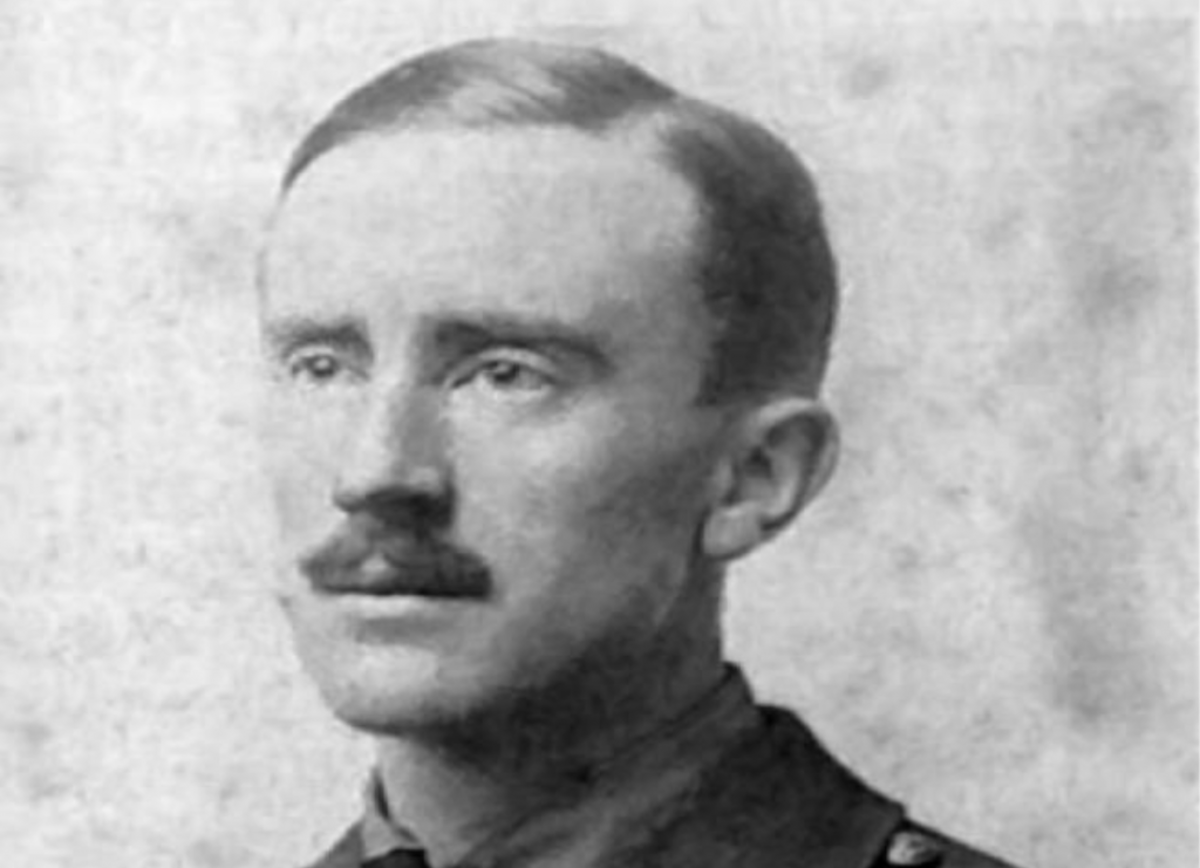
When the Nobel Prize Committee Rejected The Lord of the Rings: Tolkien “Has Not Measured Up to Storytelling of the...
In 1961 the Nobel Prize committee rejected J.R.R. Tolkien’s *Lord of the Rings*, deeming his prose “not storytelling of the highest quality.” The decision, uncovered by Swedish journalist Andreas Ekström, shows Tolkien was listed alongside literary heavyweights like Robert Frost and Graham Greene before Yugoslavian writer Ivo Andrić won. Contemporary critics such as Auden and Wilson had already disparaged Tolkien’s style, while C.S. Lewis vigorously lobbied for his friend’s recognition. Decades later the trilogy has become the benchmark for modern high fantasy, illustrating a dramatic shift from early academic dismissal to cultural canonization.
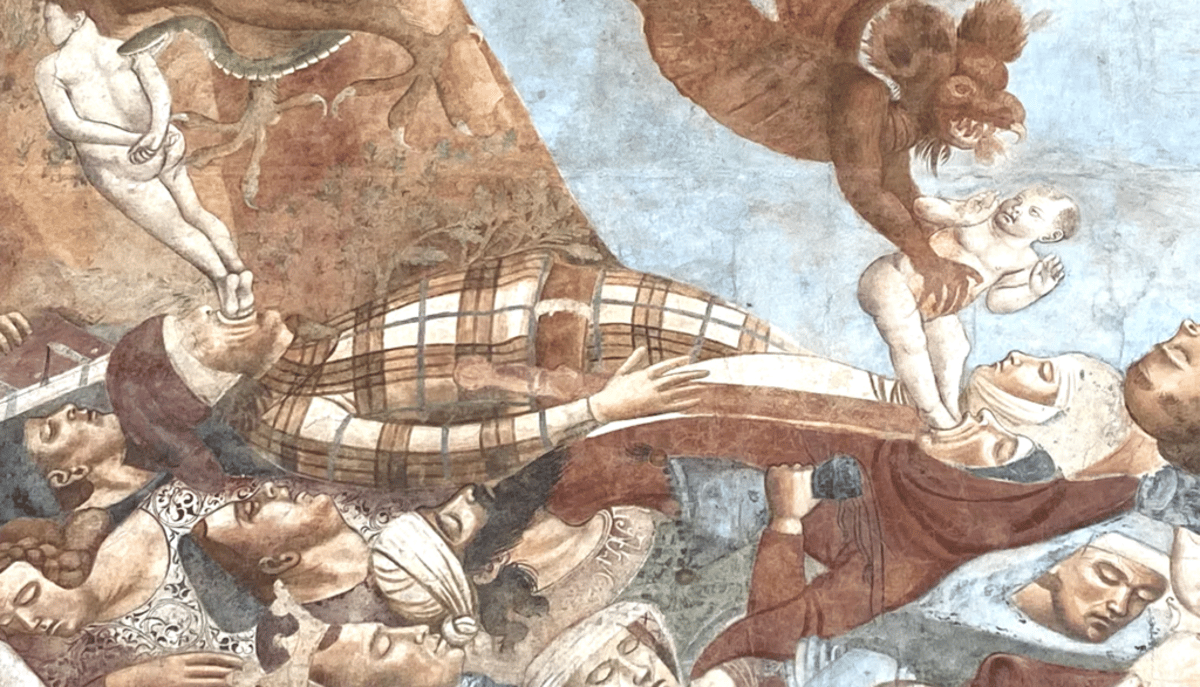
How a Volcanic Eruption Helped Unleash the Black Death in Europe in 1347
Researchers from Cambridge and the Leibniz Institute link a series of volcanic eruptions around 1345 to a three‑year cooling episode that devastated Mediterranean harvests. The resulting grain shortages pushed Italian city‑states to import wheat from the Black Sea, unintentionally moving...
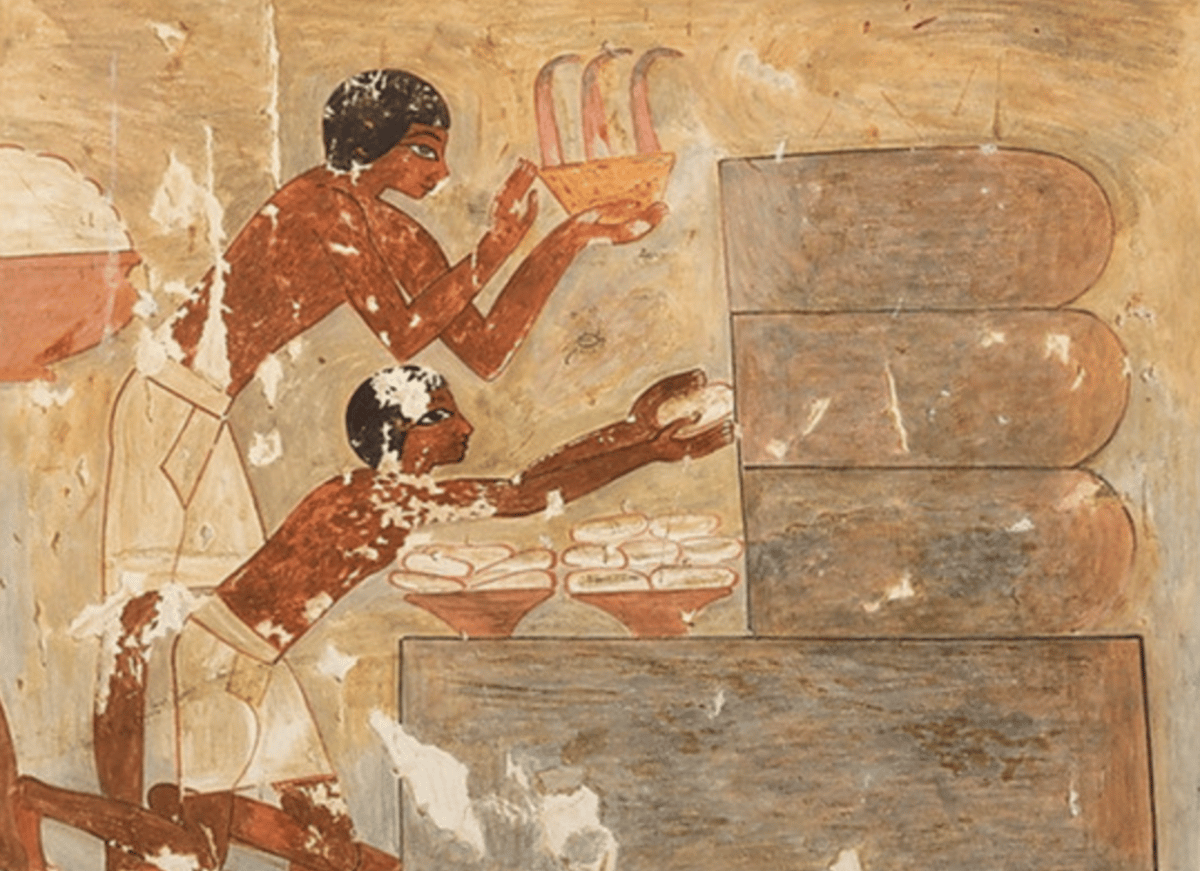
Why Ancient Egyptian Honey Remains Edible After 3,000 Years
Researchers have confirmed that sealed jars of honey recovered from a sixth‑century BC Egyptian tomb are still chemically intact and theoretically edible after 3,000 years. The longevity stems from honey’s low water activity, natural hydrogen peroxide, and airtight storage that blocks microbes....
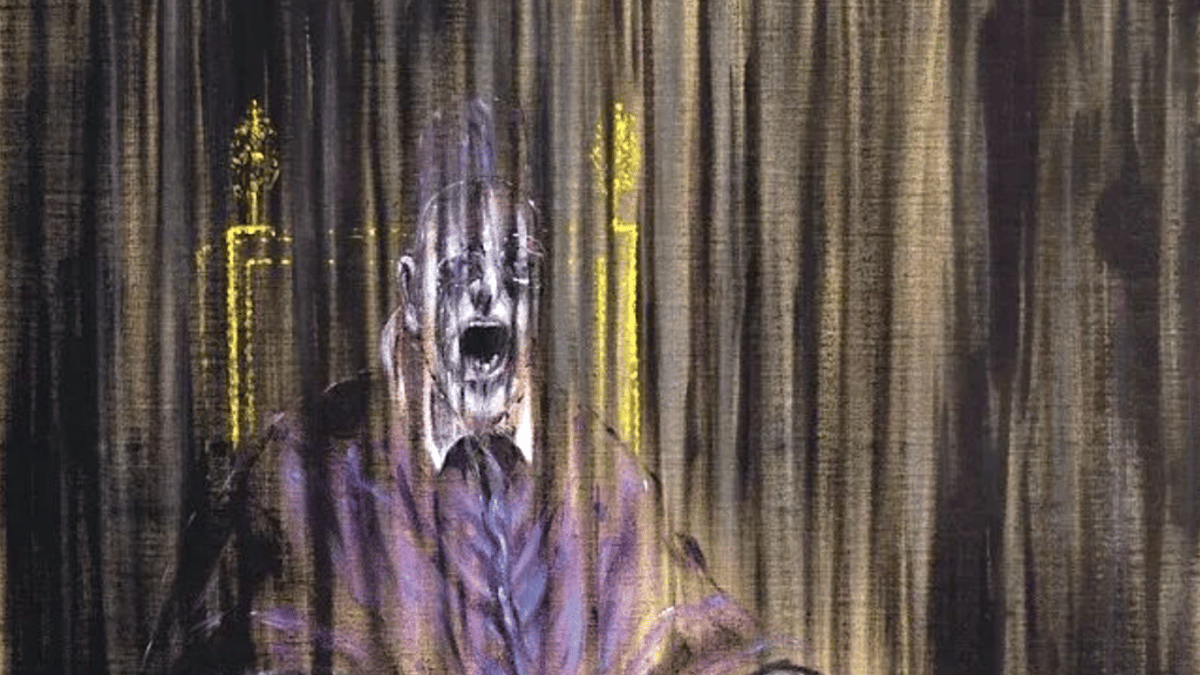
When Francis Bacon Shocked the Art World: Viewers Were Horrified by His Paintings, But Couldn’t Look Away
Francis Bacon’s 1953 masterpiece, *Study after Velázquez’s Portrait of Pope Innocent X*, shocked audiences with its visceral intensity, turning a classic papal portrait into a nightmarish vision. The painting was created from a faded copy of Velázquez’s work, allowing Bacon...

The Productive Writing Routines of Haruki Murakami, Stephen King, and Virginia Woolf, Explained
Haruki Murakami’s sixteenth novel, *The Tale of KAHO*, will debut this summer, underscoring the 77‑year‑old author’s relentless output. Murakami’s regimen—four‑hour writing blocks beginning at 4 a.m. followed by a 10 km run—mirrors the disciplined habits of Stephen King and Virginia Woolf, who...

The Psychology Behind Why Some Homes Feel Good But Most Don’t: Interior Design Principles Explained
The article explains how interior design tricks the brain into perceiving space, emphasizing that most homes feel flat because they ignore visual hierarchy. Common mistakes include arranging all furniture on a single horizontal plane and pushing sofas against walls, which...

An Ancient Philosophical Song Reconstructed and Played for the First Time in 1,000 Years
Cambridge University researchers have reconstructed a 1,000‑year‑old song drawn from Boethius' *Consolation of Philosophy*. By deciphering the melodic outlines encoded in an 11th‑century manuscript, Dr. Sam Barrett enabled a modern performance of the piece. Medieval ensemble Sequentia—Benjamin Bagby, Hanna Marti...
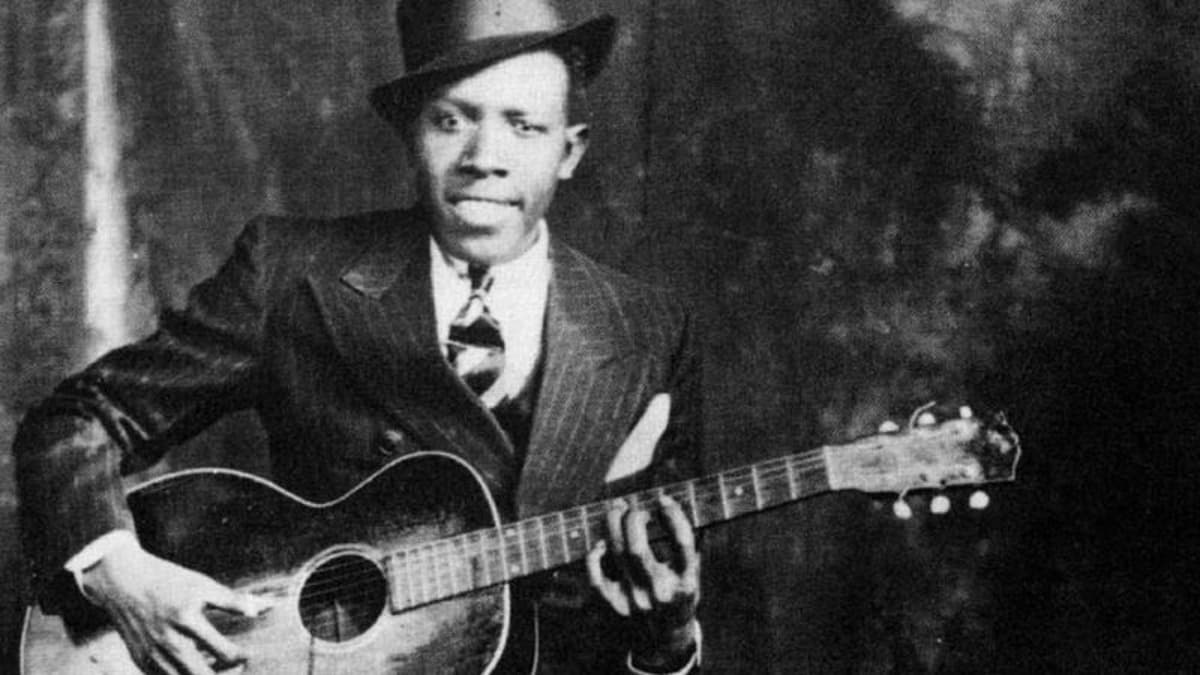
A Newly Discovered Recording Lets You Hear Delta Blues Legend Robert Johnson in Stunning Clarity
A previously unknown test pressing of Robert Johnson’s “Cross Road Blues” has surfaced, offering a second‑take recording made in 1940 directly from the original metal master. Sound restorer Nick Dellow digitized the shellac disc, revealing a level of clarity never...
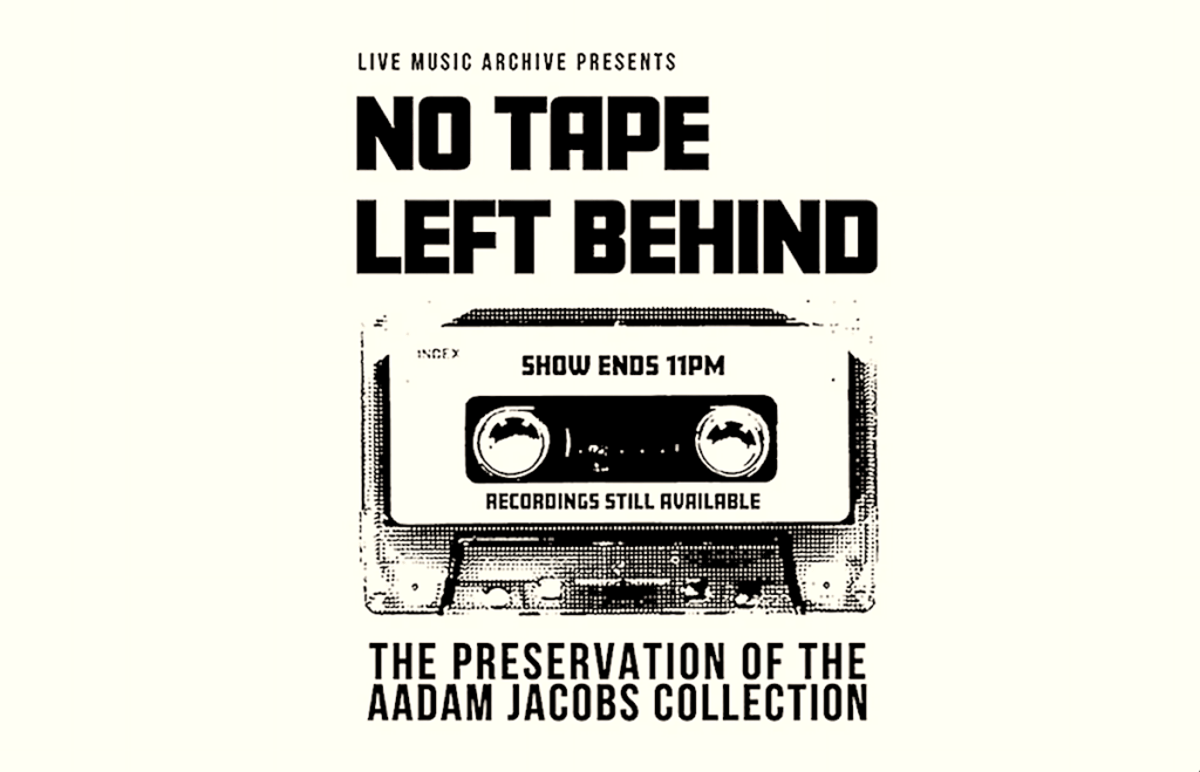
10,000 Chicago Concert Recordings Are Being Uploaded to the Internet Archive: Nirvana, Phish, Sonic Youth, They Might Be Giants &...
Chicago collector Aadam Jacobs has uploaded nearly 2,500 concert recordings to the Internet Archive, part of a larger trove of over 10,000 tapes spanning the 1980s‑2010s. The digitized files, exceeding one terabyte, include performances by Nirvana, Phish, Sonic Youth and...
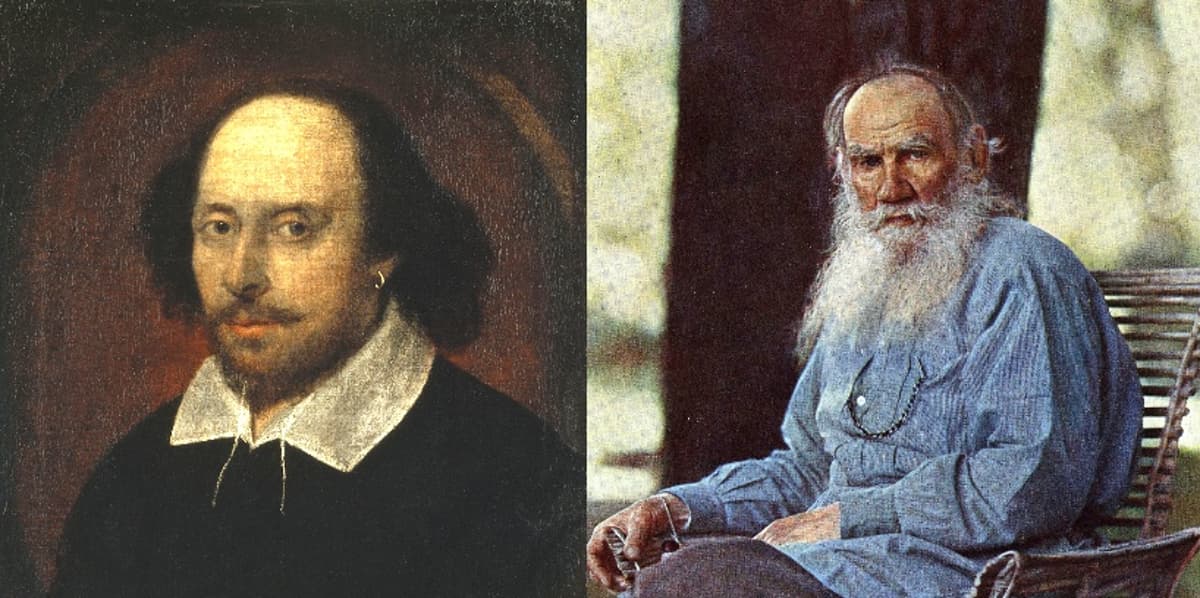
Leo Tolstoy Calls Shakespeare an ‘Insignificant, Inartistic Writer.’ Then George Orwell Fires Back
In 1906 Leo Tolstoy published an essay denouncing Shakespeare as an “insignificant, inartistic” writer, arguing that the Bard’s universal acclaim was a cultural inoculation imposed by German academia. Forty‑one years later George Orwell responded in his 1947 piece “Lear, Tolstoy...
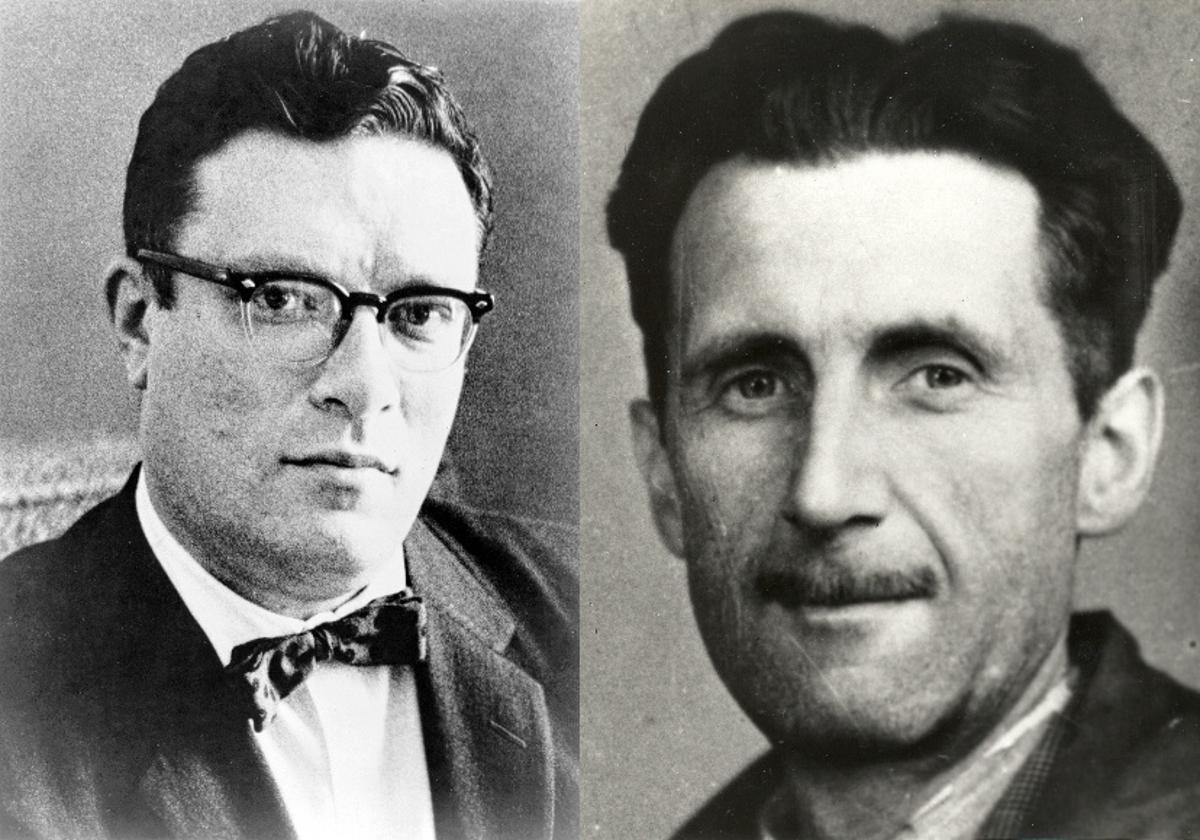
Isaac Asimov Reviews George Orwell’s Nineteen Eighty-Four and Calls It “Not Science Fiction, But a Distorted Nostalgia for a Past...
In a 1980 syndicated column, Isaac Asimov critiqued George Orwell’s *Nineteen Eighty‑Four*, arguing the novel is not science fiction but a nostalgic re‑imagining of Stalinist England. He faulted the book’s outdated setting, its focus on gin‑and‑tobacco habits, and its implausible...
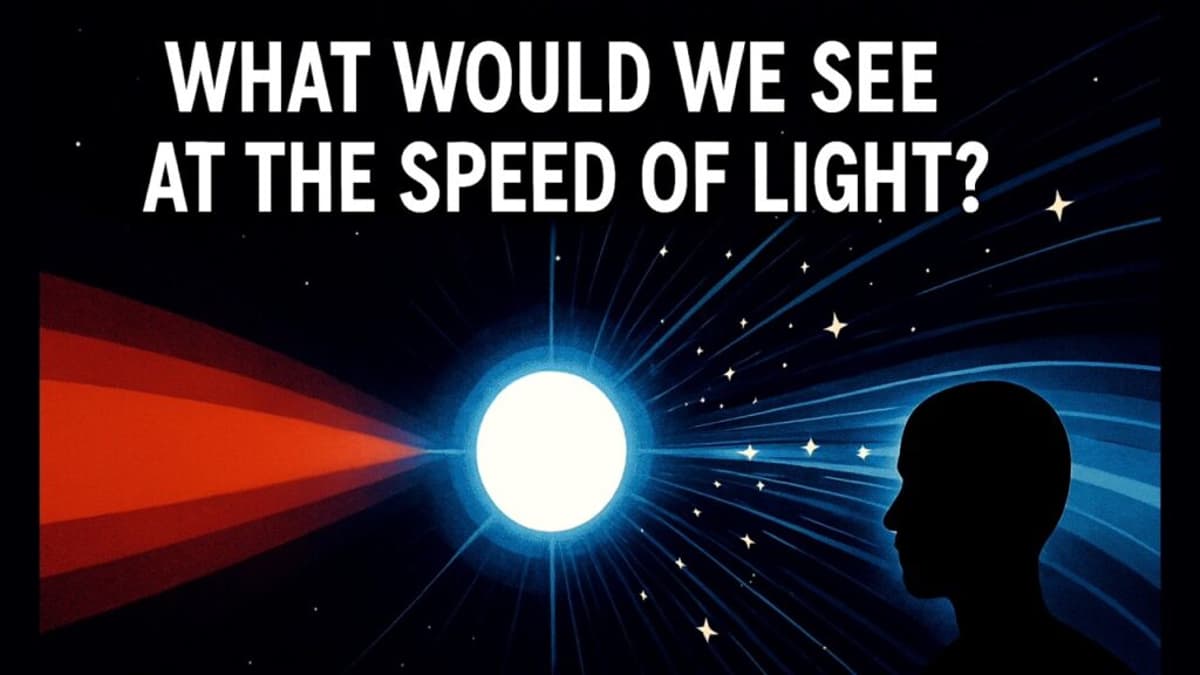
What You Would See and Feel While Traveling Near the Speed of Light
The ScienceClic animation illustrates how a spacecraft would look when accelerating toward light speed, emphasizing that only the acceleration phase poses a physiological risk. As velocity climbs, relativistic aberration squeezes the star field into a bright forward cone while the...
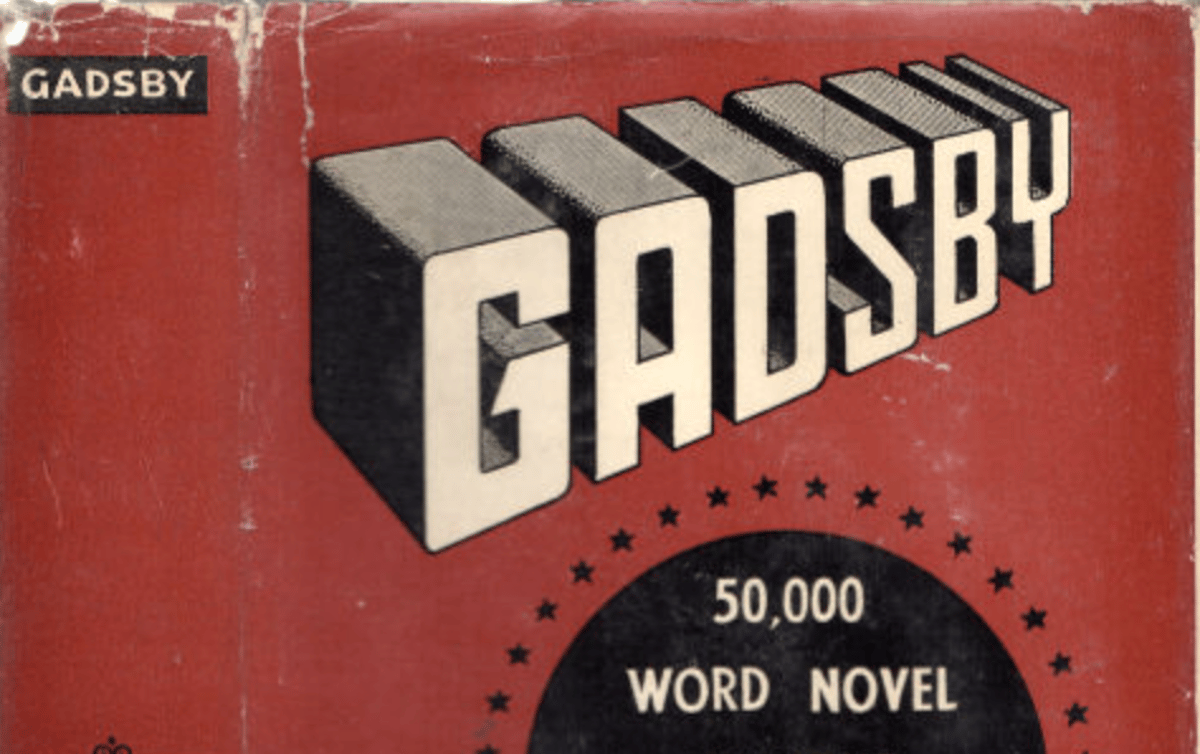
Discover Gadsby: The 50,000-Word Novel Written Without Using the Letter E (1939)
Ernest Vincent Wright’s 1939 novel *Gadsby* is a 50,000‑word lipogram that avoids the letter “E,” the most common character in English. Wright self‑published the work, which tells middle‑aged John Gadsby’s effort to revive his decaying hometown, ultimately becoming mayor as...

How Kraftwerk’s 22-Minute Song “Autobahn” Became an Early Masterpiece in Electronic Music (1975)
In early 1975 Kraftwerk released the 22‑minute track “Autobahn,” a groundbreaking electronic composition that fused Moog synthesizers, flute, and recorded road sounds. The song’s length and futuristic texture reshaped pop conventions and put Germany on the global music map. Its...

How the Hoover Dam Works: A 3D Animated Introduction
The Open Culture article spotlights a hour‑long 3D animated video by Animagraffs that dissects the Hoover Dam’s design, construction, and operational systems. Leveraging research‑backed models, the video reveals turbines, concrete arches, and auxiliary infrastructure in x‑ray detail. It notes the...