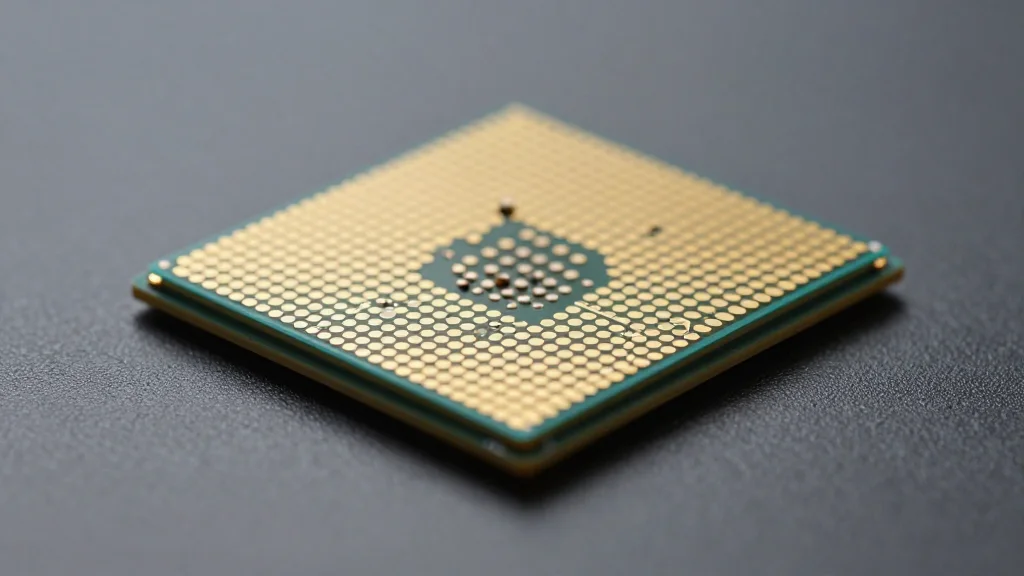
Magnetic 'Sweet Spots' Enable Optimal Operation of Hole Spin Qubits
Researchers at the CEA‑Irig Pheliqs lab have identified specific magnetic‑field orientations, termed “sweet spots,” that render silicon hole spin qubits insensitive to electrical charge noise while preserving fast electric‑driven control. Experiments on single‑hole quantum dots demonstrated a marked increase in coherence time without sacrificing driving efficiency, and the technique was successfully applied to two qubits simultaneously. The findings, published in Nature Physics, suggest a scalable path for hole‑spin quantum processors and could extend to other semiconductor platforms such as germanium. The work also outlines next steps to mitigate magnetic noise through isotopic purification.
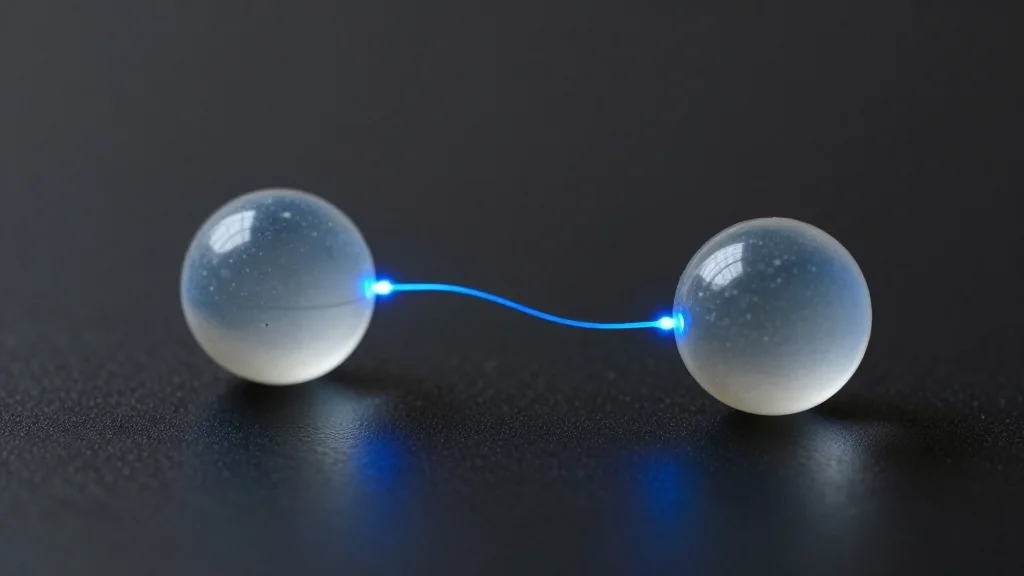
Too Much Entanglement? Quantum Networks Can Suffer From 'Selfish Routing,' Study Shows
Northwestern researchers have demonstrated that in multi‑user quantum communication networks, increasing the amount of shared entanglement can paradoxically degrade overall fidelity when each pair routes selfishly. By modeling non‑cooperative routing decisions, they showed that mixed entangled states generate a quantum...

New Cryogenic Vacuum Chamber Cuts Noise for Quantum Ion Trapping
Georgia Tech Research Institute unveiled a cryogenic vacuum chamber that dramatically reduces vibration and magnetic‑field noise for trapped‑ion quantum experiments. The design embeds magnetic shielding inside the chamber and uses ceramic‑plastic posts for vibration isolation, while an integrated RF coil...

It Started with a Cat: How 100 Years of Quantum Weirdness Powers Today's Tech
A new perspective piece in Science by Dr. Marlan Scully chronicles a century of quantum mechanics, tracing its evolution from Schrödinger’s cat paradox to the technologies that define modern life. He highlights how quantum coherence gave rise to lasers, entanglement...
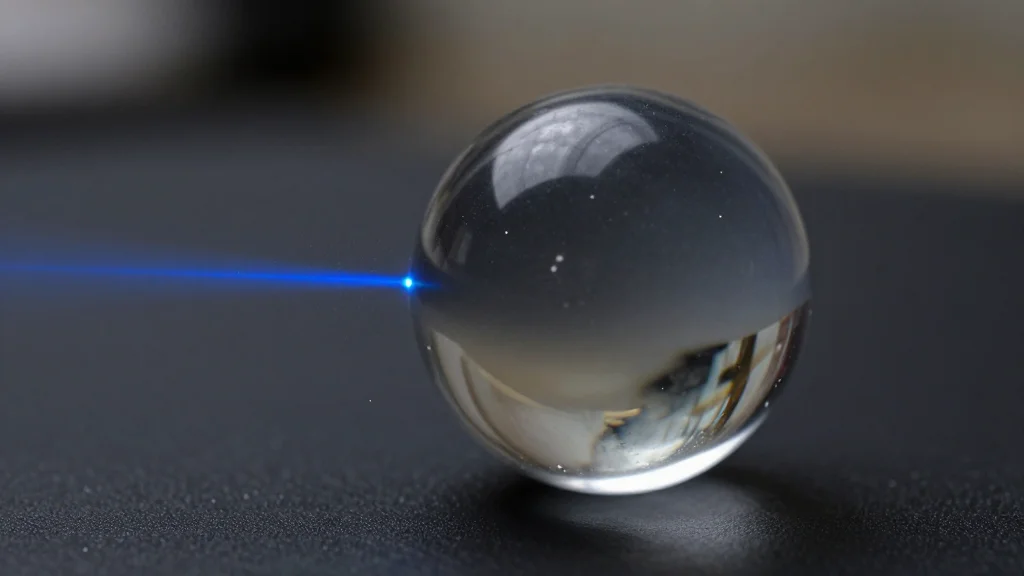
New Method Reveals Quantum States Using Indirect Measurements of Particle Flows
A University of Geneva team has introduced a quantum state tomography technique that infers the full state of an open quantum system from transport measurements of particle flows, rather than direct projective measurements. By exploiting currents and their correlations across...
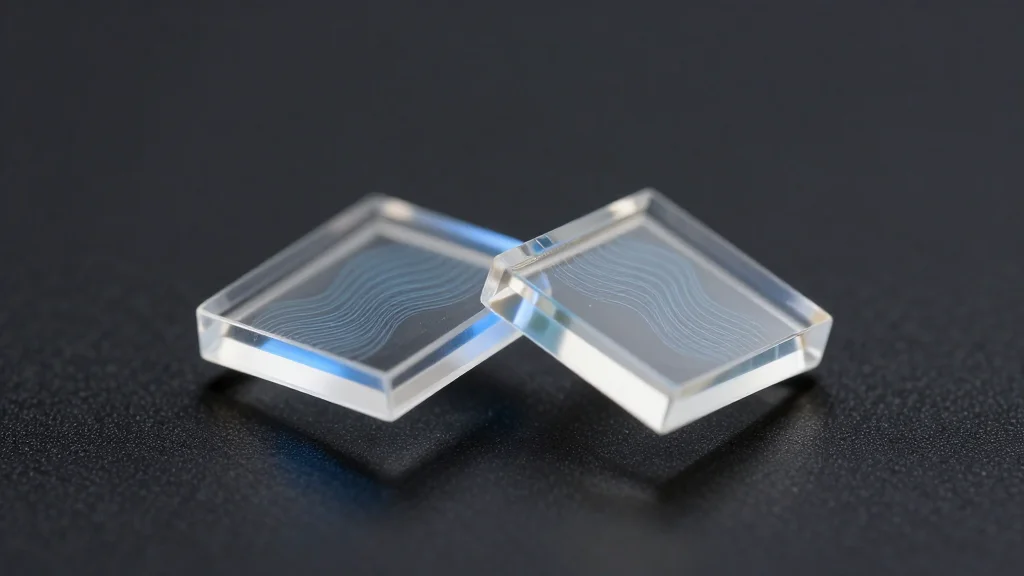
Building the World's First Open-Source Quantum Computer
Researchers at the University of Waterloo and the Institute for Quantum Computing have launched Open Quantum Design, the world’s first open‑source, full‑stack quantum computer built on ion‑trapping technology. The non‑profit OQD brings together more than 30 software contributors, dozens of...
Stealth Quantum Sensors Unlock Possibilities Anywhere GPS Doesn't Work
Phantom Photonics, a Waterloo‑spun quantum‑tech startup, is commercialising ultra‑sensitive quantum sensors that can filter background noise and detect single photons. The devices exploit a robust form of quantum coherence, allowing precise measurements in GPS‑denied environments such as deep‑sea or space....
How Pointing Errors Impact Quantum Key Distribution Systems
A new IEEE study introduces an analytical framework that quantifies how pointing errors degrade quantum key distribution (QKD) performance in optical wireless links. By applying Rayleigh and Hoyt statistical models to beam misalignment, the researchers derived closed‑form expressions for error...
Quantum 'Alchemy' Made Feasible with Excitons
Researchers at OIST and Stanford have shown that excitons—electron‑hole pairs—can drive Floquet engineering far more efficiently than conventional laser light. By generating dense exciton populations in atomically thin semiconductors, they observed pronounced band‑structure hybridization with a Mexican‑hat dispersion using time‑...

Detecting Single-Electron Qubits: Microwaves Could Probe Quantum States Above Liquid Helium
Researchers at RIKEN have demonstrated that microwave‑driven transitions of electrons floating above liquid helium can be detected through changes in quantum capacitance. By using ten million surface electrons as a macroscopic capacitor, they measured the Rydberg‑state transition via microwave frequency modulation....
Honeycomb Lattice Sweetens Quantum Materials Development
Researchers at DOE’s Oak Ridge National Laboratory have successfully synthesized a magnetic honeycomb lattice of potassium cobalt arsenate and performed the most detailed characterization to date. The distorted honeycomb structure leads to strong coupling of cobalt spins, placing the material...
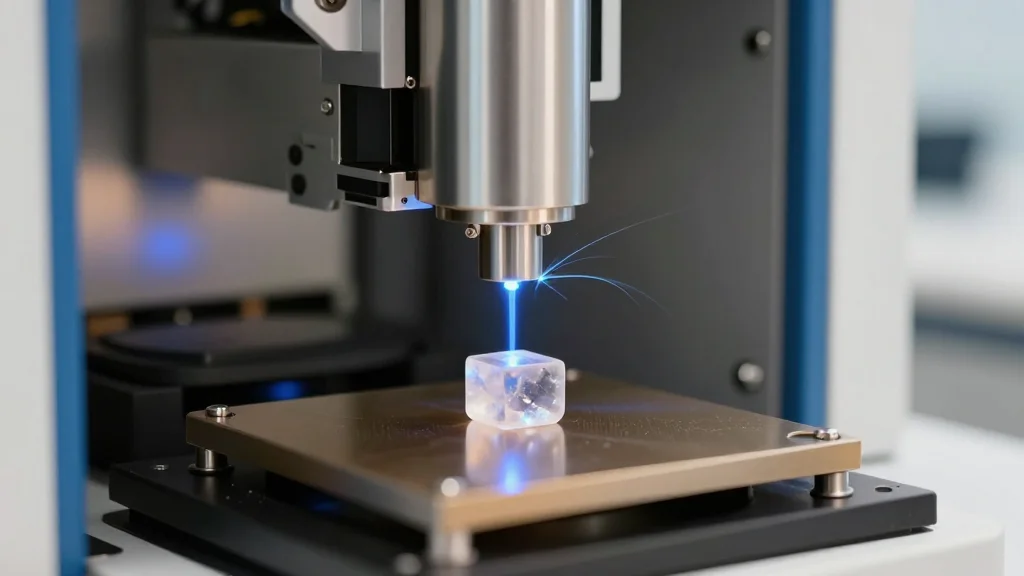
X-Ray Four-Wave Mixing Captures Elusive Electron Interactions Inside Atoms and Molecules
Scientists at SwissFEL have achieved the first X‑ray four‑wave mixing experiment, directly observing electron‑electron coherences in neon gas. The method uses three synchronized X‑ray pulses to generate a fourth signal, requiring ultrabright, ultrashort FEL bursts and nanometre‑scale beam alignment. By...

Turning Crystal Flaws Into Quantum Highways: A New Route Towards Scalable Solid-State Qubits
A new theoretical study shows that crystal dislocations, traditionally seen as defects, can serve as quantum highways for nitrogen‑vacancy (NV) centers in diamond. Using GPU‑accelerated first‑principles simulations, researchers from Ohio State and the University of Chicago demonstrated that NV qubits...

Neutral-Atom Arrays, a Rapidly Emerging Quantum Computing Platform, Get a Boost From Researchers
Columbia researchers have combined optical tweezers with nanophotonic metasurfaces to create a 600 × 600 neutral‑atom array, yielding 360,000 individual traps on a 3.5 mm chip. They demonstrated trapping of 1,000 strontium atoms and showed the design can scale beyond 100,000 qubits with...

Quantum Simulator Reveals How Vibrations Steer Energy Flow in Molecules
Rice University physicists used a trapped‑ion quantum simulator to emulate a two‑site molecule coupled to two distinct vibrational modes. By independently tuning donor‑acceptor coupling, vibration strength, and environmental dissipation, they directly observed how energy migrates between sites. The experiment showed...
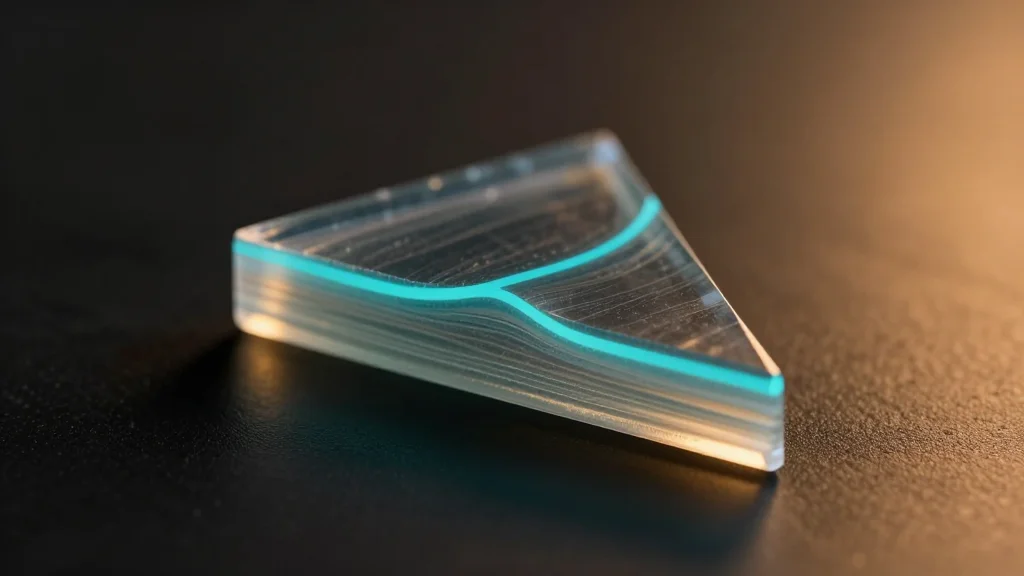
New State of Matter Discovered in a Quantum Material
Researchers at TU Wien have identified an emergent topological semimetal phase in the quantum‑critical material CeRu₄Sn₆, observed at temperatures just above absolute zero. The discovery shows that topological states can exist even when the conventional particle‑like description of electrons fails, as...
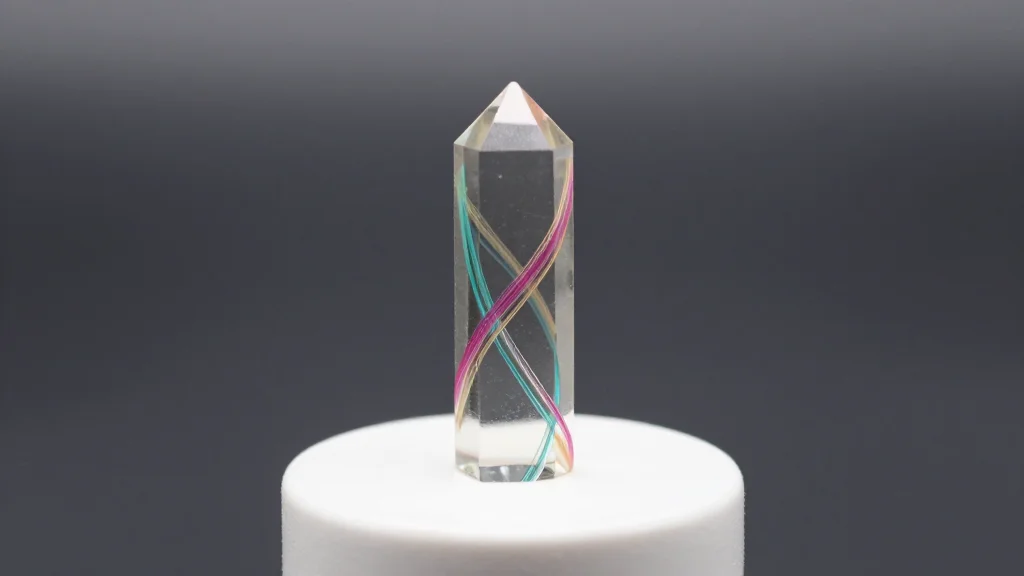
Quantum-Dot Device Can Generate Multiple Frequency-Entangled Photons
Researchers at Telecom Paris unveiled a shaping frequency entangling gate (FrEnGATE) that uses a quantum‑dot embedded waveguide to generate multiple frequency‑entangled photons. The device operates in the 1550 nm telecom band and can repeatedly entangle photons without post‑generation filtering. Numerical simulations...

Scientists Realize a Three-Qubit Quantum Register in a Silicon Photonic Chip
UC Berkeley researchers have realized a three‑qubit quantum register on a silicon photonic chip using atomic‑scale T‑centers. The device achieves coherent control and entanglement with nuclear‑spin coherence times up to roughly 100 ms. The register is integrated via ion implantation, rapid...

A New Valve for Quantum Matter: Steering Chiral Fermions by Geometry Alone
A team led by Stuart Parkin and Claudia Felser has demonstrated a chiral fermionic valve that separates particles of opposite handedness using only quantum geometry, without magnetic fields. The device is built from high‑quality PdGa topological semimetal crystals micro‑structured into a three‑arm...
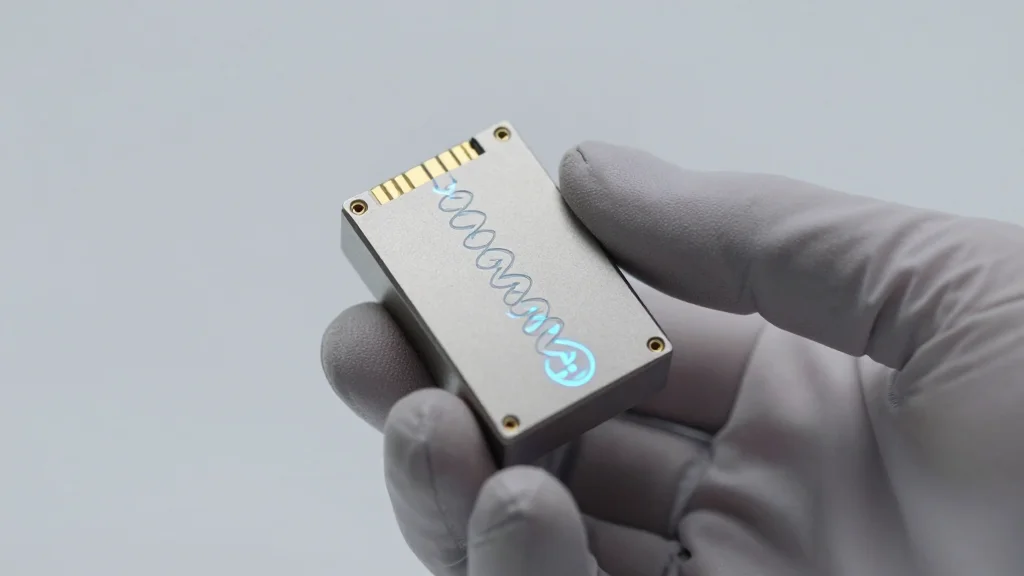
An Ultra-Fast Quantum Tunneling Device for the 6G Terahertz Era
A UNIST‑Ajou research team has created a terahertz quantum tunneling device that operates at dramatically lower electric fields, using titanium dioxide instead of aluminum oxide. The new TiO₂‑based nanogap device tunnels reliably at about 0.75 V nm⁻¹, roughly one‑quarter of the field...

Quantum Phenomenon Enables a Nanoscale Mirror that Can Be Switched on and Off
Physicists at the University of Amsterdam have created a nanoscale mirror that can be electrically switched on and off using a monolayer of tungsten disulfide (WS₂) integrated into a hybrid 2D excitonic metasurface. The device exploits strong light‑matter coupling and...
Replication Efforts Suggest 'Smoking Gun' Evidence Isn't Enough to Prove Quantum Computing Claims
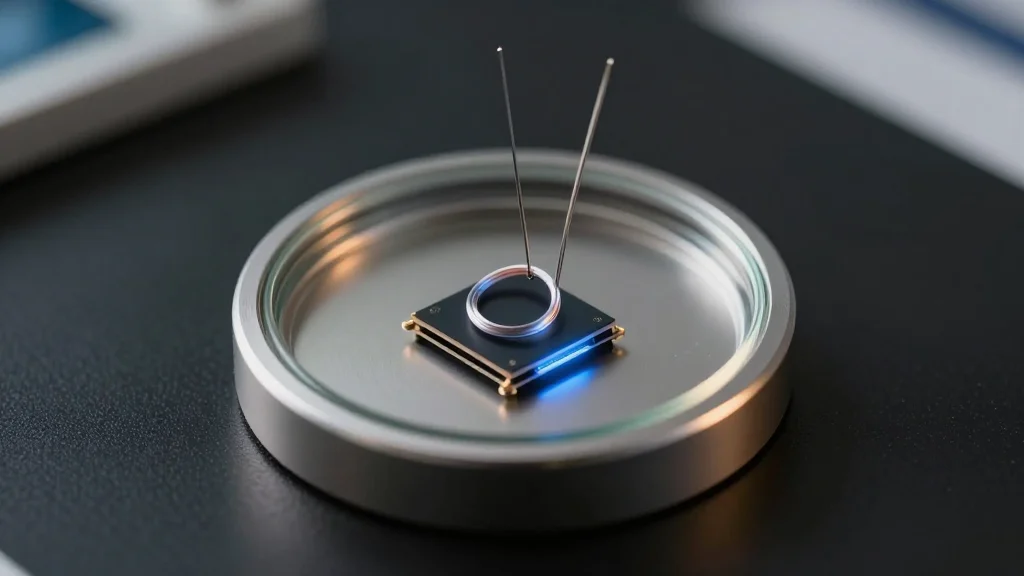
A multinational team led by University of Pittsburgh physicist Sergey Frolov conducted multiple replication studies on topological signatures claimed to demonstrate breakthroughs in quantum computing. Each attempt uncovered alternative, non‑topological explanations for the dramatic "smoking‑gun" patterns reported in high‑profile journals....

Unexpected Oscillation States in Magnetic Vortices Could Enable Coupling Across Different Physical Systems
Researchers at Helmholtz‑Zentrum Dresden‑Rossendorf have observed self‑induced Floquet states in magnetic vortices using only microwatt‑level magnetic wave excitation. The phenomenon manifests as a magnon frequency comb, a series of evenly spaced spectral lines, arising from a subtle circular motion of...

Entanglement Enhances the Speed of Quantum Simulations, Transforming Long-Standing Obstacles Into a Powerful Advantage
Researchers at the University of Hong Kong have demonstrated that quantum entanglement, long seen as a barrier for classical simulations, actually accelerates quantum simulations. Published in Nature Physics, the study shows that higher entanglement improves algorithmic efficiency on quantum hardware....
New Evidence for a Particle System that 'Remembers' Its Previous Quantum States
Researchers at the Weizmann Institute have presented new evidence that bilayer graphene hosts non‑Abelian anyons, exotic quasiparticles that retain a memory of their exchange history. By guiding an anyon around a magnetic island and measuring interference‑derived resistance oscillations, they detected...

New Framework Unifies Space and Time in Quantum Systems
Physicists Seok Hyung Lie and James Fullwood introduced a theoretical framework that unifies spatial and temporal quantum descriptions into a single multipartite quantum state over time. By assuming linearity of the initial state and a quantum version of conditional probability, they...

Metal–Metal Bonded Molecule Achieves Stable Spin Qubit State, Opening Path Toward Quantum Computing Materials
Researchers at Kumamoto University and partners have shown that the cobalt‑based molecule Co₃(dpa)₄Cl₂, featuring direct metal‑metal bonds, can function as a stable spin qubit. Advanced magnetic measurements and pulsed EPR revealed slow magnetic relaxation and coherent Rabi oscillations, indicating long‑lived...
Fault-Tolerant Quantum Computing: Novel Protocol Efficiently Reduces Resource Cost
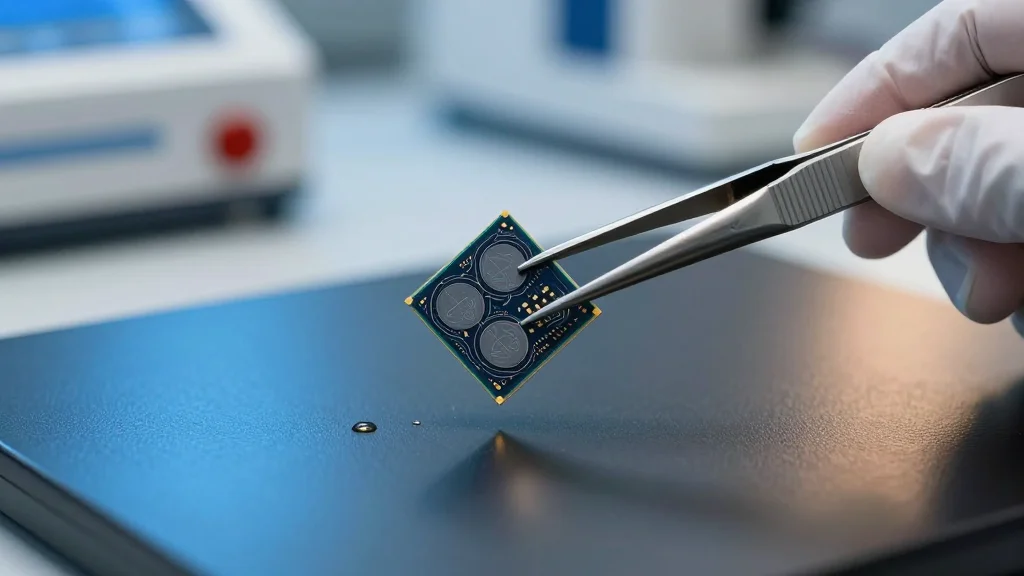
Researchers at the University of Tokyo and Nanofiber Quantum Technologies have unveiled a hybrid fault‑tolerant quantum computing protocol that simultaneously reduces space and time overhead. By pairing quantum low‑density parity‑check (QLDPC) codes with concatenated Steane codes, the scheme achieves constant...