Phys.org - Space News
Research-driven reporting on space technology and exploration developments
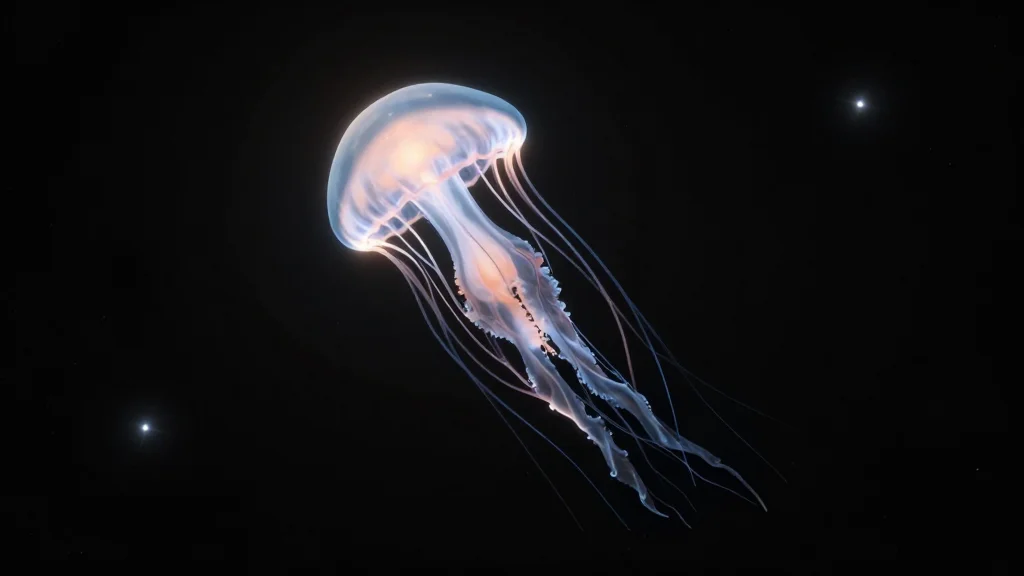
JWST Spots Most Distant Jellyfish Galaxy to Date
Astrophysicists at the University of Waterloo used the James Webb Space Telescope to identify the most distant jellyfish galaxy ever observed, at a redshift of z = 1.156, which corresponds to a look‑back time of about 8.5 billion years. Jellyfish galaxies display long, tentacle‑like gas tails created by ram‑pressure stripping as they race through hot, dense galaxy clusters. This detection pushes the known occurrence of such stripping back to a much younger universe. The finding showcases JWST’s power to probe environmental processes at high redshift.
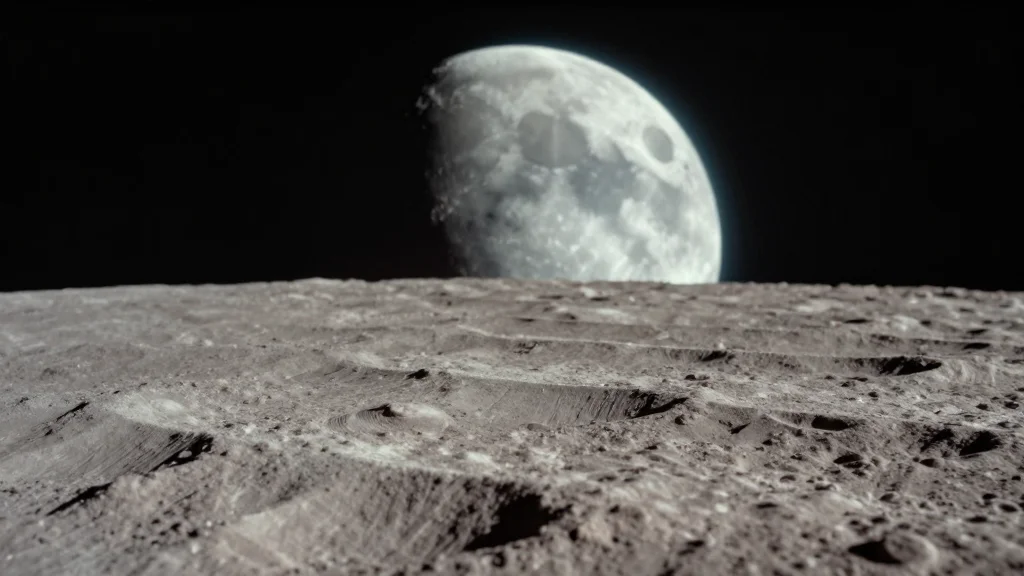
Scientists Discover Recent Tectonic Activity on the Moon
Scientists at the National Air and Space Museum have produced the first global map of small mare ridges (SMRs) on the Moon, revealing these features are geologically young and abundant across the lunar maria. The study, published in The Planetary...
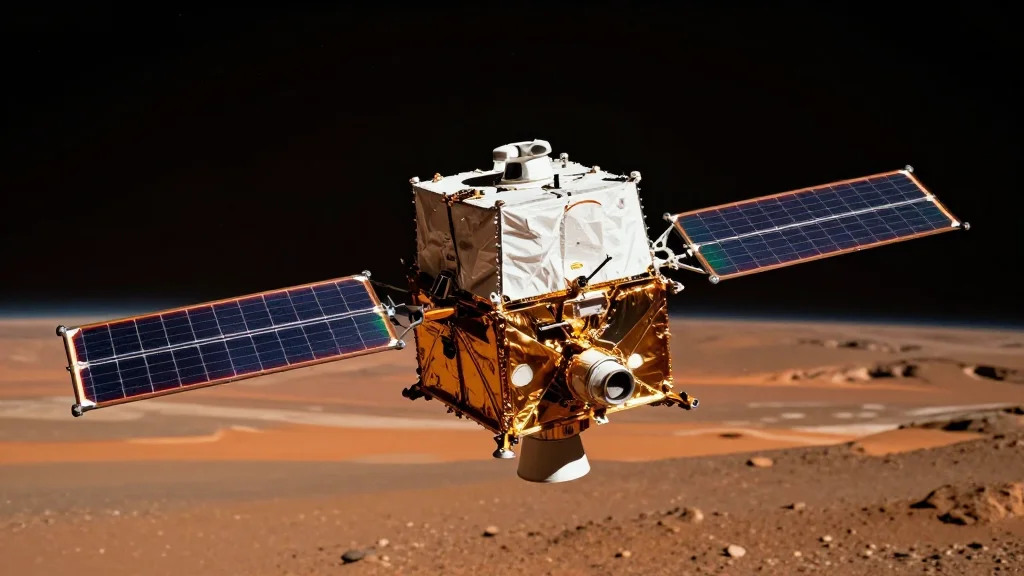
UAE Extends Mars Probe Mission Until 2028
The United Arab Emirates announced that its Emirates Mars Mission, known as the Hope probe, will be extended by three years, pushing its operational timeline to 2028. Launched in 2020, the spacecraft is now in its fifth year of orbiting...
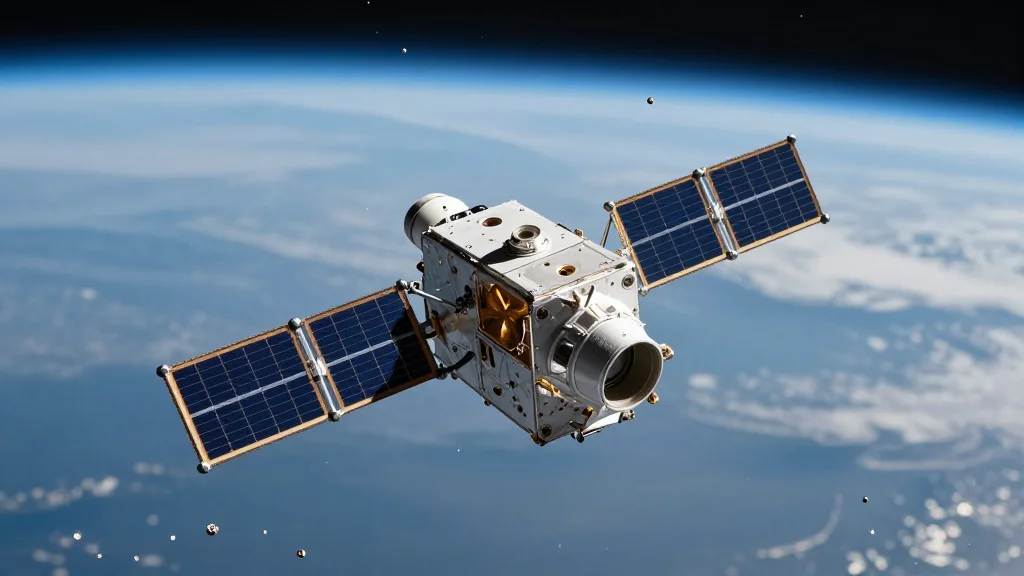
New Tool Could Reduce Collision Risk for Earth-Observation Satellites
University of Manchester researchers have unveiled a modeling framework that integrates collision risk directly into Earth‑observation satellite mission design. The tool links image‑resolution requirements, satellite size and constellation density with debris probability, revealing that 0.5 m resolution satellites face the highest...
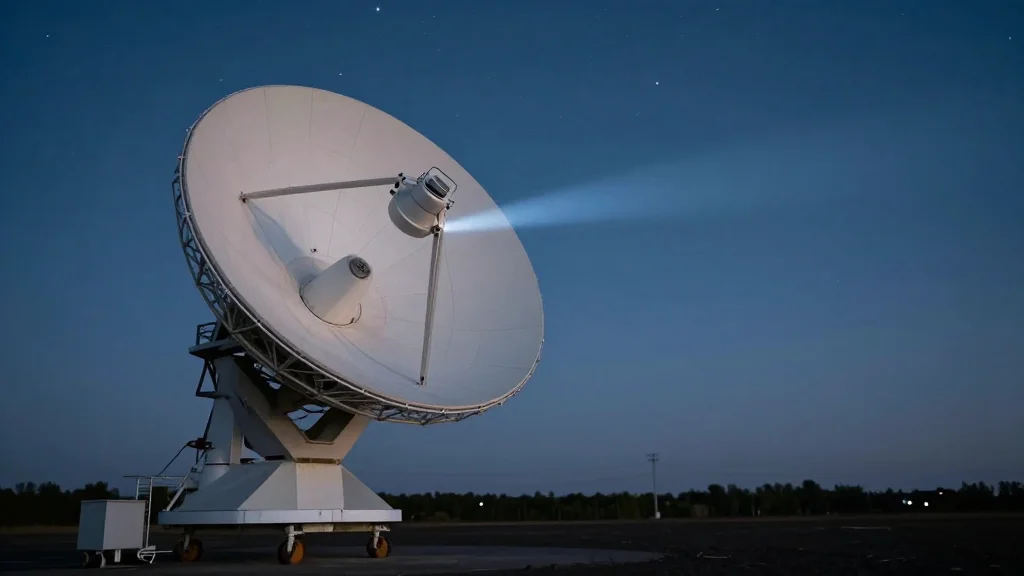
If Alien Signals Have Already Reached Earth, Why Haven't We Seen Them?
A new EPFL study uses Bayesian statistics to ask how many alien technosignatures must have crossed Earth since 1960 for today’s instruments to have a realistic chance of detection. The analysis shows that achieving a high detection probability within a...

Early Mars Was Warm and Wet Not Icy, Suggests Latest Research
A new study reveals that early Mars, billions of years ago, experienced a warm, wet climate rather than the previously favored cold, icy conditions. Researchers base this conclusion on mineralogical and isotopic evidence indicating persistent liquid water and a thicker...
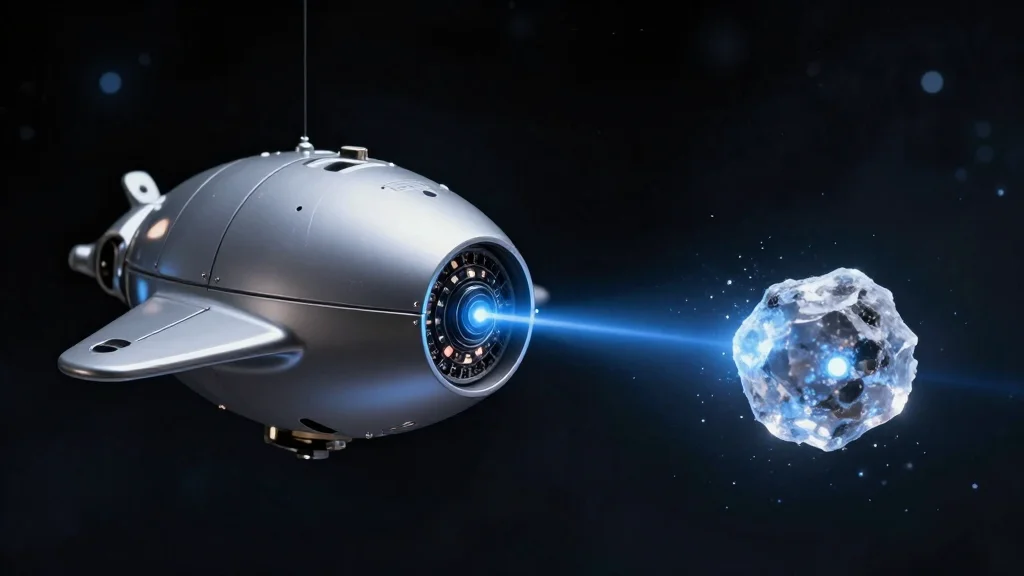
A New Concept for Catching up with 3I/ATLAS
The article outlines a new mission concept to intercept 3I/ATLAS, the third interstellar object ever recorded. It highlights the scientific payoff of a close‑up study and the steep engineering hurdles such a rendezvous entails. Central to the discussion is the...
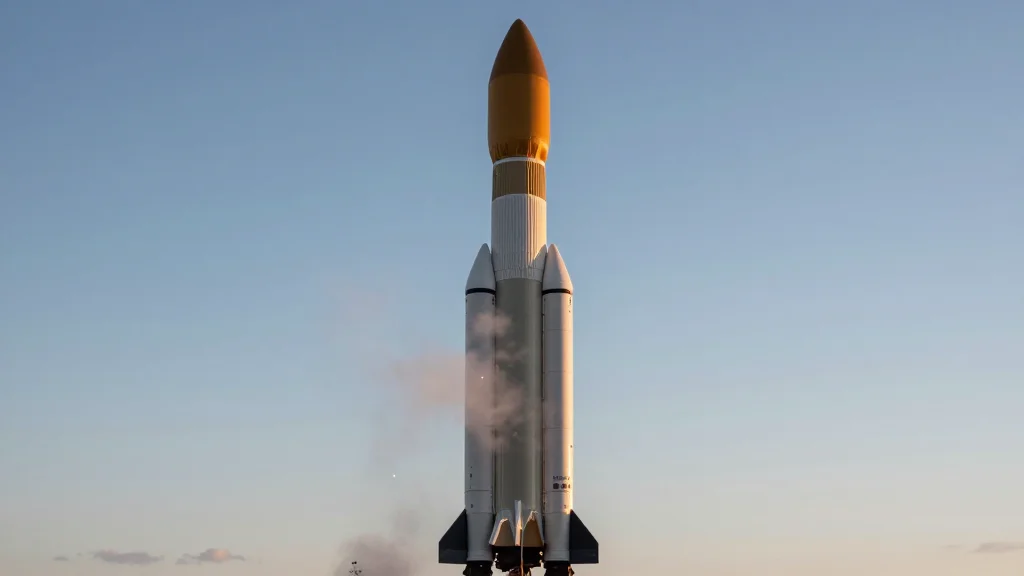
Southern California Sky Is Lit up by Valentine's Day SpaceX Launch
On Valentine’s Day, SpaceX lifted off a Falcon 9 from Vandenberg Space Force Base, deploying 24 Starlink broadband satellites into low‑Earth orbit. The launch marked the fourth Falcon 9 mission from the California site this month, with three additional flights slated for...
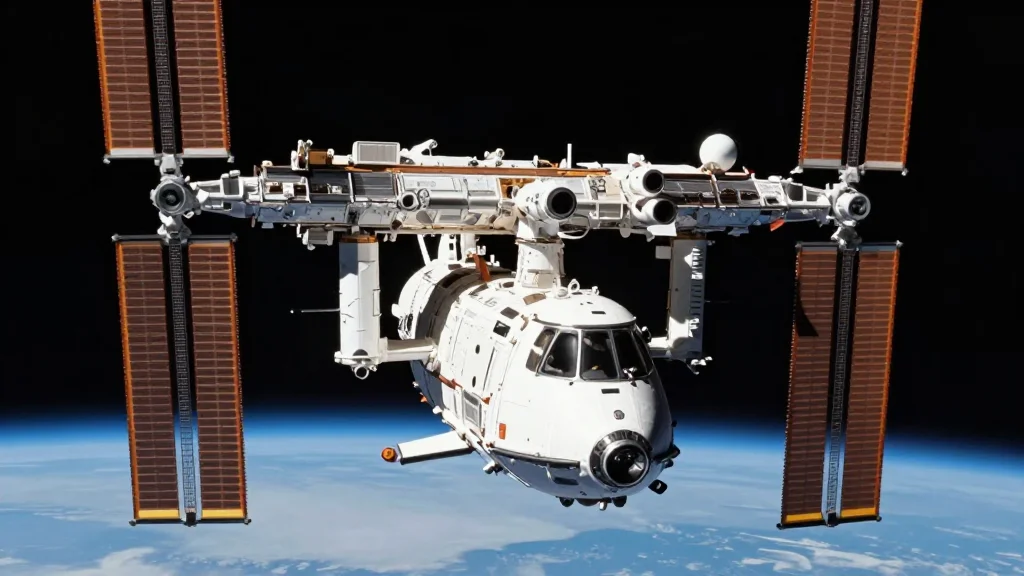
NASA to Let Private Company Vast Visit Space Station for Private Mission in 2027
NASA announced that private company Vast will be permitted to conduct a private mission to the International Space Station in 2027. This follows Axiom Space’s four scheduled ISS visits and a fifth approved for 2026. The decision expands NASA’s commercial...
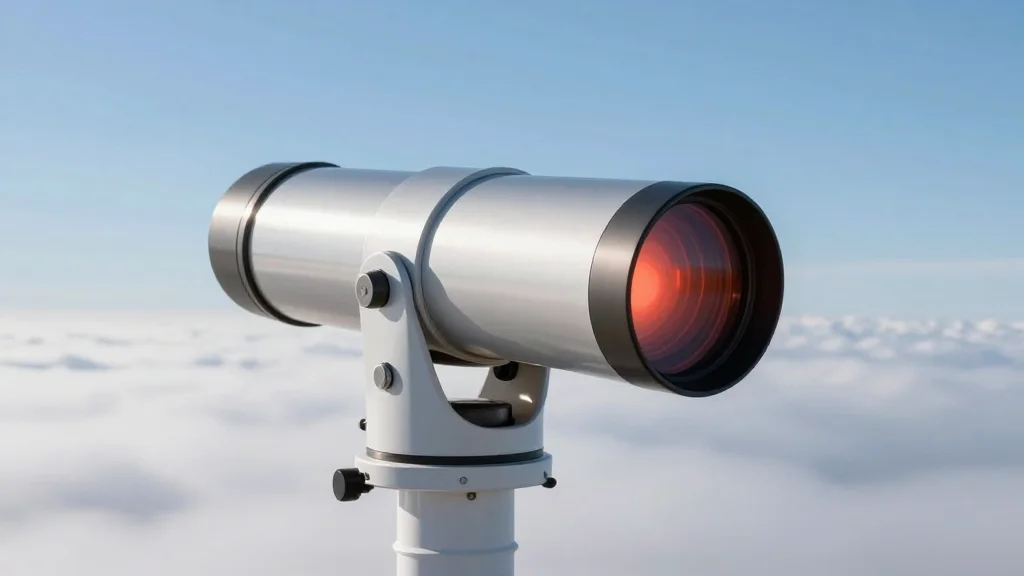
The Balloon Mission Raising the Bar for Exoplanet Science
Exoplanet atmospheric characterization has been dominated by the James Webb Space Telescope, but its high demand limits observation time. Researchers have introduced EXCITE, a balloon‑borne infrared telescope designed specifically for exoplanet climate studies. By flying on a high‑altitude gondola, EXCITE...
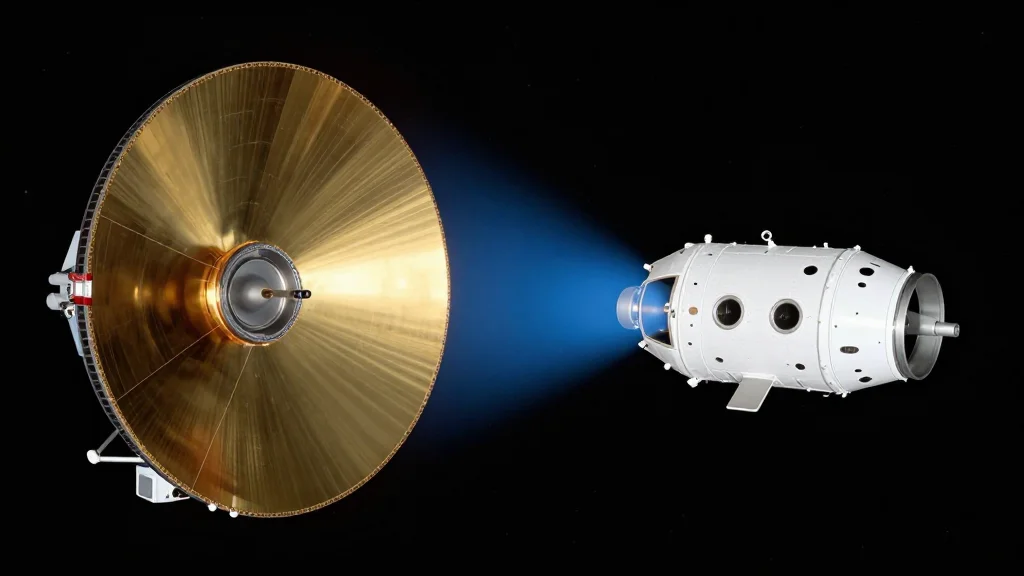
Study Outlines How JWST and Ariel Could Team up on Exoplanet Atmospheres
A new pre‑print from the Ariel‑JWST Synergy Working Group details how the James Webb Space Telescope and ESA’s upcoming Ariel mission can coordinate to study exoplanet atmospheres. The paper proposes joint target selection, simultaneous infrared spectroscopy, and shared data‑fusion pipelines...
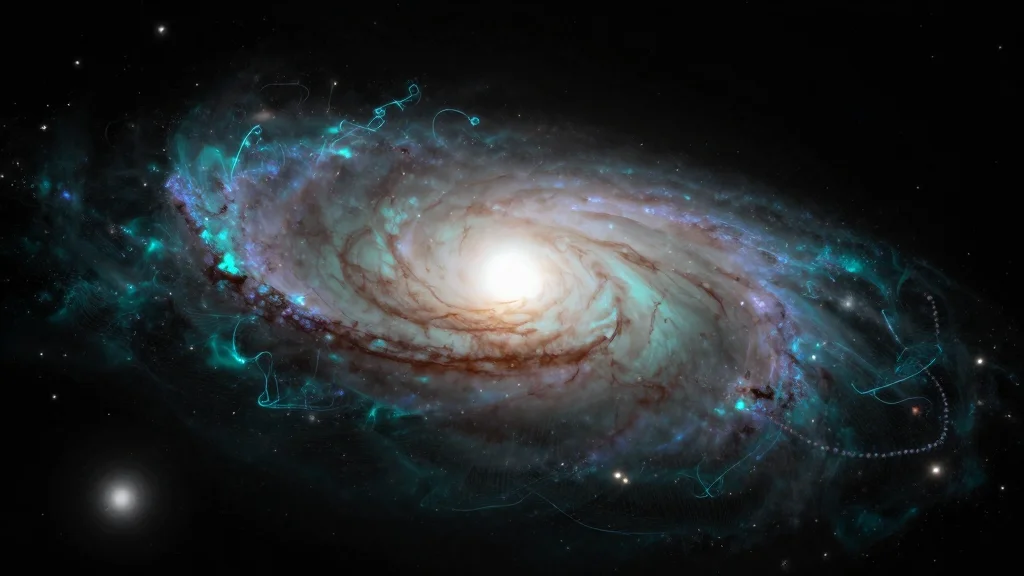
How a Certain Form of Dark Matter May Lead to the Generation of Cosmological Magnetic Fields
Researchers at McGill University and ETH Zurich propose a new origin for the universe’s pervasive, weak magnetic fields. Their Physical Review Letters paper links the generation of cosmological magnetism to a pseudo‑scalar quantum field that could constitute ultralight dark matter....
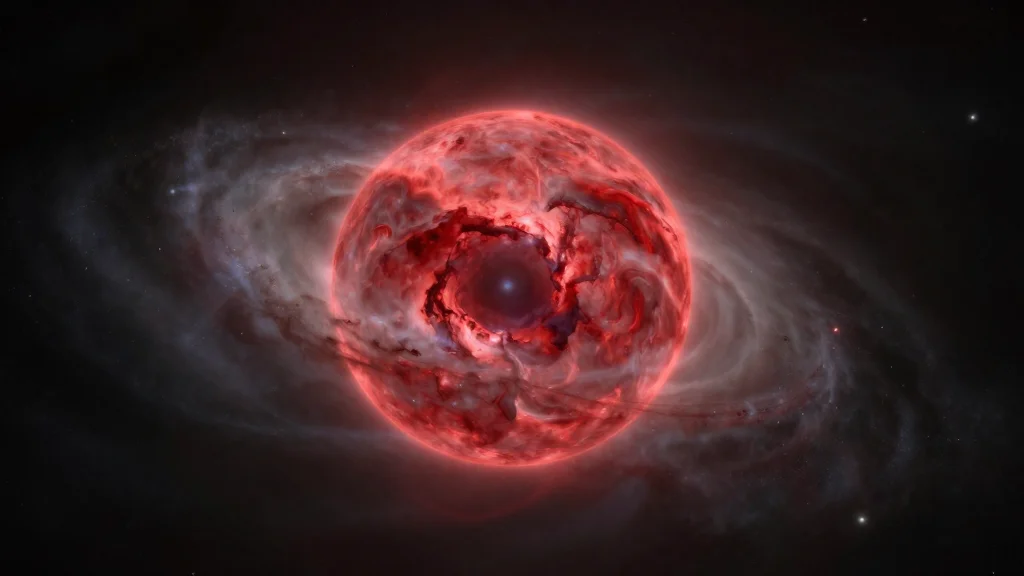
Astronomers Trace a Star's Three-Year Infrared Glow to Black Hole Birth
In 2014 a NASA infrared telescope recorded a massive star in the Andromeda galaxy steadily brightening over three years before its light vanished, leaving a dusty shell. The gradual rise and abrupt fade were only recognized years later as a...

Living in Space Can Change Where Your Brain Sits in Your Skull: New Research
A new study shows that microgravity causes the brain to shift upward and backward, deforming within the skull after spaceflight. MRI scans of astronauts taken before and after missions revealed measurable displacement and shape changes. The research links these shifts...
Decoding China's New Space Philosophy
China’s fifteenth five‑year plan (2026‑2030) places space at the heart of its national agenda, as highlighted by a China Aerospace Science and Technology Corporation (CASC) press release. The plan outlines ambitious targets, including a lunar research station, a Mars sample‑return...
Sophie Adenot, the Second French Woman to Fly to Space
Sophie Adenot, a French Air Force test pilot, has become the second French woman to travel to space, joining the Axiom-2 private mission to the International Space Station in early 2024. Her lifelong fascination with rockets, sparked by Cape Canaveral posters,...
NASA Moon Mission Spacesuit Nears Milestone
NASA’s Artemis III program has cleared a critical hurdle as the next‑generation spacesuit, built by commercial partner Axiom Space, passed a contractor‑led technical review. The review confirms the suit meets stringent performance, safety, and durability standards required for lunar surface operations....
Chang'e-6 Samples Constrain Lunar Impact Flux and Illuminate Early Impact History
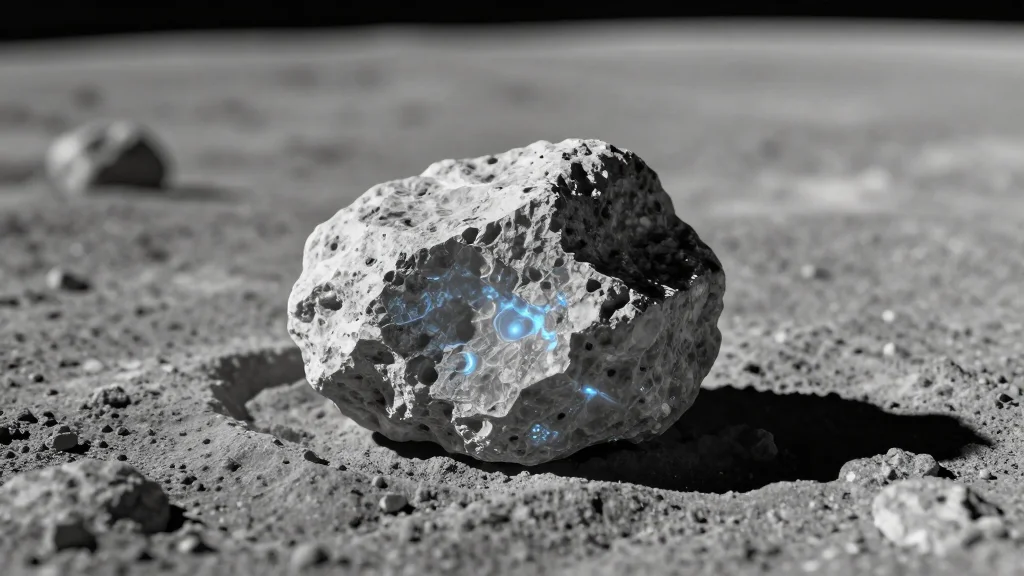
Scientists using Chang'e-6 far‑side samples have revised the lunar crater chronology, demonstrating that impact fluxes on the Moon’s near and far sides are statistically indistinguishable. Radiometric ages of 2.8 billion‑year basalts and 4.247 billion‑year norites from the South Pole–Aitken basin provide an independent...
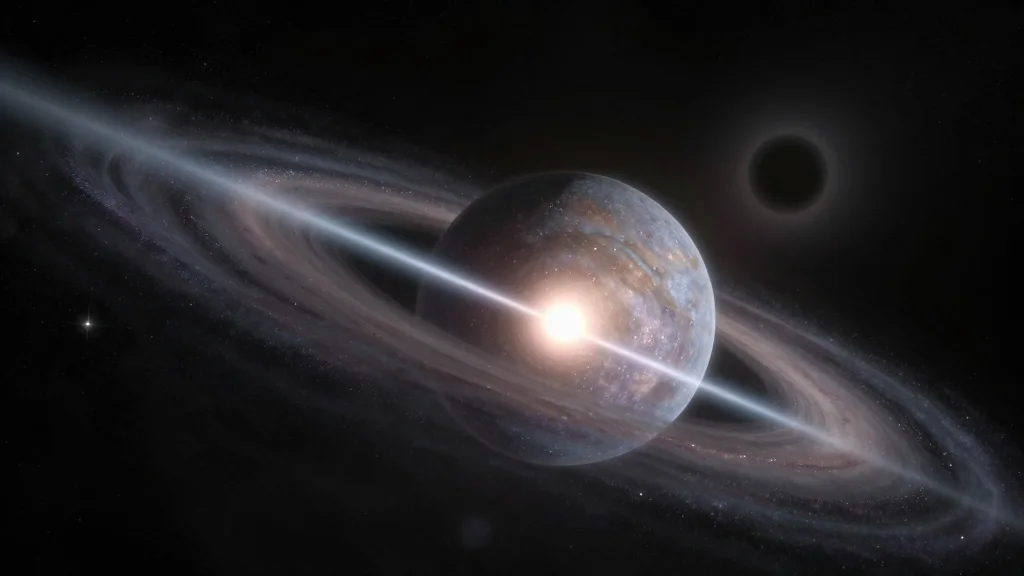
Discovery of a Possible Pulsar in the Milky Way's Center Could Enable Unprecedented Tests of General Relativity
Researchers from Columbia University and the Breakthrough Listen program have identified an 8.19‑millisecond pulsar candidate orbiting close to the Milky Way’s central black hole, Sagittarius A*. The discovery emerged from the deepest radio survey ever conducted of the Galactic Center, published...
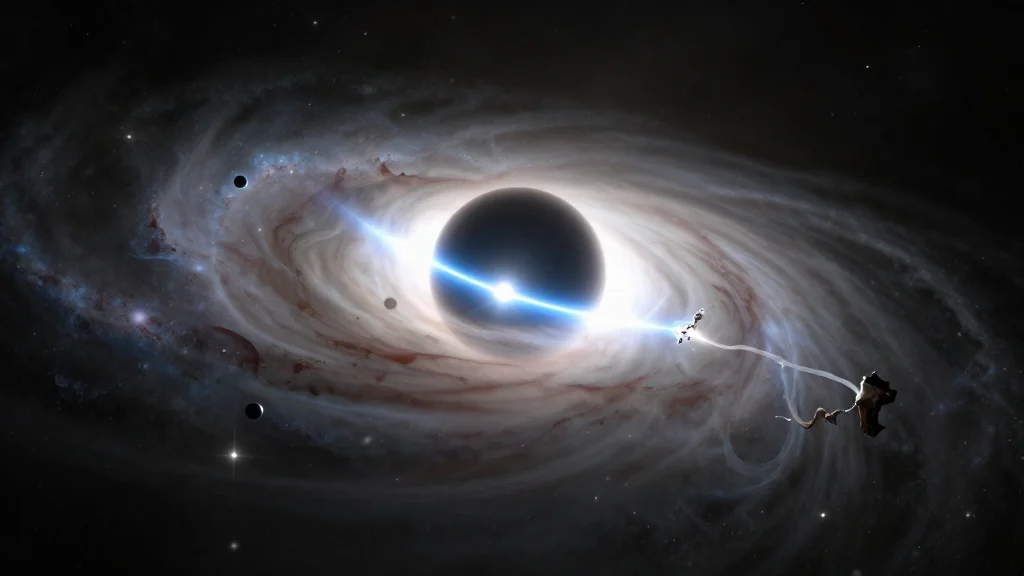
A Possible First-Ever Einstein Probe Observation of a Black Hole Tearing Apart a White Dwarf
On July 2 2025 the China‑led Einstein Probe detected a transient X‑ray source, EP250702a, whose brightness surged to ~3 × 10⁴⁹ erg s⁻¹ and displayed a rapid hard‑to‑soft spectral shift. Coordinated follow‑up across the globe confirmed the event’s location in a galaxy’s outskirts and revealed a...
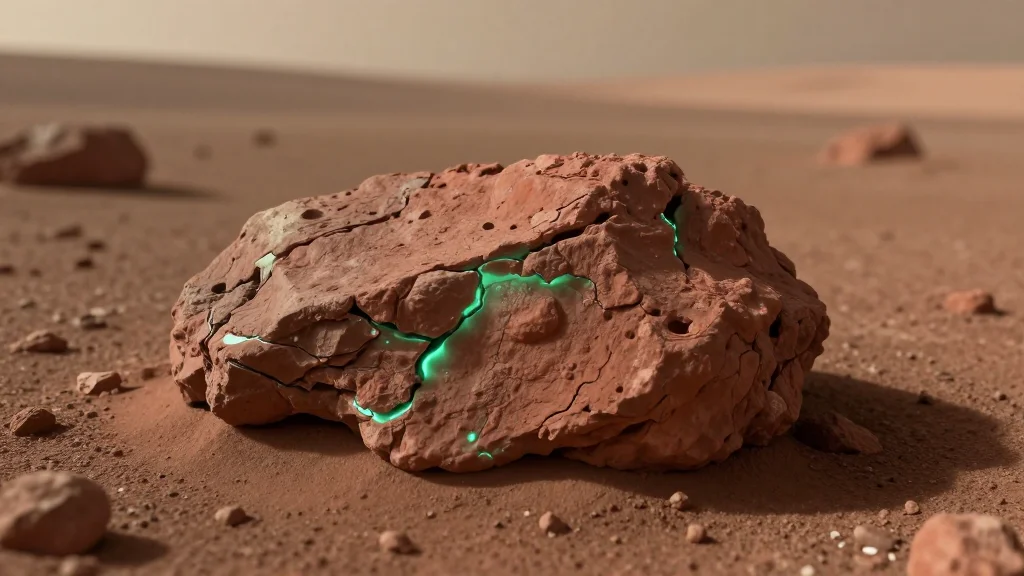
Non-Biologic Processes Don't Fully Explain Mars Organics Collected by Curiosity, Researchers Say
Researchers published a new study in Astrobiology showing that non‑biological sources cannot fully account for the organic compounds Curiosity collected on Mars. The analysis compared volcanic, meteoritic and atmospheric inputs to the rover’s measurements and found a persistent shortfall. This...
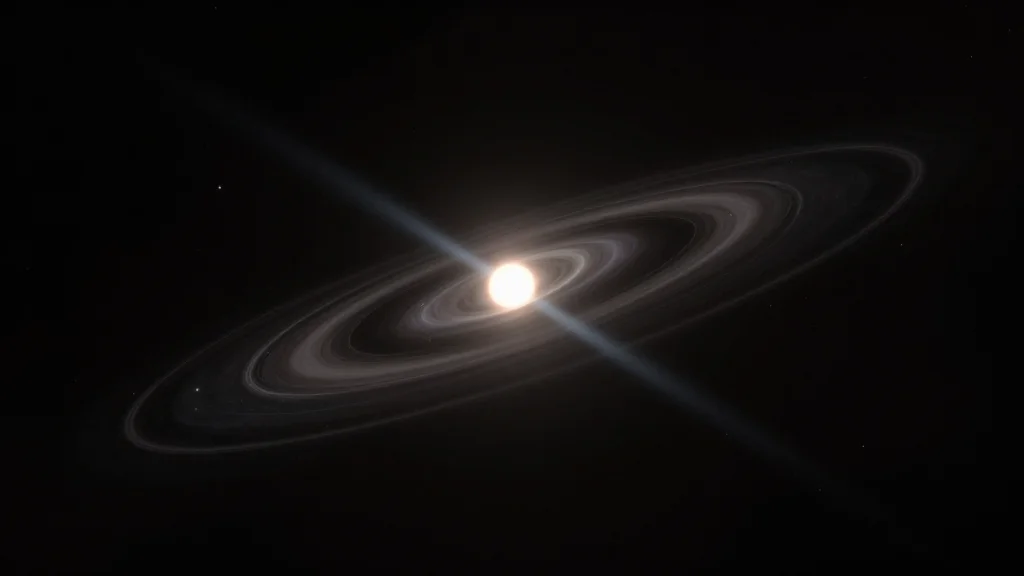
Fermi Data Help Refine Orbital Parameters of a Gamma-Ray Binary
Using 16 years of Fermi LAT data, Chinese astronomers precisely measured the orbit of the gamma‑ray binary PSR J2032+4127. The orbital period is 19,111.5 days (≈52.3 years) with an extreme eccentricity of 0.98 and a separation of about 25.3 AU. Two small spin‑glitches were identified,...
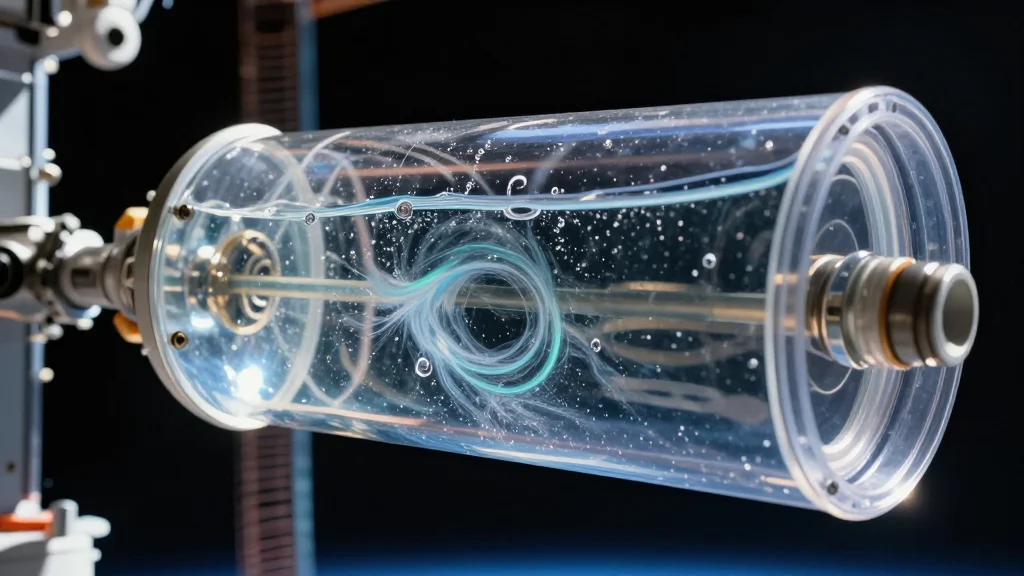
A Road Map to Truly Sustainable Water Systems in Space
Sustaining human life in space hinges on efficient water reclamation, a challenge highlighted in a new review by David Olawade and colleagues. The International Space Station’s Environmental Control and Life Support System demonstrates closed‑loop capability but remains energy‑intensive and costly...

Building Blocks of Life Discovered in Bennu Asteroid Rewrite Origin Story
NASA's OSIRIS‑REx mission returned Bennu samples in 2023, confirming the presence of a suite of amino acids—the molecular building blocks of life. While their existence was known, the formation pathway remained unclear. New research led by Penn State scientists proposes...

Why only a Small Number of Planets Are Suitable for Life
Researchers at ETH Zurich have identified a narrow oxygen range during planetary core formation that preserves phosphorus and nitrogen on the surface, a prerequisite for life. Their models show Earth uniquely fell within this chemical Goldilocks zone, while Mars and...
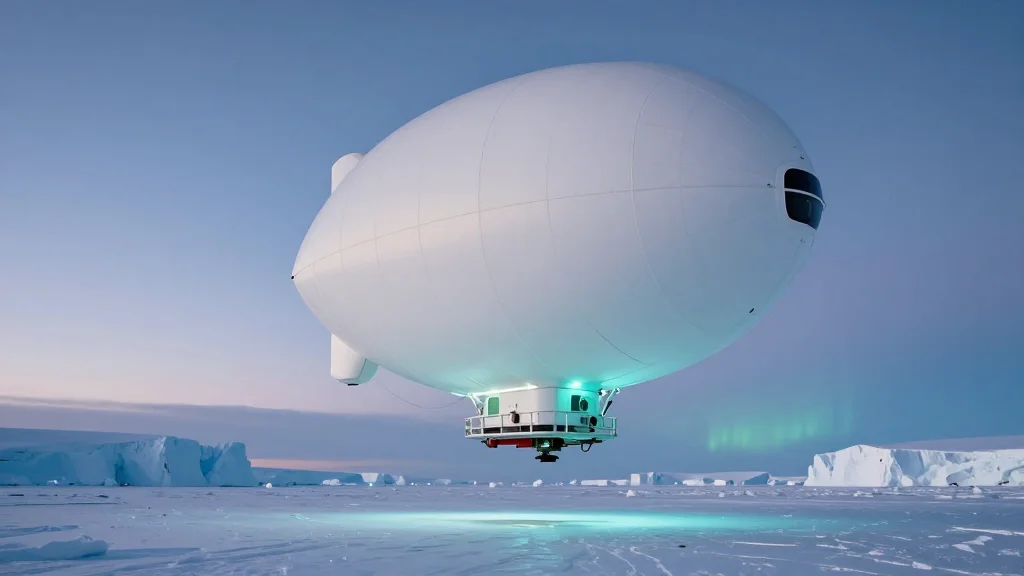
In Antarctica, Balloon Lands After 23-Day Search for Particles From Outer Space
University of Chicago’s PUEO payload lifted off on a NASA balloon on Dec. 20, 2025, and spent 23 days circling Antarctica at 120,000 feet. The instrument, equipped with 96 ultra‑sensitive radio antennas, scanned the ice for ultra‑high‑energy neutrinos—particles far more energetic than...
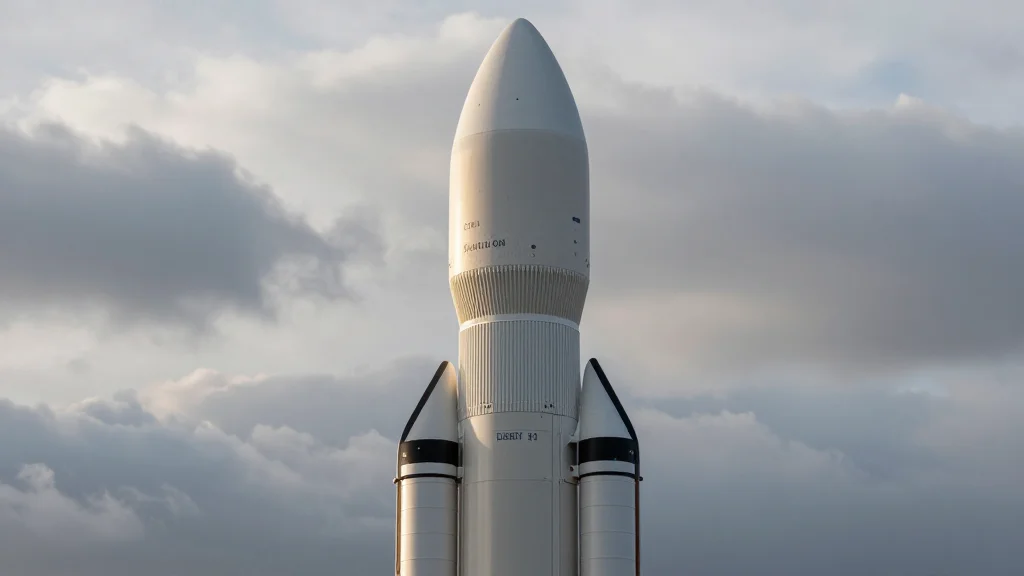
Launch to ISS Pushed to Thursday over Weather: NASA
NASA delayed the Crew‑8 launch by one day, moving the liftoff from Wednesday to Thursday due to adverse weather at Kennedy Space Center. The mission will carry four astronauts—two from NASA, one from ESA and one from JAXA—aboard SpaceX’s Falcon 9...
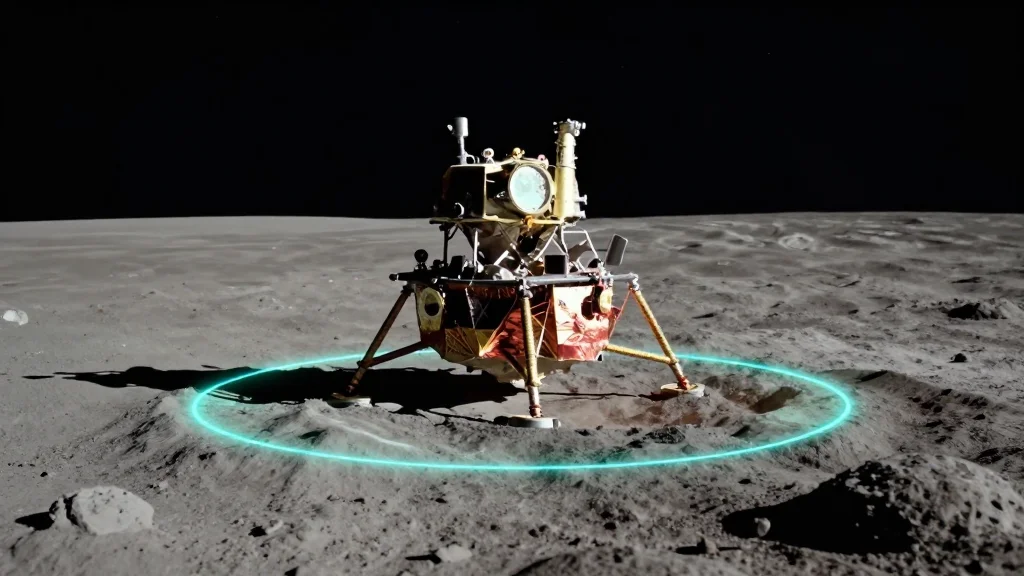
A Long-Lost Soviet Spacecraft: AI Could Finally Solve the Mystery of Luna 9's Landing Site
Researchers from the UK and Japan used a machine‑learning model, YOLO‑ETA, to pinpoint possible landing locations for the Soviet Luna 9 spacecraft, the first soft‑lander on the Moon. The algorithm, trained on Apollo site imagery, successfully identified known Soviet landers and...
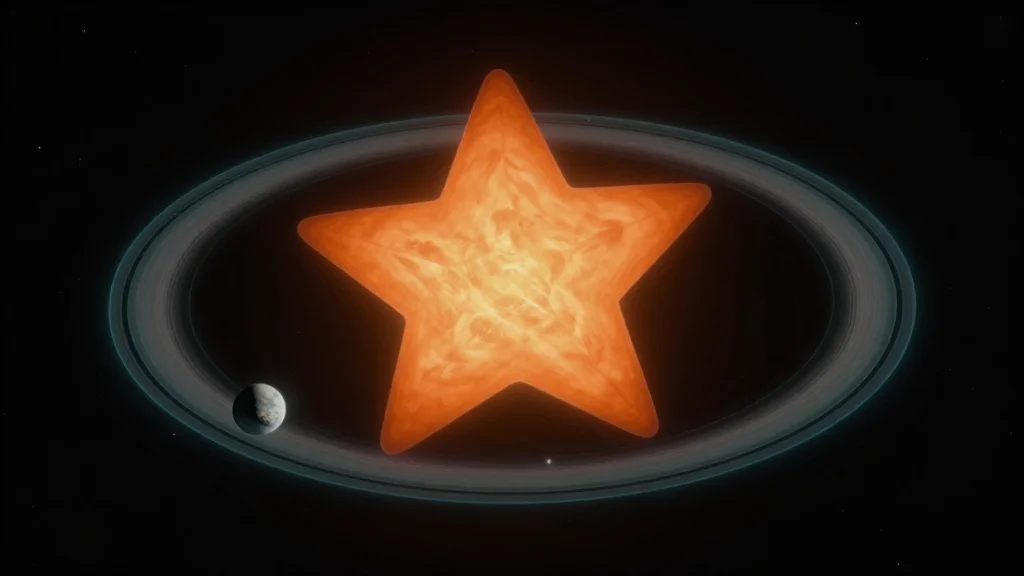
Third Exoplanet Detected in the Planetary System HD 176986
Astronomers using the HARPS and HARPS‑N spectrographs have identified a third planet orbiting the nearby K‑type star HD 176986. The new world, HD 176986 d, circles the star every 61.38 days at 0.28 AU and has a minimum mass of about 6.8 Earth masses. The discovery...
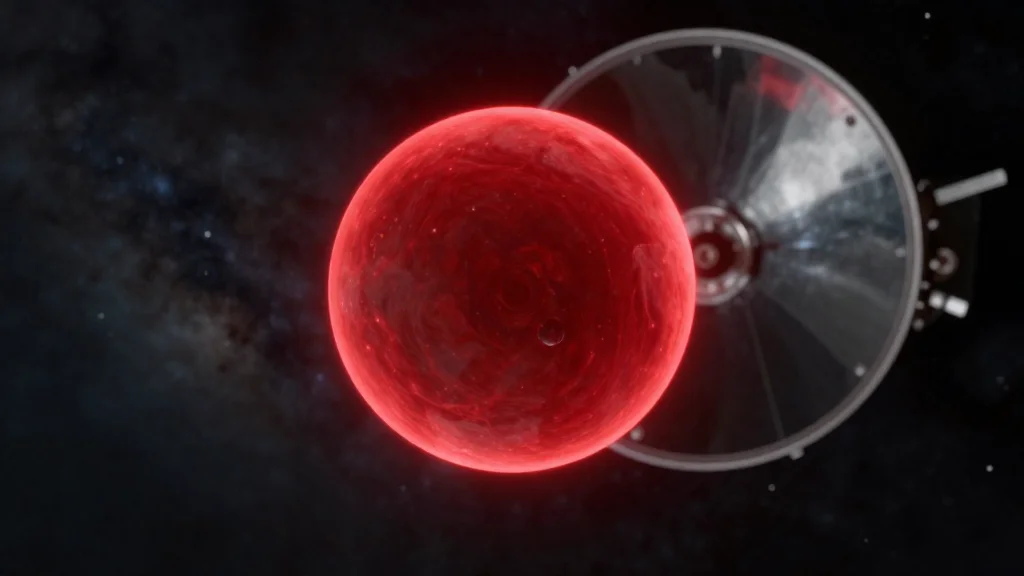
The 'Little Red Dots' Observed by Webb Were Direct-Collapse Black Holes
The James Webb Space Telescope uncovered a population of bright, red point sources in the early universe that were initially labeled "Little Red Dots." Follow‑up spectroscopy and modeling now identify these objects as direct‑collapse black holes, a hypothesized pathway for...
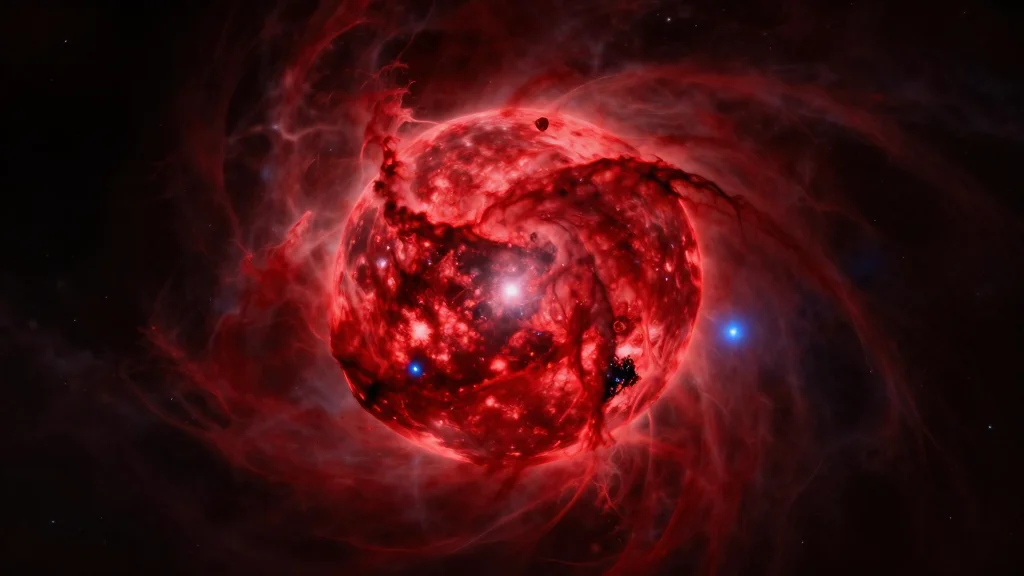
A Giant Star Is Changing Before Our Eyes and Astronomers Are Watching in Real Time
Astronomers monitoring the Large Magellanic Cloud’s red supergiant WOH G64 have recorded a rapid decline in visual brightness, a modest temperature rise, and an unprecedented surge in dust ejection over the past decade. High‑resolution imaging in 2024 revealed a fresh dust...
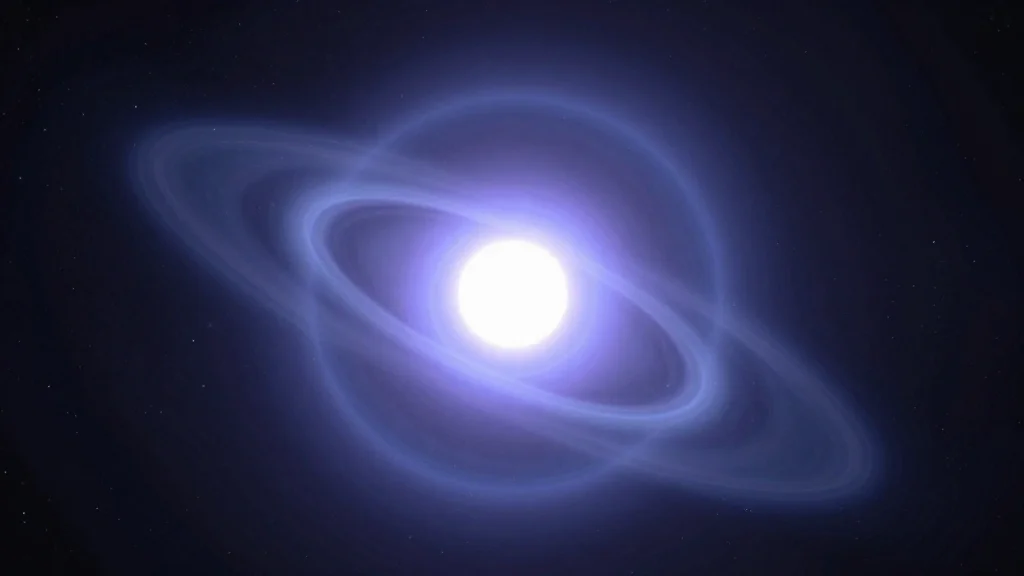
Pulsar Timing Hints at a Nearby Dark Matter 'Sub-Halo'
A team led by Sukanya Chakrabarti reported in Physical Review Letters that timing measurements of a nearby pulsar binary and solitary pulsars show a subtle acceleration inconsistent with known masses. The distortion implies an invisible object of roughly tens of...
JWST Uncovers Rich Organic Chemistry in a Nearby Ultra-Luminous Infrared Galaxy
A team from the Center for Astrobiology (CAB) and CSIC‑INTA used JWST’s infrared spectrographs to examine the heavily dust‑obscured nucleus of a nearby ultra‑luminous infrared galaxy. The observations revealed an unprecedented variety of small organic molecules, including alcohols, nitriles and...
The Amaterasu Particle: Cosmic Investigation Traces Its Origin
The Amaterasu particle, detected in 2021 by the Telescope Array, is the second‑highest‑energy cosmic ray ever recorded, packing roughly 40 million times the energy of LHC particles. A new study in The Astrophysical Journal argues that its origin is more likely...
New Crew Set to Launch for ISS After Medical Evacuation
A new Crew‑12 team—Jessica Meir, Jack Hathaway, Sophie Adenot and Andrey Fedyaev—will launch to the International Space Station on Feb 11 after the unprecedented medical evacuation of Crew‑11. The launch faces added uncertainty as SpaceX temporarily grounds Falcon 9 flights to investigate...
The Coming End of ISS, Symbol of an Era of Global Cooperation
The International Space Station will be de‑orbited in 2030 using a SpaceX‑built vehicle, ending a three‑decade era of continuous human presence in low‑Earth orbit. Launched after the Cold War, the ISS became a flagship of U.S.–Russia cooperation despite recent geopolitical...
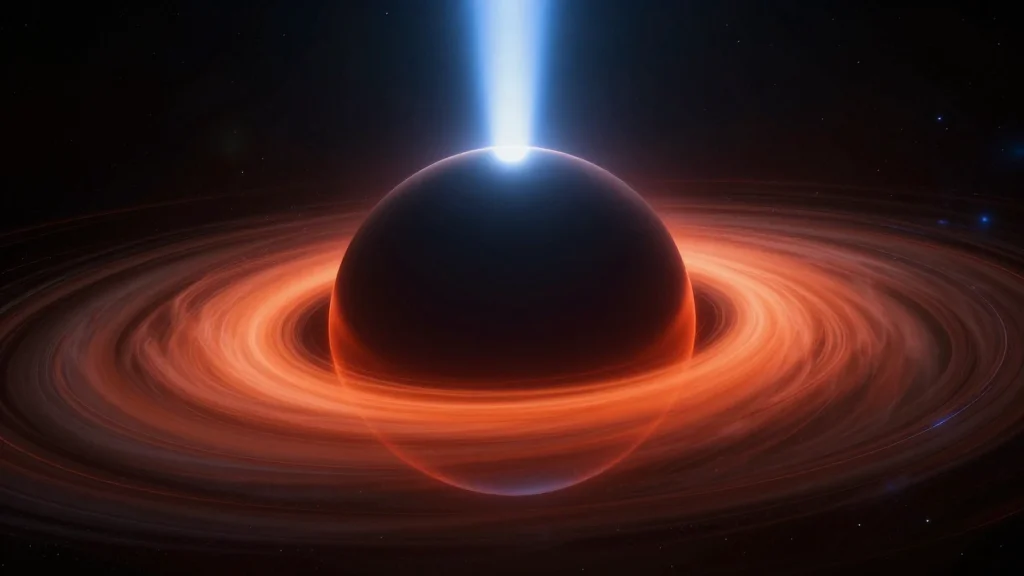
'Jetty McJetface': Star-Shredding Black Hole May Keep Ramping up Its Radio Jet Until 2027 Peak
A supermassive black hole identified as AT2018hyz, nicknamed “Jetty McJetface,” has been emitting a radio jet that is 50 times brighter than when first detected in 2019. Over the past four years the jet’s radio flux has risen exponentially and is...
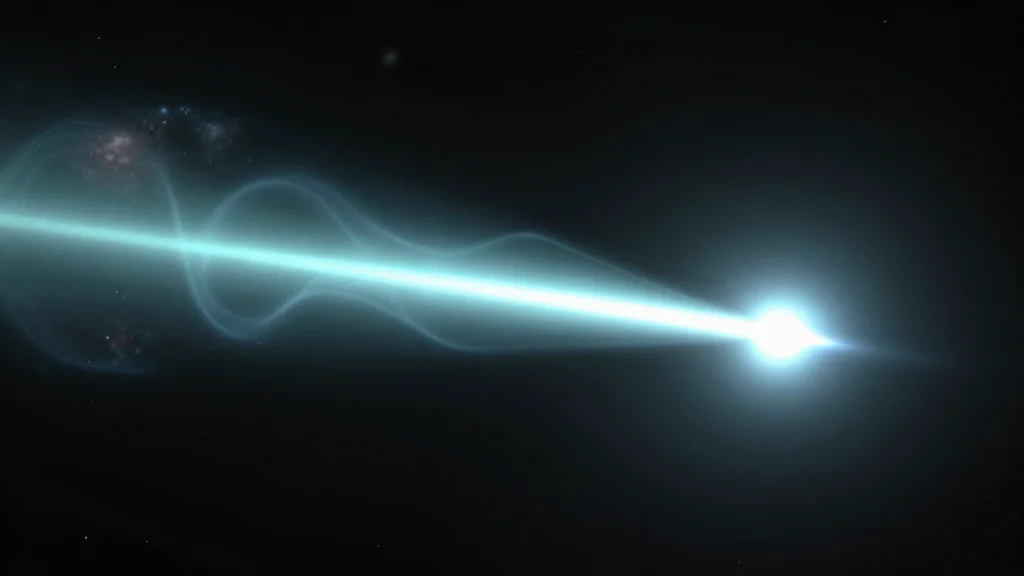
TESS Observations Reveal Sustained Quasi-Periodic Oscillations in Multiple Blazars
A joint analysis of NASA's TESS optical data and Swift BAT hard‑X‑ray monitoring identified quasi‑periodic oscillations (QPOs) in several blazars. Out of 38 variable objects, four showed highly significant periodicity with cycles of five to ten days, and one signal...
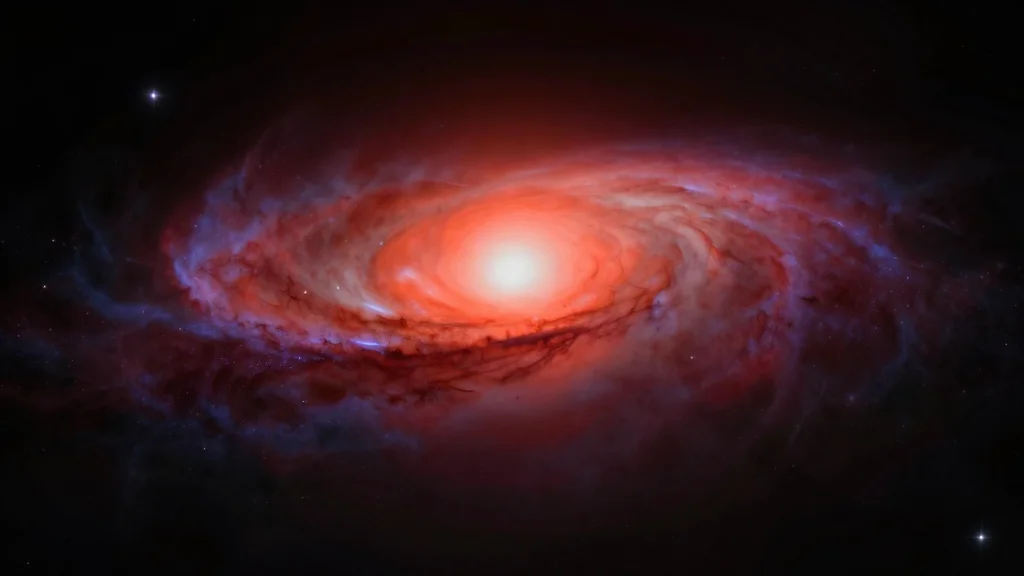
'Red Potato' Galaxy Discovered by Astronomers
An international team using JWST discovered a massive, quiescent red galaxy at redshift 3.25, dubbed the “Red Potato.” The galaxy, MQN01 J004131.9‑493704, has a stellar mass of 110 billion M☉, a half‑light radius of 3,260 light‑years, and a low molecular‑gas fraction (<0.06)....

Reproduction in Space, an Environment Hostile to Human Biology
A new study in Reproductive Biomedicine Online warns that space’s radiation, microgravity and circadian disruption create a hostile environment for human reproduction. It highlights the absence of industry‑wide standards for managing fertility risks, early pregnancy, and ethical dilemmas as commercial...
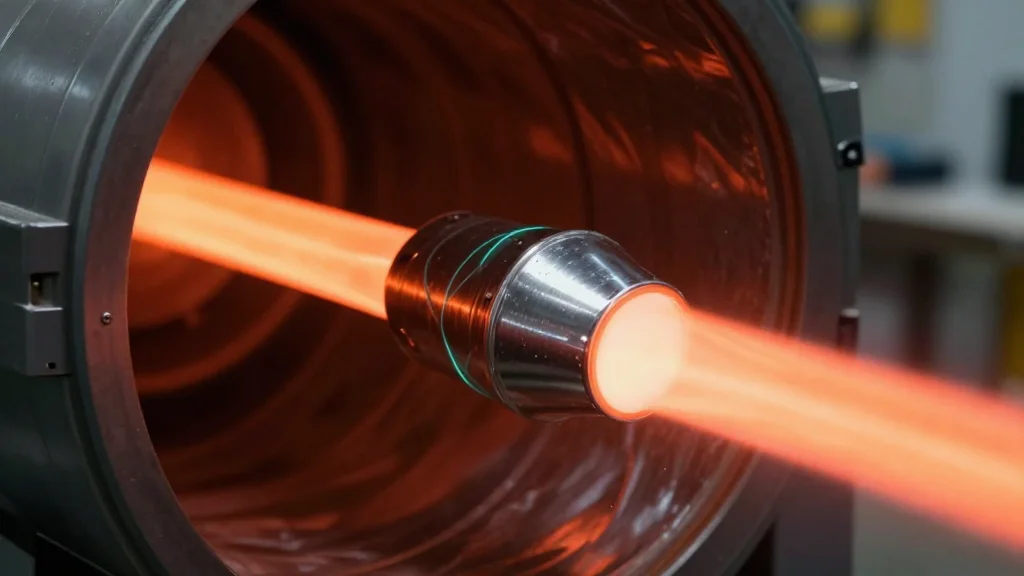
One-of-a-Kind 'Plasma Tunnel' Recreates Extreme Conditions Spacecraft Face upon Reentry
University of Colorado Boulder has launched an inductively coupled plasma tunnel that reproduces the extreme heat and velocity of spacecraft re‑entry. The facility can generate plasma flows up to 9,000 °F and accelerate gases at thousands of miles per hour, matching...
Cosmic Radiation Brought to Light: Researchers Measure Ionization in Dark Cloud for the First Time
An international team used the James Webb Space Telescope to directly detect three faint infrared H₂ emission lines in the dark molecular cloud Barnard 68, marking the first observational confirmation of cosmic‑ray‑excited gas. The measurements provide a direct estimate of the...
Did We Just See a Black Hole Explode? Physicists Think So—And It Could Explain (Almost) Everything
Physicists at UMass Amherst propose that a quasi‑extremal primordial black hole (PBH) can undergo a runaway Hawking‑radiation explosion, releasing ultra‑high‑energy particles. Their model explains the PeV‑scale neutrino detected by the KM3NeT collaboration in 2023, an event far beyond any known...
JWST Discovers a New Extremely Metal-Poor Dwarf Galaxy
Astronomers using JWST’s NIRSpec have identified a new dwarf galaxy, CAPERS‑39810, at redshift 3.654. Spectroscopic analysis shows it has an extremely low metallicity of –1.96 dex, placing it among the rare class of extremely metal‑poor galaxies (EMPGs). The galaxy’s stellar mass is...
As Rubin's Survey Gets Underway, Simulations Suggest It Could Find About Six Lunar-Origin Asteroids per Year
A new study combining lunar‑cratering ejecta models with long‑term orbital simulations estimates that roughly 500,000 lunar‑origin asteroids larger than about 5 m exist today, representing less than 1 % of comparable near‑Earth objects. The Vera C. Rubin Observatory’s Legacy Survey of Space...
Long-Period Jupiter-Like Exoplanet Discovered with TESS
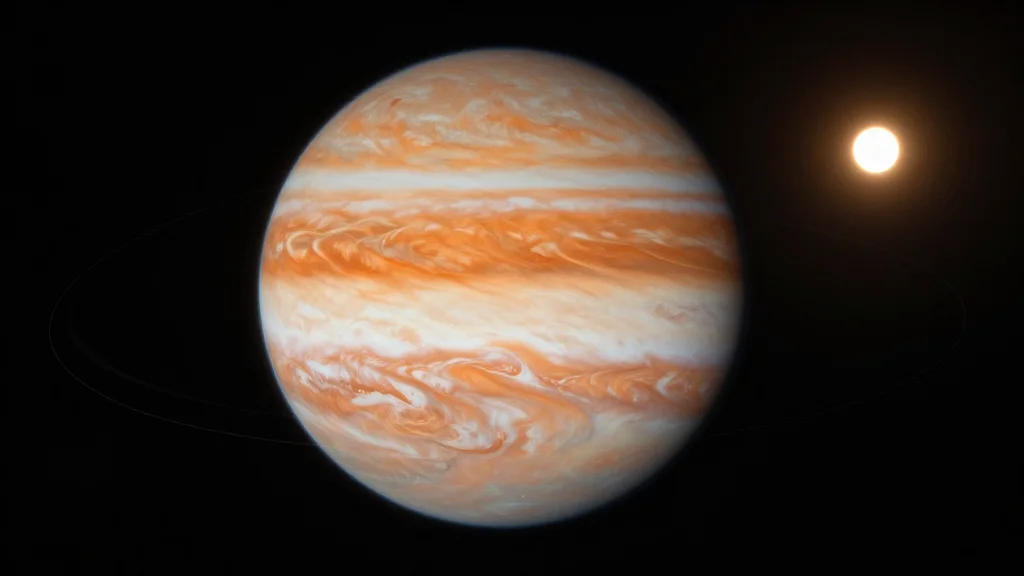
Astronomers using NASA's TESS have confirmed a new exoplanet, TOI-6692 b, that rivals Jupiter in size but orbits its Sun‑like star every 130 days on a highly eccentric path. The planet was first flagged by citizen scientists as a single‑transit event and...

Experiments Clear up Confusion over the Form of Solid Methane
Physicists led by Mengnan Wang at the University of Edinburgh used high‑pressure experiments combined with optical spectroscopy to map solid methane’s phase behavior up to 45 GPa and 1,100 K. Their work produced two distinct phase diagrams—one reflecting kinetic transformations and another...
Infrared Running of Gravity Offers a Field-Theoretic Route to Dark Matter Phenomena
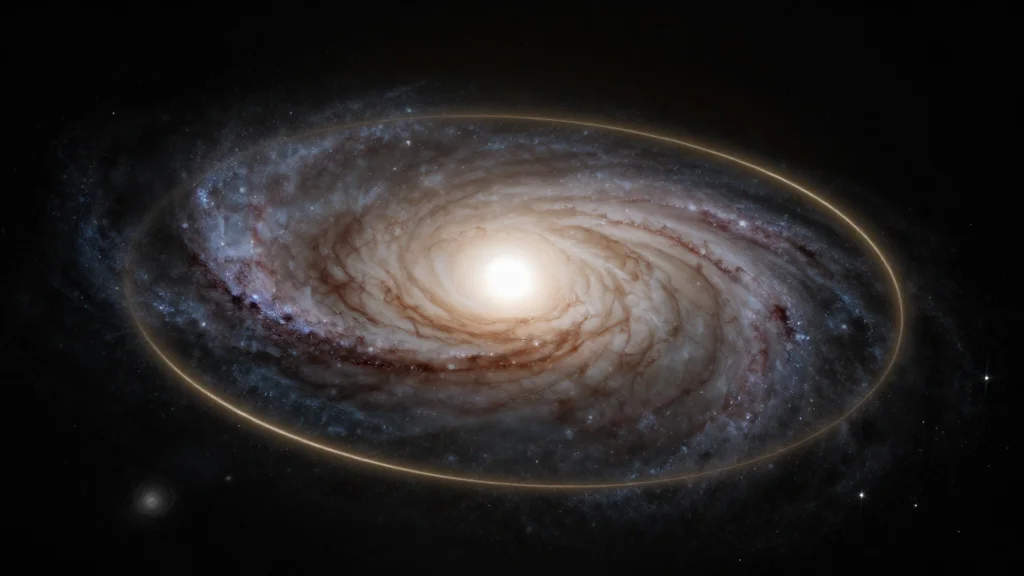
A recent paper in Physics Letters B proposes that Newton’s constant may run in the infrared, altering gravity’s strength over galactic distances. The author derives a logarithmic correction to the gravitational potential, producing an effective 1/r force that naturally yields flat...
New 3D Map of the Sun's Magnetic Interior Could Improve Predictions of Disruptive Solar Flares
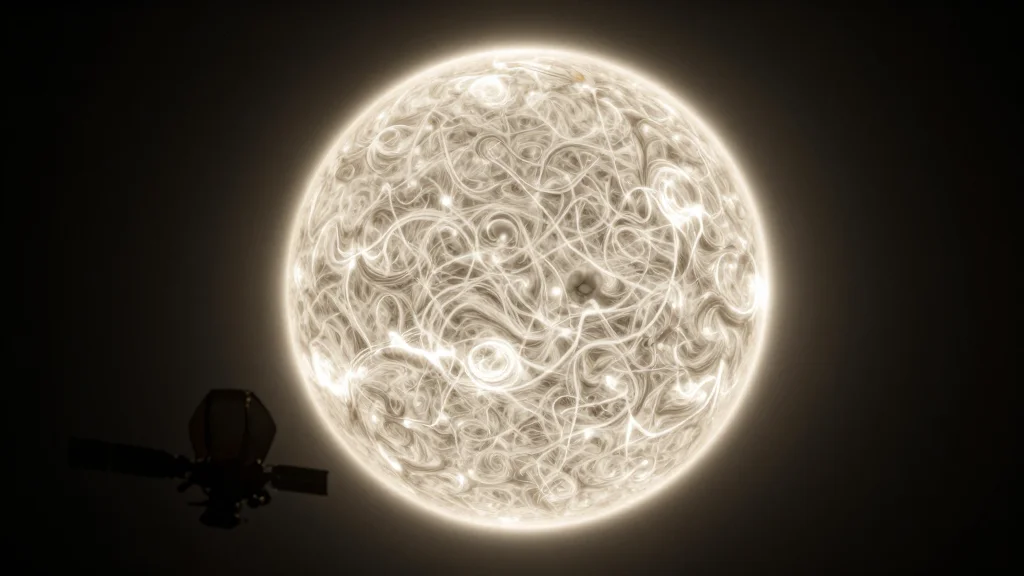
Scientists have produced the first three‑dimensional map of the Sun’s interior magnetic field using data from multiple space‑based observatories. Published in The Astrophysical Journal Letters, the model reveals the hidden magnetic architecture that drives solar activity. The breakthrough promises more...
Why Are Tatooine Planets Rare? General Relativity Explains Why Binary Star Systems Rarely Host Planets
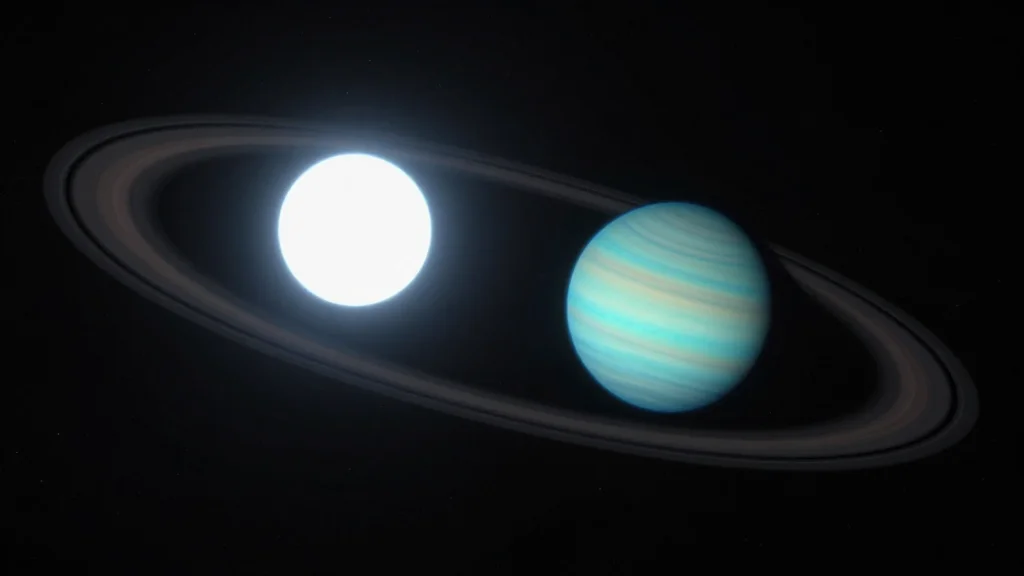
Physicists at UC Berkeley and the American University of Beirut have shown that general‑relativistic precession in tight binary stars can resonantly amplify a circumbinary planet’s eccentricity, leading to tidal disruption or ejection. Kepler and TESS have identified only 14 confirmed...