Phys.org - Space News
Research-driven reporting on space technology and exploration developments
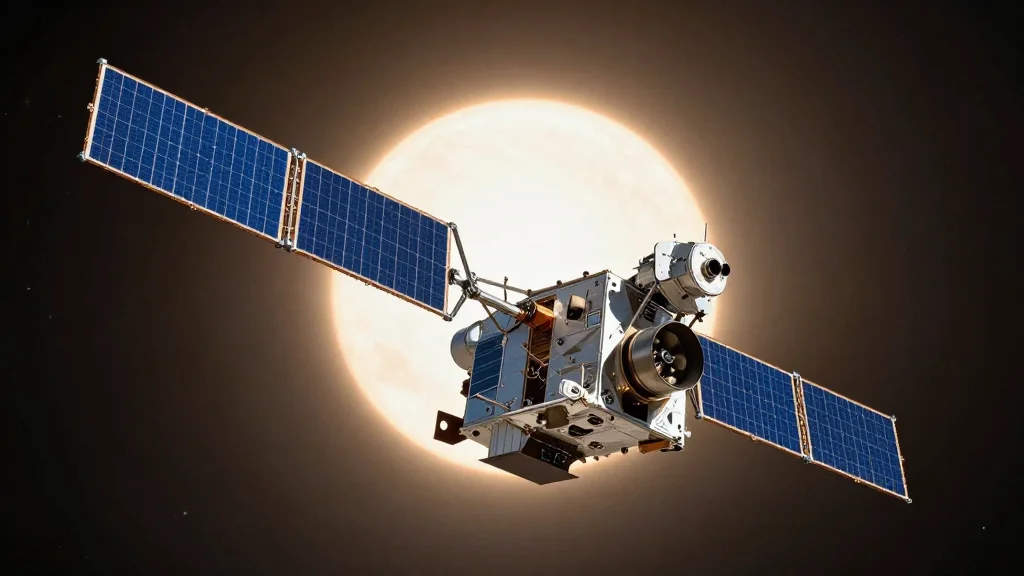
'Miracle': Europe Reconnects with Lost Spacecraft
The European Space Agency has re‑established communication with the Proba‑3 coronagraph satellite after it lost contact in February. The spacecraft entered survival mode when its solar panels turned away from the Sun, draining its batteries. ESA engineers used a brief sunlight exposure to power the panels, re‑orient the satellite, and restore telemetry. The mission will now proceed with its artificial‑eclipse formation‑flight to study the Sun’s corona for up to 12 hours per week.
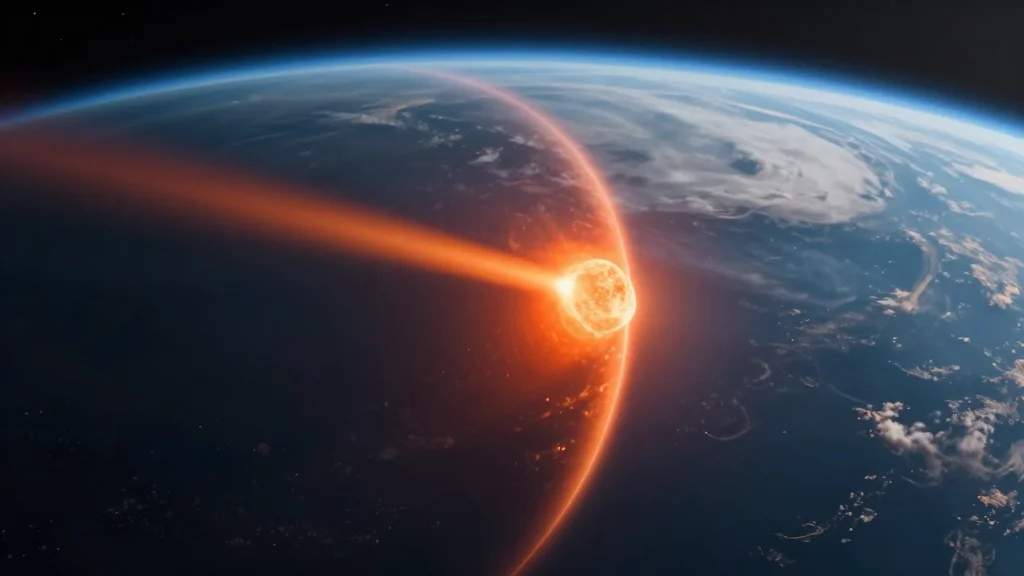
How Common Are Fireballs Streaking Across the Sky?
A 1.8‑meter, 7‑ton space rock streaked across the sky near Cleveland this week, dazzling observers from Wisconsin to Maryland before disintegrating after a 55‑kilometer atmospheric passage. The American Meteor Society notes that such fireballs—meteors brighter than Venus—are far from rare,...
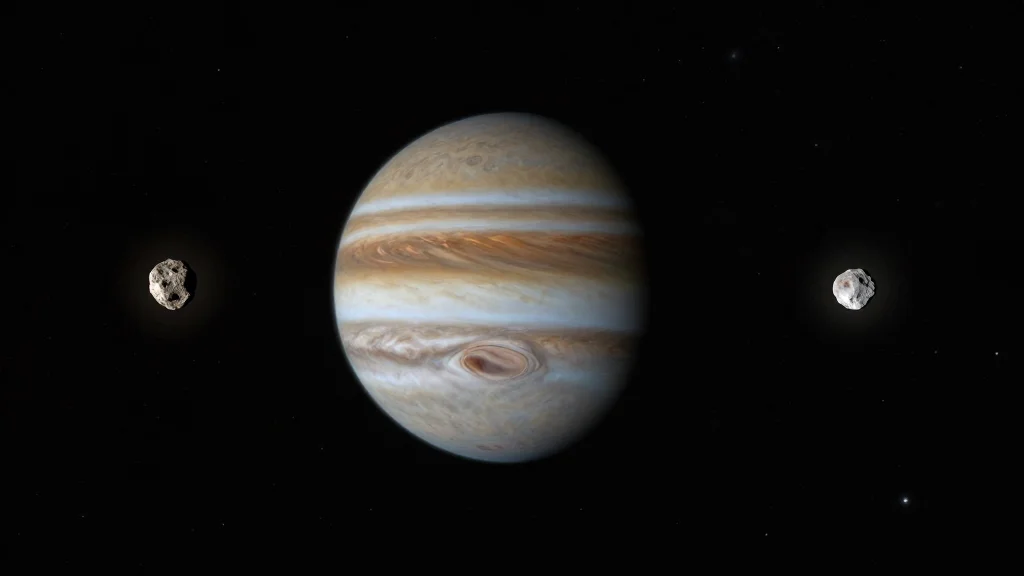
Astronomers Search for 'Exotrojans' Hiding in Extreme Pulsar Systems
Astronomers led by Jackson Taylor have applied novel timing techniques to search for co‑orbital “exotrojans” in nine black‑widow pulsar binaries, including an optical‑to‑radio comparison for PSR J1641+8049 and a 15‑year NANOGrav radio‑pulse analysis of eight others. The study found no definitive...
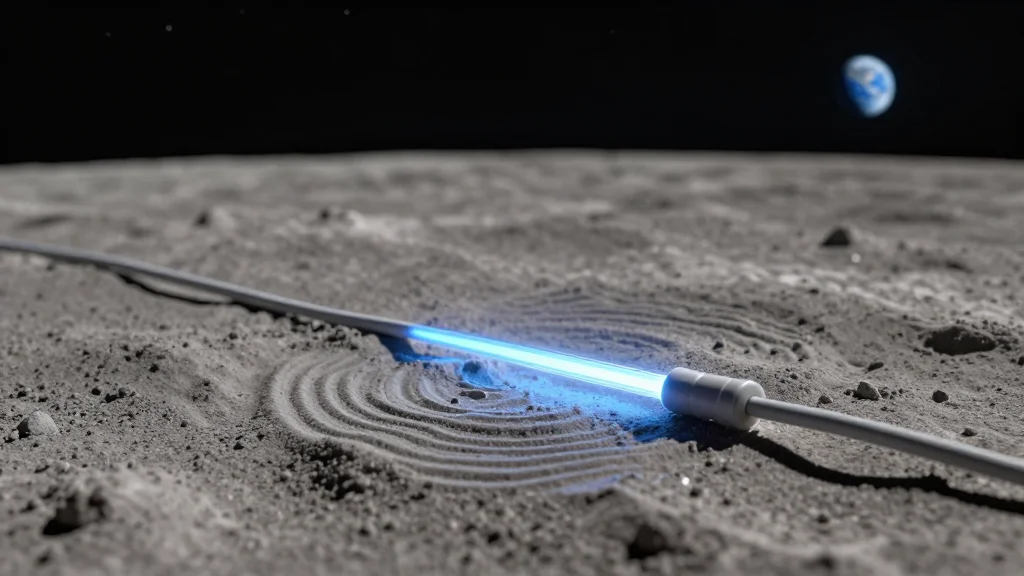
Using Fiber-Optic Cables to Detect Moonquakes
Two Los Alamos studies show that fiber‑optic cables can be laid on the Moon’s surface to record moonquakes, eliminating the need for heavy, buried seismometers. Laboratory tests in simulated regolith found burial depth irrelevant, while stiffer, thicker fibers improved signal...
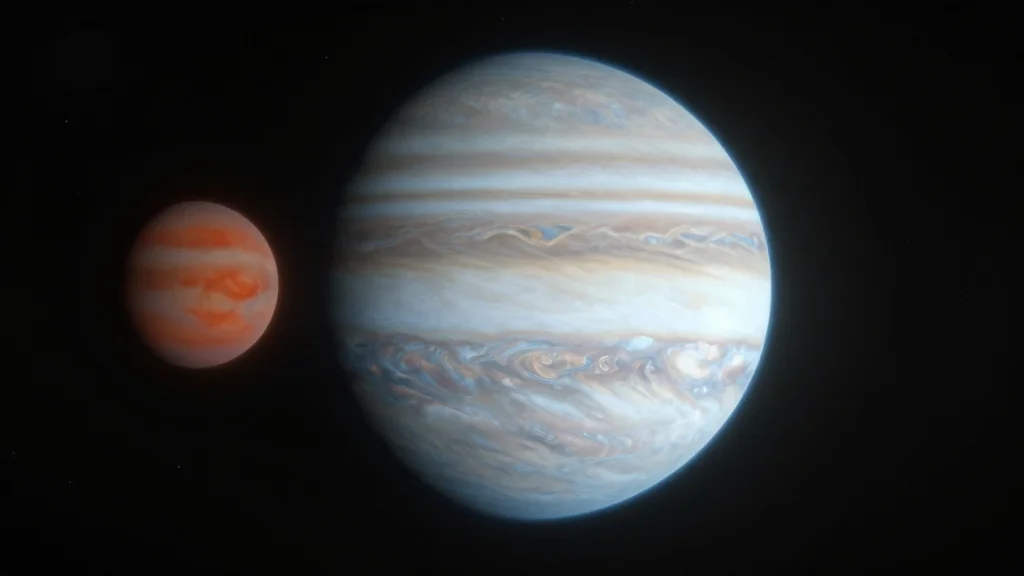
Clearest Evidence yet that Giant Planets Spin Faster than Their Cosmic Lookalikes
Northwestern astronomers used Keck high‑resolution spectroscopy to measure rotation rates of six directly imaged giant exoplanets and 25 brown dwarfs, producing the largest spin survey to date. The data show that, when normalized to breakup velocity, giant planets spin significantly...
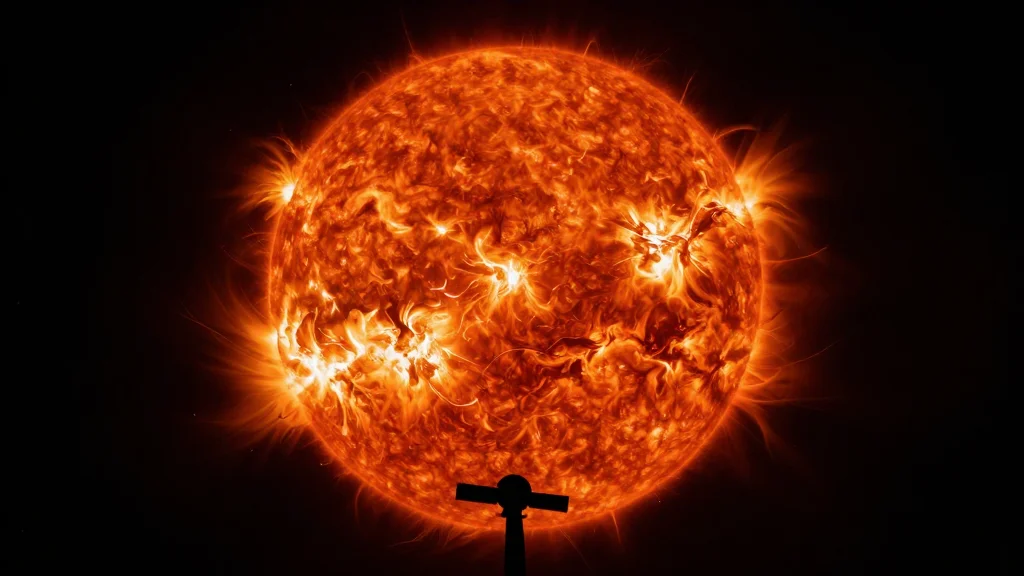
Volunteers Find Oddly High Solar Flare Rates
A new study published in The Astrophysical Journal, powered by NASA’s Solar Active Region Spotter citizen‑science project, reveals that long‑lived solar active regions generate far more flares than short‑lived ones. Volunteers classified thousands of image pairs from the Solar Dynamics...
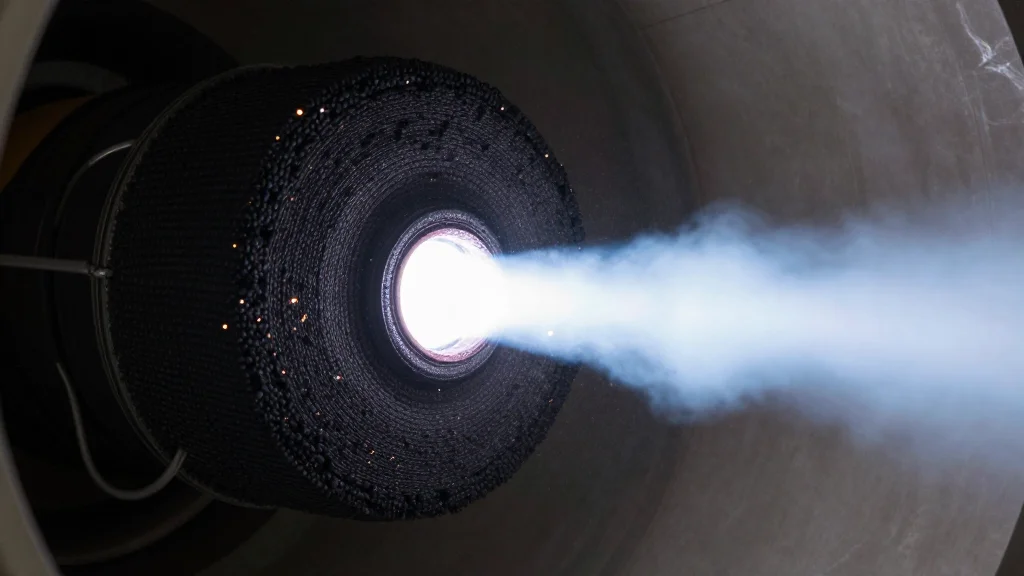
Planning Titan Entry? New Lab Tests Flag Nitrogen-Driven Heat Shield Debris Risks
University of Illinois researchers using the Plasmatron X hypersonic wind tunnel discovered that nitrogen‑rich atmospheres cause unsteady, violent spallation of the Phenolic Impregnated Carbon Ablator (PICA) heat shield, unlike the steady particle ejection seen in oxygen‑containing air. High‑speed imaging showed intermittent...
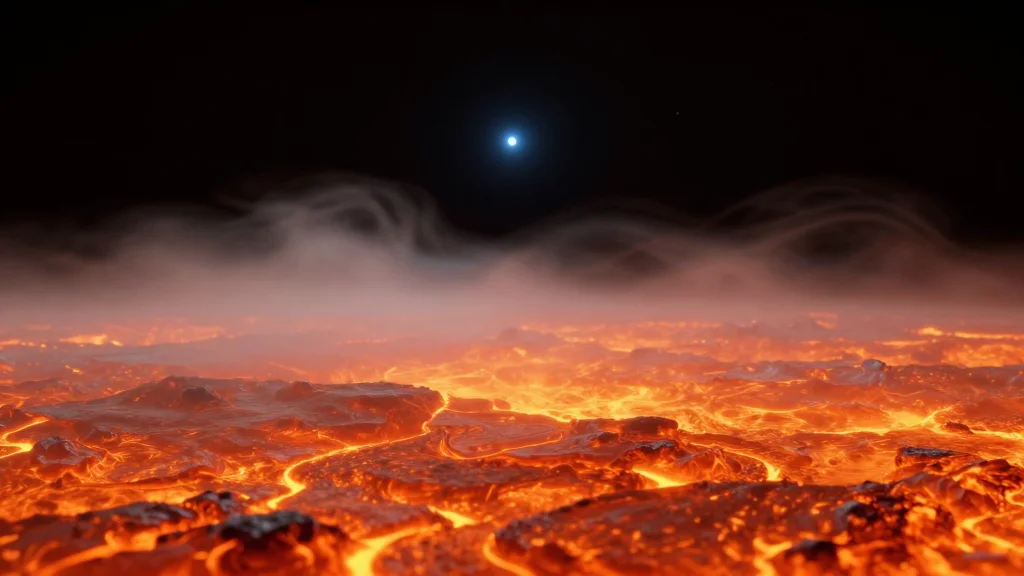
A New Class of Molten Planet Stores Abundant Sulfur in a Perpetual Magma Ocean
A team led by the University of Oxford has identified exoplanet L 98‑59 d as the first member of a new class of small, sulfur‑rich worlds that retain a permanent global magma ocean. JWST and ground‑based data show the planet’s low density...
TESS Discovers a Super-Earth Exoplanet Orbiting Nearby Star
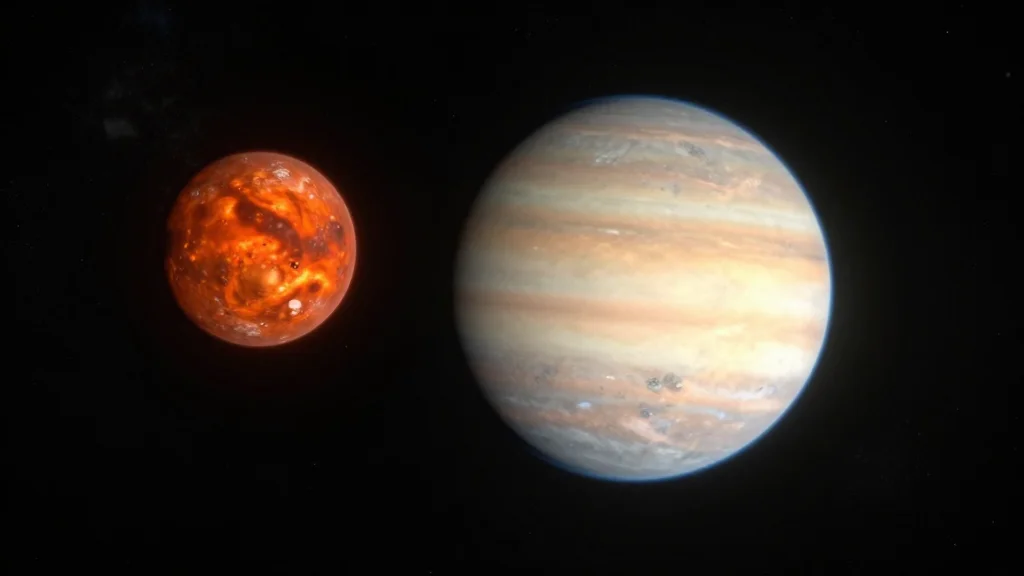
Astronomers using NASA's TESS have confirmed a new super‑Earth, TOI‑1080 b, orbiting an inactive M4V star 83 light‑years away. The planet is about 1.2 times Earth’s radius, likely rocky with a mass near 1.75 Earth masses, and completes an orbit in just under...
ATCA Observations Probe Peculiar Pulsar Wind Nebula Vela X
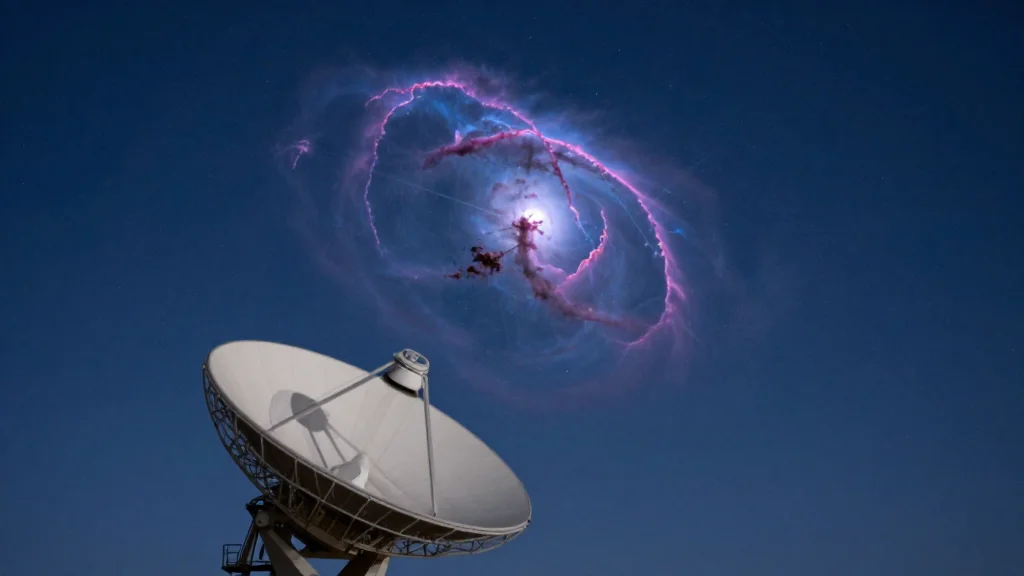
Astronomers using the Australia Telescope Compact Array have produced high‑resolution radio images of the Vela X pulsar wind nebula, focusing on its enigmatic “Cocoon” filament. The new data reveal large‑scale, highly polarized curved filaments and chaotic wisp‑like structures, with magnetic fields...
Dry Ice Detected in a Planetary Nebula for the First Time
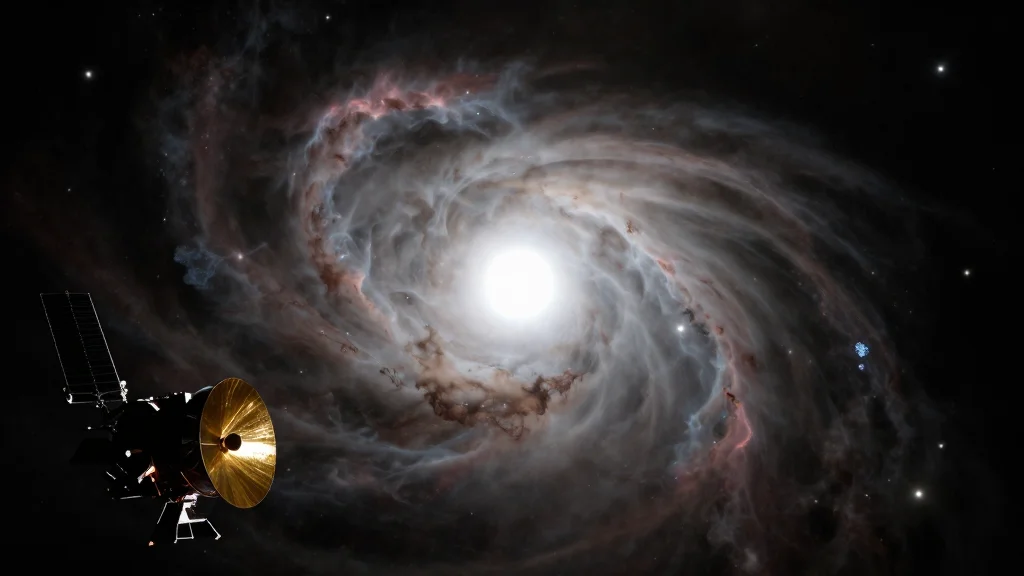
An international team using JWST’s Mid‑Infrared Instrument has identified carbon‑dioxide ice—dry ice—in the bipolar planetary nebula NGC 6302, marking the first detection of a volatile ice species in any planetary nebula. The MIRI/MRS spectra revealed characteristic absorption bands between 14.9 and...
Safer Space Travel: Scientists Create a Cosmic Ray Simulator
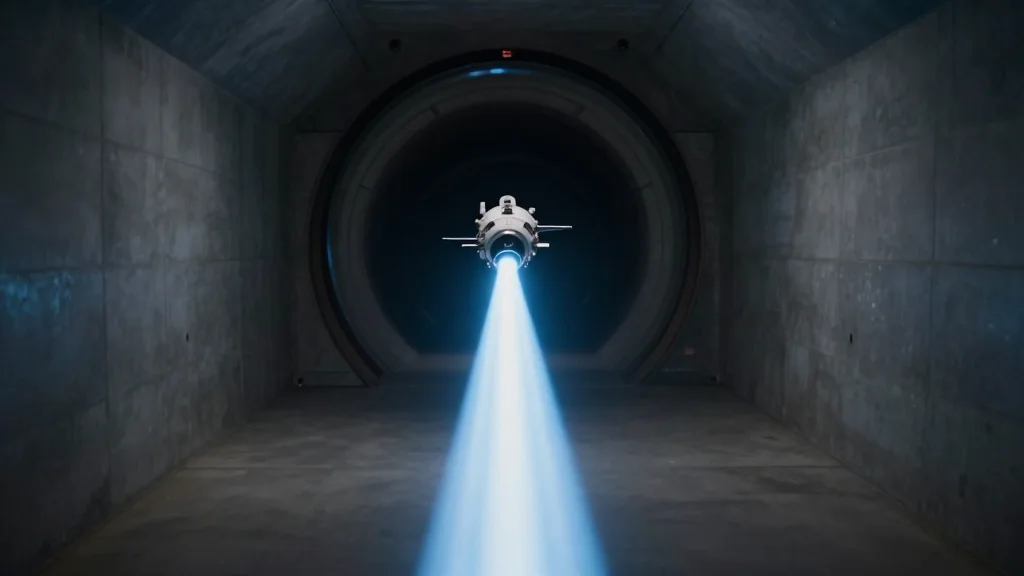
An international team led by ESA has commissioned the first European galactic cosmic ray (GCR) simulator at the GSI/FAIR accelerator in Darmstadt. Using a hybrid active‑passive approach that varies iron ion beams and passive modulators, the facility reproduces the mixed...
AI Accelerates Elucidation of Nuclear Forces with Explosive Neutron Star Data
A multidisciplinary team has applied machine learning and artificial intelligence to interpret data from neutron‑star explosions. By analyzing gravitational‑wave and electromagnetic signals, the researchers extract information about how neutrons and protons interact under extreme densities. The work, detailed in Nature...
Galactic Islands of Tranquility: 'Little Red Dots' May Have Brewed Life's Building Blocks
Researchers have identified that the central region of the Milky Way and the universe’s earliest proto‑galaxies both exhibit unusually low levels of harsh radiation. This unexpected tranquility contrasts with the typically violent environments associated with star formation. The calm conditions...
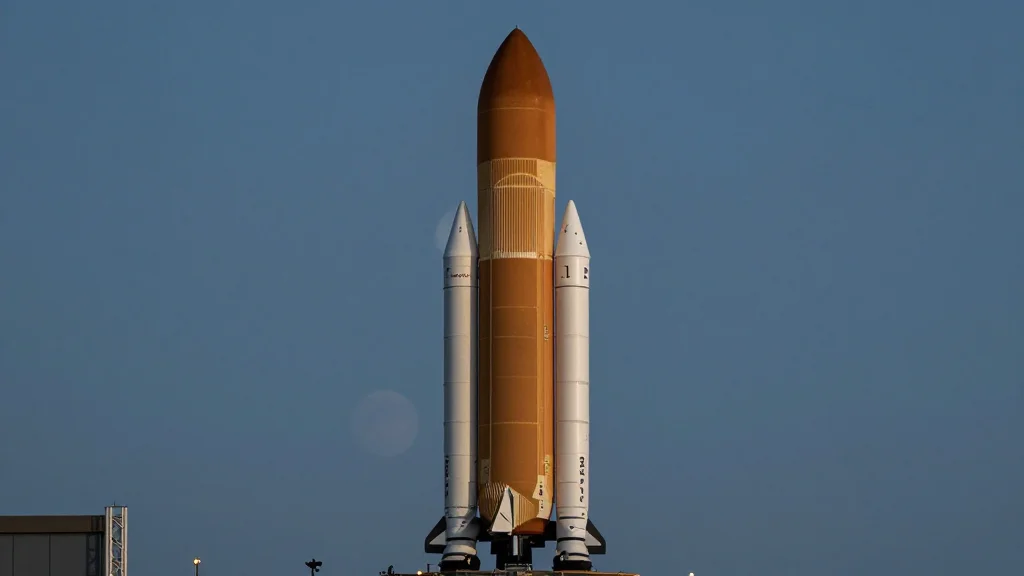
NASA Clears Its Artemis Moon Rocket for an April Launch with Four Astronauts Following Repairs
NASA announced that the Artemis II Space Launch System rocket has passed its final flight‑readiness review and is slated for a launch as early as April 1, following repairs that sealed hydrogen leaks and corrected a helium‑flow fault. The 322‑foot vehicle will...
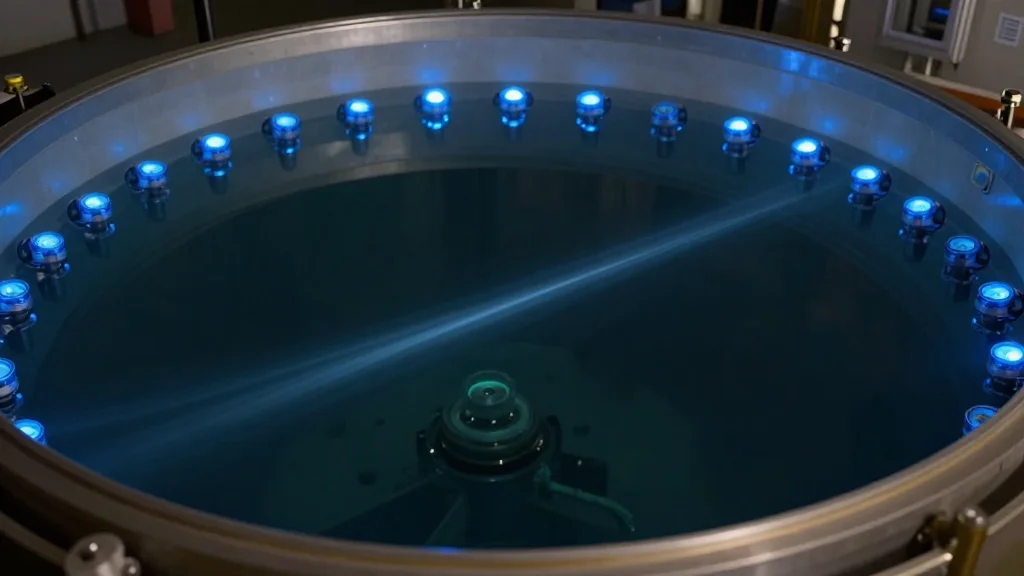
Deep Underground, a Telescope May Soon Detect Ghosts of Stars that Died Before Earth Existed
Japan’s Super‑Kamiokande detector has received a major upgrade that dramatically improves its ability to detect the diffuse supernova neutrino background – the faint, ancient neutrino glow from every core‑collapse supernova in the universe. The enhancement, involving denser photomultiplier coverage and...
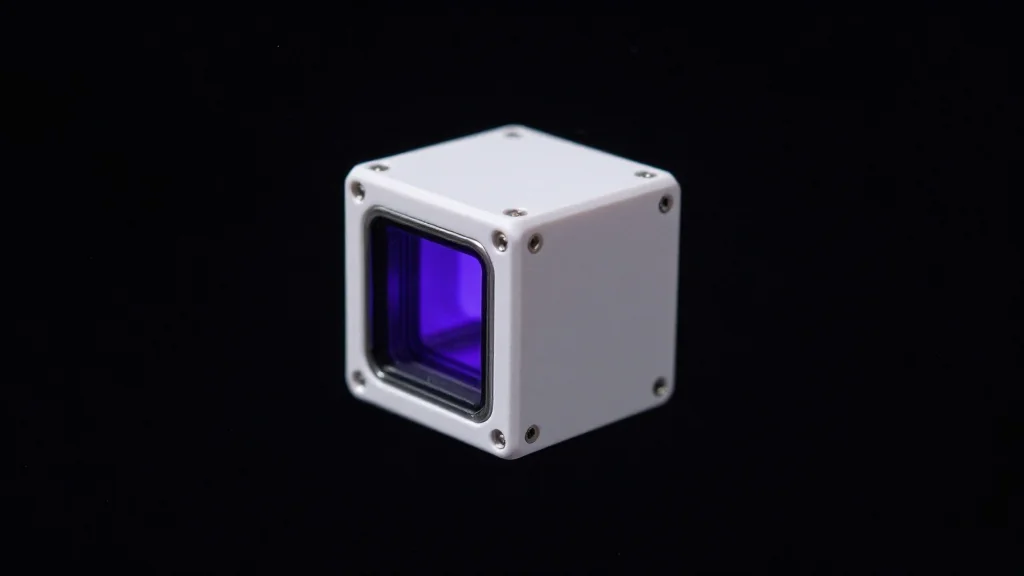
NASA's Tiny Spacecraft Sends First Exoplanet Images
NASA's SPARCS CubeSat has returned its first ultraviolet images, proving the spacecraft’s camera and detectors work in orbit. The one‑year mission will continuously monitor far‑UV and near‑UV emissions from about 20 low‑mass stars, whose frequent flares influence the habitability of...
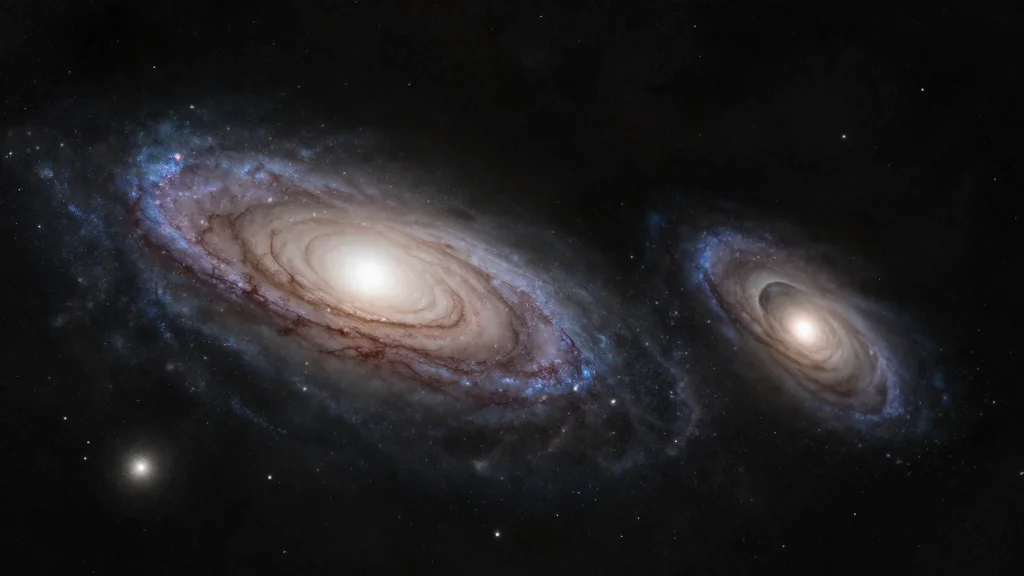
Galaxy-Group Motion Suggests Slower Expansion in Our Cosmic Neighborhood
Two independent studies examined the motions of the nearby Centaurus A/M83 and M81/M82 galaxy groups to infer the local expansion rate. By balancing gravitational attraction against cosmic expansion, the researchers derived a Hubble constant of roughly 64 km s⁻¹ Mpc⁻¹, slower than the 73 km s⁻¹ Mpc⁻¹...
Astronomers Collect Rare Evidence of Two Planets Colliding
Astronomers analyzing archival data identified a dramatic, multi‑year flickering of the Sun‑like star Gaia20ehk, 11,000 light‑years away, and linked it to a catastrophic collision between two planets. The event produced a dense cloud of hot dust that dimmed visible light...
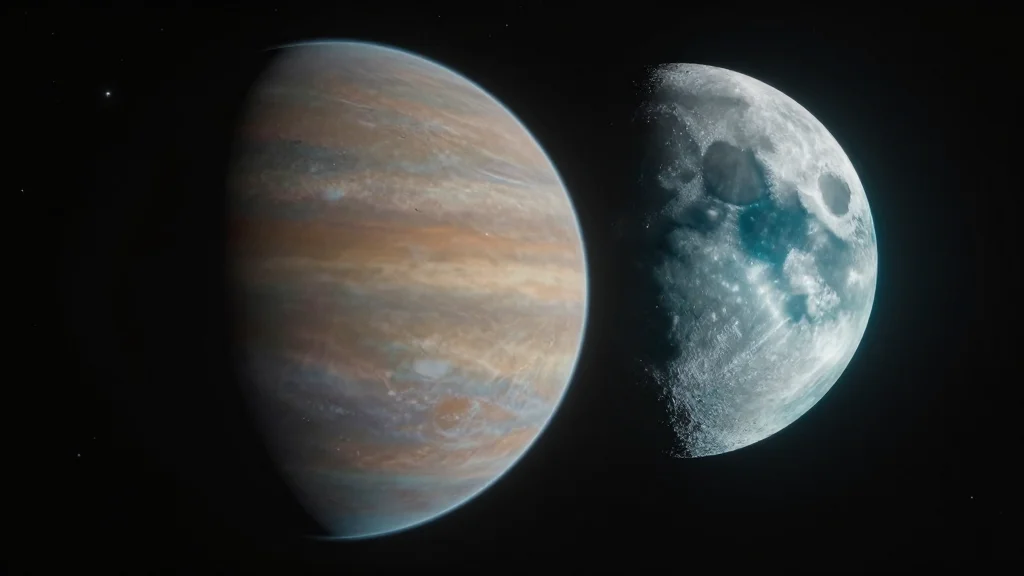
Hydrogen Atmosphere Could Keep Exomoons Habitable for Billions of Years
A study by LMU and the Max Planck Institute shows that moons orbiting free‑floating planets can retain liquid oceans for up to 4.3 billion years thanks to dense hydrogen atmospheres and tidal heating. The research demonstrates that collision‑induced absorption in high‑pressure...
A New Model Defines an Upper Limit to Planetary Radiation Belt Intensity
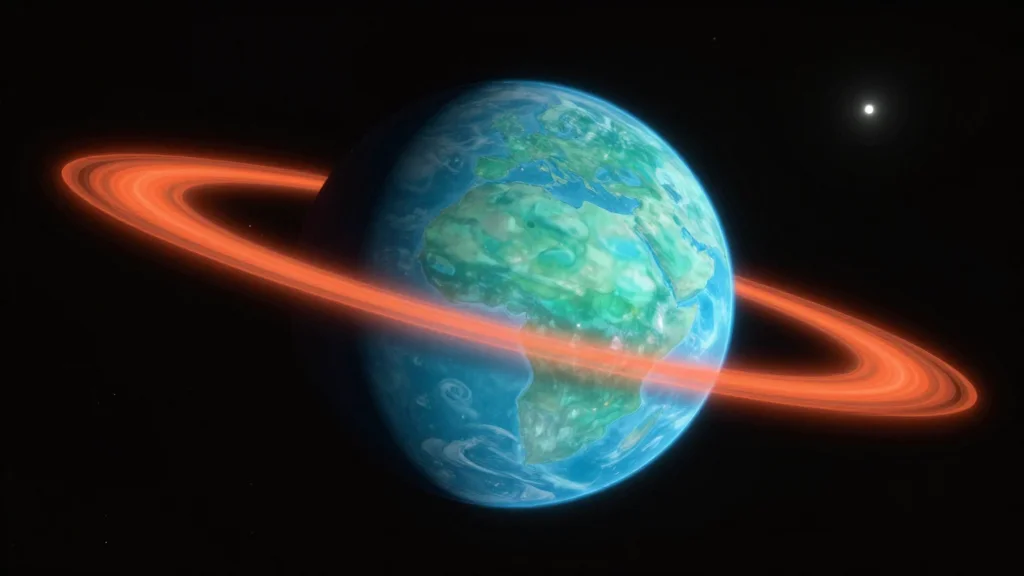
A new model created by Adnane Osmane quantifies how a planet’s surface magnetic field accelerates particles in its radiation belts, establishing a universal upper limit. The model predicts that magnetic fields stronger than about 0.0004 tesla for protons (0.00004 tesla for electrons)...
Space Launches Are Changing the Chemistry of Earth's Atmosphere, Studies Warn. Here's What Can Be Done
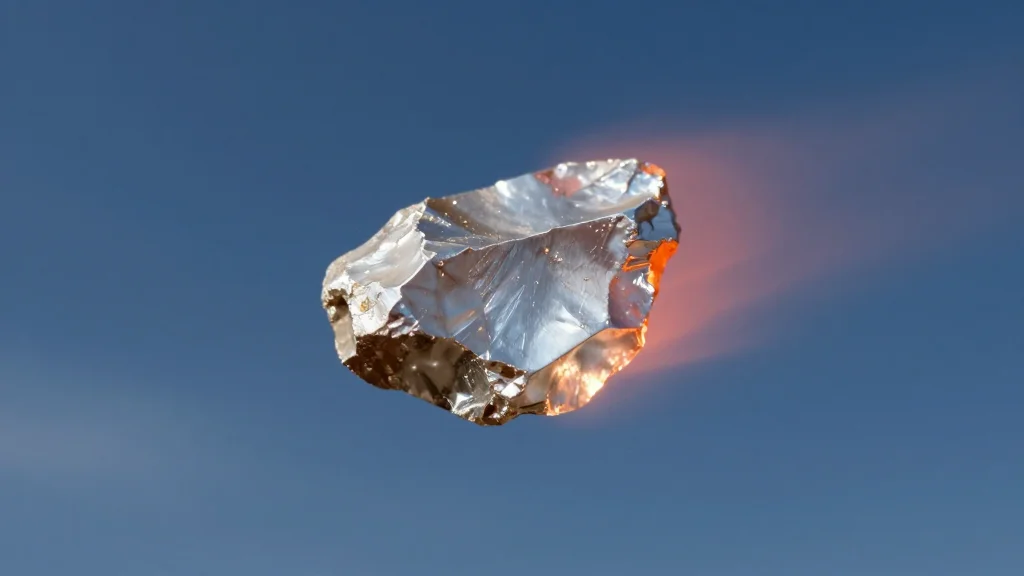
Recent studies warn that the surge in satellite launches and uncontrolled re‑entries is altering the chemistry of the middle and upper atmosphere. By the 2030s, re‑entering spacecraft could inject thousands to tens of thousands of tonnes of alumina and other...
Can We Observe Earth-Like Exoplanets From Our Own Planet?
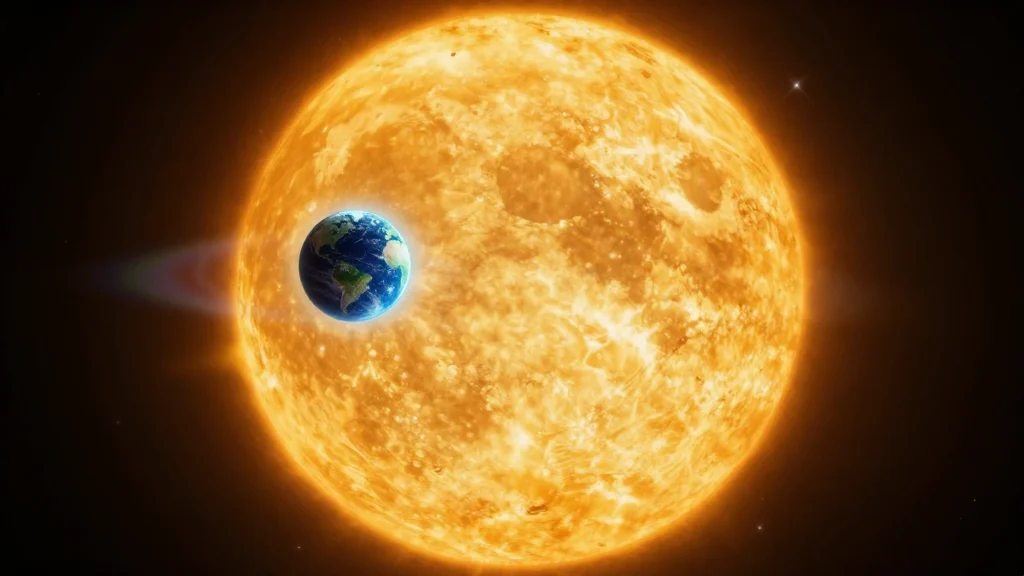
A hybrid observatory that pairs a space‑based starshade with large ground‑based telescopes such as the ELT can achieve the extreme contrast needed to directly image Earth‑like exoplanets. The study, led by Nobel laureates John C. Mather and Michel Mayor, demonstrates...
NASA Rules Out Asteroid Smashup on the Moon in 2032
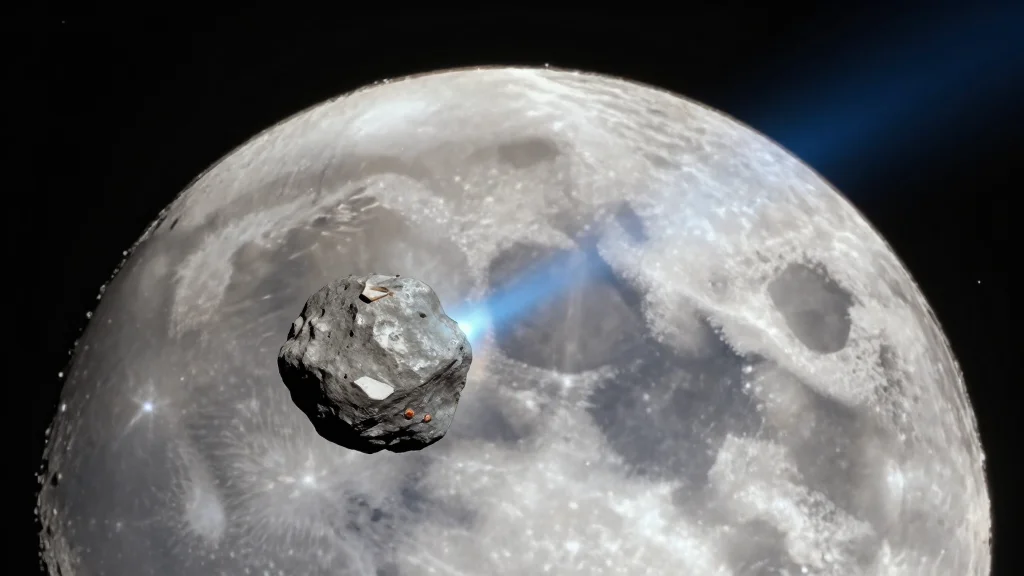
NASA’s James Webb Space Telescope observed asteroid 2024 YR4 in February 2026, confirming it will miss the Moon by about 13,200 miles on Dec. 22, 2032. Earlier analyses in 2025 gave the rock a 4.3% chance of lunar impact, but the new data...
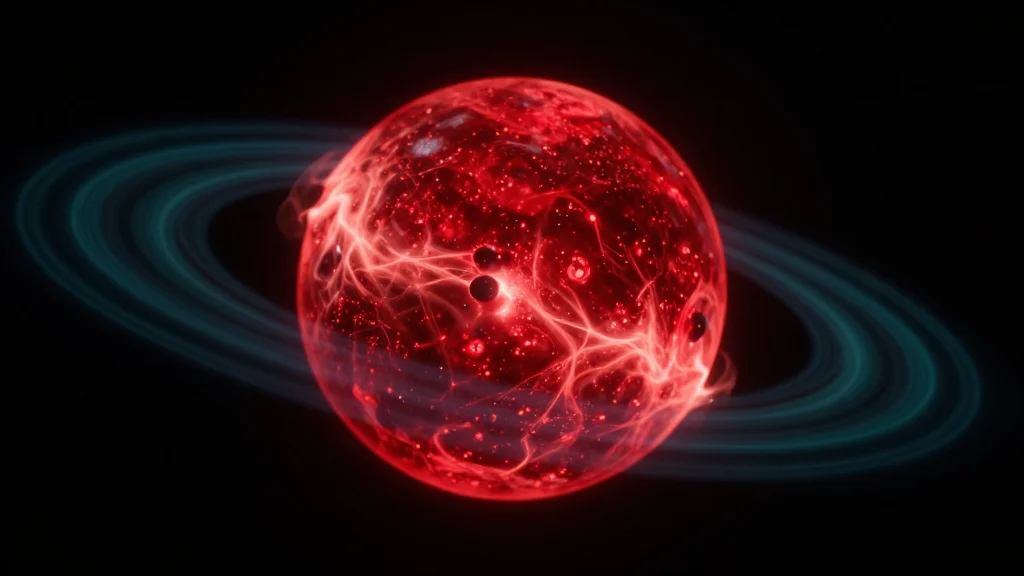
Missing Technosignatures? Turbulent Plasma May Blur Ultra-Narrow Signals Before They Leave Their Home Star Systems
A new SETI Institute study shows that turbulent plasma in a star’s immediate environment can broaden ultra‑narrow radio signals, spreading their power across frequencies and making them harder to detect. By calibrating plasma‑induced broadening with measurements from solar‑system spacecraft, the...
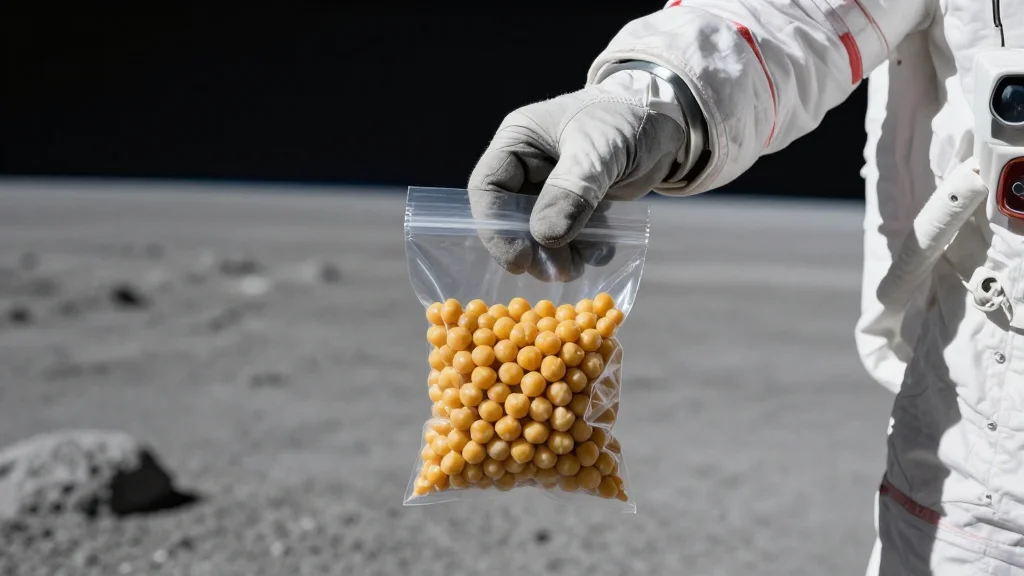
Scientists Successfully Harvest Chickpeas From 'Moon Dirt'
Scientists at the University of Texas and Texas A&M have successfully grown and harvested the Myles chickpea variety using a simulated lunar regolith mix. By blending up to 75% moon‑dirt with vermicompost and inoculating seeds with arbuscular mycorrhizal fungi, the team...
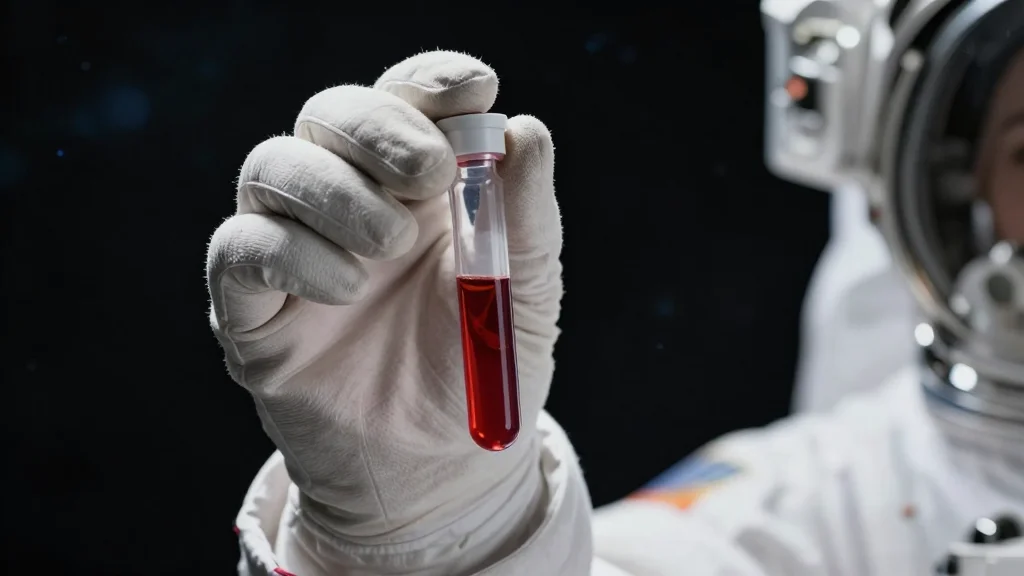
Female Astronauts Face Clotting Risks, Five-Day Weightlessness Simulation Suggests
A five‑day dry‑immersion simulation revealed that healthy female participants experience altered blood‑clotting dynamics in microgravity, with delayed initiation but faster, more stable clot formation. The study, published in Acta Astronautica, examined 18 women using rotational thromboelastometry and found no hormonal...
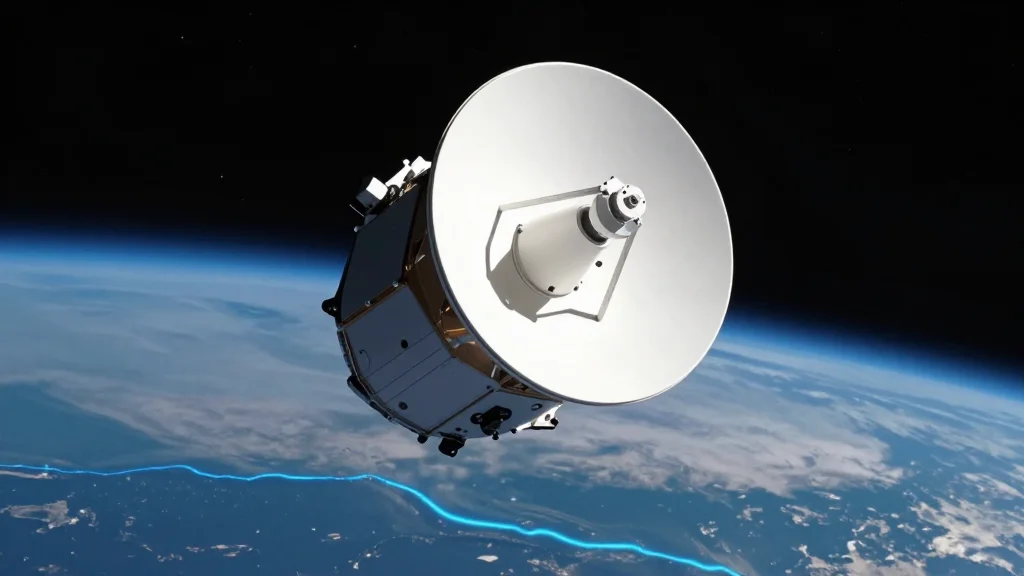
SWOT Satellite Takes Stock of World's River Water
NASA and CNES’s SWOT satellite has completed its first year of global river monitoring, analyzing nearly 1.6 million observations across 127 000 river segments. The study, published in Nature, shows total river volume fluctuations of about 83 trillion gallons—roughly 28 % less than previous...
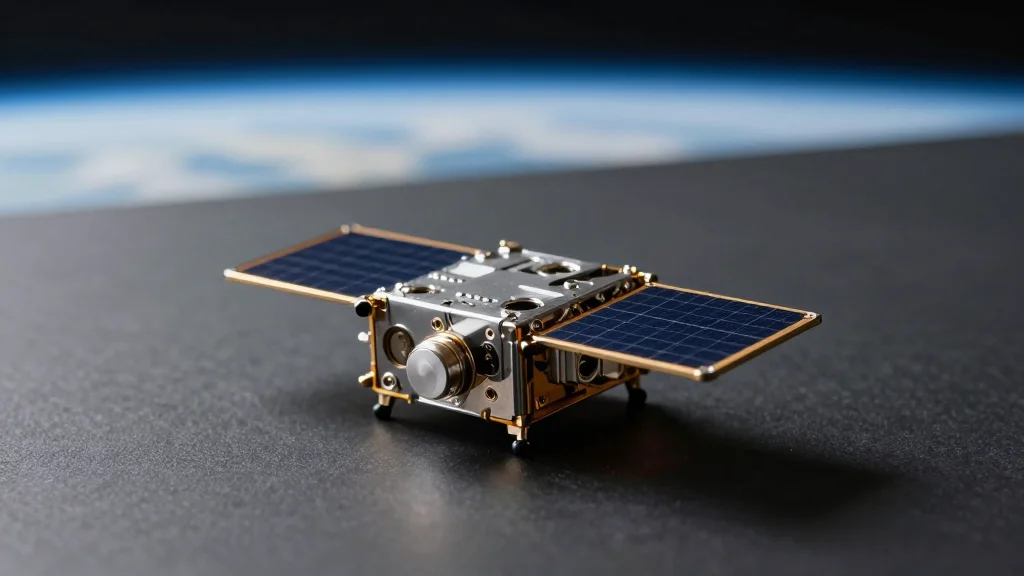
A 690-Million-Kilometer Journey Through Space Ends for Australia's SpIRIT Mission
Australia’s University of Melbourne‑led SpIRIT nanosatellite has concluded its on‑orbit phase after more than 25 months, traveling roughly 690 million kilometres – the distance to Jupiter – and completing about 16,000 Earth orbits. The 11.5‑kg spacecraft outperformed its two‑year design life,...
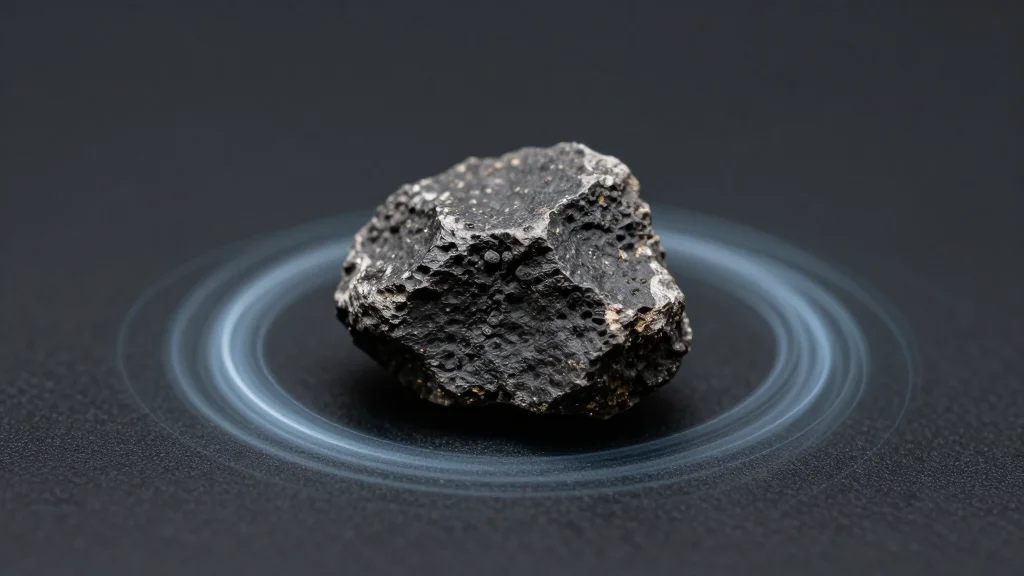
Asteroid Ryugu Samples Offer New Insights Into Early Solar System Magnetism
Japanese researchers led by Masahiko Sato have measured natural remanent magnetization in 28 Ryugu asteroid particles, expanding previous work from seven samples. Twenty‑three particles show stable magnetic components, with evidence pointing to chemical remanent magnetization acquired during framboidal magnetite formation....
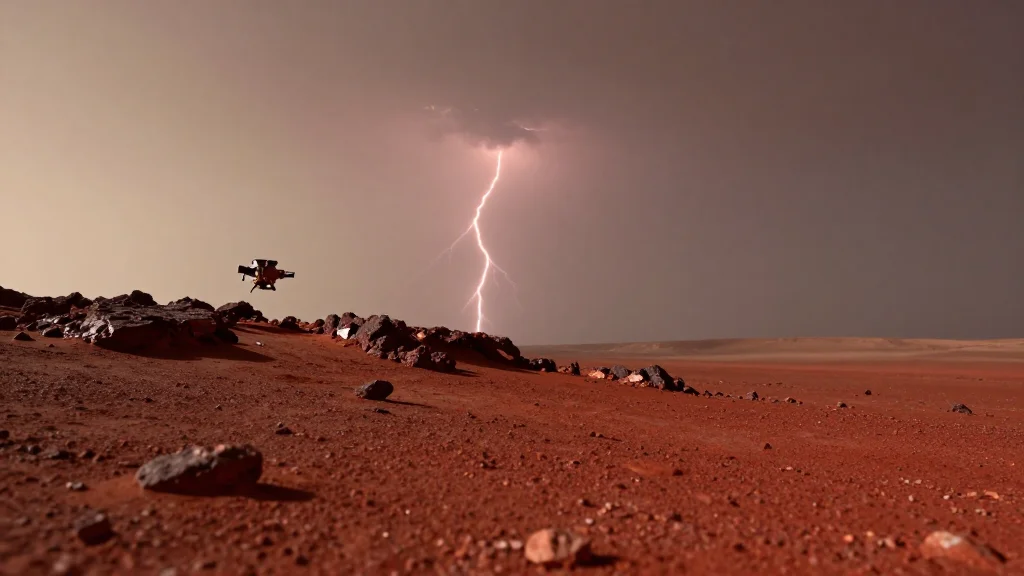
NASA's MAVEN Detects First Evidence of Lightning-Like Activity on Mars
NASA's MAVEN spacecraft captured the first direct evidence of lightning‑like activity on Mars by identifying a single, 0.4‑second whistler wave spanning up to 110 Hz in its ionospheric data. The signal, found among more than 108,000 measurements, required a rare combination...
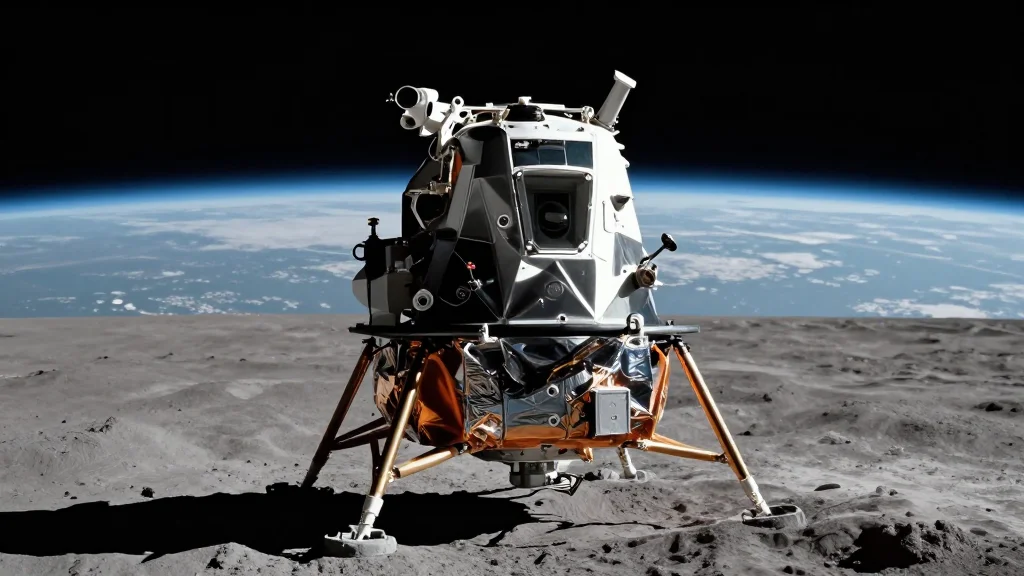
NASA Adds Mission to Artemis Lunar Program, Updates Architecture
NASA announced an accelerated Artemis schedule, adding a 2027 Artemis III mission and committing to at least one lunar surface landing each year. The agency will standardize the SLS‑Orion vehicle to a Block 1 configuration and test docking with commercial landers from...
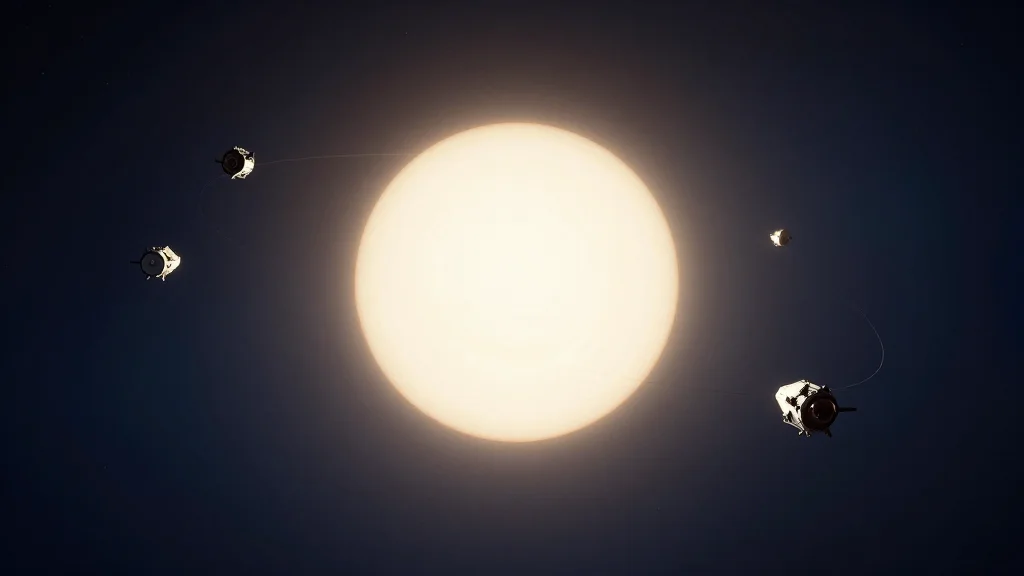
A 'Cosmic Positioning System' In the Outer Solar System
A NASA‑backed NIAC Phase I study proposes a Cosmic Positioning System (CPS) of five spacecraft spread 20–100 AU apart to triangulate distant signals and directly measure cosmological distances. By leveraging ultra‑stable atomic clocks and 8‑9 m deployable antennas, the network could provide a...
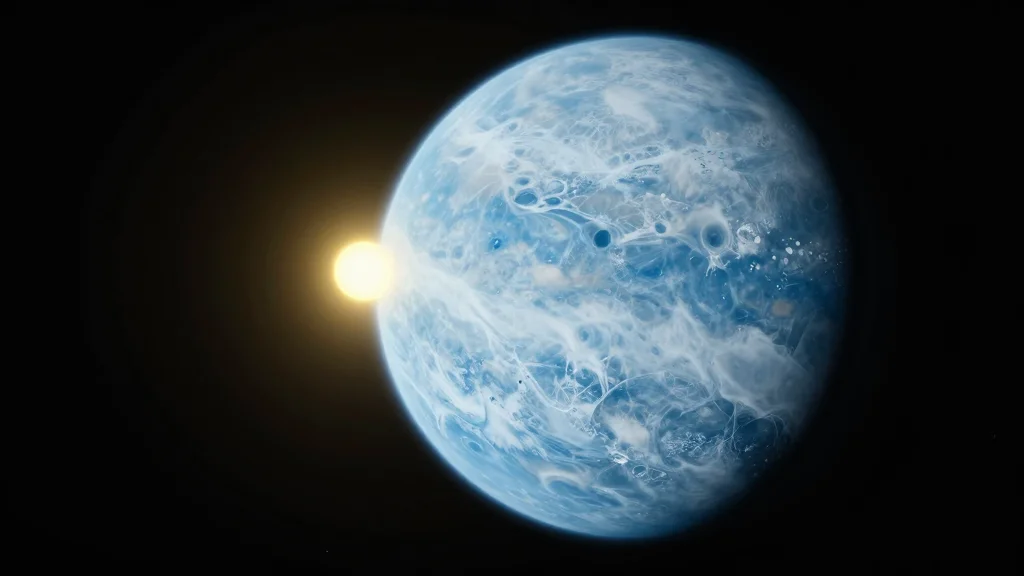
What Is an Exoplanet? An Astrophysicist Explains Why They Are Vital for Finding Alien Life
Scientists have identified HD 137010 b, an exoplanet roughly Earth‑sized with an orbital period close to one year, orbiting a Sun‑like star. Unlike most known worlds, the planet lies near the edge of its star’s habitable zone but is extremely cold, with...
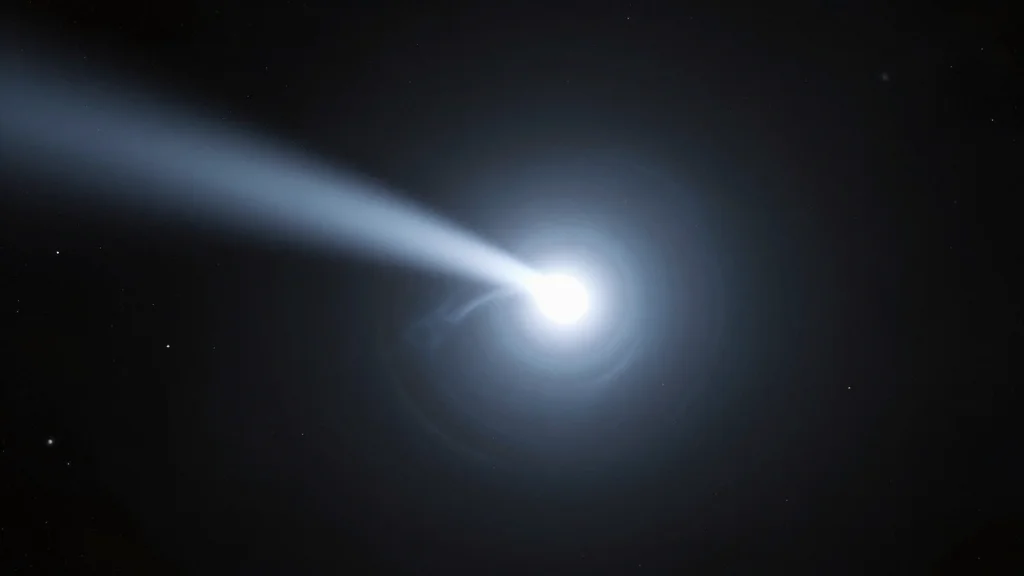
Image: First Glimpse of Comet 3I/ATLAS From Juice Science Camera
ESA’s Jupiter Icy Moons Explorer (JUICE) captured its first image of interstellar comet 3I/ATLAS on 6 November 2025, when the spacecraft was about 66 million km away. The JANUS science camera recorded more than 120 images across a broad wavelength range, revealing a bright coma,...
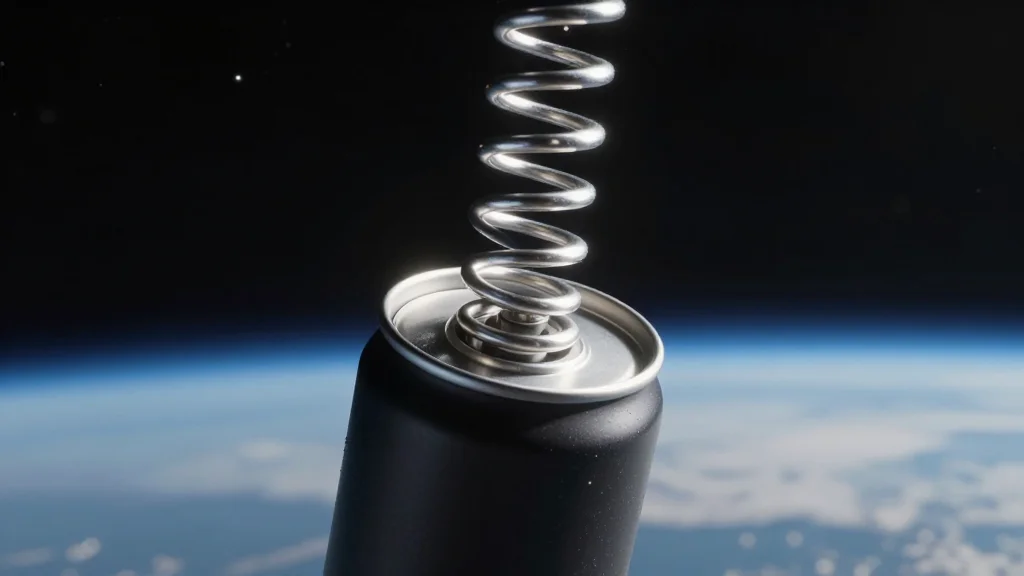
3D-Printed Spring Deploys on Small Commercial Spacecraft
NASA’s Jet Propulsion Laboratory demonstrated the JPL Additive Compliant Canister (JACC), a 3D‑printed titanium spring, on Proteus Space’s Mercury One small commercial spacecraft on Feb. 3, 2026. The spring unfolded from a 1‑inch stowed height to 6 inches, showcasing a single‑part mechanism that replaces...
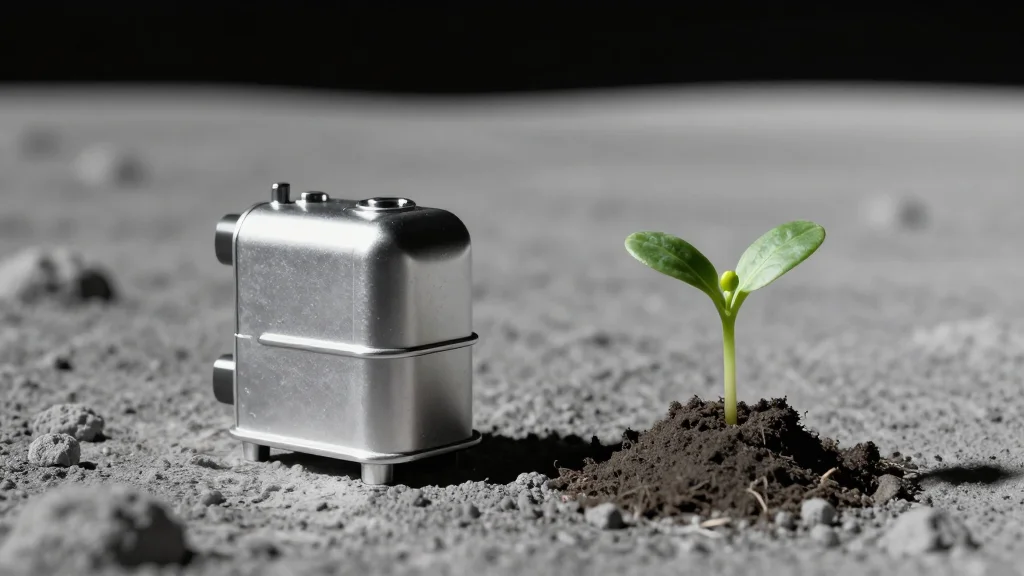
Farming on the Moon or Mars? How Recycled Sewage Could Turn Regolith Into Crop Soil
Researchers at NASA and ACS Earth and Space Chemistry have shown that recycled sewage, processed through a bioregenerative life‑support system (BLiSS), can chemically weather simulated lunar and Martian regolith, releasing key plant nutrients. After a 24‑hour shake, the effluent‑treated simulants...
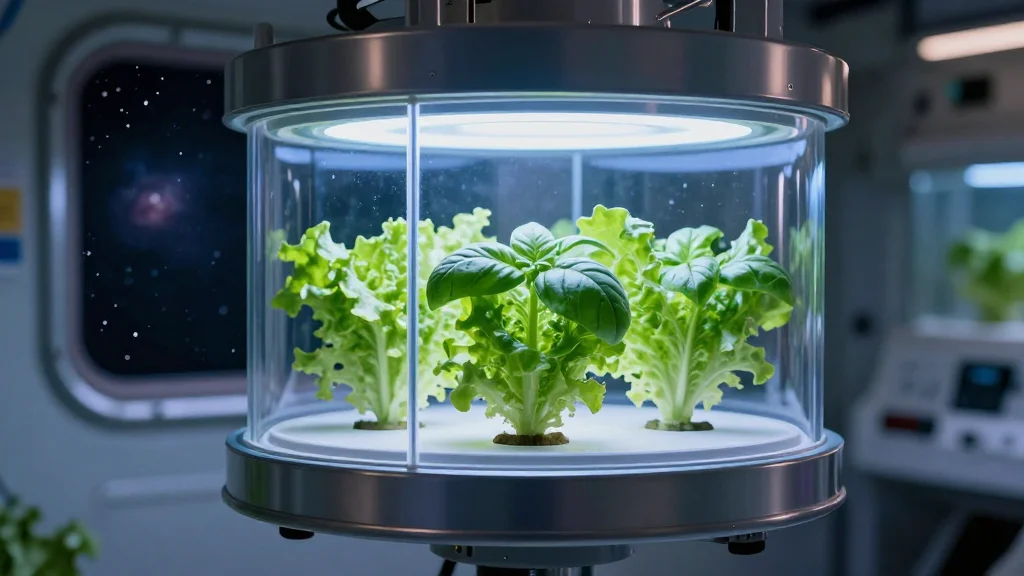
Why Mars Astronauts Need More than Just Space Greenhouses
A new Acta Astronautica paper by Blomqvist and Fritsche argues that Martian food systems must go beyond simple greenhouses, integrating production, post‑harvest, waste, preparation, and sociocultural elements. The authors warn that radiation, micro‑gravity cooking, and menu fatigue could jeopardize crew...
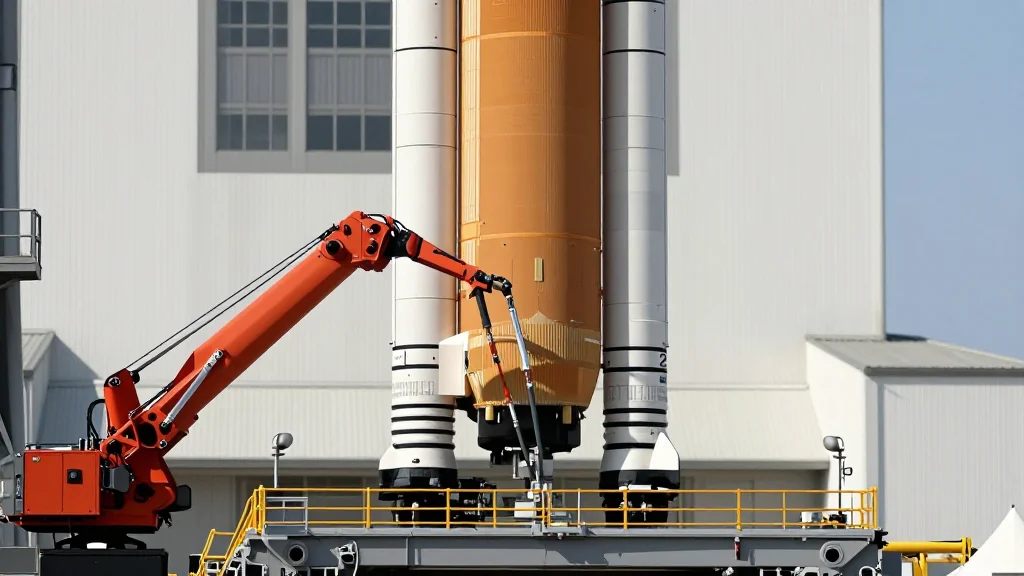
NASA Moves Its Artemis II Moon Rocket Off the Launch Pad for More Repairs
NASA rolled back the 322‑foot Space Launch System (SLS) rocket for Artemis II from Kennedy Space Center’s launch pad to the Vehicle Assembly Building to address a malfunctioning helium pressurization system. The rollback follows a month‑long delay caused by hydrogen fuel...
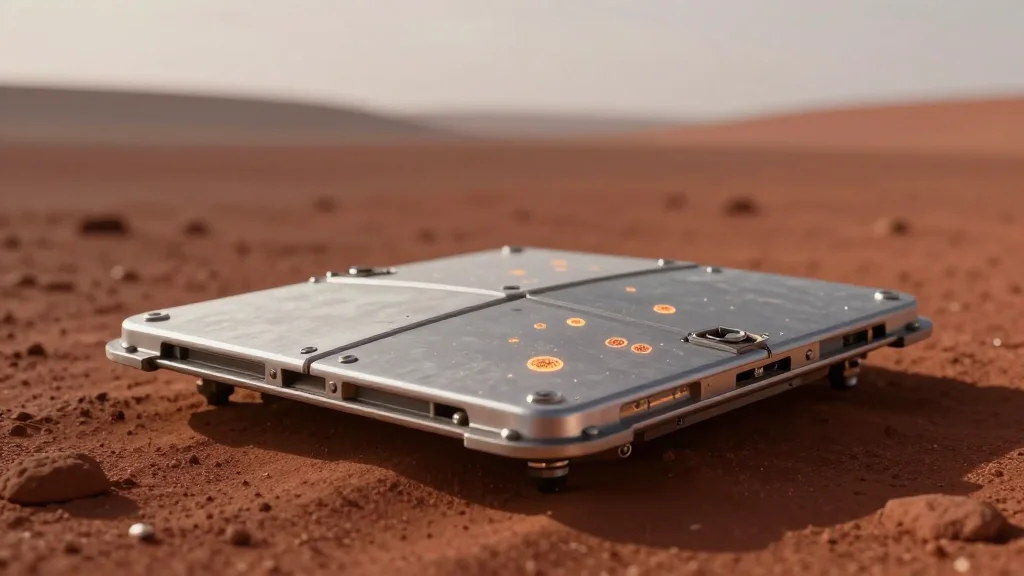
How Long Could Earth Microbes Live on Mars?
Researchers at York University introduced the Mars Microbial Survival (MMS) model to estimate how long Earth‑origin microbes could persist on Mars after spacecraft arrival. The model, applied to 14 historic landing sites, predicts that external surfaces are sterilized within roughly...
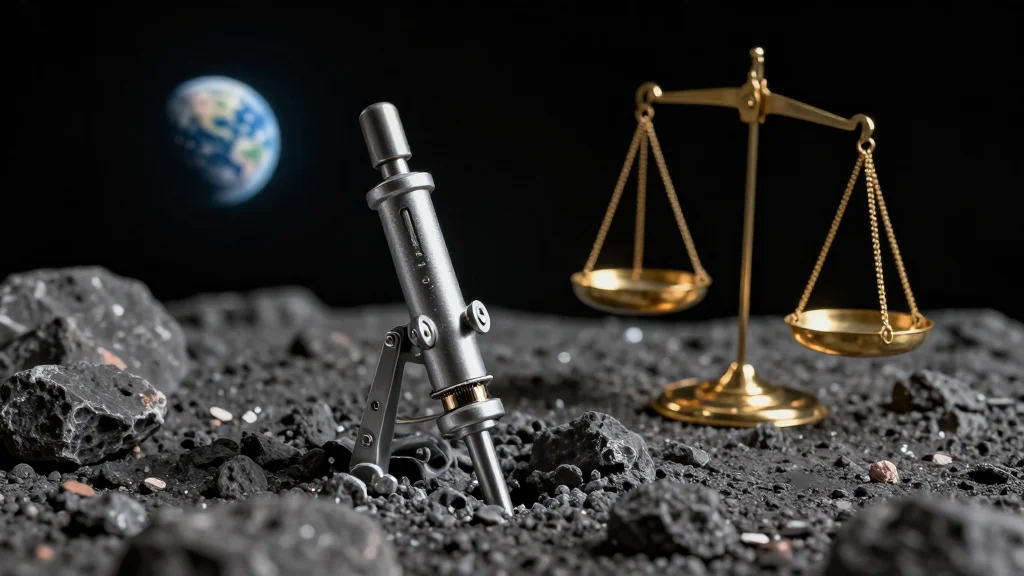
The Legal Void of the Asteroid Gold Rush
Asteroid mining firms such as AstroForge and Karman+ are moving from concept to launch, targeting metallic near‑Earth asteroids and testing zero‑gravity excavation. A new paper in Acta Astronautica highlights the regulatory vacuum surrounding these activities, noting that existing treaties like...
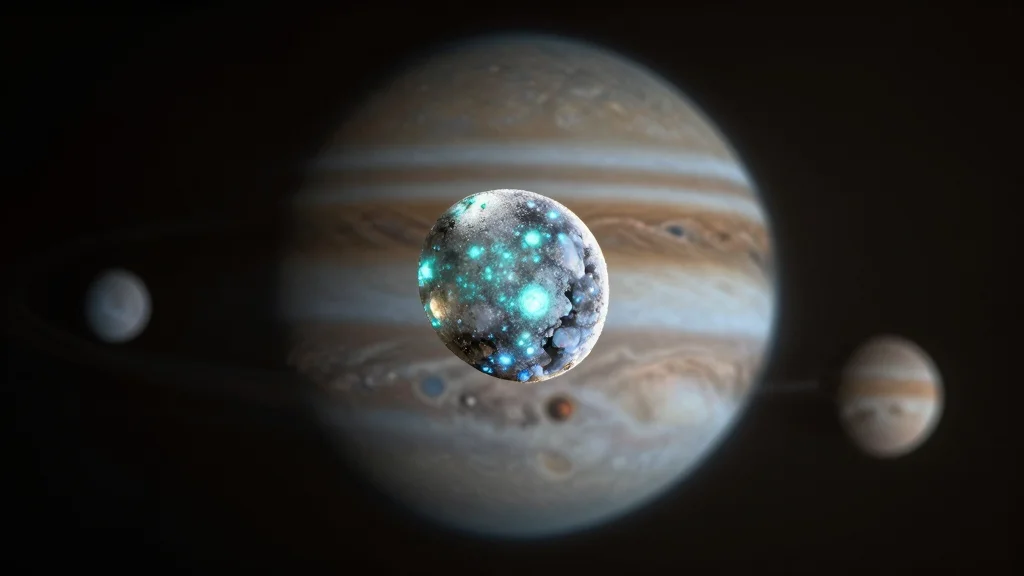
Jupiter's Galilean Moons May Have Gained Life's Building Blocks at Birth
An international team led by Southwest Research Institute showed that complex organic molecules (COMs) could form in both the protosolar nebula and Jupiter’s circumplanetary disk, then be incorporated into the Galilean moons during their accretion. Their coupled disk‑evolution and grain‑transport...
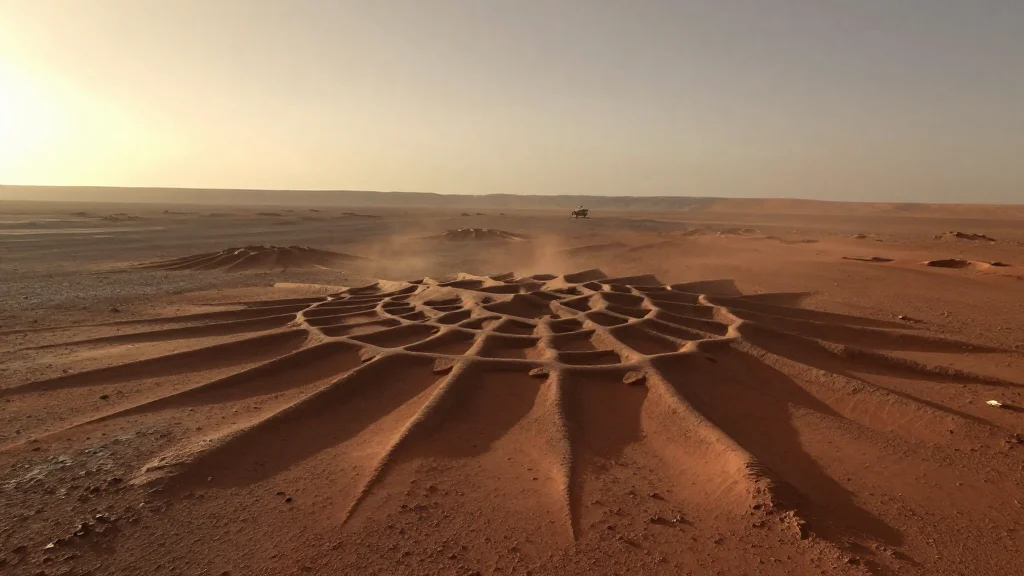
Curiosity Rover Captures Martian Spiderwebs up Close
NASA’s Curiosity rover has spent six months examining Martian boxwork formations—low ridges resembling spiderwebs—on Mount Sharp. High‑resolution Mastcam images reveal ridges 1‑2 meters tall with sand‑filled hollows, confirming that ancient groundwater flowed later than previously believed. Drill samples from ridge tops,...
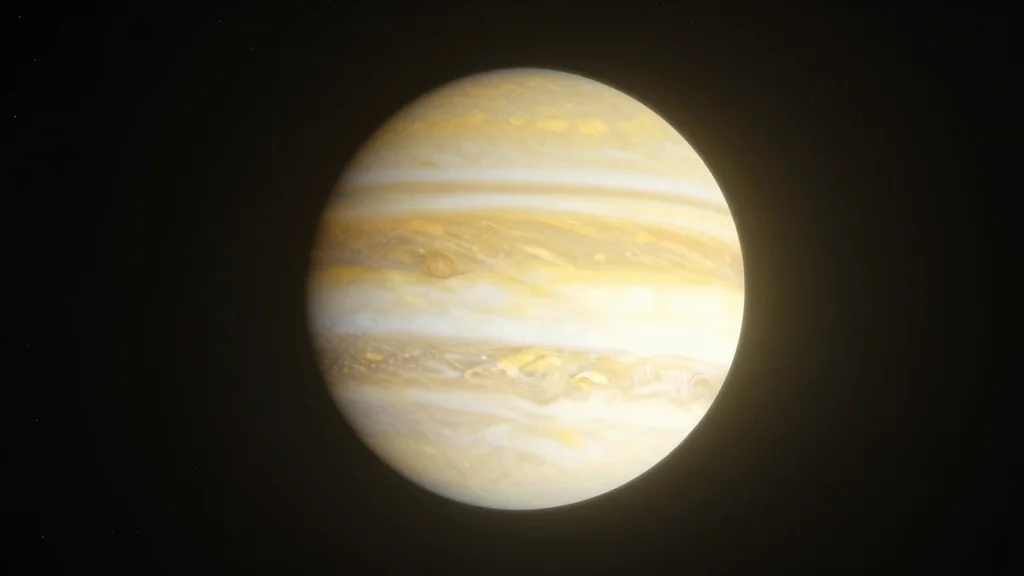
Astronomers Discover Rare Super-Jupiter Orbiting Distant Star
Astronomers using NASA's TESS have identified a rare super‑Jupiter, TIC‑65910228 b, orbiting a bright F‑type star 864 light‑years away. The planet is 1.08 Jupiter radii, 4.78 Jupiter masses, and completes a 180.5‑day orbit at 0.7 AU, making it one of the longest‑period transiting worlds...
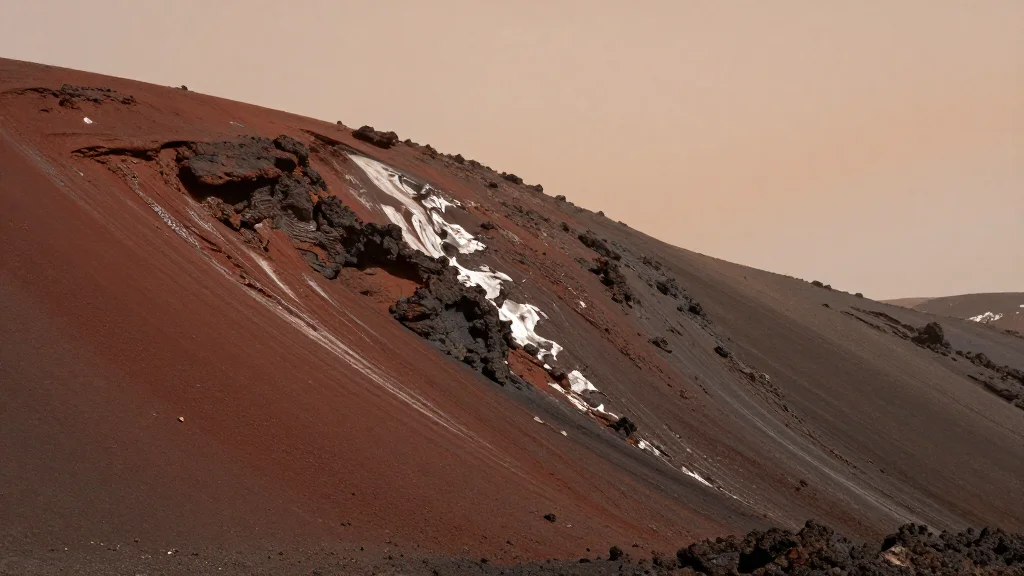
Martian Volcanoes Could Be Hiding Massive Glaciers Under a Blanket of Ash
A new Icarus paper proposes that the Martian shield volcano Hecates Tholus hides debris‑covered glaciers, drawing a parallel with Antarctica’s Deception Island where ash‑laden eruptions insulated ice. The authors cite surface features—crevasses, bergschrunds and push moraines—as “smoking‑gun” evidence of past ice...
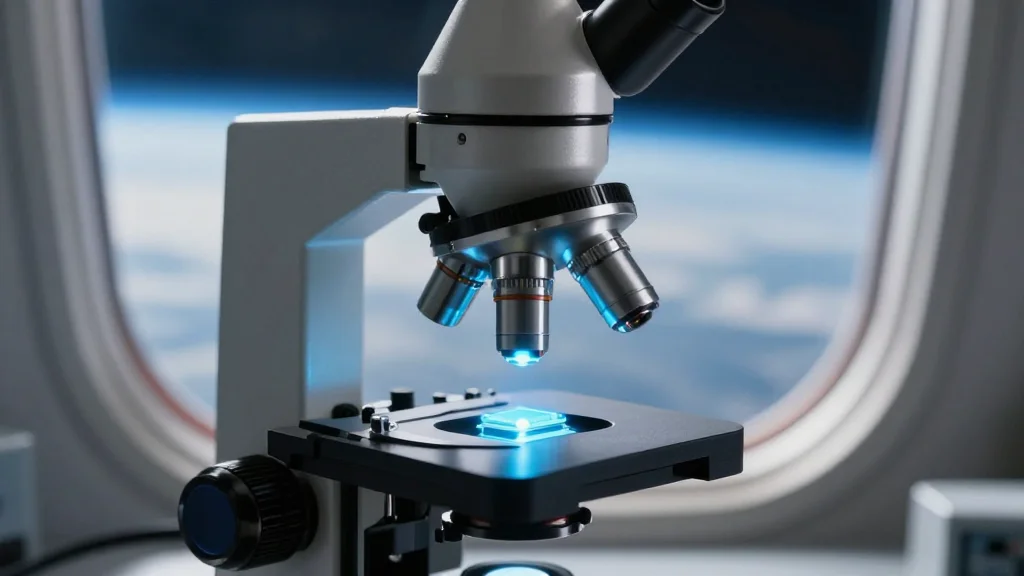
A Low-Cost Microscope to Study Living Cells in Zero Gravity
Researchers at Newcastle University have unveiled FlightScope, a low‑cost, rugged microscope capable of real‑time cell imaging in zero‑gravity environments. Built on an open‑source Stanford design, the instrument costs under $5,000 and includes vibration damping and microfluidic handling for parabolic flights....
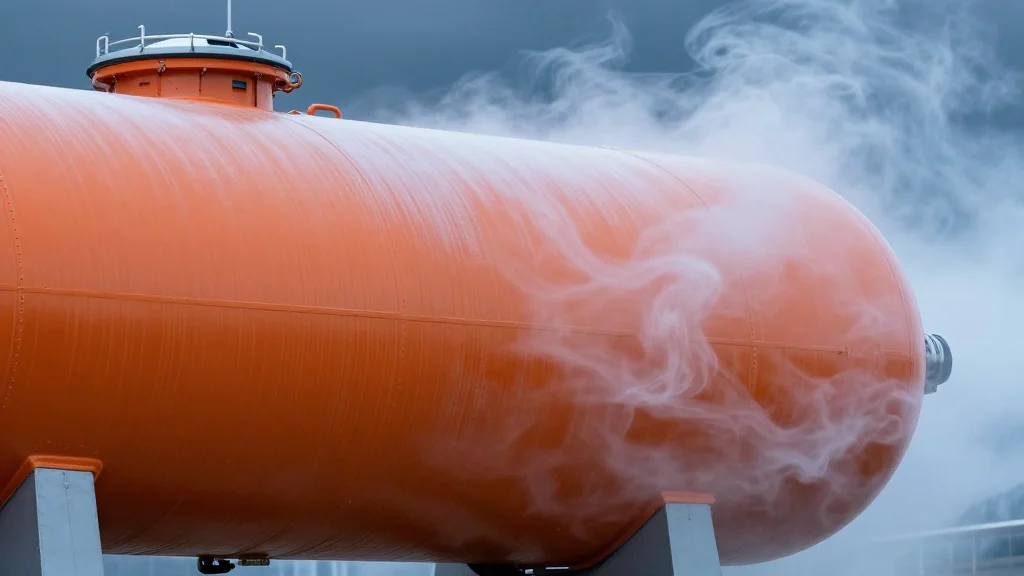
NASA Moves Forward with Artemis II Tanking Test that Could Set up Moonshot Mission
NASA will begin a 700,000‑gallon cryogenic propellant load on the Space Launch System at Kennedy Space Center as part of a second wet‑dress rehearsal for Artemis II. The test follows a February 2 leak of liquid hydrogen that forced a pause in...
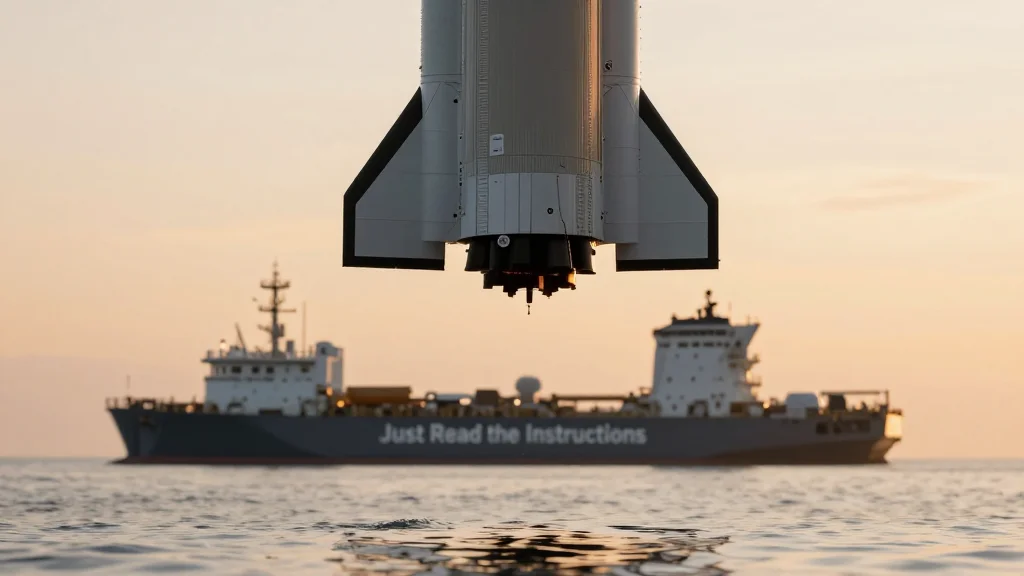
SpaceX Launch to Feature Rare Booster Landing in Bahamas
SpaceX will launch the Falcon 9 Starlink 10‑36 mission from Cape Canaveral on Thursday night, targeting a 95% favorable weather window. The first‑stage booster, on its 26th flight, will attempt a downrange landing on the droneship Just Read the Instructions stationed off...
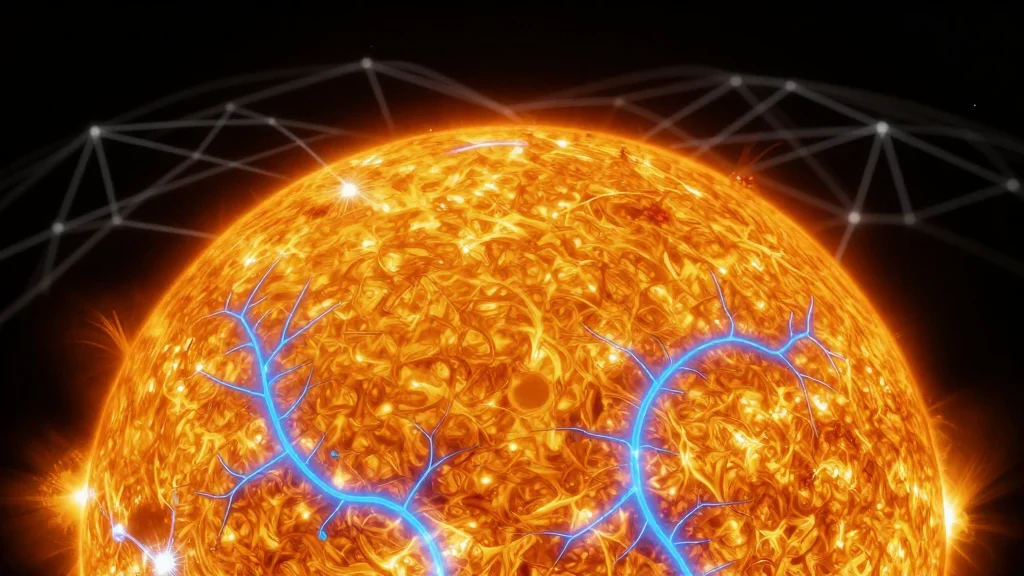
AI Tool Observes Solar Active Regions to Advance Warnings of Space Weather
Southwest Research Institute and NSF‑NCAR have unveiled PINNBARDS, a physics‑informed neural network that translates surface magnetograms of solar active regions into deep‑layer magnetic states. By reconstructing tachocline dynamics from SDO/HMI data, the tool can forecast the emergence of large, flare‑producing...
NASA Hopes Fuel Leaks Are Fixed as It Launches Another Countdown Test for the Artemis II Moonshot
NASA resumed a practice launch countdown for Artemis II on Tuesday, marking the first full‑duration rehearsal since fixing a hazardous fuel leak in the Space Launch System’s core stage. The leak, discovered during pre‑launch checks, forced a delay that pushed the...