Phys.org - Space News
Research-driven reporting on space technology and exploration developments

Exploration of Exoplanets: A Mathematical Solution for Investigating Their Atmospheres
Leonardos Gkouvelis of LMU has delivered the first closed‑form analytical theory for transmission spectroscopy that incorporates pressure‑dependent opacity, a problem that has stymied exoplanet atmosphere modeling for decades. The new formula replaces costly numerical simulations with a transparent, fast solution, aligning closely with Earth’s transmission spectrum and high‑precision JWST observations of planets like WASP‑39b. By linking laboratory molecular data directly to astronomical spectra, the model explains muted spectral features and improves retrieval accuracy. The breakthrough arrives as JWST and upcoming missions such as ARIEL demand more sophisticated theoretical tools to fully exploit their data.
Webb Reveals Five-Galaxy Merger Just 800 Million Years After the Big Bang
Astronomers using the James Webb Space Telescope have identified a compact five‑galaxy merger, dubbed JWST’s Quintet, at redshift 6.71—only about 800 million years after the Big Bang. The system spans tens of thousands of light‑years yet forms stars at roughly 250 solar masses...

How Brick-Building Bacteria React to Toxic Chemical in Martian Soil
Researchers at the Indian Institute of Science examined how perchlorate, a toxic chemical in Martian regolith, influences biocementation by a robust native strain of Sporosarcina pasteurii. While perchlorate slows bacterial growth, it triggers extracellular matrix formation that creates microbridges, resulting...
NASA-ISRO Radar Mission Peers Through Clouds to See Mississippi River Delta
NASA and ISRO’s NISAR satellite used its L‑band synthetic aperture radar to capture a cloud‑free image of the Mississippi River Delta on Nov. 29, 2025. The radar’s 24‑centimeter wavelength penetrates clouds, revealing land‑cover details from urban structures to wetlands and crops. The...
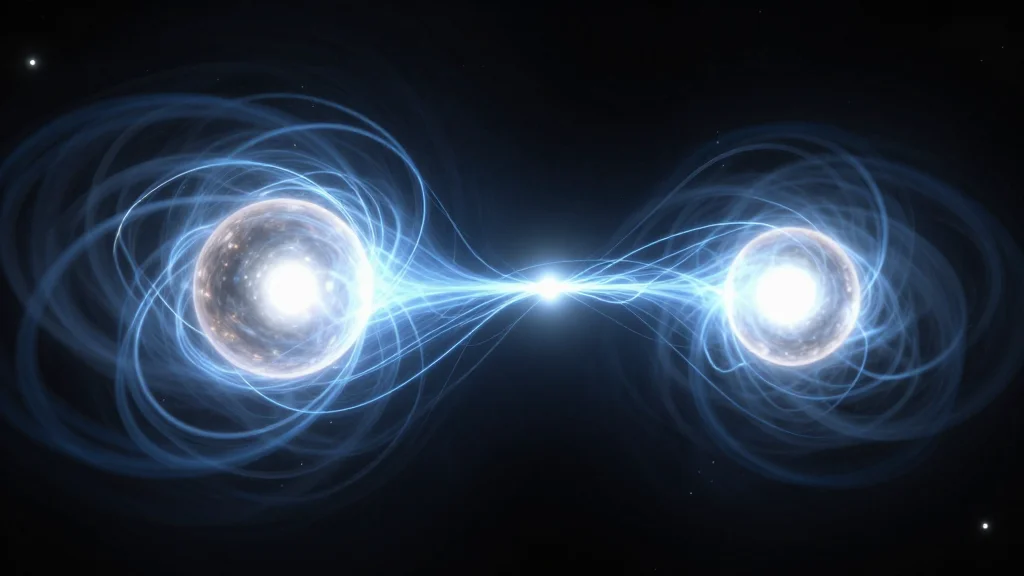
NASA Researchers Probe Tangled Magnetospheres of Merging Neutron Stars
NASA’s Goddard team leveraged the Pleiades supercomputer to run over 100 high‑resolution simulations of two 1.4‑solar‑mass neutron stars merging. The models reveal how tangled magnetospheres reconnect and generate rapidly varying electromagnetic emission in the final 7.7 ms before coalescence. Emission intensity...
New Map of the Milky Way's Magnetism Offers Insights Into Cosmic Evolution
A UBC Okanagan‑led team released the first broadband Faraday‑rotation map of the northern sky, called DRAGONS, using the DRAO 15‑meter telescope. The survey reveals that more than half of the sky exhibits intricate magnetic structures, overturning the notion of a largely...
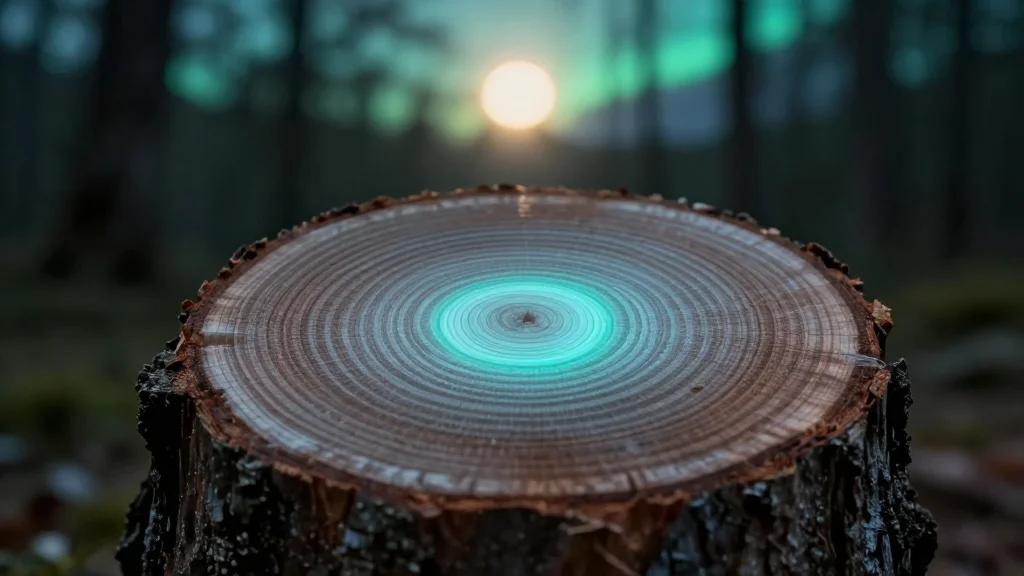
How Tree Rings Help Scientists Understand Disruptive Extreme Solar Storms
A new study in New Phytologist reveals that tree species record radiocarbon spikes from extreme solar storms—known as Miyake events—differently due to variations in carbon uptake, storage, and allocation. These biological nuances can shift the timing and intensity of the...

A New Method to Search for Ultralight Dark Matter with Advanced Optical Cavities
Northwestern University researchers have demonstrated a novel laboratory search for ultralight dark‑matter particles using two Fabry‑Perot optical cavities of different lengths. By exploiting the pendulum‑like response of rigid cavities in the 34‑64 kHz band, the experiment can detect minute length oscillations...
Gaia Data Reveal Three Galactic Open Clusters in Detail
Astronomers used ESA’s Gaia Data Release 3 to conduct a detailed analysis of three Milky Way open clusters—Berkeley 17, 18 and 39—identifying 600, 1,042 and 907 probable members respectively. The study reports ages ranging from 3.4 billion to 9.1 billion years, stellar masses from 536 M☉ to...
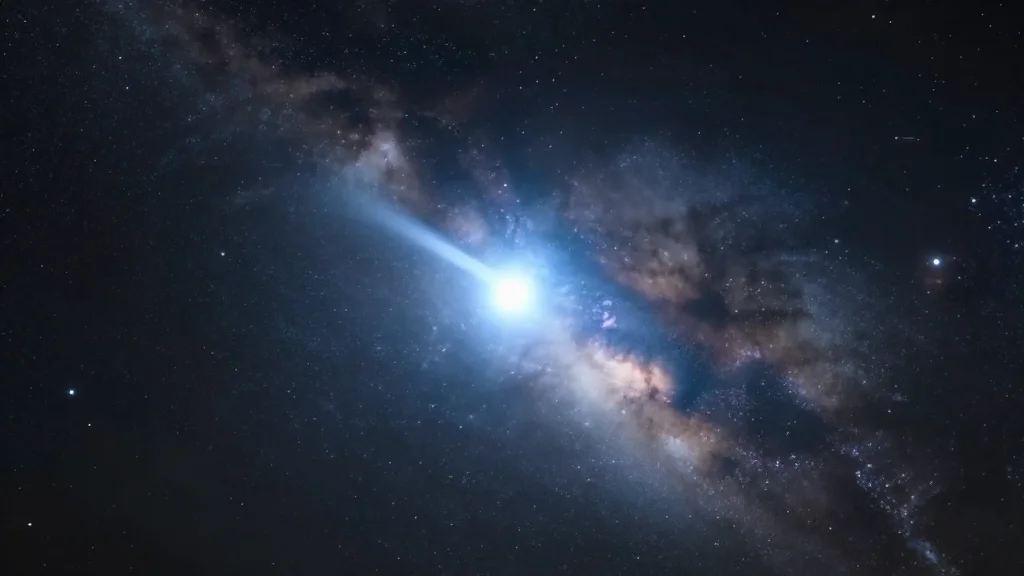
Massive Runaway Stars in the Milky Way: Observational Study Explores Origins and Ejection Process
Researchers from ICCUB, IEEC and IAC published the most extensive observational study of massive runaway O‑type stars in the Milky Way. Using Gaia astrometry and IACOB spectroscopy, they examined 214 O‑type runaways, measuring rotation speeds and binarity. The analysis shows...
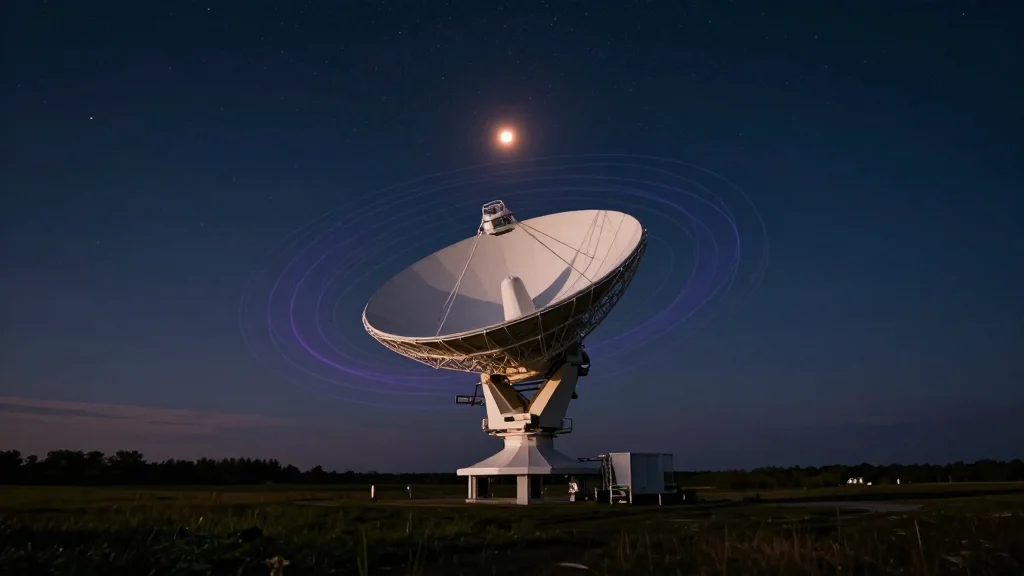
New Radio Method Uncovers Hidden Bursts From Dwarf Stars and Hints of Exoplanets
An international team led by Cyril Tasse and Cornell’s Jake Turner introduced Multiplexed Interferometric Radio Spectroscopy (RIMS), a method that mines existing low‑frequency radio archives to reveal minute‑by‑minute variability of hundreds of stars simultaneously. Applying RIMS to over 1.4 years of LOFAR LoTSS...
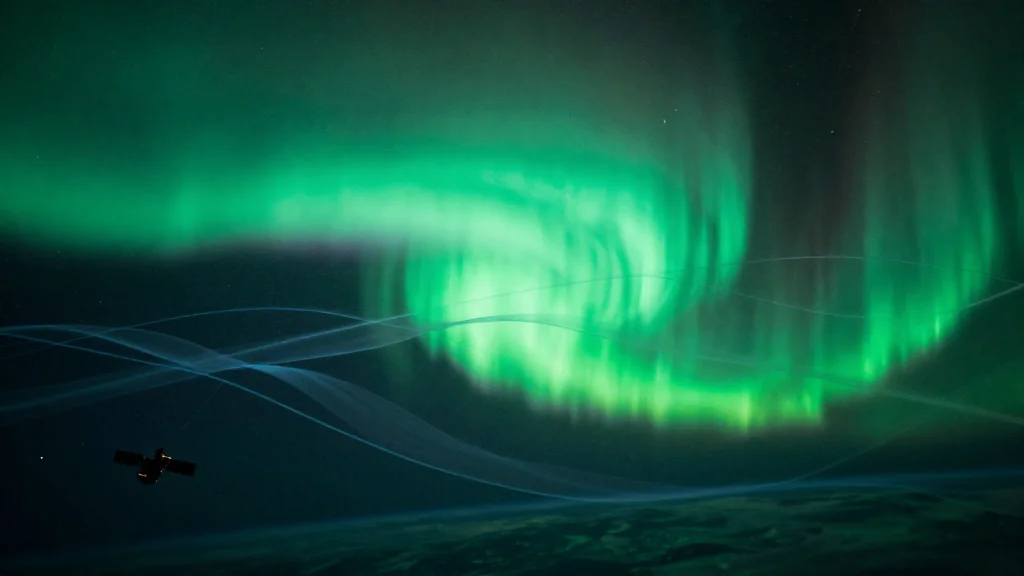
Alfvén Waves Act as the Power Source Behind Earth's Auroral Displays, Research Reveals
A joint University of Hong Kong‑UCLA study published in Nature Communications identifies Alfvén waves as the primary energy source that drives Earth’s auroral displays. By analyzing particle trajectories and electric fields, the researchers showed that these plasma waves continuously feed...
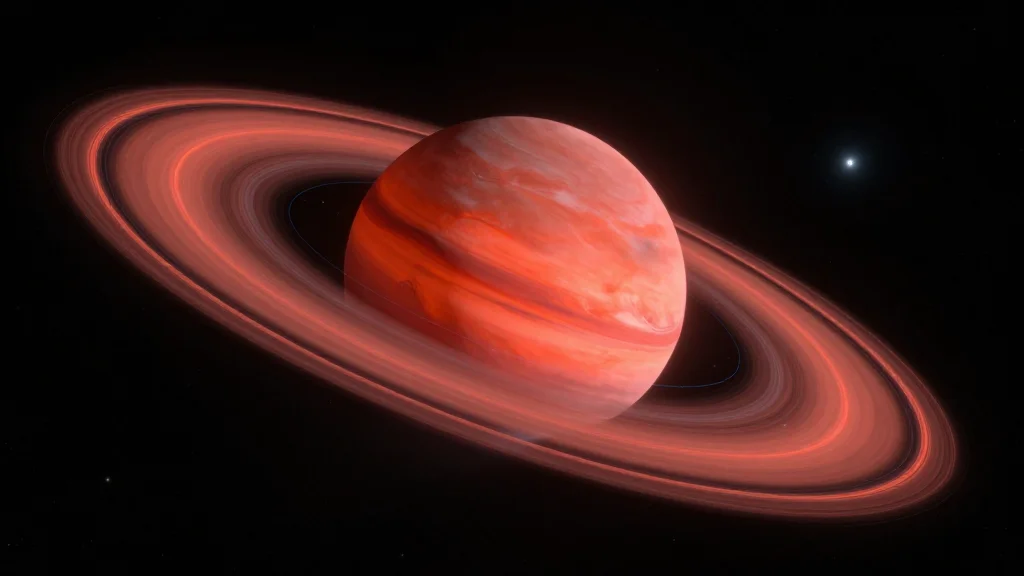
Multiwavelength Analysis Finds No Radio Pulsations From Accreting Millisecond X-Ray Pulsar
Researchers conducted a multi‑wavelength campaign on the accreting millisecond X‑ray pulsar MAXI J1957+032, covering its 2022 and 2025 outbursts and quiescent intervals. Timing analysis revealed a 3.19 ms spin period, ~1.01 h orbital period, a spin‑down rate of –0.0573 pHz s⁻¹ and a dipolar magnetic...
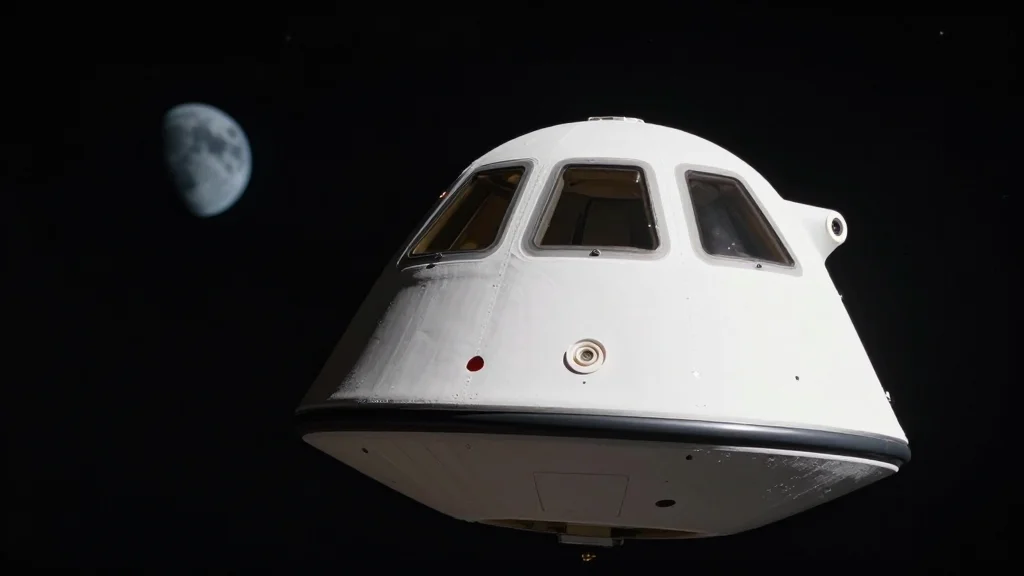
NASA's Artemis II Crewed Mission to the Moon Shows How US Space Strategy Has Changed Since Apollo
NASA’s Artemis II mission, slated for a February 2026 launch, will send a four‑person crew on a lunar flyby without landing. The flight tests life‑support, navigation and deep‑space operations that are essential for the planned Artemis III landing in 2028. Unlike the Cold‑War...
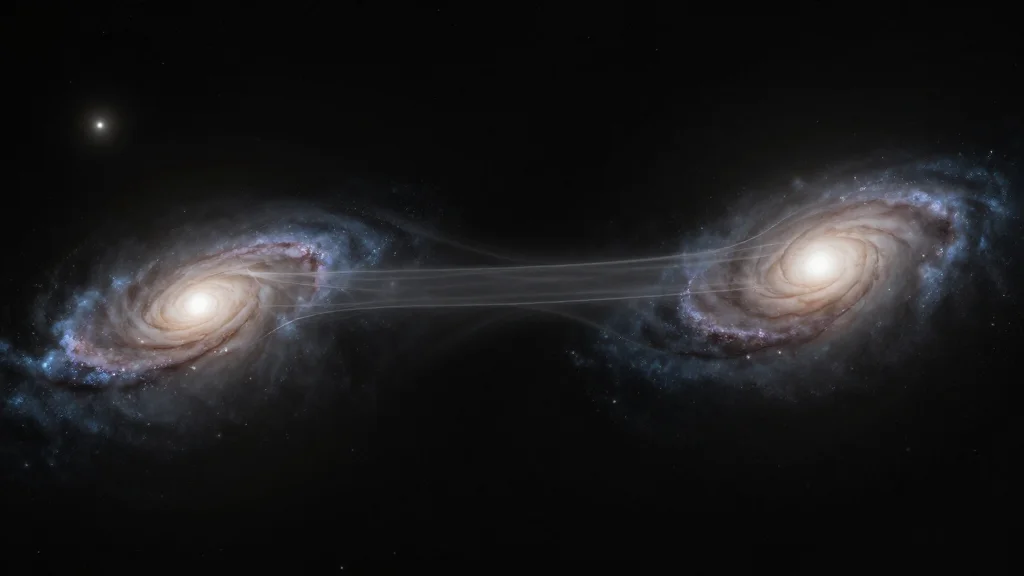
Milky Way Is Embedded in a 'Large-Scale Sheet' Of Dark Matter, Which Explains Motions of Nearby Galaxies
Researchers from the University of Groningen and European partners have used constrained cosmological simulations to reveal that the Milky Way and Andromeda reside within a large‑scale, flat sheet of dark matter extending tens of millions of light‑years. This planar mass...
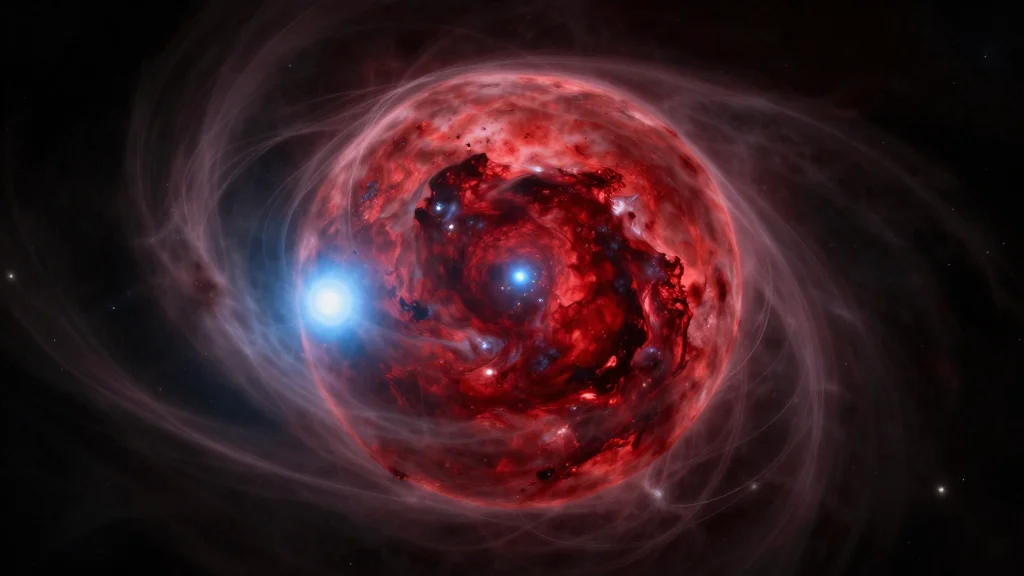
Massive Star WOH G64 Is Still a Red Supergiant—For Now
WOH G64, one of the Large Magellanic Cloud's most luminous red supergiants, has been confirmed to remain in the red‑supergiant phase despite recent dimming and spectral changes. High‑resolution SALT spectra revealed titanium‑oxide absorption bands, a definitive sign of a cool photosphere,...
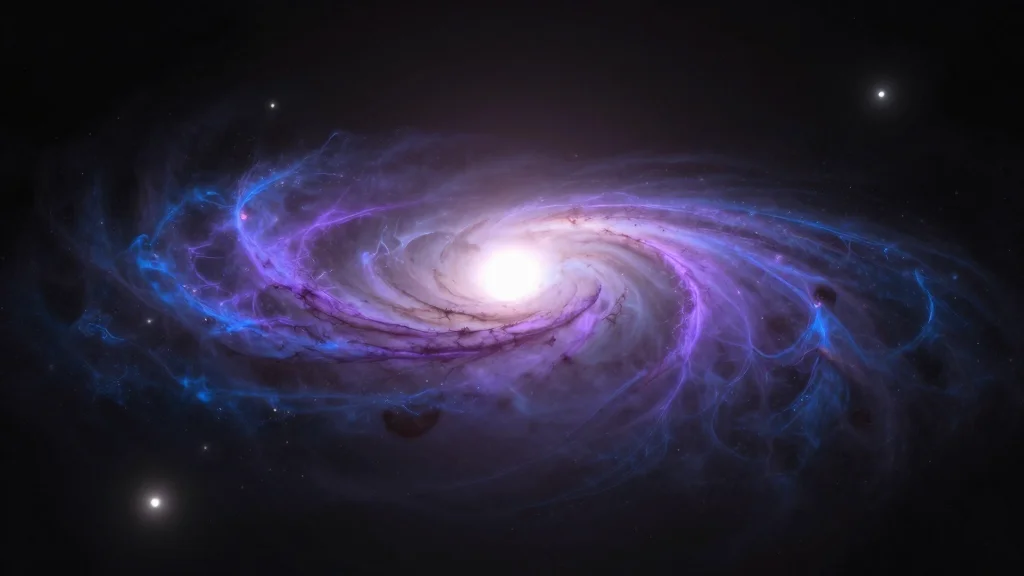
Magnetic Superhighways Discovered in a Starburst Galaxy's Winds
Using ALMA’s full‑polarization capabilities, astronomers mapped the magnetic fields of the merging ultraluminous infrared galaxy Arp 220 and uncovered a magnetized, high‑speed molecular outflow that functions as a “magnetic superhighway.” The study reports the first polarized CO(3‑2) detection, revealing field strengths...
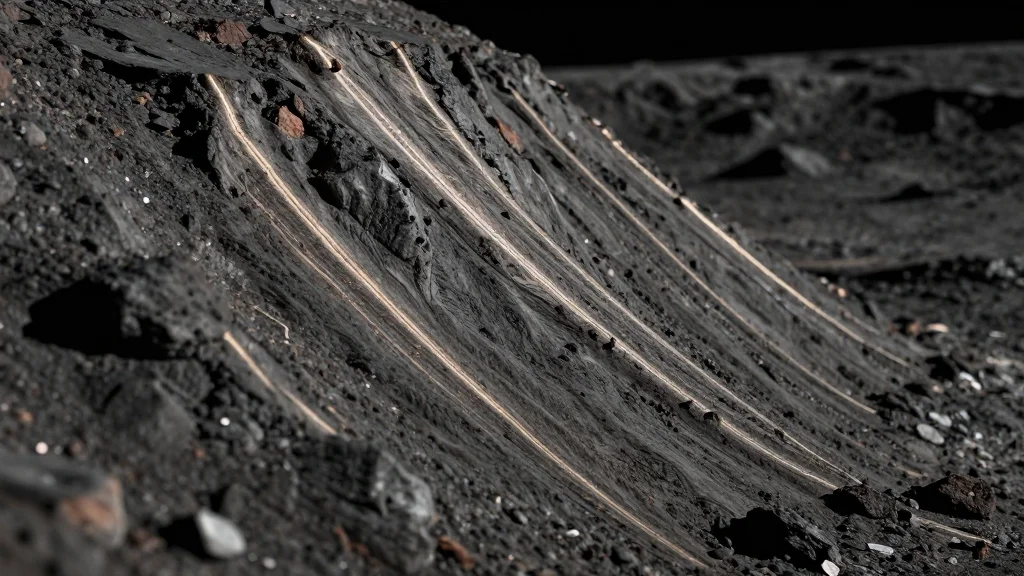
Streaks on Mercury Show that It Is Not a 'Dead Planet'
A team led by Dr. Valentin Bickel used deep‑learning to catalog roughly 400 bright slope streaks—known as lineae—across Mercury’s surface, creating the first systematic inventory of these features. Geostatistical analysis shows the streaks concentrate on sun‑facing crater walls and are...
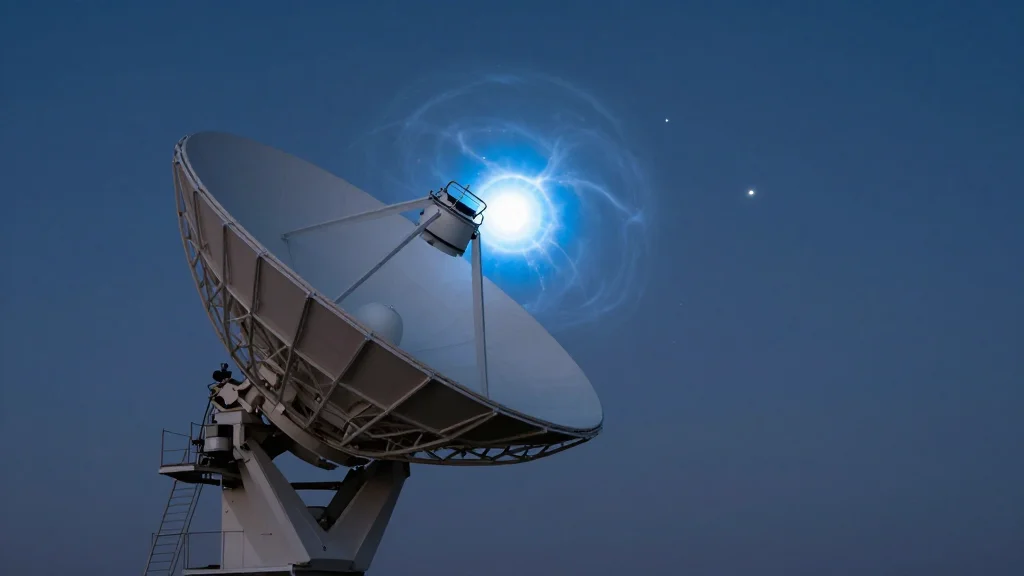
First Radio Signals From Rare Supernova Reveal Star's Final Years
Astronomers have recorded the first radio emission from a Type Ibn supernova (SN 2023fyq) using the VLA, revealing the star's mass‑loss history in the decade before its explosion. The radio waves, observed over 18 months, show interaction with helium‑rich gas shed shortly before...

NASA, GE Aerospace Hybrid Engine System Marks Successful Test
NASA and GE Aerospace successfully completed the first integrated hybrid‑electric jet engine test in December at GE’s Peebles Test Operation in Ohio. The demonstration used a modified GE Passport engine that extracts energy and feeds it back through electric motors,...

Ancient Martian Beach Discovered, Providing New Clues to Red Planet's Habitability
NASA's Perseverance rover has identified wave‑formed beach deposits and carbonate‑altered rocks in the Margin unit of Jezero crater, confirming an ancient shoreline dating back roughly 3.5 billion years. The study shows that igneous rocks were later transformed by subsurface, CO₂‑rich water,...

From Stellar Engines to Dyson Bubbles, Alien Megastructures Could Hold Themselves Together Under the Right Conditions
New theoretical work by Colin McInnes at the University of Glasgow shows that both stellar engines and Dyson bubbles—hypothetical alien megastructures designed to harvest a star’s energy—can achieve passive gravitational stability under specific conditions. The study, published in Monthly Notices of...
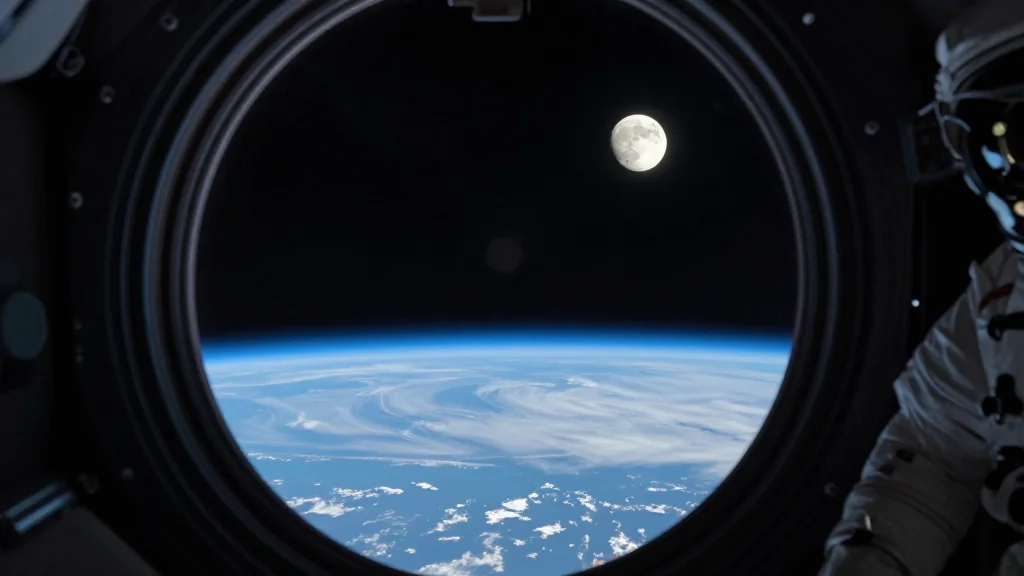
Ignis Mission Timelapses: Earth and Moon Views From the International Space Station
ESA astronaut Sławosz Uznański‑Wiśniewski recorded striking timelapse videos of Earth and the Moon from the International Space Station’s Cupola during his 20‑day stay on Axiom Mission 4, dubbed Ignis. Launched on 25 June 2025 aboard a SpaceX Dragon, the mission hosted 13 experiments...
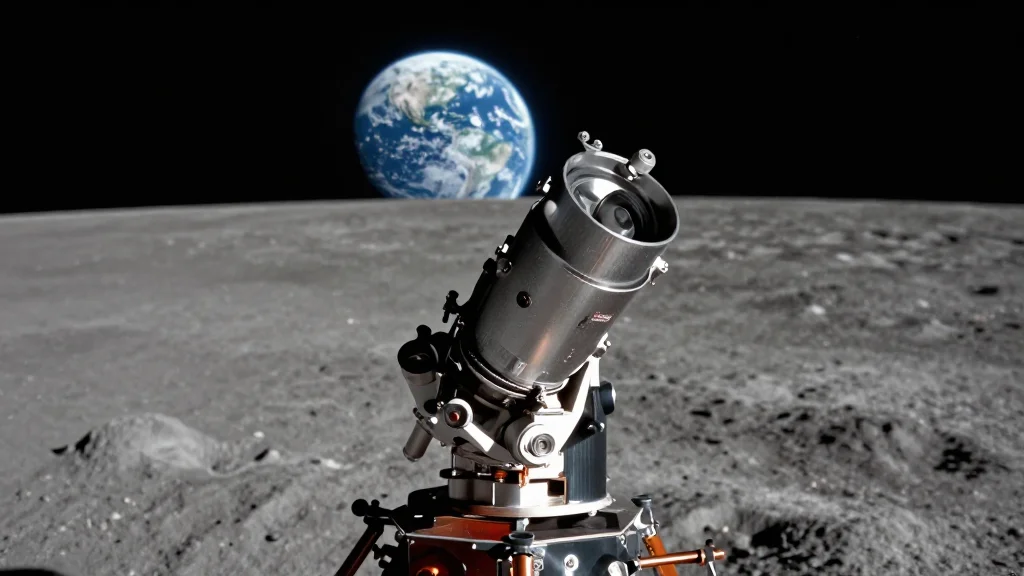
Moon-Based Observations Capture Earth's 'Radiation Fingerprint'
A study published in the Journal of Geophysical Research demonstrates that lunar‑based observations can view Earth as a full disk, capturing its outgoing radiation with unprecedented continuity. By applying spherical harmonic analysis, researchers showed that roughly 90% of the observed...
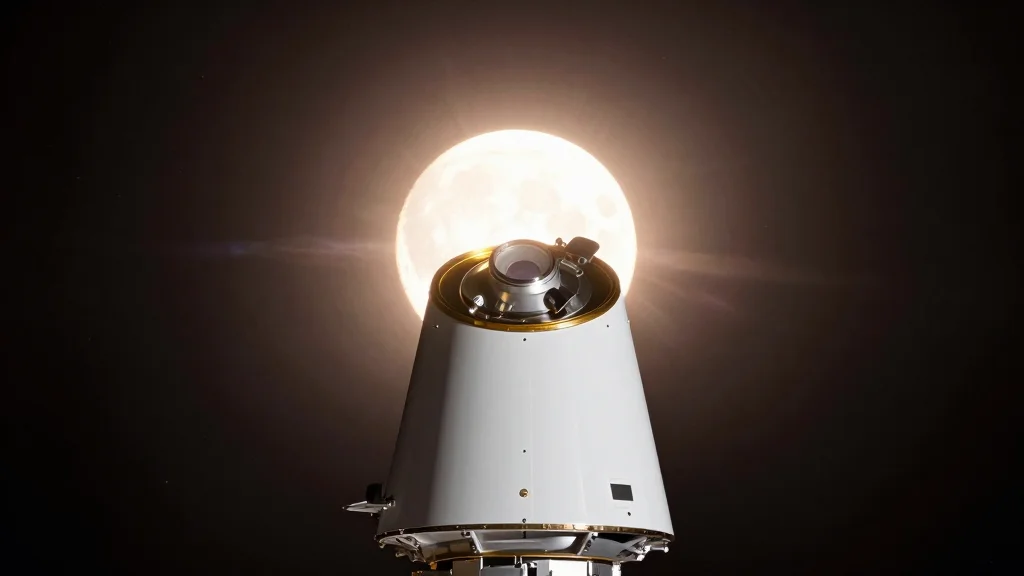
Proposed New Mission Will Create Artificial Solar Eclipses in Space
The Moon‑enabled Sun Occultation Mission (Mesom) proposes using the Moon as a natural occulter to create artificial solar eclipses in space, enabling prolonged, high‑quality observations of the Sun’s inner corona. Current coronagraphs and rare terrestrial eclipses provide limited viewing time...

Microgravity Rewires Microbial Metabolism, Limiting Space-Based Manufacturing Efficiency
Scientists at the U.S. Naval Research Laboratory completed the MELSP experiment on the ISS, showing that microgravity fundamentally rewires microbial metabolism and cuts melanin production efficiency. Engineered E. coli produced the same enzyme in space, but impaired substrate transport and...
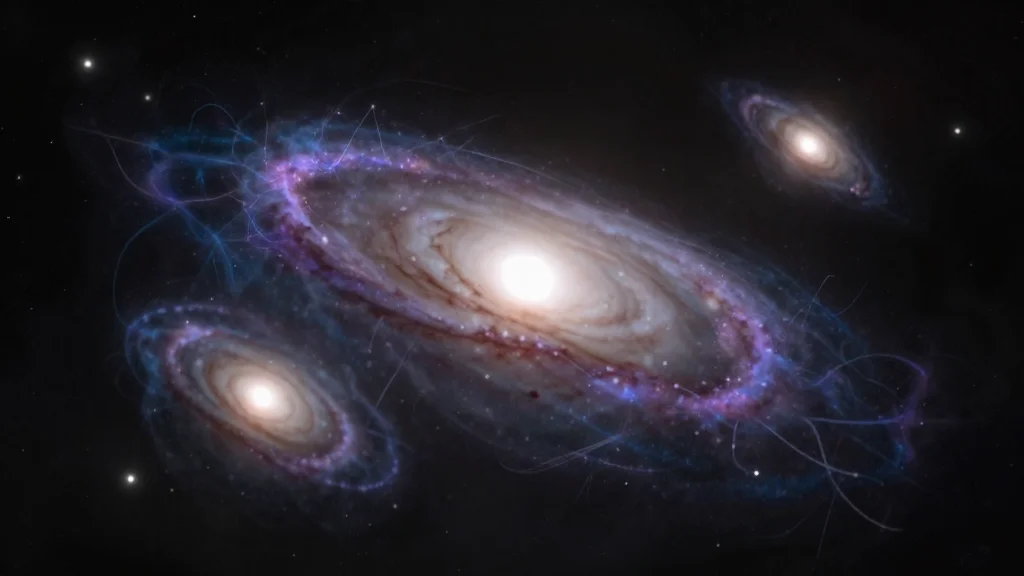
High-Resolution Map Shows Dark Matter's Gravity Pulled Normal Matter Into Galaxies
Using James Webb Space Telescope data, astronomers produced the highest‑resolution dark‑matter map to date, covering a sky region 2.5 times the size of the full Moon and cataloguing nearly 800,000 galaxies. The map, published in Nature Astronomy, visualizes dark‑matter density...

New Insight Into Economic Outcomes of the US Space Race
Florida State University economists Shawn Kantor and Alexander Whalley published a study in the American Economic Review that re‑examines the economic legacy of the 1950s‑60s US space race. Using declassified CIA intelligence to isolate NASA’s impact, they find that federal...
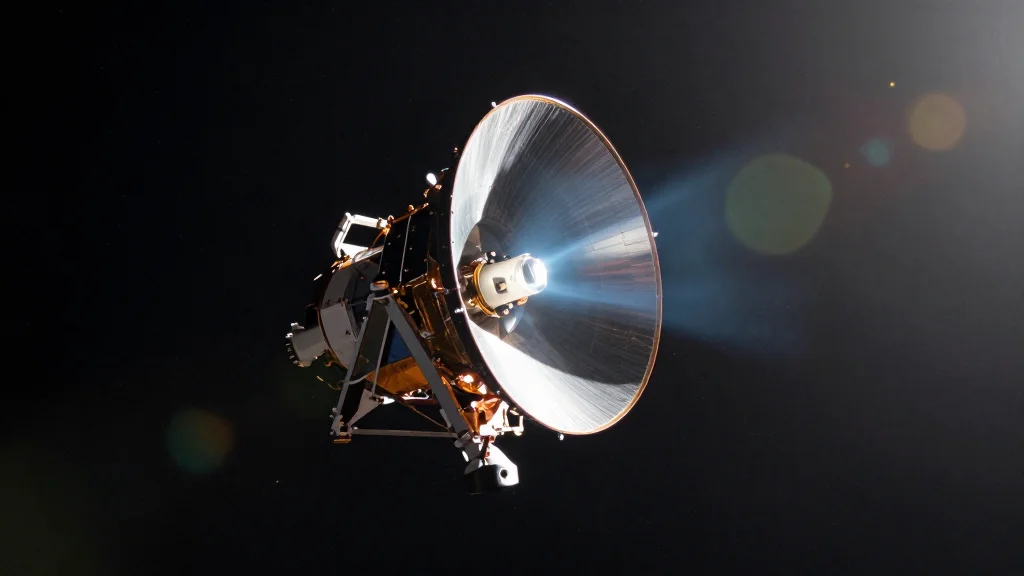
Chandra Catalog Now Contains 1.3 Million X-Ray Detections Across the Sky
NASA’s Chandra X‑ray Observatory has expanded its Chandra Source Catalog to include 1.3 million X‑ray detections, covering the entire sky. The new release consolidates over 20 years of observations with uniform processing and improved positional accuracy. Researchers can now query the catalog...

From Lunar Nights to Martian Dust Storms: Why Batteries Struggle in Space
Space agencies are racing to establish permanent lunar bases and Mars outposts, but battery technology remains a critical weak point. Extreme temperature swings, intense radiation, and vacuum conditions cause conventional lithium‑ion cells to fracture, overheat, or degrade rapidly. Researchers are...
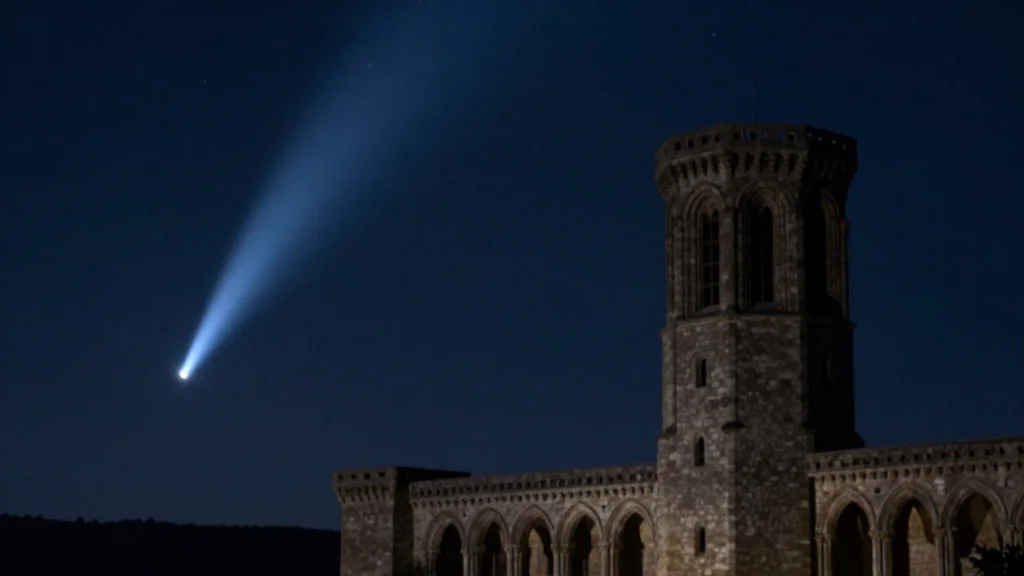
Halley's Comet Wrongly Named: 11th-Century English Monk Predates British Astronomer
Recent interdisciplinary research reveals that 11th‑century monk Eilmer of Malmesbury recorded two appearances of the comet now known as 1P/Halley—in 989 and again in 1066—centuries before Edmond Halley identified its 76‑year cycle. The observations, cited in William of Malmesbury’s chronicles,...
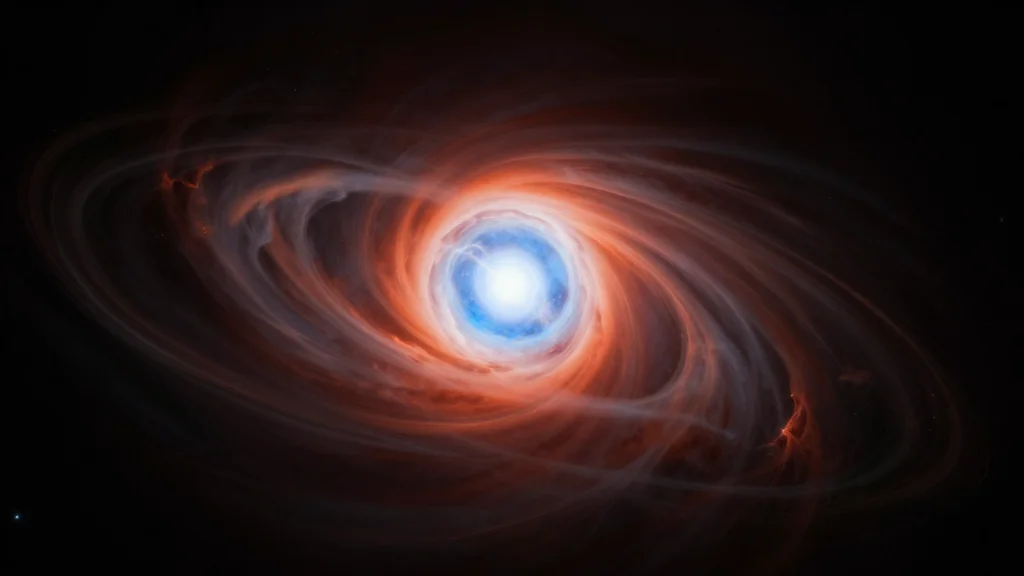
Multiwavelength Variability Reveals Dust Structure in Quasars
An international team analyzed optical, near‑infrared, and mid‑infrared variability of four quasars to map dust structures around their central black holes. By measuring inter‑band time delays, they derived a graphite‑to‑silicate particle size ratio of about 0.4, indicating graphite dominates near‑infrared...
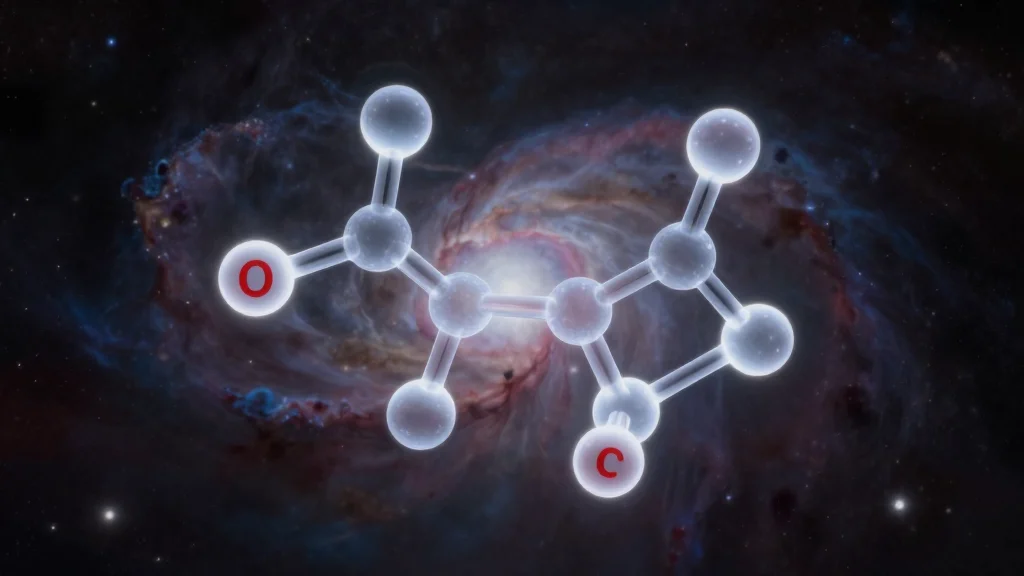
Astrophysicists Discover Largest Sulfur-Containing Molecular Compound in Space
Astrophysicists at the Max Planck Institute and the Centro de Astrobiología have identified 2,5‑cyclohexadiene‑1‑thione (C₆H₆S), the largest sulfur‑bearing molecule ever detected in space, within the molecular cloud G+0.693–0.027 near the Milky Way’s centre. The molecule, a thirteen‑atom cyclic compound, was...
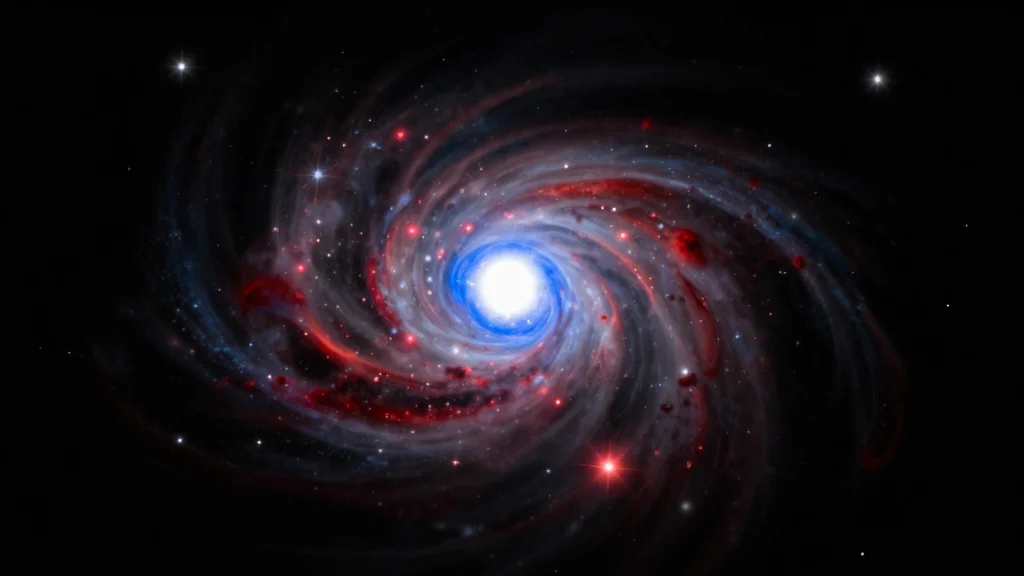
Hubble Uncovers the Secret of Blue Straggler Stars that Defy Aging
The Hubble Space Telescope’s ultraviolet survey of 48 Milky Way globular clusters has produced the largest catalog of blue straggler stars, exceeding 3,000 objects. Analysis shows these anomalously young‑looking stars are far more common in low‑density clusters than in crowded...
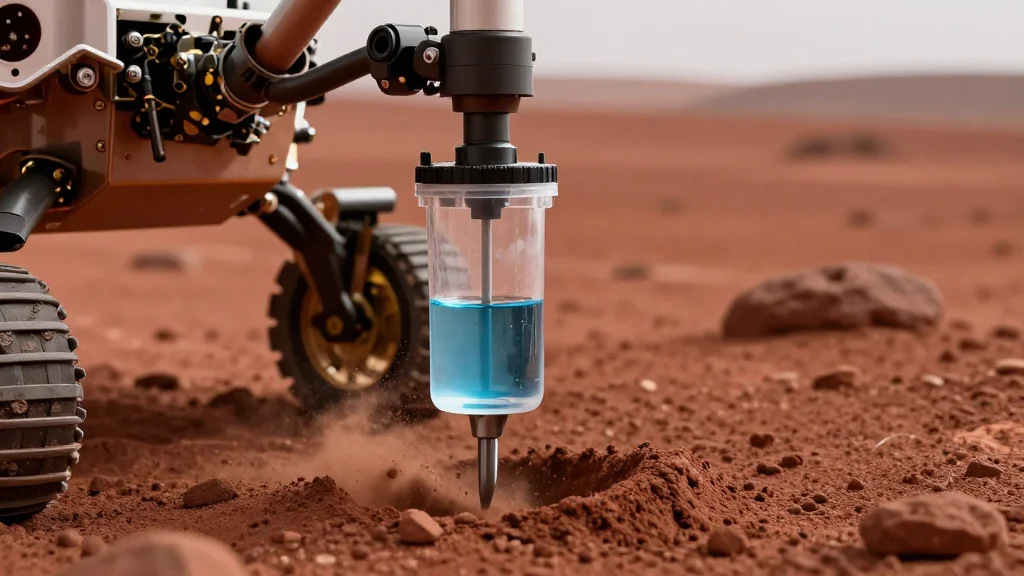
Accessing Water on Mars: Examining the Best Technologies for Future Missions
A new study in Advances in Space Research compares technologies for extracting water on Mars, focusing on subsurface ice, soil moisture, and atmospheric vapor. The analysis rates subsurface ice as the most viable long‑term source, while soil and air water...

Resurrected Ancient Enzyme Offers New Window Into Early Earth and the Search for Life Beyond It
University of Wisconsin–Madison researchers have resurrected a 3.2‑billion‑year‑old nitrogenase enzyme and expressed it in modern microbes. Their experiments show the ancient enzyme produces isotopic signatures identical to those of contemporary nitrogenase, confirming the reliability of these signatures as biosignatures in...
AI Model that Found 370 Exoplanets Now Digs Into TESS Data
NASA’s Ames team upgraded its open‑source AI tool ExoMiner to ExoMiner++, now trained on both Kepler and TESS data. In its first run the model flagged roughly 7,000 TESS signals as exoplanet candidates, expanding the catalog beyond the 370 planets...
Dark Energy Survey Scientists Release Analysis of All Six Years of Survey Data
The Dark Energy Survey (DES) has released a comprehensive analysis that merges all six years of observations, covering 669 million galaxies across an eighth of the sky. By jointly exploiting weak lensing, galaxy clustering, baryon acoustic oscillations, and Type‑Ia supernovae, the...
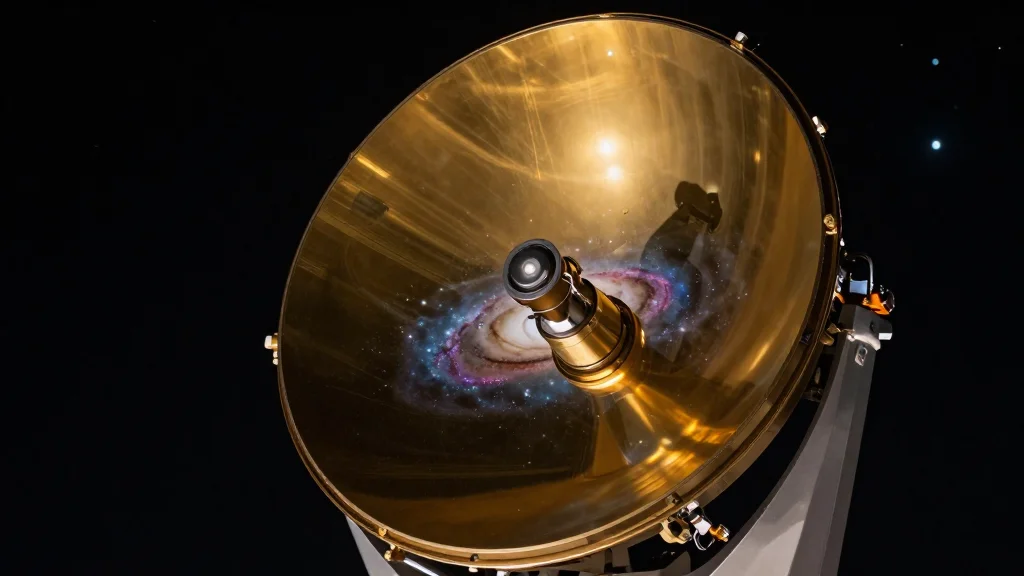
Webb Telescope Reveals Galaxy Cluster's Gravity Warping Light From Distant Galaxies
The James Webb Space Telescope captured a new image of the massive galaxy cluster MACS J1149.5+2223, located about 5 billion light‑years away in Leo. The picture showcases dramatic gravitational lensing, with background galaxies stretched into arcs and jelly‑like shapes, including a previously...
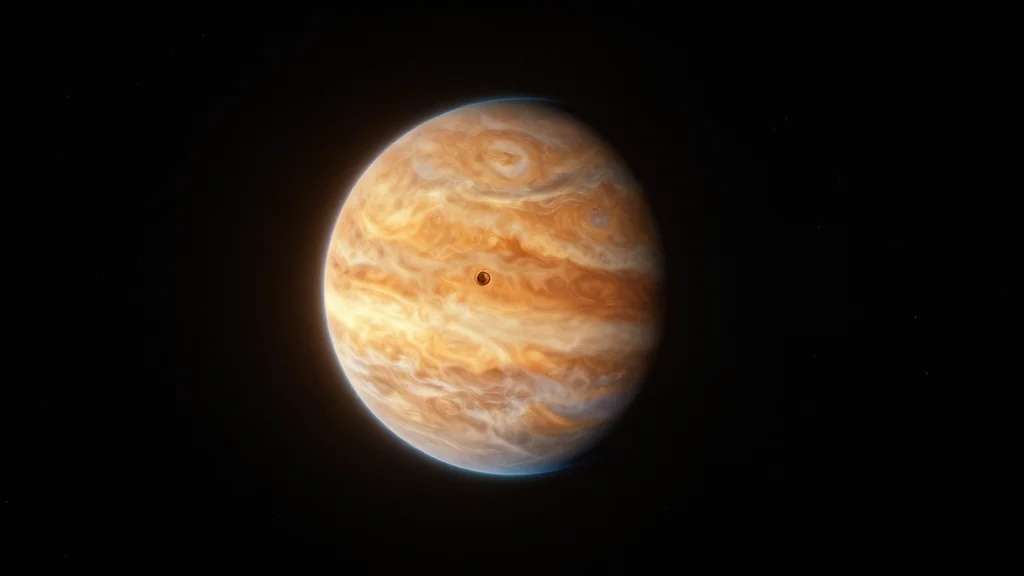
Rethinking Where Life Could Exist Beyond Earth
A new study by Prof. Amri Wandel expands the classic habitable zone by showing that tidally locked exoplanets around M‑ and K‑dwarf stars can retain liquid water on their permanent night side, even when orbiting closer than traditional models allow....
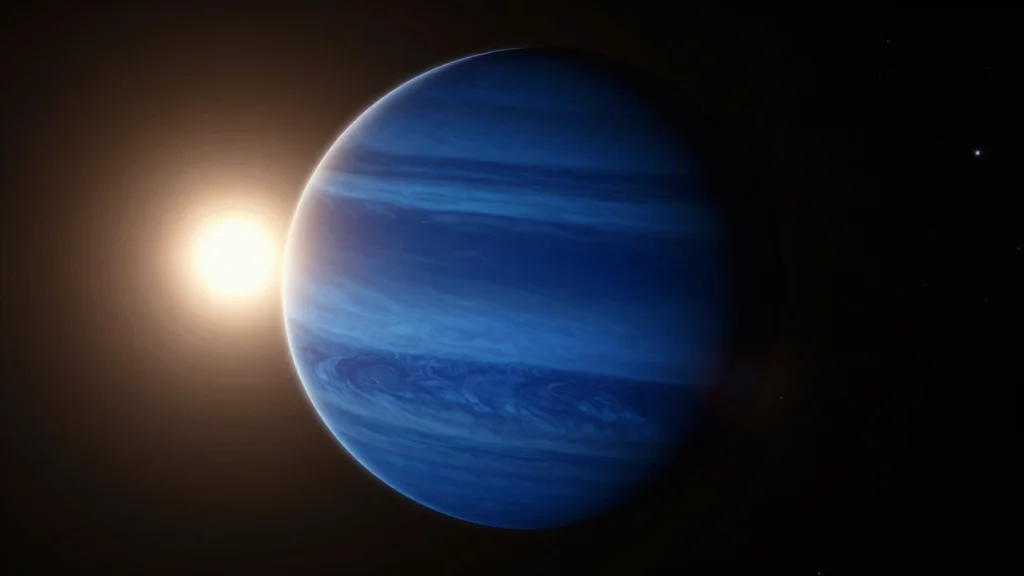
Astronomers Discover Dense Super-Neptune Exoplanet Orbiting a Sun-Like Star
Astronomers using NASA's TESS have confirmed a dense super‑Neptune, TOI‑3862 b, orbiting a Sun‑like star 800 light‑years away. The planet is half Jupiter's size, weighs 0.169 Jupiter masses and has a density of 1.75 g cm⁻³, placing it deep within the hot‑Neptune desert. It...

The Hidden Microbial Communities that Shape Health in Space
A new perspective article in npj Biofilms and Microbiomes outlines a roadmap for studying biofilms during long‑duration spaceflight, emphasizing their dual role in human and plant health. Researchers from the University of Glasgow, Maynooth University and UCD, working within NASA’s...
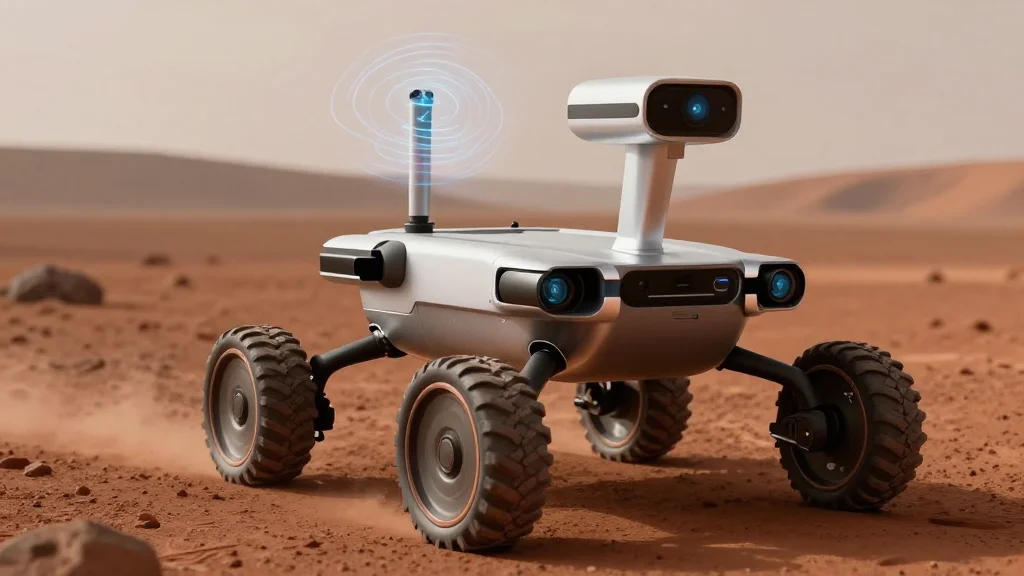
Q&A: How AI Changes NASA's Search for Life in Outer Space
Alicja Ostrowska’s doctoral thesis examines how artificial intelligence is reshaping NASA’s search for extraterrestrial life. The research reveals that AI tools are trained on Earth‑based analog data, often from charismatic or industrially relevant sites, which can embed bias into planetary...
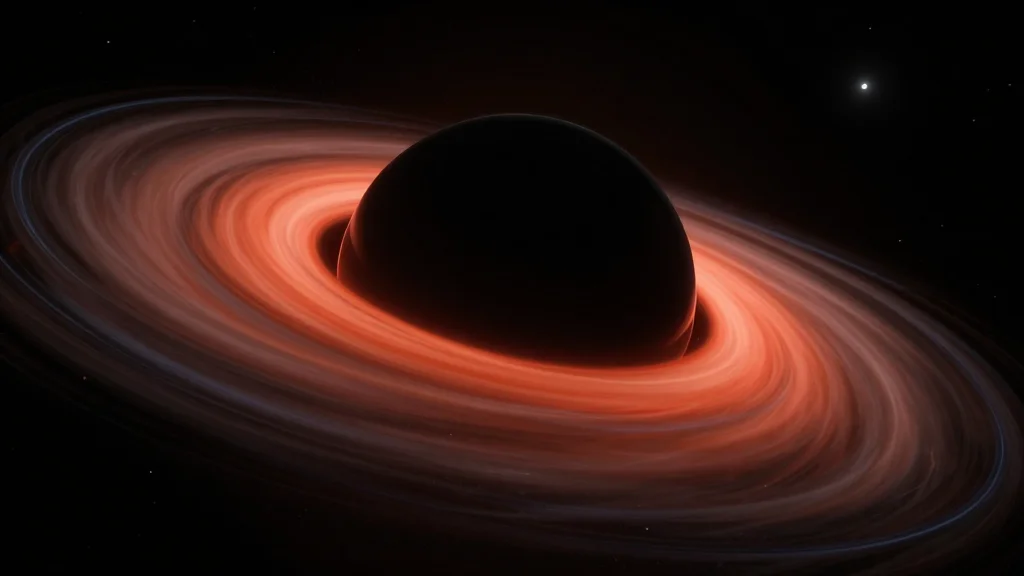
Massive Black Hole Mystery Unlocked by Researchers
Irish researchers at Maynooth University have solved a long‑standing puzzle about how super‑massive black holes formed in the early universe. Using cutting‑edge computer simulations, they showed that light‑seed black holes—born only a few hundred million years after the Big Bang—can...
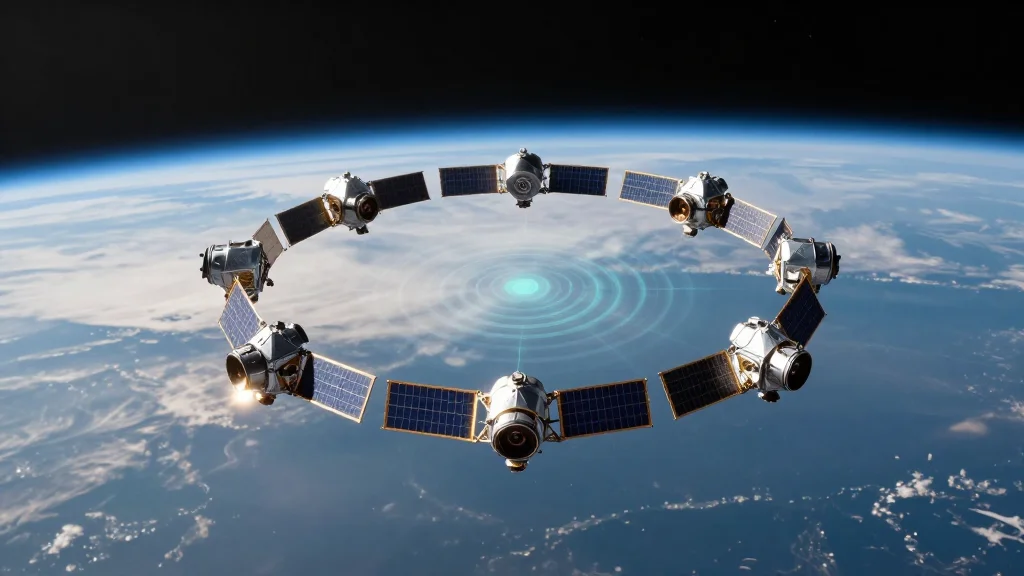
SunRISE SmallSats Ace Tests, Moving Closer to Launch
NASA’s SunRISE mission has completed a full suite of thermal‑vacuum, electromagnetic compatibility and vibration tests at Utah State University’s Space Dynamics Laboratory, confirming that all six toaster‑oven‑size SmallSats are flight‑ready. Each satellite was loaded with propellant to match launch mass...
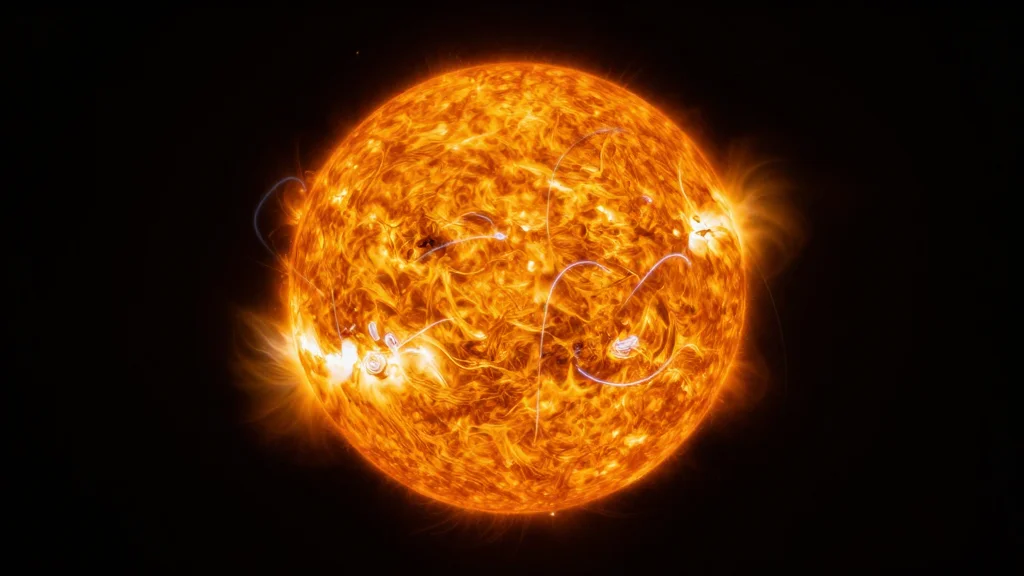
A Century's Worth of Data Could Help Predict Future Solar Cycle Activity
An international team led by Southwest Research Institute has calibrated over a century of Ca II K observations from the Kodaikanal Solar Observatory to reconstruct the Sun’s polar magnetic field. By correcting anomalies and correlating the historic data with modern satellite measurements,...
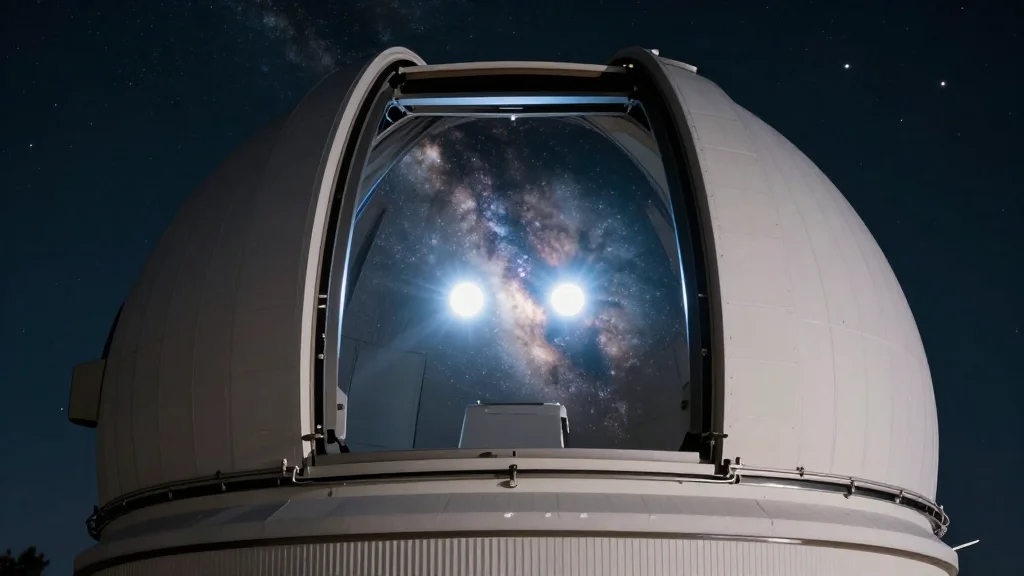
South Pole Telescope Detects Energetic Stellar Flares Near Center of Galaxy
Researchers using the South Pole Telescope’s 3G Galactic Plane Survey have recorded two energetic, one‑day flares from accreting white‑dwarf binaries near the Milky Way’s center. This marks the first detection of such short‑lived events in a millimeter‑wavelength survey, revealing magnetic...

Hubble Tension: Primordial Magnetic Fields Could Resolve One of Cosmology's Biggest Questions
A team led by Simon Fraser University professor Levon Pogosian proposes that tiny primordial magnetic fields, present at the dawn of the universe, could have accelerated recombination and altered the cosmic microwave background signal. By incorporating these fields into detailed...
SPHEREx Imaging Reveals Increased Sublimation Activity on 3I/ATLAS
SPHEREx’s December 2025 observations of interstellar object 3I/ATLAS show a dramatic increase in sublimation activity after perihelion. Emissions of H₂O and CO rose roughly twenty‑fold, while CO₂ flux grew modestly and new organic C‑H species became detectable. Imaging revealed a...
Vast Cluster of Ancient Galaxies Could Rewrite the History of Star Formation
Astronomers have identified an enormous, dense filament of massive, dusty galaxies that existed just one billion years after the Big Bang. Using the NIKA2 camera on the IRAM 30‑meter telescope, the team detected millimeter emission from more than a dozen galaxies...