Phys.org - Space News
Research-driven reporting on space technology and exploration developments
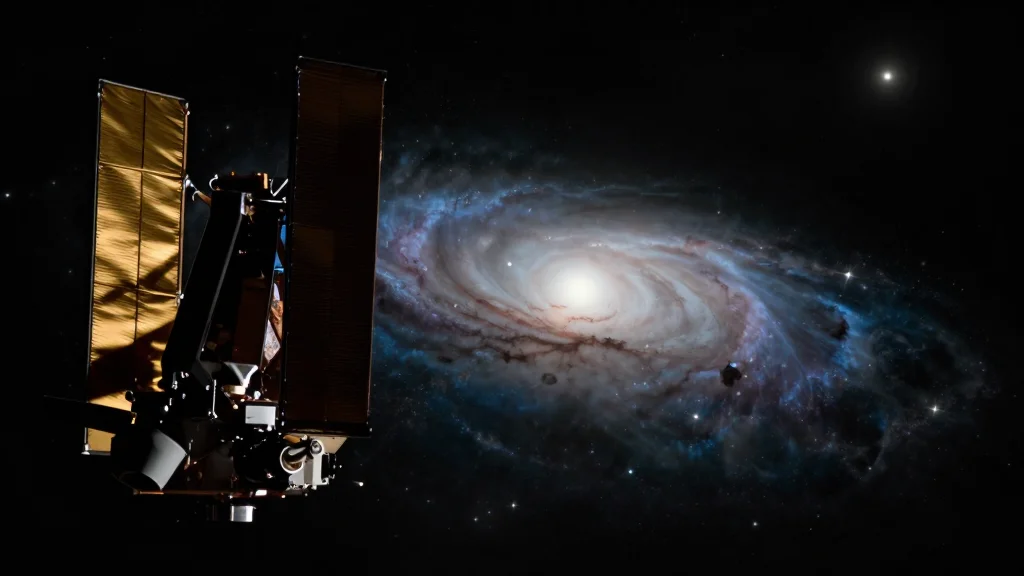
JWST Finds a Stellar Bar in the Early Universe that Breaks All Rules
Astronomers using JWST have identified a 7‑kiloparsec stellar bar in GN20, a massive, gas‑rich galaxy observed just 1.5 billion years after the Big Bang (z = 4.055). The bar’s presence was confirmed through near‑infrared imaging and independent isophotal analysis, and it aligns with a dust bar seen by NOEMA. Its funneling action appears to drive a nuclear starburst exceeding 1,000 solar masses per year and may feed a nascent supermassive black hole. The discovery contradicts conventional models that bar formation requires billions of years and low gas fractions.
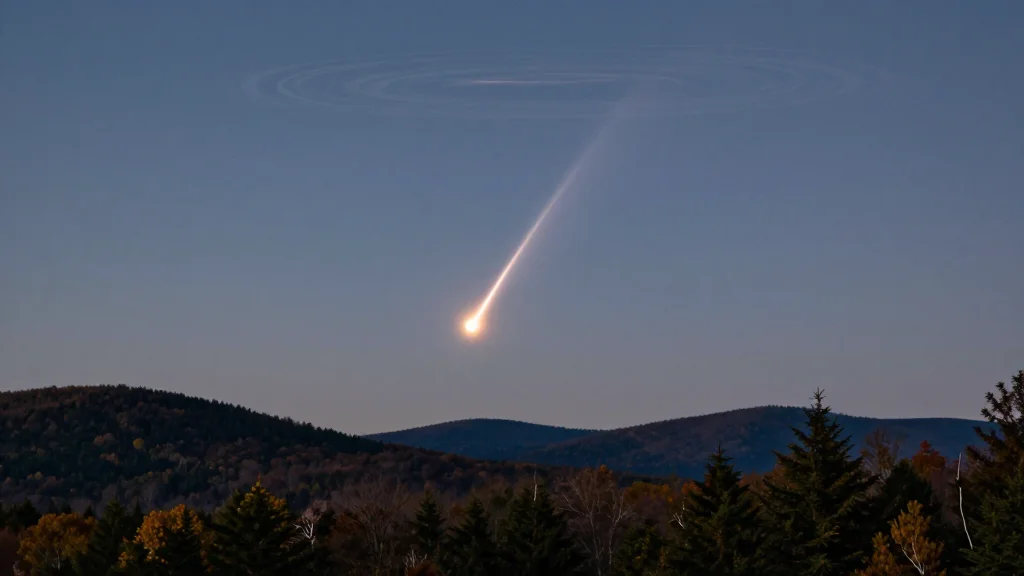
Meteor over Massachusetts Causes Explosion Reports, Sightings From Delaware to Montreal
A roughly one‑meter meteor entered Earth’s atmosphere over the New Hampshire‑Massachusetts border on May 31, 2026, creating a double boom that was heard from Delaware to Montreal. NASA calculated the fragmentation occurred about 40 miles up, releasing energy equivalent to 300 tons of TNT...
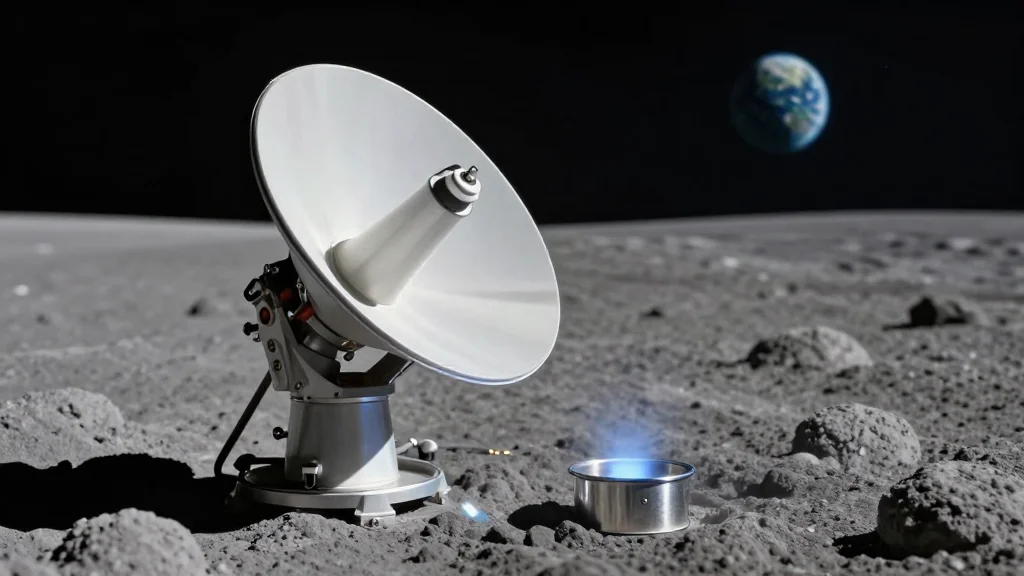
Is Extracting Oxygen From Lunar Soil the Future of Space Exploration?
A new wave of lunar exploration is focusing on in‑situ resource utilization (ISRU) to produce oxygen directly from regolith. Researchers at France’s PROMES‑CNRS have demonstrated solar‑vacuum pyrolysis, using concentrated sunlight to heat simulated moon dust and release oxygen. Initial lab...
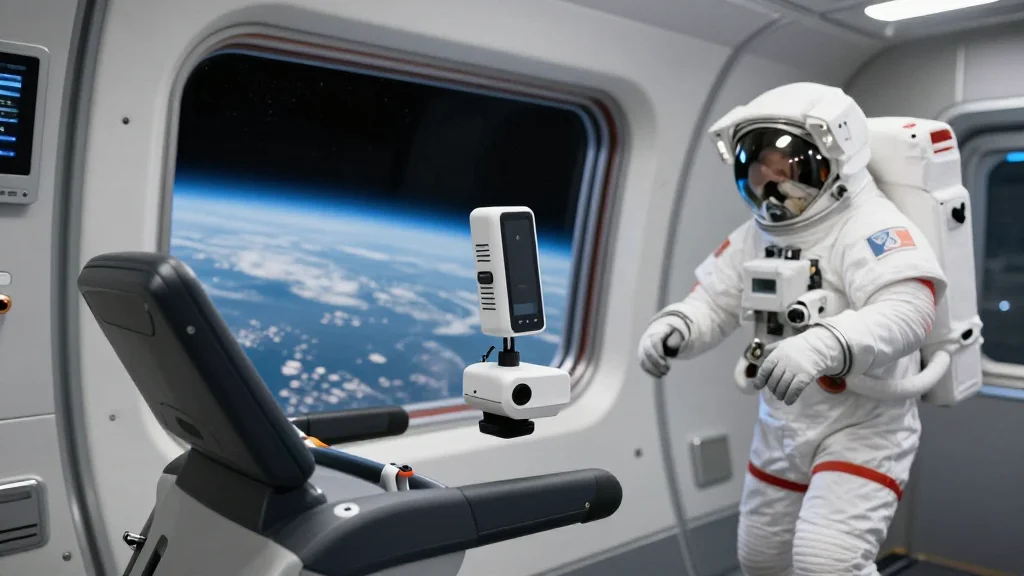
How Mobile Deep‑space Medical Systems Could Support Future Landings on the Moon and Mars
NASA’s Artemis II mission highlighted the return of humans to lunar orbit, but also exposed the medical challenges of deep‑space travel. Astronauts face bone loss, radiation‑induced disease risk, and limited emergency evacuation options as communication delays stretch to minutes. Researchers argue...
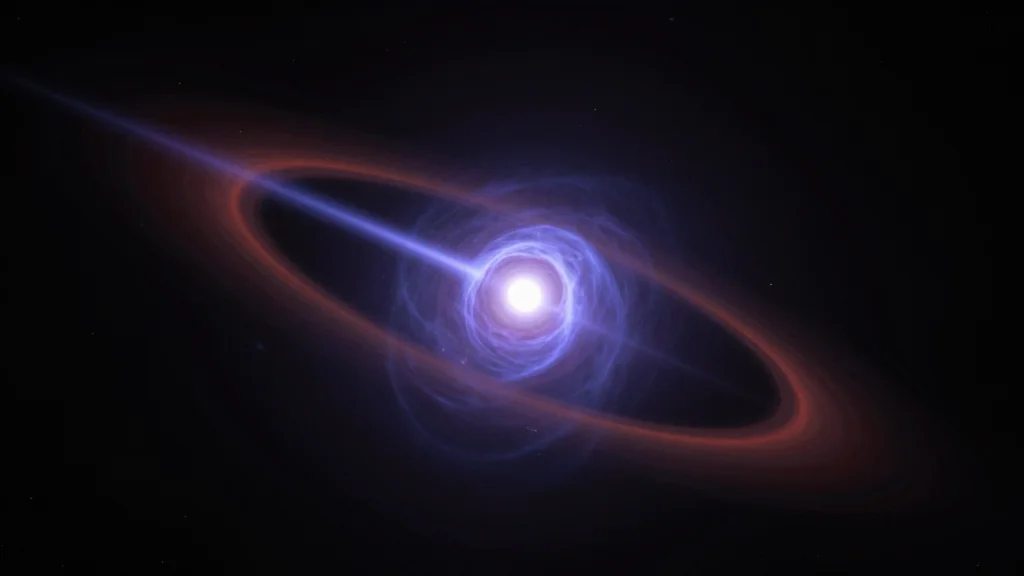
Pulsar Wind Nebula Inside Supernova Remnant Explored with Chandra
Astronomers using NASA's Chandra X‑ray Observatory studied the pulsar wind nebula (PWN) inside the supernova remnant CTA 1. Deep imaging uncovered a compact morphology featuring a ~20‑arcsecond jet that bends south‑west, a faint counter‑jet, and a torus perpendicular to the jet...
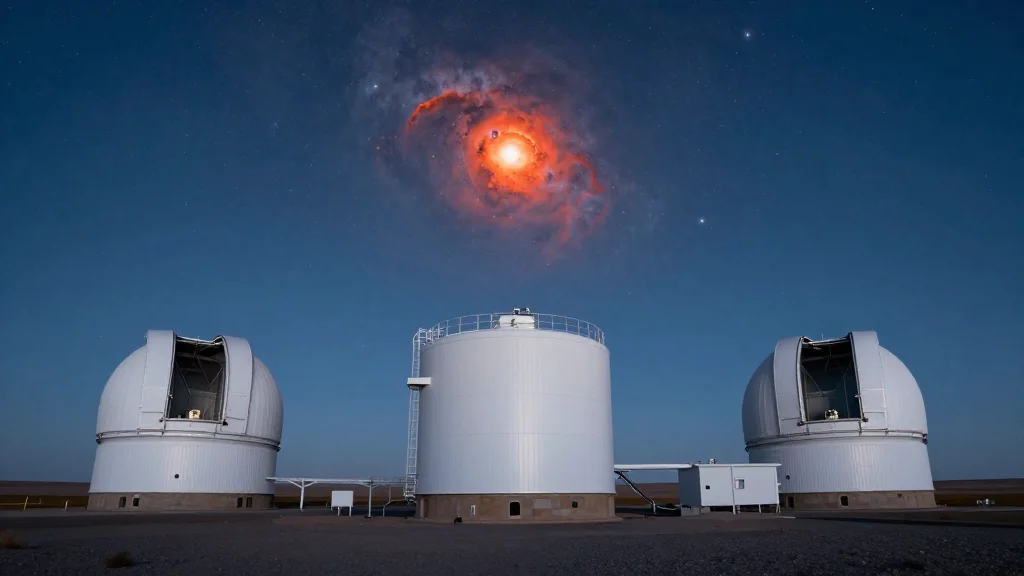
Evidence of Cosmic-Ray Acceleration From a Nearby Supernova Remnant
Researchers from the Large High‑Altitude Air Shower Observatory (LHAASO) have measured high‑energy gamma rays from the supernova remnant IC 443, located about 5,000 light‑years away. The gamma‑ray spectrum exhibits a distinctive bump that aligns with neutral‑pion decay, confirming that protons are being...
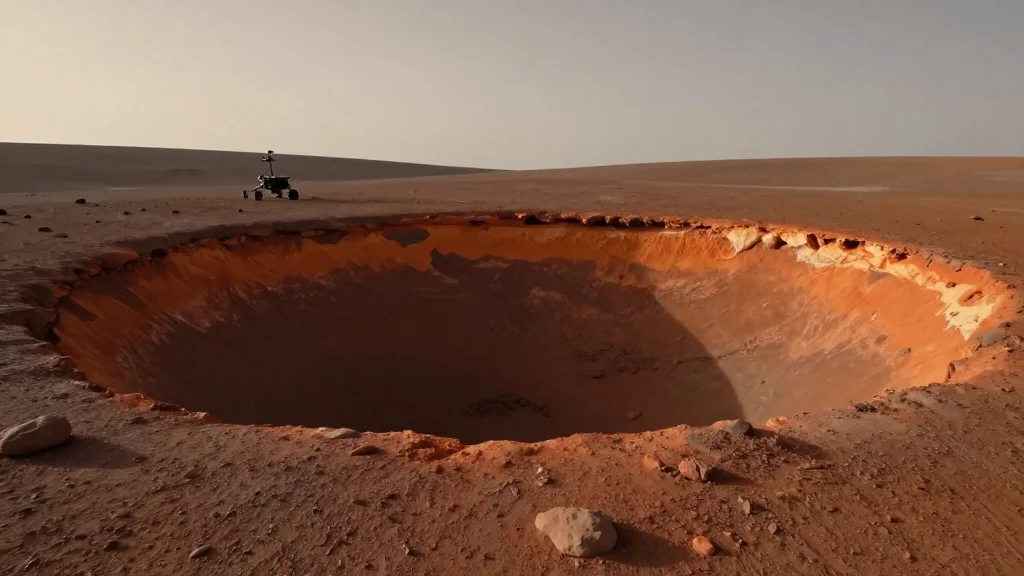
Mars's Manganese 'Bathtub Ring' Reveals Ancient Ocean Timeline and Its Potential for Life
Researchers have identified a manganese “bathtub ring” in Utopia Planitia that delineates an ancient shoreline and provides a timeline for a Hesperian‑age ocean. Using short‑wave infrared data from China’s Zhurong rover, ESA’s OMEGA and NASA’s CRISM, a deep‑learning model (SCANet)...
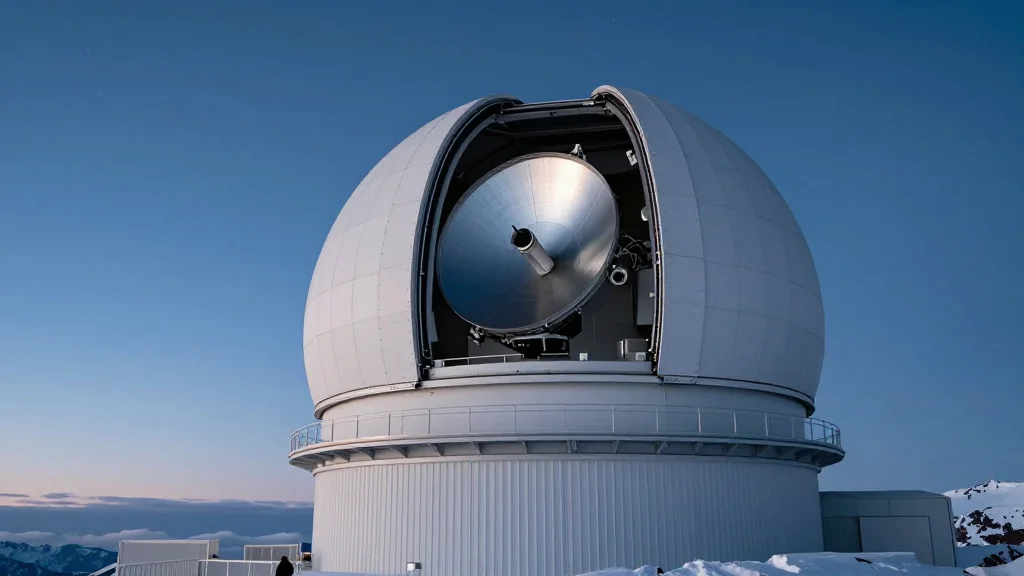
20,000 Eyes on the Universe
The Multiplexed Survey Telescope (MUST), under construction on a 4,380 m peak in Qinghai, China, will field more than 20,000 robotic fiber positioners—four times the count of DESI—and deliver ten‑times the survey efficiency of any current spectroscopic instrument. Its 6.5 m primary...
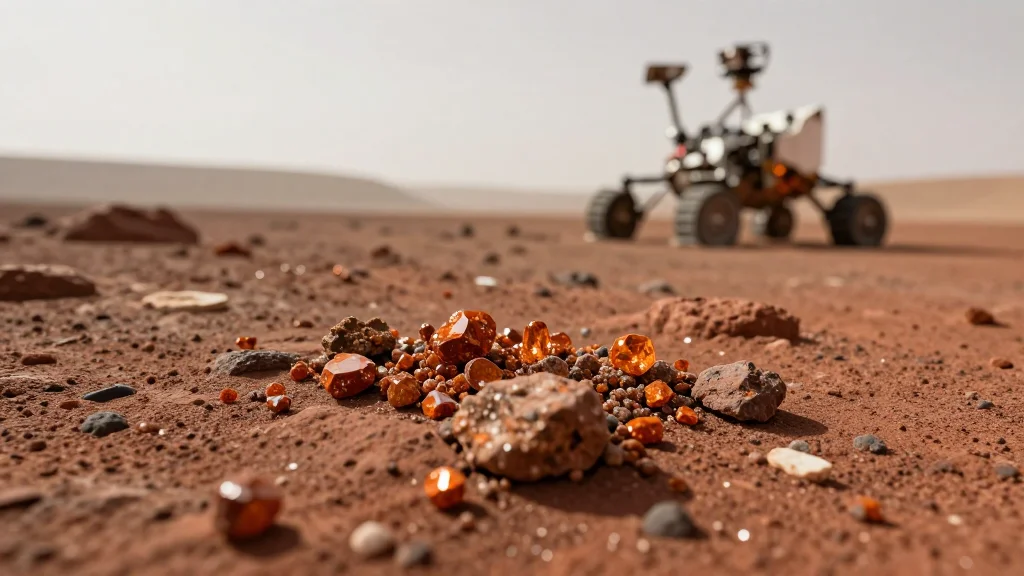
Mineral Clues in Gale Crater Track Ancient Mars Climate Change
NASA's Curiosity rover analyzed 20 drill samples from Gale Crater, revealing that hematite crystal size varies with elevation and can serve as a mineralogical marker of ancient Martian climate. Larger hematite crystallites up to 65 nanometers in deeper layers indicate prolonged...
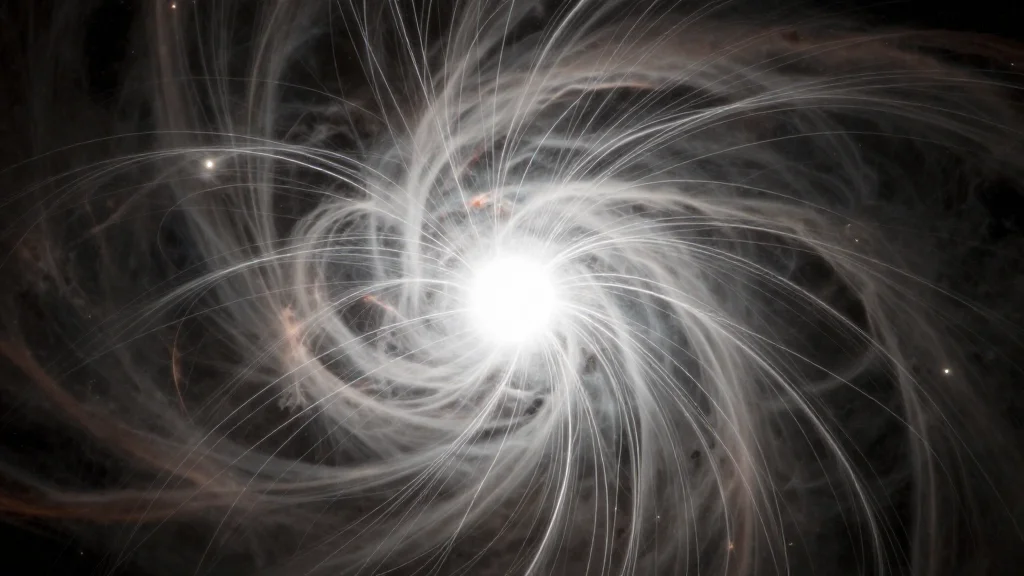
Shock Waves Show How Baby Stars' Cradles Get Their Radial Shape in 3D Simulations
Researchers at Kyushu and Nagoya Universities used 3‑D magnetohydrodynamic simulations on the ATERUI III supercomputer to explain why hub‑filament systems around newborn stars exhibit a radial, wheel‑like pattern. By introducing an external shock into a magnetically pinched molecular cloud, the model...
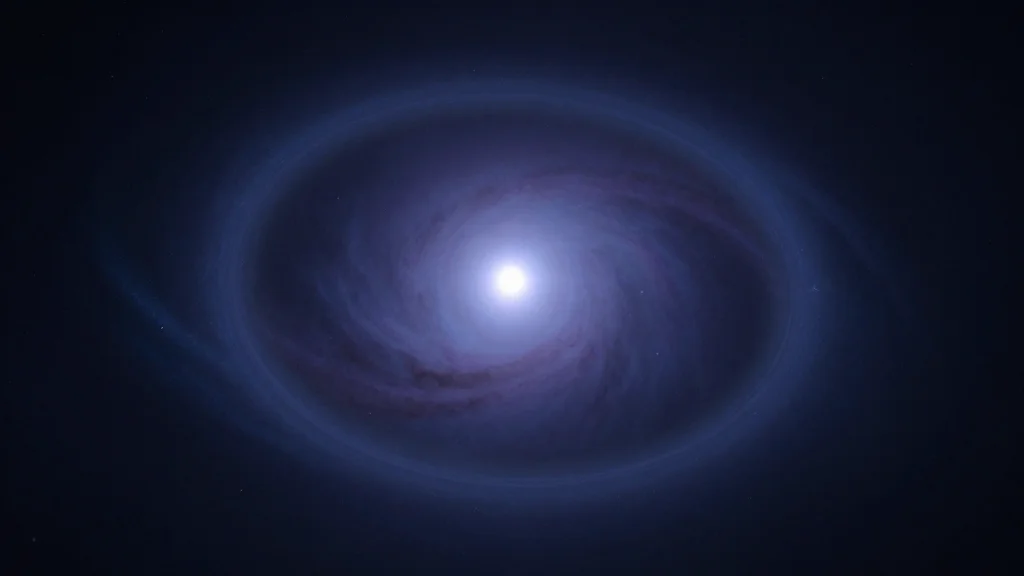
Something Just Passed Between Us and a Distant Star
On Dec 18 2019 a one‑hour brightening of a star in the Large Magellanic Cloud was recorded, identified as a gravitational microlensing event named Phoebe. Analysis by Swinburne astronomers estimates the lensing mass at about three times the Moon’s mass, far too...
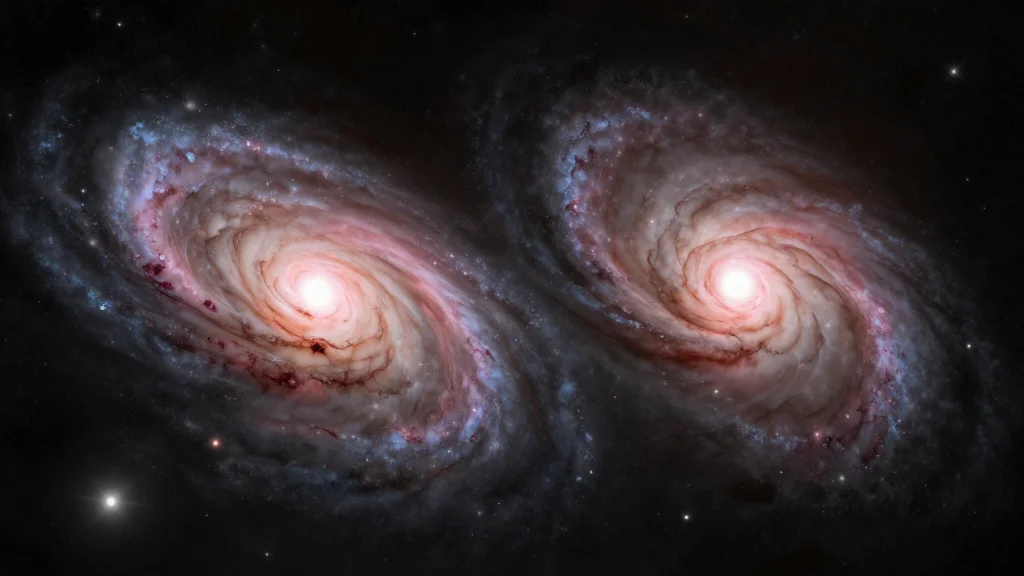
Why the Most Massive Galaxies in the Early Universe Stopped Forming Stars Prematurely
A new study from the University of São Paulo links the universe's earliest massive quiescent galaxies to a prior dusty star‑forming phase. By modeling galaxy evolution at redshifts 2‑4, researchers found that 86‑96 % of massive quiescent galaxies once shone as dusty...
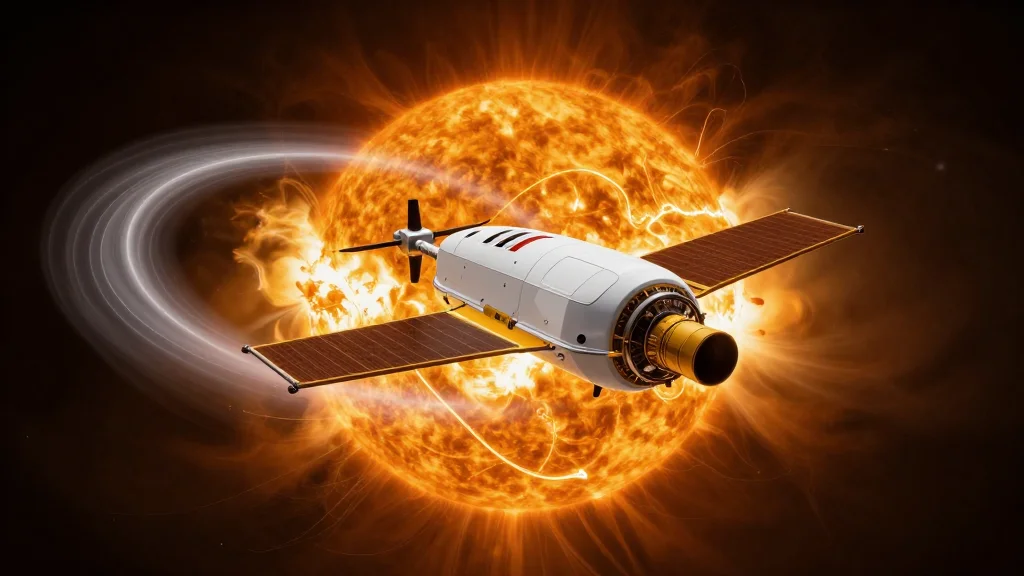
The Solar Wind's Secret Hammerheads and What They Tell Us About Heat in Space
NASA’s Parker Solar Probe has identified a distinctive "hammerhead" shape in proton velocity distributions, flagging roughly 173,000 events from 3.7 million measurements across 20 close solar orbits. These hammerheads cluster near the heliospheric current sheet (HCS), acting as a natural tracer...
Listening to the Sun Reveals Previously Hidden Changes to Solar Cycle
A team led by the University of Birmingham used 40 years of helioseismic data from the BiSON network to uncover that solar magnetic activity is increasingly confined to a shallow layer just below the Sun’s surface. The study, published in *Monthly...
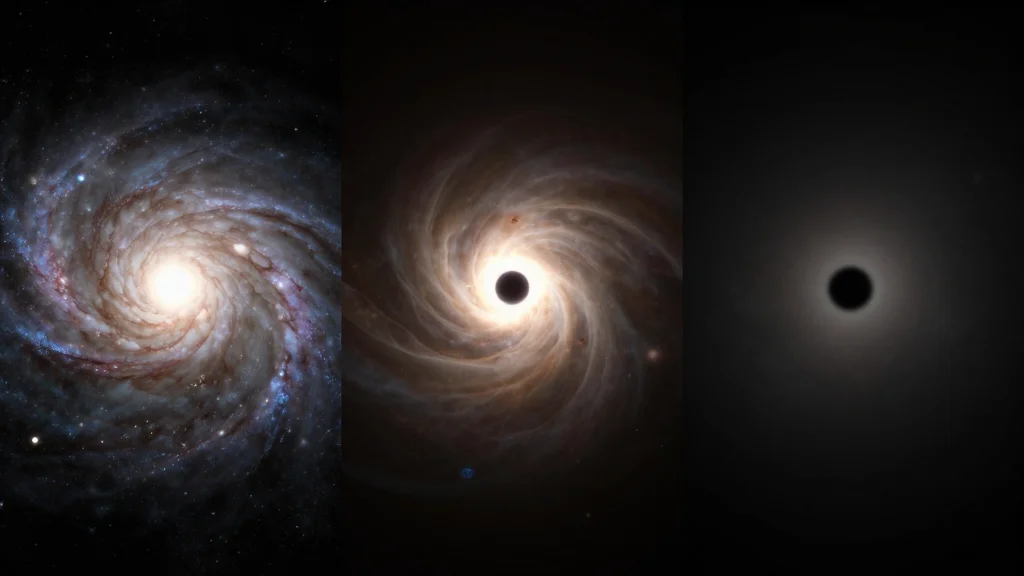
Where Are All the Intermediate Mass Black Holes? Microlensing Fast Radio Bursts Might Reveal Them
Astrophysicists have long lacked direct evidence for intermediate‑mass black holes (IMBHs), objects weighing between 100 and 100,000 solar masses. A new arXiv paper by Huan Zhou et al. analyzes the CHIME/FRB catalog and identifies two fast‑radio‑burst microlensing signatures whose inferred lens...