Phys.org - Space News
Research-driven reporting on space technology and exploration developments
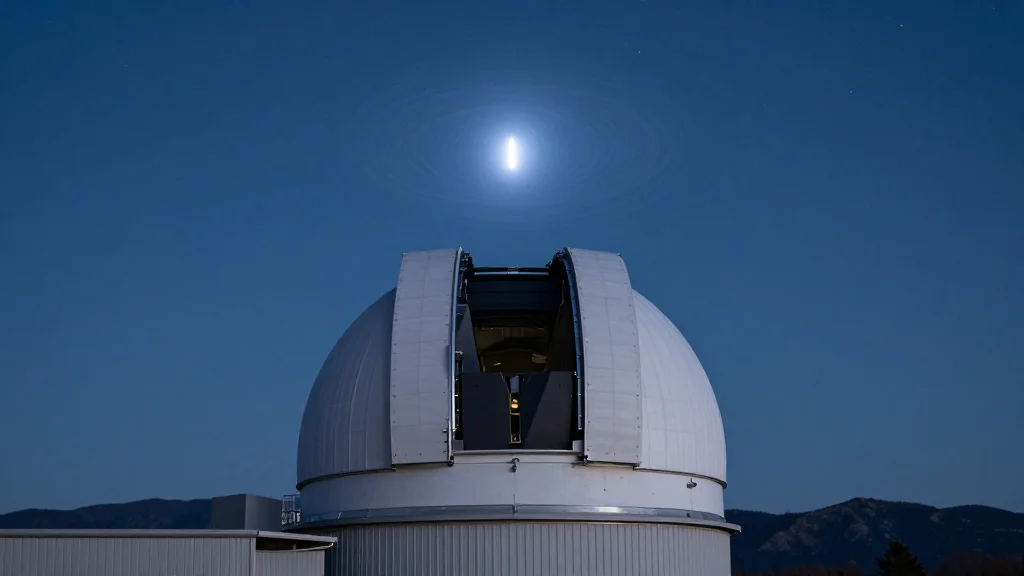
Bright Blazar Reveals 433-Day Optical Quasi-Periodic Oscillation Across Nine Years
An international team analyzing 19 years of Whole Earth Blazar Telescope data has identified a 433‑day optical quasi‑periodic oscillation (QPO) in the bright flat‑spectrum radio quasar 3C 454.3. The oscillation remained coherent from 2009 to 2018, making it one of the longest‑lasting optical QPOs ever recorded. Researchers considered both accretion‑disk and jet‑based models, with jet mechanisms currently favored but not definitively proven. The study, led by Karan Dogra of ARIES, underscores the value of long‑term multi‑observatory monitoring.
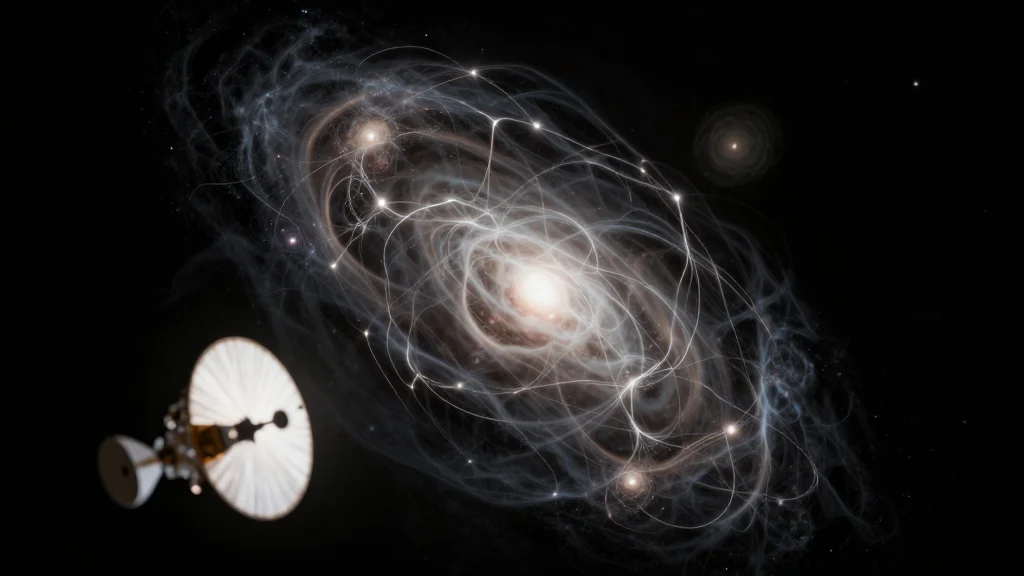
JWST Maps Cosmic Web in Record Detail Back to Universe's First Billion Years
Using its unprecedented infrared sensitivity, NASA’s James Webb Space Telescope has completed the COSMOS‑Web survey, the largest JWST General Observer program to date. Researchers at UC Riverside mapped the cosmic web with unprecedented detail, charting 164,000 galaxies across 13.7 billion years...
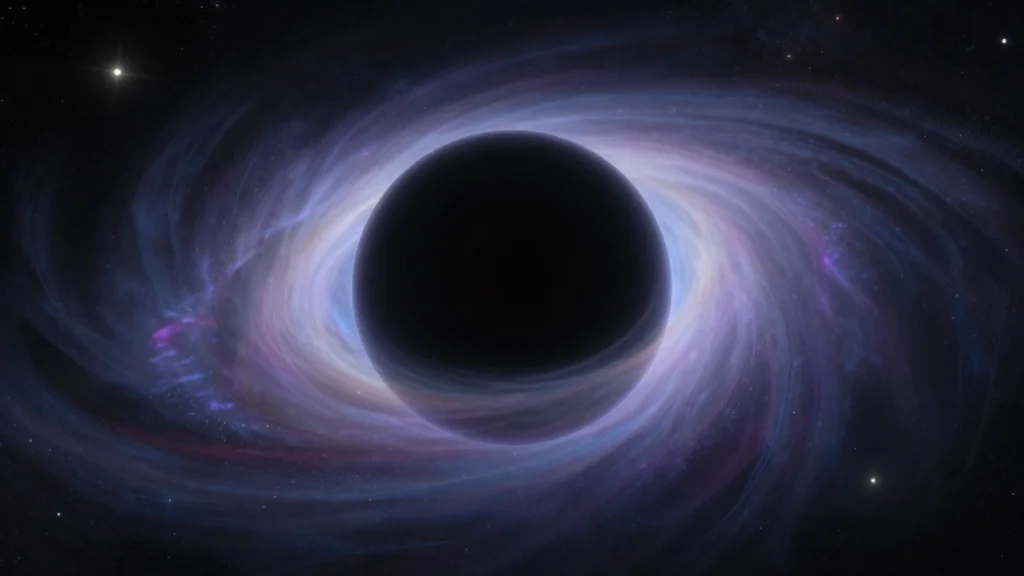
Black Holes Don't Live Forever, but They Might Live Long Enough to Look Like White Holes
A new arXiv paper revisits black‑hole evaporation and derives a robust lower bound on a black hole's lifetime, showing it scales as M⁴/ħ³⁄². The authors identify three evaporation phases—standard Hawking radiation, a transition stage, and an entanglement‑dominated stage that requires...
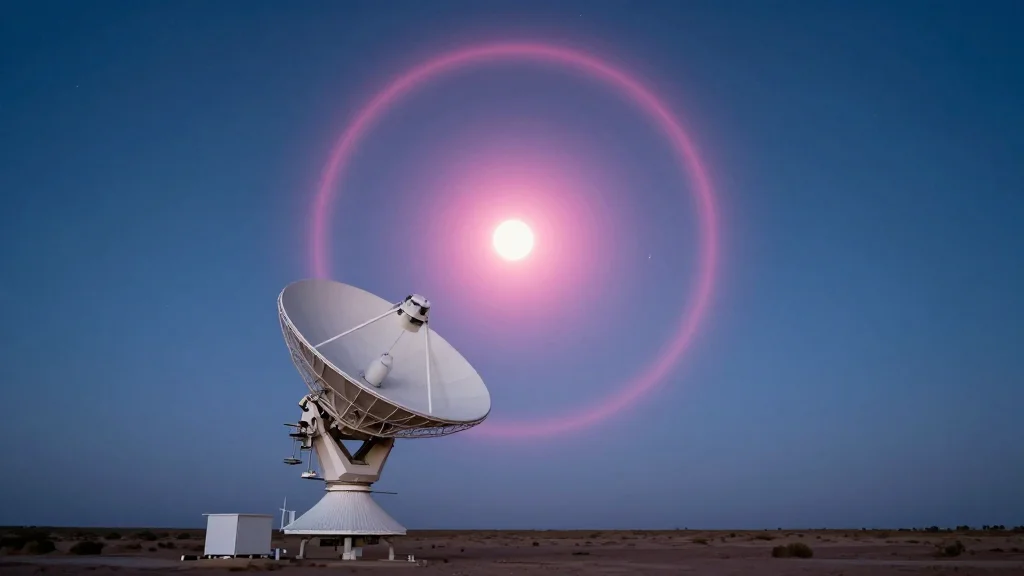
Radio Telescopes Confirm 3.3-million-light-year Halo in Unusually Quiet Galaxy Cluster
Astronomers using the upgraded Giant Metrewave Radio Telescope and South Africa’s MeerKAT have confirmed a 3.3‑million‑light‑year radio halo surrounding the cool‑core galaxy cluster RXCJ0232‑4420. The halo extends well beyond the previously observed mini‑halo around the cluster’s brightest galaxy and is...
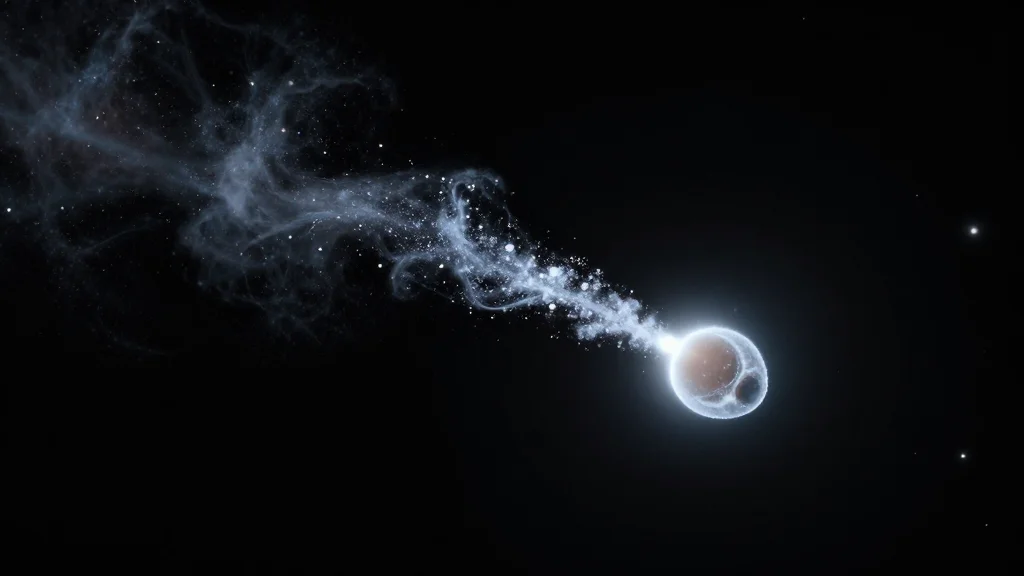
Scientists Trace Latest Interstellar Comet's Home to a Cold, Isolated Corner of the Milky Way
Astronomers have confirmed that comet 3I/Atlas, the third known interstellar visitor, likely originated in a cold, isolated region of the Milky Way that never formed its own solar system. Using ALMA in Chile and the Hubble Space Telescope, researchers detected...
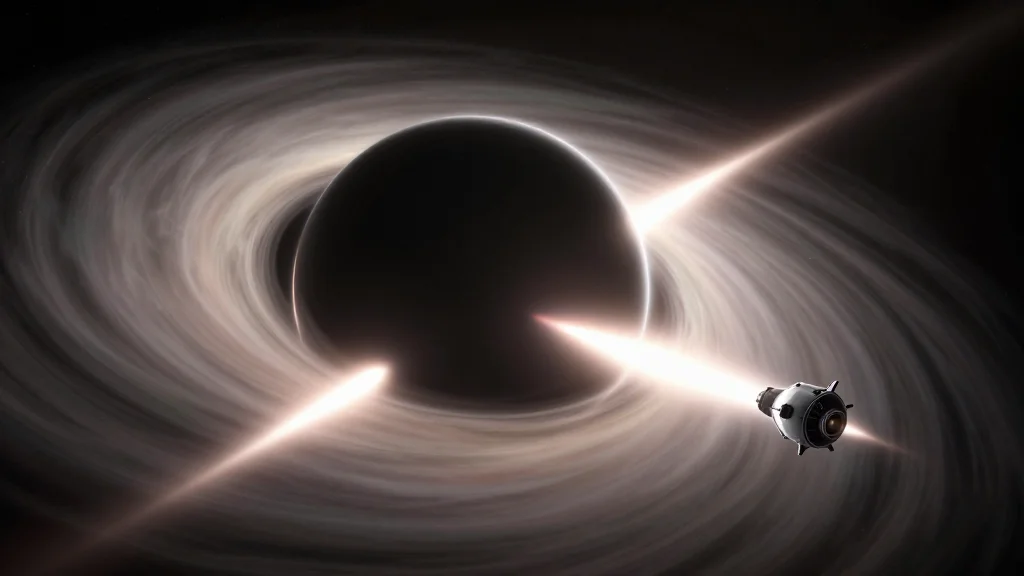
Black Hole Jets Measured in Real Time, Revealing 10,000-Sun Power
Astronomers have, for the first time, measured the instantaneous power and speed of jets from the black‑hole binary Cygnus X‑1. The jets unleash energy equivalent to about 10,000 suns and travel at roughly 355 million mph, half the speed of light. The result...
Lonely Jupiter-Like Planet 900 Light Years Away Tells Us More About Gas Giants
University of Cincinnati researchers used the James Webb Space Telescope to obtain the first near‑infrared spectroscopic data of exoplanet TOI‑2031Ab, a Jupiter‑sized gas giant located 901 light‑years away. The planet, discovered last year, orbits its star in just six Earth...

Spaceflight Leaves Astronauts' Joints Unchanged After 18 Days on ISS, Early Data Suggest
Researchers at National Jewish Health examined three astronauts before and after an 18‑day Axiom Mission 4 stay on the ISS, using musculoskeletal ultrasound to assess cartilage, synovial fluid, tendons and ligaments in hips, knees and ankles. The pilot study found...
Spiral Galaxy's Brilliant Heart Shines Bright in a New Picture From NASA's Webb Telescope
NASA’s James Webb Space Telescope released a striking mid‑infrared image of Messier 77, a barred spiral galaxy 45 million light‑years away in Cetus. The picture highlights the galaxy’s active nucleus, powered by a supermassive black hole roughly eight million times the Sun’s...

How Dante's Inferno Modeled a Planetary Impact 500 Years Before Modern Science
Timothy Burbery of Marshall University presented a provocative paper that reinterprets Dante Alighieri’s *Inferno* as a literal model of a planetary impact. He argues that Satan’s descent functions as an asteroid‑sized impactor that creates a bottom‑up crater, mirroring the Chicxulub...
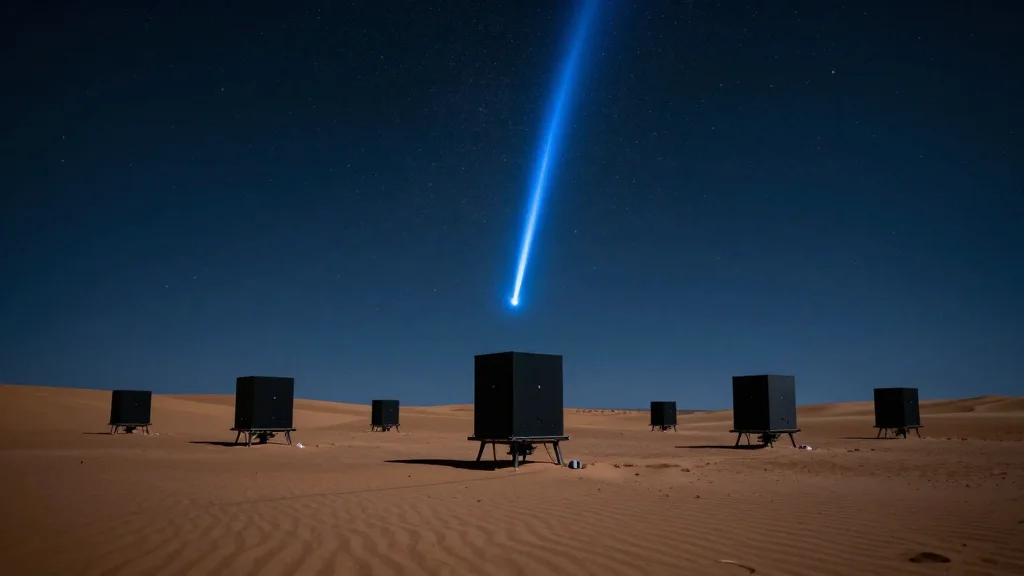
Ultrahigh-Energy Cosmic Messengers May Carry Ultraheavy Secrets
Physicists at Penn State and collaborators have published calculations suggesting that the most energetic cosmic rays may be atomic nuclei heavier than iron. Their simulations show ultraheavy nuclei lose energy more slowly during intergalactic travel, allowing particles like the 2021...

How the Rise of Continents May Have Set the Stage for Life on Earth
A new study in *Terra Nova* links the emergence of granite‑rich continents over 3.7 billion years ago to a crucial drop in oceanic boron levels, creating a chemical window suitable for RNA precursor stability. Researchers found that tourmaline, a boron‑bearing mineral...
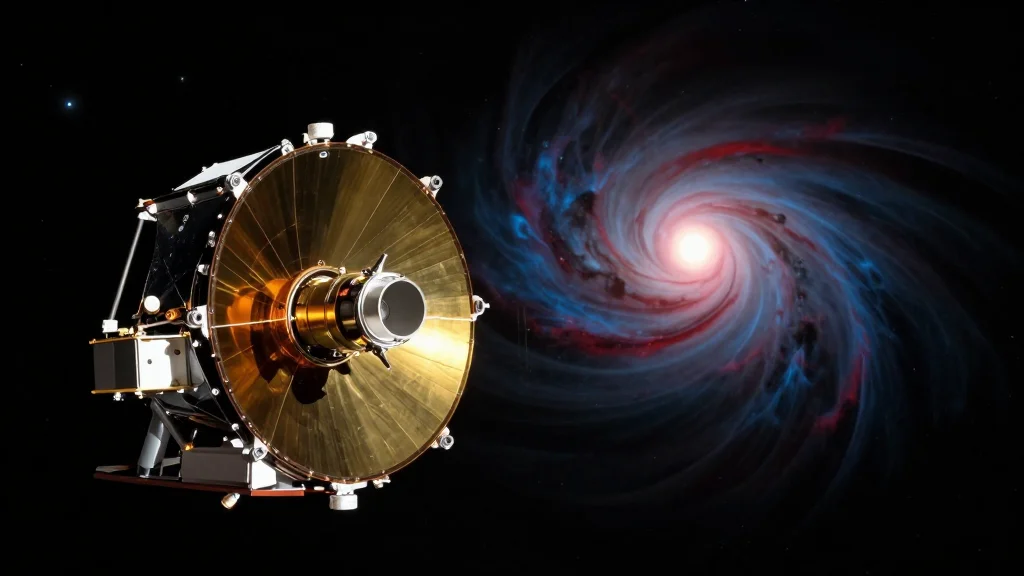
How Quasars Shut Down Star Formation in the Early Universe
Astronomers using the James Webb Space Telescope have identified fast, galaxy‑scale winds in a sample of 27 quasars that existed within the first billion years after the Big Bang. Six of these quasars exhibit outflows reaching 5,000 mi/s (8,400 km/s), speeds that...
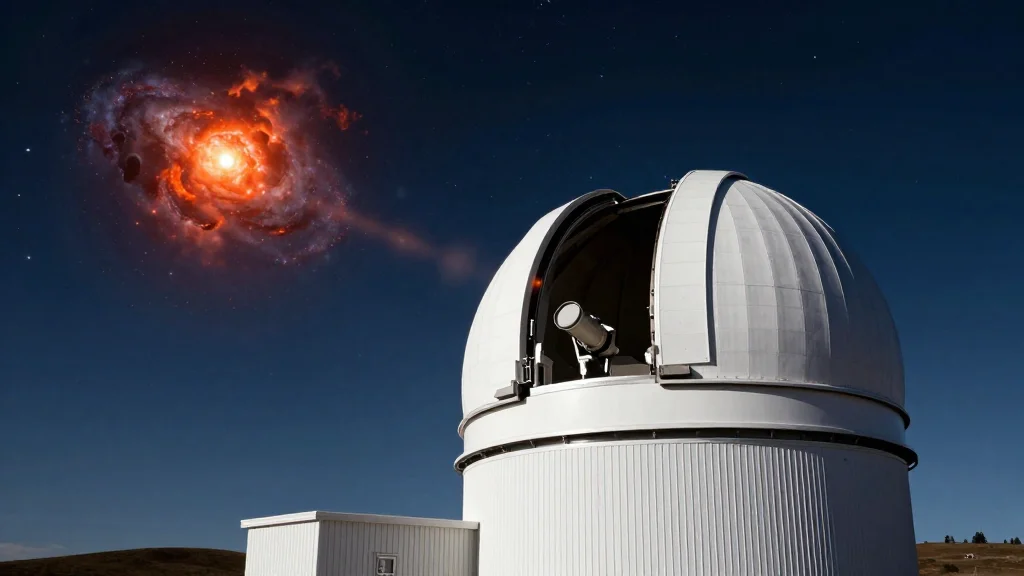
A New Way to Read the Universe Could Sharpen Understanding of Cosmic Expansion and Dark Energy
An international team led by the University of Barcelona introduced CIGaRS, a Bayesian hierarchical framework that derives precise cosmological distances from Type Ia supernova images alone. By integrating supernova physics, host‑galaxy properties, dust effects, and cosmic expansion into a single simulation‑based...
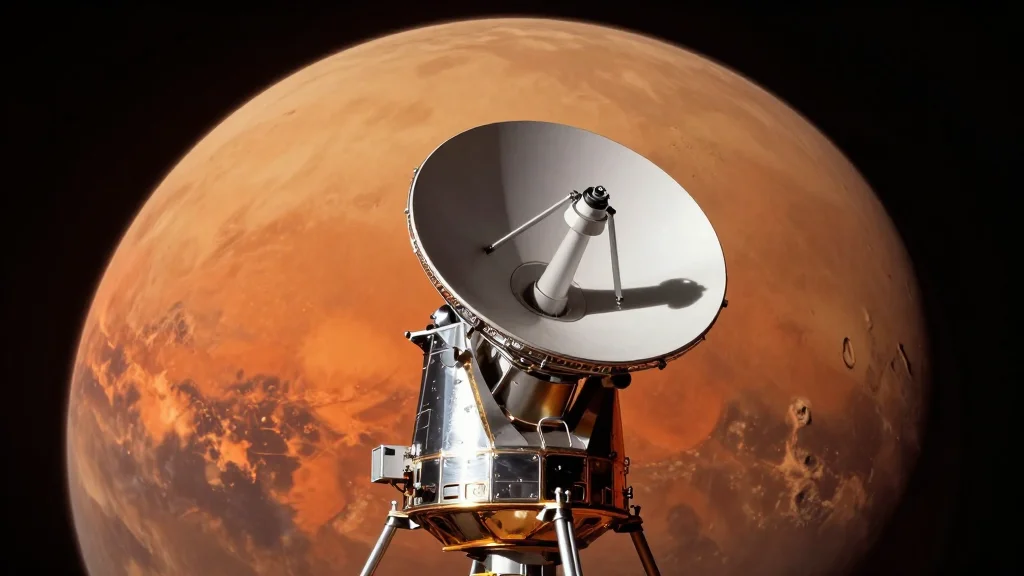
Data Fusion Provides a High-Definition Look at Mars' Temperature Maps
Researchers at Curtin University applied a data‑fusion technique that blends low‑resolution THEMIS infrared data with high‑resolution CRISM spectral imagery, using an Extra Tree Regressor to predict thermal inertia at 12‑meter scale. The resulting thermal maps dramatically sharpen Mars’ temperature profile,...
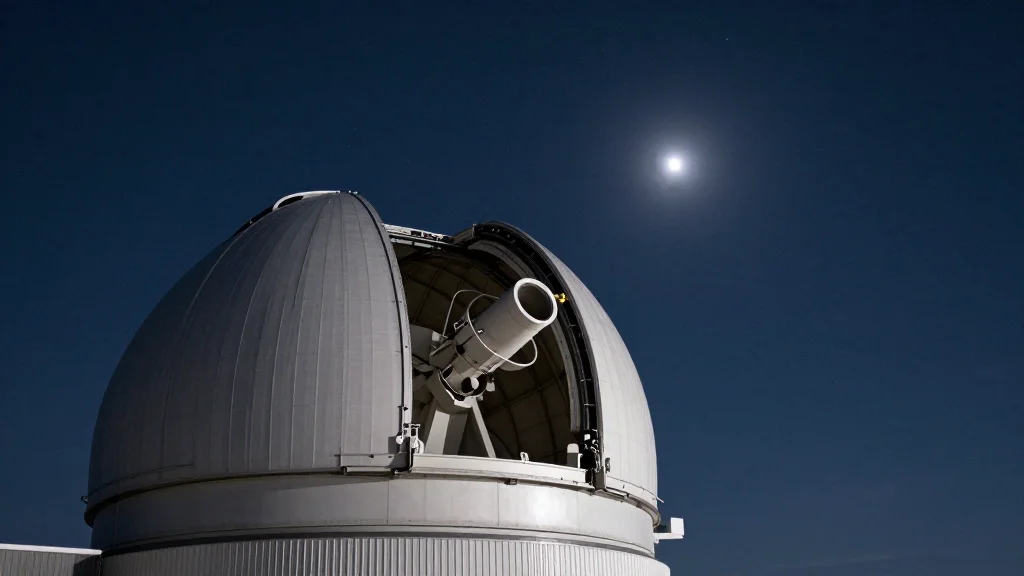
J1152 Is an Unusual Long-Period Dwarf Nova with Recurring Eclipses, Observations Find
Astronomers using SALT, TESS and ground‑based telescopes have presented the first detailed optical study of SRGA J115215.0−510656, a cataclysmic variable located about 2,086 light‑years away. The system exhibits a 10.46‑hour orbital period with deep, recurring eclipses and dwarf‑nova outbursts that recur...
Why We Need to Treat Earth Like a Spaceship
The article uses the Artemis moon mission as a metaphor, urging us to treat Earth as a sealed spacecraft whose life‑support systems cannot be compromised. It argues that climate‑critical resources—air, water, soil—are finite and interdependent, demanding the same discipline astronauts...
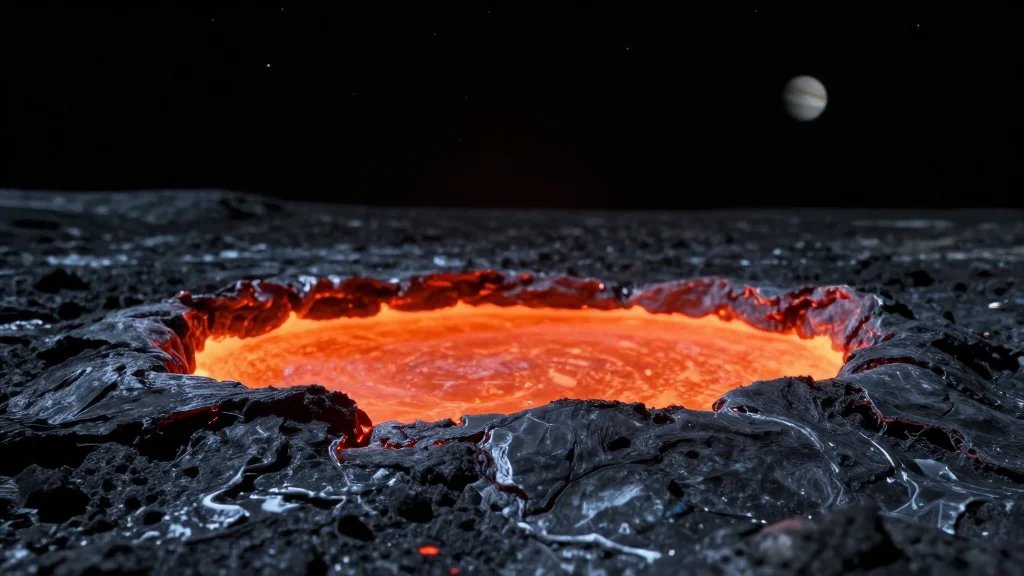
We Might Have Massively Underestimated Io's Thermal Output
A new pre‑print using Juno’s JIRAM infrared data reveals Io’s lava lakes emit far more heat than previously thought. The study finds the cooler, massive crustal portions of the lakes dominate the thermal budget, pushing a single lake’s output from...
Optically Dark Gamma-Ray Burst Reveals an Unusually Wide Jet
An international team led by Guoying Zhao studied GRB 250416C, an optically dark long gamma‑ray burst detected by the Einstein Probe on April 16, 2025. Multi‑wavelength observations across gamma, X‑ray and optical bands revealed a 30‑second X‑ray duration, a peak energy of 342 keV,...
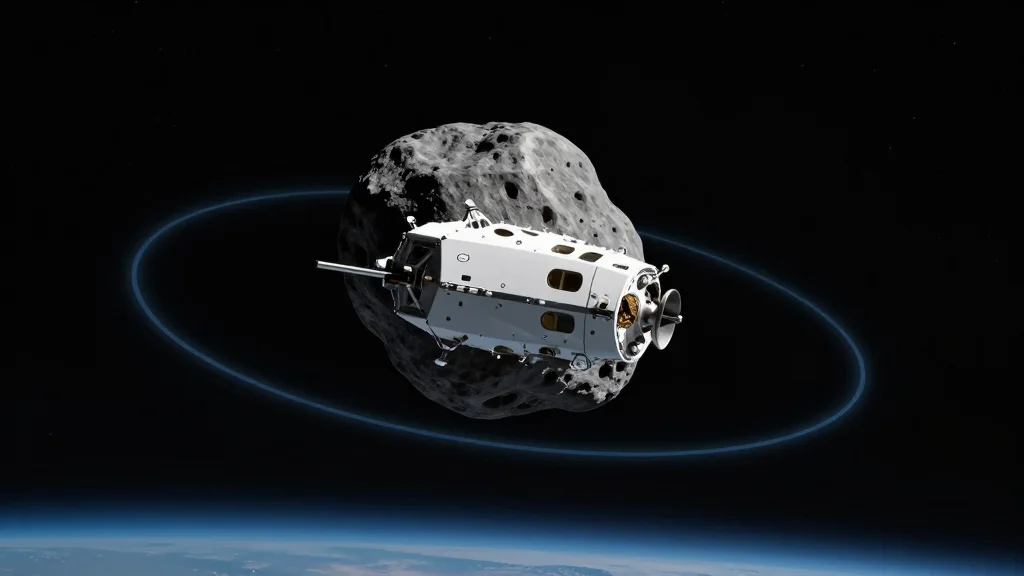
Mathematical Framework Solves Asteroid Route Planning Exactly for First Time
A research team led by Prof. Michael Römer at Bielefeld University has published an exact solution to the Asteroid Routing Problem, a space‑logistics challenge where travel times vary with celestial motion. Using decision diagrams and a specialized search that repeatedly solves...
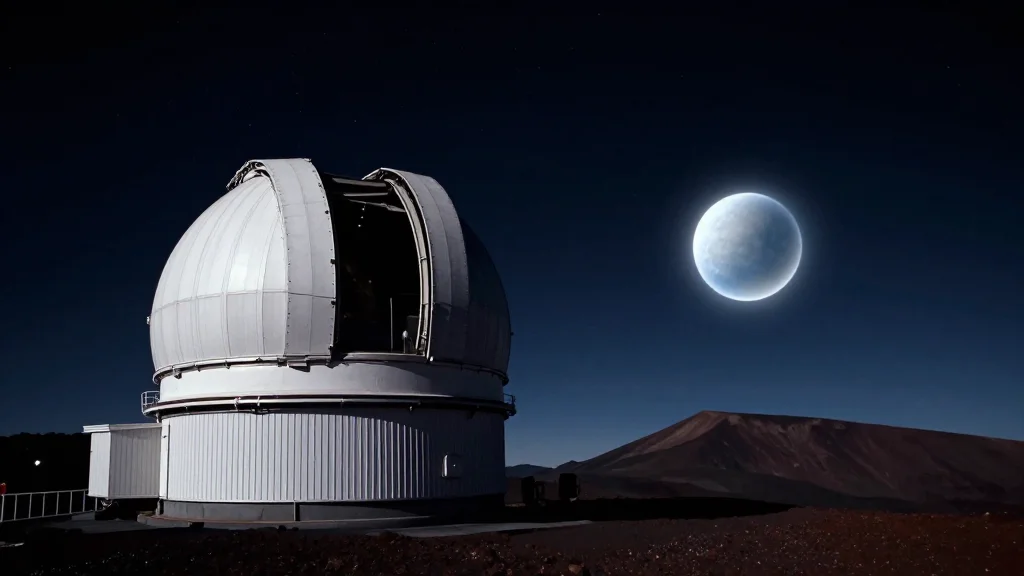
A Tiny World Beyond Neptune Has an Atmosphere that Shouldn't Exist
Japanese astronomers have detected a thin atmosphere around the 500‑km trans‑Neptunian object (612533) 2002 XV 93 using a stellar occultation on Jan. 10 2024. The atmospheric signal, confirmed by multiple sites, suggests a transient envelope that would vanish in less than 1,000 years without replenishment. No...
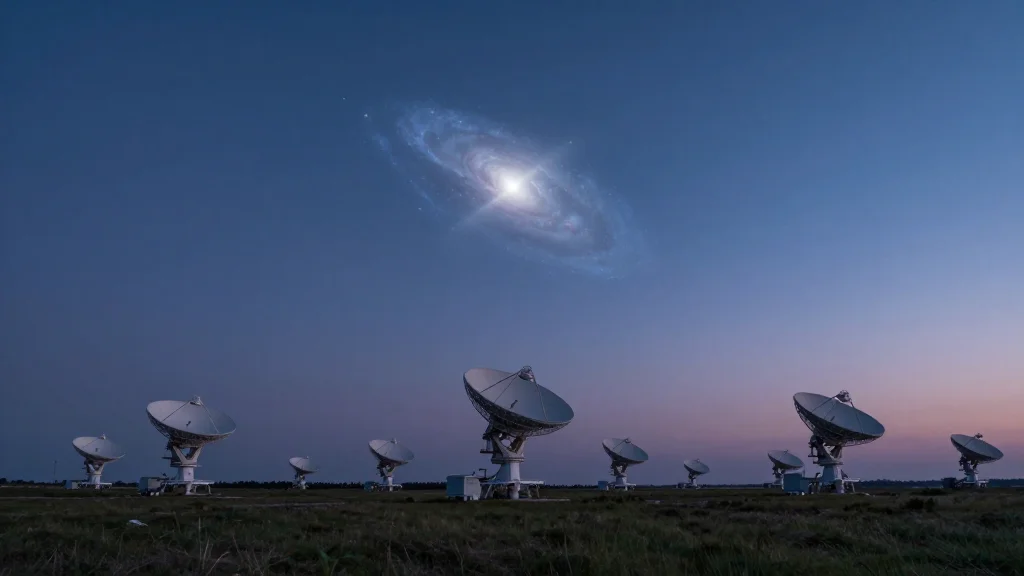
Astronomers Uncover over 1,000 Radio Galaxies with 'Wings,' Expanding a Rare Cosmic Class
Astronomers using the LOFAR Two‑meter Sky Survey Data Release 2 have identified more than 1,000 wing‑shaped radio galaxies, expanding a previously rare class. After filtering 204,789 large sources and visually inspecting them, the team confirmed 621 winged systems, including 382 X‑shaped...
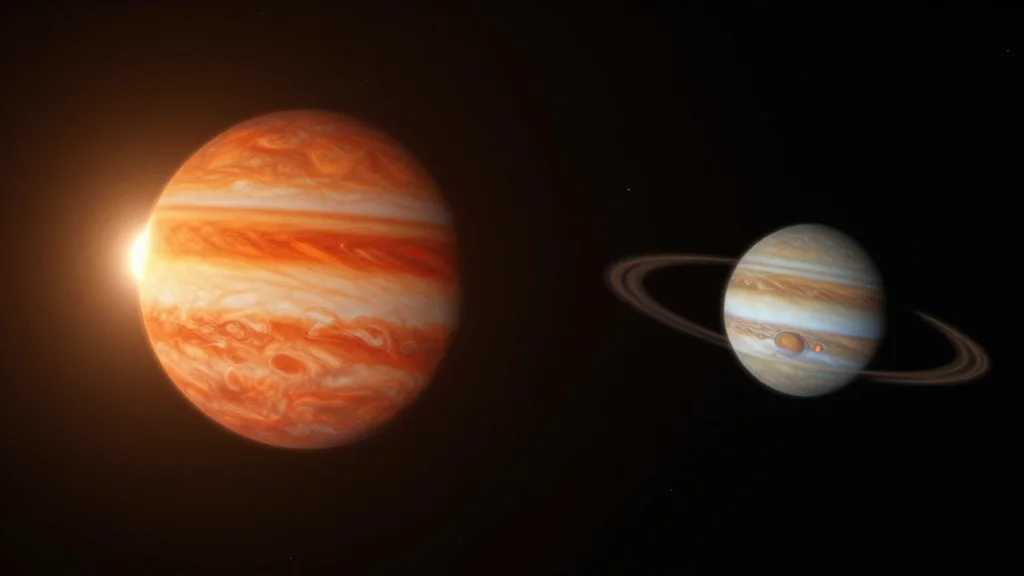
Close-In Planets Act as 'Bouncers' To Create Rogue Worlds
A new arXiv paper by Xiaochen Zheng et al. proposes that close‑in planets act as gravitational “bouncers,” ejecting outer planets and creating free‑floating planets (FFPs). Simulations show hot Jupiters expel Jupiter‑mass intruders 80 % of the time, while super‑Earths launch similar‑mass planets...
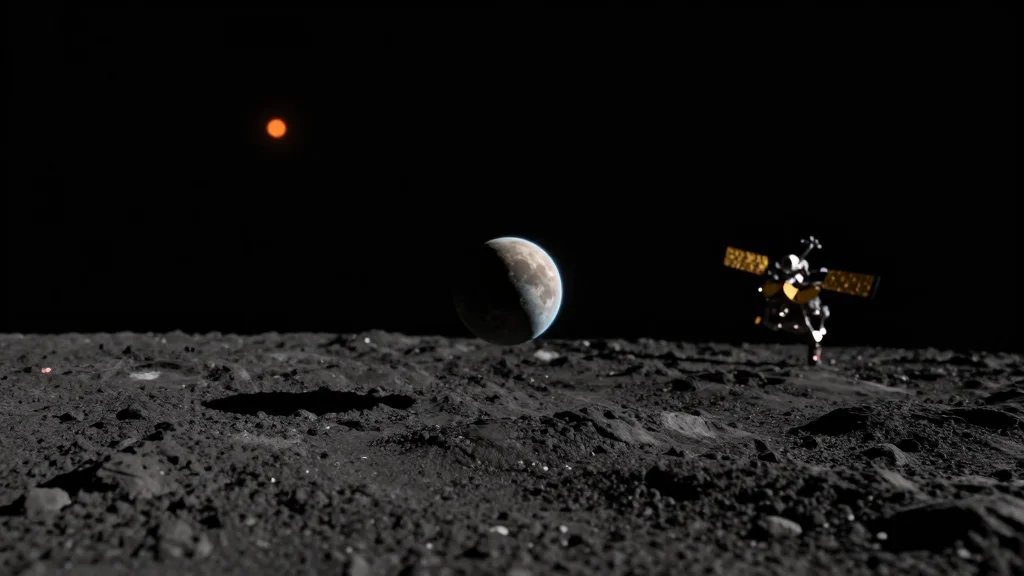
Astronomers Explore the Surface Composition of a Nearby Super-Earth
Using JWST’s Mid‑Infrared Instrument, researchers led by Sebastian Zieba and Laura Kreidberg analyzed the dayside spectrum of the nearby super‑Earth LHS 3844 b, a 30% larger, tidally locked planet 48.5 light‑years away. The infrared data reveal a dark, airless surface that matches basaltic or...
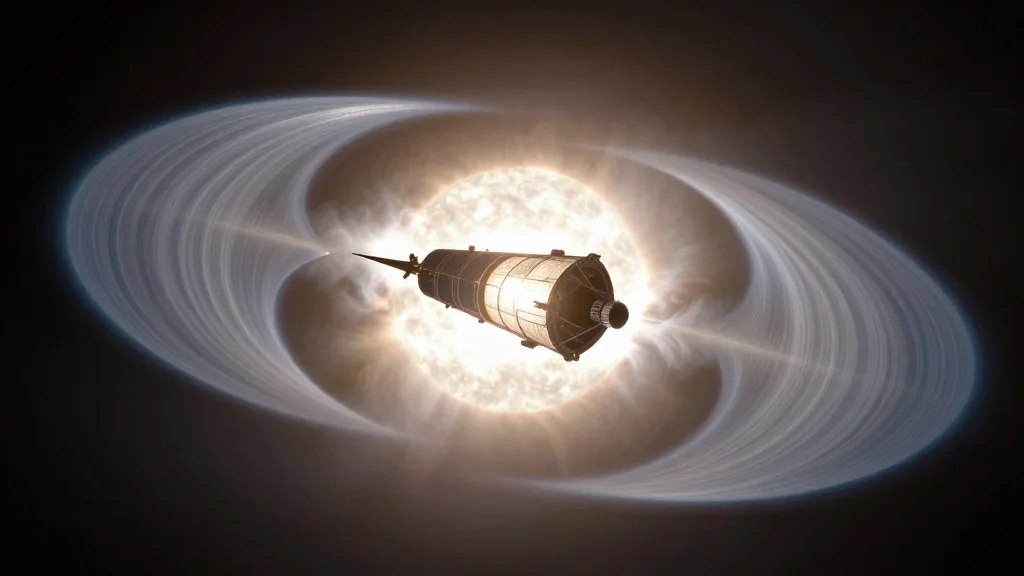
Solar Radio Bursts Reveal Hidden Magnetic Switchbacks Near the Sun, Parker Solar Probe Data Suggest
A new study using Parker Solar Probe data shows that half of 24 interplanetary type III radio bursts exhibit signatures of large‑scale magnetic switchbacks near the Sun. By converting burst peak frequencies to radial distances, researchers identified deviations exceeding 0.57 solar...
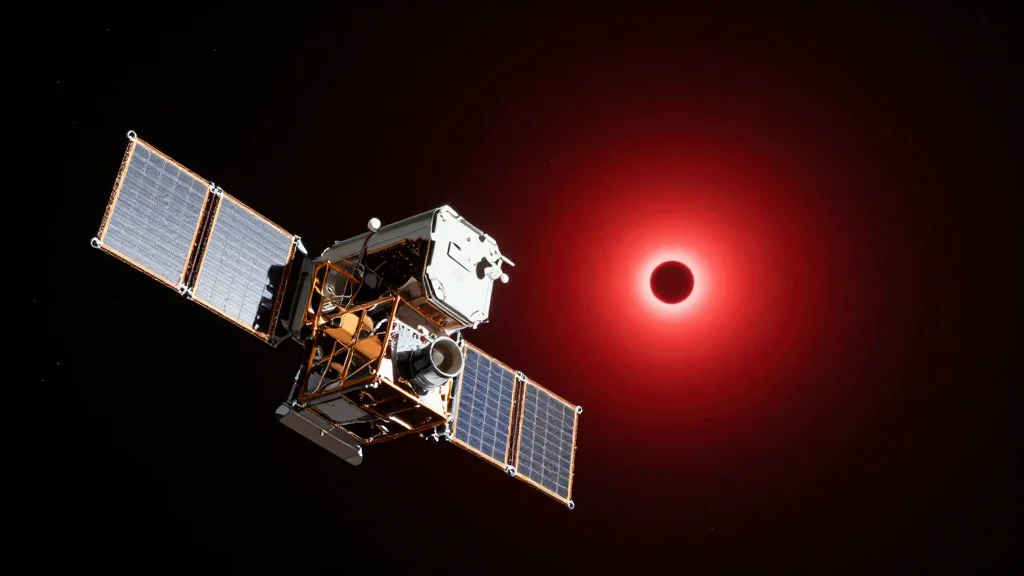
Canada Proposes POET Mission to Hunt Earth-Sized Planets
Canada has proposed the POET (Photometric Observations of Exoplanet Transits) micro‑satellite, slated for a 2029 launch, to hunt Earth‑sized and super‑Earth planets around ultracool dwarf stars. Building on the MOST and NEOSSat missions, POET will carry a 20‑cm telescope capable...
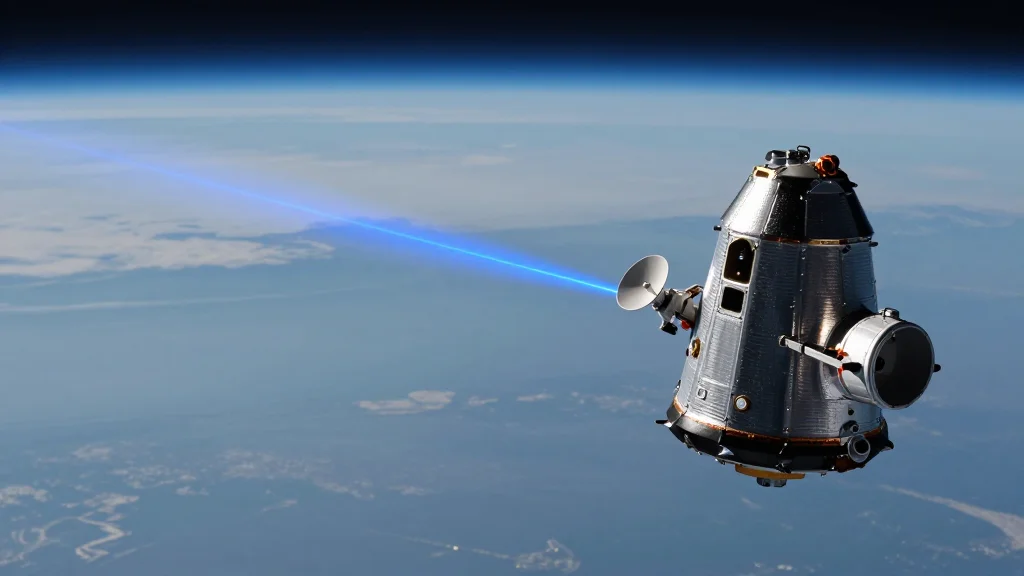
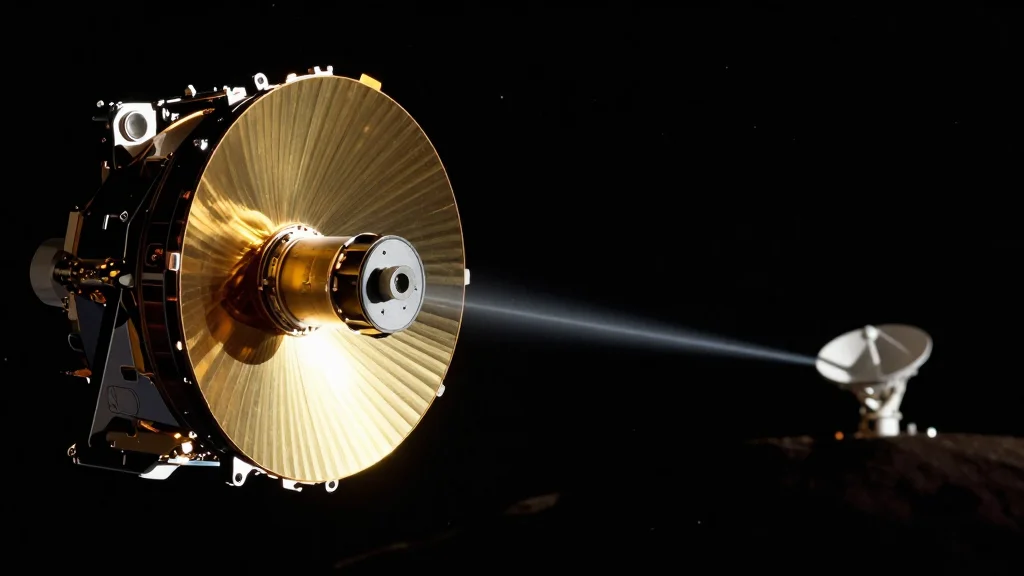
NASA Laser Terminal Enhances Views During Artemis II Mission
NASA’s Orion Artemis II mission used an optical communications terminal, marking the first crewed lunar‑distance laser link. The system transmitted 484 GB of high‑definition video and data at up to 260 Mbps, far exceeding traditional radio‑frequency rates. Ground stations in California, New Mexico and...
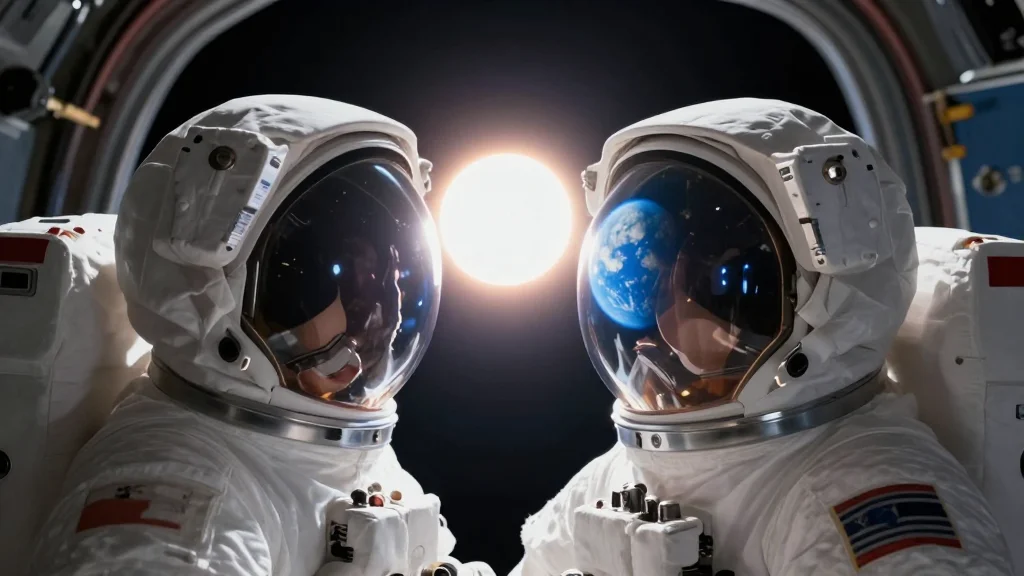
Seeing an Eclipse From Earth Is Awe‑inspiring—For Astronauts in Space, the Scene Was Even More Grand
On 6 April 2026 the Artemis II crew became the first humans to observe a total solar eclipse from space, viewing it while orbiting the Moon. The alignment blocked the Sun for about 54 minutes, a duration far longer than any Earth‑based totality, and...
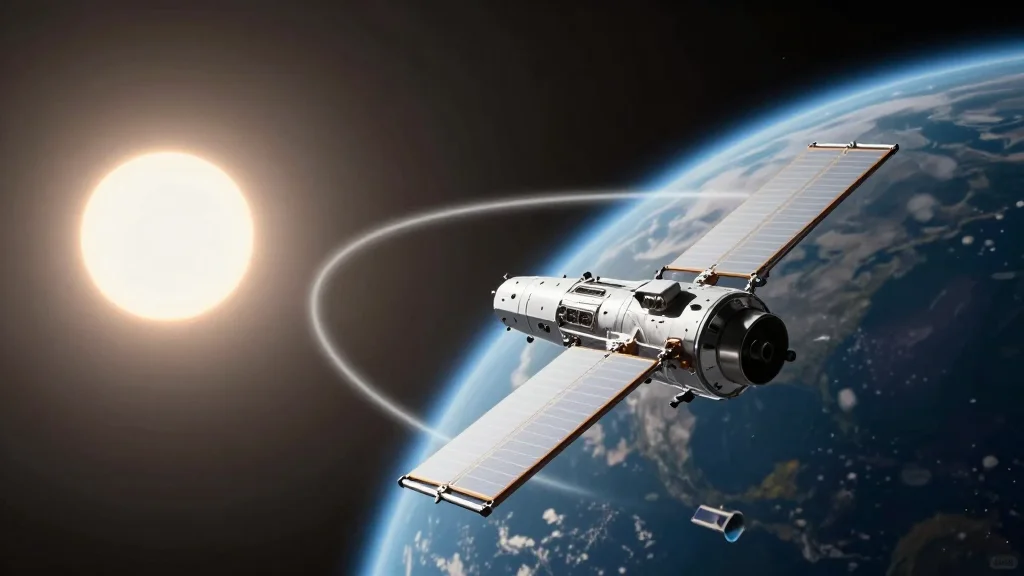
A New Way to Plan Trajectories to Asteroids
A research team led by Alessandro Beolchi at Khalifa University unveiled a hybrid trajectory‑planning method that blends the Circular Restricted Three‑Body Problem near Earth with the classic two‑body model for deep space. The approach exploits invariant manifolds at Earth‑Sun Lagrange...
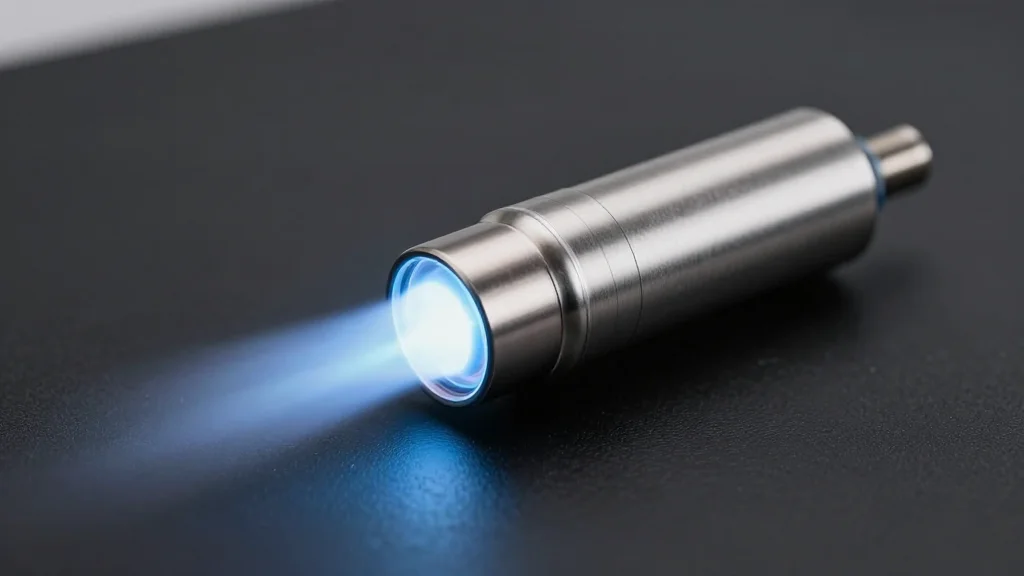
New Lithium-Plasma Engine Passes Key Mars Propulsion Test
NASA’s Jet Propulsion Laboratory successfully tested a lithium‑plasma electric thruster delivering 120 kilowatts of power, a U.S. record and roughly 25 times the output of the Psyche mission’s Hall thrusters. The engine endured temperatures above 2,800 °C and demonstrated the durability needed...
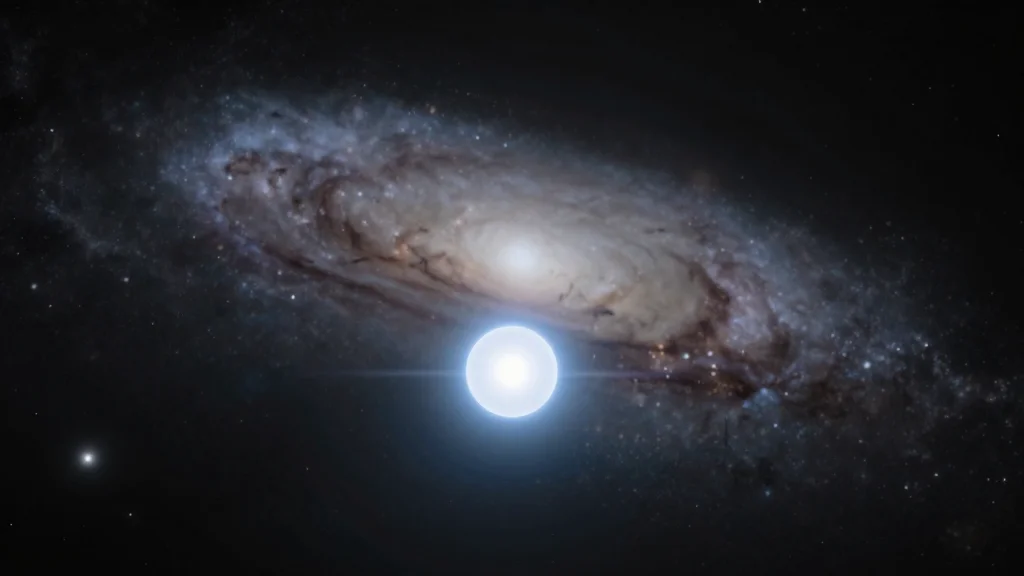
DESI-HVS1 Is an Old Hypervelocity Star Ejected From the Galactic Center, Observations Suggest
Chinese astronomers using DESI and Gaia have identified DESI‑HVS1, an old, metal‑poor F‑type star traveling at about 523 km s⁻¹. At roughly 12,300 light‑years away, its trajectory points to an ejection from the Galactic Center 12.9 million years ago with an initial speed near...
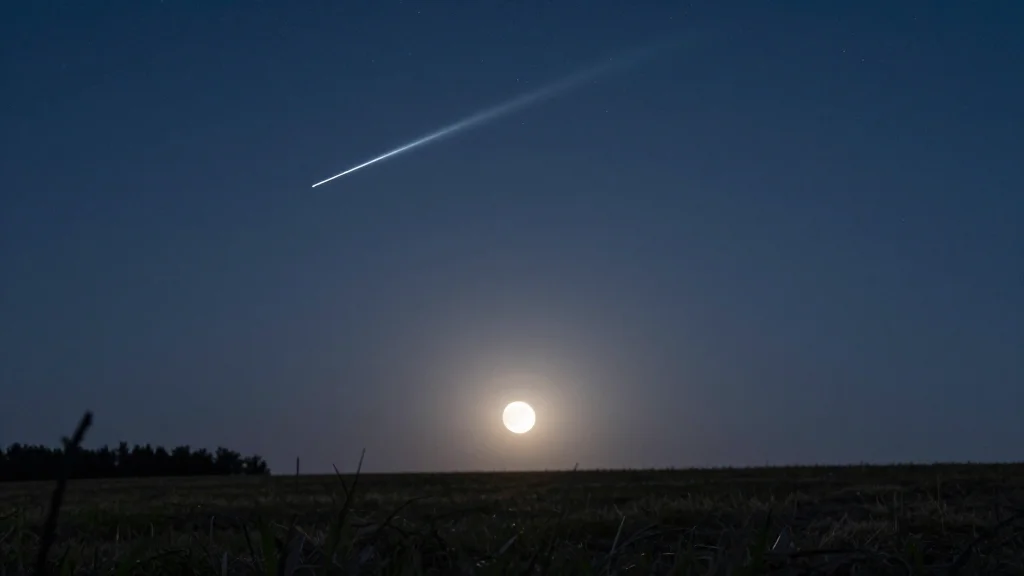
Hunting the Elusive Eta Aquariid Meteors
The Eta Aquariid meteor shower peaks on the night of May 5‑6, 2026, offering a Zenithal Hourly Rate that can reach 60‑100 meteors per hour. Its radiant sits just south of the celestial equator, giving northern observers only a narrow pre‑dawn...

Under Crushing Hypergravity, Fruit Flies Adapt—And Recover
UC Riverside researchers exposed fruit flies to hypergravity up to 13 G using a custom centrifuge. The insects not only survived but reproduced, showing distinct behavioral shifts: 4 G triggered prolonged hyper‑activity, while 7–13 G suppressed movement. Over weeks, activity levels normalized, accompanied...
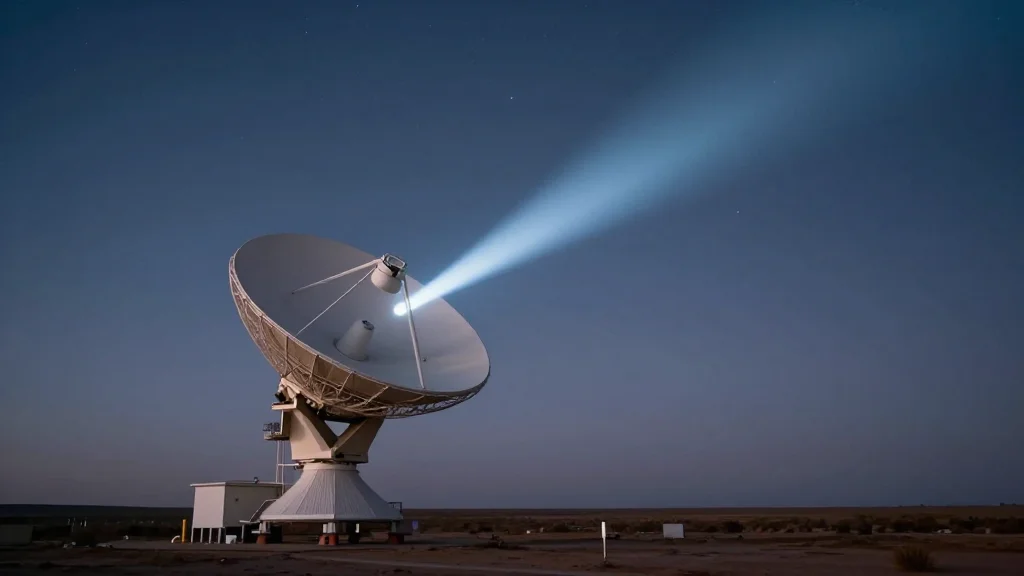
A Better Way to Search for Extraterrestrial Intelligence
Astrophysicist Benjamin Zuckerman challenges conventional SETI assumptions by proposing that extraterrestrial intelligences would favor highly directional transmissions rather than isotropic broadcasts. He argues that existing astronomical surveys across radio, infrared, and optical wavelengths can be repurposed to detect such beamed...
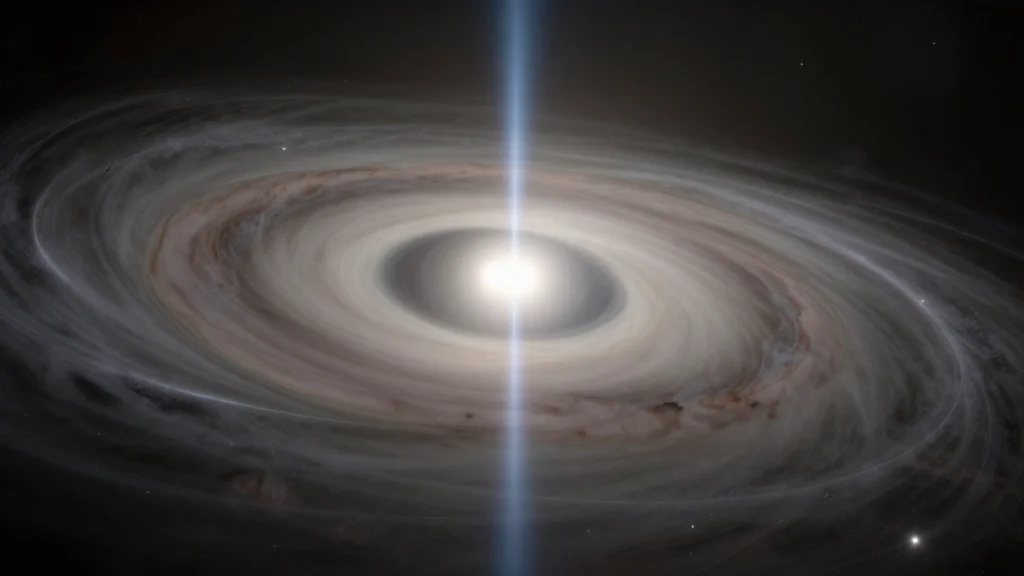
How Do Close Binary Stars Form?
Roughly half of Sun‑like stars exist in binary or higher‑order systems, prompting a long‑standing debate over their origin. A new preprint by Ryan Sponzilli et al. argues that disk fragmentation—where a massive protostellar disk becomes unstable and splits—dominates the formation of...
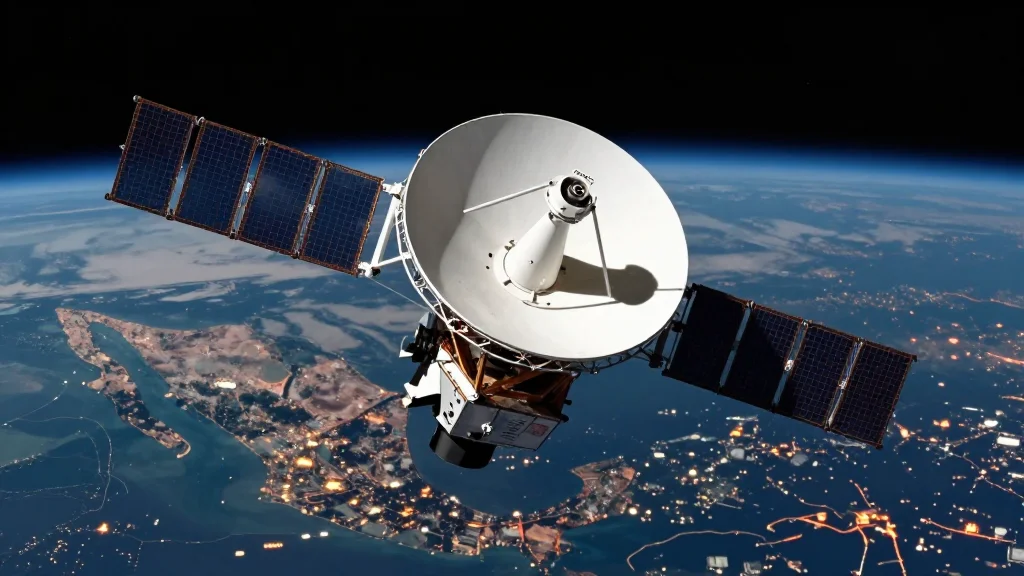
US–Indian Space Mission Maps Extreme Subsidence in Mexico City
The NASA‑ISRO NISAR satellite has produced its first high‑resolution subsidence map of Mexico City, revealing zones sinking more than two centimeters per month between October 2025 and January 2026. The L‑band synthetic‑aperture radar captured these movements despite clouds and night...
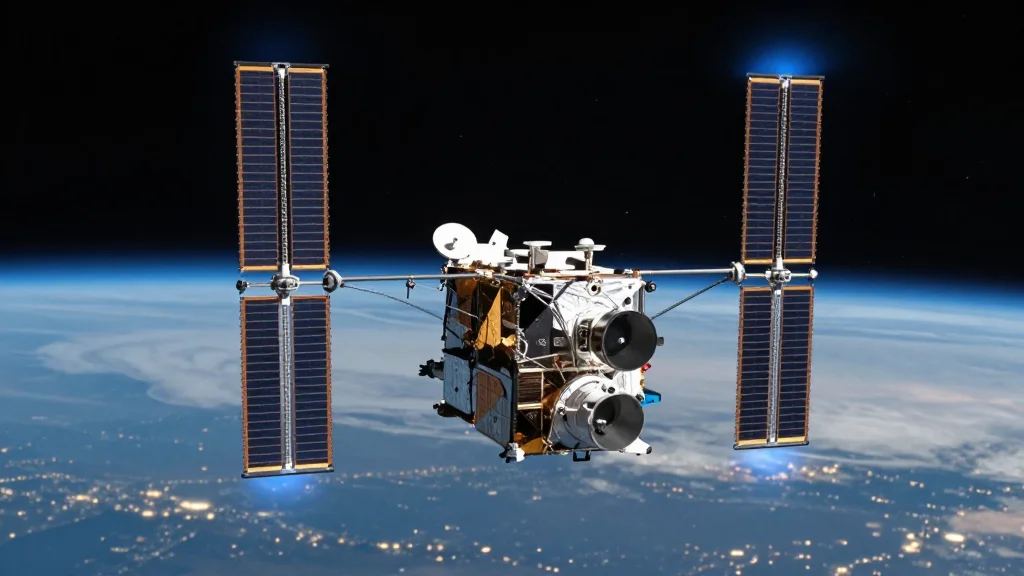
DAMPE Satellite Reveals Cosmic Rays Share Spectral Break Near 15 Teravolts
The Dark Matter Particle Explorer (DAMPE) satellite has identified a universal spectral softening in the energy spectra of primary cosmic‑ray nuclei—including protons, helium, carbon, oxygen and iron—around a rigidity of 15 teravolts. Published in Nature, the finding shows the particle count...
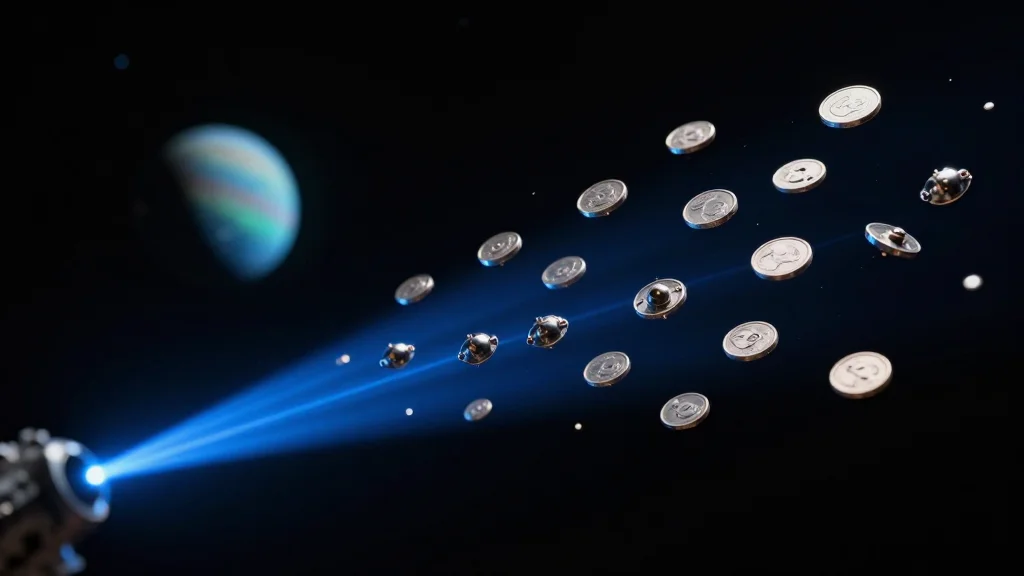
Near-Relativistic Swarm Could Image Proxima B at 20-Meter Resolution and Scan for Biosignatures, Paper Says
Researchers propose a near‑relativistic swarm of gram‑scale picospacecraft, called Coracles, propelled by Earth‑based lasers, to fly past Proxima b. By coordinating hundreds of probes, the mission could capture gigapixel images with roughly 20‑meter resolution and perform transmission spectroscopy for biosignatures. Onboard...
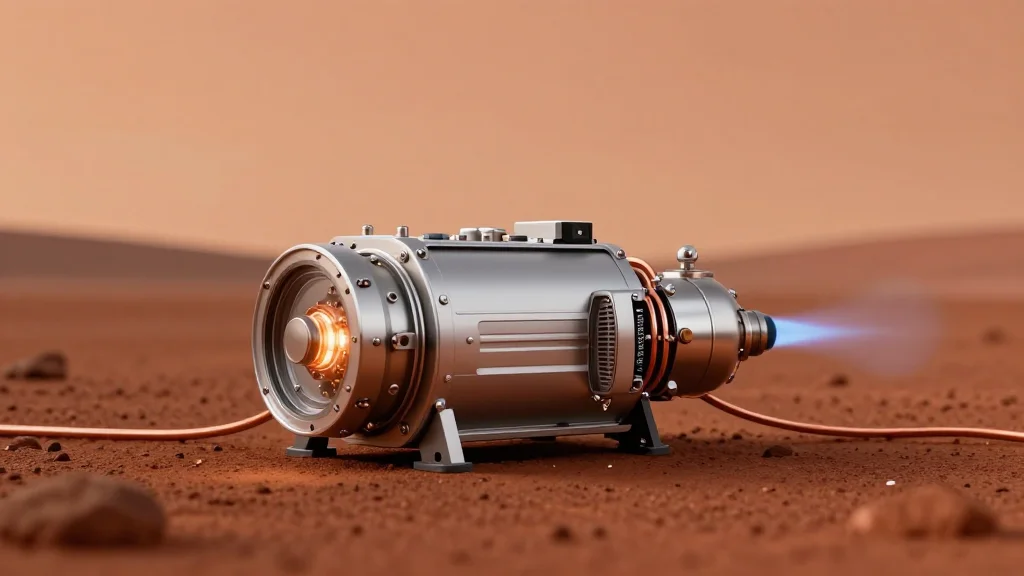
Designing in Situ Power Stations for Future Mars Missions
A Chinese research team published a conceptual design for an in‑situ power station that would turn the thin, CO₂‑rich Martian atmosphere into heat and electricity for future crewed missions. The proposal combines atmospheric capture, a micro‑nuclear reactor, lithium‑Mars‑gas batteries, and...
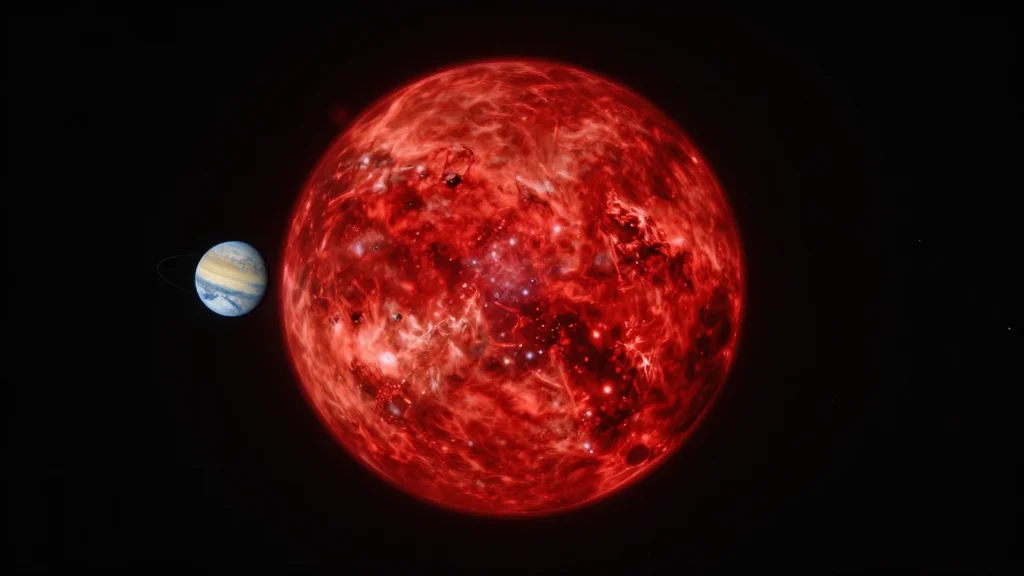
The Most Common Planets in the Galaxy Don't Appear Around the Most Common Stars, TESS Observations Suggest
Astronomers using NASA's TESS have found that sub‑Neptune planets virtually disappear around mid‑to‑late M dwarfs, the most common stars in the Milky Way. While sun‑like stars host both super‑Earths and sub‑Neptunes, the smaller, dimmer M dwarfs are dominated by super‑Earths....
Newly Confirmed Supernova Remnant Is One of the Faintest Ever Detected
An international team using the Australian Square Kilometre Array Pathfinder (ASKAP) has confirmed a new supernova remnant, designated G310.7‑5.4 and named Abeona. With a radio flux density of 1.5 Jy and a surface brightness of 24 000 Jy sr⁻¹, Abeona ranks among the faintest...

Astronomers Release Massive Set of 'Virtual Universes' For Global Research
An international team led by Leiden University has released the FLAMINGO cosmological simulation dataset, exceeding 2.5 petabytes—about half a million HD movies. The simulations, run on the UK’s COSMA8 supercomputer with the SWIFT code, model matter evolution across billions of light‑years, linking...
ALMA Reveals Giant Molecular Clouds Across Needle Galaxy's Full Disk
An international team led by Grace Krahm used ALMA to obtain high‑resolution CO(2‑1) maps of the edge‑on Needle galaxy (NGC 4565). The survey resolved giant molecular clouds (GMCs) across the entire molecular disk, revealing a thin, non‑flaring structure and a flat...

Perseverance and Curiosity Panoramas Reveal Dual Sides of Mars
NASA’s Curiosity and Perseverance rovers have each produced a massive 360‑degree panorama, stitching together over a thousand high‑resolution images to reveal contrasting Martian landscapes. Curiosity’s view of boxwork formations, captured between Nov. 9 and Dec. 7 2025, spans 1.5 billion pixels, while Perseverance’s “Lac de Charmes”...
Why Stars Spin Down, or up, Before They Die
Researchers at Kyoto University used 3D magnetohydrodynamic simulations to demonstrate that magnetic fields and convection can both spin down and, in some configurations, spin up massive stars before core collapse, challenging existing rotation‑age models. Asteroseismology now provides internal rotation measurements,...

Better Volcano Eruption Predictions on Earth—And Venus—Thanks to Mauna Loa Study
A University of Pittsburgh team combined public and private satellite imagery with machine‑learning algorithms to map the 2022 Mauna Loa lava flow in real time and to identify a thermal signal a month before the eruption. The approach also generated estimates...
Potential Signs of Life on Distant Planets Sound Exciting, but Confirmation Can Take Years
Astronomers have cataloged more than 350 distinct molecules in interstellar space, using radio and infrared telescopes to capture each compound’s spectral fingerprint. While many of these molecules are precursors to biomolecules, confirming their presence—especially on distant planets—requires multiple, strong spectral...
Tandem Superflare Observations Reveal Origin of the Stellar Fe Kα Line
Astronomers using NASA’s NICER and JAXA’s Hisaki telescopes captured a superflare on the triple‑star system UX Arietis and timed the ultraviolet and X‑ray emissions. The ultraviolet burst peaked 1.4 hours before the X‑ray flare, while the iron Kα line rose simultaneously with the...
Contribution to Artemis II Moon Mission Sees Successful Test of a Space Camera Under Cosmic Ray Conditions
The GSI Helmholtzzentrum and FAIR accelerator facility successfully tested a specially modified Nikon Z9 camera under simulated cosmic‑ray conditions in March 2025. Heavy‑ion beams reproduced the high‑energy radiation environment of deep space, confirming the camera’s stable operation. The validated camera was flown...

The Most Energetic Neutrino Ever Detected Could Be Primordial
In February 2023 the KM3NeT telescope recorded neutrino KM3‑230213A, the most energetic particle of its kind ever observed at an estimated 220 PeV. The collaboration published a *Nature* paper describing the event and outlining four broad source categories—galactic, local‑universe, transient, and extragalactic—without...