Phys.org - Space News
Research-driven reporting on space technology and exploration developments
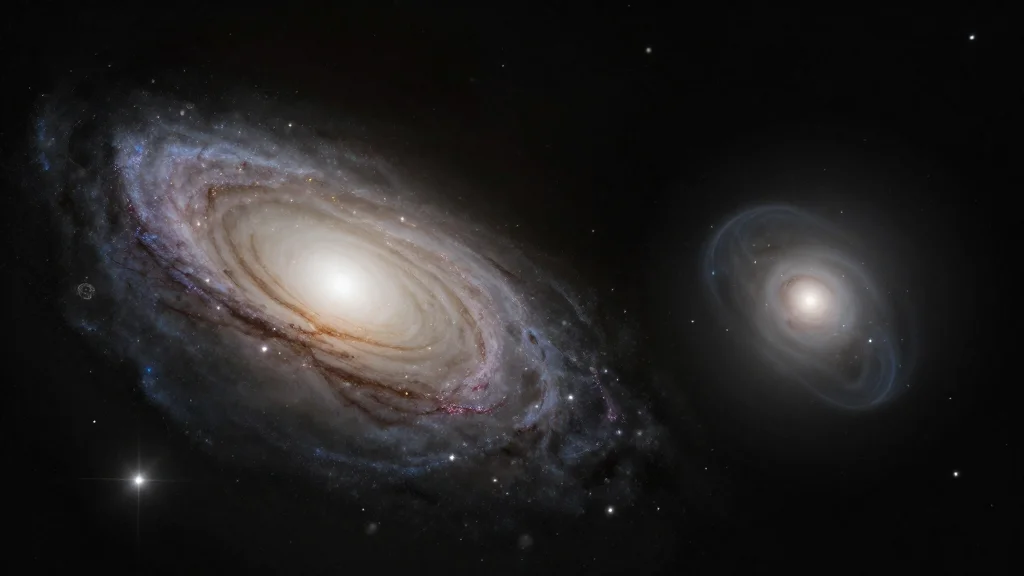
Self-Regulating Process Governs Cosmic Order Inside Star Clusters
Astrophysicists from Nanjing University and the University of Bonn have shown that star‑mass distribution in clusters follows a self‑regulating process rather than random sampling. By applying Shannon entropy, they derived an "optimal sampling" model that predicts stellar masses from the total cluster mass alone. The study reveals that dwarf galaxies cannot produce very massive stars, while massive ellipticals can generate millions of ultra‑bright giants. This deterministic framework promises faster, less resource‑intensive galaxy‑evolution simulations.
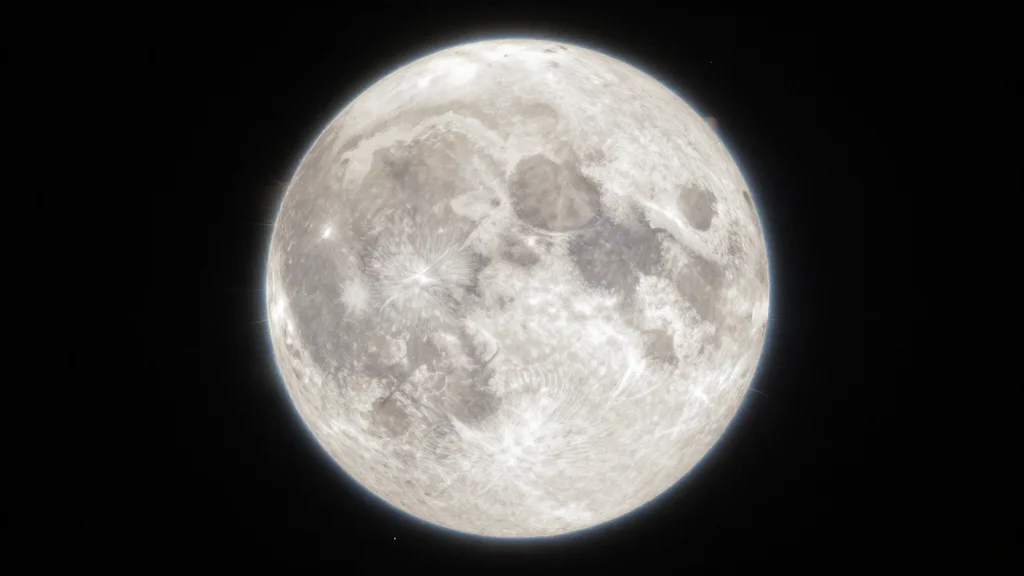
Scientists Map Hidden Magnetism on the Sun's Far Side
Scientists have used helioseismic data from the NSF‑NOAA GONG network to map magnetic polarity on the Sun’s far side for the first time. By analyzing phase‑shift signatures in acoustic waves, the team produced polarity‑resolved magnetograms of hidden active regions. The...
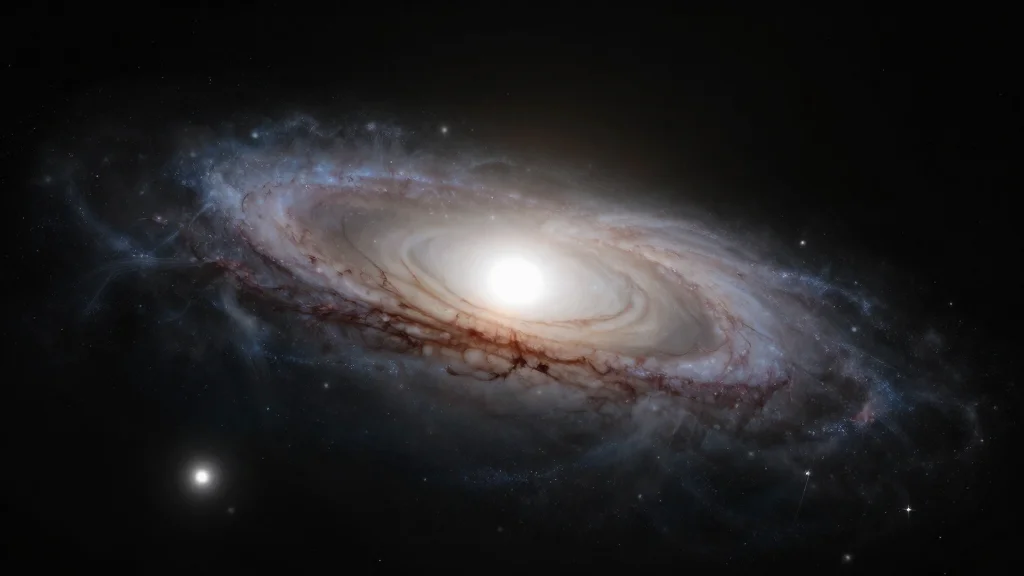
Sombrero Galaxy's Vast Halo Emerges in Rare Detail 30 Million Light-Years Away
Astronomers using the 570‑megapixel Dark Energy Camera (DECam) have produced the clearest view yet of the Sombrero Galaxy’s extended halo, which stretches more than three times the galaxy’s own diameter. The image also captures a faint stellar stream on the...
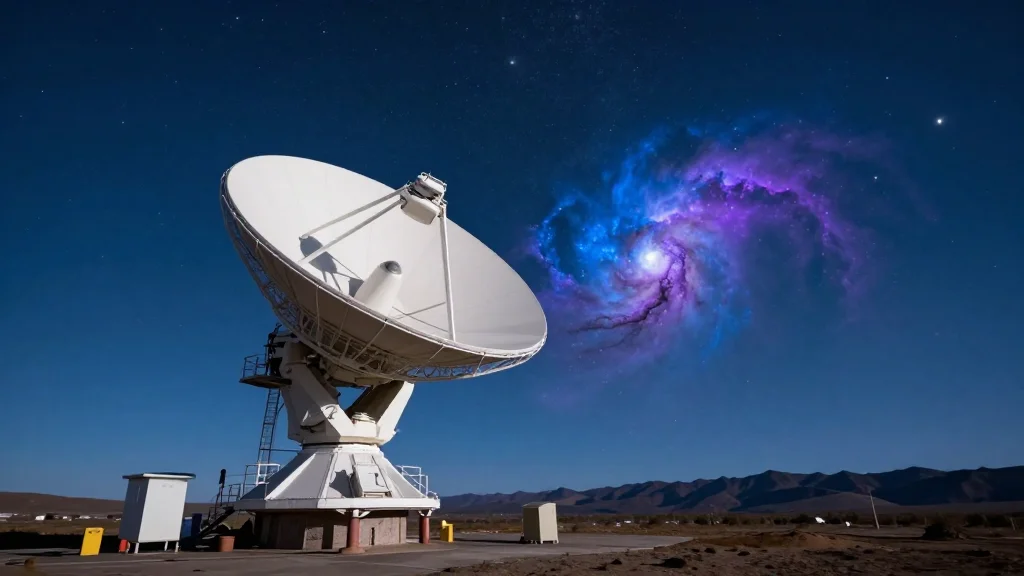
'Aquila Booster' Challenges Theoretical Limits of Particle Acceleration in Pulsar Wind Nebulae
The Large High‑Altitude Air Shower Observatory (LHAASO) has detected PeV‑scale gamma‑ray emission from the pulsar wind nebula (PWN) powered by PSR J1849‑0001, dubbing it the “Aquila Booster.” Spectral analysis shows the nebula accelerates particles with an efficiency of at least 27%...
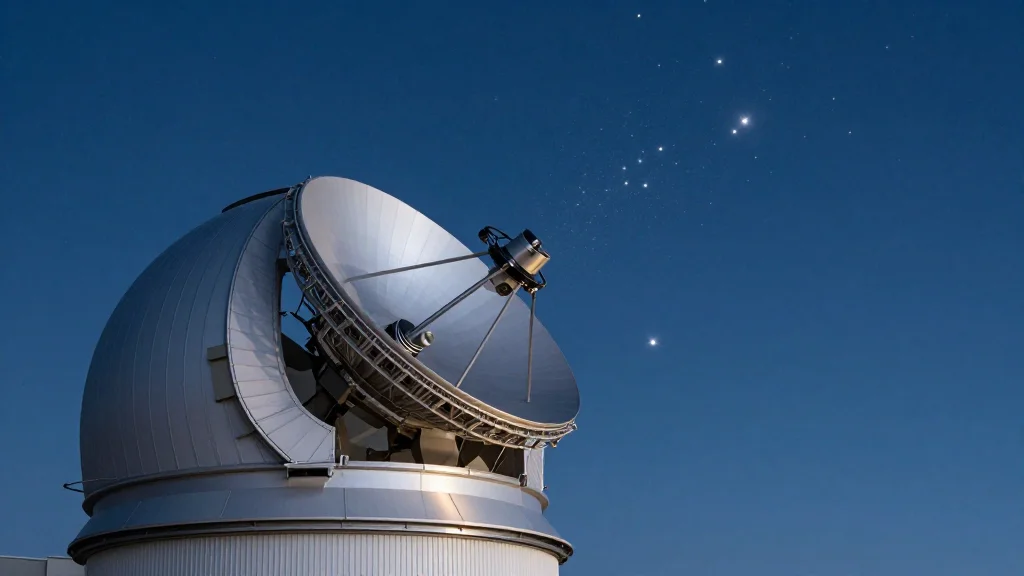
LAMOST Maps Open Cluster NGC 1647, Linking Broad Main Sequence to Differential Reddening
Astronomers used the Large Sky Area Multi‑Object Fiber Spectroscopic Telescope (LAMOST) to obtain medium‑resolution spectra for 347 stars in the young open cluster NGC 1647, the largest spectroscopic sample for this object to date. The analysis of 158 unique members revealed...
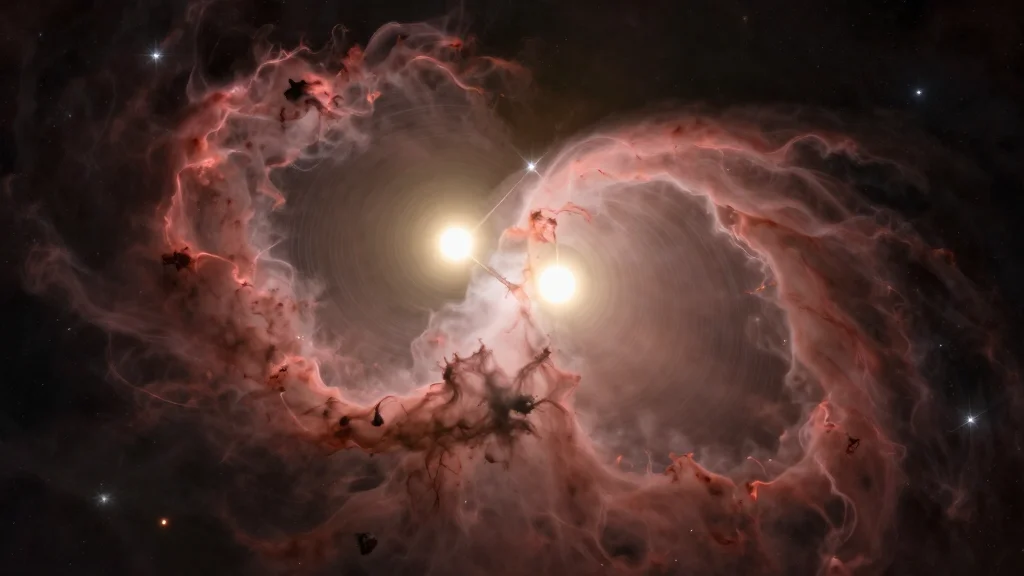
Orbital Dances Unlock True Masses of Orion's Young Stars
Astronomers used the NSF Very Long Baseline Array to track orbital motions of young binary stars in Orion, delivering dynamical mass measurements with sub‑milliarcsecond precision. The radio observations bypass dust obscuration, allowing direct mass determination without relying on theoretical models....
Milky Way's 'Little Cousins' May Hold Clues About Infant Universe
A new suite of ultra‑faint dwarf galaxy simulations, led by Dr. Azadeh Fattahi and the LYRA collaboration, demonstrates that these tiny Milky Way satellites are highly sensitive to the radiation environment of the first 500 million years after the Big Bang....

Moon Dust Could Stop Being a Nuisance and Start Reshaping How Humans May Build Beyond Earth
Researchers at Rice University and Iowa State have shown that lunar regolith simulant can be incorporated into fiber‑reinforced polymer composites, delivering strength and toughness gains of up to 40 percent. The breakthrough flips the narrative on moon dust, turning an...
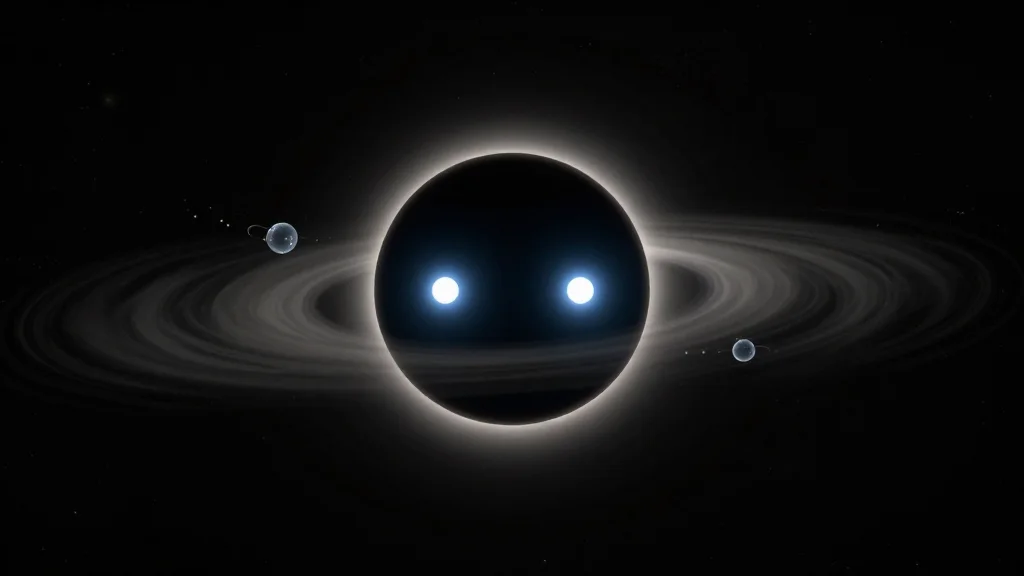
Mysterious Gas Clouds Near Milky Way's Black Hole Now Have a Likely Source
Astronomers have pinpointed the massive binary star IRS 16SW as the origin of a series of compact gas clouds—G1, G2, and G2t—orbiting the Milky Way’s central black hole Sagittarius A*. Using adaptive‑optics infrared spectroscopy and hydrodynamic simulations, the team showed that colliding...
Scientists Focus on the Challenges of Working and Living in Outer Space
Scientists convened at Ohio State University to address health and engineering hurdles of long‑duration spaceflight. Keynote speaker Scott Parazynski highlighted radiation, microgravity, and isolation as major risks, noting the recent first medical evacuation from the ISS. Panels explored emergency medical...
Stellar Flares May Expand Habitable Zones Around Small Stars
Researchers from China have refined the ultraviolet habitable zone (UV‑HZ) around low‑mass K‑type and M‑type stars, showing that stellar flares can push UV radiation outward and potentially overlap with the liquid‑water habitable zone (LW‑HZ). Using models on nine confirmed exoplanets,...
Tiny Satellites Face Big Data Limits: How Foldable Antennas Could Change CubeSat Missions
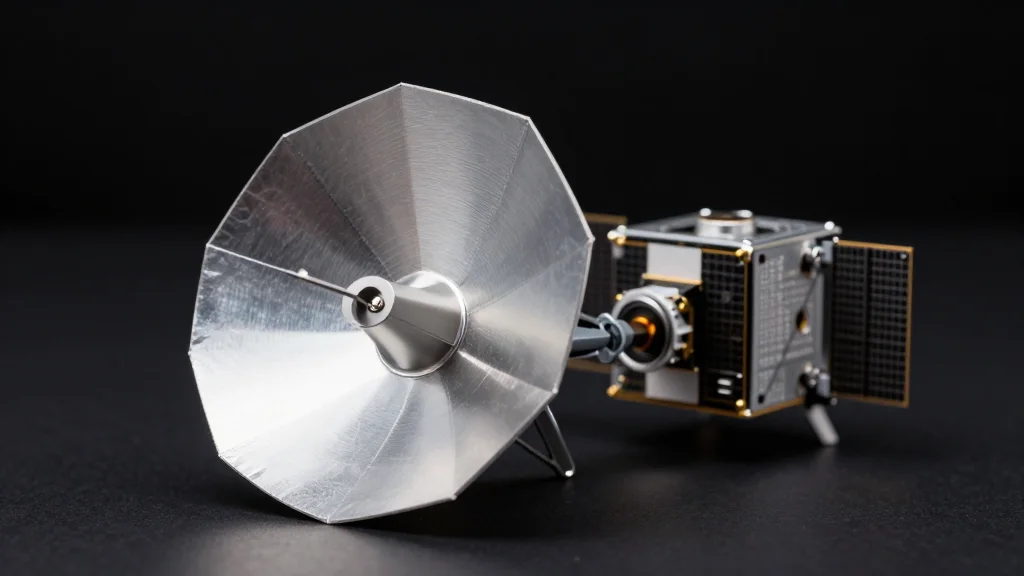
Researchers at Institute of Science Tokyo have unveiled a 5.8 GHz origami‑inspired reflectarray antenna that folds to fit inside a 3U CubeSat and expands to a high‑gain configuration in orbit. Weighing only 64 g and achieving a 265 % storage ratio, the antenna...
Cold Fronts in Nearby Galaxy Group May Redistribute Metals, Chandra and GMRT Data Reveal
Astronomers analyzing 120 ks of Chandra X‑ray data and 325 MHz GMRT radio observations of the nearby galaxy group IC 1262 identified sharp cold fronts that contain 45% more metals than surrounding gas. The study also detected a pronounced metallicity drop—from 0.45 to...
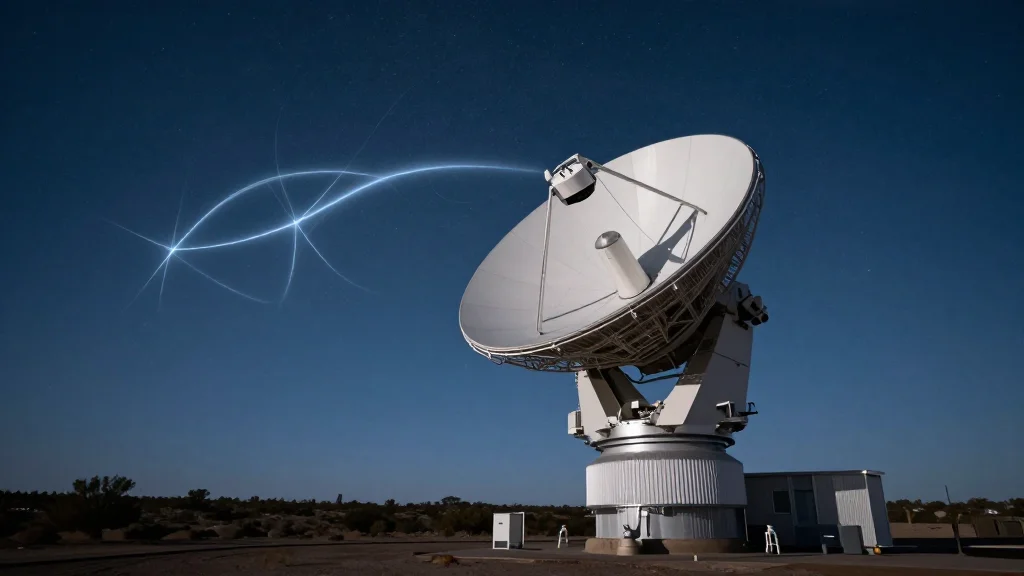
Mapping the Hidden Structure of the Universe
University of Virginia assistant professor Satya Gontcho A Gontcho is part of the Dark Energy Spectroscopic Instrument (DESI) team that has produced the largest 3‑dimensional map of the cosmos, charting 46 million galaxies and quasars alongside 19 million stars. The eight‑year survey, involving roughly...
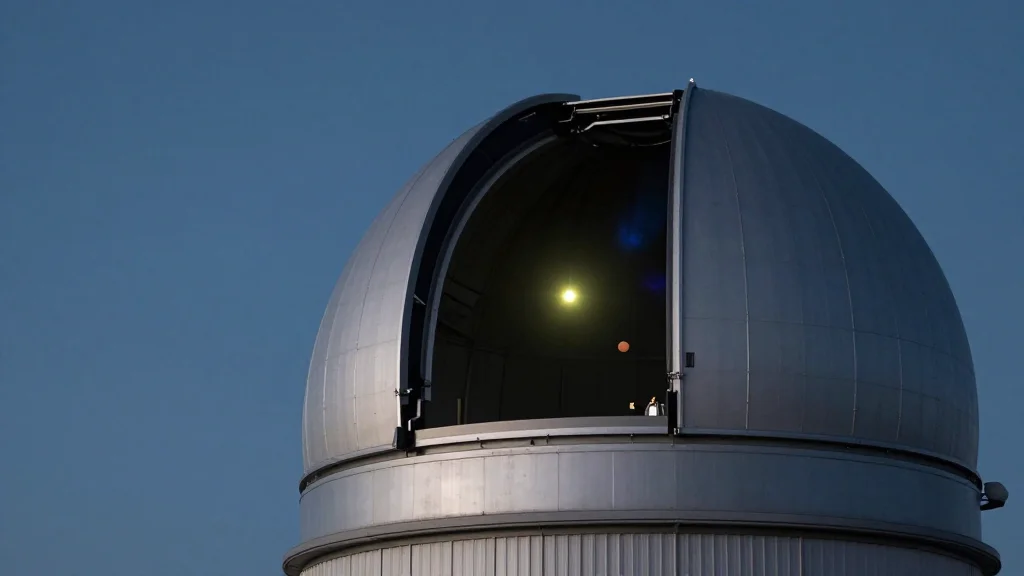
Astronomers Precisely Date Rare Brown Dwarf Companion, Offering New Test for How These Objects Cool
Researchers at the University of Hawaiʻi used the Keck Planet Finder to determine that the sun‑like star HR 7672 is about 2.3 billion years old, which in turn fixes the age of its brown dwarf companion HR 7672B. The precise age measurement, derived...
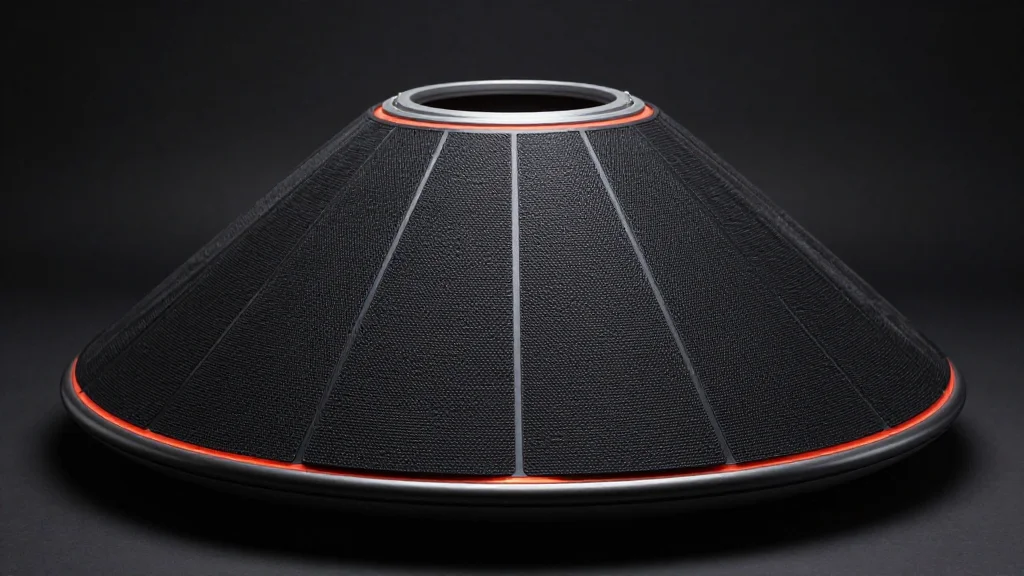
NASA on Track for Future Missions with Initial Artemis II Assessments
NASA’s Artemis II crewed test flight returned safely on April 10, 2026, and engineers have begun a deep‑dive into Orion, the Space Launch System (SLS) rocket, and launch‑pad data. Early assessments show the Orion heat shield performed as expected, with significantly less...
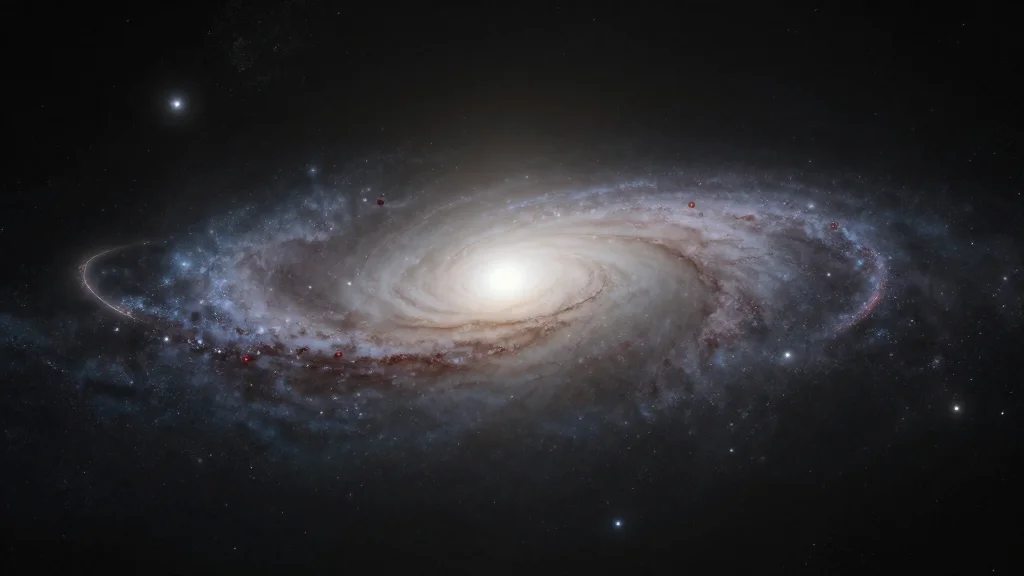
The Edge of the Milky Way's Star-Forming Disk Revealed
An international team of astronomers has pinpointed the Milky Way’s star‑forming disk edge at roughly 40,000 light‑years from the Galactic Center. By analysing ages of over 100,000 giant stars from Gaia, LAMOST and APOGEE and matching the data to advanced...
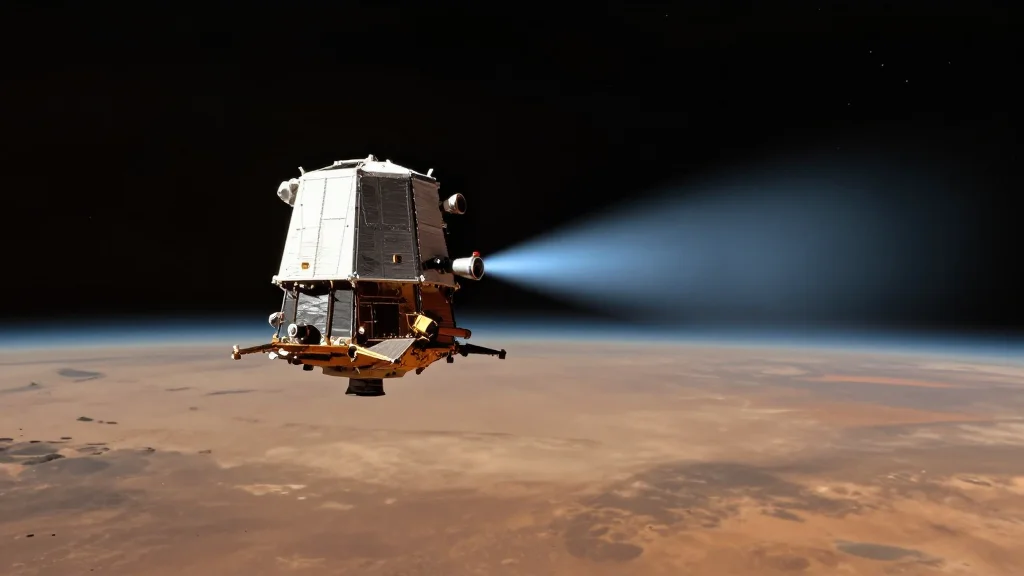
What Makes Mars' Magnetotail Flap? Two Spacecraft Point to Magnetic Reconnection
Researchers using NASA's MAVEN and China's Tianwen‑1 orbiters have identified magnetic reconnection as a likely driver of the up‑and‑down flapping observed in Mars' magnetotail. The study, published in AGU Advances, links reconnection signatures detected upstream by MAVEN with downstream flapping...
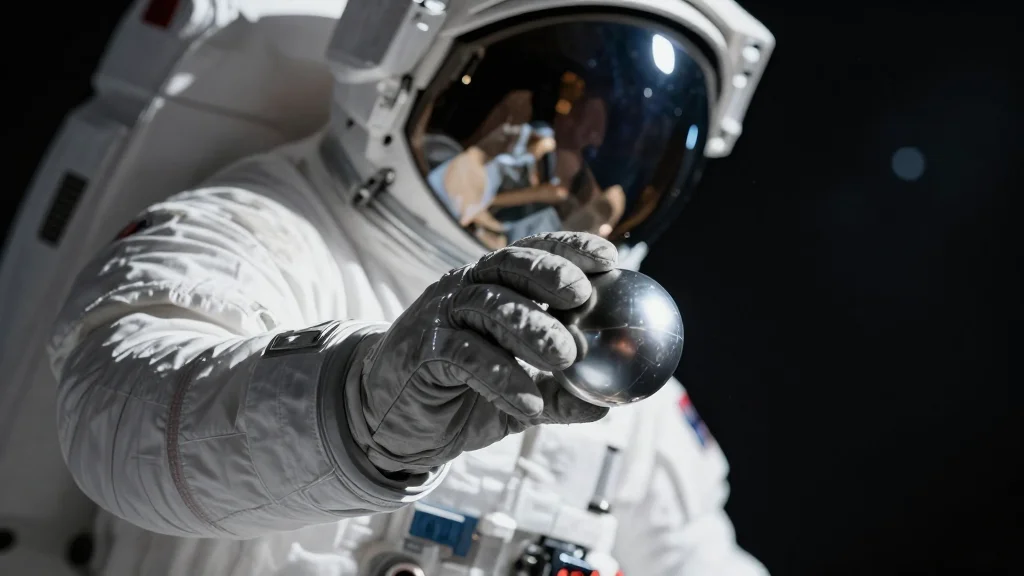
How Do Astronauts Adapt Their Grip and Move Objects when Transitioning Between Earth and Space?
A new study in the Journal of Neuroscience examined how astronauts adjust hand grip when moving between Earth’s gravity and microgravity. Researchers found that even after months in space, the brain’s internal model of gravity causes astronauts to over‑compensate their...
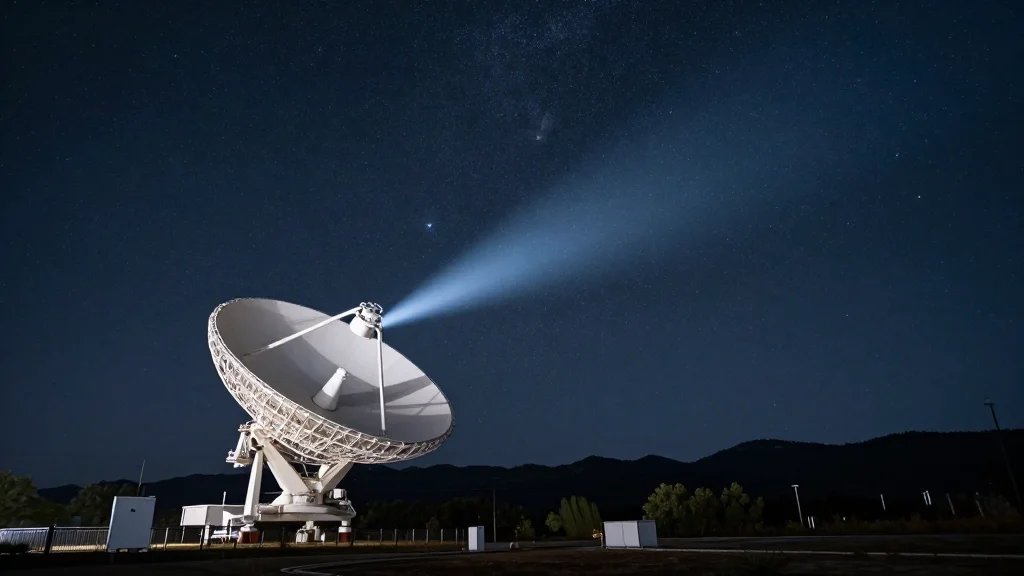
Six New Isolated Millisecond Pulsars Discovered with FAST
Chinese astronomers analyzing archival FAST data from the core‑collapsed globular clusters NGC 6517 and M15 uncovered six new isolated millisecond pulsars—four in NGC 6517 and two in M15. The pulsars spin between 3.68 ms and 9.29 ms and were detected using a stacking power‑spectrum...
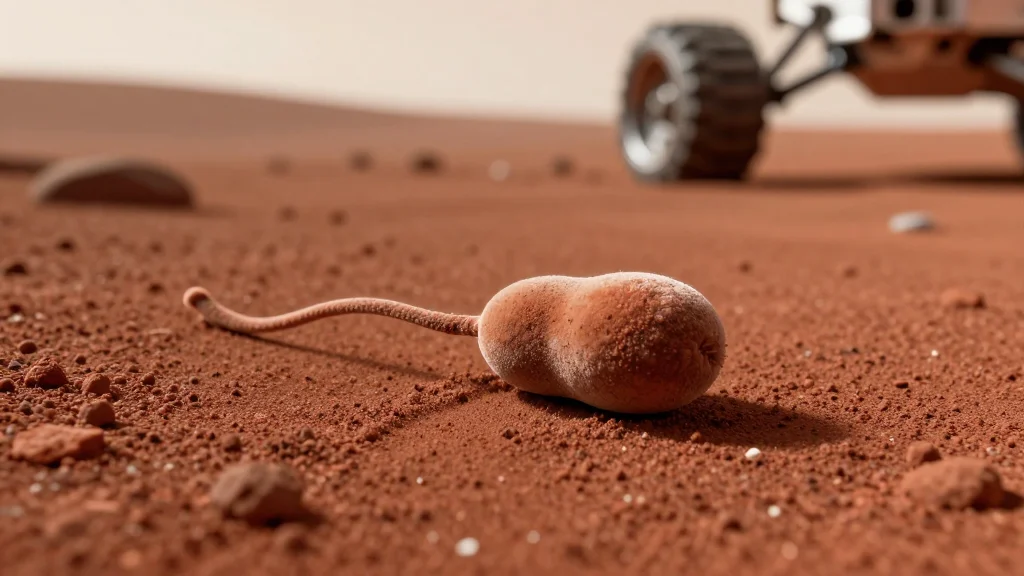
How Resilient Fungus Might Survive Mars and Space
A study published in Applied and Environmental Microbiology shows that spores of the fungus Aspergillus calidoustus, isolated from NASA cleanrooms, survived laboratory simulations of the full Mars mission profile—including launch, space travel, and Martian surface exposure. The conidia withstood low...
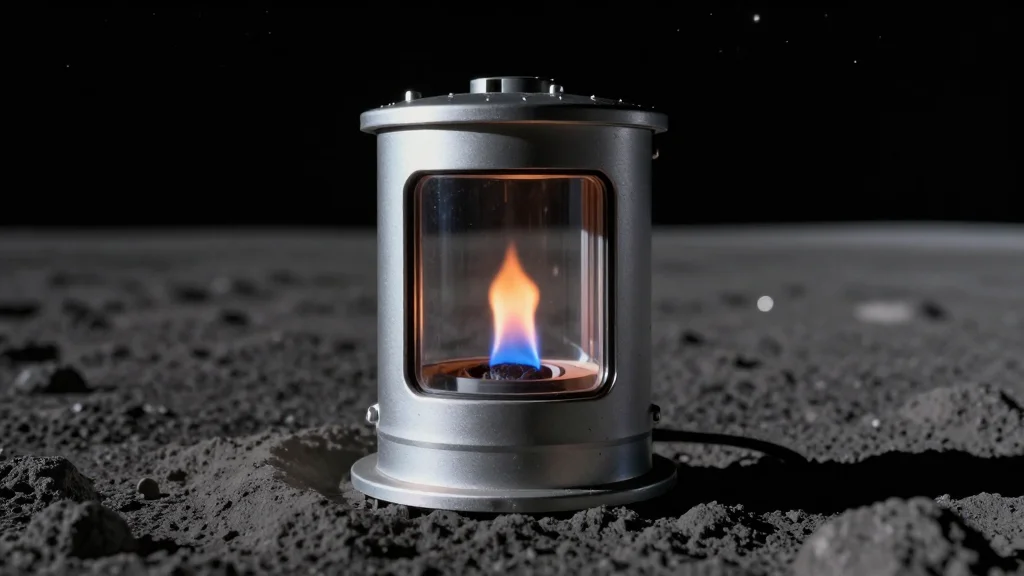
The Moon Might Be More Prone to Fires
A new NASA‑led study proposes the Flammability of Materials on the Moon (FM2) experiment to directly measure how fires behave in lunar gravity. Current NASA‑STD‑6001B fire‑safety testing is Earth‑centric and does not account for the slower convection on the Moon,...
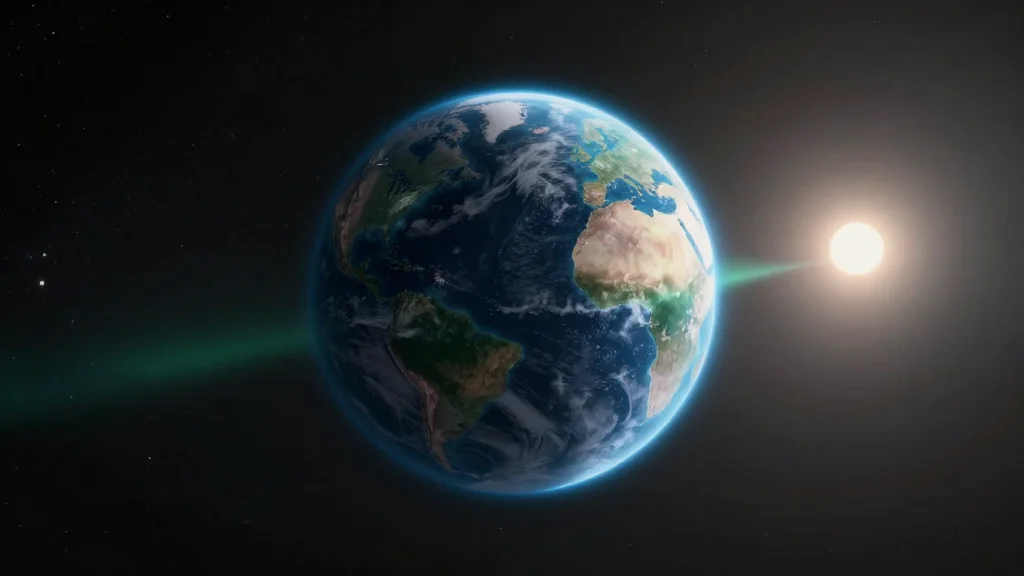
Volunteers Discover Rare Space Weather Events Using Their Ears
NASA’s Heliophysics Audified: Resonances in Plasmas (HARP) citizen‑science project turned magnetic‑field measurements into sound, letting volunteers listen to space‑weather plasma waves. While testing data from the THEMIS satellite, volunteers detected an unexpected inverted pitch pattern—lower tones close to Earth and...
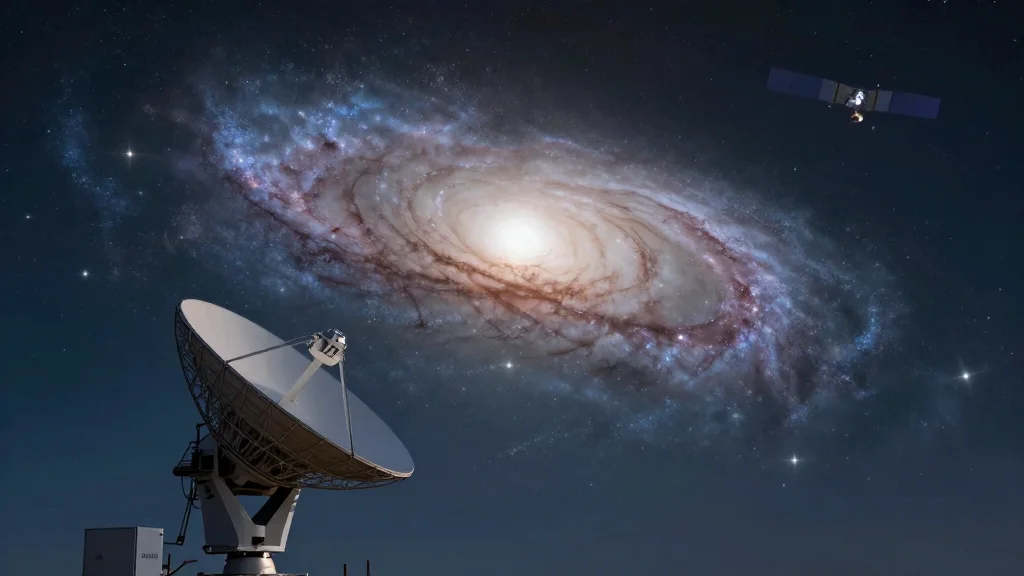
ALMA and JWST Investigate Giant Disk Galaxy's Formation and Evolution
European astronomers used ALMA and JWST to study ADF22.1, a giant barred spiral galaxy at redshift 3.09 in the SSA22 protocluster. The galaxy boasts a stellar mass of roughly 100 billion M☉, an outer rotation speed of about 530 km s⁻¹, and a dark‑matter...
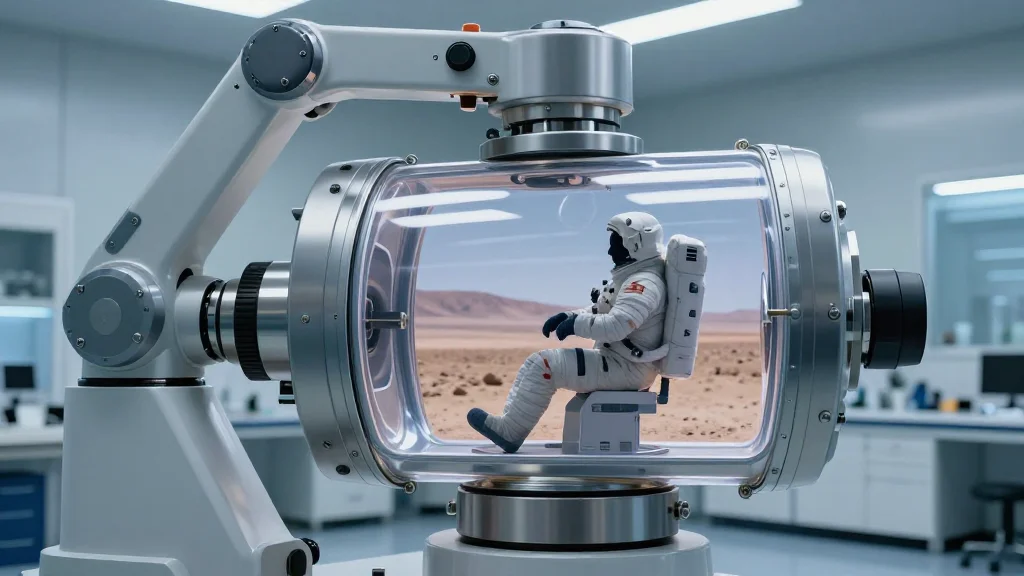
Human Space Research Gets a Boost From Retired NASA Centrifuge
Texas A&M University has received NASA’s retired human centrifuge and installed it in the Anthony Wood ’87 Artificial Gravity Lab, creating one of the nation’s most advanced facilities for simulating lunar and Martian gravity. The centrifuge, originally built for the...
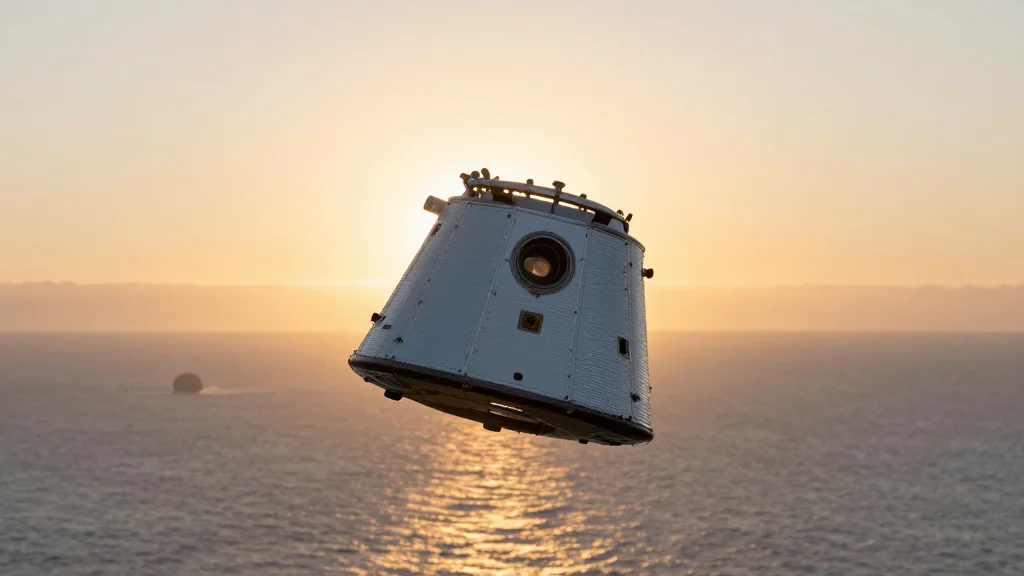
Back on Earth, Artemis II Crew Still Finding Their Footing
NASA’s Artemis II mission returned to Earth last week after a ten‑day lunar‑orbit flight, marking the first crewed trip beyond low Earth orbit since 1972. Commander Reid Wiseman and crewmates Victor Glover, Christina Koch, and Jeremy Hansen are undergoing extensive medical...
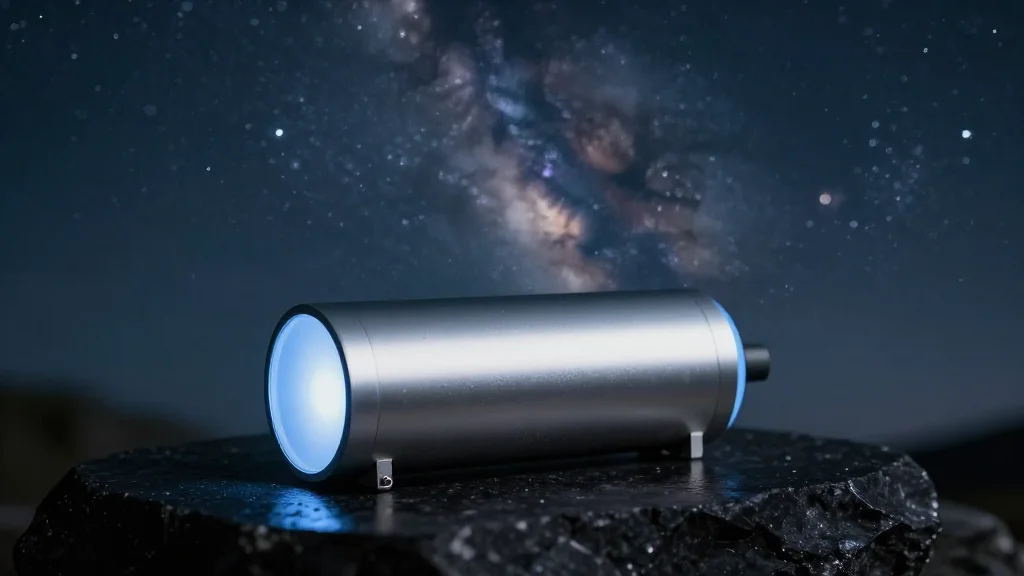
A Student-Led Experiment Sets New Limits in the Search for Axions
Undergraduate researchers at the University of Hamburg constructed a resonant‑cavity detector, dubbed SPACE, and published new exclusion limits for axion dark matter in the Journal of Cosmology and Astroparticle Physics. Leveraging equipment from the MADMAX collaboration and the university’s Quantum...

New Open-Source Python-Based Software Boosts Space-Weather Modeling
University of Birmingham researchers, together with Los Alamos, Exeter and Northumbria, have released PIRAN, a free open‑source Python package that computes relativistic diffusion coefficients for wave‑particle interactions in Earth’s radiation belts. The tool reproduces results from legacy proprietary codes while...
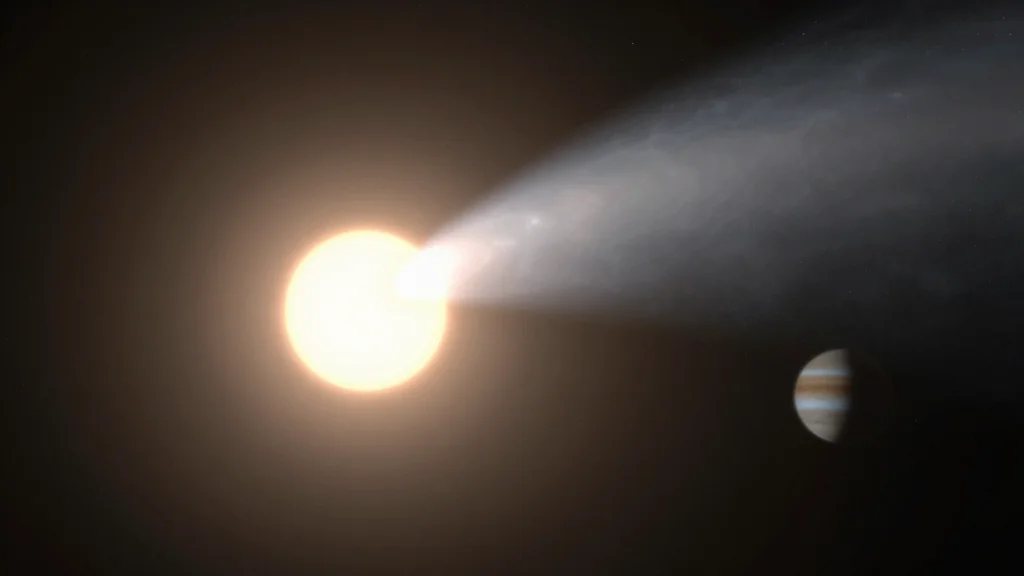
Methane Emerges From Interstellar Comet 3I/ATLAS as It Exits the Solar System
Interstellar comet 3I/ATLAS, the third‑ever detected object from outside the solar system, is now exiting beyond Jupiter after a close solar pass in October 2025. Using JWST’s mid‑infrared spectrograph, Caltech researchers observed a marked increase in methane outgassing as the...
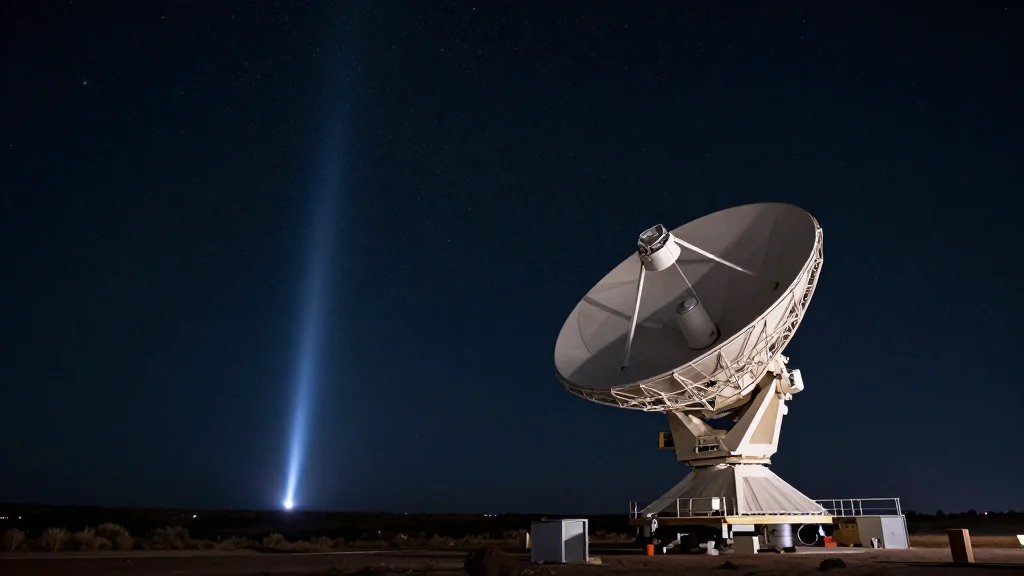
'Dancing Jets' From Black Hole Reveal an Immense Power Equivalent to 10,000 Suns
Curtin University researchers used an Earth‑spanning radio telescope array to directly measure the instantaneous power of the jets from the Cygnus X‑1 black‑hole binary. The jets were found to emit energy equivalent to the output of 10,000 suns and travel at...
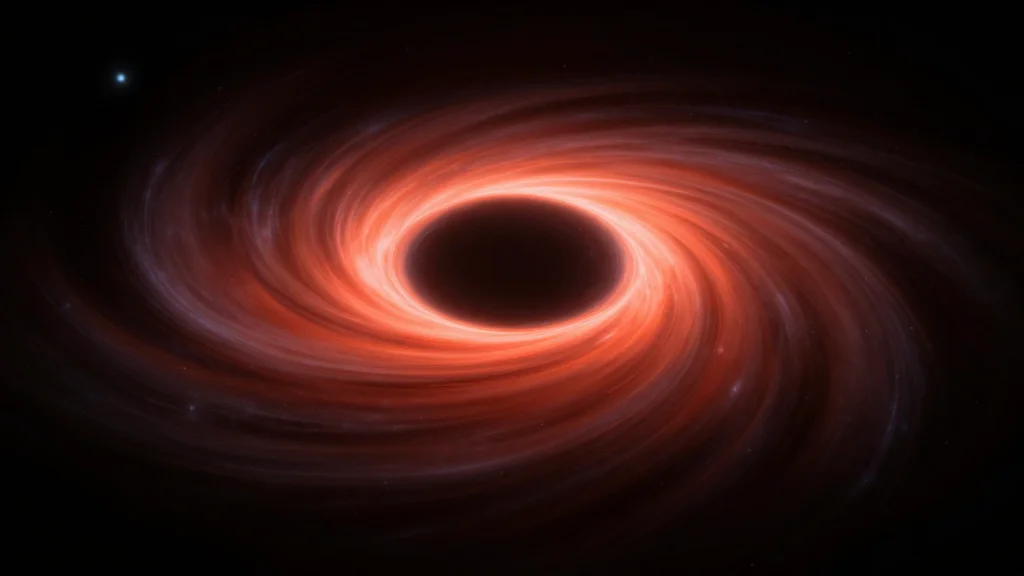
Dark Matter Could Explain the Earliest Supermassive Black Holes
Astronomers have long puzzled over supermassive black holes—up to a billion solar masses—existing less than a billion years after the Big Bang. A new study led by UC Riverside graduate student Yash Aggarwal proposes that decaying dark matter injects tiny...
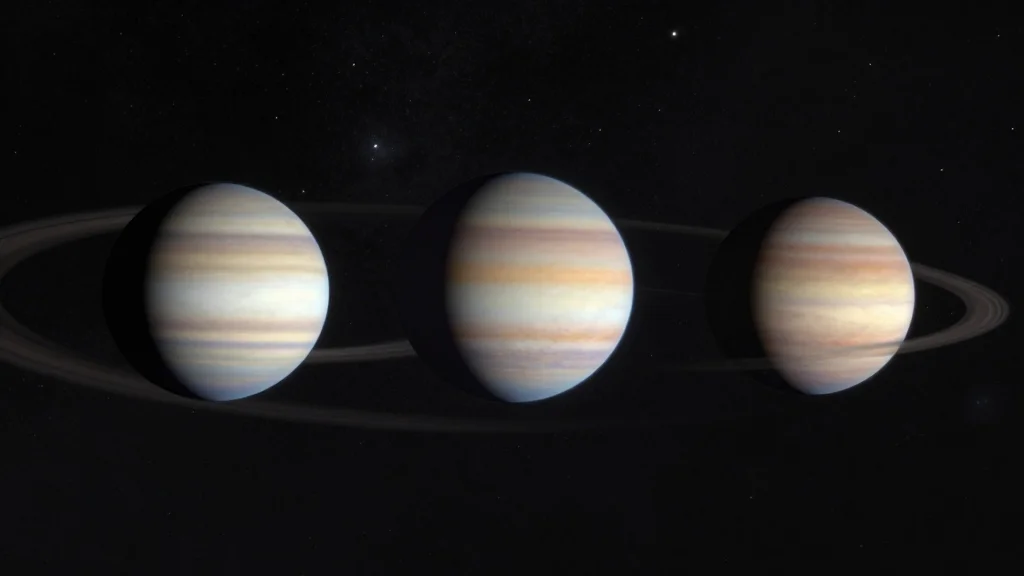
Alien Life May Hide in Plain Sight: Statistical Patterns Across Exoplanets Move Beyond Traditional Biosignatures
A team from the Institute of Science Tokyo introduced an agnostic biosignature that detects extraterrestrial life by spotting statistical patterns across groups of exoplanets rather than searching for specific gases on individual worlds. Using agent‑based simulations of panspermia and terraforming,...
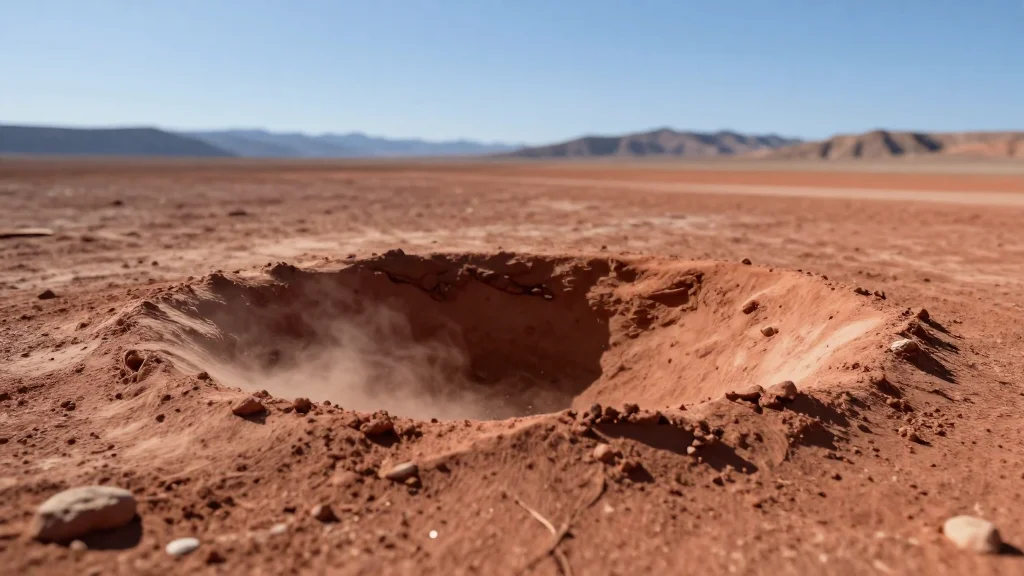
The Zhamanshin Impact Event Was Likely Much More Destructive than Thought
Researchers using high‑resolution LiDAR and five digital elevation models have re‑estimated the Zhamanshin crater in Kazakhstan to be about 26.5 km in diameter—roughly twice the size previously accepted. The larger dimensions imply an impact energy exceeding 240,000 megaton TNT, comparable to the...

'Bathtub Ring' Hints at Ancient Martian Ocean
Caltech researchers Abdallah Zaki and Michael Lamb have identified a broad, flat band encircling Mars’ northern highlands that resembles Earth’s continental shelf. The feature—dubbed a “bathtub ring”—implies a stable ocean once covered roughly one‑third of the planet’s surface. Supporting evidence...
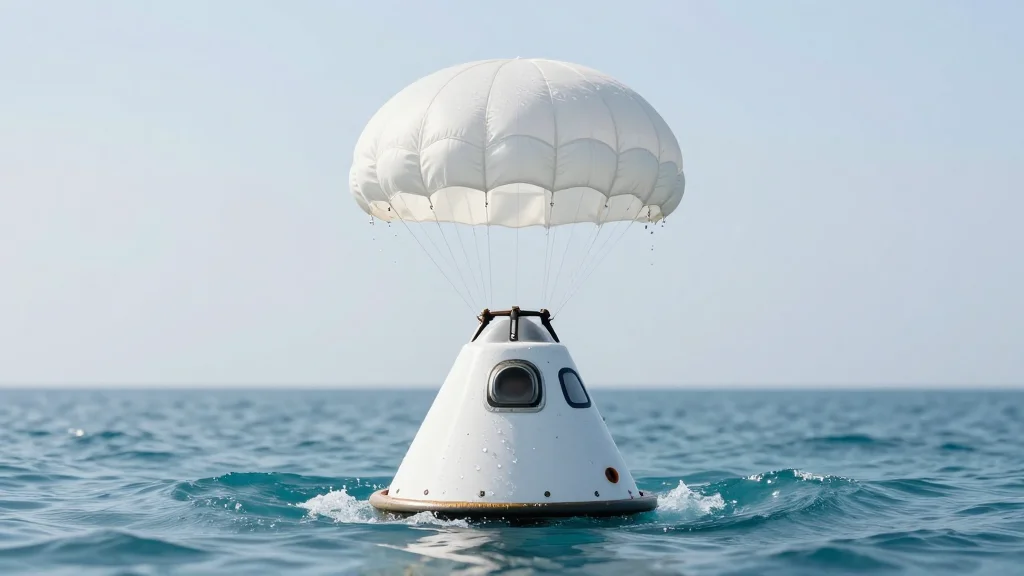
Research Helps Power Safe Return of Astronauts in Historic Orion Splashdown
NASA’s Orion capsule completed a historic splashdown on April 10, 2026, concluding the Artemis II mission. The safe descent relied on a three‑parachute system whose final design was shaped by Rice University’s fluid‑structure interaction (FSI) simulations. Researchers Tayfun E. Tezduyar and Kenji Takizawa provided the...
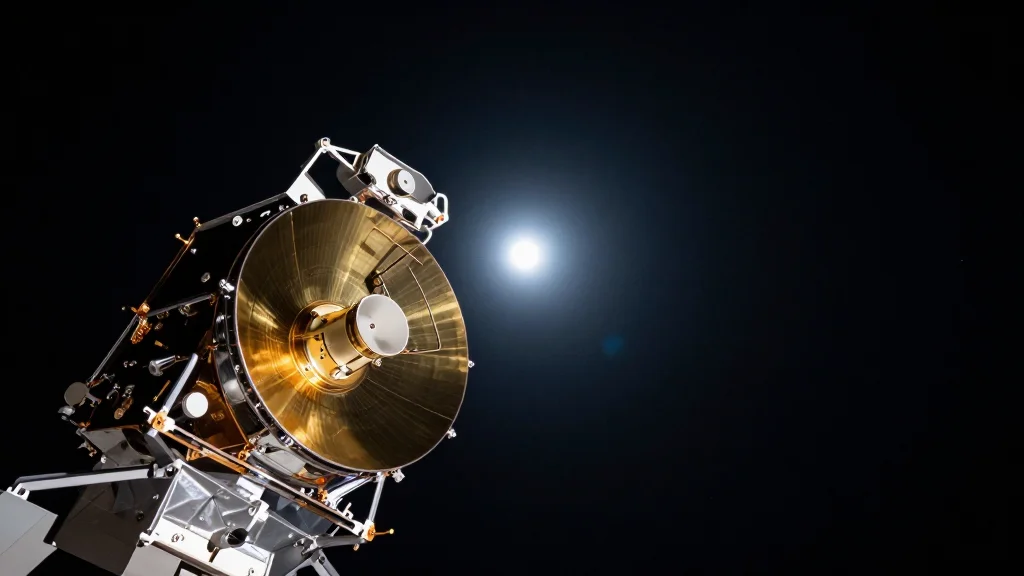
Young Stars Dim Quickly in Their X-Ray Output, Potentially Benefiting Orbiting Planets
Scientists using NASA’s Chandra X‑ray Observatory discovered that Sun‑like stars dim their X‑ray emission far more rapidly than previously modeled. By examining eight star clusters aged 45‑750 million years, they found X‑ray output drops to roughly a quarter‑third of expected levels...
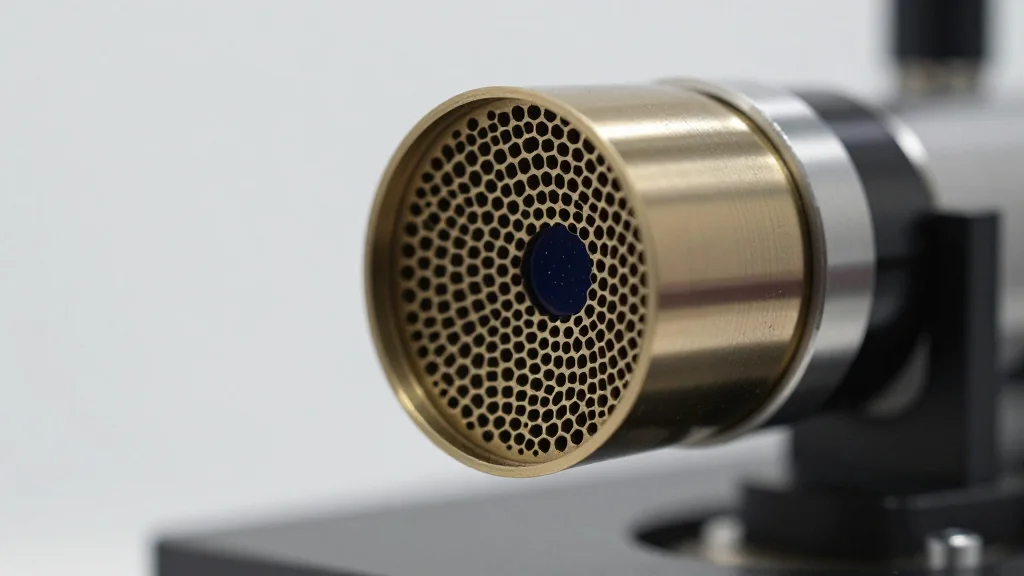
Catching Distant Gamma-Ray Explosions with Precisely Aligned X-Ray Optics
Researchers at Kanazawa University have demonstrated a practical alignment technique for the Micro Pore Optics (MPO) used in the EAGLE wide‑field X‑ray monitor, a key instrument on JAXA’s upcoming HiZ‑GUNDAM satellite. By fine‑tuning the tilt of individual lobster‑eye segments with...
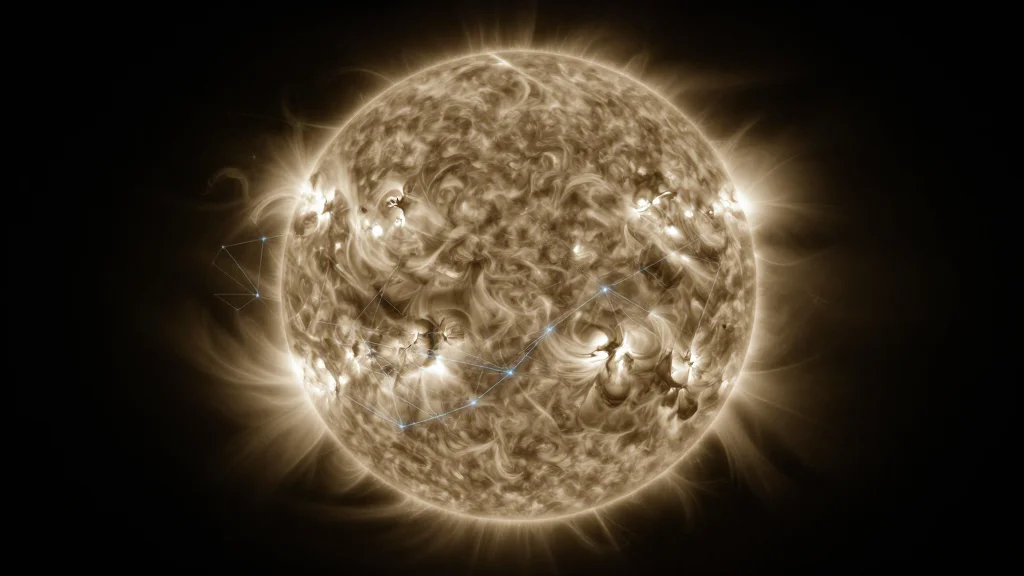
Virtual Sunspots Help AI Find Rare Magnetic Matches in Vast Solar Archives
SwRI scientists combined three machine‑learning models to generate realistic solar magnetic patches and used them as queries to retrieve matching real observations, turning generative AI into a data‑interrogation tool for heliophysics. The method links hidden generative space to physical parameters...
Not so Dark with Alena Tensor: Math Framework Could Explain Dark Matter without Invisible Particles
Physicist Piotr Ogonowski’s recent paper introduces Alena Tensor, a mathematical framework that models spacetime curvature and matter dynamics without invoking invisible dark‑matter particles. By extending the model to realistic rotating and interacting matter, it reproduces galaxy rotation curves in roughly 80 %...
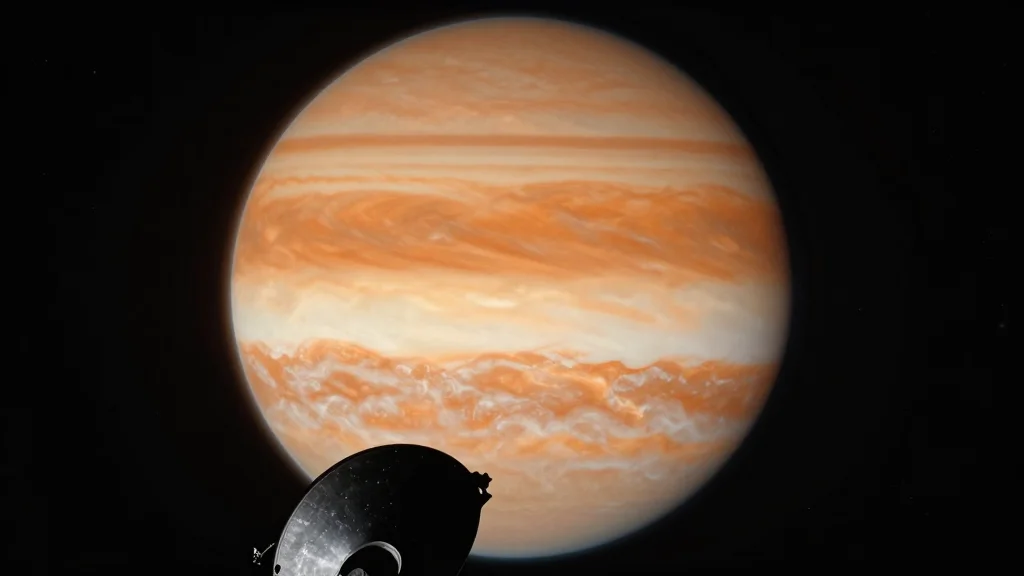
Webb Redefines the Dividing Line Between Planets and Stars
NASA’s James Webb Space Telescope directly imaged the super‑Jupiter 29 Cygni b, a planet about 15 times the mass of Jupiter. Spectroscopic data revealed strong CO₂ and CO absorption, indicating a metal‑rich atmosphere equivalent to roughly 150 Earths of heavy elements. Precise orbital measurements show...
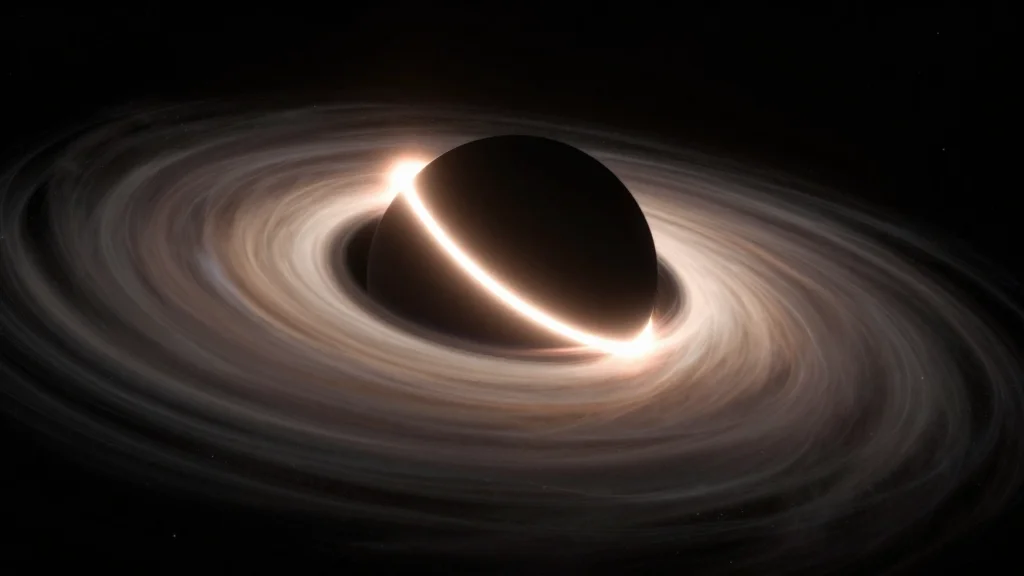
Shredded Stars Reveal How Black Holes Ignite Trillion-Sun Flares
A new study in The Astrophysical Journal Letters uses ultra‑high‑resolution smoothed particle hydrodynamics simulations to map how a star is torn apart by a supermassive black hole. By modeling the debris with tens of billions of particles, researchers showed the...

Torsion Balances Set Strongest Direct Limits yet on Ultralight Dark Matter
Researchers have demonstrated that torsion‑balance experiments, originally built to test the equivalence principle, can serve as ultra‑sensitive detectors for sub‑eV dark matter. By exploiting coherent scattering, the team set the strongest direct‑detection limits to date on dark‑matter‑nucleon interactions in the...
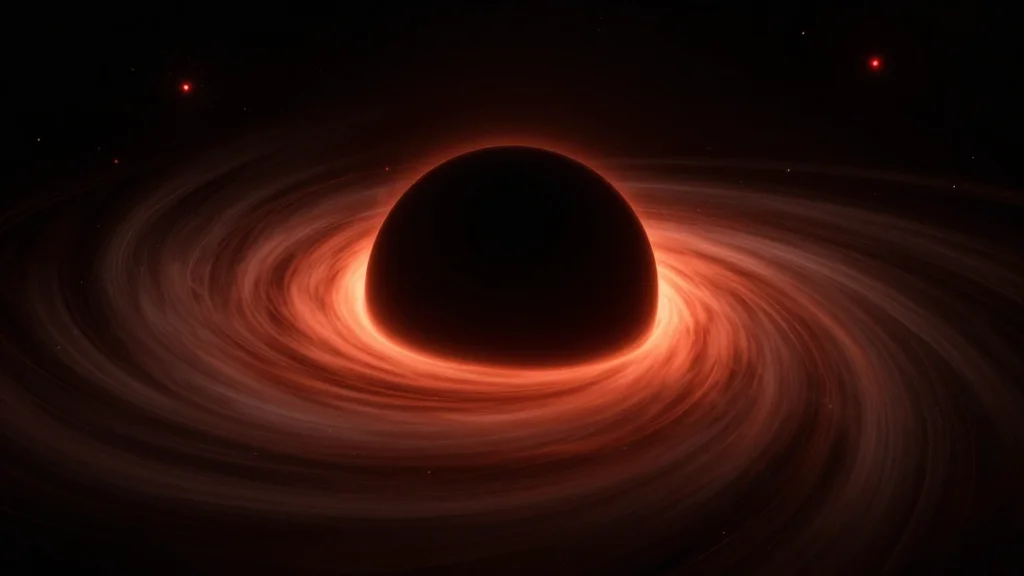
Could Dark Matter Be Made of Black Holes From a Different Universe?
New research proposes that black holes formed before the big bang survived a cosmic bounce and now constitute dark matter. The model predicts structures larger than about 90 m could persist through the contraction‑expansion transition, leaving relic black holes, gravitational waves,...
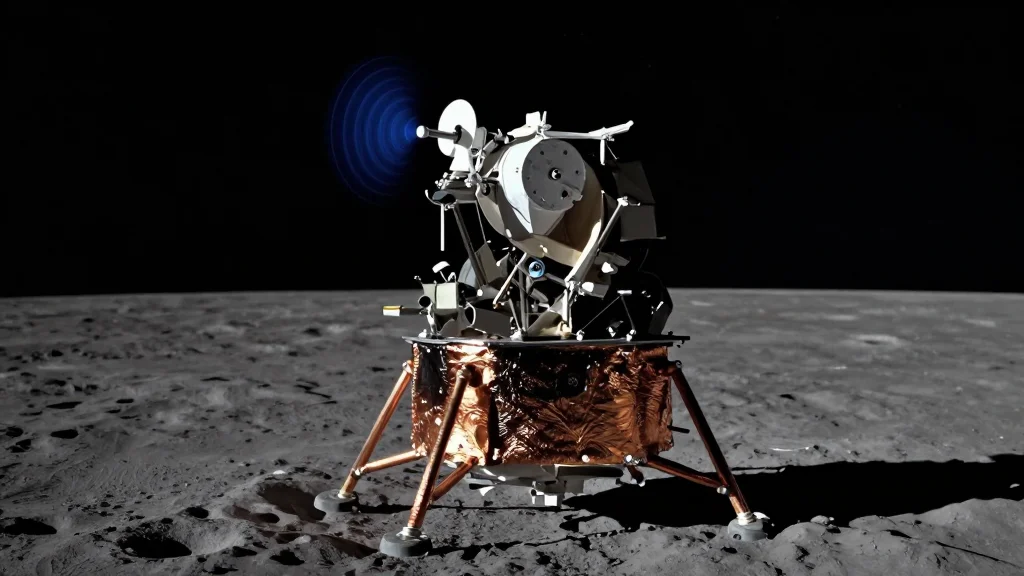
The Quietest Place We've Ever Listened From
Chinese scientists used the low‑frequency radio spectrometer on the Chang E‑4 lander to conduct the first SETI search from the Moon’s far side. The experiment looked for periodic technosignatures but found none, confirming that the signals were consistent with natural or...
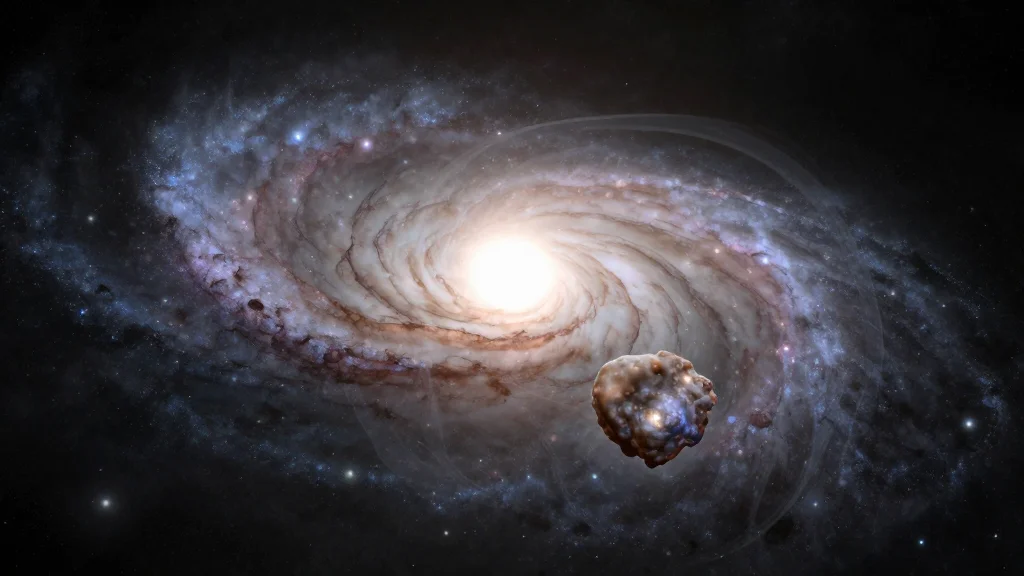
See and Hear Galaxies Evolve From the Dawn of the Universe
A new suite of audiovisual simulations called COLIBRE delivers the most realistic view yet of galaxy formation, incorporating cold interstellar gas and dust that earlier models omitted. Leveraging 20 times higher resolution and 72 million CPU‑hours on the UK’s COSMA8 supercomputer, the...
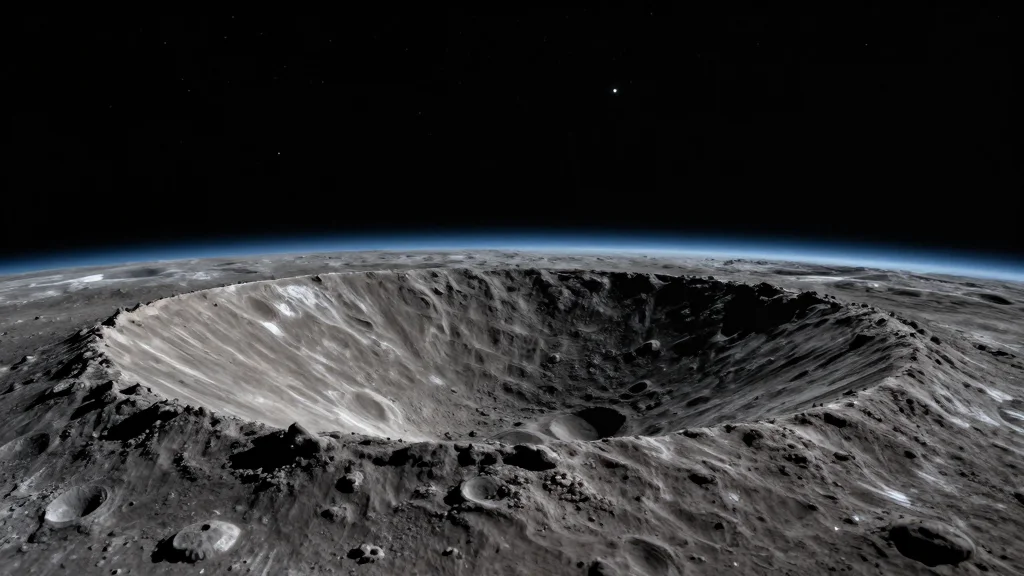
The Moon Just Got a New Scar
In late spring 2024 a meteoroid struck the Moon, creating a 225‑meter‑wide, 43‑meter‑deep crater—the largest impact captured by NASA’s Lunar Reconnaissance Orbiter (LRO) to date. Researchers compared meter‑scale images taken before and after the event, revealing bright ejecta rays, a...
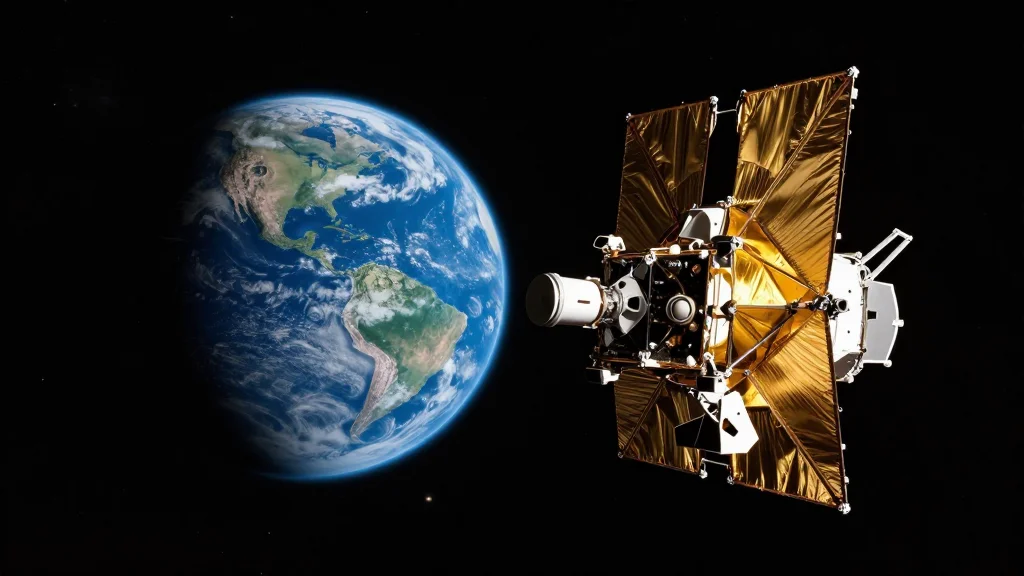
Between Eternal Night and Day, the Faces of Two Cousins of Earth
An international team using the James Webb Space Telescope has produced the first climate maps of two Earth‑sized exoplanets, TRAPPIST‑1b and TRAPPIST‑1c. Thermal phase‑curve data reveal day‑night temperature differences exceeding 500 °C, indicating the planets lack substantial atmospheres. The study, published...
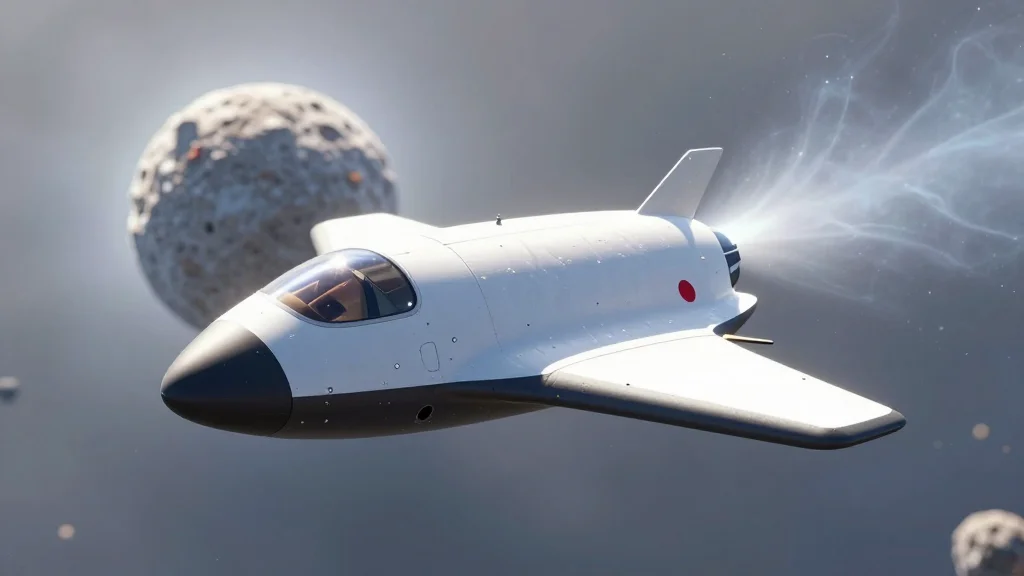
JAXA Plans to Bring Back Pristine Early Solar System Samples From a Comet
Japan’s space agency JAXA has outlined the Next Generation Small‑Body Return (NGSR), a large‑class mission to retrieve pristine material from comet 289P/Blanpain. The 2034 launch will send a lander that will impact the comet’s surface, collect subsurface ice and dust,...
Astronomers Find the Strongest Evidence yet for the Universe's First Stars
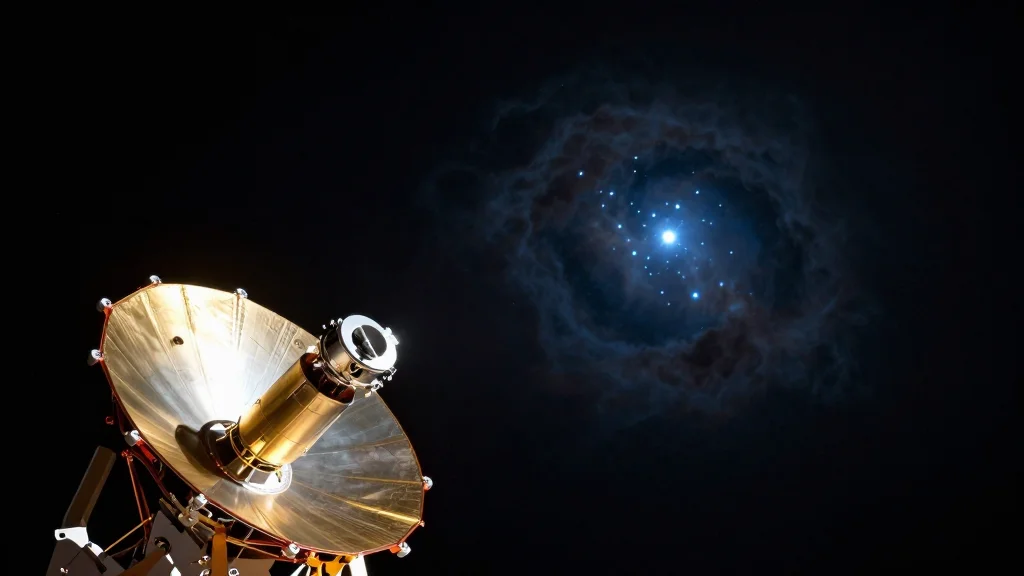
Astronomers using JWST’s NIRSpec‑IFU have identified a faint doubly ionized helium signal from a compact companion, Hebe, located near the early galaxy GN‑z11, 400 million years after the Big Bang. Two independent pre‑print studies confirm the helium emission and the absence...
Meet Orpheus—A Hopper Mission Built to Hunt for Life in Martian Volcanoes
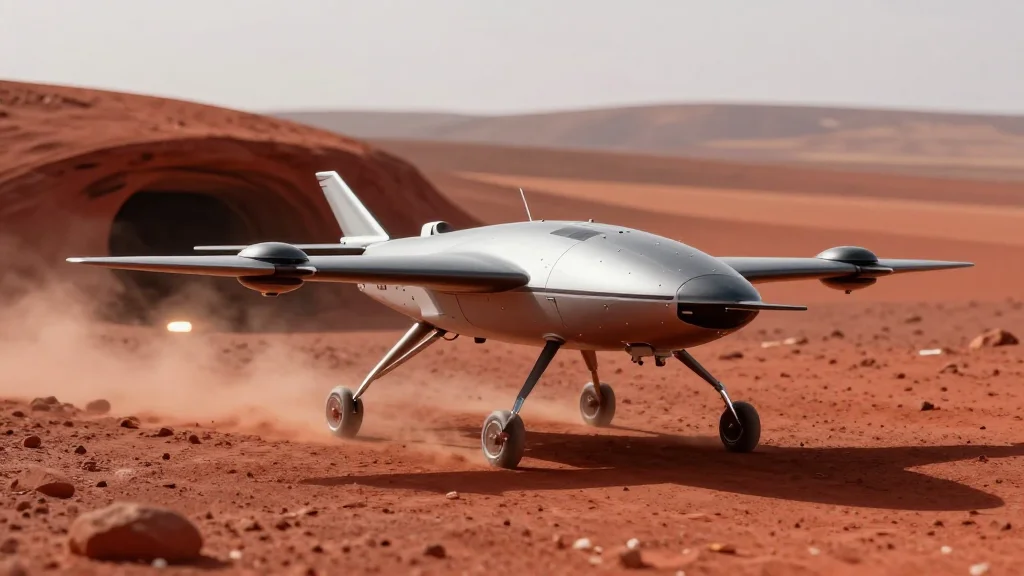
Researchers at the SETI Institute have proposed Orpheus, a vertical take‑off and landing (VTOL) hopper designed to explore the volcanic fissures, pits, and vents of Mars’s Cerberus Fossae region. Targeting the young volcanic deposits and a specific vent (Vent #5)...