
Europe’s Nuclear Options
The article warns that Europe’s nuclear stability is under threat as the global architecture that once curbed proliferation collapses. A U.S.-Israeli war over Iran has exposed the fragility of deterrence, prompting a shift toward stronger conventional forces and renewed U.S. engagement. Policymakers are urged to preserve restraint while rebuilding NATO cohesion and arms‑control mechanisms. The piece frames Europe’s challenge as balancing deterrence with proactive non‑proliferation measures.
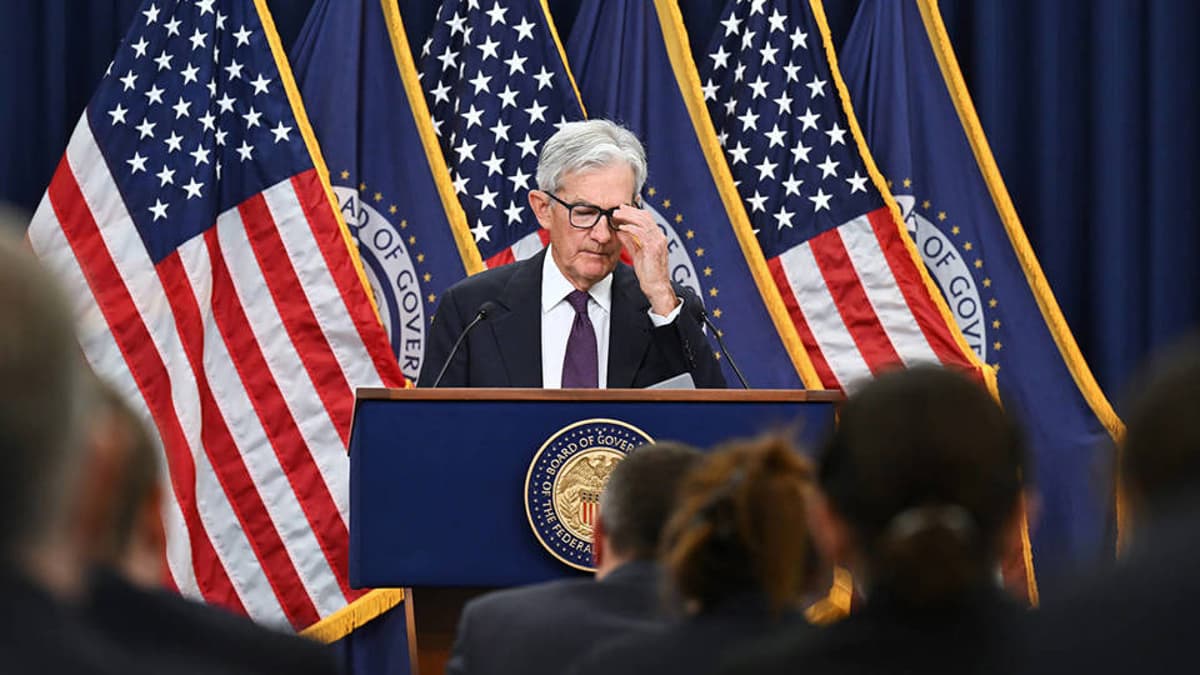
Central Banking in an Age of Global Supply Shocks
Central banks' long‑standing inflation‑targeting framework is increasingly misaligned with a world marked by recurring supply‑side shocks and geopolitical fragmentation. Recent bond market data underscore this mismatch: the 30‑year U.S. Treasury yield climbed to 5.2%, the German 10‑year Bund hit a...
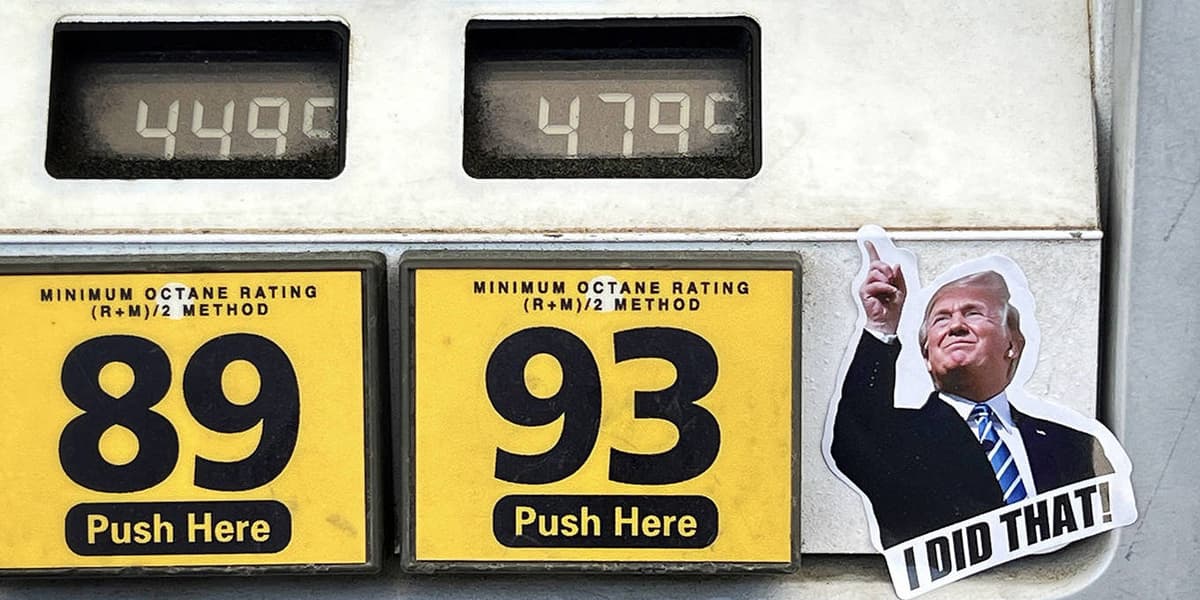
Americans Can’t Afford Trump’s Economy
President Donald Trump’s economic agenda is accelerating inflation while wages lag, leaving many Americans unable to afford basic goods. The article attributes higher prices to tariffs, energy policy shifts, and a large‑scale deportation program that tightens the labor market. It...

India’s External Shock Is an Economic Opportunity
India’s external account is under strain as energy imports rise, shipping routes face geopolitical risk, and capital markets react to global tensions. Prime Minister Narendra Modi has urged citizens to curb gold purchases, limit overseas travel, use public transport and...

The Gangster Logic of Trump’s Tariff Wars
President Donald Trump has escalated tariffs into tools of extortion, demanding investment commitments from trading partners that serve his political agenda. In his second term, the administration pairs tariffs with sanctions to pressure both allies and adversaries. This shift from...

How to Build a Sovereign AI Stack
The article argues that true AI sovereignty cannot be achieved by a single nation; it requires coalitions of countries to co‑design regulation, infrastructure, model layers, and agent interfaces. While investing in national champions, compute clusters, and data pipelines is important,...

The Root of Today’s Global Imbalances
The article argues that today’s global imbalances stem from divergent domestic saving‑investment ratios amplified by geopolitical rivalry, technology competition, and volatile capital flows. The United States now runs a sizable current‑account deficit while China has reverted to large surpluses, reviving...

AI’s Shadow Global Governance
The article argues that global AI governance is far more nuanced than the prevailing US‑China rivalry narrative. It uses Ismail Kadare’s medieval bridge metaphor to illustrate the complex, multi‑layered challenges of coordinating AI policy across diverse nations. While the United...
A Defining Moment for Central Asia
Uzbekistan’s National Investment Fund is set to launch an IPO that could reshape investor perception of Central Asia. The fund manages $2.4 billion in assets and is being valued at $1.95 billion, roughly a 20 % discount to book. Proceeds are expected to...

The World Must Not Turn Its Back on Vaccination
Global childhood immunization has stalled as financing fell up to 40 % since 2023, leaving half of the 14 million never‑vaccinated children in conflict‑affected zones. The World Health Assembly now faces a choice between renewed commitment to the most cost‑effective public‑health tool...
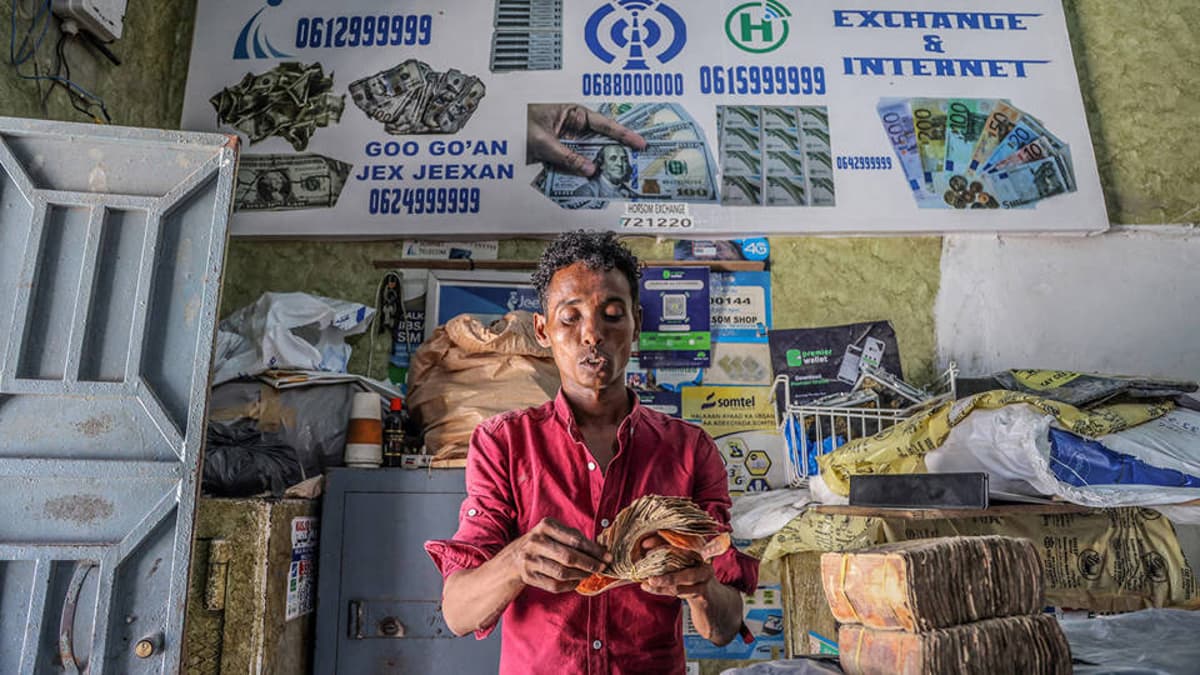
How Africa Can Escape the Debt Trap
Africa accounts for less than 3% of global sovereign debt despite representing about one‑fifth of the world’s population, yet the continent is portrayed as being in a persistent debt crisis. Its average debt‑to‑GDP ratio of 67% is lower than the...

Overcoming the AI Wisdom Gap
AI chatbots are increasingly used for emotional support, prompting calls for moral guidance. A New York Times essay by psychologist David DeSteno asks whether religion can make AI more moral, emphasizing that rituals—not doctrine—drive human virtue. DeSteno argues AI lacks a body...

Interest Rates Can’t Control Today’s Inflation
Inflation is rising again in advanced economies, driven by geopolitical turmoil, surging energy prices, and fragile supply chains rather than excess demand. Central banks such as the U.S. Federal Reserve and the Bank of England have kept interest rates steady,...

Who Will Solve the AI Productivity Puzzle?
Generative AI tools have been widely deployed, yet overall productivity growth remains flat. Firms capture task‑level time savings but struggle to turn them into measurable economic output. The article questions whether the answer lies in overhauling existing organizations or bypassing...

Gold’s Grim Message
Central banks are accelerating purchases and repatriation of gold, a move the author ties to rising deglobalization. Emerging‑market central banks have more than doubled their gold reserves since the 2008 financial crisis. The surge comes amid heightened geopolitical tension, notably...