
Gold’s Grim Message
Central banks are accelerating purchases and repatriation of gold, a move the author ties to rising deglobalization. Emerging‑market central banks have more than doubled their gold reserves since the 2008 financial crisis. The surge comes amid heightened geopolitical tension, notably the war with Iran, which has made gold price dynamics more volatile. Analysts question whether gold remains a prudent reserve asset in this fragmented environment.
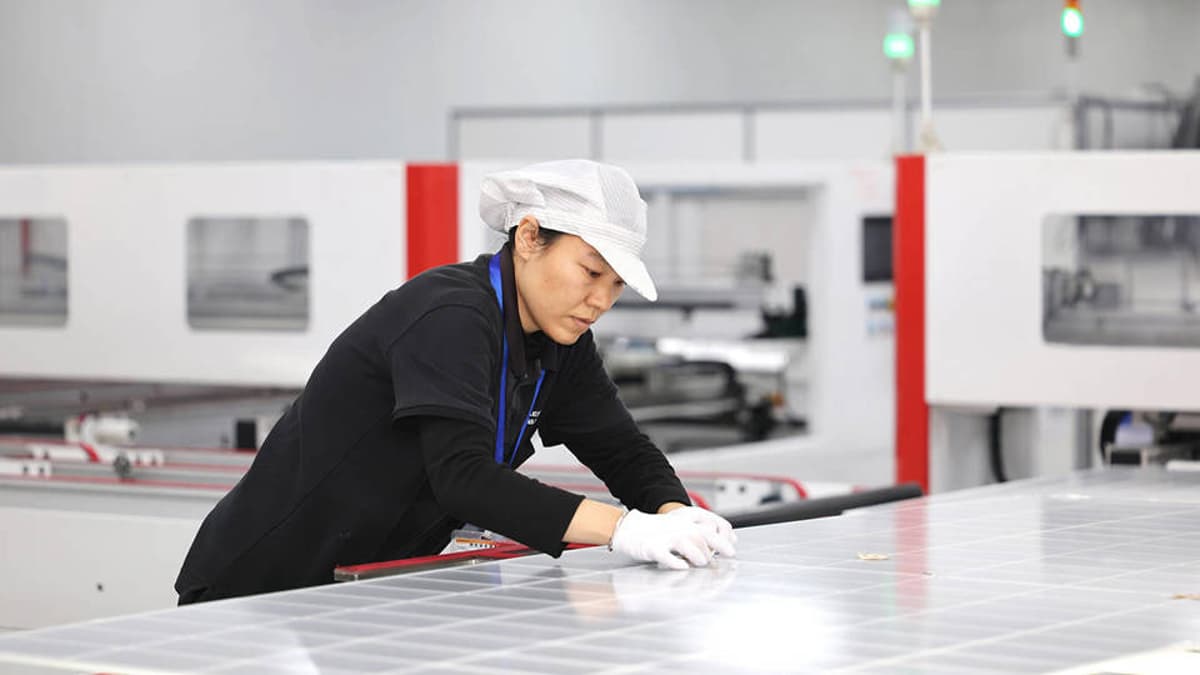
Europe Is Losing the Energy-Security Battle to China
Europe’s energy‑security advantage is shifting from fossil‑fuel access to low‑cost, domestically produced electricity, a transition where China now leads. Since the Iran war, the EU has spent an extra $28 billion on fossil imports while China’s electricity accounts for roughly 30%...

Is the Global Financial System Making the Hormuz Shock Worse?
The article argues that the current global financial architecture is aggravating the economic fallout from the Hormuz shock, a sudden disruption in oil flow through the Strait of Hormuz. Instead of providing liquidity, capital is fleeing vulnerable markets, pushing up...

The Missing Linchpin of European Hard Power
Europe is accelerating its rearmament by building financial and industrial capacity after the Ukraine war and perceived U.S. disengagement. The article warns that without a unified political authority to command this new power, the continent could become more vulnerable. Recent...
The Blind Spots of African Development Finance
Africa’s development‑finance ecosystem is expanding quickly, but its analytical capacity has not kept pace, creating blind spots around contingent liabilities, transactional risk assessments, and pricing benchmarks. The article argues that without integrated macro‑financial intelligence, new instruments risk being mis‑priced and...

India’s New Globalization Raj
India is rapidly shedding its historic economic seclusion in favor of an assertive global trade stance. Recent policy reforms—ranging from tariff reductions to streamlined foreign‑investment rules—have accelerated the country’s integration into worldwide supply chains. The shift is reflected in robust...
Debtor Countries Finally Have a Group of Their Own
On April 15, a coalition of developing nations launched the Borrowers’ Platform to coordinate debt‑management strategies and negotiate with international lenders. The initiative builds on the Sevilla Commitment, a framework adopted at the 2023 Fourth International Conference on Financing for...
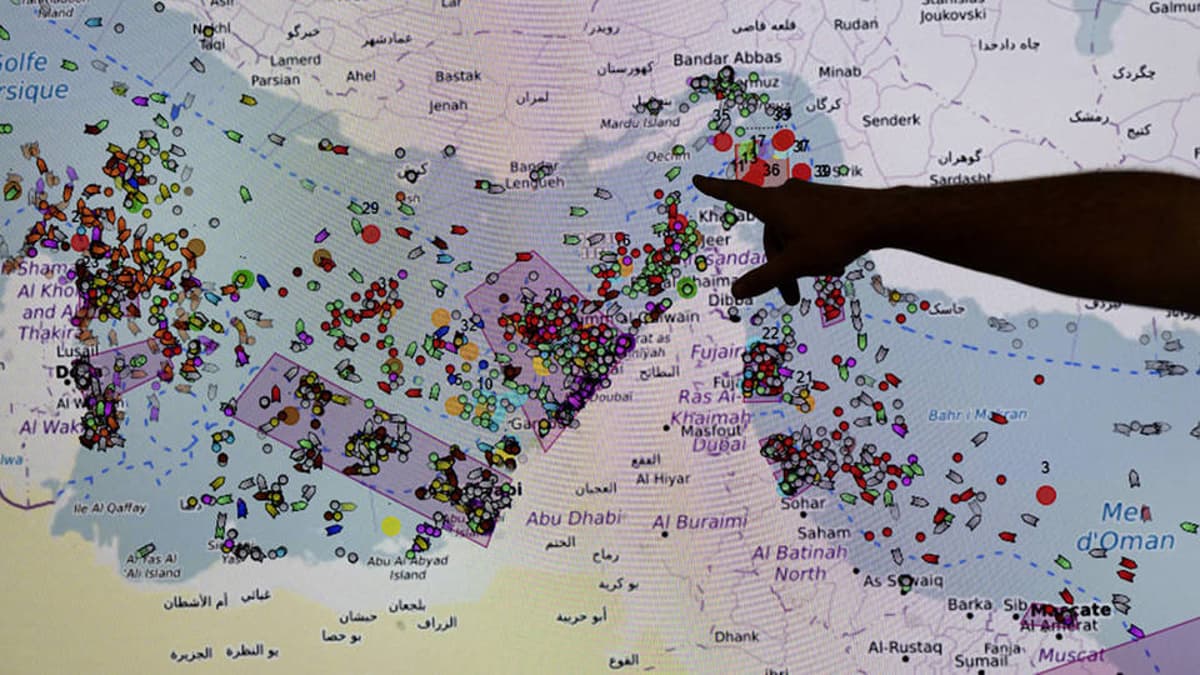
The Iran War’s Strategic Fallout
The US‑Israeli war with Iran has destabilized the Middle East, spiked energy prices and ignited a historic geopolitical realignment. The conflict exposed Iran as an unpredictable superpower, forcing both allies and rivals to rethink security postures. Analysts compare the magnitude...
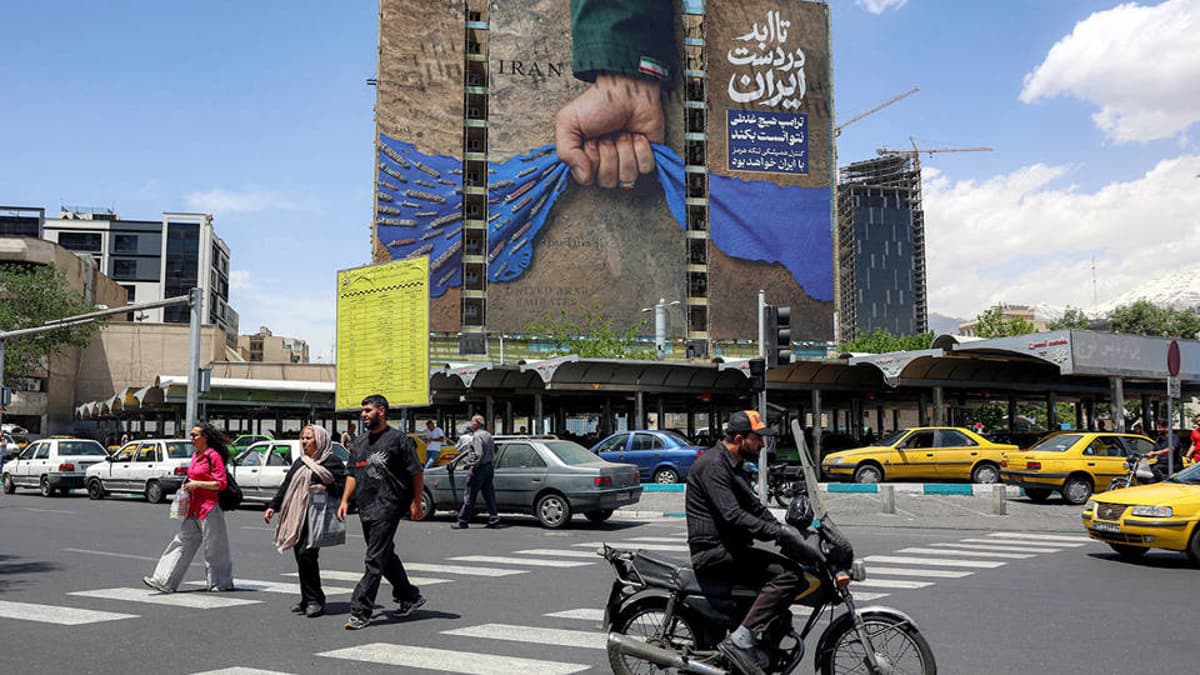
The Iran Standoff and the Future of Oil
The United States has officially declared the three‑day conflict with Iran over, yet diplomatic friction persists as Tehran signals a strong negotiating position. Analysts argue that Iran is likely to emerge with a strategic win, which could push global oil...
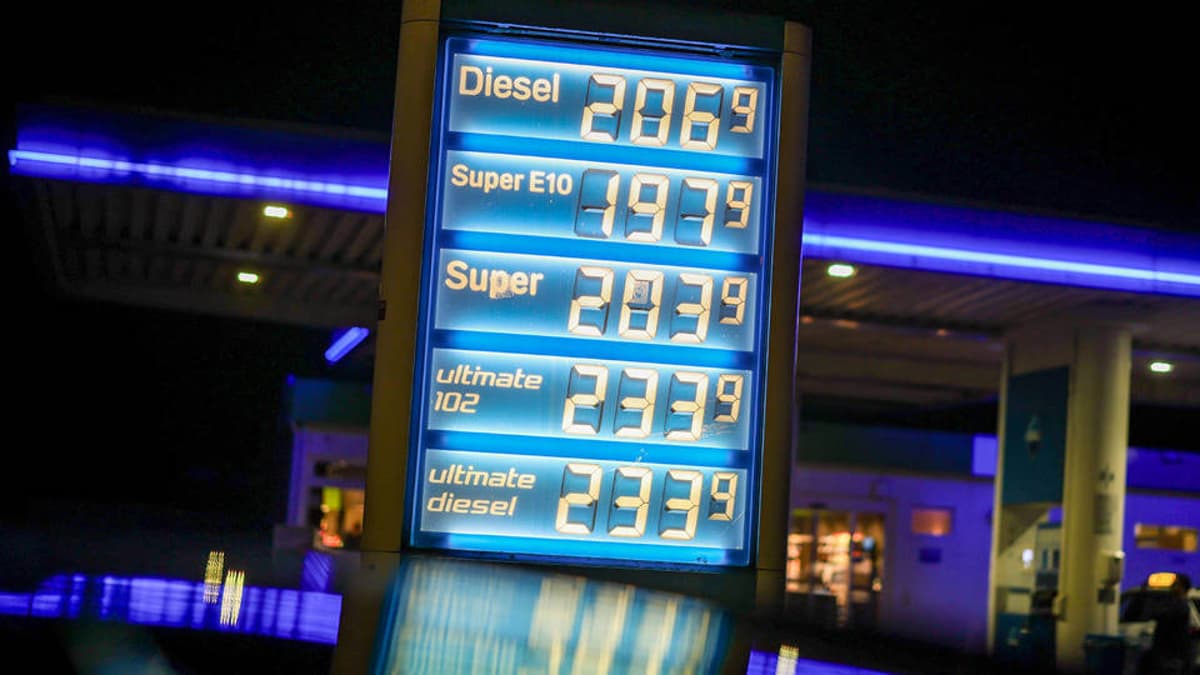
How Should Europe Respond to the Energy Shock?
European governments have largely responded to the Iran‑driven energy shock by cutting fuel taxes, a move that the author argues misses the strategic opportunity presented by soaring oil prices, which have risen to about $115 per barrel. Instead of subsidizing...
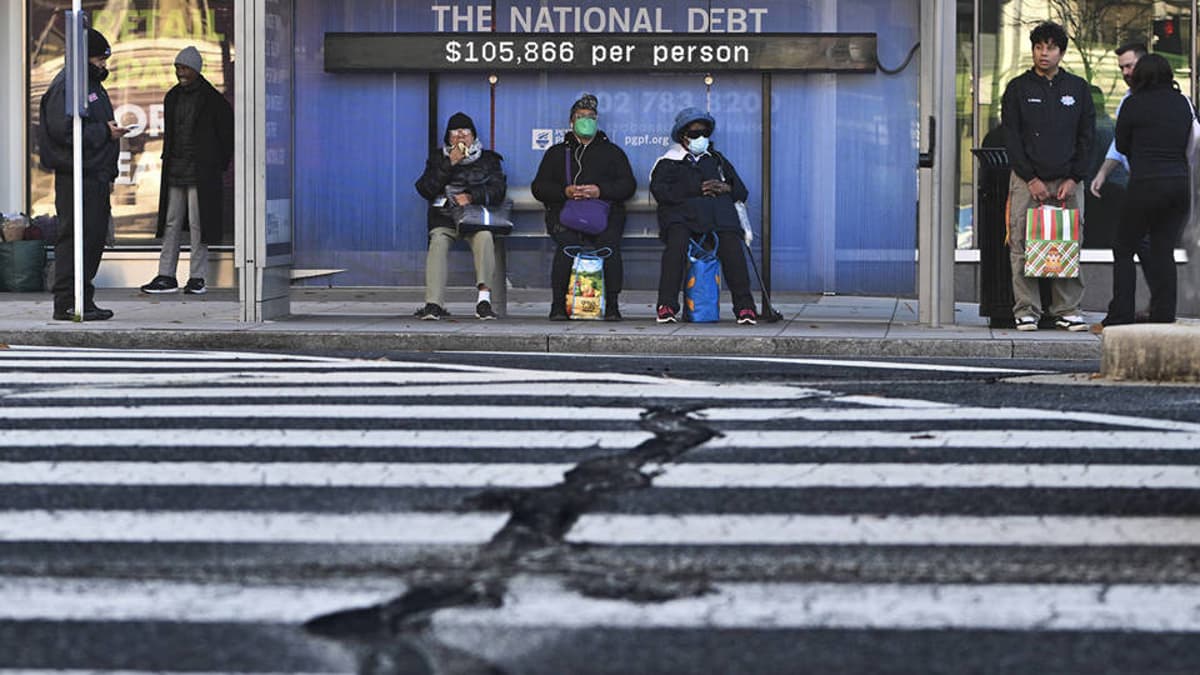
Fiscal Discipline Requires More than Rules
Government debt in many advanced economies has reached its highest level outside wartime, while emerging‑market debt continues a decade‑long upward trend. The recent shift away from ultra‑low interest rates intensifies concerns over fiscal sustainability. Research shows that merely imposing fiscal...
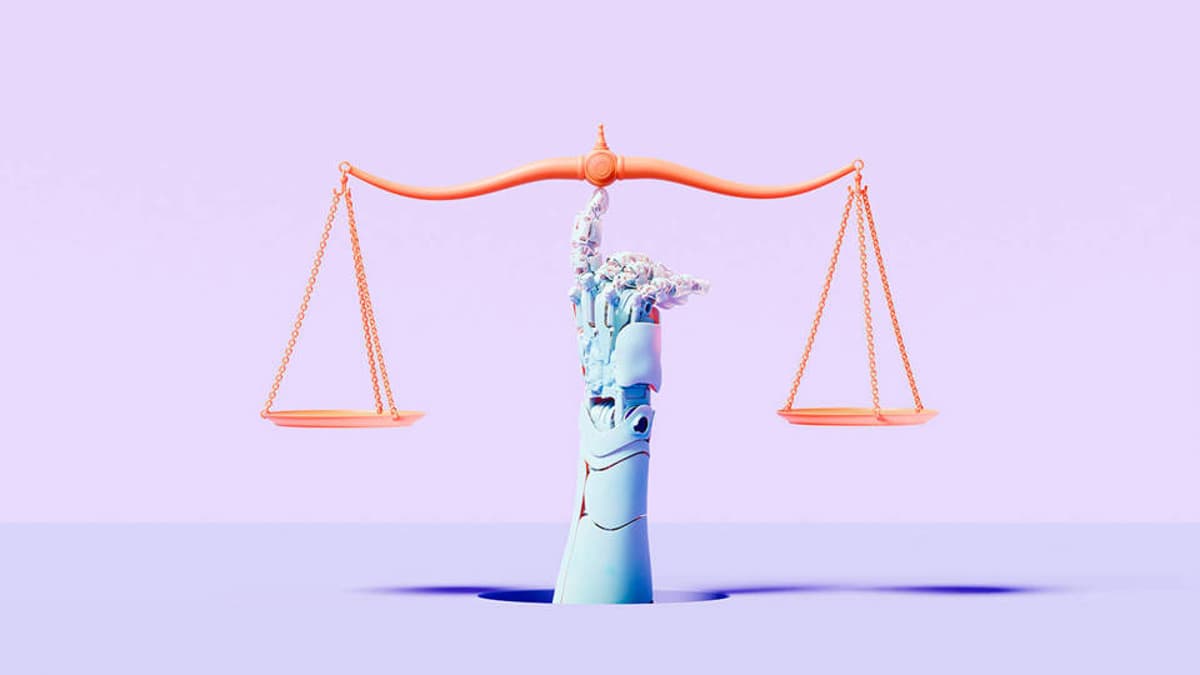
Will AI Democratize Skills?
Recent research indicates AI can raise the productivity of customer‑support agents by roughly 15% on average, with the biggest improvements observed among less‑experienced workers. Parallel macro‑level analyses suggest similar AI‑driven efficiency gains across broader economies. These findings revive optimism that...
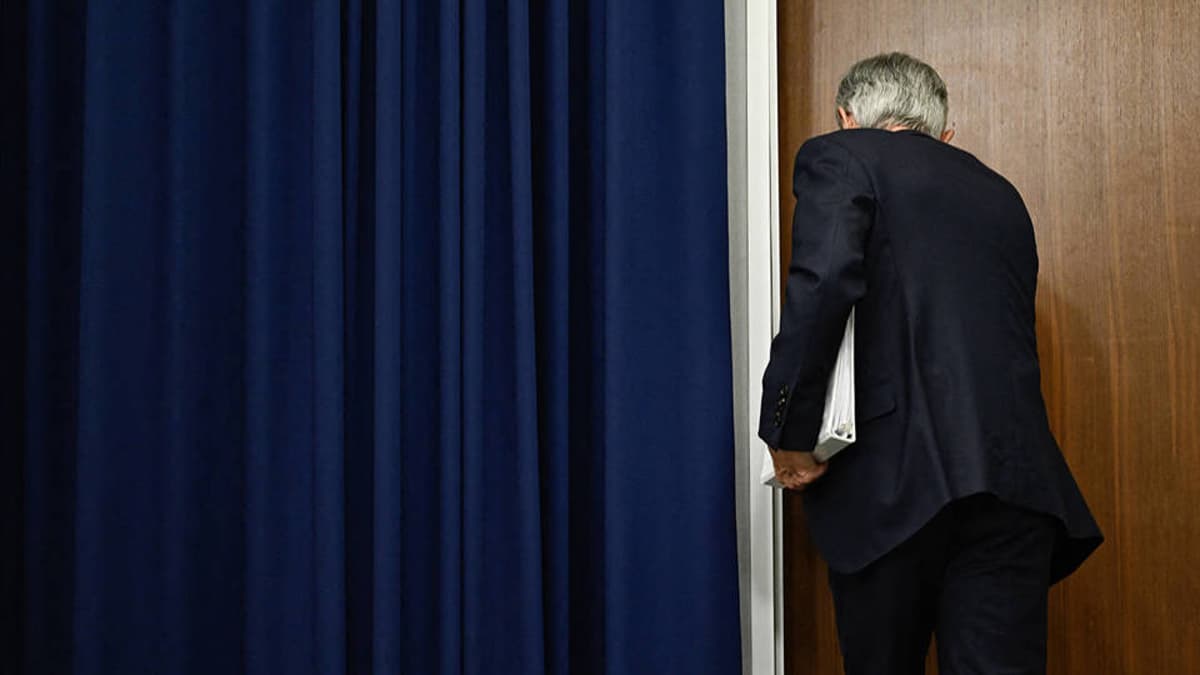
Jerome Powell’s Mixed Legacy
Jerome Powell will step down as Federal Reserve chair on May 15, 2026 after two terms marked by aggressive rate hikes and a high‑profile battle against inflation. He plans to remain on the Fed’s Board of Governors, a move that reinforces his...
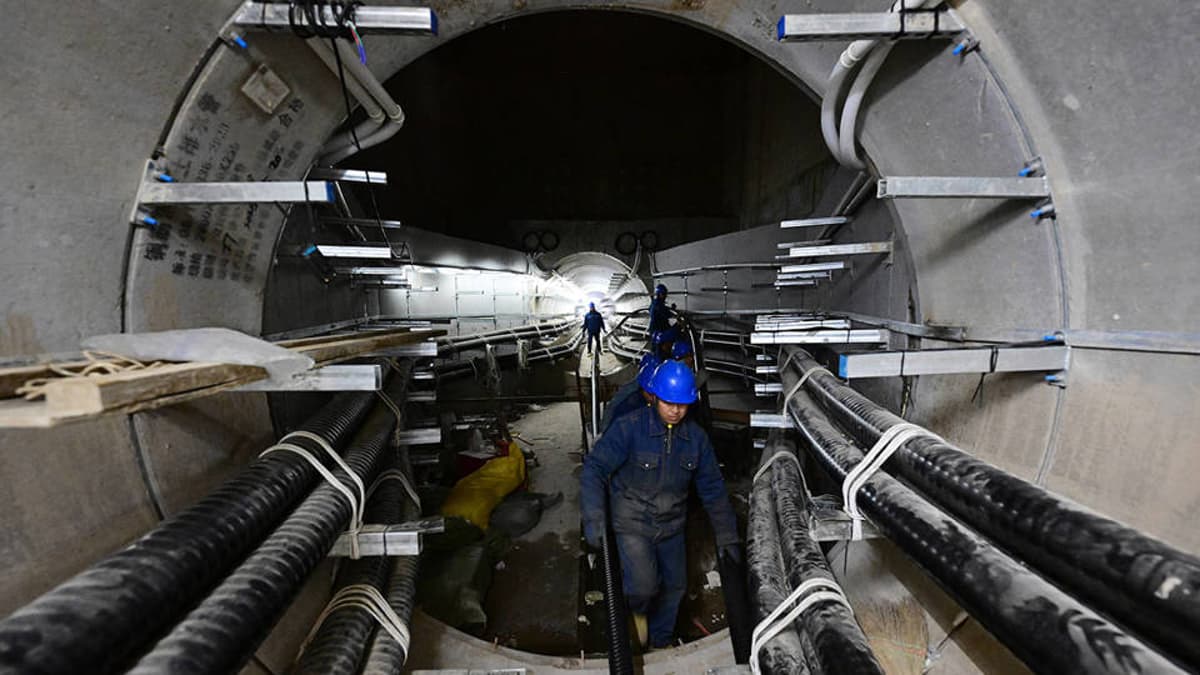
China’s Return to Infrastructure-Led Growth
China has pivoted back to infrastructure‑driven growth after lackluster consumption stimulus. First‑quarter 2026 GDP expanded 5% year‑on‑year, snapping a slowdown that began in late 2025. The producer price index turned positive, rising 0.5% YoY and ending a 41‑month deflationary run....
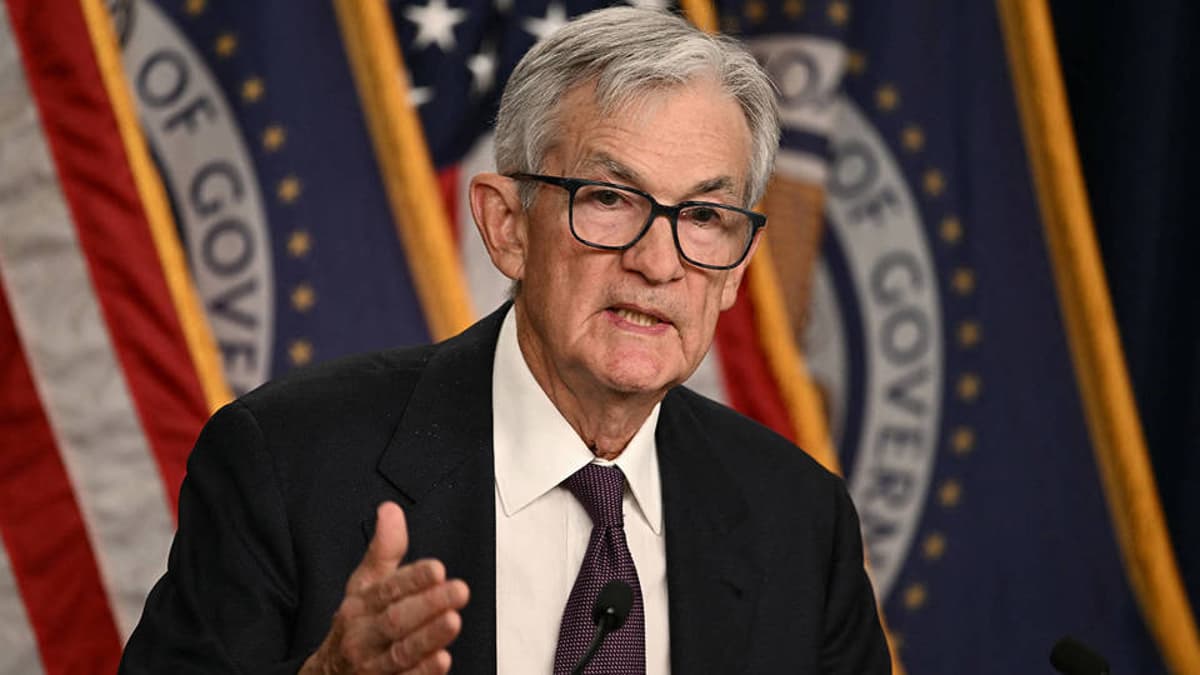
Jerome Powell’s Finest Hour
Jerome Powell, the outgoing Federal Reserve chair, is being cast as a modern‑day Churchill for defending the central bank’s independence against President Donald Trump’s political pressure. The piece argues that despite policy missteps, Powell’s willingness to push back on attempts...

The Consensus on China’s Economy Is Strong—And Wrong
Arvind Subramanian argues that the prevailing view of China’s economy— that it sacrifices domestic consumers for export‑driven growth— is fundamentally flawed. He notes that Chinese households have seen living‑standard gains faster than any other nation in recorded history. While China’s...
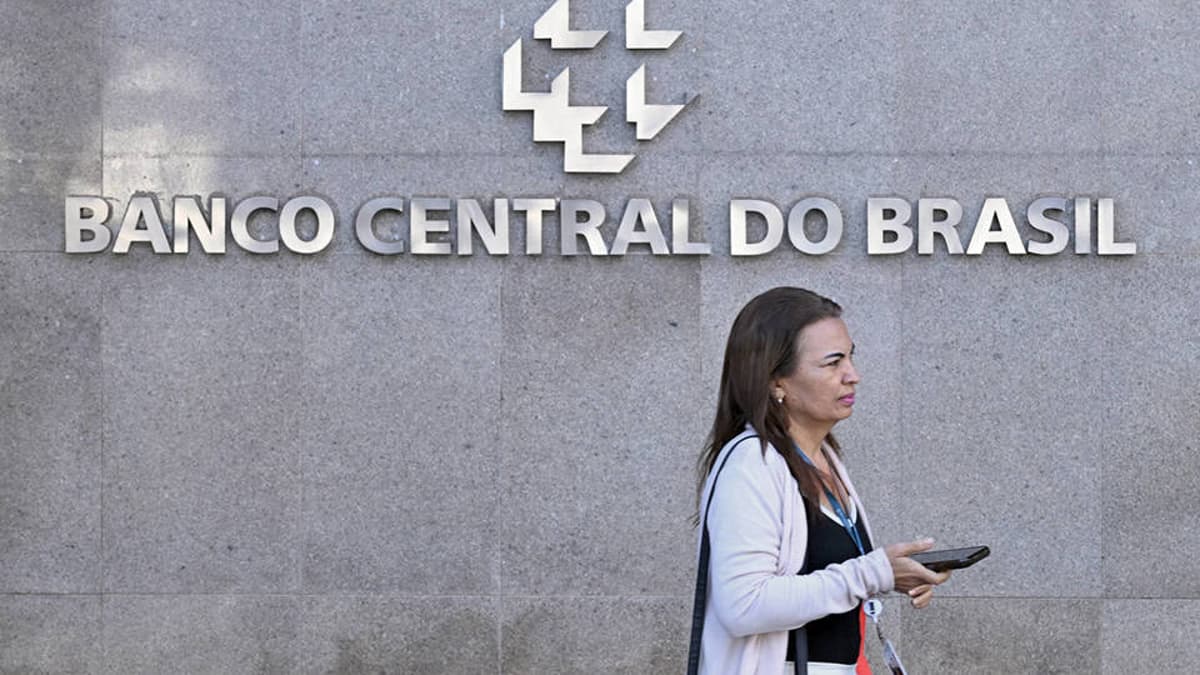
The Geopolitical Battle Over Monetary Infrastructure
The United States has publicly warned Brazil over its instant‑payment system Pix, viewing the platform as a challenge to traditional monetary sovereignty. The article argues that control of payment rails—ranging from retail‑level instant transfers to wholesale central‑bank digital currencies—has become...
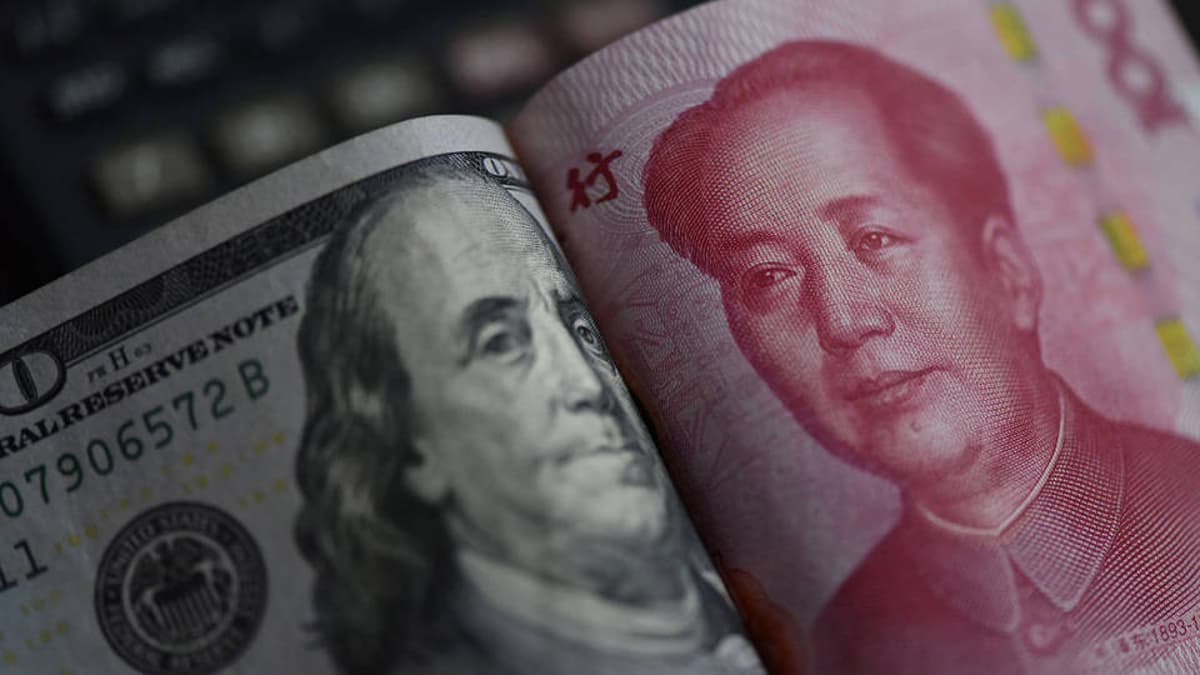
Has De-Dollarization Begun?
U.S. President Donald Trump’s escalating conflict with Iran is prompting global policymakers to question the dollar’s dominance. At the IMF and World Bank spring meetings in Washington, officials highlighted the erosion of confidence in the U.S. financial system. UK Chancellor...

A US-India Partnership for the AI Age
The United States, while retaining a lead in frontier AI models and high‑end compute, is seeking a strategic partnership with India to secure the talent and data needed to stay ahead of China’s accelerating AI capabilities. Washington views AI as...
The Real Private-Credit Risk Is Opacity, Not Leverage
Private credit has surged to over $1 trillion, drawing retail investors into a market once dominated by institutions. While leverage levels remain modest, the sector’s opacity is raising alarms as defaults climb and liquidity tightens. Funds, insurers and non‑bank lenders operate...
A New Economics for the 21st Century
The World Bank announced a reversal of its long‑standing opposition to industrial policy, signaling a new openness to government‑led economic strategies. The shift comes ahead of the IMF and World Bank Spring Meetings and reflects growing acknowledgment of evidence that...
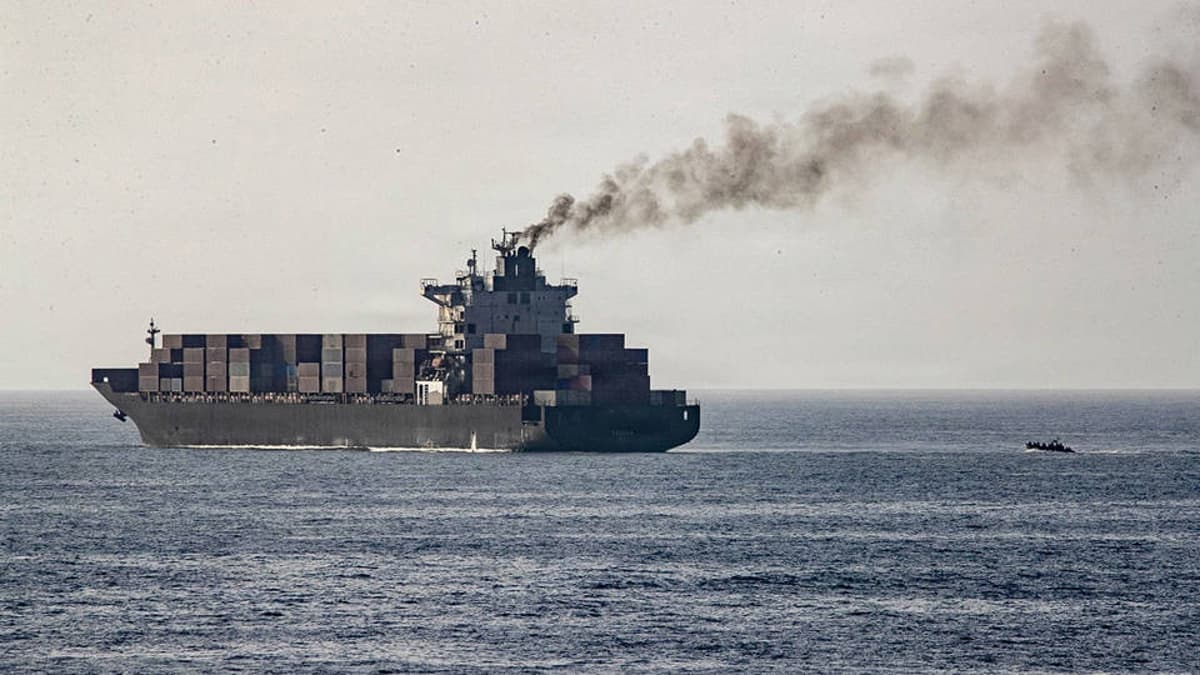
An Economic Model for Securing Hormuz
With roughly one‑quarter of global seaborne oil flowing through the Strait of Hormuz, recent disruptions have highlighted the fragility of the world’s energy supply chain. The authors contend that a military solution to a potential closure is unlikely to succeed...
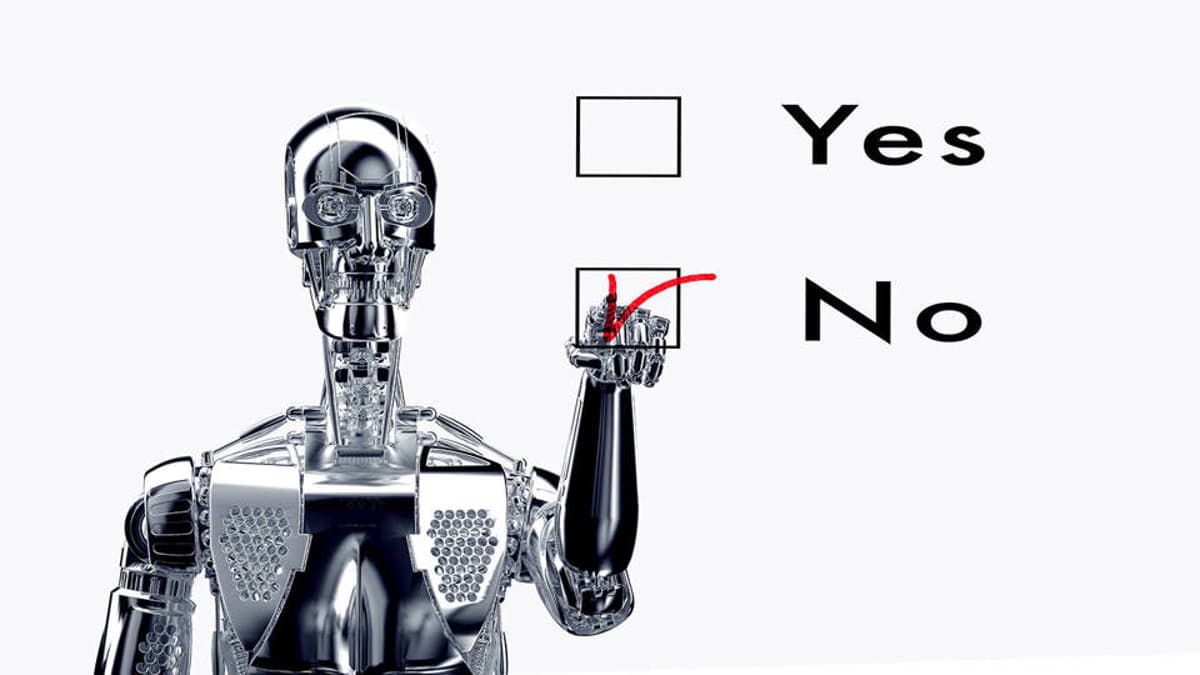
Beware of Government by AI
The United Arab Emirates announced it will run half of its government services on agentic AI within two years, positioning AI as an autonomous executive partner that can analyze, decide, execute, and improve in real time. The plan, outlined by...

Bigger Defense Budgets Are Not Enough to Secure Europe
Europe is finally raising defense budgets after years of stagnation, but analysts say the surge in spending does not automatically close the capability gap. The continent’s strategic autonomy remains constrained by a shortage of critical technologies such as advanced sensors,...

Preventing Online Child Abuse Should Be Easier
A New Mexico jury ruled that Meta’s platforms exposed children to predators and sexually explicit material, and that the company misled the public about those risks. The verdict marks a rare legal defeat for the tech giant on the issue...
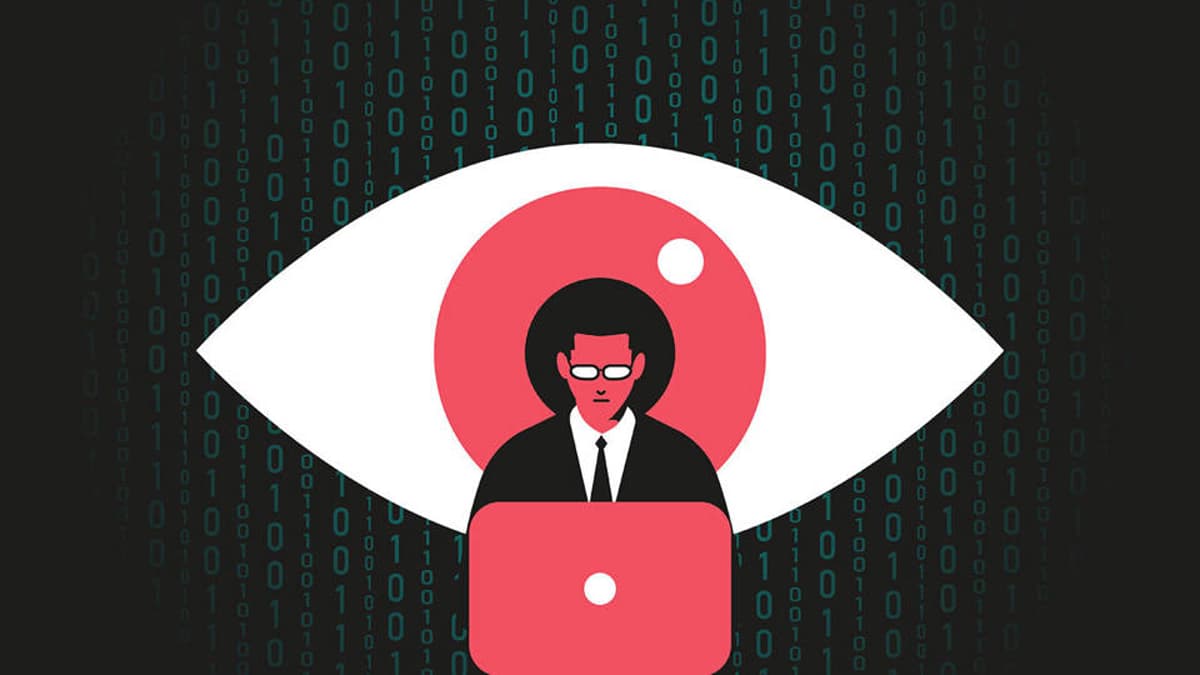
Living Without an AI Kill Switch
Anthropic unveiled Claude Mythos, a model that can identify and exploit vulnerabilities across major operating systems and web browsers. The revelation has jolted even deregulation‑friendly leaders, with President Donald Trump publicly supporting a government‑mandated AI kill‑switch. Experts argue that the...
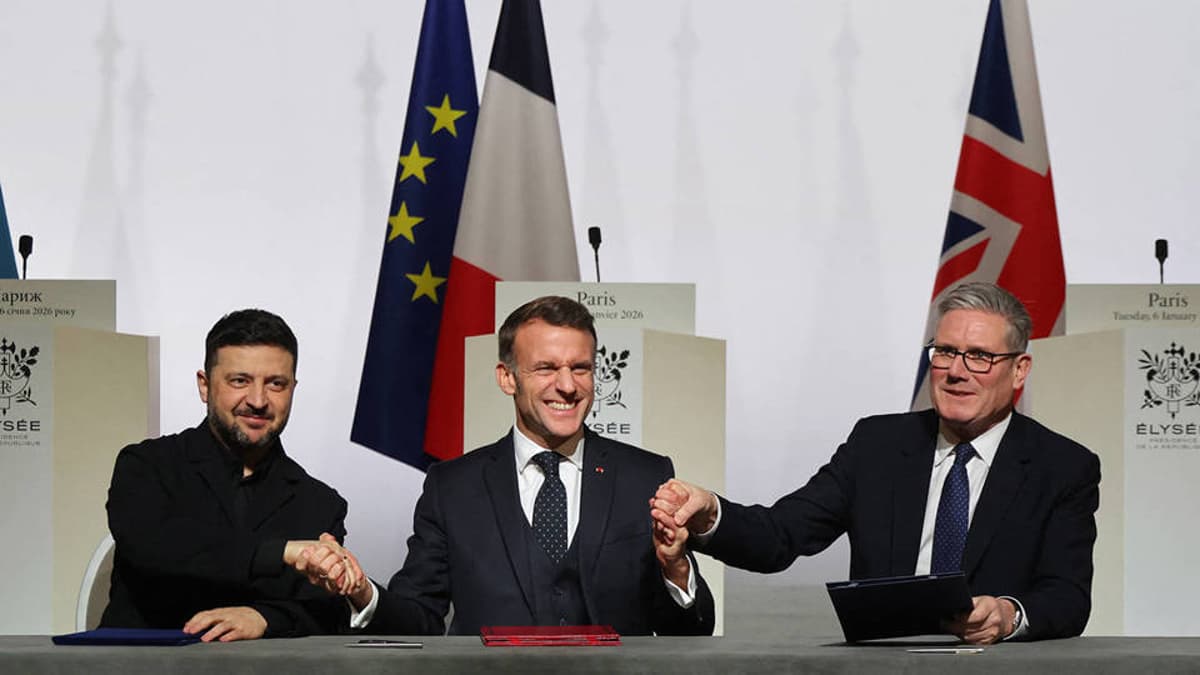
The EU Needs New Security Partners
European security thinking has long hinged on NATO and the EU, but recent wars in Ukraine and the Middle East have exposed critical gaps. The article argues that traditional alliances are fracturing, prompting the rise of ad‑hoc coalitions and bilateral...

Asia’s Economic Diplomacy for Tumultuous Times
Asia’s leading economies—China, India, Japan, South Korea and Vietnam—are reshaping economic diplomacy by pairing strategic international engagement with robust domestic capacity‑building. The article argues that this hybrid model, rooted in pragmatic bargaining and institutional learning, offers a playbook for middle...
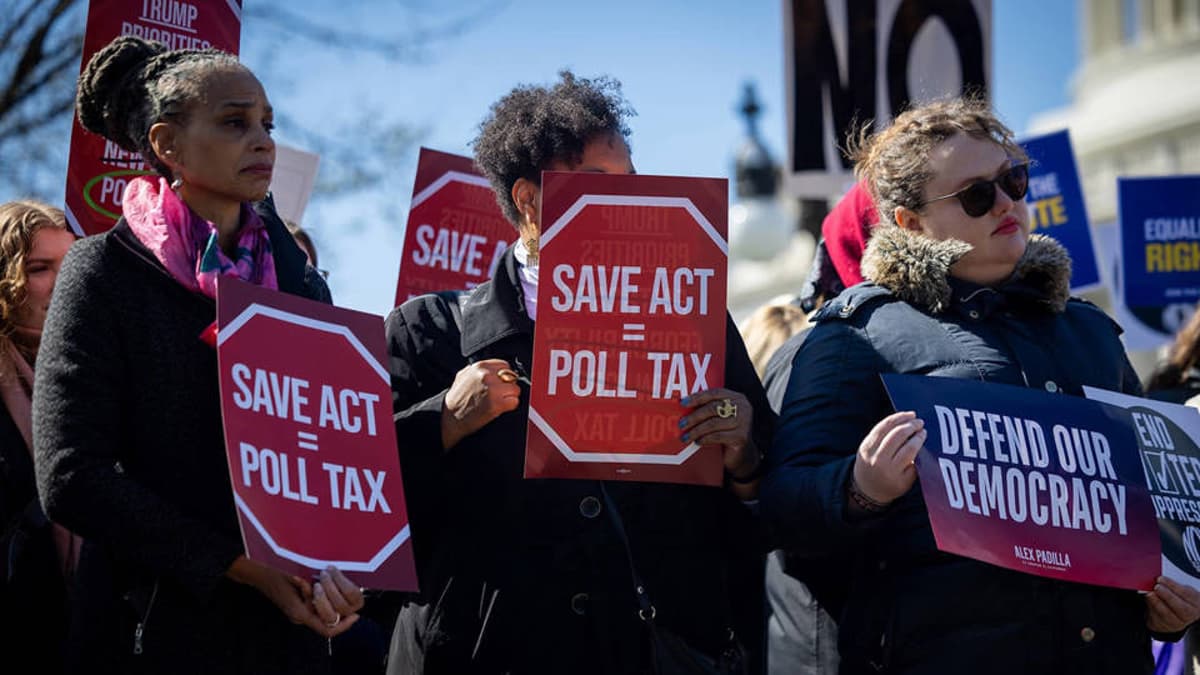
What’s Wrong With the SAVE America Act?
The U.S. Senate is debating President Donald Trump’s SAVE (Safeguard American Voter Eligibility) America Act, which would require proof of citizenship before a person can register to vote. Proponents argue the measure strengthens election integrity, while opponents warn it could...
South Korea’s Precarious Balancing Act
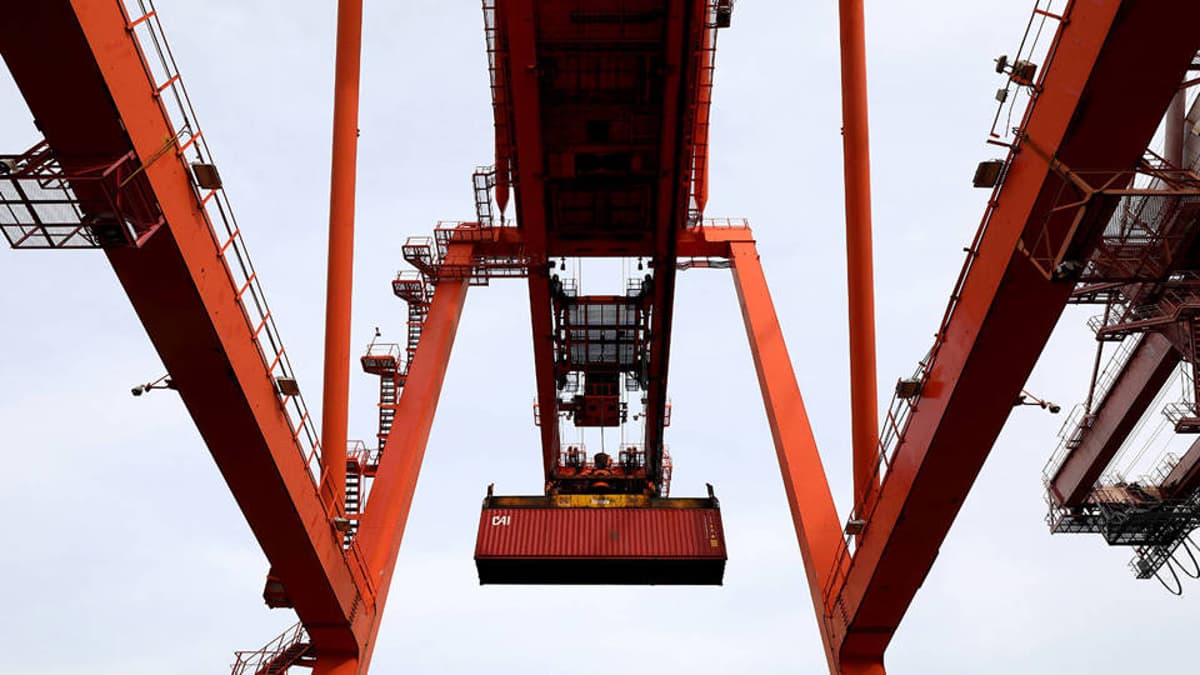
South Korea faces a precarious balancing act as it navigates an unpredictable U.S. administration under President Donald Trump and a rapidly assertive China. The export‑driven economy, long protected by the U.S. security umbrella, now confronts heightened geopolitical risk and volatile...

China Needs Higher Minimum Wages
Chinese policymakers argue that the nation’s entrenched overtime culture is unsustainable as workers log 2,500‑3,000 hours annually—roughly 60 hours per week. The government links this fatigue to weak domestic consumption, low fertility, and uneven growth, and is now urging higher...
Trump’s Tragedy of Errors
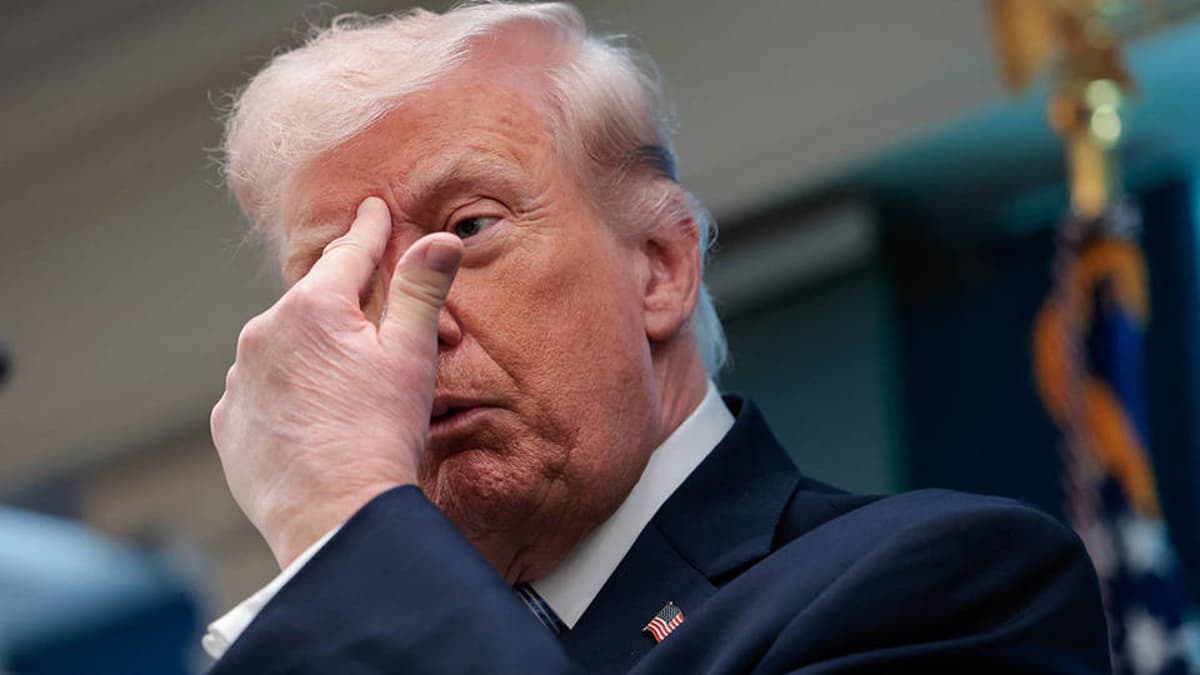
Joseph E. Stiglitz warns that President Donald Trump’s impulsive war and the resulting stagflation could reshape America’s long‑term economic landscape. He argues that Trump’s self‑styled authoritarian approach has broken institutional norms, unleashing forces beyond his control. The piece draws parallels...

Redefining Energy Security
The COVID‑19 pandemic pushed corporations away from lean, just‑in‑time supply chains toward a “just‑in‑case” model that prioritizes resilience. Simultaneously, oil and gas infrastructure has become a primary target in modern conflicts, exemplified by the ongoing war with Iran. Analysts argue...

AI Productivity Growth Won’t Match the Computer Revolution
The article argues that AI will not replicate the productivity surge of the late‑1990s computer boom, where output per hour grew about 3% annually. While AI promises task automation, the technology creates bottlenecks—data quality, talent gaps, and integration challenges—that constrain...
The Hidden Chokepoints Threatening the Global Economy
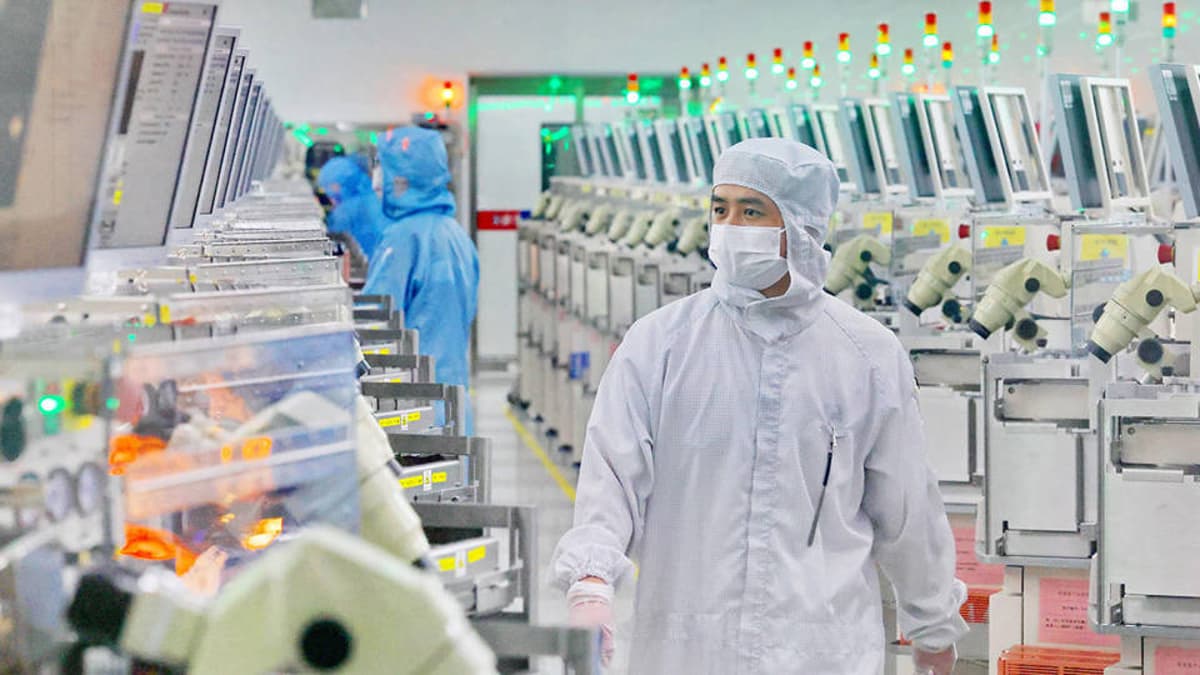
The recent closure of the Strait of Hormuz underscores how tightly concentrated supply routes can destabilize the global economy. Repeated disruptions—from COVID‑19 PPE shortages to current fertilizer and sulfur scarcities—reveal that policymakers still lack a clear map of critical chokepoints....
The Deeper Forces Shaping Global Trade
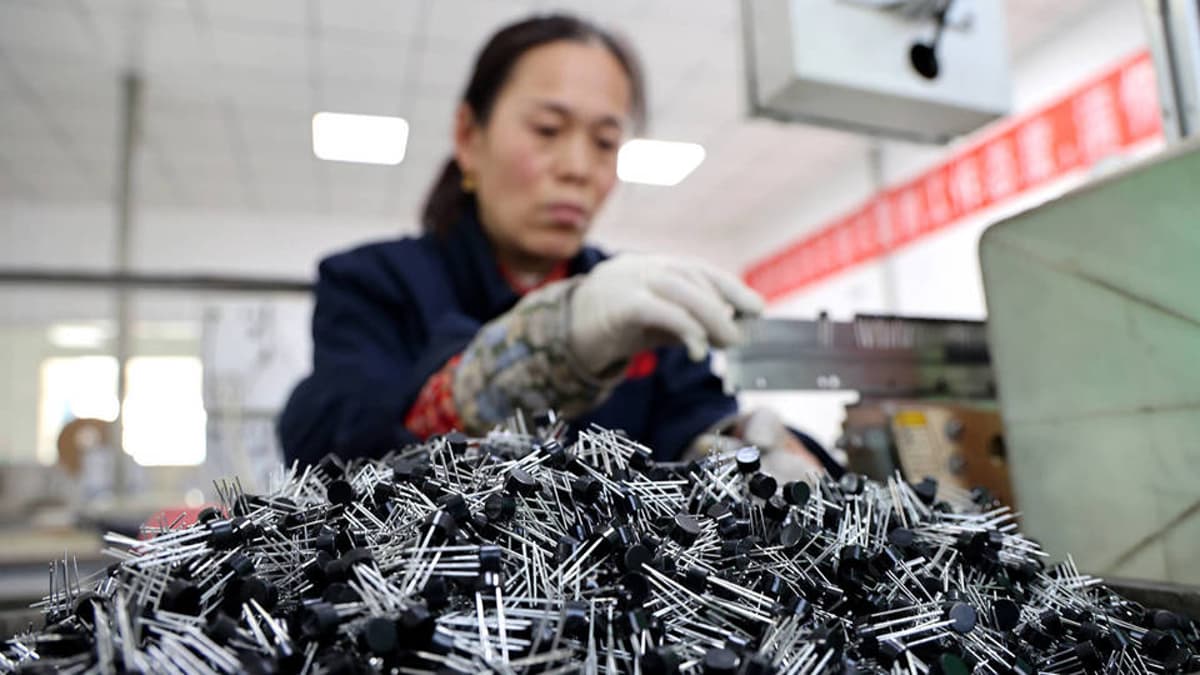
Global trade is being reshaped by forces beyond tariffs, as technology and economic development drive new production and consumption patterns. While Middle‑East shipping disruptions and uncertain U.S. tariff policy capture headlines, long‑term shifts in digital infrastructure and emerging‑market demand are...
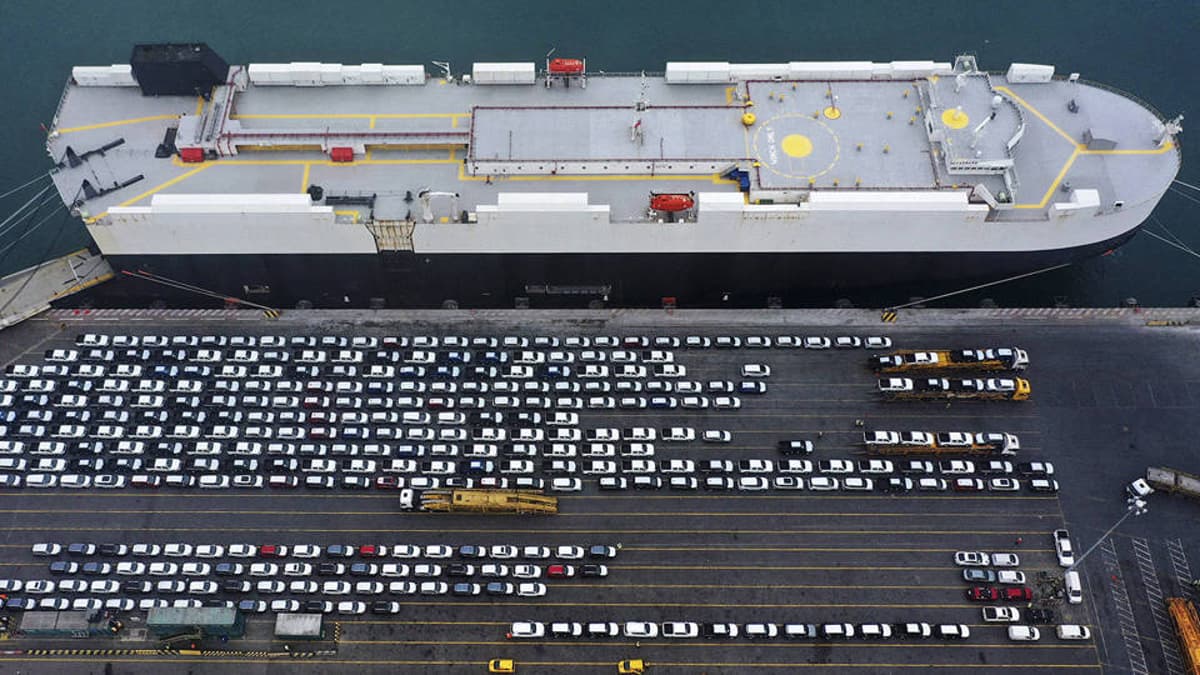
Rules for the Rest of Us
The article argues that the Global South’s alternative to existing international rules is not unfettered freedom but a coordinated exercise of collective power. It highlights how Chile, under former President Gabriel Boric, leveraged regional alliances and shared frameworks to amplify its...
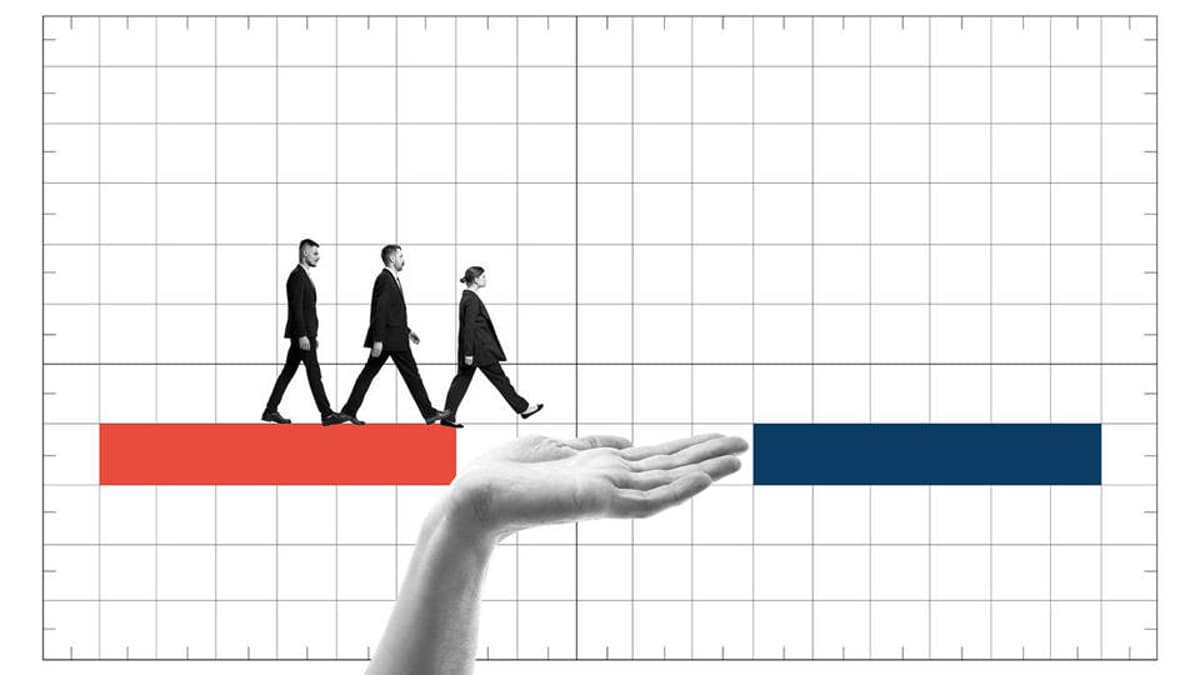
The AI Risk We Need to Focus On
The article argues that while regulators have post‑2008 tools to prevent an AI‑driven financial crisis, the most pressing risk from artificial intelligence is labor‑market disruption. It highlights that AI could displace millions of workers across multiple sectors, outweighing concerns about...
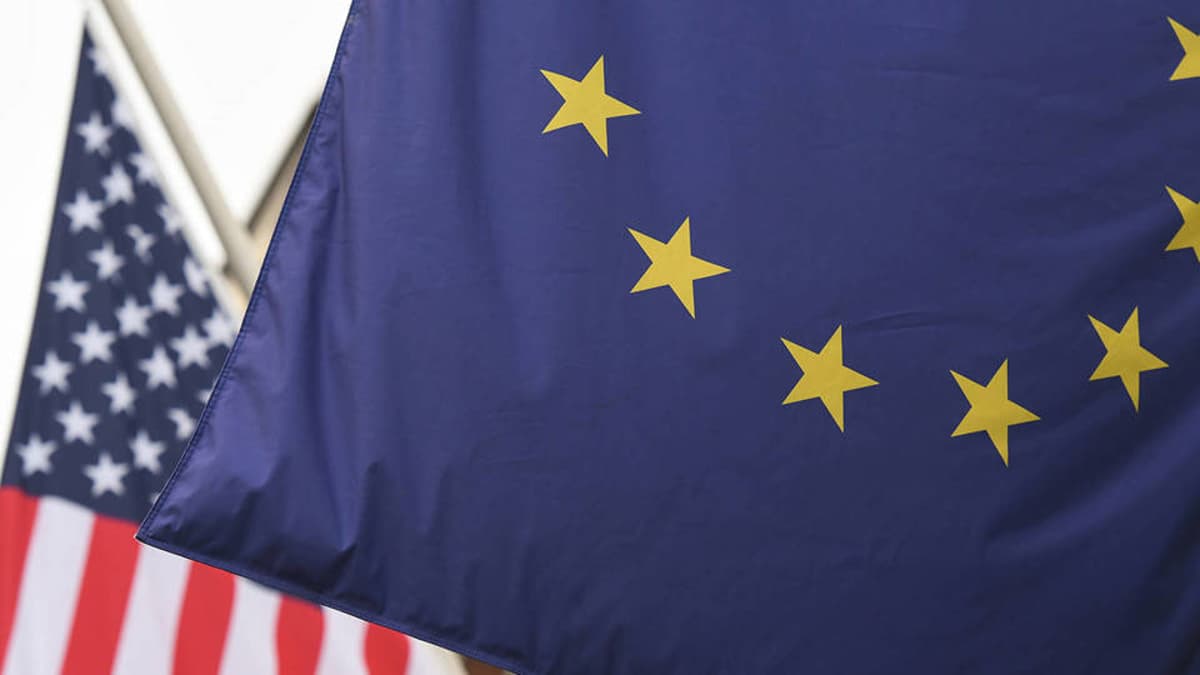
Ready or Not, Europe’s Post-American Future Has Arrived
Europe faces a security crossroads as President Donald Trump signals an intent to dismantle NATO, the cornerstone of transatlantic defense since 1949. While the alliance cannot be dissolved instantly, waning U.S. political will has already limited American engagement, prompting analysts...
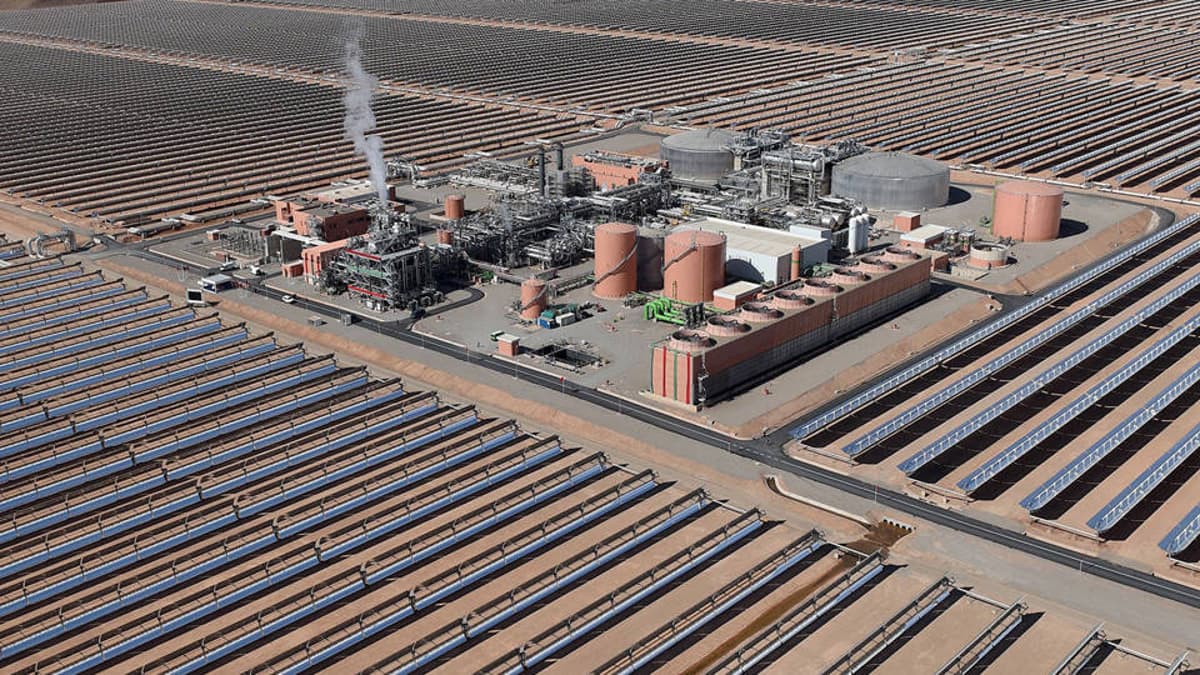
Africa Must Turn Climate Targets Into Green Strategies
Africa’s renewable‑energy potential is prompting a surge in climate ambition, with 47 nations filing second‑round NDCs and 23 submitting third‑round plans under the Paris Agreement. In 2023 the continent attracted roughly $15 billion in renewable‑energy financing—more than double the previous year—yet...
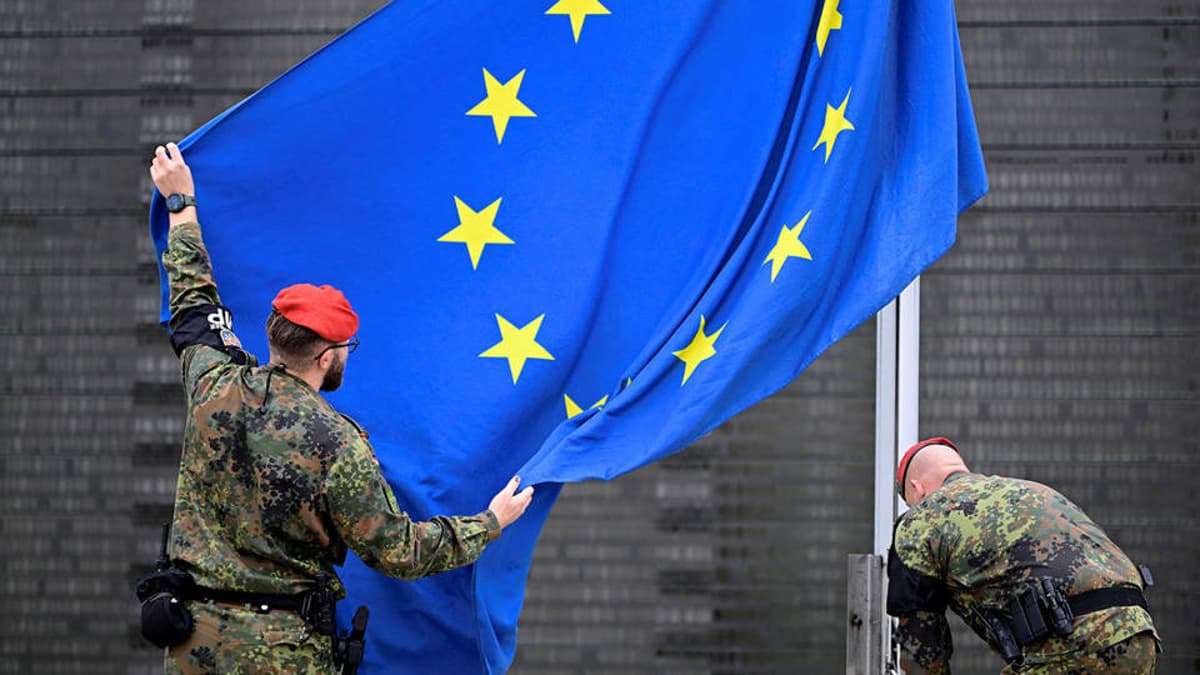
Europe’s Economic Emergency
European leaders are urged to prioritize economic growth as the cornerstone of the bloc’s strategic autonomy. The article argues that a strong industrial and technological base is necessary for self‑defence in a volatile global environment. However, the EU’s agenda is...
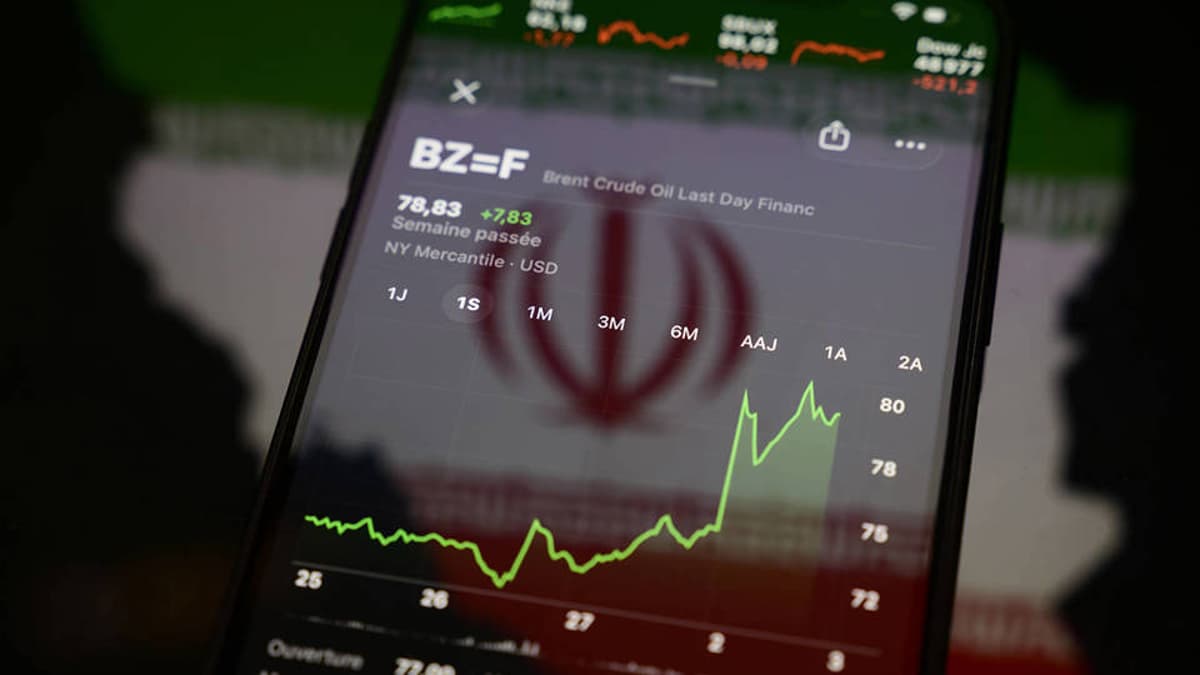
Policymakers Vs. The Iran War Shock
Policymakers are confronting a fresh shock from the Iran war, which has driven oil prices sharply higher and strained global supply chains. The surge in energy costs reignited inflation fears, but markets are now pivoting toward concerns about slower growth....
Is a Private-Credit Crisis Imminent?
Over the past 15 years, private‑credit markets have ballooned, operating largely outside traditional banking oversight. Recent spikes in investor redemptions and a string of fund collapses have raised alarms of a potential credit crunch reminiscent of 2008. While a systemic...
The Big Picture
Regulatory reforms after the 2008 crisis, such as Basel III and the Volcker Rule, increased banks' costs for leveraged lending, prompting a shift of risk to non‑bank lenders. These lenders have built a private‑credit market that ballooned from $158 billion in 2010...
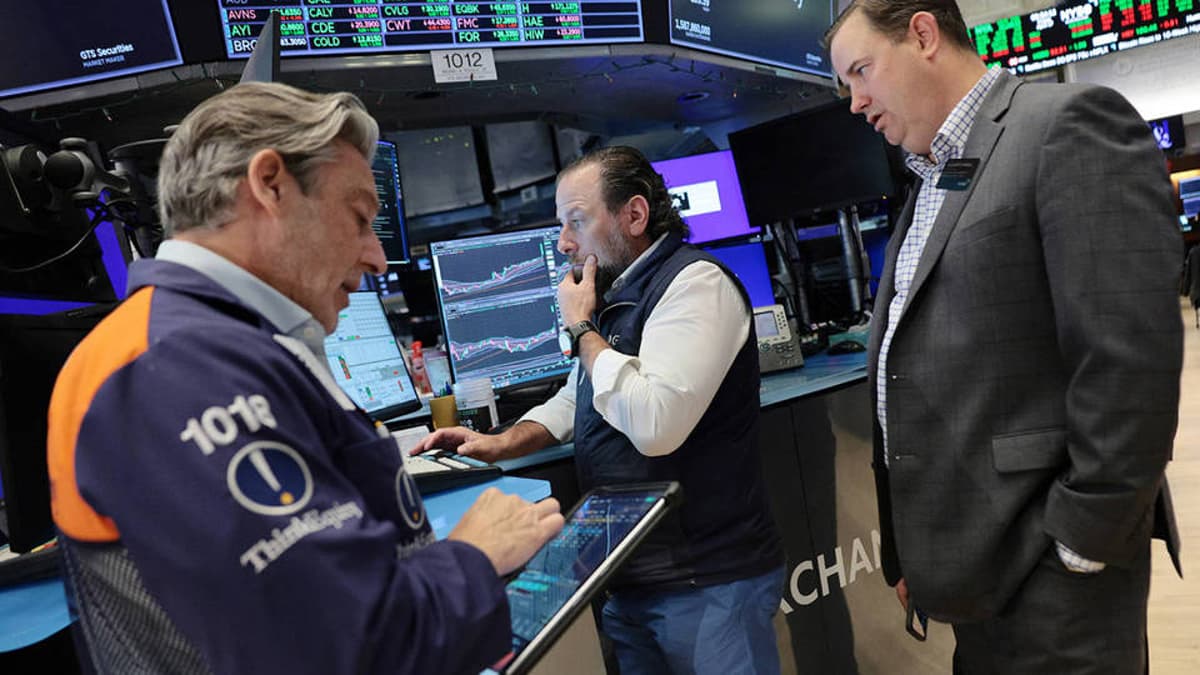
Is a Perfect Financial Storm Gathering?
A confluence of three forces is creating what authors call a perfect financial storm: shadow banking is expanding at a breakneck pace, public debt in major economies is climbing toward historic highs, and the post‑2008 regulatory reforms remain only partially...
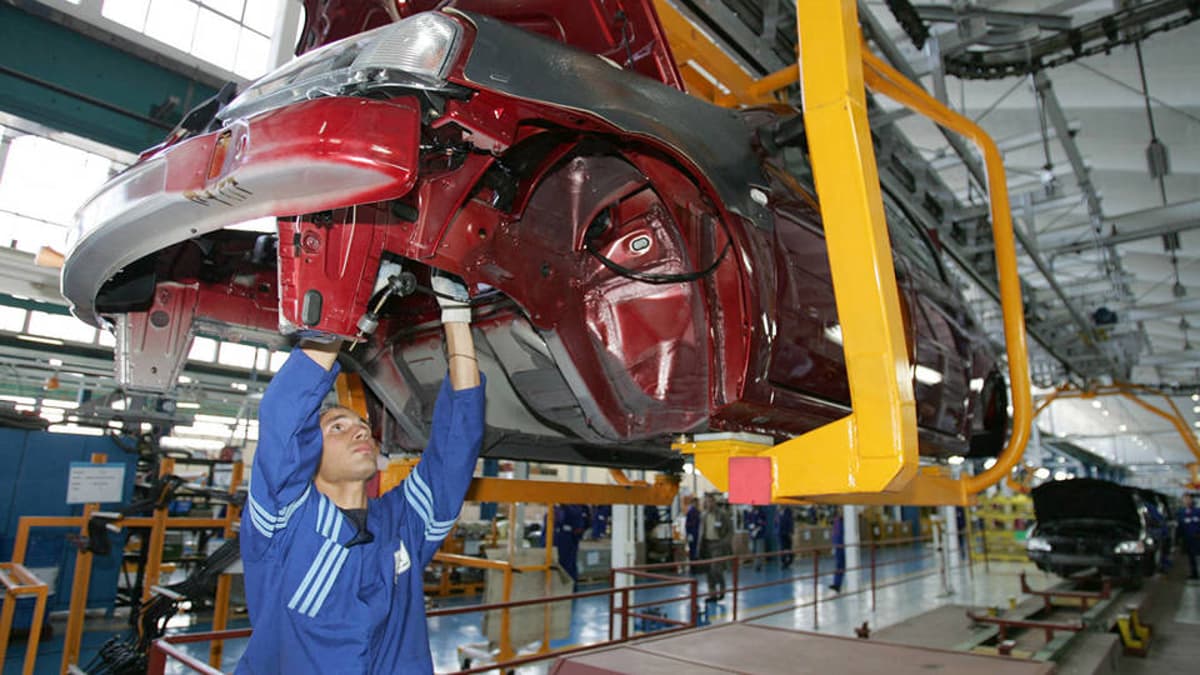
Morocco’s New Model Economy
In 2023 Morocco’s automobile exports eclipsed revenues from its historic phosphate sector, marking a pivotal shift in the nation’s economic base. The country, lacking oil or gas, has emerged as the Mediterranean’s most dynamic automotive hub, attracting multinational manufacturers and...
Does Private-Credit Smoke Mean Financial Fire?
The private‑credit market has exploded, with assets topping $1.2 trillion and non‑bank lenders now supplying roughly 30% of U.S. middle‑market loans. While default rates stay modest, the sector’s rapid expansion raises questions about data transparency and oversight. Analysts warn that the...
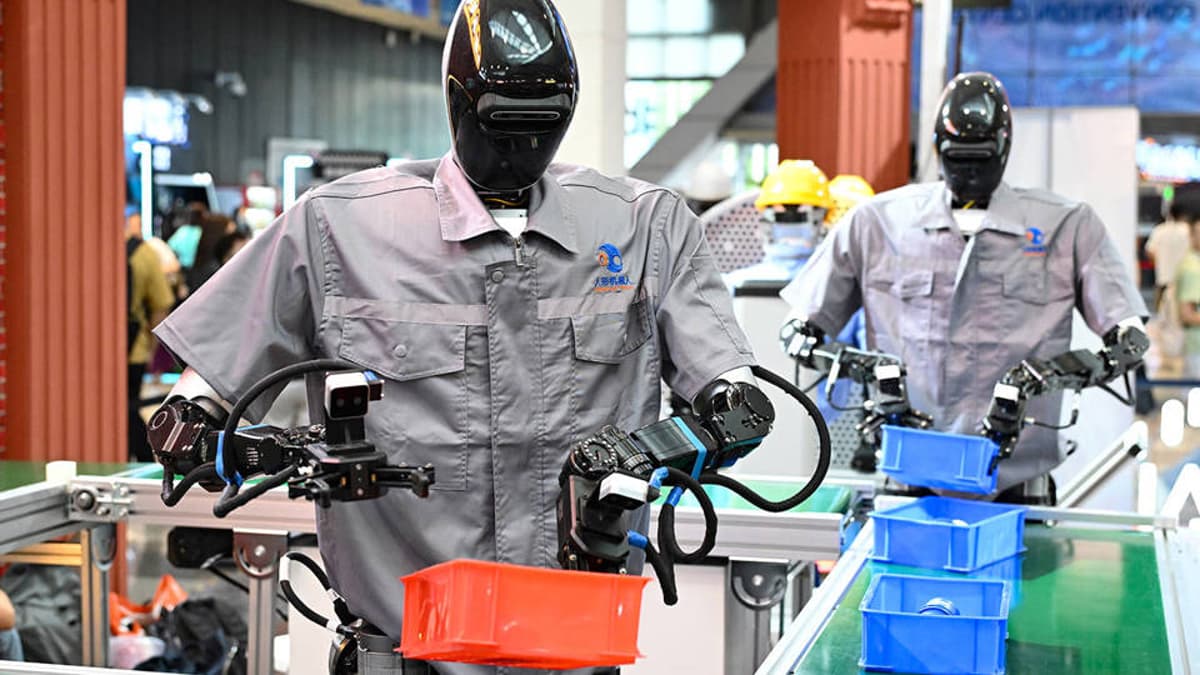
Will AI Solve Rich Countries’ Debt Woes?
Kenneth Rogoff cautions that the optimism surrounding artificial intelligence’s productivity boost may be misplaced when it comes to solving the chronic budget deficits of wealthy nations. While AI could generate higher tax revenues, the gains are unlikely to offset the...
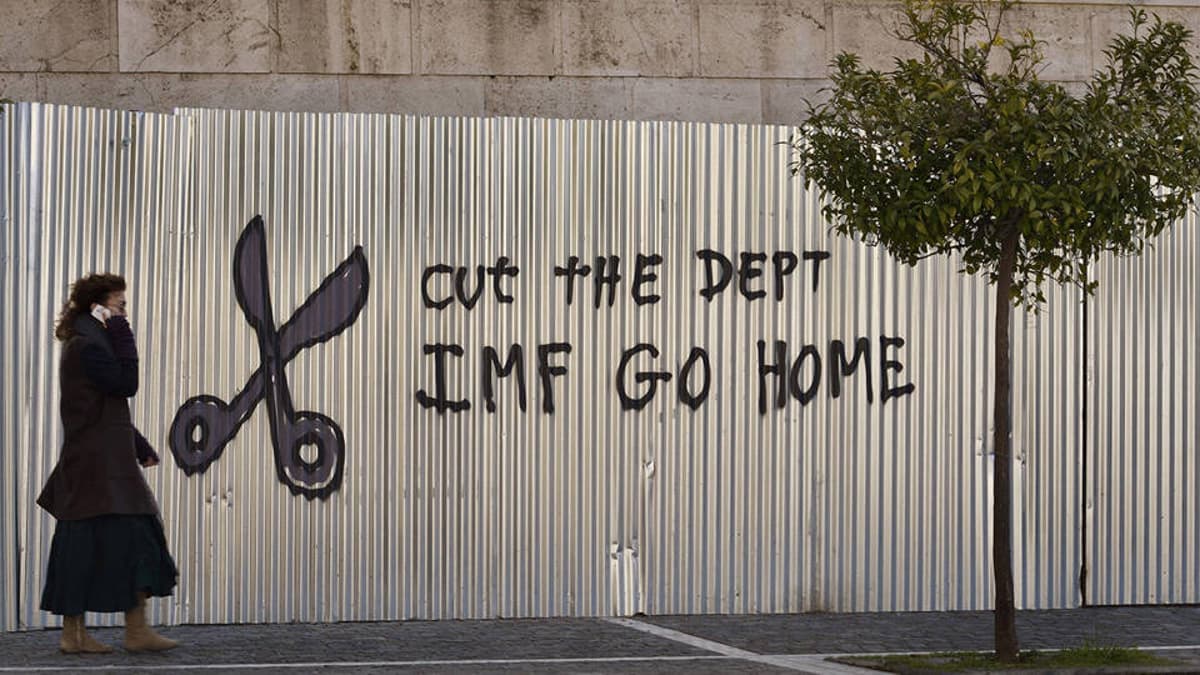
Escaping the IMF Austerity Trap
The authors argue that the International Monetary Fund’s standard austerity playbook is ill‑suited for today’s developing‑country crisis, which has been intensified by the Iran war’s ripple effects on fuel and food prices. Rising import costs are depleting foreign‑exchange reserves, stoking...
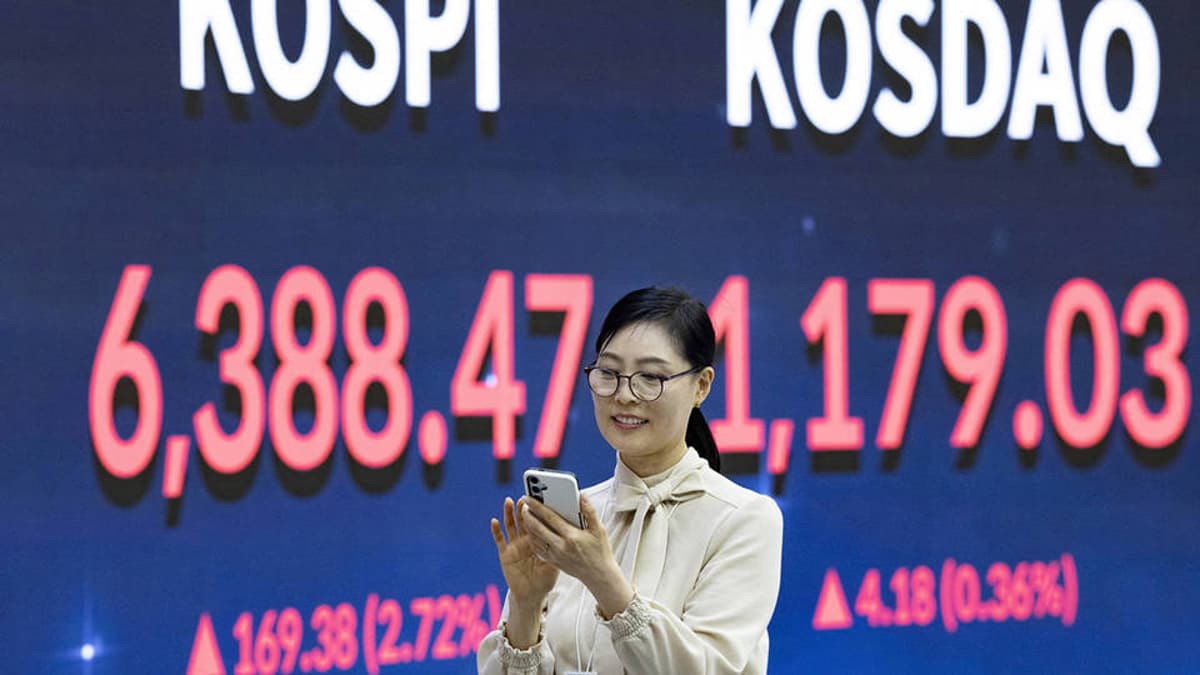
Decoupling and South Korea’s New Capitalism
South Korea’s equity market surged 75% in 2025, vastly outpacing the S&P 500’s 18% gain, even as the country’s GDP grew just 1%, far below the United States and global averages. The rally reflects aggressive government policies and a wave of...