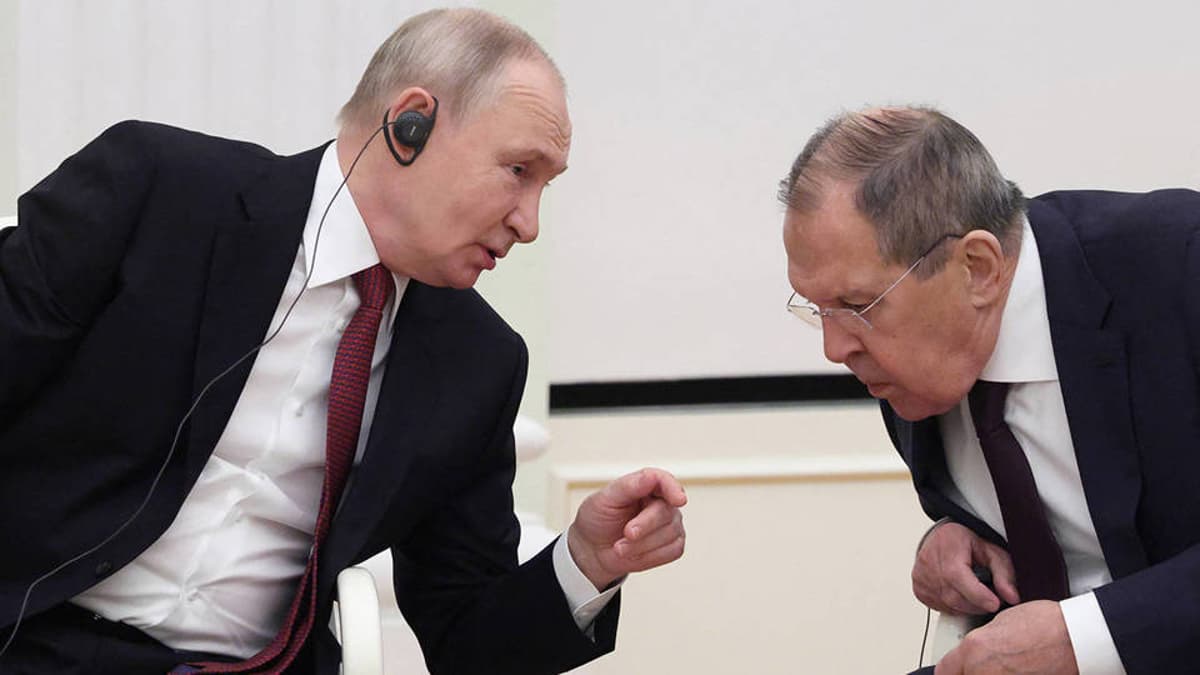
The West Is Still Getting Russia Wrong
Four years after Russia’s full‑scale invasion of Ukraine, Western analysts still misinterpret the Kremlin’s strategic intent. While President Vladimir Putin portrays Russia as a great‑power counterweight to Western liberalism, the article argues he lacks a coherent plan to reshape the world. Instead of pursuing outright domination, the Kremlin focuses on creating disruption across political, economic, and cyber domains. Both the “no strategy” and the “long‑term revanchist” narratives miss this disruption‑centered approach.

The Global AI Threat Has Arrived
Anthropic unveiled Claude Mythos Preview, an AI model that can autonomously locate and exploit vulnerabilities in major operating systems and web browsers. The discovery has alarmed business leaders and policymakers worldwide, prompting concerns about a new class of AI‑driven cyber threats. Even...
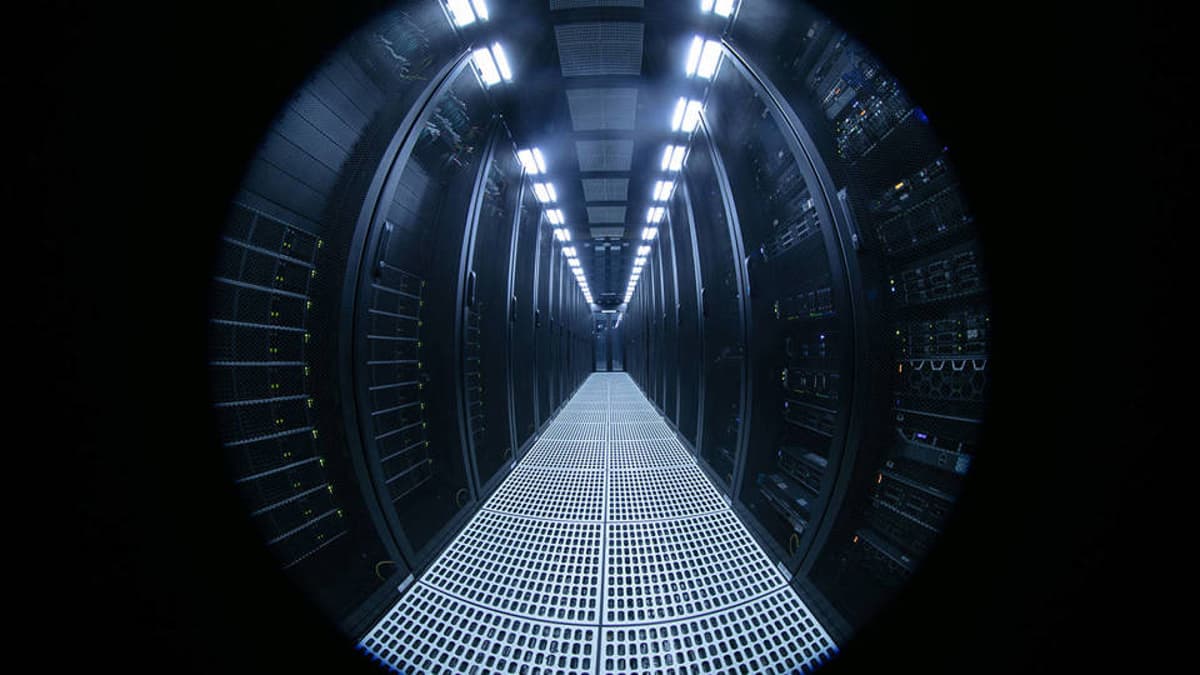
The Geopolitics of Infrastructure
A new geopolitical contest is emerging around infrastructure blocs—bundles of finance, contractors, standards, and data platforms that create lasting dependencies. The authors argue that ports, power grids, rail corridors, data centers, and critical‑mineral supply chains have become the operating system...
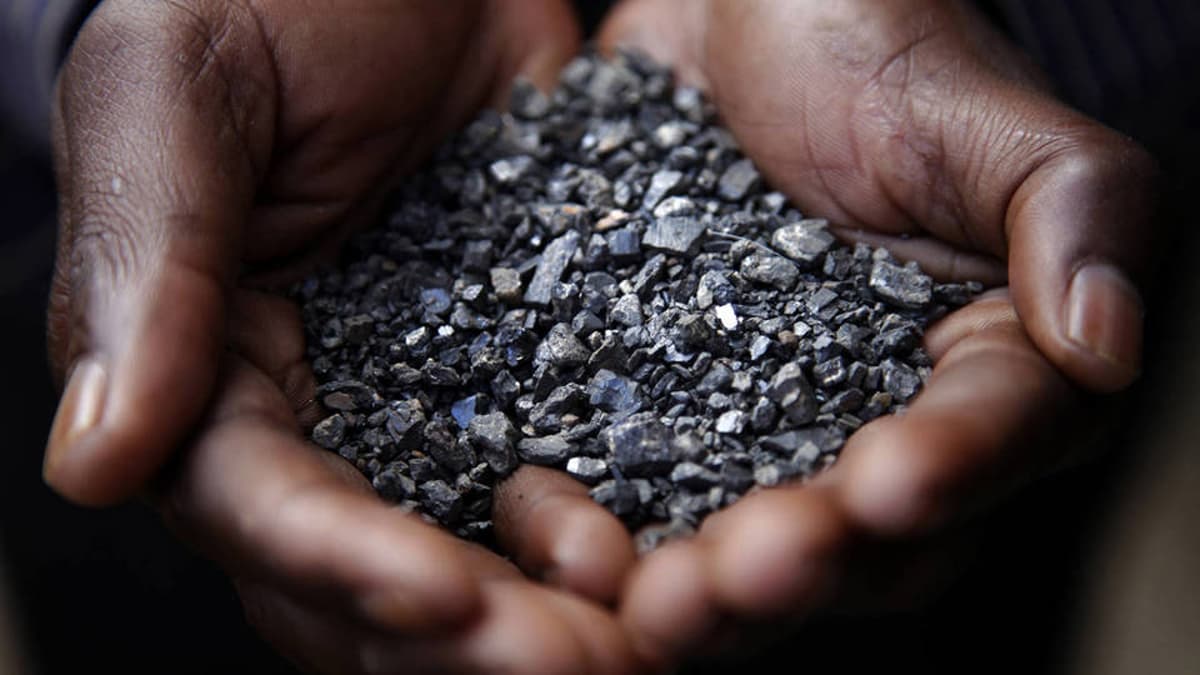
Africa’s Geopolitical Hand Is Stronger than Ever
Africa stands at a crossroads as the global order shifts from U.S. hegemony to a multipolar system. Its abundant natural resources, youthful population, and expanding markets give the continent unprecedented geopolitical clout. However, realizing this leverage depends on savvy leadership,...

The Private Credit Panic Is Overblown
Private credit markets, valued at roughly $2 trillion, have recently faced heightened scrutiny as non‑traded business development companies—holding about $270 billion in assets—show signs of stress. Despite alarming headlines, data indicate that default rates and liquidity pressures are modest compared with previous...
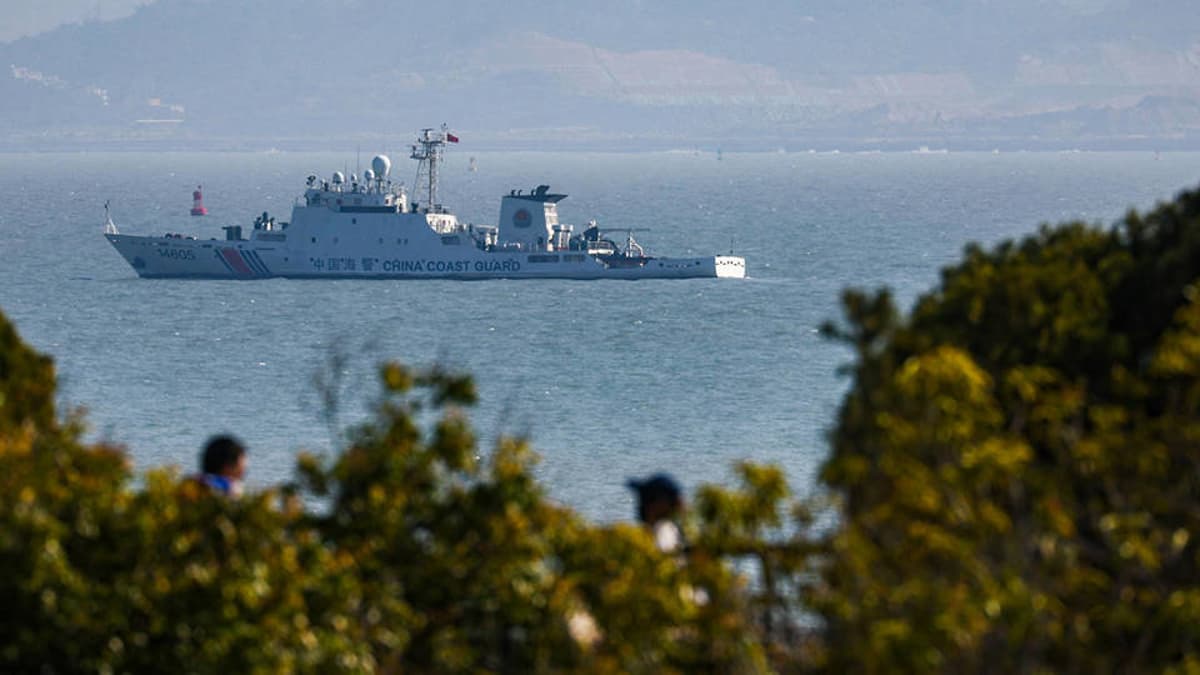
Hormuz Today, Taiwan Tomorrow
Iran’s abrupt closure of the Strait of Hormuz has created a real‑world test for the Trump administration, threatening the flow of roughly 20% of global oil that transits the 100‑mile waterway. Washington must demonstrate the ability to reopen the passage...

What Really Drives China’s Massive Trade Surplus
China posted a record $1.2 trillion trade surplus in 2025, the largest in its post‑reform era. The surplus is less a product of industrial policy than a structural savings‑investment gap amplified by an aging population and tight credit for private firms....
The World Needs an Oil Buyers’ Club
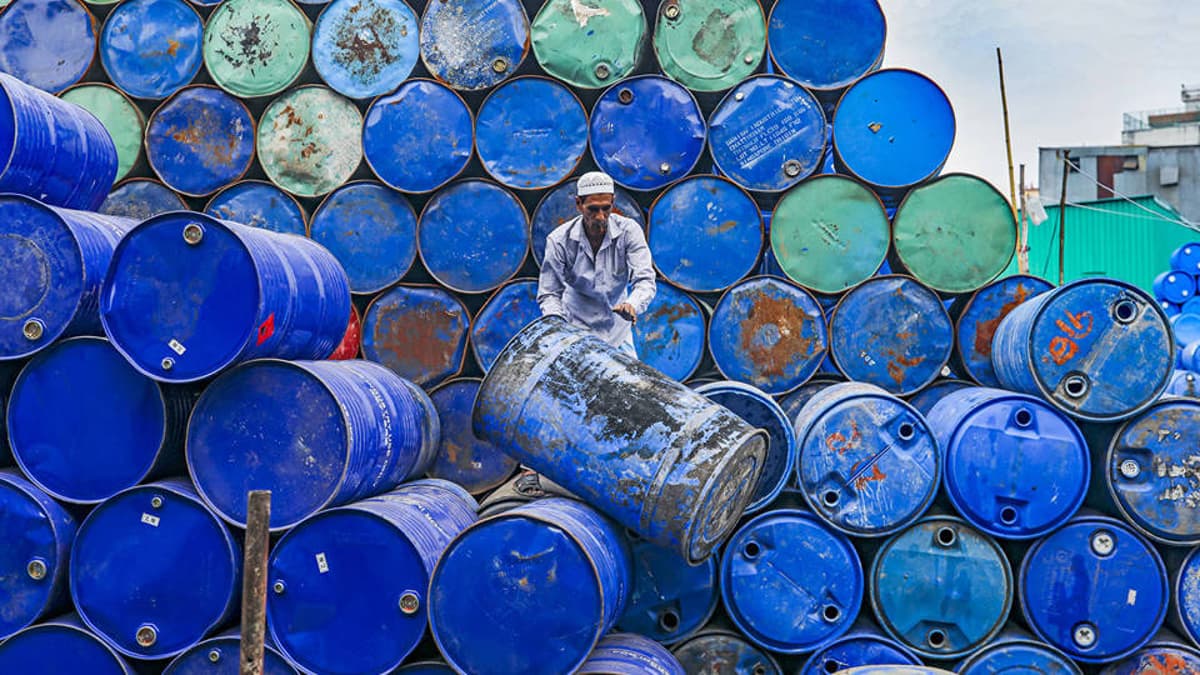
A U.S. naval blockade of Iranian ports in the Strait of Hormuz is cutting off a quarter of the world’s traded crude oil. The loss of Iranian shipments, combined with reduced output from Gulf producers, is deepening an already severe...
Fossil-Fuel Investments Are a Fiduciary Risk
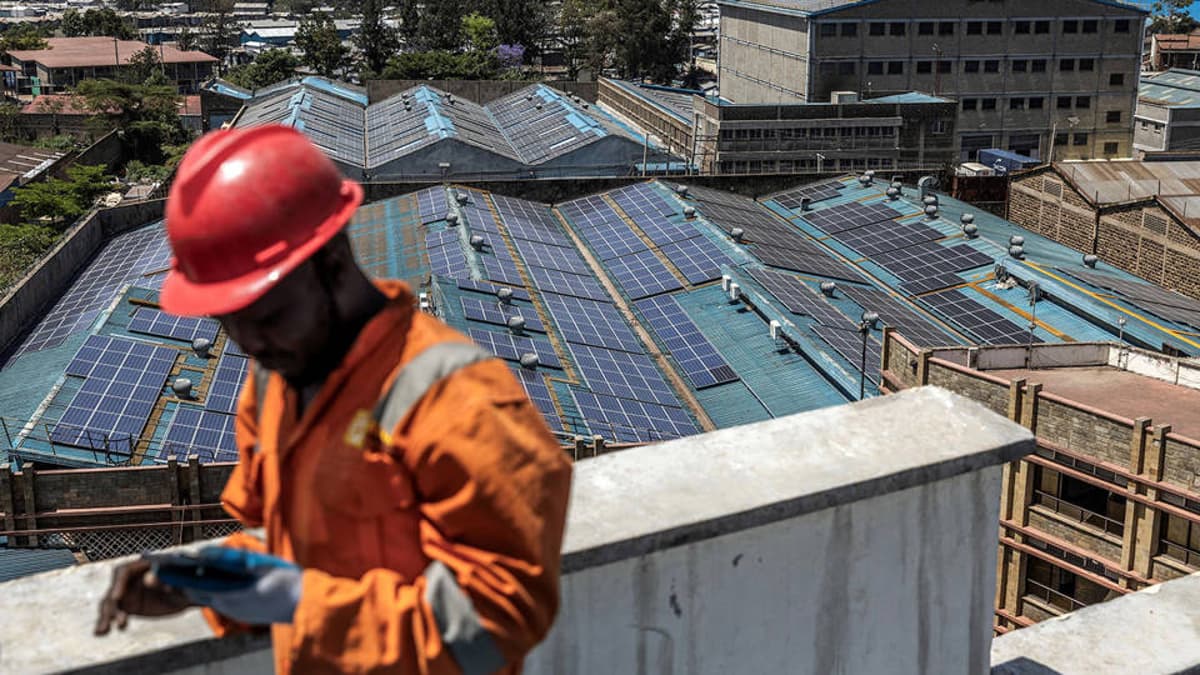
The Iran war has reignited concerns that fossil‑fuel exposure is a geopolitical liability for African investors. Volatile oil prices are pressuring local currencies and threatening the balance sheets of banks, trustees and asset managers. The article argues that fiduciary duty...

The Origins and Fate of Digital Sovereignty
The article examines why digital sovereignty remains elusive for most economies, noting that only China and Russia have built digital industries independent of U.S. platforms. It highlights the structural advantage of American incumbents, whose scale crowds out local competitors. In...

How to Future-Proof the Global Economy
Mohamed A. El‑Erian warns that backlash against globalization, the waning Washington Consensus, and rapid AI adoption are creating a new era of structural volatility. He argues that frequent, severe shocks will depress growth, stoke inflation, and widen inequality unless policymakers discard...
Is the US Falling Victim to the Resource Curse?
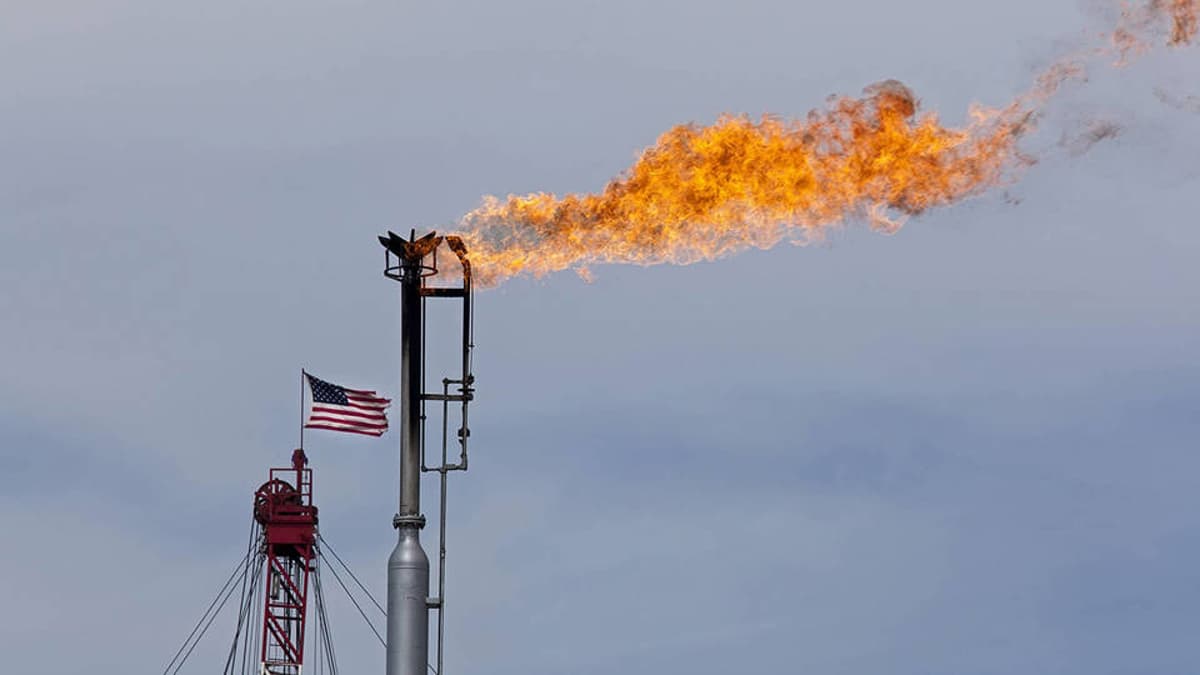
The article questions whether the United States is succumbing to the classic resource curse, a theory that abundant natural‑resource wealth crowds out manufacturing and renewable development. It notes that the premise assumes a zero‑sum relationship between oil‑gas production and other...
Is the Iran War America’s Suez or Its Gallipoli?
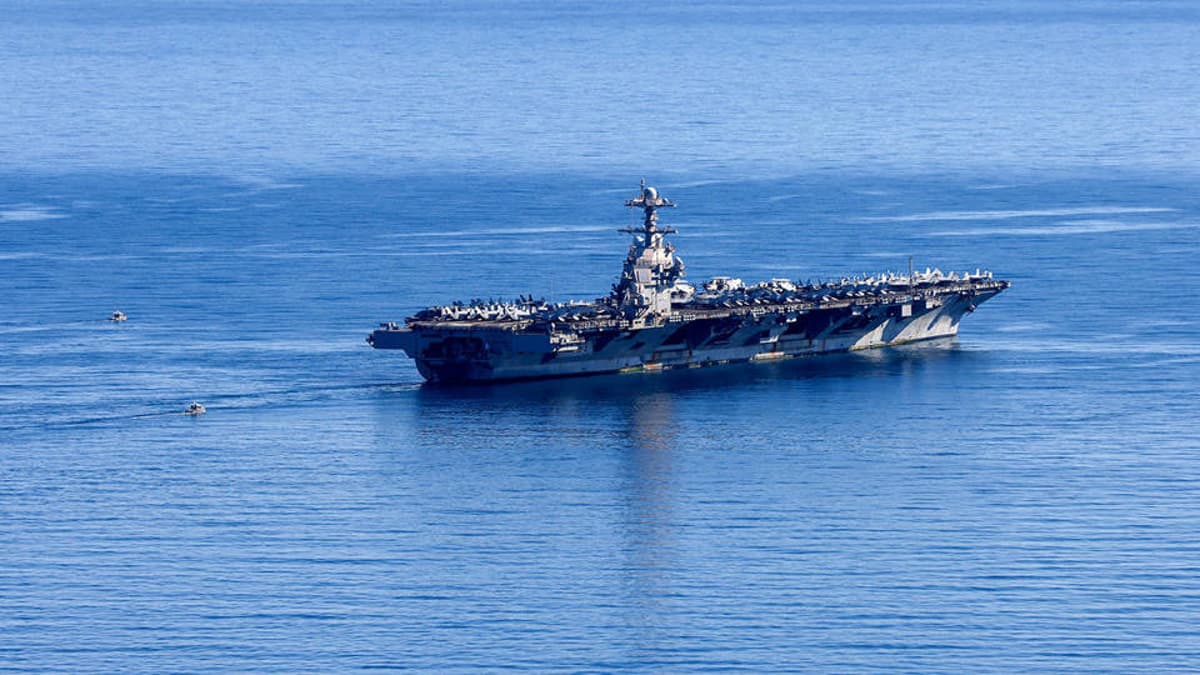
Yanis Varoufakis argues that the United States’ involvement in the Iran war is less a "Suez moment" and more akin to the British disaster at Gallipoli in 1915. He contends that Washington is overestimating its military reach while underestimating Iran’s resolve,...
How Strategic Investment Is Redefining Economic Statecraft
Funds of funds (FoFs) are emerging as strategic tools for governments to conduct economic statecraft. By pooling capital to invest in venture funds rather than directly in individual firms, FoFs can reinforce innovation ecosystems and steer resources toward critical technologies....
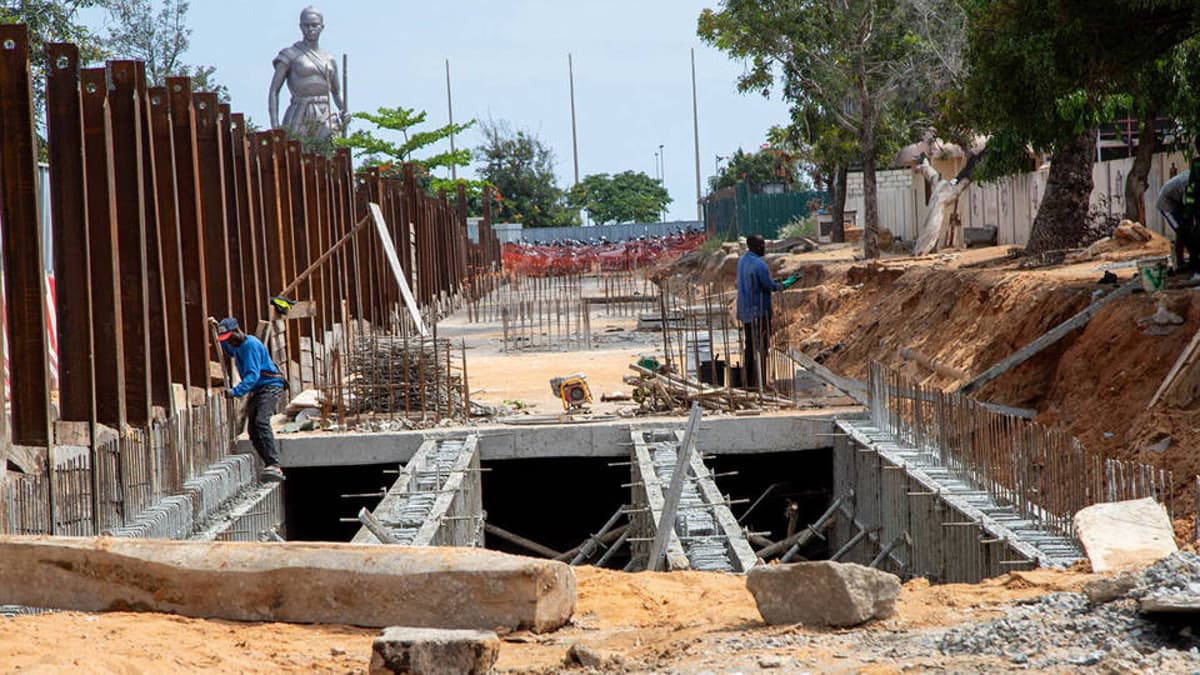
Putting Africa’s Savings to Work
African pension funds and other long‑term investors hold roughly $200‑$300 billion, yet more than 80% of that capital is parked in sovereign bonds due to a shortage of scalable alternatives. Policymakers and market architects are now racing to build domestic investment...

The Hormuz Crisis and the Fate of the Global South
The sudden closure of the Strait of Hormuz has halted roughly a quarter of global oil, a fifth of LNG and a third of fertilizer shipments, prompting the IMF to label the disruption a “global yet asymmetric” shock. Import‑dependent economies...

How Trump’s Crypto Push Is Undermining American Power
President Donald Trump’s administration has rolled back key cryptocurrency regulations, effectively opening U.S. markets to unfiltered crypto activity. The policy shift removes many anti‑money‑laundering and know‑your‑customer safeguards, prompting a surge in domestic crypto trading. At the same time, state‑backed actors...

Will the IMF Ever Learn?
The International Monetary Fund is under intense scrutiny as its Spring Meetings coincide with a decennial Review of program design. Critics argue the IMF continues to impose austerity and regressive tax measures despite internal research showing these policies harm growth...

To Work for Us, AI Must Not Think for Us
The article argues that the most profound threat of artificial intelligence is not job loss but the erosion of human thought and the knowledge‑creation processes that underpin AI models. While public debate fixates on automation displacing workers, Rodrik warns that...

Hedging Security in the Gulf Is Risky
The Gulf states have long pursued a hedging strategy, balancing ties with the United States against the threat posed by Iran. Recent uncertainty over a potential U.S.-Iran ceasefire highlights the fragility of that approach, exposing the region to heightened security...

The Iran War Has Ended a Year of Economic Promise
Before President Donald Trump launched his war on Iran, global financial markets were on an upswing and private‑sector confidence was rebounding, according to the Brookings‑FT TIGER index. The index highlighted solid growth prospects despite lingering trade‑policy volatility and high public...

Africa Is Losing the Iran War
The Iran‑related war in the Middle East is triggering a cascade of economic shocks across Africa. Fuel prices have jumped about 50% and global fertilizer costs are up more than 40%, straining household budgets and agricultural yields. Simultaneously, African governments...

How to Understand Emerging Risks
The article argues that the risk landscape is evolving faster than insurers’ traditional models can keep pace. While centuries of actuarial data have underpinned pricing, new hazards such as climate extremes, cyber attacks and pandemics demand fresh assumptions. Insurers must...

The Iran War’s Winners and Losers
A two‑week ceasefire between the United States and Iran has been brokered, allowing analysts to gauge early outcomes of the conflict. The article argues that China and Russia emerged as clear winners, leveraging diplomatic and economic footholds, while Gulf Arab...

America’s War Is Adding to Africa’s Debt Burden
The US‑Israeli war in Iran has pushed U.S. Treasury yields higher, adding roughly $4.4 billion to Africa’s annual debt burden. With $149 billion of Eurobonds outstanding, the continent now faces $900 million to $1.2 billion of extra fiscal pressure each year. The increase stems...

The Decline and Fall of the Dollar Empire
Barry Eichengreen argues that the United States is losing its status as the world’s primary currency issuer, likening today’s dollar decline to the fall of Rome’s denarius. He points to chronic economic stagnation, a debt load surpassing $31 trillion, and costly...

Iran’s Strategic Victory
The United States has agreed to a two‑week cease‑fire with Iran, effectively pausing the ongoing US‑Israeli conflict. Analysts describe the truce as a strategic win for Tehran, highlighting the limits of conventional power in asymmetric warfare. The cease‑fire underscores Israel’s...

How Bad Will the Economy Be?
The U.S. economy has shown unexpected resilience, even after Donald Trump’s return to the White House. However, analysts warn that a potential war with Iran and a wave of deregulation are creating systemic risks. The uncertainty is so high that...
The Big Picture
The United States is sending mixed economic signals: a stronger‑than‑expected jobs report suggests labor market resilience, while the Treasury Department has declared the nation fiscally insolvent. Global trade appears robust, yet investors are fleeing private‑credit funds amid fears of deteriorating...

The Fall of Gazprom
Polish oil refiner Orlen overtook Russia's state‑owned gas giant Gazprom in market capitalization for the first time in March 2026. The shift reflects sustained Western sanctions, a sharp decline in European gas demand, and Orlen’s aggressive diversification into petrochemicals and...

The IMF’s Spring Meetings Must Deliver Three Reforms
Kenya announced it will not seek IMF financing for the current fiscal year, raising roughly $4.5 billion through a pipeline IPO, Safaricom stake sale and Eurobond issuance—about five times the Fund’s typical offer. The move spotlights the structural imbalance in the...

China Is Having a Good War—So Far
China is weathering the U.S.-Israeli conflict with Iran better than most of its neighbors, keeping its oil imports stable while cautiously probing profit opportunities. Beijing is monitoring strategic missteps by other powers and positioning itself to secure discounted energy deals....

The Real Question About the AI Future
The authors argue that 21st‑century U.S. dominance will hinge on control of essential AI infrastructure rather than traditional manufacturing or military strength. They highlight a looming challenge: determining how societies will pay for access to these AI capabilities. By reframing...

The Coming Inflation-Deflation Whipsaw
Dambisa Moyo warns that the global economy is entering a rare inflation‑deflation whipsaw. In the short term, geopolitical tensions and lingering supply‑chain shocks are pushing consumer prices higher. Over the longer horizon, rapid advances in artificial intelligence are expected to...

The Road to De-Escalation With Iran
The closure of the Strait of Hormuz is driving sharp increases in oil, liquefied natural gas, fertilizer and LPG prices worldwide. These spikes are inflating costs for cash‑strapped governments and jeopardizing food security in key agricultural regions. Analysts argue that...

Israel’s Buffer-Zone Fallacy
The article argues that protective buffer zones are obsolete in an era of precision missiles, drones, and long‑range projectiles. It cites Israel’s justification for occupying southern Lebanon as a prime example of a flawed buffer‑zone rationale. The piece also references...

How Women Succeed in Male-Dominated Fields
Recent empirical research indicates that women thrive in traditionally male‑dominated fields when they have female peers and professors, without diminishing men’s outcomes. The study, highlighted by Fernanda Estevan and Bruna Borges, counters cultural backlash that frames women’s workplace gains as...

The Real AI Race
The article argues that while the United States and China dominate AI research and model development, the true economic impact of artificial intelligence will be determined by how broadly it is adopted across industries and regions. It likens AI to...

Is Economic Forecasting Still Possible?
The sudden outbreak of war in Iran has dramatically disrupted global oil supply routes, causing a sharp surge in oil prices. This shock has forced central banks, finance ministries, and forecasters to confront an unprecedented macroeconomic environment. Traditional forecasting models,...

Can India Become the World’s Innovation Capital?
India is shedding its image as a low‑cost back‑office and emerging as a leading global hub for invention and product development. Driven by a deep engineering talent pool, accelerated AI adoption, and recent policy reforms, the country is attracting multinational...

A Bad Deal Today Means a Bigger War Tomorrow
The article warns that pushing for immediate negotiations to end the Iran‑related conflict would be dangerously premature. It argues that Iran’s deep‑seated mistrust, rooted in the 1979 revolution, makes a rushed settlement unlikely to hold. Premature talks could embolden hard‑liners...

America’s Currency Is the Global South’s Problem
The article argues that although the U.S. dollar’s share of global foreign reserves has been slipping since its 2001 peak, the decline is incremental, ensuring the greenback’s dominance for the foreseeable future. Nations in the Global South cannot simply wait...

Bombing for Freedom
The article argues that strategic bombing of civilians to force regime change has consistently failed and is unlikely to succeed in Iran. It critiques the belief held by Israeli Prime Minister Benjamin Netanyahu—and, to a lesser extent, former U.S. President...

The Mispricing of War
A US‑Israeli campaign against Iran is exposing how war is heavily subsidized worldwide. The piece argues that initiators rarely shoulder the full price, with costs spilling across borders, markets, and time. Recent throttling of shipping through the Strait of Hormuz...

Iran on the Edge of Breakdown
The United States and Israel have launched a coordinated air campaign against Iran, striking major cities, military sites, and critical infrastructure. The sustained attacks have crippled Iran's legal enforcement mechanisms, leaving the regime without functional judicial control. President Donald Trump...

Why Iran Is Beating America
Iran has effectively shattered the United States’ long‑standing "asymmetric cost" doctrine, which assumes that any war the US initiates will ultimately burden its adversary more heavily. President Donald Trump’s recent claim that the US war against Iran is a success...

Is Financial Deregulation Under Trump Going Too Far?
The Trump administration is accelerating financial deregulation by slashing staff at major supervisory agencies and lowering banks' capital buffers. These moves reverse many post‑2008 safeguards designed to curb excessive risk‑taking. While the intent is to boost credit availability, analysts warn...

The Energy Transition Has Its Own Strait of Hormuz
The clean‑energy transition is reshaping global energy chokepoints, moving vulnerability from oil‑laden sea lanes to the supply chains of critical minerals. Recent crises, such as the Iran war, have highlighted how dependent nations are on these new bottlenecks in refining,...

The Economic Impact of Mexico’s Autocratic Drift
Mexico’s President Claudia Sheinbaum suffered a rare legislative defeat in March, signaling waning support for her administration’s agenda. For a decade the country has enjoyed macro‑stable inflation, modest fiscal deficits and calm financial markets despite an ongoing centralization of power....

Big Tech Shouldn’t Be Writing the Rules for AI
Anthropic’s public clash with the Trump administration has highlighted a widening gap in AI governance, where private firms are stepping into roles traditionally held by governments. The dispute underscores how U.S. policymakers have largely ceded oversight to corporate actors, leaving...