
India Can Avoid the Middle-Income Trap
Prime Minister Narendra Modi aims to elevate India to a fully developed economy by August 15, 2047, marking the nation’s centennial of independence. Over the past twenty years, India has posted strong GDP growth, while recent years have seen an unprecedented surge in infrastructure spending. The Modi administration’s willingness to implement sweeping economic reforms further strengthens the trajectory. Analysts argue these factors collectively position India to sidestep the middle‑income trap that has stalled many peers.

The Gulf’s Tough Choices
The United States and Israel have entered a war with Iran that the Gulf Cooperation Council (GCC) spent years trying to avoid through diplomacy. Daily attacks are now targeting civilian infrastructure across the Gulf’s six member states, exposing a growing...

The Spheres-of-Influence Illusion
For the first time since World War II, the United States, China and Russia are coalescing around an authoritarian notion of sovereignty that privileges raw power over international law. This emerging bloc coincides with a surge in U.S. military activity under...

How to Electrify the Global South
India has nearly achieved universal household electrification, cutting the global electricity deficit by half, while Nigeria is poised to replicate this progress. Both countries are integrating centralized grids with distributed mini‑grids, leveraging AI‑driven digital twins and large‑scale rooftop solar schemes....

The Iran War’s Muddled Endgame
President Donald Trump has offered no clear objectives for the U.S.-Israeli war on Iran, preferring to limit energy shocks and avoid a drawn‑out conflict. Israel, however, continues to pursue an aggressive stance, while Tehran views the fighting as an existential...

Infrastructure Investment Is the Key to China’s Growth
China's government set a 2026 growth target of 4.5‑5% after meeting its 2025 goal of 5%. 2025 GDP reached CN¥140.19 trillion ($20.4 trillion), with consumption contributing 52%, investment 15.3%, and exports 32.7% of growth. The economy faces geopolitical tensions and a US‑led...

The Growing Cyber Risk to Supply Chains
Corporate leaders are shifting view of cybersecurity from an internal IT issue to an operational capability essential for supply‑chain continuity. AI and automation have expanded the digital footprint of vendors, increasing exposure to cyber threats. Simultaneously, the intensifying Middle East...

How Will This Energy Shock Play Out?
The recent US‑Israeli war against Iran has ignited a fresh energy shock, pushing crude oil prices above $100 per barrel and tightening natural‑gas markets. Jim O’Neill draws parallels with the 1979‑1982 oil crisis, warning that producers cannot rely on sustained...

Trump Is Showing China How to Seize Taiwan
President Donald Trump has intensified U.S. military actions worldwide, from Caribbean drug‑boat strikes to a large‑scale assault on Iran that he claims destroyed its nuclear facilities. His administration has also tightened pressure on Cuba, kidnapped Venezuelan President Nicolás Maduro, and pursued...
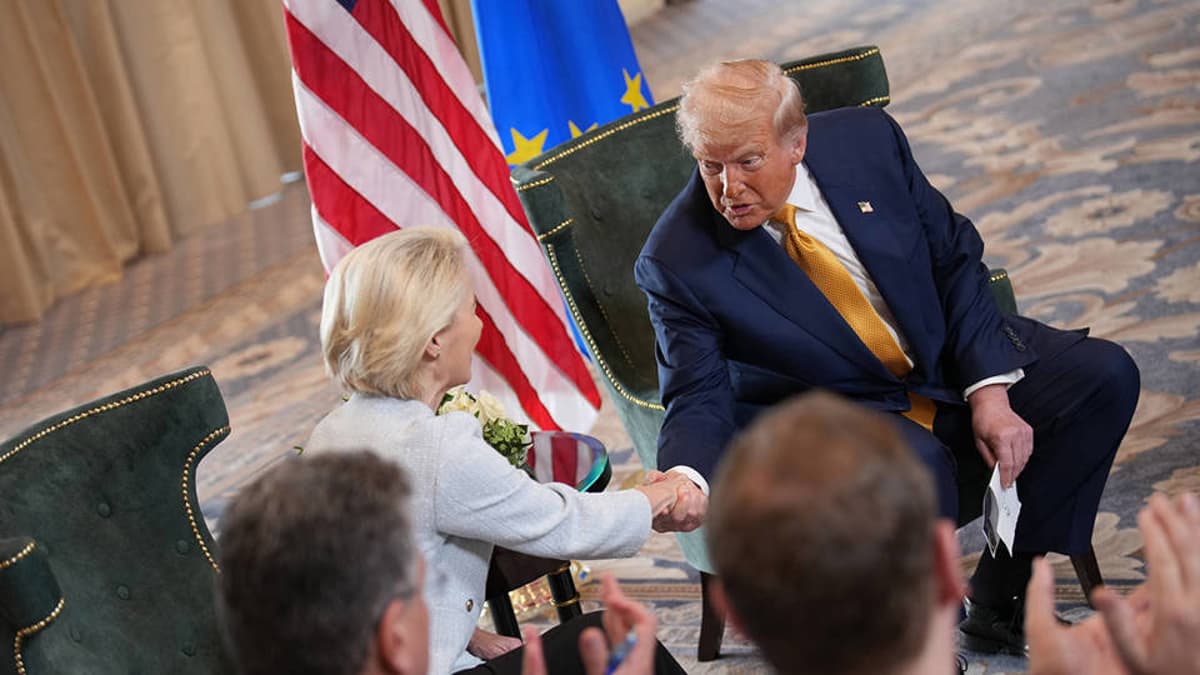
The Wisdom of Europe’s “Great Capitulation”
The European Union accepted an asymmetrical trade deal with the United States, lowering its residual tariffs while the US maintains high reciprocal tariffs. The arrangement prevents a retaliatory trade war and keeps European import costs modest. Analysts argue the deal...
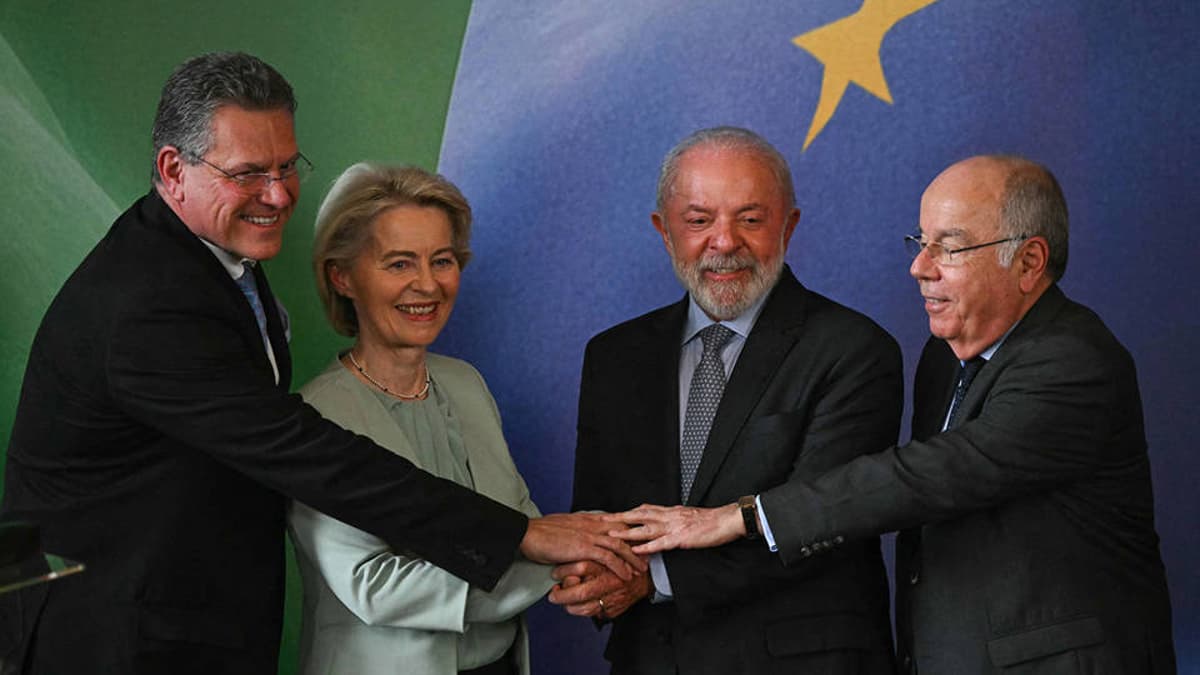
The Middle-Power Moment?
Middle powers are confronting a narrowing window to protect their interests as the United States loses its stature as a guarantor of collective security and China expands its economic and political reach. Russia’s disruptive actions further destabilize the international system,...

Are We Facing an AI Nightmare?
AI‑doom narratives have surged, amplified by Citrini’s forecast that AI could eliminate most white‑collar jobs by 2028, prompting market volatility. Raghuram Rajan argues that historical adoption frictions suggest a slower, more nuanced rollout. He identifies a policy vacuum around large‑scale,...
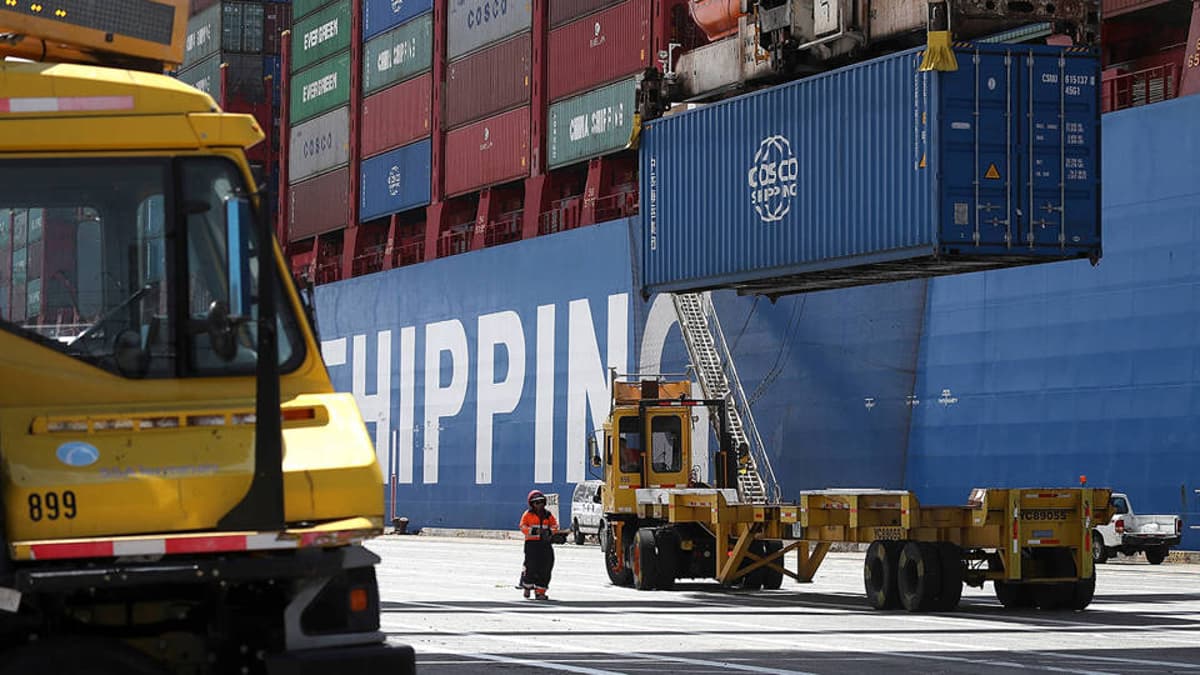
Albert Hirschman Strikes Back
Albert O. Hirschman's 1945 work *National Power and the Structure of Foreign Trade* was largely ignored when published, but its analysis of how states engineer trade for strategic advantage is resurfacing amid today’s intensifying geoeconomic conflict. The book argued that...
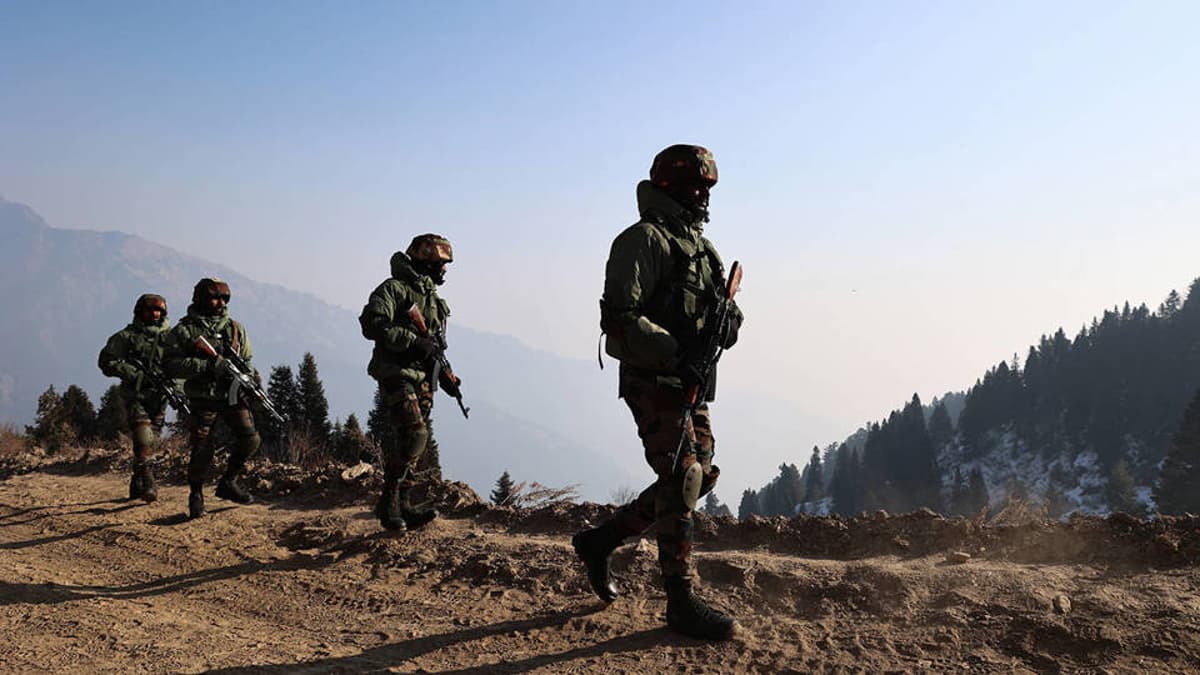
India’s Promising New Counter-Terrorism Strategy
India's Ministry of Home Affairs released its first National Counter‑Terrorism Policy and Strategy, dubbed PRAHAAR, in February 2026. The eight‑page doctrine replaces a reactive, fragmented approach with a holistic, coordinated framework for the nation’s security agencies. It outlines unified command...
A Deal With Iran Requires an Iran that Can Make One
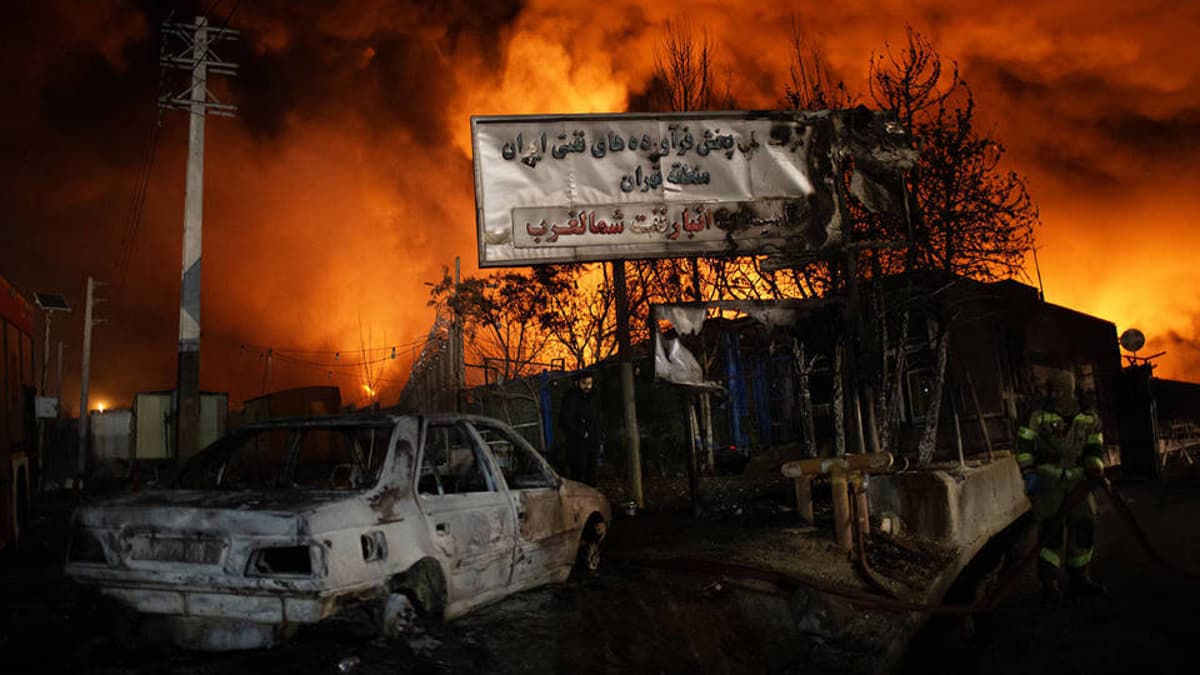
The Trump administration’s foreign‑policy playbook, dubbed “decapitate and delegate,” seeks to remove an obstinate leader, cripple the regime with strikes and sanctions, then force a pliant successor into a transactional deal. It succeeded in Venezuela because the state held together...

China’s Big Bet on Central Asia Is Paying Off
China’s investment strategy in Central Asia is moving beyond the debt‑trap stereotype, emphasizing joint ventures and infrastructure that fuel industrial growth. In 2025, Chinese foreign direct investment rose roughly 15% year‑on‑year, with Kazakhstan alone attracting about $12 billion in energy projects....

Europe’s “Limited Responsibility” Model Must Go
European Central Bank President Christine Lagarde warned that Europe’s “limited responsibility” fiscal framework must be abandoned to protect prosperity and sovereignty. She made the remarks at an informal European Council meeting and the Munich Security Conference, calling for deeper fiscal...
Can the US Afford Trump’s Iran War?
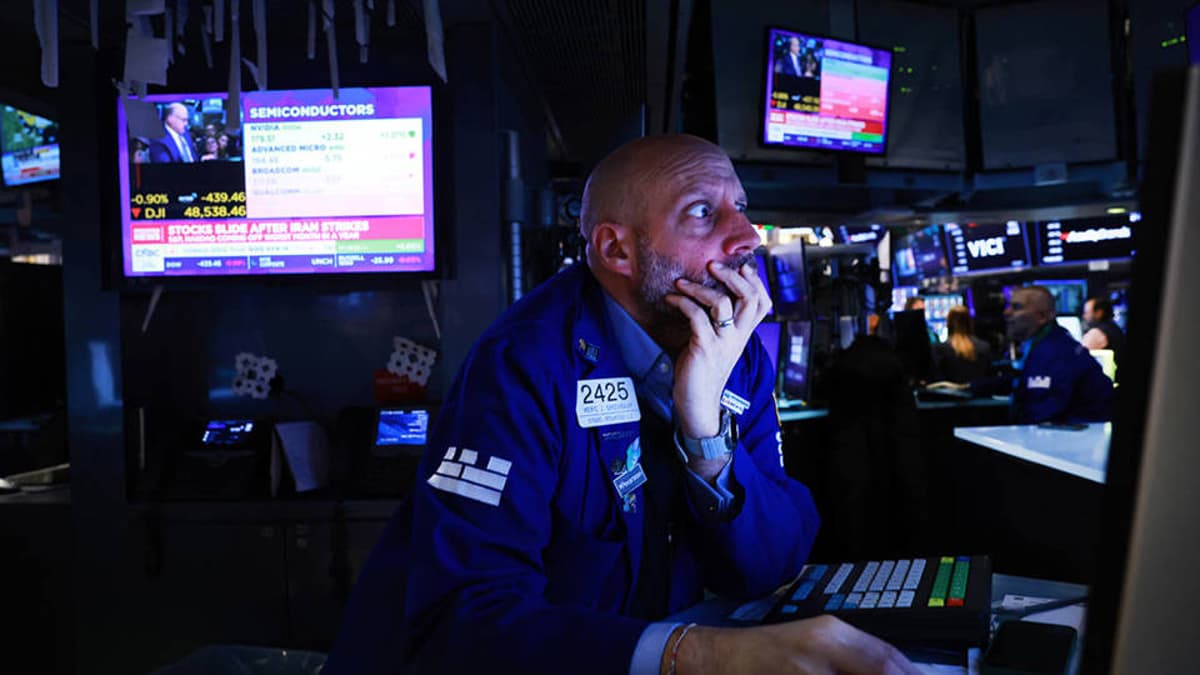
President Donald Trump has launched a direct military campaign against Iran despite a domestic economy plagued by rising unemployment and stubborn inflation. The article argues that the conflict will further erode public finances, adding new pressure on the federal budget....
Hungary and the Future of the EU
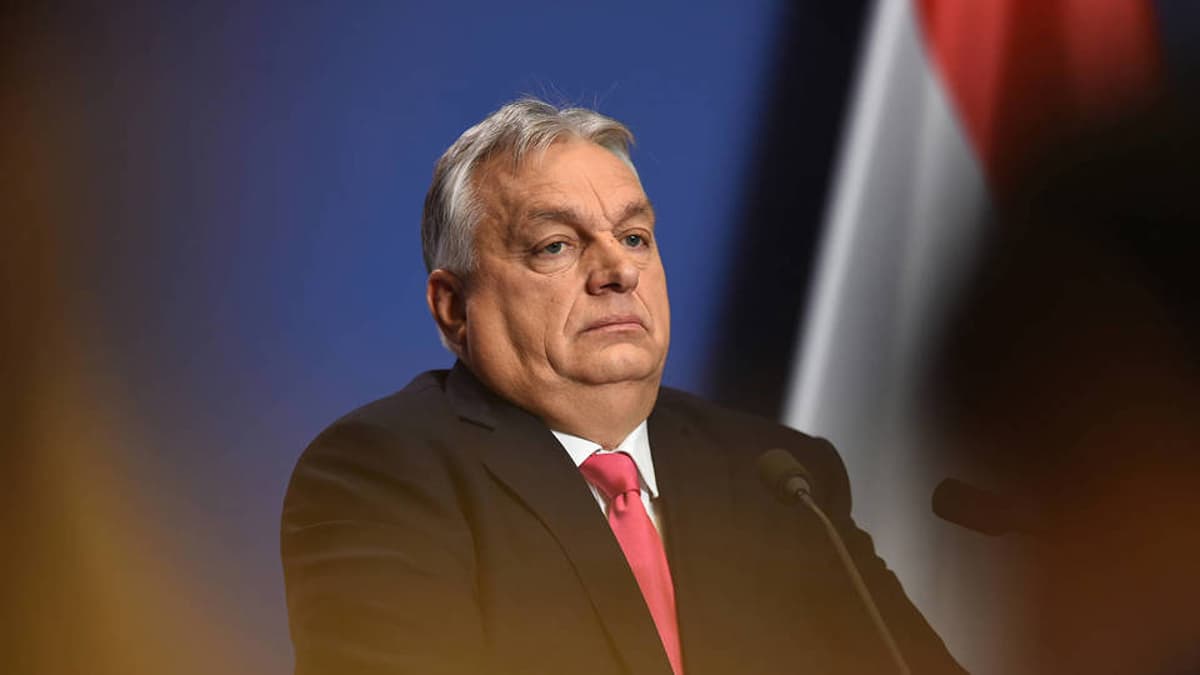
Hungary’s September 2026 parliamentary election will test the European Union’s ability to maintain democratic standards while confronting a volatile security environment. Viktor Orbán’s 16‑year illiberal tenure has strained EU consensus on defense and foreign policy, especially as the bloc faces...
Kevin Warsh Is in for a Rude Awakening
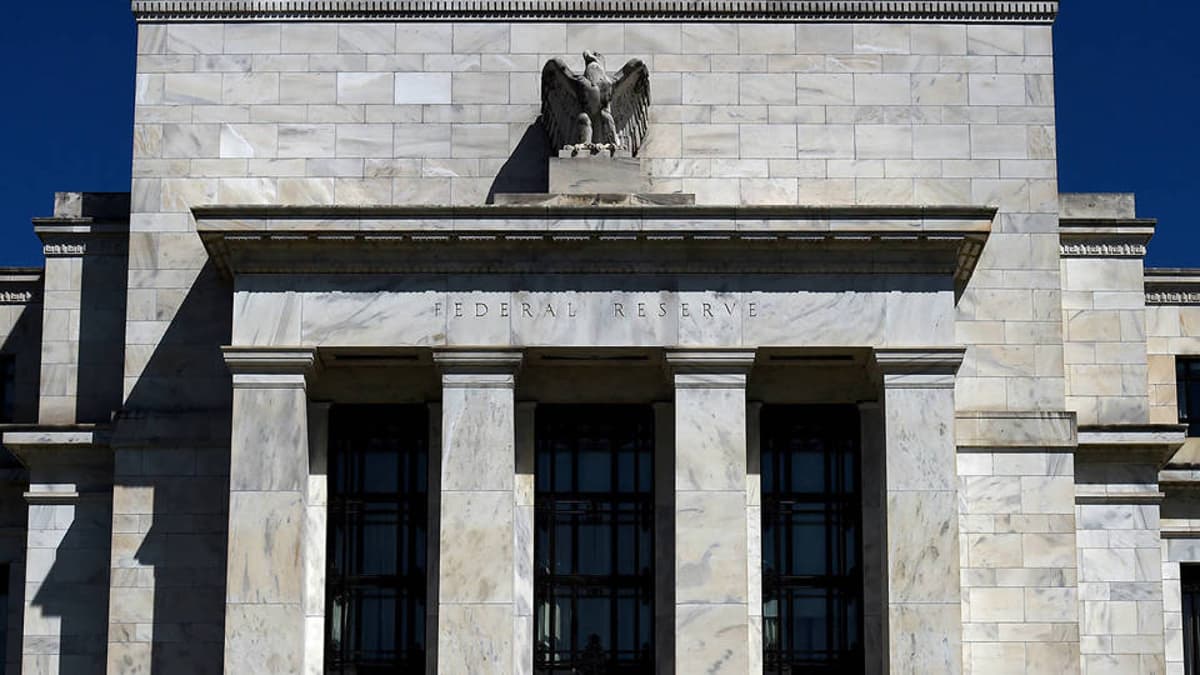
Kevin Warsh, a former Fed governor and Donald Trump’s pick, has been nominated to chair the Federal Reserve. Warsh is known for advocating aggressive rate cuts and a loose monetary stance that many analysts deem risky in the current inflationary...

What Makes America Strong?
In 2025 the United States recorded a negative net migration rate as legal immigration was sharply curtailed, a trend that economists warn will dampen economic growth. President Donald Trump has framed this demographic shift as part of a broader “Golden...

Trump’s Unaffordable Midterm Stimulus
The Congressional Budget Office released a stark outlook showing U.S. deficits expanding by nearly $1.5 trillion and the debt‑to‑GDP ratio surpassing 115 percent. President Donald Trump is proposing a fresh stimulus package—accelerated infrastructure grants, tax rebates, and expanded credit for small firms—designed...

What Will the Fed’s “Warsh Era” Bring?
Kevin Warsh’s nomination to replace Jerome Powell places a deeply divided Federal Reserve at a crossroads. Warsh argues the institution needs a revamped analytical framework and a “balance‑sheet theory” rather than a singular focus on rate cuts. He suggests structural...
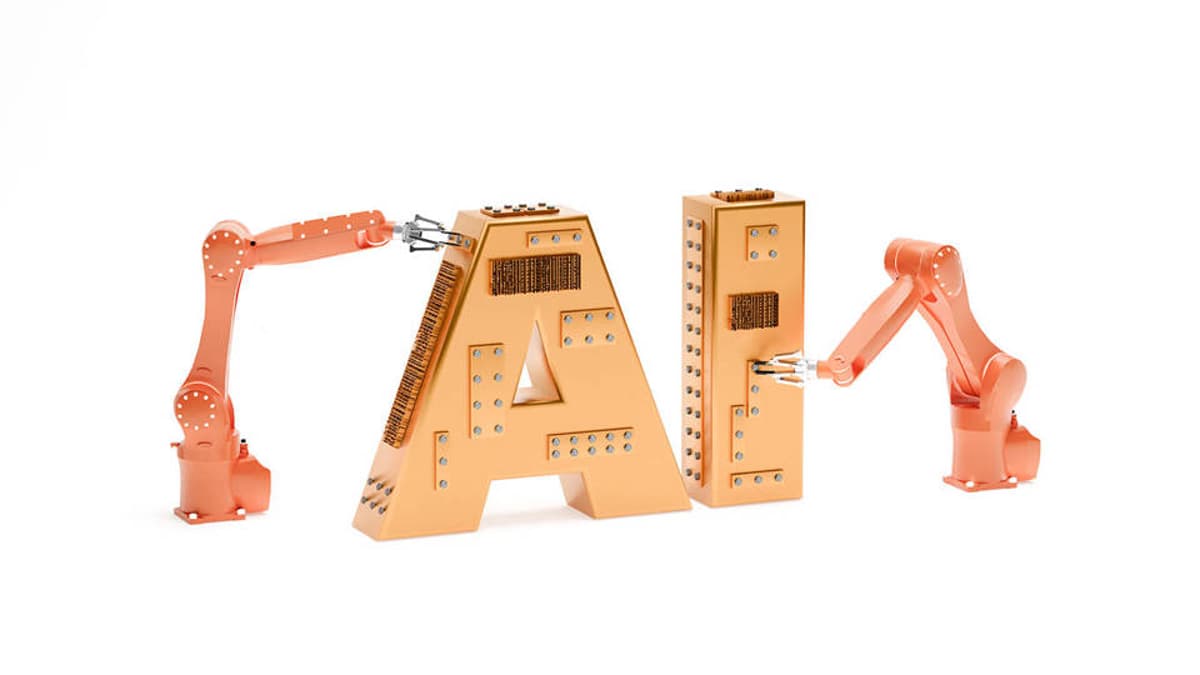
The Perils of Premature Automation
Developing nations are cautioned against rushing AI automation, as integrating advanced technologies into outdated, fragmented bureaucracies can erase middle‑skill jobs without spurring growth. The article argues that the prevailing "move fast or fall behind" mantra overlooks systemic readiness and may...

Housing Has a Data Problem
The article highlights a critical data gap in global housing, where fragmented tracking tools leave policymakers unable to gauge program effectiveness. United Nations estimates reveal 2.8 billion people lack adequate housing and 318 million are homeless, underscoring the scale of the crisis....
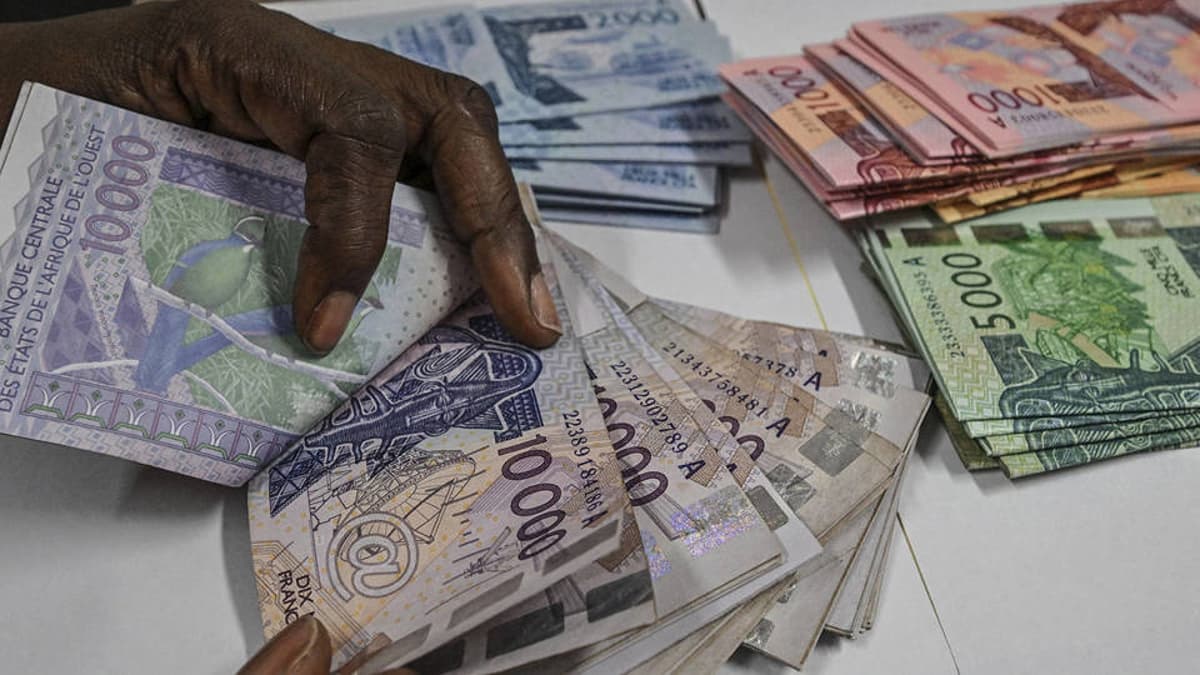
Debt Restructuring Is Senegal’s Best Bet
Senegal’s public debt has surged to roughly 132% of GDP, placing the country in a severe fiscal bind. With limited access to cheap financing, the government faces a stark choice between costly debt service and a structured debt‑restructuring process. Analysts...

How Ukraine’s Economy Has Defied the Odds
Ukraine’s economy has rebounded to near pre‑war GDP levels thanks to disciplined fiscal policy, heightened defense spending, and sustained international aid. Restored air and sea corridors revived export channels, while targeted infrastructure grants offset war‑induced fiscal gaps. The government’s focus...

Killing the Goose that Lays the Gold Medal
The article argues that America’s refusal to welcome talent jeopardizes its dominance in both sports and scientific research. It cites Vice President JD Vance’s criticism of skier Eileen Gu, who, though U.S.-born, competes for China, as evidence of the broader issue....
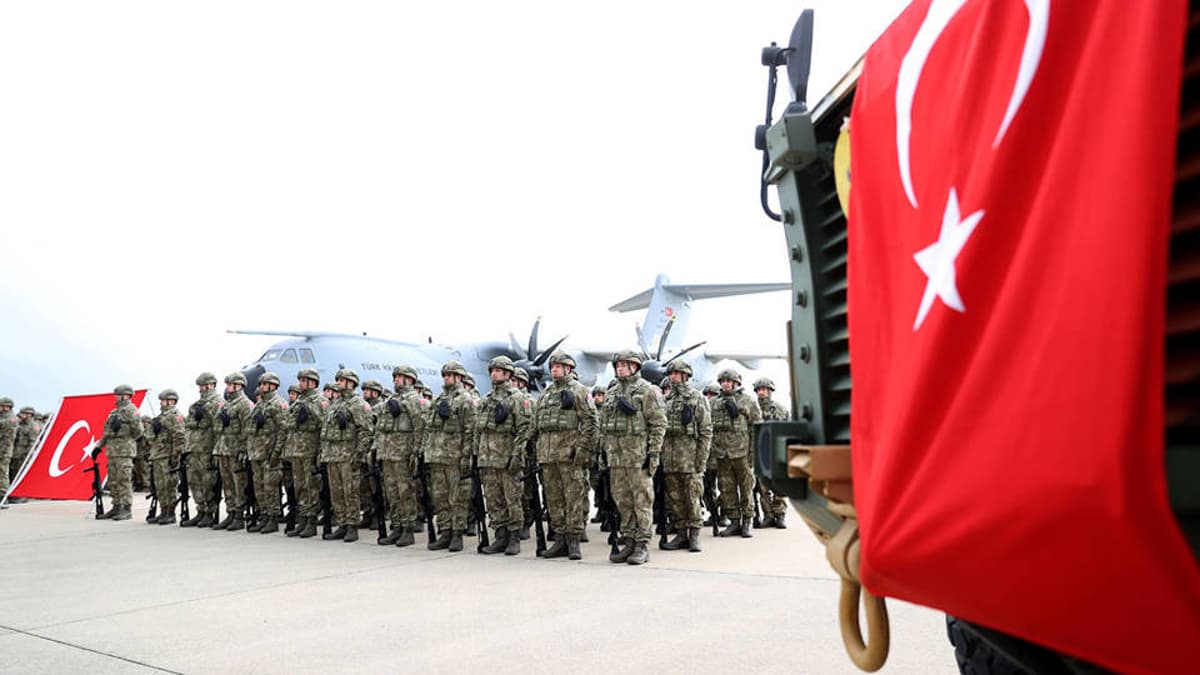
European Security Needs Turkey
Europe faces its most serious security shortfall in decades as reliance on U.S. defense guarantees wanes. The article argues that strategic autonomy must include re‑engaging Turkey, NATO’s most capable land force and a pivotal regional actor. It highlights the Trump...
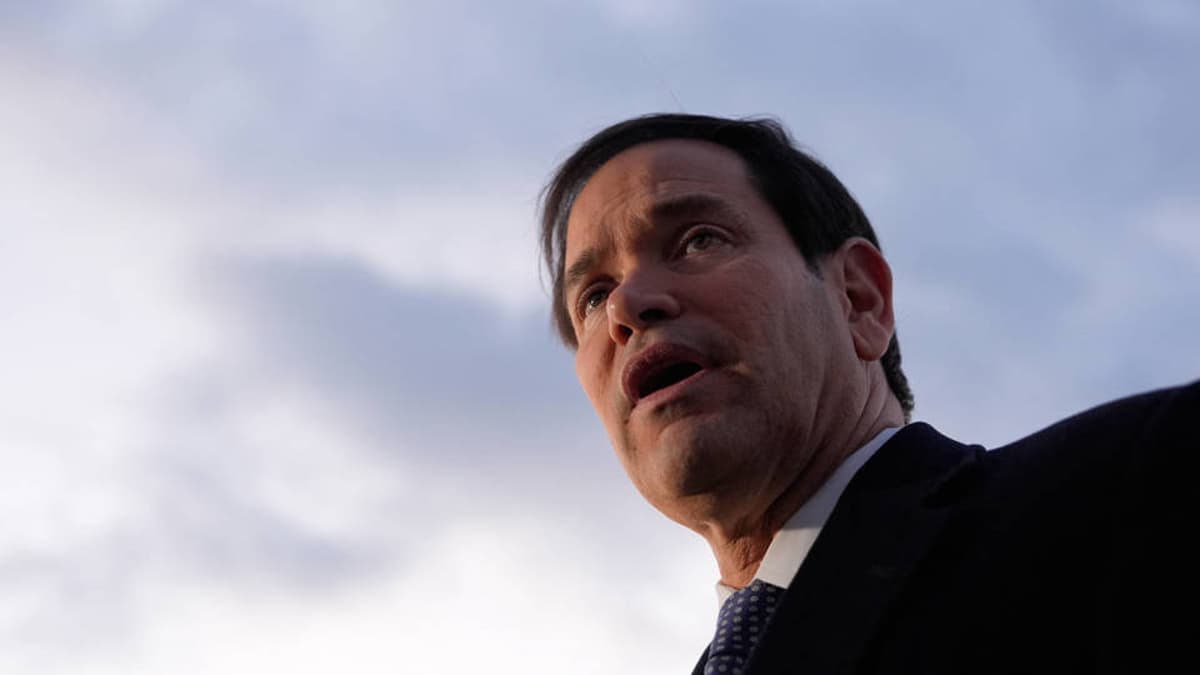
Why MAGA Fears Europe
President Donald Trump and his MAGA allies continue to cast the European Union as weak and misguided, a theme echoed at both Davos and the Munich Security Conference. The article counters this narrative, highlighting the EU’s social‑market model and its...
The Big Picture
At the 2025 Munich Security Conference, U.S. Vice President JD Vance delivered a sharply critical speech, accusing European allies of abandoning fundamental democratic values and curbing free speech to manage migration. In contrast, the 2026 conference saw Secretary of State...
Venezuelan Democracy Needs Action, Not Cheap Talk
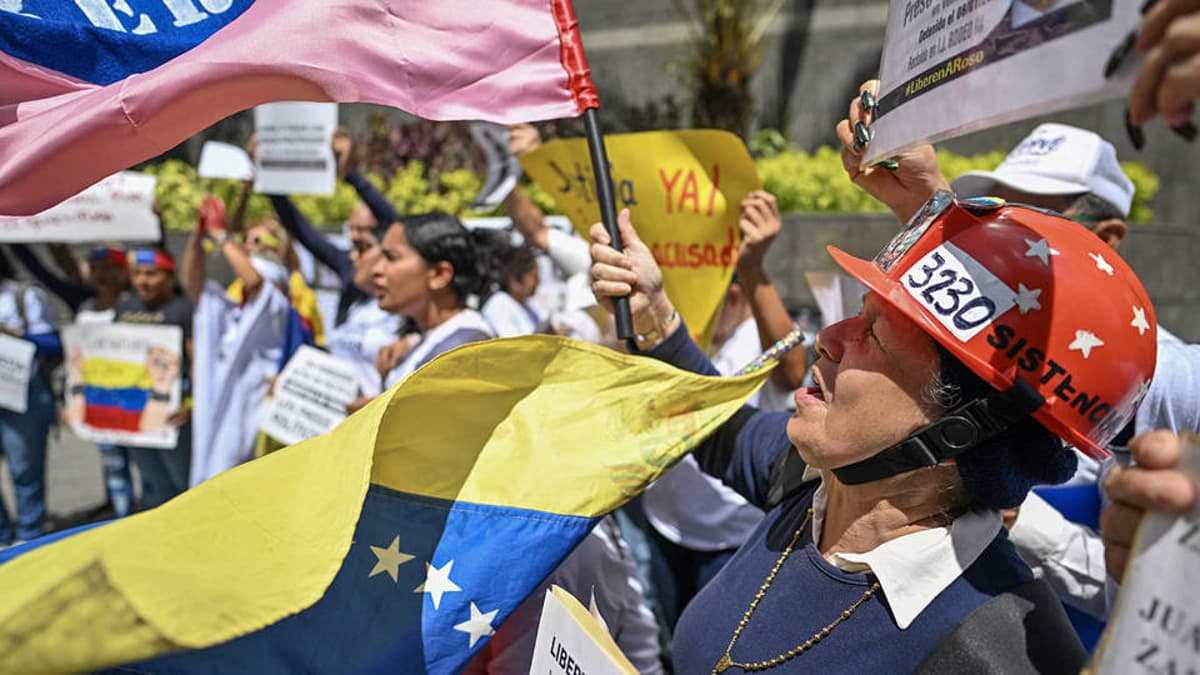
U.S. President Donald Trump announced a Venezuela policy that puts oil reconstruction ahead of democratic elections. In a Fox News interview he pledged at least $100 billion from American oil firms to rebuild the country’s oil infrastructure, with the United States...

A New Iranian Revolution?
Iran’s economy is spiraling under soaring inflation, unemployment and renewed U.S. sanctions, stoking widespread public discontent. The Islamic Republic faces a legitimacy crisis that could trigger either systemic reform or outright collapse. Analysts warn that without a shift toward moderate...

Five US Policy Shifts Could Reshape Financial Markets
The Trump administration is advancing five domestic policy initiatives that touch credit, housing, monetary policy, corporate governance, and digital‑asset regulation. Proposed credit reforms would tighten loan underwriting, while housing changes could modify the mortgage interest deduction. Monetary officials hint at...
Europe Is Squandering Its Leverage Over China
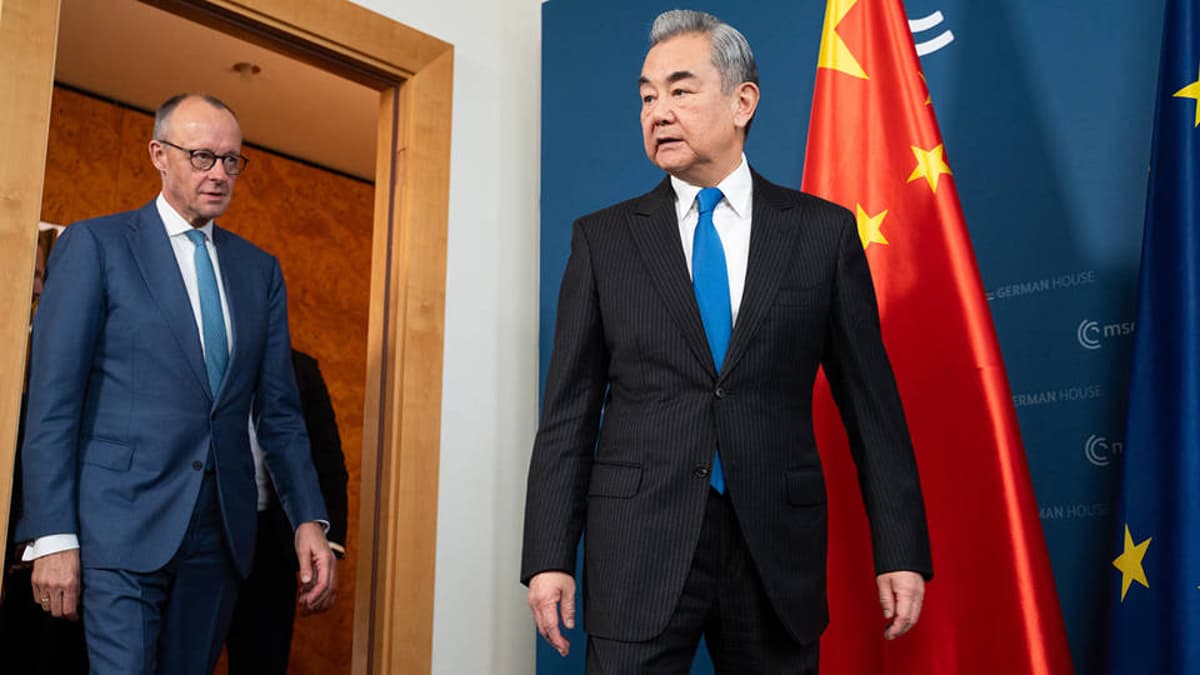
Europe is losing bargaining power with China as the continent’s growth stalls while Beijing posts a record trade surplus. German Chancellor Friedrich Merz’s upcoming China visit underscores the urgency, with Germany’s 2025 GDP expanding only 0.2% versus a $1.19 trillion Chinese surplus....

Hope and Disappointment in India
India’s demographic and economic potential remains strong, but political dysfunction and empty rhetoric are eroding its long‑term outlook. The country suffers from unreliable statistics, a slowdown in innovation, and worsening air quality, all signs of institutional decay. Author Kaushik Basu’s...
Financing the Global South’s Infrastructure Boom
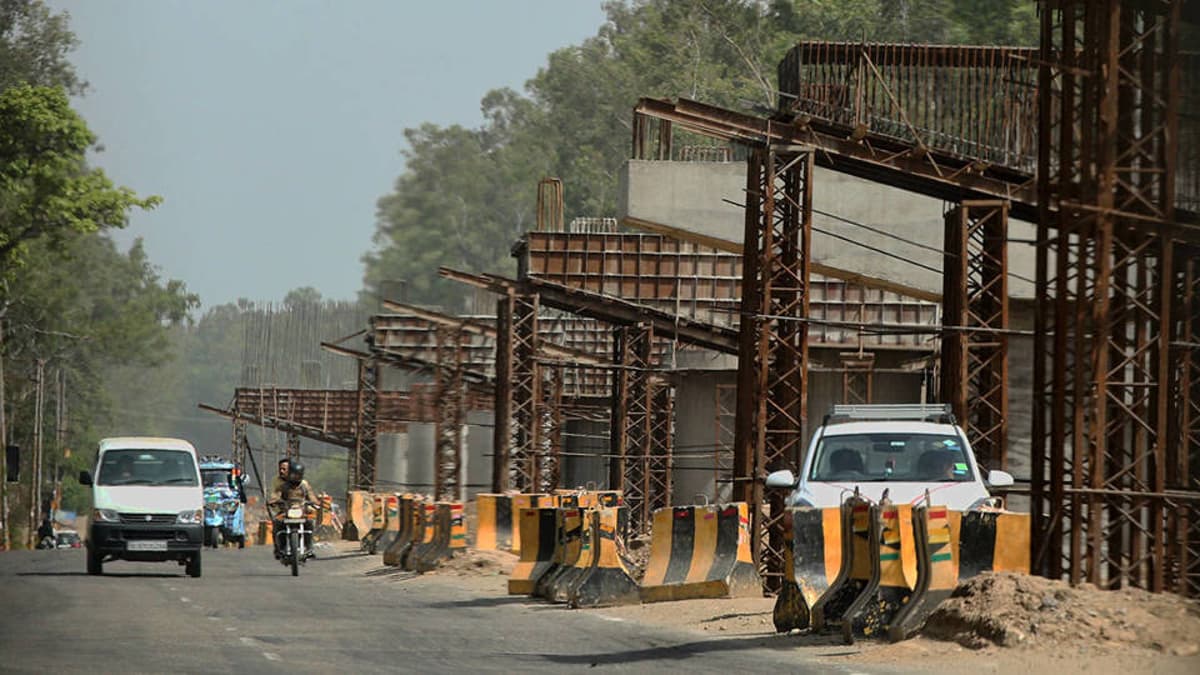
Private participation in infrastructure across the Global South reached $100 billion in 2024, a 20% rise over the previous five‑year average. The article highlights India’s PPP surge, which drove infrastructure credit to over 15% of bank lending but also triggered an...
Thailand’s Royalist Right Turn
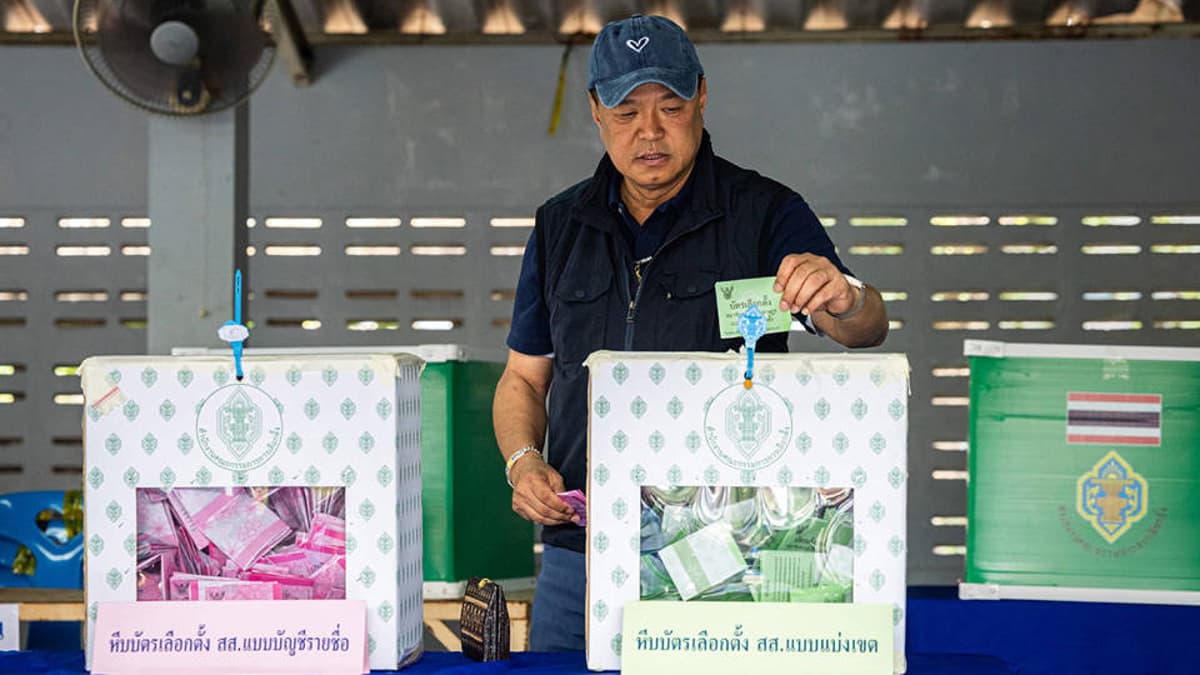
The royalist‑conservative Bhumjaithai Party has captured a decisive parliamentary majority, reinforced by the military and judiciary, positioning it to govern Thailand for the next four years. Its victory ends a 26‑year period marked by street protests, coups, and judicial interventions,...
Conflicting Policies, Confused Investors, and the Weak Dollar
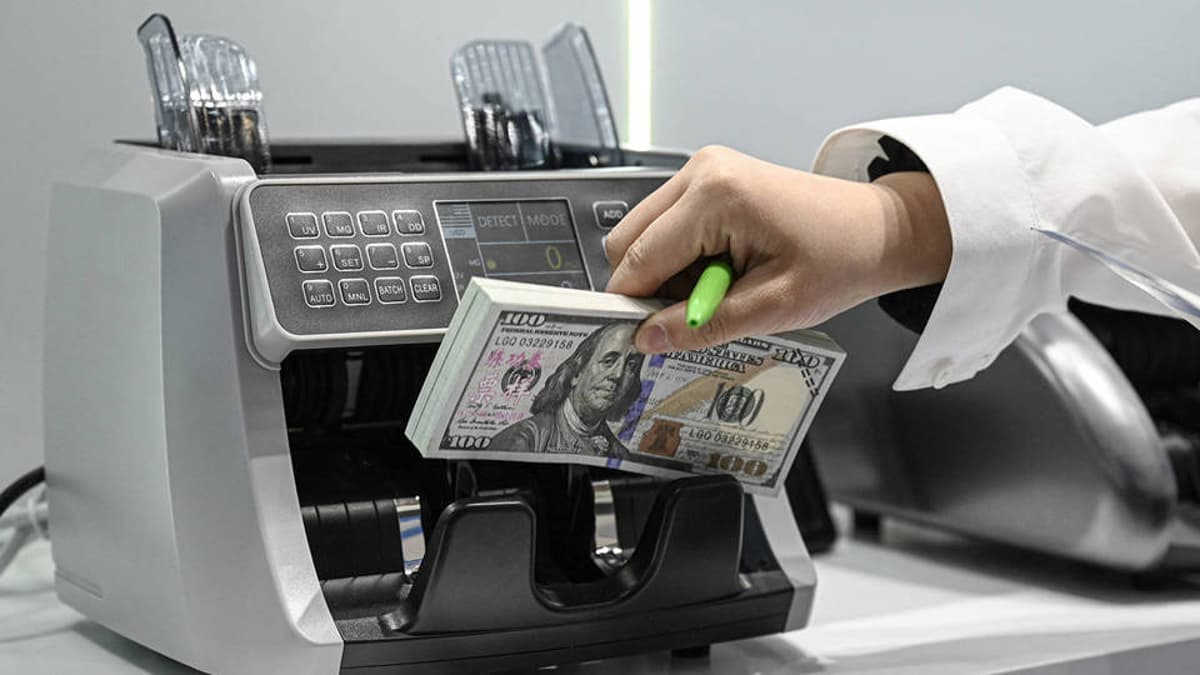
The United States continues to dominate global growth, driven by an AI-fueled expansion, yet its flagship currency is unusually weak. Markets are now pricing U.S. policy uncertainty on par with economies that lack a reserve currency. Conflicting fiscal and monetary...

India’s Game-Changing Digital Money Model
India’s Unified Payments Interface (UPI) has become the world’s largest real‑time payments network, handling billions of free transactions daily. Built on a public, open‑source infrastructure managed by the National Payments Corporation of India, UPI lets banks, fintechs and merchants interoperate...
Could a BRICS Currency Work?
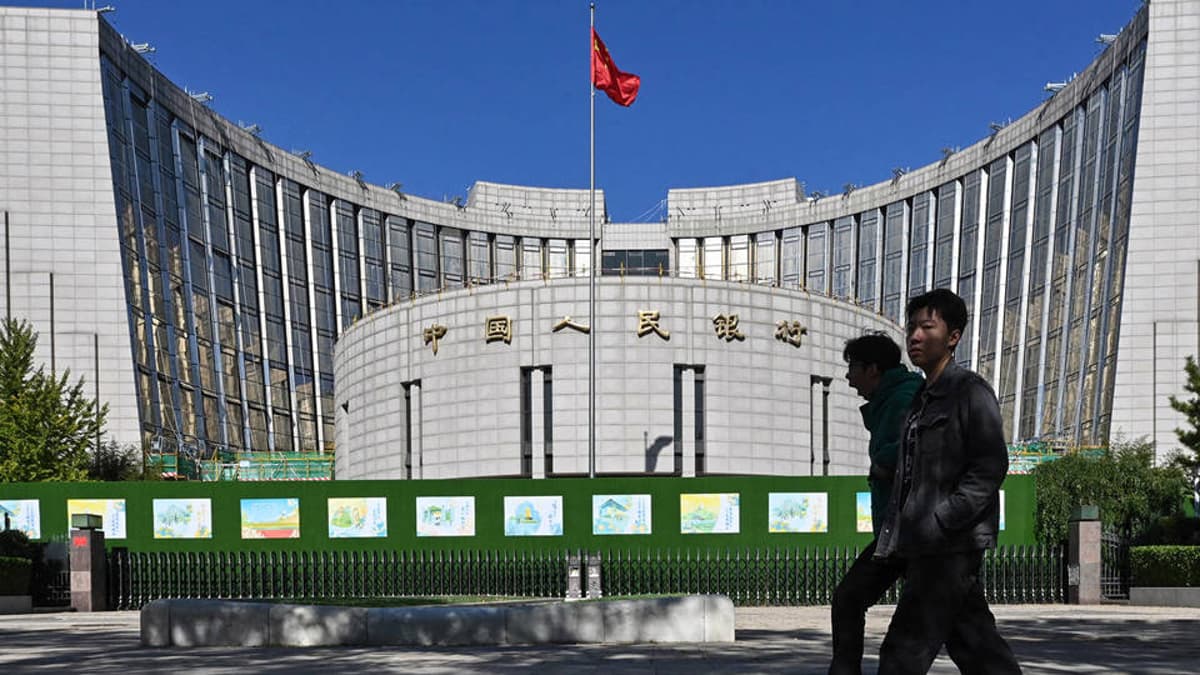
The article probes the feasibility of a shared BRICS currency aimed at challenging the US dollar’s global dominance. While mainstream economists have long dismissed the concept, the bloc is actively seeking new settlement rails to lessen dollar dependence. Structural hurdles—including...