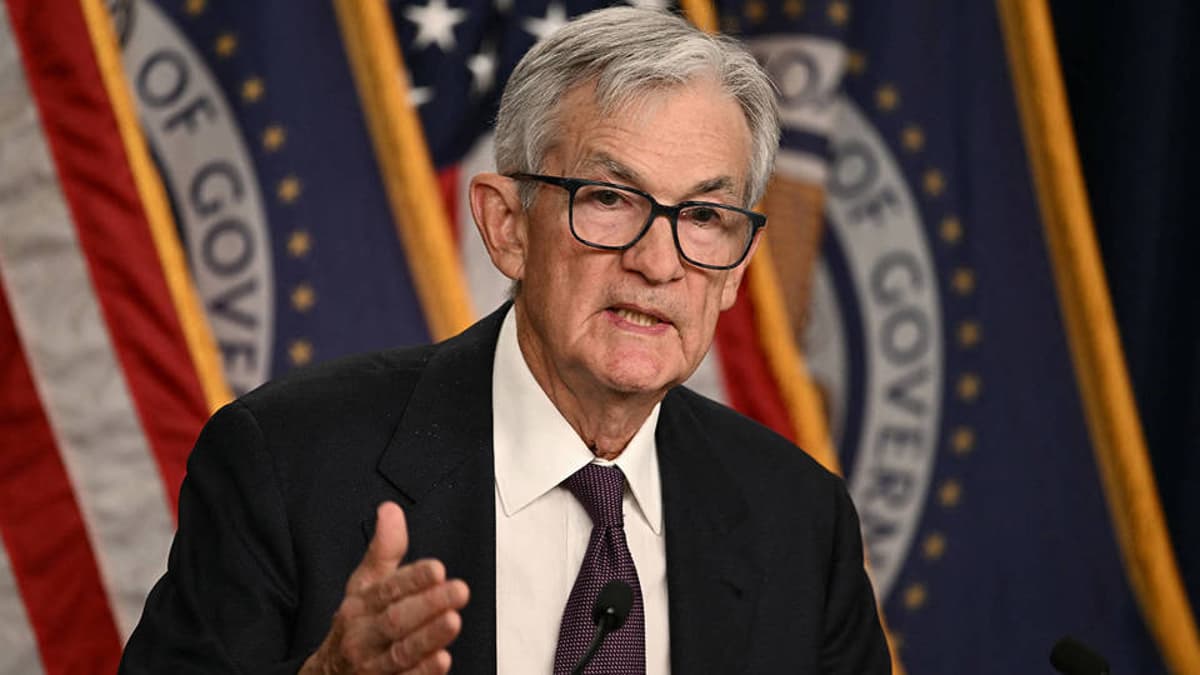
Jerome Powell’s Finest Hour
Why It Matters
Fed independence underpins credible monetary policy; undermining it could destabilize markets and erode investor confidence in the U.S. financial system.
Key Takeaways
- •Powell publicly rebuffed Trump’s demands to lower rates ahead of elections
- •Fed’s autonomy remained intact despite repeated political attacks
- •Policy errors, like delayed rate hikes, are viewed as forgivable given his stance
- •The episode reinforces the norm of central‑bank independence in democratic systems
- •Future chairs may face similar pressures, shaping long‑term governance frameworks
Pulse Analysis
The clash between the Federal Reserve and the White House has resurfaced as a defining narrative of Jerome Powell’s final months in office. While President Trump repeatedly urged the Fed to cut rates to spur growth before the 2024 election, Powell maintained that monetary policy must be guided by data, not political calendars. By publicly emphasizing the Fed’s statutory independence, he reinforced a cornerstone of modern macroeconomic governance that helps anchor inflation expectations and stabilizes financial markets. This stance, though politically costly, signals to investors that the United States remains committed to a rules‑based monetary framework.
Powell’s legacy, however, is not without blemish. Critics point to a delayed response to rising inflation in 2023, which some argue amplified price pressures and prolonged the cost‑of‑living squeeze for households. Yet the article suggests that these policy missteps will likely be eclipsed by his defense of institutional autonomy. In the broader historical context, central bankers who bow to political pressure often see their credibility erode, leading to higher borrowing costs and market volatility. Powell’s resistance, therefore, may serve as a cautionary tale for future policymakers navigating partisan demands.
Looking ahead, the episode underscores the fragile balance between democratic oversight and central‑bank independence. As the next chair assumes the helm, they will inherit a precedent that political interference is not a given. Market participants will watch closely for signals that the Fed can continue to operate without succumbing to short‑term political whims, a factor that will influence everything from bond yields to foreign investment flows. In an era of heightened fiscal activism, preserving the Fed’s credibility remains a strategic imperative for sustaining economic stability.
Jerome Powell’s Finest Hour
Comments
Want to join the conversation?
Loading comments...