
The One Therapy That Really Helps People Through Grief (M)
A comprehensive meta‑analysis of 169 clinical trials identified Complicated Grief Therapy (CGT) as the only intervention consistently reducing grief severity. Across diverse populations, CGT lowered standardized grief scores by roughly 30%, outperforming CBT, mindfulness, and support groups. The study also found that initiating CGT within six months of loss doubled the likelihood of successful outcomes. Telehealth delivery of CGT proved as effective as face‑to‑face sessions, expanding access for bereaved individuals.

How Other People’s Opinions Can Rewrite Your Reality (M)
Psychologist Jeremy Dean explains that when people are warned a stimulus will hurt, the brain often creates the expected pain, a phenomenon known as the nocebo effect. He outlines how expectations, social cues, and verbal suggestions activate neural circuits that...

Why Some People Thrive Despite Harsh Childhoods (M)
Adverse childhood experiences (ACEs) raise the likelihood of mental‑health challenges, yet a sizable minority of individuals not only survive but thrive. Recent research shows that protective factors—such as stable adult relationships, strong emotional‑regulation skills, and a sense of purpose—can counteract...

Pets Slow Age-Related Cognitive Decline – May Reduce Dementia Risk
A new study of nearly 1,400 older adults found that pet owners retain cognitive abilities better than non‑owners, with the advantage growing the longer the animal is kept. About half of the participants owned a pet, and one‑third had owned...
20 Memory-Enhancing Hacks That Work Like Magic (P)
A new guide outlines 20 evidence‑based memory‑enhancing hacks ranging from specific foods and scents to targeted exercise and environmental changes. The techniques are drawn from recent psychological studies and are presented as practical, low‑effort interventions. Author Dr. Jeremy Dean, a...

The Emotional Sign That You Have A High IQ
A longitudinal study of 1,881 individuals followed from age 8 to their early twenties found that each ten‑point increase in childhood IQ was associated with a higher likelihood of exhibiting manic personality traits, placing them in the top ten percent for...

One Type Of Olive Oil Could Help Protect Your Brain (M)
A recent peer‑reviewed study shows that high‑phenol extra‑virgin olive oil (EVOO) can markedly protect brain tissue, outperforming standard olive oil in reducing oxidative stress and inflammation in rodents. The researchers fed the oil at roughly 20% of daily calories for...

The Mental Health Risks of Ultra-Processed Foods (M)
Recent research highlights a strong association between ultra‑processed foods and mental‑health disorders such as depression and anxiety. These foods now account for roughly 60 % of all calories consumed in the United States, making them a dominant component of the average...

A Global Study On Forgiveness Reveals Something Subtle — But Surprisingly Consistent (M)
A new multinational study of more than 30,000 adults across 20 countries finds that forgiveness produces subtle, delayed benefits for the brain. Researchers measured stress hormones, cognitive performance, and self‑reported well‑being, discovering that individuals who practice forgiveness show lower cortisol...

10 Personality Traits Linked To Better Mental Health (M)
Psychologists identified ten personality traits that consistently correlate with stronger mental health outcomes. The traits—ranging from optimism and resilience to mindfulness and agreeableness—show measurable links to lower rates of depression, anxiety, and stress. The article cites longitudinal studies and meta‑analyses...
Cognitive Decline Linked To Seasoning That 90% Overconsume (M)
New research highlights that excessive consumption of common table salt triggers inflammation of brain blood vessels, a condition linked to accelerated cognitive decline and dementia. Over 90% of adults consume more sodium than recommended, putting a large portion of the...

The Belief That May Help Your Brain & Body Improve With Age (M)
Recent research suggests that a simple belief—that the brain and body can keep improving with age—can counteract the stereotype of inevitable decline. Studies show that seniors who adopt a growth mindset experience measurable gains in memory, processing speed, and physical...

The Personality Trait Linked To Longer Life (M)
A recent study identifies conscientiousness as the personality trait most strongly linked to a longer lifespan, with high scorers living up to 10% longer than their peers. The researchers analyzed longitudinal data from more than 10,000 adults across several decades....

Cannabis Alters How The Brain Remembers Everyday Events (M)
A recent study finds that even moderate doses of THC disrupt the brain's ability to record everyday events. Participants who consumed typical recreational amounts showed reduced encoding of routine episodic memories, linked to altered hippocampal activity. The research, led by...

This Sleep Pattern Is Tied To Higher Dementia Risk (M)
A new longitudinal study of 2,500 adults aged 60 and older found that frequent awakenings after 2 a.m. are associated with a 30% higher risk of developing dementia over a ten‑year period. Researchers used wrist‑worn actigraphy to track sleep patterns and...

10 Reasons Napping Is The Ultimate Power Move For Your Brain, Heart & Mood (P)
A growing body of research shows that brief daytime naps are a physiological tool, not a luxury. Studies link 20‑minute naps to measurable gains in memory, attention, and mood, while regular napping can cut stroke risk by roughly half. The...

The Spiritual Personality Trait Linked To Happiness (M)
Recent research identifies a distinct spiritual personality trait that consistently correlates with higher happiness levels. Individuals scoring high on this trait report greater hopefulness and a more positive appraisal of their life circumstances. The study, conducted by psychologist Dr. Jeremy...

The Hidden Nutrient Deficiency That Could Be Ruining Sleep (M)
A recent health report highlights a widespread deficiency of magnesium, a mineral that can extend children’s sleep by up to an hour when levels are adequate. The article explains that modern diets, high‑processed‑food consumption, and stress contribute to sub‑optimal magnesium...
The Personality Trait Linked To 43% Lower Dementia Risk 43% (M)
A recent longitudinal study found that individuals scoring highest on conscientiousness were 43% less likely to develop dementia over a 14‑year period. The research followed roughly 7,000 adults aged 65 and older, tracking cognitive health alongside personality assessments. Researchers attribute...

A Very Popular Drink Is Linked To Lower IQ (M)
A recent UK study finds that regular consumption of beer is linked to a modest decline in IQ scores, slower reaction times, and a higher rate of cognitive mistakes. The research, which analyzed data from over 5,000 adults, measured brain...

This Gas Provides Rapid Relief For Major & Treatment-Resistant Depression (M)
Recent clinical investigations show that inhaled nitrous oxide can alleviate symptoms of major depressive disorder, including cases resistant to standard therapies, within hours of administration. Across multiple small‑scale trials, roughly 40% of participants achieved remission after a single session, with...

Effortlessly Mindful: How Nature Resets Your Brain State (M)
Recent research shows that spending time in natural environments triggers a cascade of neurological changes that closely resemble the effects of mindfulness meditation. Exposure to green spaces lowers cortisol, activates the prefrontal cortex, and enhances attention networks, producing measurable improvements...

The Proven Ways To Beat Food Cravings And Boost Weight Loss (M)
Recent research confirms that simple, evidence‑based tricks can help people overcome food cravings and accelerate weight loss. Strategies such as staying hydrated, prioritising protein, and practicing mindful eating have measurable effects on appetite regulation. The article, authored by psychologist Dr Jeremy...

The Hidden Disadvantage Of Living A Creative Life (M)
Living a creative life offers mood‑lifting benefits, but research shows it can also backfire. Psychologist Dr. Jeremy Dean highlights how sustained creative activity may lead to emotional volatility, perfection‑driven procrastination, and financial uncertainty. The hidden costs extend beyond occasional frustration,...

This Meditation Technique Reduces Anxiety In 60 Minutes (M)
A newly studied meditation technique can slash anxiety levels within a single 60‑minute session while also delivering measurable improvements in heart health markers. The research, highlighted by psychologist Dr. Jeremy Dean, shows participants experience rapid reductions in stress hormones and...

How To Reduce Fear Of Failure By Changing A Single Memory (M)
Psychologist Dr. Jeremy Dean outlines a brief mental exercise that weakens the fear of failure by targeting a single negative memory. The technique involves recalling the memory, then visualizing a new, less threatening outcome, which diminishes associated sadness and guilt....

10 Psychological Traits That Shape How Long You Will Live (P)
A growing body of research identifies ten psychological traits—such as optimism, purpose, and strong social ties—that consistently predict longer lifespans. These mental and personality factors influence how individuals handle setbacks, interact with others, and approach daily life, often adding years...

This Everyday Nutrient Could Influence Alzheimer’s Before It Begins (M)
A new longitudinal study finds that higher blood concentrations of vitamin D during midlife are linked to a reduced risk of developing Alzheimer’s disease and other dementias later in life. Researchers tracked over 5,000 participants for two decades, measuring vitamin...

The Step Count That Cuts Dementia Risk The Most (M)
A recent epidemiological study identified a specific daily step count that most effectively lowers the risk of Alzheimer’s disease. Participants who logged roughly 10,000 steps per day experienced up to a 30% reduction in dementia incidence compared with sedentary peers....

Why Preschoolers Beat College Students At This Reasoning Game (M)
A simple logical puzzle was given to both preschoolers and college students, and the younger group consistently outperformed the older participants. The test, designed to measure intuitive reasoning rather than formal education, showed preschoolers solving the problem in fewer steps...

This Mind-Body Training Relieves Depression & Lowers Blood Pressure (M)
A recent clinical trial of a structured mind‑body training program demonstrated significant mental and cardiovascular benefits. Participants experienced a 30% reduction in depression scores and an average 8 mmHg drop in systolic blood pressure after eight weeks. The greatest improvements were...

A Better Way To Treat Panic Disorder — And Patients Prefer It (M)
A new therapeutic protocol that deliberately induces panic sensations—such as a racing heart and shortness of breath—has shown superior outcomes for panic‑disorder patients, who also report higher satisfaction than with medication or standard cognitive‑behavioral therapy. The approach, rooted in interoceptive...

This One Reflection Technique Improves Brainstorming By 50% (M)
A brief, structured reflection exercise can lift both the quantity and quality of ideas generated during brainstorming sessions by roughly 50 percent, according to recent psychological research. The technique involves a short, five‑minute pause where participants review recent successes, obstacles,...
The 30-Image Rule: A Mental Trick To Halt Hunger Pangs (M)
Dr. Jeremy Dean introduces the "30‑Image Rule," a cognitive technique that asks users to view a rapid sequence of 30 unrelated pictures when hunger strikes. The visual distraction reroutes attention away from the stomach, temporarily suppressing appetite without caloric intake....

Why Thinking About The Past Makes Us More Grateful (M)
Recent psychological research shows that reflecting on nostalgic memories can significantly increase present‑day gratitude. The study found that brief exposure to personal past cues—such as music or photos—activates reward centers in the brain and heightens appreciation for current relationships and...

Happiness Hacks: 28 Simple Strategies For A Brighter, Joy-Filled Life (P)
Psychologist Dr. Jeremy Dean outlines 20 evidence‑based strategies to improve everyday happiness. The article, titled “Happiness Hacks,” groups simple mindset, habit, and lifestyle tweaks that readers can adopt immediately. Dean draws on decades of research to explain how gratitude, physical...

Why Better Thinking Skills May Reduce Anxiety Risk (M)
Recent research highlights that robust cognitive abilities—particularly working memory, mental flexibility, and problem‑solving skills—act as a protective factor against anxiety disorders. Studies show individuals with higher executive function scores experience fewer anxiety symptoms and lower risk of clinical anxiety. The...
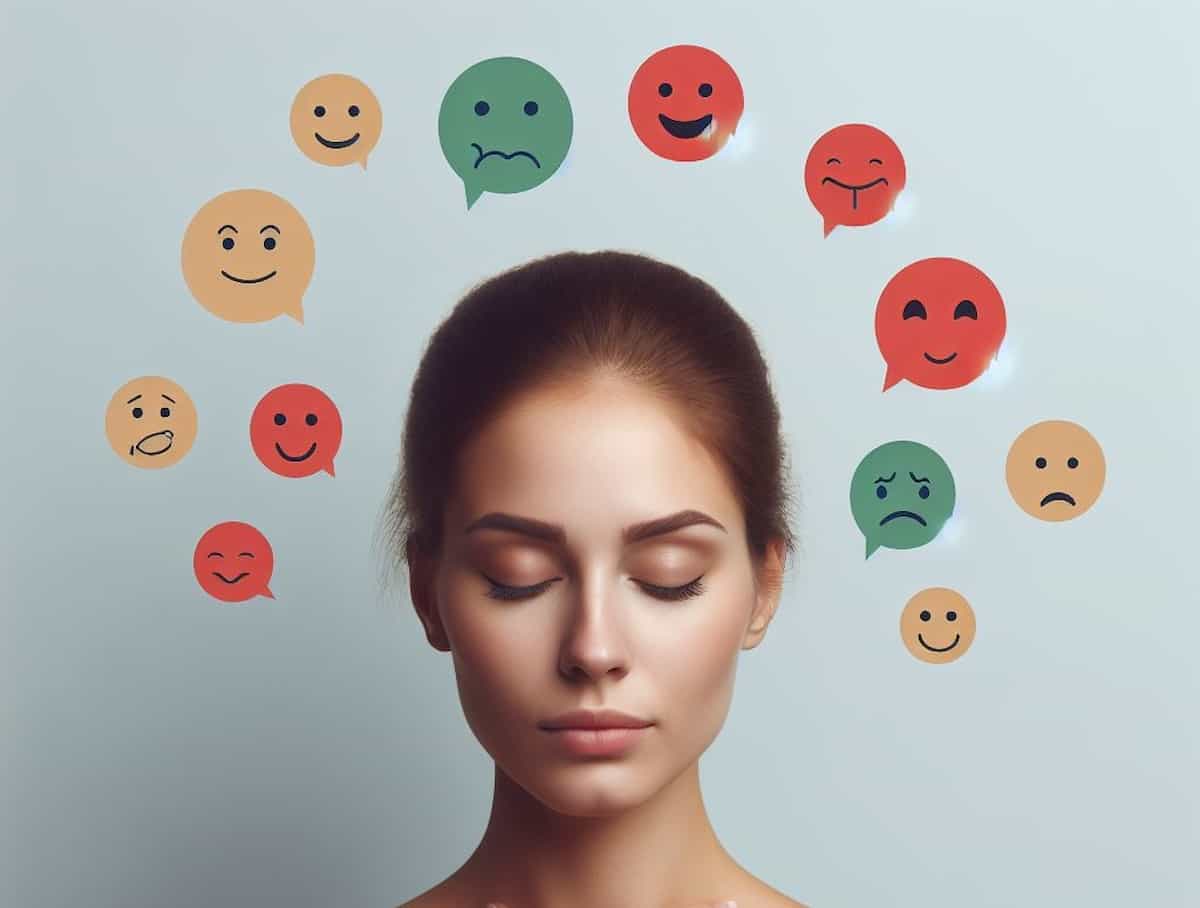
Most Diet Failures Happen In One Specific Emotional Moment (M)
A new study reveals that the majority of diet failures occur during a single, identifiable emotional moment rather than a gradual erosion of willpower. Researchers tracked participants’ eating habits and emotional states, pinpointing stress‑induced cravings as the critical trigger. The...
Last-Minute Cancellation? Why Unexpected Free Time Feels So Liberating (M)
When a scheduled event is cancelled, the brain interprets the gap as an abundance of time, triggering a sense of liberation. Psychologist Dr. Jeremy Dean explains that this shift stems from reduced perceived scarcity and a temporary pause in decision‑making...

The Money Mindset That Predicts Happier Couples (M)
A recent study finds that how partners perceive each other's spending habits is a stronger predictor of relationship satisfaction than actual income levels. Couples who view their partner’s financial choices positively report higher trust, lower conflict, and greater overall happiness....

The Mild Nutrient Deficiency Linked To Memory Loss
A three‑year randomized trial of 3,500 adults found that a daily 500 mg flavanol supplement, including 80 mg epicatechin, reversed age‑related memory loss. Participants with mild flavanol deficiencies improved memory by 10.5% versus placebo and 16% compared with their baseline scores. The...

Why It Is Never Too Late To Change Your Personality (M)
Research shows personality is not fixed by age; individuals can alter core traits throughout adulthood. Dr. Jeremy Dean explains that deep, purposeful engagement—such as setting specific goals and practicing new behaviors—triggers measurable change. Longitudinal studies reveal that even seniors who...

Why ‘Menu Monotony’ May Be The Secret To Losing More Weight (M)
A new longitudinal study shows that people who eat the same meals day after day lose more weight than those who rotate their menus. Researchers followed 1,200 adults for six months, finding the monotony group shed roughly 1‑2 % more body...

The Brain Recognises Familiar Music In The Blink Of An Eye
A new study shows the brain can identify a familiar song in just 100‑300 milliseconds, with pupil dilation marking the first sign of recognition. Electrical activity spikes between 500‑800 milliseconds, confirming a rapid neural response. Researchers presented sub‑second clips of 100 songs...
The Best Exercise For Depression & Anxiety — Equals Or Exceeds Pills & Therapy (M)
A recent study found that regular exercise can be as effective as medication and psychotherapy for treating depression and anxiety, with the greatest benefits observed in emerging adults. Participants who engaged in moderate‑intensity aerobic activity for at least 150 minutes...

10 Studies Reveal What Phones Are Doing To Our Minds (P)
People now spend three to six hours per day on smartphones, prompting a wave of research into its psychological impact. Ten recent studies reveal a nuanced picture: a Google‑partnered analysis finds little inherent harm, while other work shows moderate screen...

This Vitamin Provides Triple Protection Against Memory Loss
A JAMA Neurology study of nearly 400 adults over 60 found that low vitamin D levels accelerate cognitive decline, with deficient participants losing memory function two to three times faster than those with adequate levels. About 60% of the cohort had...
Why Some Days Your Work Is Done 90 Minutes Faster (M)
The article explains why a worker’s output can vary by as much as ninety minutes between a “good” and a “bad” day. It attributes the gap to fluctuations in energy, hormone levels, and mental focus that follow circadian rhythms and...
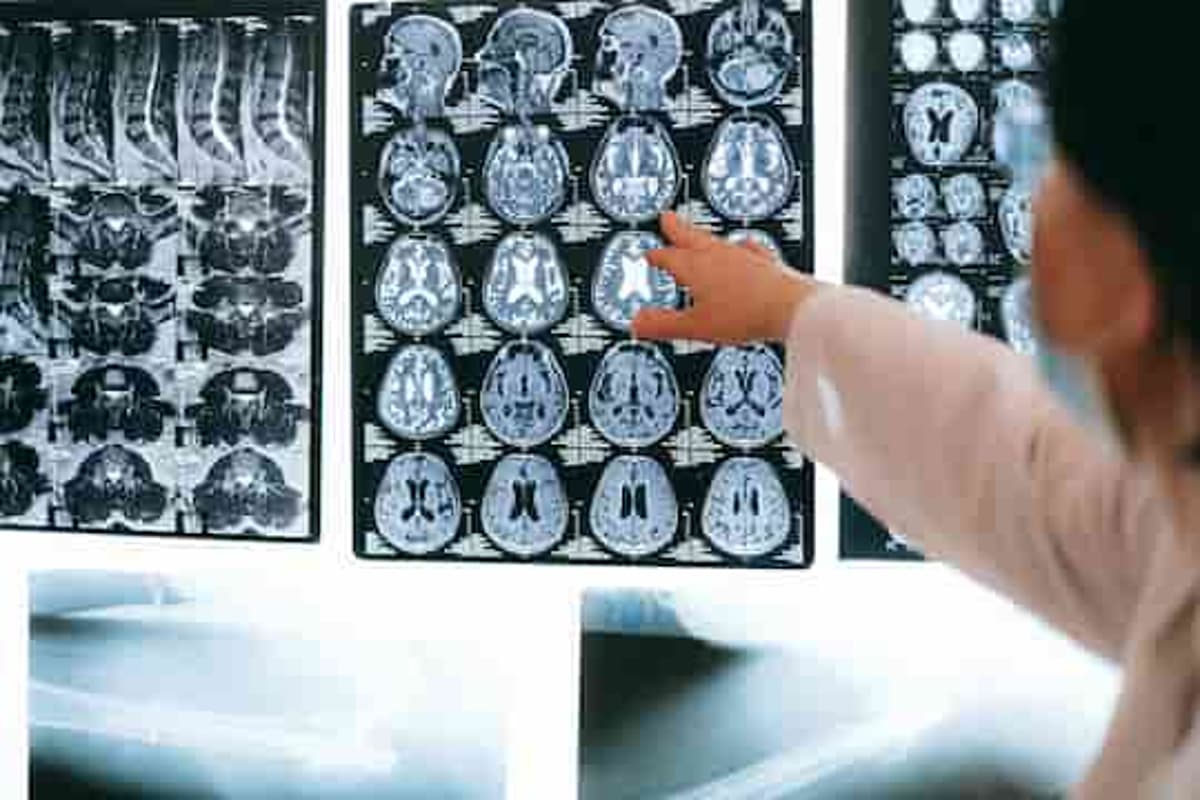
How Depression Changes Brain Structure According To 3000+ Scans
A new study analyzing 3,461 brain scans found that individuals reporting depressive symptoms exhibit reduced white‑matter integrity, indicating disrupted neural wiring. Researchers employed diffusion tensor imaging, a technique that tracks water molecule movement to map brain fiber tracts, to identify...

Why Time In Nature Leads To Healthier, Greener Diets (M)
Recent research shows that regular exposure to natural environments encourages healthier eating patterns, with participants reporting higher consumption of fruits, vegetables, and plant‑based foods. The psychological benefits of nature—reduced stress, improved mood, and enhanced mindfulness—appear to translate into more conscious...