11 Ways Vitamin D Shapes Your Brain — From Before Birth To Old Age (P)
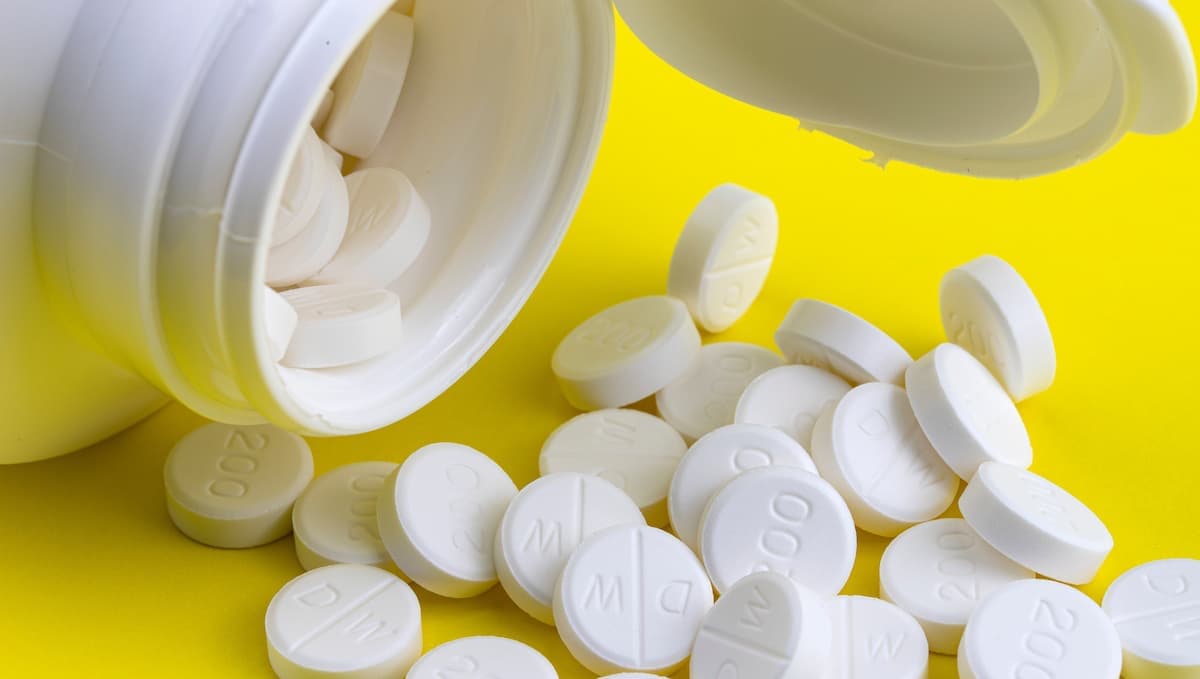
Vitamin D, traditionally celebrated for bone health, is increasingly linked to brain function across the lifespan. Recent studies connect prenatal deficiency to lower IQ, childhood shortfalls to ADHD, adult insufficiency to mood disorders, and senior deficits to accelerated cognitive decline. Seasonal sunlight gaps, especially in northern latitudes, leave many individuals below optimal vitamin D levels from October to March. The article compiles eleven research findings that illustrate how this micronutrient may shape mental health from conception to old age.

Perfectionism Is Related To Higher Depression Risk — But It Can Be Reduced
A meta‑analysis of ten longitudinal studies involving 1,758 participants found that perfectionism significantly raises the risk of developing depressive symptoms. While neuroticism remains the strongest predictor of depression, each of the seven measured perfectionism dimensions added incremental risk beyond neuroticism....

The Personality Trait Linked To Positive Aging
A new study published in The International Journal of Aging and Human Development finds that optimism is linked to living nearly eight years longer on average. Researchers surveyed 244 adults, asking them to list hoped‑for and feared future selves, and...

The Beautiful Scent That Quickly Reduces Anxiety
A recent study published in Frontiers in Behavioral Neuroscience confirms that the scent of lavender, specifically its linalool compound, reduces anxiety in mice. Researchers exposed mice to linalool vapor and observed calming effects without impairing movement. The anxiolytic response required...

2 Personality Traits That Are Vital For Success
A study of 11,258 cadets at the U.S. Military Academy at West Point found that grit and intelligence are both vital for success. Grit most strongly predicts lower dropout rates during the six‑week Beast Barracks initiation, while intelligence drives superior...
16 Ways Sleep Deprivation Affects Your Mind (P)
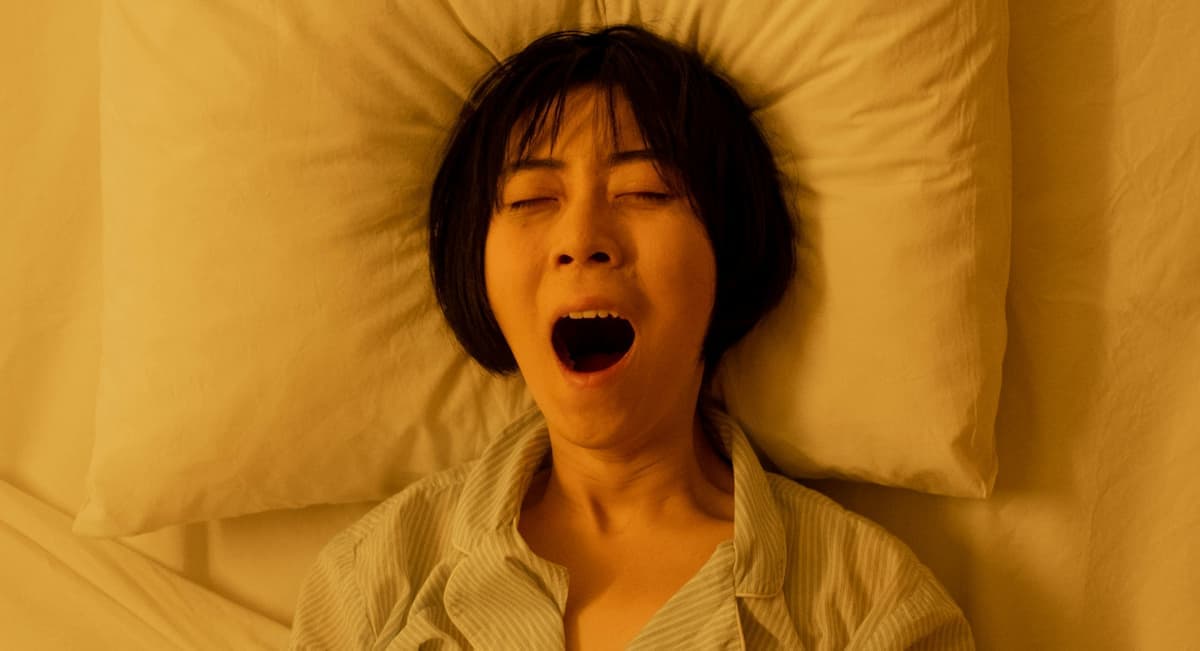
The Spring article outlines 16 ways sleep deprivation impairs mental function, from impaired planning to heightened paranoia. It references Randy Gardner’s 1964 record of staying awake for 264.4 hours, which proved severe psychological effects such as hallucinations and mood swings. Psychologist...

Scientists Told Seniors Their “Medicine” Was Fake — It Still Boosted Their Brains 20% (M)
Researchers administered inert pills to a group of older adults who were explicitly told the capsules were placebos. Despite knowing the medication contained no active ingredients, participants showed a 20% improvement in memory test scores and reported lower stress levels....

This Strange Memory Technique Helps People Remember What Really Happened
A 2018 study by Dr. Craig Thorley published in *Memory* shows that clustered recall (CCR) outperforms traditional free recall for eyewitness testimony. CCR guides witnesses to retrieve details by category—appearance, actions, environment—rather than in any order. In a controlled experiment using...

Brief Moments Like These Transform How People Feel About Their Lives
Researchers tracked 212 adults who reported feelings of love six times daily via smartphone prompts over a four‑week period. The data showed that actively noticing brief, everyday moments of felt love—such as a compliment or a colleague’s thanks—correlated with higher...

The Best Way To Quit Smoking Is Clear — It Beats Patches & Gum
An analysis of 14 systematic reviews encompassing more than 30,000 smokers found that quitting abruptly—often called “cold turkey”—outperforms nicotine replacement therapies such as patches and gum. The data show roughly a 25% higher long‑term abstinence rate for abrupt cessation compared...
Exercise May Help Wash Harmful Waste From The Brain (M)
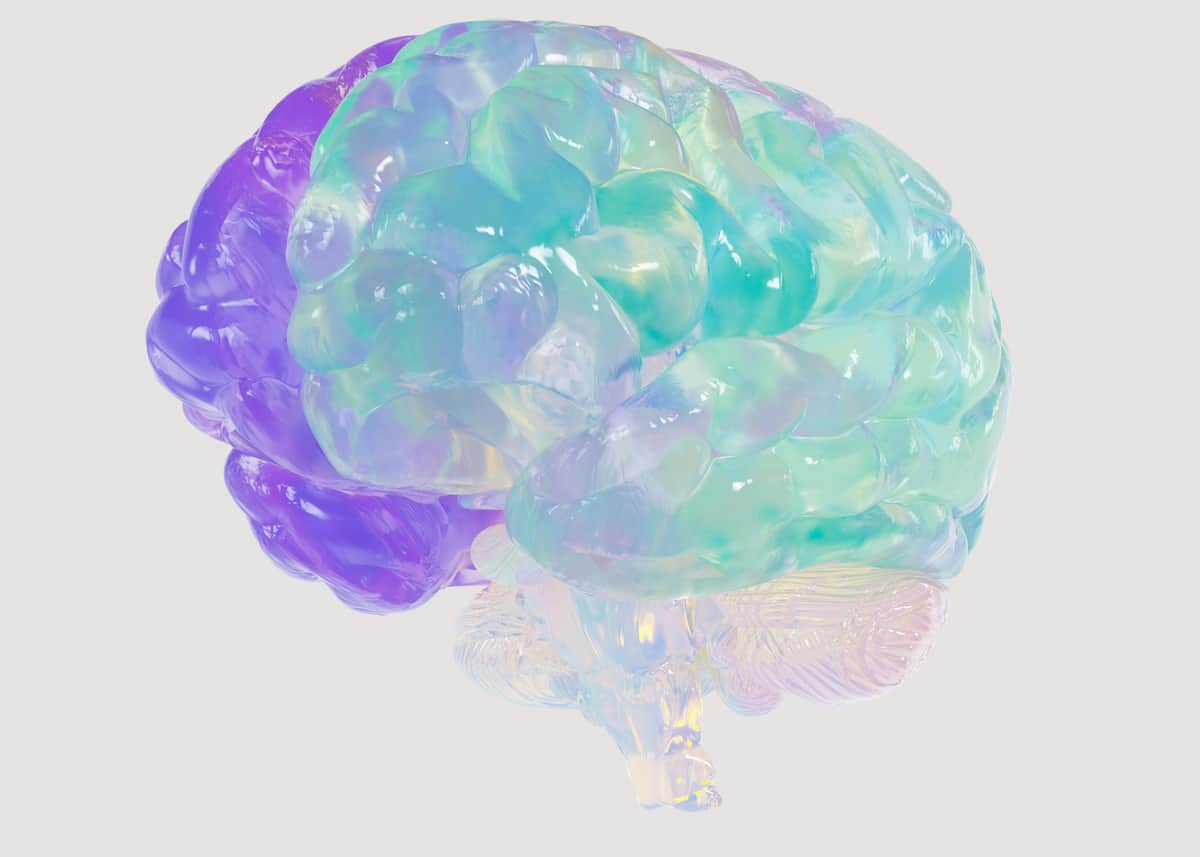
Simple abdominal contractions, a form of low‑intensity exercise, have been shown to boost the brain's waste‑removal system, known as the glymphatic pathway. Researchers observed increased cerebrospinal fluid flow during brief core‑muscle engagements, suggesting a mechanical pump effect. The findings expand...

Why Sleep Apps Are Failing Those Who Need Them Most (M)
Sleep‑tracking apps have exploded in popularity, promising users better rest through data‑driven insights. However, Dr. Jeremy Dean argues that many of these tools backfire, increasing anxiety and disrupting natural sleep cycles. The article cites research showing that screen exposure, inaccurate...

3 Habits That Build Unstoppable Mental Strength (M)
The article outlines three core habits—regular physical exercise, daily mindfulness practice, and disciplined goal‑setting—that together forge resilient mental strength. Each habit is backed by neuroscience research showing how movement stimulates neuroplasticity, meditation reduces cortisol, and clear objectives reinforce self‑efficacy. Dr....

This Common Teenage Behaviour May Rewire The Brain For Anxiety
A rat study published in Biological Psychiatry shows that binge‑drinking during adolescence slashes neuronal connections in the amygdala by roughly 40 percent. The alcohol exposure lowers levels of the Arc protein, which is essential for forming those connections, and triggers...

Why Your Brain Struggles So Much To Multitask (M)
The brain’s attention system operates like a single‑threaded processor, meaning even simple activities compete for the same limited mental resources. Neuroscience shows that what we call “multitasking” is actually rapid task‑switching, which incurs a measurable cognitive cost. As a result,...