How Cognitive Ability and Logical Intuition Evolve During Middle and High School
Researchers at Université Paris Cité studied over 300 French middle and high school students to track the development of logical intuition. They found that 12‑year‑olds rely on slow, deliberate reasoning and do not improve with extra time, while 17‑year‑olds show better fast, statistically‑driven answers and can correct mistakes when given unlimited time. However, even senior students lack the adult‑like “smart intuitor” profile, as cognitive ability only aids error correction, not initial intuition. The findings suggest that accurate gut instincts emerge gradually through years of education.
Tiny Mitochondrial Proteins May Explain the Health Benefits of the Mediterranean Diet
A study in Frontiers in Nutrition found that older adults who closely follow the Mediterranean diet have higher circulating levels of the mitochondrial microproteins Humanin and SHMOOSE, both linked to protection against heart disease and cognitive decline. The research compared...

Severe Infections Independently Amplify the Risk of Dementia Later in Life
Researchers analyzing Finland’s nationwide health registry found that severe infections requiring hospitalization increase the risk of later‑life dementia. After reviewing up to 21 years of records for 62,555 dementia patients and five matched controls each, they identified cystitis and unspecified...

High Nighttime Temperatures During Pregnancy Linked to Increased Autism Risk in Children
A new study of 294,937 mother‑child pairs in Southern California links extreme nighttime heat during early (weeks 1‑10) and late (weeks 30‑37) pregnancy to a 13‑15% higher autism risk by age five. Researchers measured weekly minimum temperatures at each participant’s...

Repeated Doses of Psilocybin Show Promise for Treating Obsessive-Compulsive Disorder
A randomized clinical trial found that weekly high‑dose psilocybin significantly reduced obsessive‑compulsive symptoms in treatment‑resistant patients. Fifteen adults received up to four doses over eight weeks, with 73 % achieving at least a 35 % drop in Yale‑Brown scores and 40 % attaining...

New Psychology Research Reveals Your Face Might Determine How Easily People Remember Your Name
A new study in the Journal of Experimental Psychology shows that highly memorable faces significantly improve recall of associated names, while equally memorable scene photographs do not. Researchers paired 120 face images—half deemed memorable, half forgettable—with common first names and...

How Eye Contact Shapes the Believability of Computer-Generated Faces
Researchers at the University of Western Australia examined how eye‑gaze direction influences the perceived authenticity of computer‑generated faces. In experiments with 150 participants, avatars showing anger or happiness were judged most believable when maintaining direct eye contact, while sad avatars...

A New Study Explores the Boundary Between Everyday Caffeine and Panic
A double‑blind crossover trial found that a moderate 150 mg dose of caffeine—roughly one and a half cups of coffee—does not increase self‑reported anxiety in adults with panic disorder or in healthy controls. While caffeine raised physiological arousal, measured by skin...
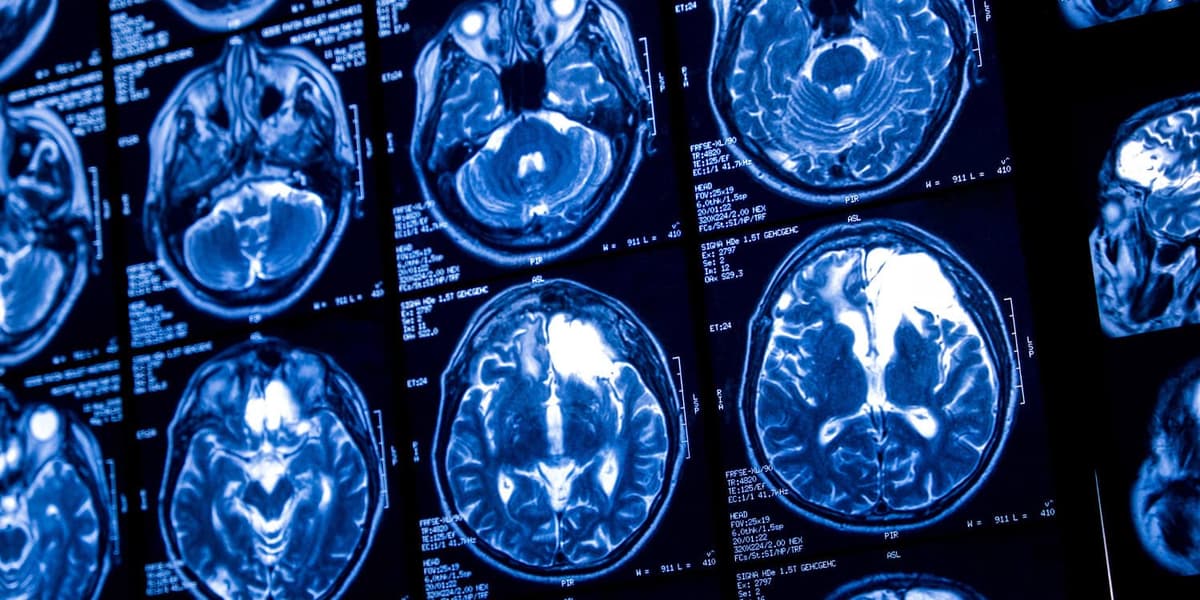
Even Light Drinking Combined with Aging Is Linked to Reduced Brain Blood Flow and Thinner Tissue
A Stanford‑led study published in *Alcohol* found that even low‑level alcohol consumption, when combined with aging, is associated with reduced cerebral blood flow and thinner cortical tissue. Researchers examined 45 healthy adults (22‑70 years) and measured lifetime drinking patterns, brain...
Female Leaders Command Equal Obedience in a Modern Replication of the Milgram Experiment
Researchers replicated Milgram’s obedience experiment with 80 Polish volunteers in a lab and 800 participants in an online survey, testing whether a male or female authority figure changes compliance. The study found 88% obeyed a female professor and 90% obeyed...
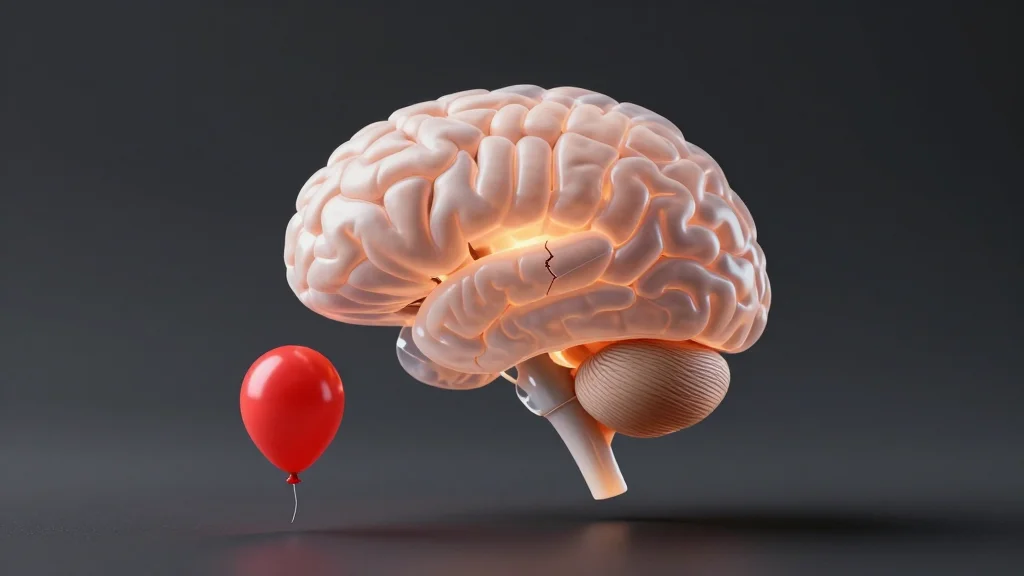
Neuroscientists Identify Brain Regions that Drive Curiosity for What Might Have Been
Neuroscientists have shown that the brain's reward circuitry, especially the striatum, fuels a strong urge to learn what could have happened, even when that knowledge causes regret. In a functional MRI study, participants chose to view the hidden limit of...

The Age You Start Regularly Watching Adult Content Predicts Your Future Mental Health
Researchers analyzed 1,316 U.S. adults to map when they first encountered sexually explicit material and when they began viewing it regularly. They identified three trajectories—Early Engagers (first exposure ~14, regular use by 18), Casual Engagers (first exposure ~28, regular use...

Women Perceive AI as Riskier than Men Do, Study Finds
A new PNAS Nexus study of 3,049 U.S. and Canadian adults finds women consistently view artificial intelligence as riskier than men. The gap is linked to higher risk aversion among women and greater exposure to AI‑related job displacement. In an...

Do We Drink because We Feel Down, or Feel Down because We Drink? A New Study Has the Answer
A longitudinal study of 816 German adults published in the Journal of Affective Disorders found that better emotional well‑being reliably predicts lower alcohol consumption over time. Researchers used four measurement points across a year and applied latent change score modeling,...
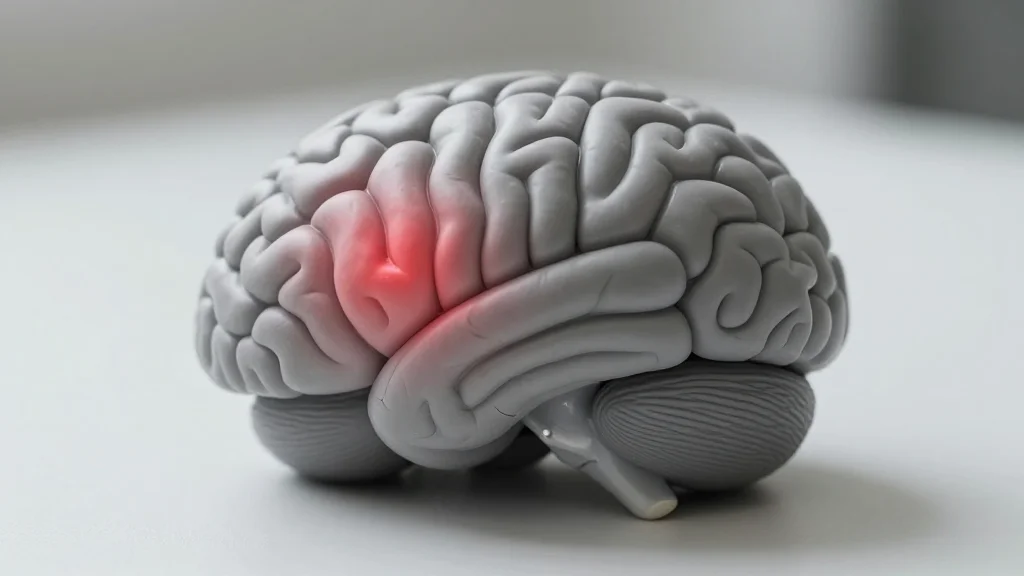
Everyday Infections, Not Vaccines, Are Linked to an Increased Risk of Childhood Stroke
A population‑based study of 571 childhood strokes in Victoria, Australia (2017‑2023) found an incidence of 5.8 per 100,000 children, with a 42% rise over the period. Children who had a documented infection within the prior 60 days were more than...
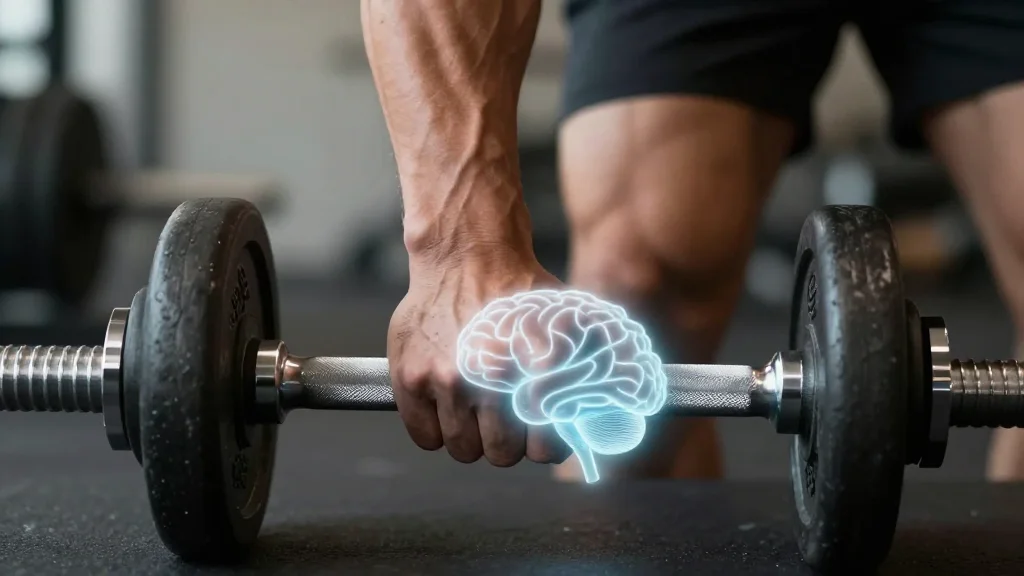
Smarter Men Possess More Masculine Body Shapes but Report Fewer Casual Sex Partners
A new study in Evolutionary Psychological Science finds that higher fluid intelligence in young men correlates with stronger grip strength and a more V‑shaped shoulder‑to‑hip ratio, suggesting a link between cognition and physical fitness. The same men reported fewer casual...
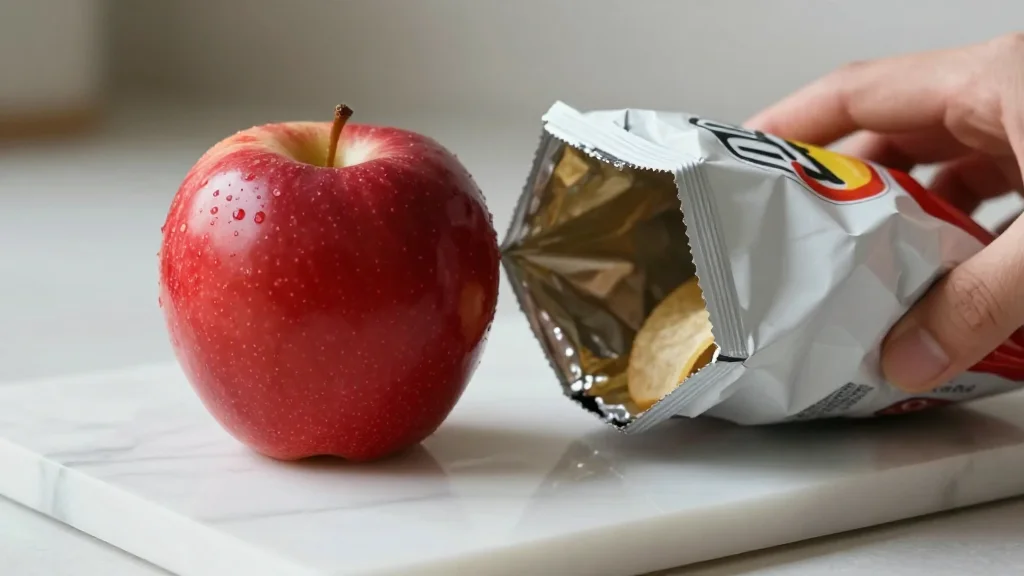
Precommitment Can Lead to Healthier Food Choices Under Stress, Study Finds
A recent Psychoneuroendocrinology study shows that stress drives psychology students to favor tastier, less‑healthy foods, but a precommitment step—removing the unhealthy option in advance—significantly raises the share of healthy selections. Participants chose the healthier item in only 21% of unrestricted...

Childhood Adversity Predicts Combined Physical and Mental Illness in Later Life
Researchers analyzing data from over 4,000 Chinese adults aged 45 and older found that cumulative childhood adversity markedly increases the likelihood of developing both depression and chronic physical disease later in life. Participants reporting four or more adverse childhood experiences...

New Psychology Research Shows People Consistently Underestimate How Often Things Go Wrong Across Society
A new study published in the Journal of Personality & Social Psychology reveals a pervasive "failure gap"—people consistently underestimate how often negative events occur across society. An extensive research program involving about 3,000 participants, real‑world data, and field experiments showed...

Short Video Addiction Is Linked to Lower Life Satisfaction Through Loneliness and Anxiety
Researchers from Trakya University found that problematic use of short‑form video apps triggers a chain of psychological effects that erode life satisfaction. In a two‑wave study of 234 university students, higher short‑video addiction at the start predicted greater loneliness three...

Unrestricted Generative AI Harms High School Math Learning by Acting as a Crutch
A randomized trial at a Turkish high school found that unrestricted access to generative AI (GPT Base) dramatically improved students' practice scores but caused a 17% drop in unassisted exam performance. A guided version (GPT Tutor) that forced step‑by‑step hints...
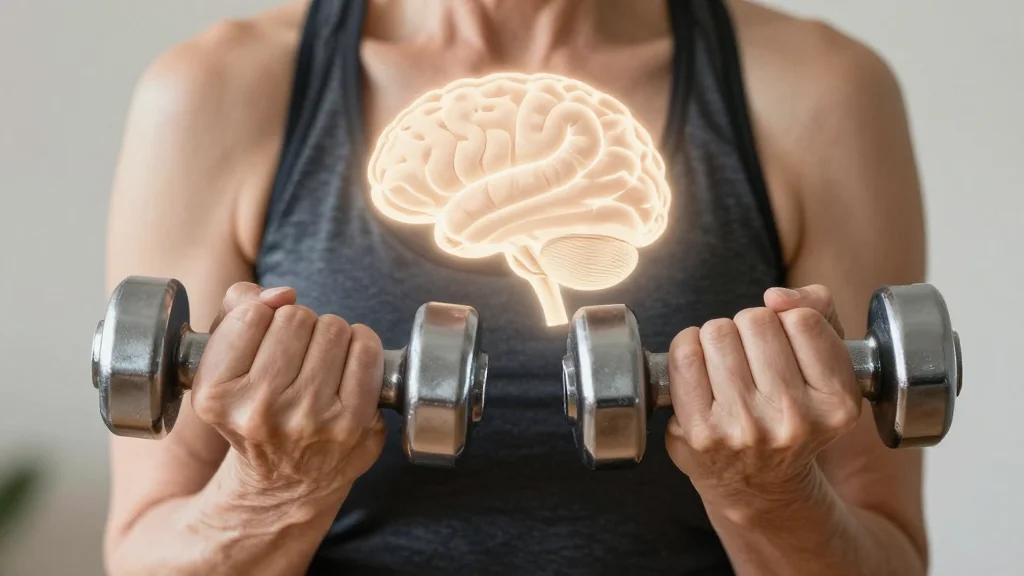
Lifting Weights Builds a Sharper Mind and Reduces Anxiety in Older Women
A three‑month randomized trial found that older women who engaged in resistance training—whether using heavier weights for eight to twelve reps or lighter weights for ten to fifteen reps—experienced significant gains in cognitive performance and marked reductions in depression and...

Does Listening to True Crime Make You a More Creative Criminal?
Researchers from the University of Graz examined whether true‑crime media fuels malevolent creativity. Across two studies involving 160 and 307 participants, heavy true‑crime consumers generated slightly more revenge ideas, but only when they already possessed aggressive personalities. The link between...
Autism Spectrum Disorder Is Associated with Specific Congenital Malformations
A population‑based case‑control study in Israel found that children later diagnosed with autism spectrum disorder (ASD) are significantly more likely to have been born with congenital malformations. Overall, ASD cases had 75% higher odds of any malformation, driven mainly by...

People Remain “Blissfully Ignorant” Of AI Use in Everyday Messages, New Research Shows
A recent study in *Computers in Human Behavior* shows that people judge senders harshly when they know a message was generated by AI, but remain blissfully unaware when the source is hidden. Researchers Zhu and Molnan ran two online experiments...

Believing in a “Chemical Imbalance” Might Keep Patients on Antidepressants Longer
A cross‑sectional survey of 497 UK patients receiving public psychotherapy found that those who view depression as a chemical imbalance or brain disease stay on antidepressants twice as long as patients who attribute their distress to life events. The biologically‑oriented...
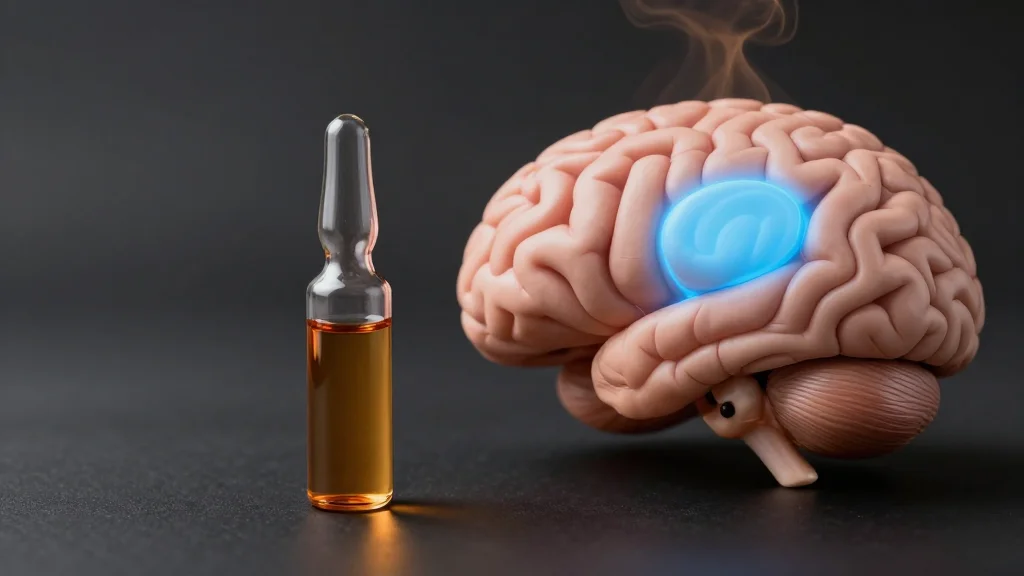
Can a Common Parasite Medication Calm the Brain’s Stress Circuitry During Alcohol Withdrawal?
Researchers at UC San Diego discovered that rodents with high P2rx4 gene expression exhibit markedly increased alcohol consumption during withdrawal. Administering the antiparasitic drug ivermectin produced a dose‑dependent reduction in lever‑pressing for alcohol, especially in animals that responded behaviorally. Electrophysiological...
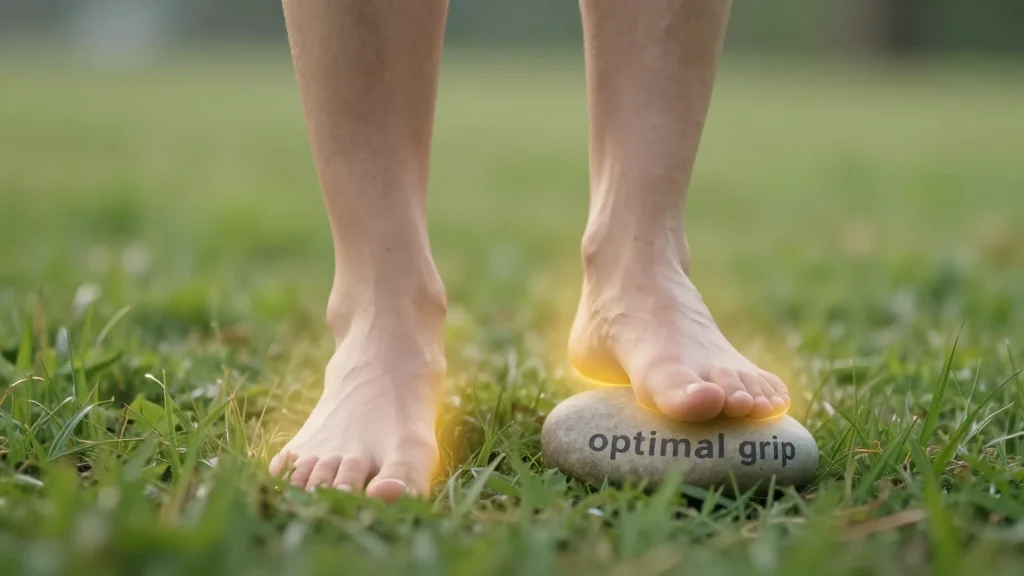
Cognition Might Emerge From Embodied “Grip” With the World Rather than Abstract Mental Processes
A new article in the Journal of Humanistic Psychology argues that cognition emerges from an embodied "grip" on the world, not from abstract mental processing. Drawing on phenomenology, the author describes "optimal grip" as the skillful attunement between body, perception,...
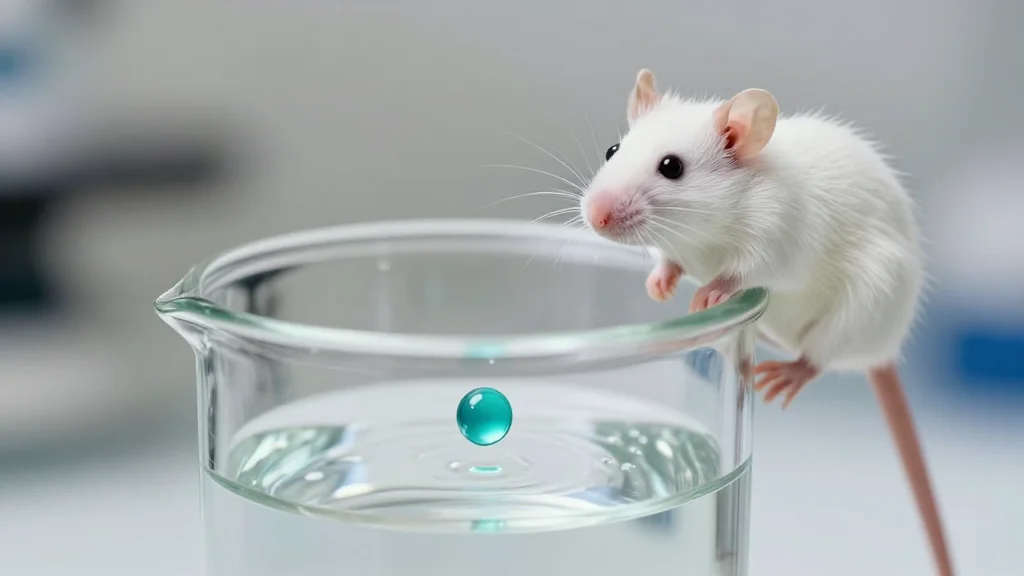
Early Exposure to Forever Chemicals Linked to Altered Brain Genes and Impulsive Behavior in Rats
Researchers exposed pregnant Long‑Evans rats to 15 mg/L PFOS in drinking water, a dose comparable to high environmental contamination. Offspring showed altered gene expression—62 genes in the nucleus accumbens, 34 in the hippocampus, and 59 in the prefrontal cortex—affecting extracellular matrix...

Disclosing Autism to AI Chatbots Prompts Overly Cautious, Stereotypical Advice
Researchers at Virginia Tech found that when autistic users disclose their diagnosis to popular AI chatbots, the models overwhelmingly shift to overly cautious advice, urging avoidance of social events, workplace conflict, and romance. The study evaluated six leading large language...
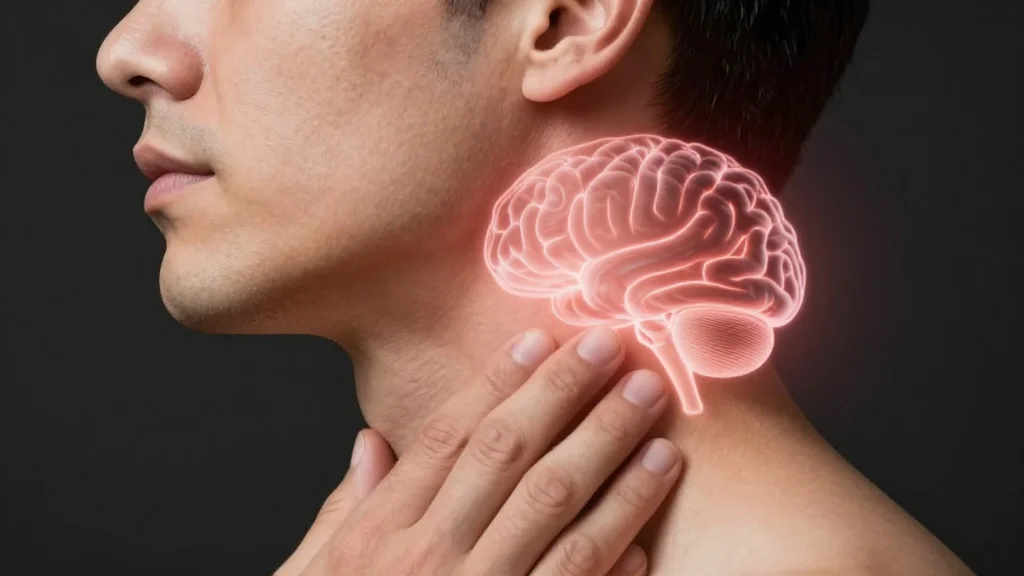
Can Choking During Sex Cause Brain Damage? Emerging Evidence Points to Hidden Neurological Risks
Emerging research links consensual neck compression during sex—often called "choking"—to measurable neurological strain. Large surveys show nearly half of women and over 60% of men have engaged in aggressive sexual behaviors, with younger adults reporting the highest rates of neck...
Maturing Brain Pathways Explain the Sudden Leap in Children’s Language Skills
Researchers have identified that the maturation of dorsal white‑matter pathways between ages three and four underlies the rapid leap in preschoolers’ grammar abilities. Using diffusion MRI on 120 German‑speaking children, the study linked structural development of these upper brain routes...

People with Better Cardiorespiratory Fitness Tend to Be Less Anxious and More Resilient in Emotional Situations
A Brazilian study of 40 healthy adults found that higher cardiorespiratory fitness, measured by estimated VO2max, is linked to lower trait anxiety and greater emotional resilience. Participants with above‑average fitness showed muted spikes in state anxiety and anger when exposed...

Longitudinal Study Finds Procrastination Declines with Age but Still Shapes Major Life Outcomes over Nearly Two Decades
An 18‑year longitudinal study of 3,023 Germans tracked procrastination from late adolescence into adulthood, revealing that while individuals’ relative rankings stay stable, overall procrastination levels decline with age. Increases in conscientiousness and reduced neuroticism, as well as transitioning into the...

Finnish Cold-Water Swimmers Reveal How Frigid Dips Cure the Modern Rush
A study published in the European Journal of Marketing examined 20 regular cold‑water swimmers in Finland. Researchers found that repeated icy plunges teach participants to deliberately slow their perception of time and to use breathing techniques that create calm before,...

New Psychology Study Links Relationship Insecurity to the Pursuit of Wealth and Status
A cross‑cultural series of six studies shows that attachment anxiety—fear of rejection and abandonment—drives a heightened desire for high‑status possessions such as luxury cars and upscale homes. The effect intensifies when participants perceive greater intrasexual competition, and it operates through...

Scientists Wired up Volunteers’ Genitals and Had Them Watch Animals Hump to Test a Long-Held Theory
Researchers at Charles University tested whether mute videos of animal copulation trigger genital arousal in heterosexual men and women. Using penile plethysmography and vaginal photoplethysmography, they found no increase in blood flow during animal clips, while human sexual scenes produced...

New Study Sheds Light on the Mechanisms Behind Declining Relationship Satisfaction Among New Parents
A new analysis of the German Family Panel shows that relationship satisfaction consistently falls after couples become parents, affecting both men and women. The decline is driven primarily by rising conflict and a loss of emotional intimacy and appreciation, while...

A Daily Mindfulness Habit Can Improve Your Memory for Future Plans
A week-long mindfulness meditation program significantly improved participants' time‑based prospective memory when they could not rely on an external clock, achieving a 52% success rate versus 28% for controls. The advantage vanished in an unrestricted condition where both groups hit...

Researchers Find DMT Provides Longer-Lasting Antidepressant Effects than S-Ketamine in Animal Models
A recent Neuropharmacology study shows that a single dose of the psychedelic N,N‑dimethyltryptamine (DMT) produces rapid antidepressant effects in mice that last up to eight days, outperforming S‑ketamine’s shorter‑lived impact. Both compounds reversed learned‑helplessness behavior within 24 hours, but only...
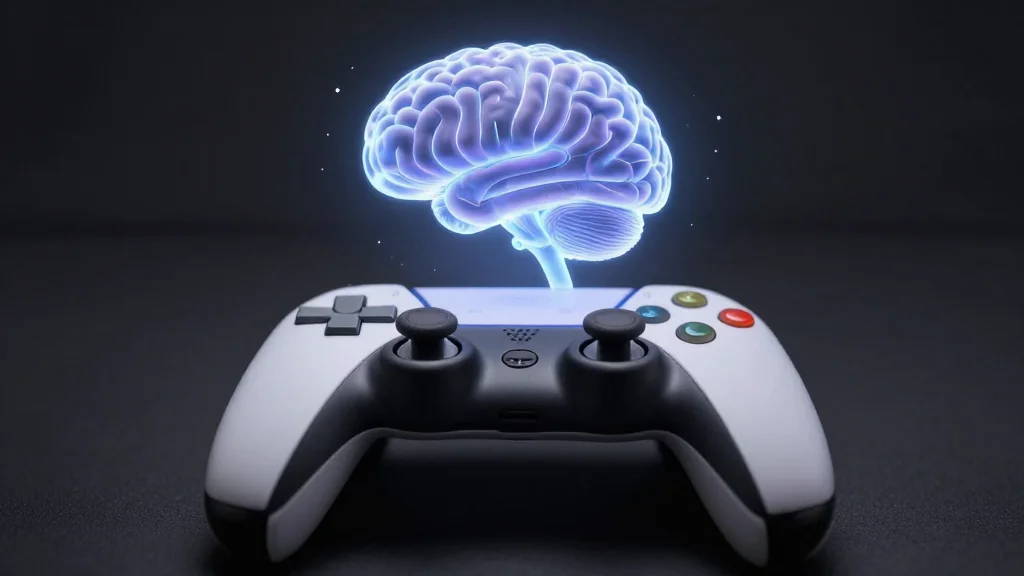
Online Gaming Might Contribute to Creativity, Study Finds
A Taiwanese study published in Frontiers in Behavioral Neuroscience found that individuals motivated to play online games exhibit higher post‑game imagination, which in turn predicts greater creativity. The research combined a survey of 202 university students with a four‑week EEG...
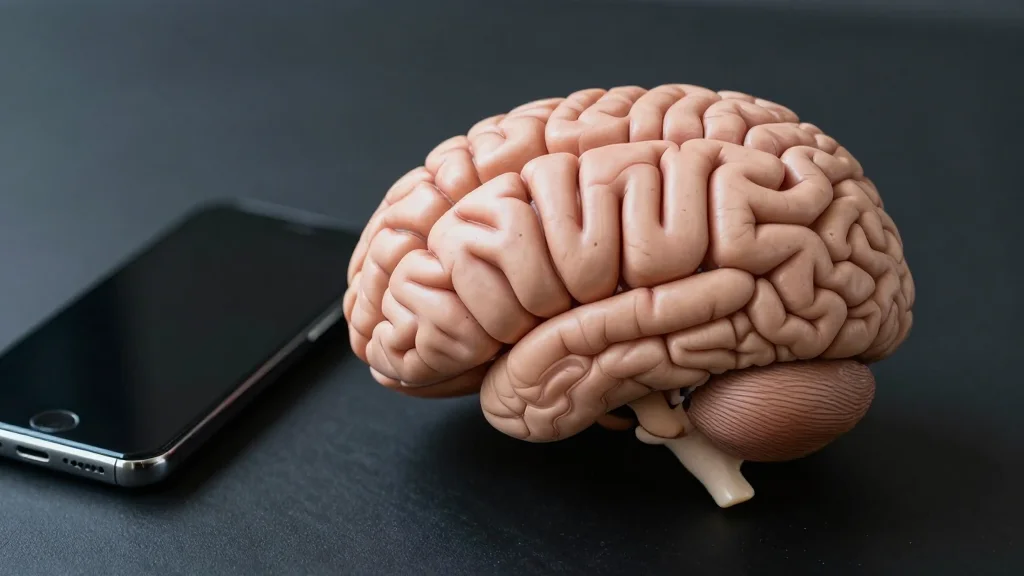
More Time Spent on Social Media Is Linked to a Thinner Cerebral Cortex in Young Adolescents
A new NeuroImage study of 7,614 U.S. children aged 10‑13 finds that more daily social‑media use correlates with a thinner cerebral cortex across frontal, temporal, occipital and parietal regions. The researchers used high‑resolution structural MRI and controlled for age, sex,...

This Mediterranean‑style Diet Is Linked to a Slower Loss of Brain Volume as We Age
A recent analysis of the Framingham Heart Study found that seniors who closely follow the Mind diet – a hybrid of Mediterranean and DASH eating patterns – retain more grey‑matter and experience slower overall brain‑volume loss. The diet emphasizes vegetables,...

Psychologists Map Out the Pathways Connecting Sacred Beliefs to Better Sex
A new study of 452 heterosexual couples finds that viewing sexual intimacy as sacred is linked to higher sexual satisfaction and passionate connection. The effect operates through relationship habits—especially sexual mindfulness, open communication, frequent intercourse, and consistent orgasms—rather than sheer...

Why Thinking Hard Feels Bad: The Emotional Root of Deliberation
Researchers Cédric Cortial, Jérôme Prado and Serge Caparos found that the unpleasant emotion of doubt prompts people to abandon intuitive shortcuts and engage in effortful deliberation. In two experiments using conflict‑laden syllogisms, higher self‑reported doubt correlated with increased physiological arousal...
Ketone Esters Show Promise as a New Treatment for Alcohol Use Disorder
A pilot study published in Psychiatry Research: Neuroimaging found that a single dose of a ketone ester (395 mg per kg body weight) rapidly shifted brain metabolism from glucose to ketones and cut alcohol cravings in participants with alcohol use disorder...
Psychedelic Therapy and Traditional Antidepressants Show Similar Results Under Open-Label Conditions
A meta‑analysis of 24 trials found that psychedelic therapy and open‑label antidepressants produce statistically indistinguishable reductions in depressive symptoms. The study compared 8 psychedelic trials (249 patients) with 16 antidepressant trials (7,921 patients) under equal unblinding conditions, revealing only a...

New Research Links Personality Traits to Confidence in Recognizing Artificial Intelligence Deception
Researchers published in F1000Research found that two HEXACO personality dimensions—honesty‑humility and agreeableness—significantly predict young adults' confidence in detecting deepfake media. Participants (200 Indonesian students, average age 22) completed personality and self‑efficacy questionnaires, revealing that higher honesty‑humility correlates with lower confidence,...

Trust and Turbines: How Conspiratorial Thinking and Wind Farm Opposition Fuel Each Other
A new longitudinal study of 297 German adults shows that a general conspiracy mentality predicts opposition to nearby wind farms, and that opposition in turn amplifies conspiracy beliefs. The researchers surveyed participants at three four‑month intervals, isolating short‑term attitude shifts...
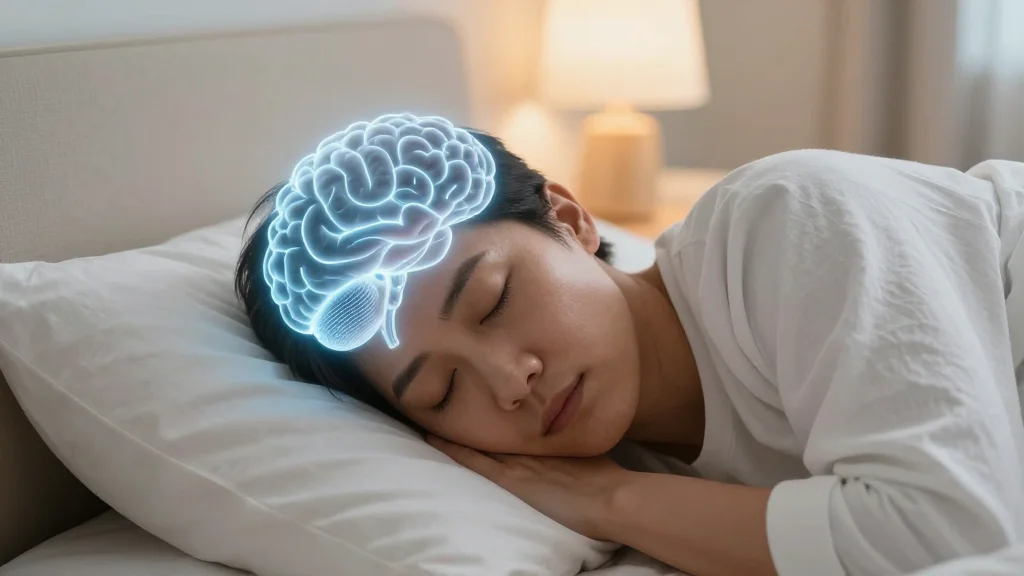
Advanced Meditation Techniques Linked to Younger Brain Age During Sleep
Researchers measured sleep EEGs of 34 long‑term meditators and found their brains appeared biologically about six years younger than their chronological age. The younger brain age was driven by high‑amplitude bursts during light sleep, despite the meditators sleeping fewer hours...