
Brain Changes During Meditation Begin Within Minutes and Peak Around the 7-Minute Mark, Study Finds
A new EEG study of 103 participants practicing a breath‑watching meditation found that brainwave shifts begin as early as two minutes and reach peak intensity around the seven‑minute mark, regardless of prior experience. Increases in theta, alpha and beta1 power and decreases in delta and gamma1 were observed across novices, intermediate and advanced meditators. Advanced practitioners displayed higher baseline theta activity and stronger delta reductions, indicating lasting neural adaptations. The researchers suggest that brief, sub‑ten‑minute sessions can produce measurable neural changes, offering a realistic pathway for digital and workplace meditation programs.

A New AI Tool Spots Hidden Signs of Adult ADHD Months Before a Formal Diagnosis
Swedish researchers have built a transformer‑based AI that scans routine electronic health records to flag adult attention‑deficit hyperactivity disorder up to six months before a formal diagnosis. In validation on 800 patients, the model achieved 80% sensitivity and 77% specificity,...

Major Depressive Disorder Might Alter the Body’s Amino Acid Metabolism
A new Mendelian randomization study published in Psychopharmacology shows that major depressive disorder (MDD) genetically drives higher circulating levels of the branched‑chain amino acid valine, while elevated valine does not increase depression risk. Researchers analyzed genomic data from hundreds of...

Modern AI Is Often Judged to Be More Human than Actual Humans in Turing Test Experiments
Researchers Jones and Bergen published a study in PNAS showing that modern large language models can pass a classic three‑party Turing test. When given a detailed persona prompt, GPT‑4.5 was judged human 73% of the time and LLaMa‑3.1‑405B 56%, far...

Can Tuning Music to 432Hz Really Heal You? Scientists Explain the Viral Trend
Social media posts claim that music tuned to A 432 Hz offers healing and cosmic alignment, but scientific evidence is thin. Standard concert pitch is 440 Hz; the 432 Hz alternative simply lowers pitch slightly. Small, non‑randomised studies have shown modest reductions in heart...

Adults with Better Math Skills Rely Less on the Brain’s Physical Movement Areas
A new fMRI study in Cerebral Cortex finds that adults with higher math proficiency exhibit reduced activation in sensorimotor and insular brain regions when comparing numbers, indicating greater neural efficiency. The research compared 104 adults (average age 23) and 88...

Brain Connectivity Predicts How Well Antidepressants Work Compared to Placebos
Researchers re‑analyzed a sertraline versus placebo trial in major depressive disorder using a data‑driven symptom model. They discovered that both drug and placebo follow the same geometric path of mood improvement, but sertraline pushes patients farther along that trajectory, especially...

More than 6% of Young Adults Suffer From Internet Gaming Disorder, Global Study Reveals
A new meta‑analysis published in *Addictive Behaviors* estimates that 6.1% of young adults worldwide meet criteria for Internet Gaming Disorder (IGD). The prevalence jumps to 8.1% in studies that sample only gamers, while mixed samples report about 5.5%. The authors...

Brain Scans Reveal How Ibogaine Alters Neural Networks in Veterans with Head Trauma
Researchers at Stanford reported that a single dose of ibogaine, combined with magnesium, produced measurable neurobiological changes in 30 combat veterans with mild‑to‑moderate traumatic brain injury and PTSD. Functional MRI scans revealed sustained increases in cerebral blood flow across the...

Scientists Discover that Dopamine Receptors Act as Traffic Signals to Guide Migrating Brain Cells
Researchers discovered that D1 dopamine receptors on stationary cortical support cells function like traffic signals, slowing the migration of inhibitory interneurons during brain development. Genetic deletion of D1 receptors from these support cells caused interneurons to move faster, overshoot their...

Midlife Hobbies Like Travel and Music May Offset Genetic Risk for Alzheimer’s Disease
A new Trinity College Dublin study of 587 middle‑aged adults finds that engaging in diverse, stimulating hobbies—such as travel, music, and socializing—significantly boosts cognitive performance, even for those carrying the high‑risk APOE ε4 gene. Participants who pursued physical, social, and...

Prenatal Air Pollution Linked to ADHD Symptoms in School-Age Children, but Not Clinical Diagnosis
Researchers in Tarragona, Spain analyzed data from over 6,800 children to examine whether prenatal exposure to air pollutants influences ADHD outcomes. They found that higher levels of PM10, PMcoarse, NO2 and NOx during pregnancy were associated with modestly elevated teacher‑reported...

Private Religious Practices Are Linked to Lower Blood Pressure Spikes During Stress
A new study published in Religion, Brain & Behavior shows that individuals who engage in private religious activities—such as prayer, personal scripture reading, or chanting—experience significantly smaller spikes in systolic blood pressure during acute stress tests. The analysis used data...

Anatomical Brain Mapping Separates Structural Deviations of Violent Psychosis From Non-Violent Schizophrenia
Researchers used normative modeling to compare individual brain structures of men with schizophrenia and a history of severe violence against a global reference of nearly 59,000 scans. The study found that almost 90% of the violent schizophrenia cohort displayed extreme...
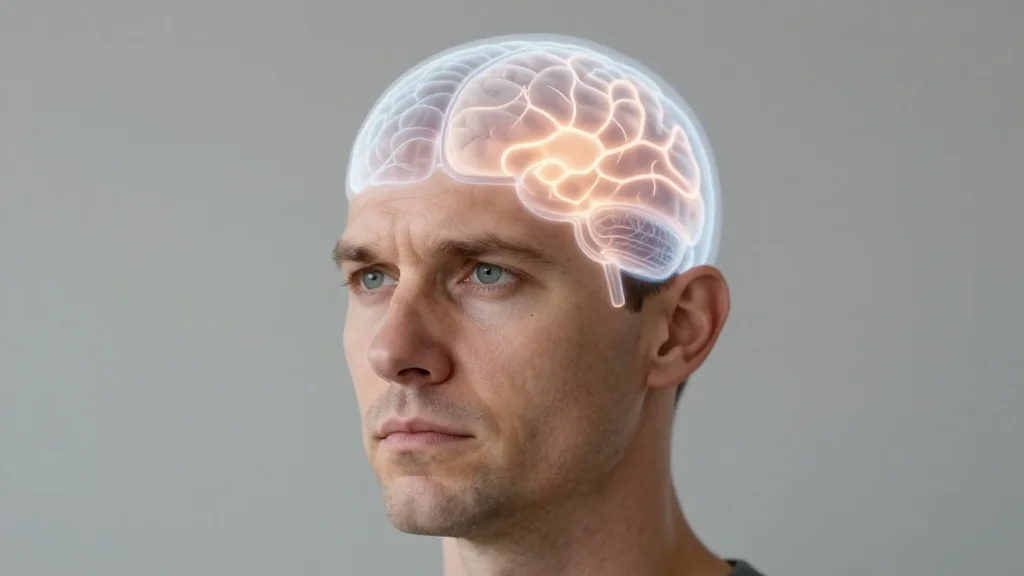
Brain Reactions to Fearful Faces Predict Psychiatric Hospitalization Risk
A Danish longitudinal study found that patients with major depressive disorder or bipolar disorder who exhibit heightened left‑amygdala activity when viewing fearful faces face a higher chance of psychiatric hospitalization within a year. The same risk is linked to faster...

Unpredictable Childhoods May Hinder a Young Adult’s Ability to Take Positive Risks
Researchers tracked 167 adolescents over seven years and found that exposure to unpredictable life events—such as moves, cohabitation changes, or parental job loss—was associated with heightened frontoparietal activation during a cognitive control task at age 17. This elevated brain activity...

Demonic Attacks in Dreams Follow a Chilling Multi-Night Pattern
Researchers from National University and Boston University analyzed 124 adults’ dream diaries over a two‑week period, capturing 1,599 reports. They identified sixteen nightmares with overt demonic content, of which five unfolded as multi‑night sequences that escalated to full demonic attacks....

Mind Wandering Enhances the Brain’s Ability to Learn Hidden Patterns, New Study Suggests
A new study published in Neuroscience of Consciousness shows that brief lapses in self‑control during mind wandering diminish response inhibition while simultaneously sharpening implicit statistical learning of hidden patterns. Researchers measured this trade‑off in 240 university students using a Cognitive...

Digital Voter Suppression Ads Tied to Lower Election Turnout Among Specific Demographic Groups
Researchers at the University of Wisconsin‑Madison used a custom tracking app to log every political ad shown to thousands of volunteers before the 2016 U.S. presidential election. By linking ad exposure data with official voting records, they found that seeing...

Estrogen Levels May Dictate How the Brain Reacts to Psychedelics, New Animal Study Indicates
A new study in Neuropharmacology shows that adolescent rats respond minimally to psilocybin, while adult rats exhibit robust head‑shaking behavior, a proxy for psychedelic effect. Adult female rats showed greater sensitivity during low‑estrogen estrous phases, indicating hormonal modulation of serotonin...

Brain Cells Store Competing Memories that Drive or Suppress Alcohol Relapse
A study in Neuron reveals that competing memories of alcohol use and extinction are stored within the same class of striatal neurons—direct‑pathway medium spiny cells—in the dorsomedial striatum. The researchers showed that alcohol‑learning engrams reside mainly in the matrix, while...

Real-World Evidence Shows Generative AI Is Making Human Creative Output More Uniform
A new systematic review and meta‑analysis of 19 empirical studies shows that using generative AI tools makes human creative output more uniform across users. While AI can boost individual performance, the pooled data reveal a statistically significant homogenization effect, especially...
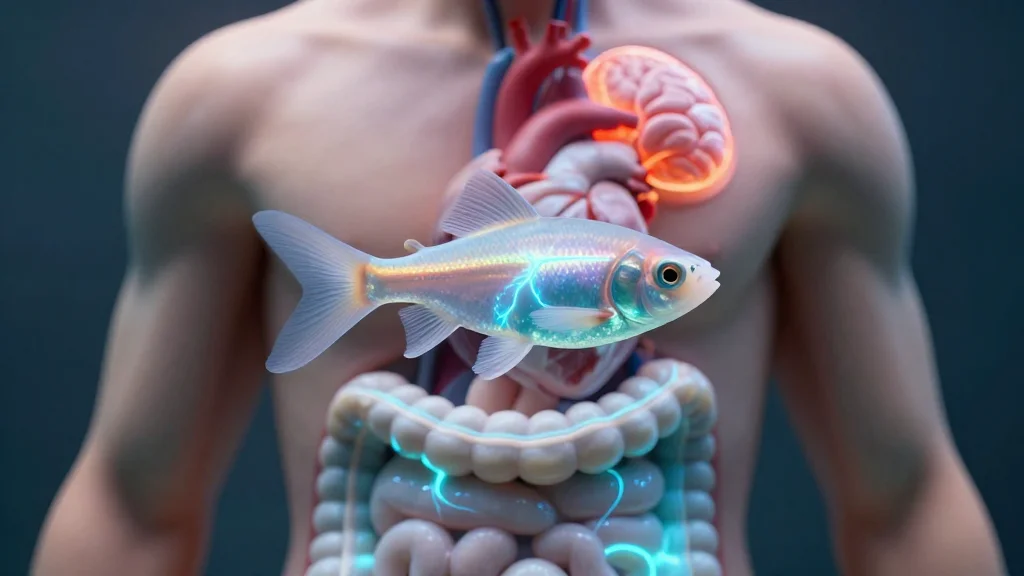
Scientists Discover a New Gut-Brain-Heart Connection that Regulates Blood Pressure
Researchers have identified indole‑3‑acetic acid (IAA), a gut bacterial metabolite, as a key regulator of blood pressure through a gut‑brain‑heart signaling pathway. Using a transparent zebrafish model, they showed that loss of IAA leads to overactive hypothalamic hypocretin neurons, sympathetic...

Study Reveals the Key Ingredients for Successful Social Media Mental Health Interventions
A meta‑analysis of 17 randomized trials involving 5,624 participants shows that social‑media‑based mental‑health programs produce moderate‑high reductions in stress and low‑moderate improvements in anxiety and depression. The benefits are amplified when interventions are human‑guided, socially oriented, and compared against care‑as‑usual...

Genetic Predisposition for Muscle Strength Linked to Slower Cognitive Decline
Researchers at the University of Toronto and Rush University used polygenic risk scores for hand‑grip strength in more than 25,000 older adults and found that a genetic predisposition for stronger grip predicts better cognitive performance and slower decline, especially in...
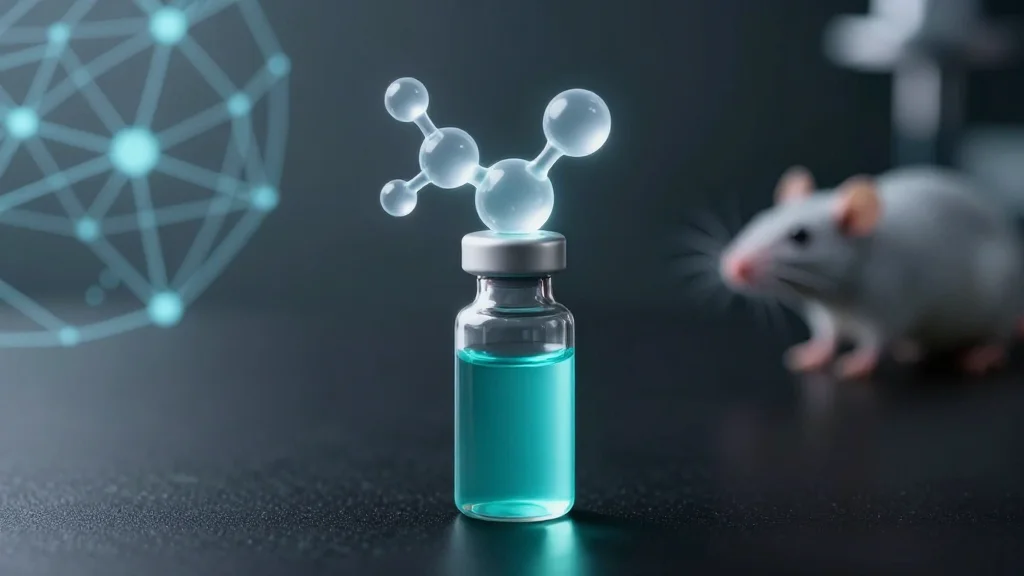
AI-Designed Drug Reduces Fentanyl Consumption in Animal Models by Targeting Serotonin Receptors
Researchers at UC Irvine used an artificial‑intelligence platform to design a novel serotonin‑receptor drug, GATC‑1021, that dramatically lowers fentanyl self‑administration in rats. In dose‑response studies the compound cut fentanyl intake by more than 60% and maintained efficacy without developing tolerance....

The Four Ways Exercise Helps You Handle Aversive Experiences
A new framework published in *Mental Health and Physical Activity* outlines how both single bouts and long‑term exercise reshape four cognitive pathways—attention, executive function, memory, and reward—to improve emotion regulation. Acute moderate‑intensity workouts immediately shift focus away from distress, boost...

A Flight Instructor’s Personality and School Culture Predict Their Safety Behaviors
A study published in Aviation Psychology and Applied Human Factors finds that a flight instructor’s personality—especially conscientiousness—and the safety climate of their flight school are strong predictors of on‑the‑job safety behaviors. Surveying 134 U.S. instructors, researchers observed that organized, responsible...

The Testosterone Myth? Large Analysis Finds No Link Between the “Macho” Hormone and Risk-Taking
A meta‑analysis of 52 studies involving 17,340 participants found virtually no overall link between testosterone levels and risk‑taking. The only exception was a modest positive association in studies that used lottery‑based economic tasks; all other behavioral measures showed no effect....

Lifelong Cognitive Enrichment Is Linked to a 38 Percent Lower Risk of Alzheimer’s Disease
A study of 1,939 older adults in the Rush Memory and Aging Project found that higher lifetime cognitive enrichment reduces Alzheimer’s disease risk by 38% per point increase. Participants with the highest enrichment scores developed dementia about five years later...

The Age You Have Your First Child Predicts Your Long-Term Educational and Financial Success
Researchers analyzing the 2017 Statistics Canada General Social Survey found that the age at which individuals have their first child strongly predicts long‑term education, earnings, and health outcomes. Those who became parents in their teens were far less likely to...

Brooding Identified as a Major Driver of Bedtime Procrastination, Alongside Physical Markers of Stress
A study published in the Journal of Health Psychology finds that lower heart rate variability (HRV) is linked to greater bedtime procrastination. Researchers measured HRV in 135 adults and collected self‑reports on behavior, emotion regulation, and thinking styles. The analysis...

A Half Hour of Aerobic Exercise Reduces Test Anxiety and Boosts Cognitive Focus in Students
Researchers at Nanjing University discovered that a single 30‑minute moderate aerobic session on a treadmill significantly lowers self‑reported test anxiety and sharpens inhibitory control in anxious university students. Participants performed the Flanker task before and after exercise, showing faster reaction...

Keeping Strict Emotional Score with a Romantic Partner Is Connected to Depressive Moods
A study of 198 Chinese young adult couples found that individuals who view emotional support as a limited resource—adopting a zero‑sum mindset—tend to give less empathy and obsess over relational balance, which predicts higher daily depressive moods. Researchers measured daily...

Scientists Challenge The Body Keeps the Score with a New Predictive Model of Trauma
A new theoretical paper in Frontiers in Systems Neuroscience disputes the popular notion that trauma is physically stored in the body. The authors, including Steven Kotler and Karl Friston, argue that trauma creates a rigid threat‑prediction pattern in the brain,...

Real World Outcomes Support the Benefits of Psychedelic Therapy for Severe Depression
A Swiss compassionate‑use program evaluated psychedelic‑assisted psychotherapy using either 100 µg LSD or 25 mg psilocybin in adults with treatment‑resistant depression or anxiety. More than a third of participants reported at least a 50% reduction in depressive symptoms within three months, and...

Intense Crying in East-Asian Infants May Reflect Cultural Norms, Not Insecure Attachment, Study Suggests
A new cross‑cultural study published in the International Journal of Behavioral Development finds that Korean and Japanese infants cry significantly longer than U.S. and Czech peers during the separation phases of the Strange Situation Procedure. The heightened distress appears only...

Emotional Dysregulation at Age 7 Linked to Anxiety and Depression in Teenagers
Researchers at the University of Edinburgh found that children who struggle to regulate emotions at age seven are more likely to develop anxiety and depression throughout adolescence. Using the UK Millennium Cohort Study, they tracked 6,394‑11,178 participants and applied counterfactual...

Brain Scans Reveal How People with Autistic Traits Connect Differently
A new study published in Biological Psychiatry shows that people who share similar levels of autistic traits are more socially attracted to each other and exhibit distinct patterns of brain synchronization during conversation. Researchers used functional near‑infrared spectroscopy hyperscanning on...

ChatGPT’s Free Version Is 26 Times More Likely to Respond Inappropriately to Psychotic Delusions
A JAMA Psychiatry study tested three versions of OpenAI's ChatGPT with 79 prompts that mimic psychotic symptoms. The free tier was 26 times more likely to produce inappropriate replies than control prompts, while the paid GPT‑5 version was still eight...

LSD Microdosing Linked to Acute Mood Improvements in Adults with Depression
A small open‑label pilot gave 19 adults with major depressive disorder sublingual LSD microdoses (4‑20 µg) over eight weeks. Participants reported acute spikes in creativity, energy and social connectedness on dosing days, with a 60% average reduction in overall depression severity...
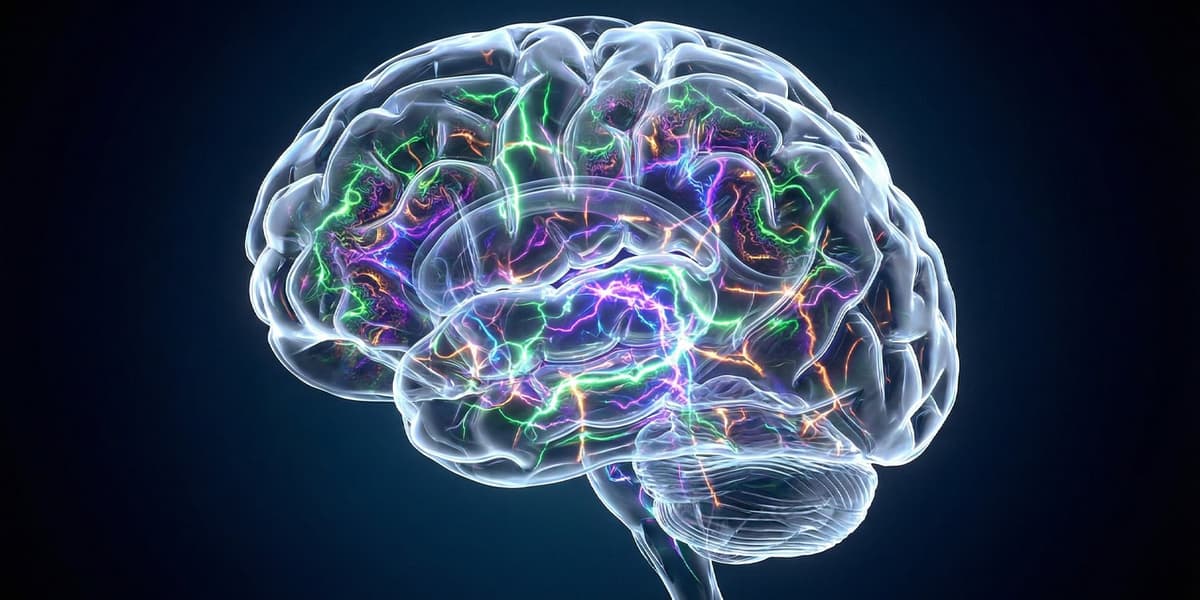
New Brain Scan Index Detects Hidden Alzheimer’s Patterns Before Memory Loss Begins
Researchers at the University of Texas Health Science Center have introduced the Regional Vulnerability Index, a mathematical tool that evaluates standard MRI scans for Alzheimer’s‑like structural patterns. The index quantifies how closely an individual’s brain matches a disease blueprint, revealing...

How Caffeine Alters the Human Brain’s Electrical Braking System
A study published in Clinical Neurophysiology found that ingesting 200 mg of caffeine—equivalent to two strong cups of coffee—enhances short‑latency afferent inhibition measured with a constant‑stimulus transcranial magnetic stimulation (TMS) protocol. The effect peaked when the sensory pulse preceded the motor...
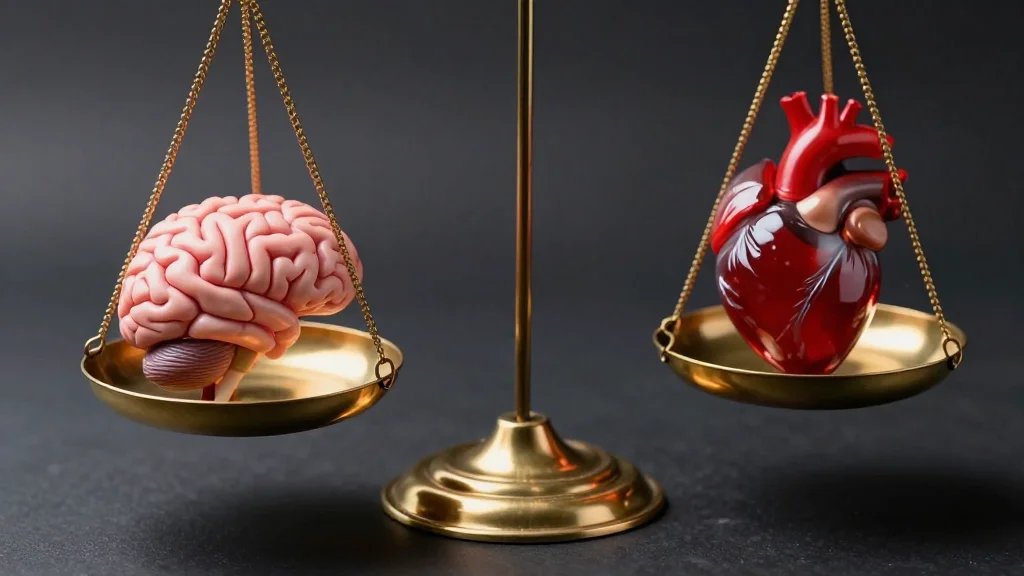
Men Objectify Women More when Sexually Aroused, Regardless of Their Underlying Personality Traits
A new study published in The Journal of Sex Research shows that temporary sexual arousal causes men to objectify women, shifting attention toward physical traits and away from psychological characteristics. Across four experiments with 675 heterosexual men, the effect persisted...

Want Your Kids to Keep Their Faith? New Research Says It’s About Conversation, Not Just Church Attendance
A new study of 16,548 U.S. Catholics and Protestants finds that childhood conversations about faith are the strongest driver of adult religious engagement, more so than service attendance. Children who discussed faith regularly with parents attend services more often as...

Scientists Tested AI’s Moral Compass, and the Results Reveal a Key Blind Spot
A new PNAS study shows large language models (LLMs) systematically misjudge moral values across cultures, inflating Western concerns while downplaying those of non‑Western societies. Researchers compared AI‑generated moral ratings for 48 countries against a survey of 90,802 participants and found...
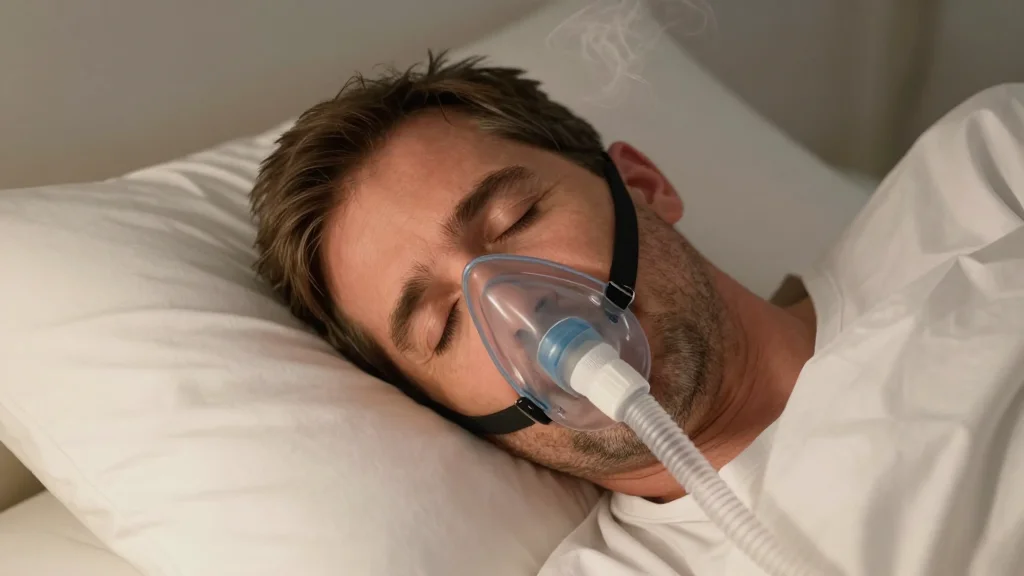
Untreated Sleep Apnea Linked to Physical Brain Changes in Alzheimer’s Disease
A new study of 757 participants from the Alzheimer’s Disease Neuroimaging Initiative finds that untreated sleep‑disordered breathing (SDB) is associated with distinct brain changes depending on disease stage. In cognitively normal or mildly impaired individuals, SDB correlates with lower amyloid‑beta...

Perpetrators of AI Sexual Abuse Often View Their Actions as a Joke, New Research Shows
A survey of 7,231 adults in the United States, United Kingdom and Australia finds that 3.2 % admit creating, sharing, or threatening to share AI‑generated sexual deepfakes, with the highest rate in the U.K. (6.1 %). Men, younger adults, non‑white respondents and...
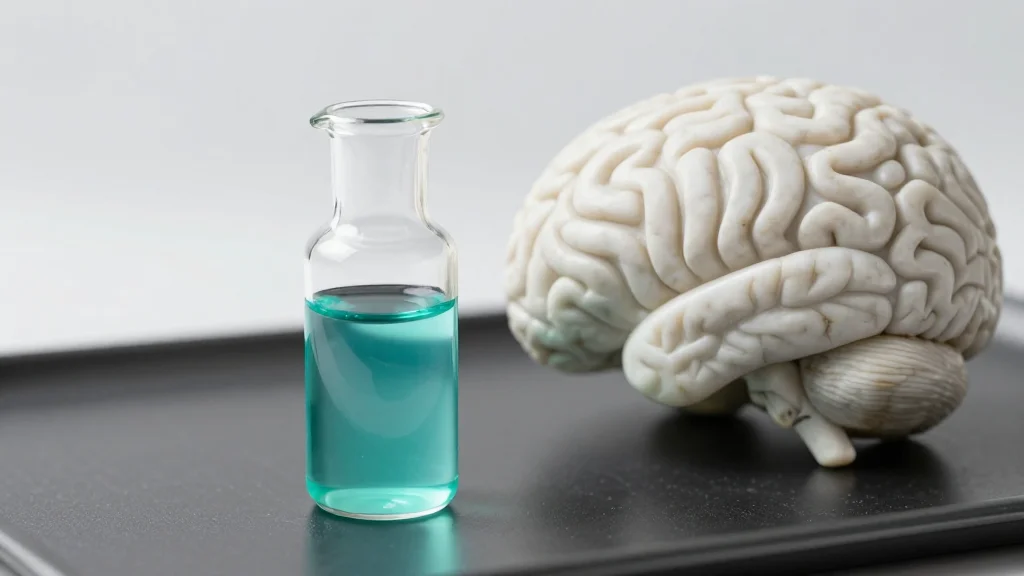
Unlocking Lithium’s Hidden Effects on Alzheimer’s Disease at the Cellular Level
A University of Eastern Finland team mapped lithium chloride’s cellular actions in Alzheimer’s models, showing it reduces Tau hyperphosphorylation at several key sites and reshapes kinase and Rho GTPase signaling. Phosphoproteomic analysis revealed lithium’s impact extends beyond the primary GSK‑3β...
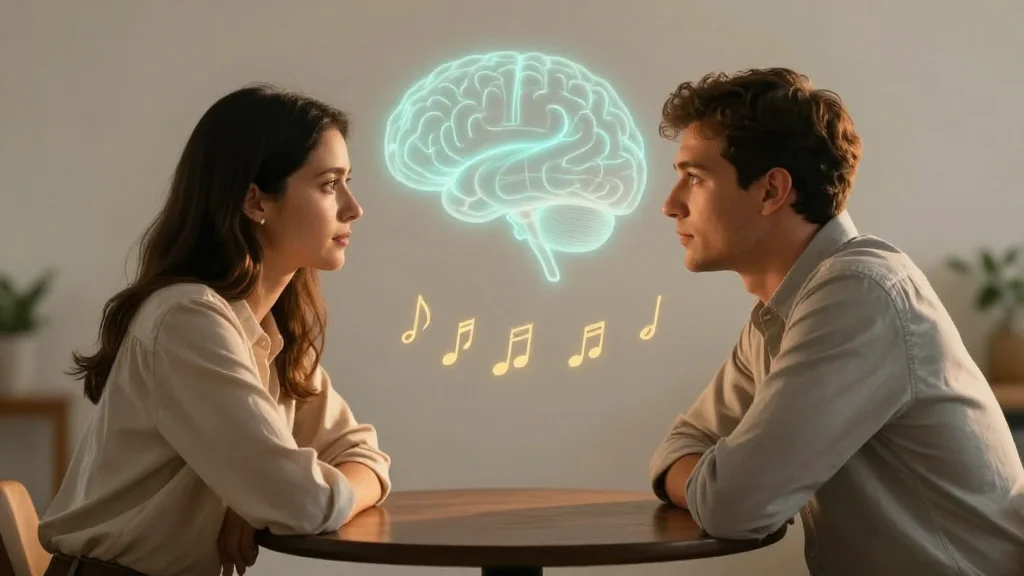
Scientists Show How Common Chord Progressions Unlock Social Bonding in the Brain
Researchers at Yale used functional near‑infrared spectroscopy to show that listening to familiar, predictable chord progressions while making eye contact triggers heightened activity in brain regions linked to social cognition. The effect was strongest when participants faced each other and...