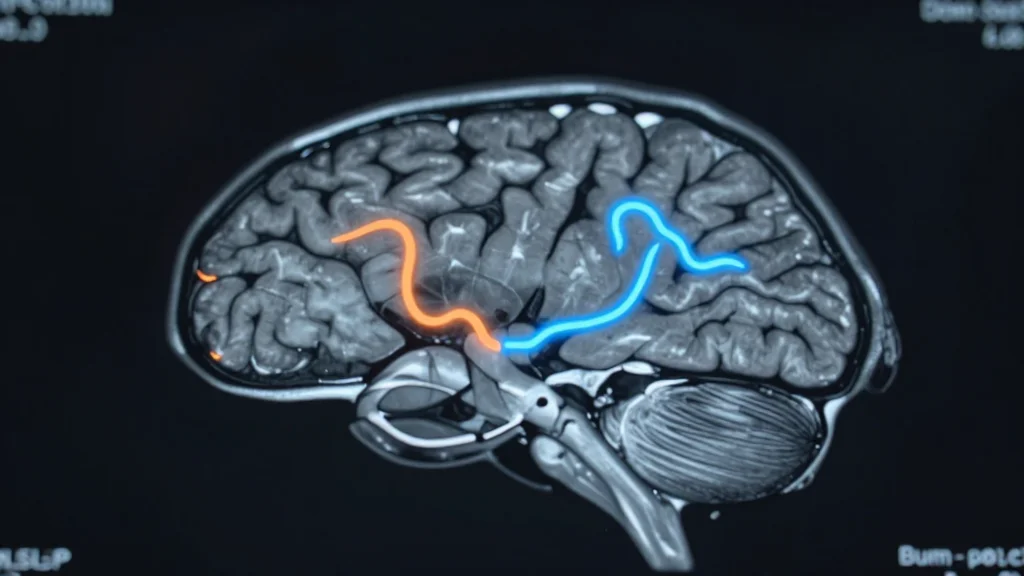
Researchers Discover that Brain Wave Patterns at Age Nine Can Predict Mood Disorders Years Later
Researchers at Beijing Normal University followed 64 children from age 7 to 13, using EEG and fMRI, and discovered that brain‑wave patterns at age nine can reliably forecast adolescent anxiety and depression. Machine‑learning models linked stronger alpha‑wave networks to future anxiety and beta‑wave networks to future depression, with right‑hemisphere signals predicting anxiety and left‑hemisphere signals predicting depression. The predictive signatures were reproduced in an independent cohort of 384 participants, confirming robustness. The study highlights age nine as a critical window for early mental‑health screening.

Different School Systems Can Alter the Role of Genetics in Academic Success, New Research Indicates
A cross‑national twin study of 395,000 Europeans finds that the structure of a country’s school system reshapes the balance between genetics and family environment in shaping educational attainment. Early academic tracking, as practiced in Germany and the Netherlands, reduces the...
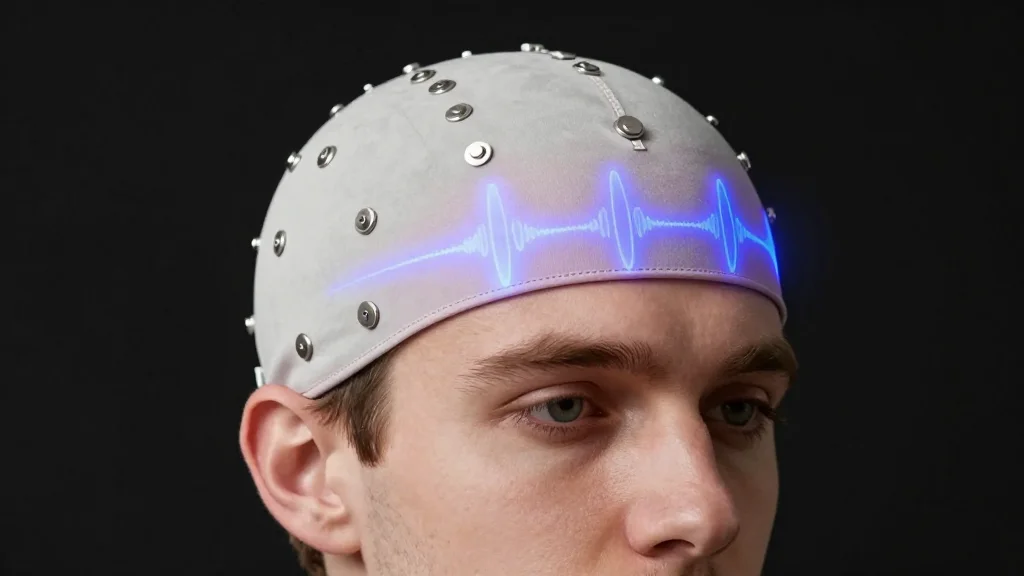
Scientists Link ADHD Genetic Scores to Disrupted Neural Timing
Researchers at King’s College London linked higher polygenic risk scores for ADHD to irregular timing of midfrontal theta brain waves, a neural signature of cognitive control. The study examined 454 white young adults from the Twins Early Development Study, measuring...

Intellectual Humility Predicts How Well You Handle Failing a Test
A new study in the Journal of Positive Psychology shows that people who score high on intellectual humility are more likely to accept negative test feedback when it includes actionable learning cues. Across three experiments—two with online adults and one...
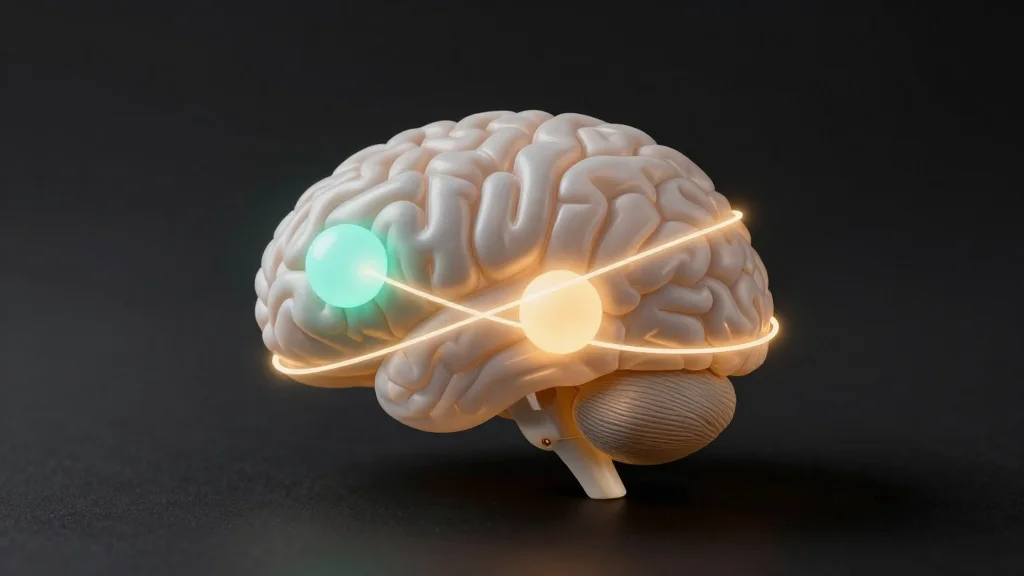
Scientists Map the Neural “Entrapment” Patterns that Keep the Depressed Brain Stuck
Researchers at Icahn School of Medicine used high‑resolution MRI and diffusion tractography combined with network control theory to map the brain's energy landscape in major depressive disorder. They identified four recurring whole‑brain states and found that patients with depression repeatedly...

Sexual Dysfunctions Are Significantly More Common in People with Paraphilias
A Hungarian cross‑sectional study of 8,282 young adults found that individuals with paraphilic interests or paraphilic disorders experience markedly higher rates of sexual dysfunctions than matched peers without such interests. Participants with paraphilic interests had 3.1‑times higher odds of erectile...
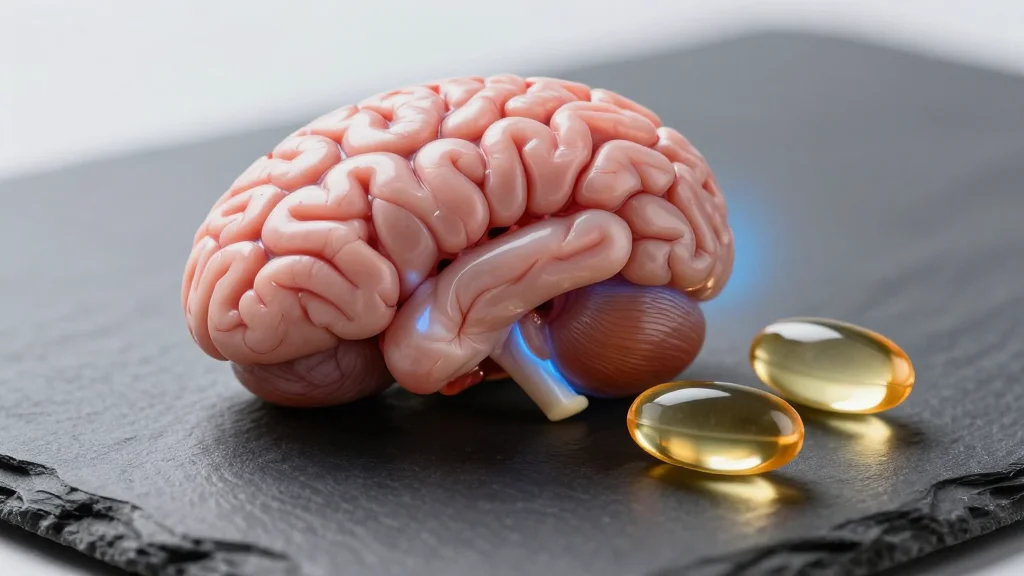
Omega-3 Supplements Protect the Brain’s Breathing Center in Parkinson’s Disease Model
Researchers at the University of São Paulo found that omega‑3 fish oil supplements protected the brainstem regions that control breathing in mice engineered to mimic Parkinson’s disease. While the supplements did not prevent loss of dopamine‑producing neurons, they preserved respiratory...
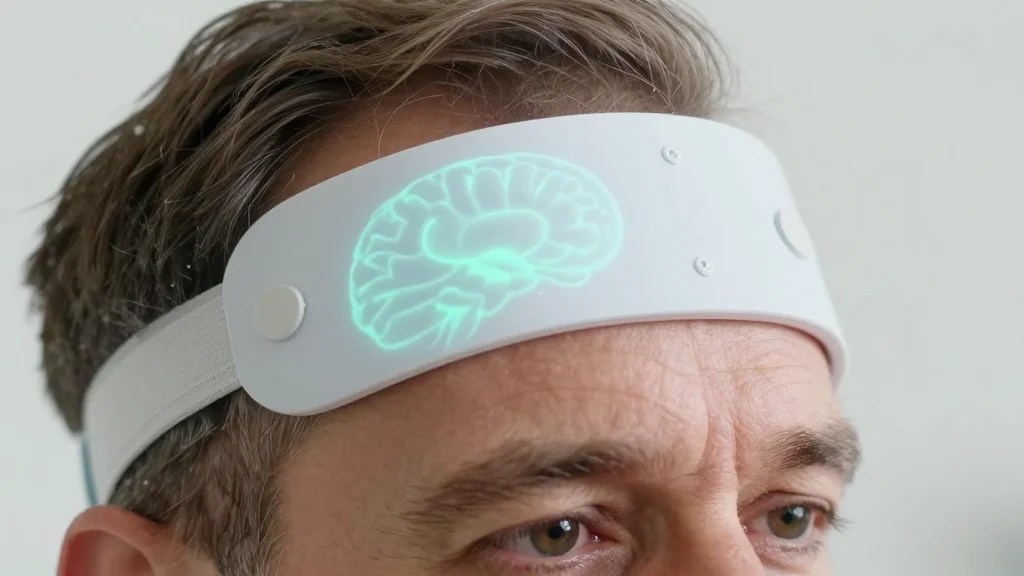
Noninvasive Brain Stimulation Reduces Parkinson’s Motor Symptoms in New Trial
Researchers demonstrated that transcranial temporal interference stimulation can noninvasively target the subthalamic nucleus and reduce Parkinson’s motor symptoms. In a randomized, double‑blind crossover trial of 30 early‑to‑mid stage patients, a single 20‑minute session lowered motor scores for up to an...

Can Artificial Intelligence Replace Your Company’s Editor?
A recent study in the Journal of Writing Research compared professional editors with ChatGPT on four Dutch corporate letters. Human editors consistently improved readability, removed jargon, and avoided factual errors, while the AI’s output varied dramatically based on prompt specificity....

GLP-1 Medications Combined with Lifestyle Changes Effectively Quiet “Food Noise,” New Research Suggests
Researchers presented a new Food Noise Questionnaire that quantifies intrusive thoughts about eating and used it to compare outcomes in a digital weight‑loss program. Participants taking a GLP‑1 receptor agonist alongside behavioral coaching saw their food‑noise scores drop by just...
Psychologists Have Identified a Subtle Decision-Making Flaw Driving Severe Substance Use
Psychologists at Yale examined how people with long‑term substance use evaluate negative outcomes. In a computer task, participants chose between two cards that could cause monetary losses, with the environment shifting between stable and volatile probability patterns. The study found...
Scientists Had Never Seen This Extremely Rare Memory Condition in a Child—Until Now
Researchers documented a 13‑year‑old boy with highly superior autobiographical memory (HSAM), achieving a 96.3% accuracy on a bespoke 80‑point test that combined public events, school records, and personal photographs. In contrast, six age‑matched peers and his younger sister averaged just...
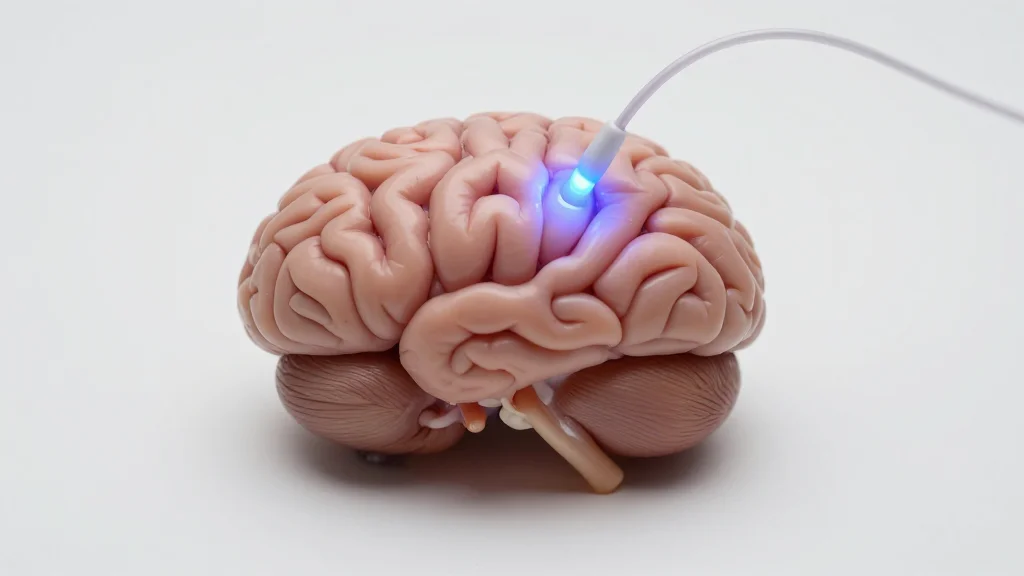
Neuroscientists Use Light to Restore Lost Memories in a Mouse Model of Alzheimer’s Disease
Researchers used optogenetics to reactivate a disrupted piriform–infralimbic circuit in an Alzheimer’s mouse model, temporarily restoring olfactory memory. Functional MRI of 183 mild‑cognitive‑impairment patients showed reduced connectivity between these regions, mirroring the mouse findings. Light‑driven high‑frequency stimulation compensated for deficient...

Antidepressants May Offer an Unexpected Protective Effect Against Fatal MDMA Toxicity
Researchers analyzing UK coronial data found that individuals who died from MDMA‑related toxicity were 40% less likely to have antidepressants in their system compared with other drug deaths. The protective signal was strongest for SSRIs and tricyclic antidepressants, which block...
Scientists Pinpoint an Overlooked Stretch of DNA Linked to the Main Features of Autism
Scientists have identified a non‑coding RNA region on the X chromosome, PTCHD1‑AS, whose deletion markedly increases the risk of autism in males. Analysis of over 9,300 genomes uncovered 27 autistic males lacking this segment, and mouse models engineered with the...