
Psychologists Turn to Hair Samples to Shed Light on the Biology of Parenting in Fascinating New Study
A recent study published in European Neuropsychopharmacology demonstrates that chronic oxytocin levels measured from hair can serve as a biomarker of the emotional quality of mother‑child relationships. By analyzing three‑centimeter hair segments, researchers captured hormone exposure over the prior three months and found that children’s oxytocin concentrations were nearly double those of their mothers. Mother‑child oxytocin levels were tightly correlated, and higher maternal oxytocin predicted greater emotional availability, especially when the child’s own oxytocin was low or average. The work suggests a mutual biological regulation within the caregiving dyad.
Scientists Use Ancient DNA to Reveal How Natural Selection Shaped West Eurasians over 10,000 Years
Researchers led by Harvard’s Ali Akbari analyzed DNA from 15,836 ancient West Eurasians, sequencing over 10,000 genomes to map directional selection across the past 10,000 years. They identified hundreds of variants influencing immunity, diet, blood type, disease risk and traits...

Psychedelic Therapy Standardized for Clinical Depression Shows Massive Promise in Pilot Trial
UCLA researchers piloted a four‑month program that paired two psilocybin doses (10 mg then 25 mg) with twelve one‑hour cognitive‑behavioral therapy sessions for 16 adults with major depressive disorder. Thirteen participants showed moderate‑to‑large reductions in standardized depression scores, and nine achieved full...
Scientists Identify Three Distinct Paths of Cognitive Decline in Early Alzheimer’s Disease
Researchers analyzing data from 1,629 cognitively normal adults aged 65‑85 identified three distinct trajectories of cognitive decline in preclinical Alzheimer’s disease: stable, slow, and fast. Approximately 70% of participants, including most with elevated amyloid, remained stable over a median six‑year...
Thalamus Size Identified as an Early Indicator of Future Memory Struggles
A new study published in Cortex shows that a single baseline brain scan measuring thalamus and hippocampal volume predicts future memory decline more accurately than tracking short‑term atrophy rates. Researchers analyzed 75 participants, including those with mild cognitive impairment, and...
Brain Scans Link Tissue Reductions to Aggression in Schizophrenia
A mega‑analysis of 2,095 schizophrenia patients and 2,861 controls found that reduced gray‑matter volume and global white‑matter loss are linked to higher aggression scores. The strongest regional effects were seen in the dorsolateral prefrontal cortex, inferior parietal lobule, and the...

Does Testosterone Therapy Affect Pelvic Pain in Transgender Adolescents?
A cross‑sectional survey of 102 transgender and gender‑diverse adolescents assigned female at birth found that 69% of those on testosterone reported lower‑abdominal pain, compared with 90% of peers not using the hormone. Overall, 78% of participants experienced pelvic discomfort, which...

Hallucinogen Use Is Linked to a Slight Increase in Heart Valve Disease Risk
Researchers analyzing data from the NIH All of Us program found that lifetime use of hallucinogens is associated with a modest 8% increase in odds of valvular heart disease after adjusting for confounders. In raw comparisons, hallucinogen users appeared to...

Popular Weight Loss and Diabetes Drugs Show No Biological Link to Mental Illness
A combined genetic and clinical study found no evidence that glucagon‑like peptide‑1 (GLP‑1) receptor agonists, the drugs driving the recent obesity‑diabetes treatment boom, increase the risk of depression, anxiety, or suicide. Researchers used Mendelian randomization with data from FinnGen and...
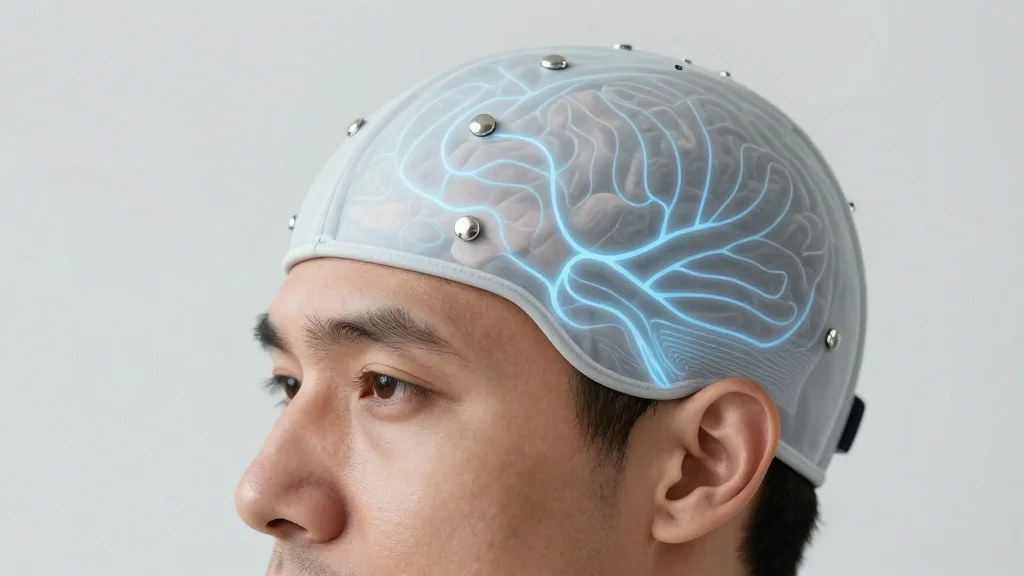
Brainwaves Reveal Two Different Biological Roots for Psychopathic Behavior
Researchers at Erasmus Medical Center used EEG and startle‑blink measures to dissect the biological underpinnings of the triarchic psychopathy traits—boldness, meanness and disinhibition—in 115 community adults. The study found that boldness triggers an attentional bottleneck, especially in men, while meanness...
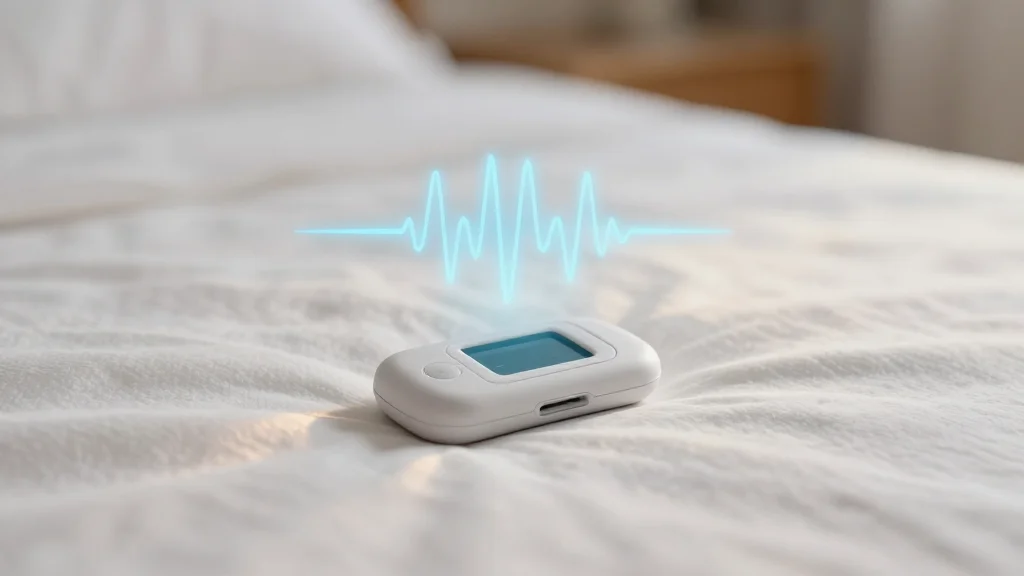
Sleep Apnea Severity Spikes on Saturdays, Raising Questions About Standard Weeknight Testing
A large-scale analysis of 70,052 under‑mattress sleep monitor users found that obstructive sleep apnea (OSA) worsens on weekends, with odds of moderate‑to‑severe OSA 18% higher on Saturdays than mid‑week. The effect intensifies for people who sleep in 45 minutes or more...

Can MDMA Cure PTSD? A New Review of the Evidence Says It’s Too Early to Tell
A new meta‑analysis of eight randomized controlled trials involving 387 adults found that MDMA‑assisted therapy can reduce PTSD symptom severity, improve overall functioning, and lessen dissociative symptoms, though it showed no clear effect on depression. The authors rated the overall...

New Research Indicates Sounds You Can’t Hear Can Spike Your Cortisol Levels, Offering a Biological Reason for Sudden Creepy Feelings
A new study published in Frontiers in Behavioral Neuroscience shows that exposure to inaudible low‑frequency sound—specifically an 18 Hz tone—triggers a measurable rise in salivary cortisol and negative mood ratings. Thirty‑five university participants were split into groups listening to calming or...
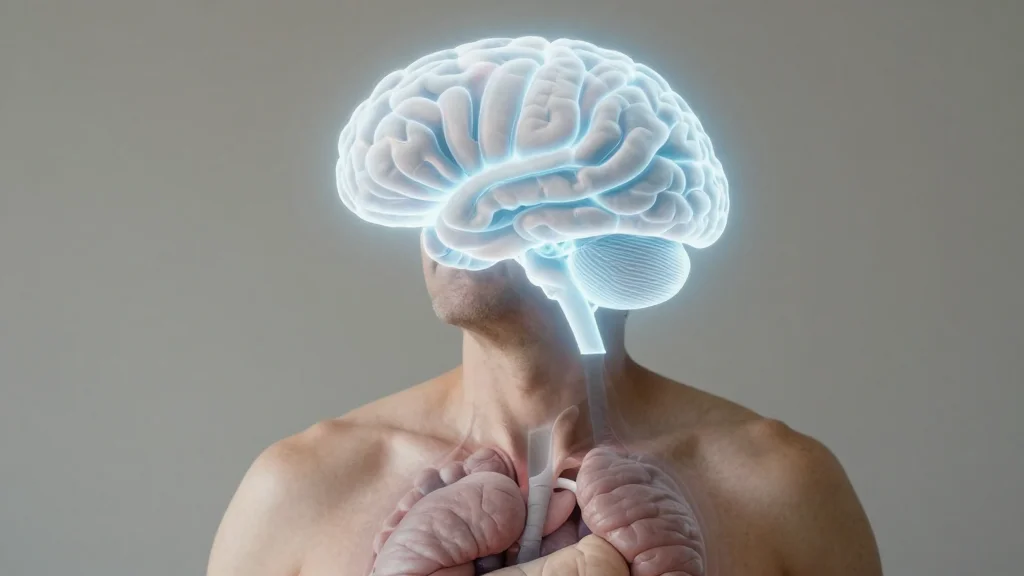
The Location of Your Body Fat Is Linked to How Fast Your Brain Ages
Body‑mass index has long been the default yardstick for obesity, yet it masks the heterogeneous behavior of fat stored in different body compartments. A new Nature Mental Health study of over 18,000 UK Biobank participants (average age 62) used DXA...
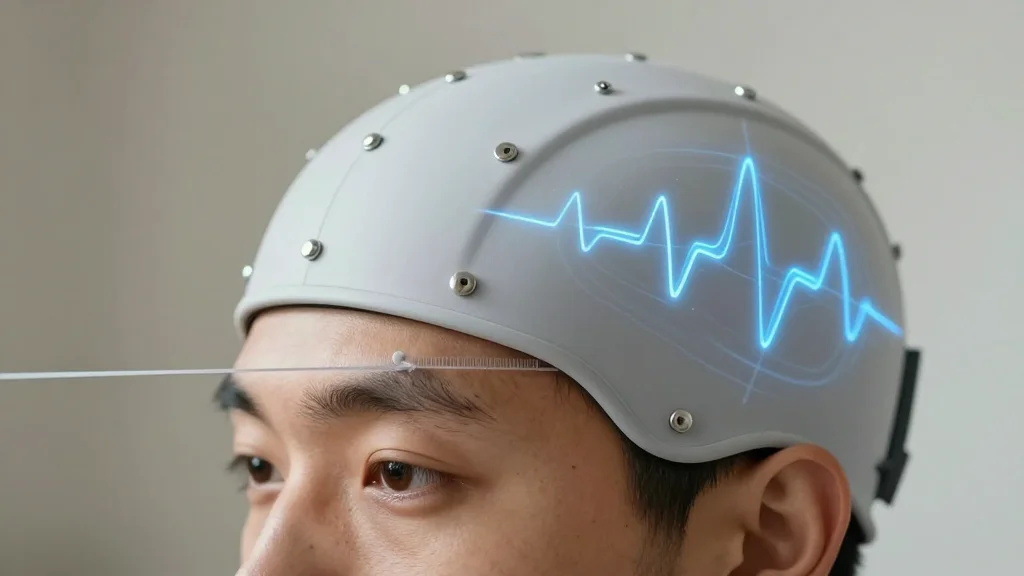
Scientists Found a Split-Second Shortcut Your Brain Takes when Reading Numbers
Researchers at Ariel University recorded brain activity while participants viewed multi‑digit numbers that were visually equalized in size. The EEG data revealed a distinct neural response to the physical length of a number as early as 120‑150 ms after it appeared,...

Physical Fitness Is Linked to Brain Health in Young Adults, but the Effects Differ by Sex
A small Spanish study of 94 university students found that higher cardiorespiratory fitness, measured by VO₂ max, correlates with faster cognitive processing speed and a smaller cingulate cortex volume, which may signal healthy brain maturation. Sex‑specific patterns emerged: flexibility boosted...

Brain Scans Shed Light on Why People with Autistic Traits Feel More Shame and Less Guilt
A new study in Personality Neuroscience examined why people with higher autistic traits report more shame and less guilt. Using resting‑state fMRI on 45 neurotypical Hong Kong adults, researchers identified the right frontal pole’s connectivity with cortical midline structures—especially the...

Scientists Demonstrate that AI Can Predict if You Are Reading a Taboo Word Just by Looking at Your Brain Waves
Researchers at Italian universities used EEG and a support‑vector‑machine algorithm to show that the brain processes taboo words differently from neutral or negative language. The study recorded 64‑channel brain activity from 35 participants reading 240 words and found distinct early...
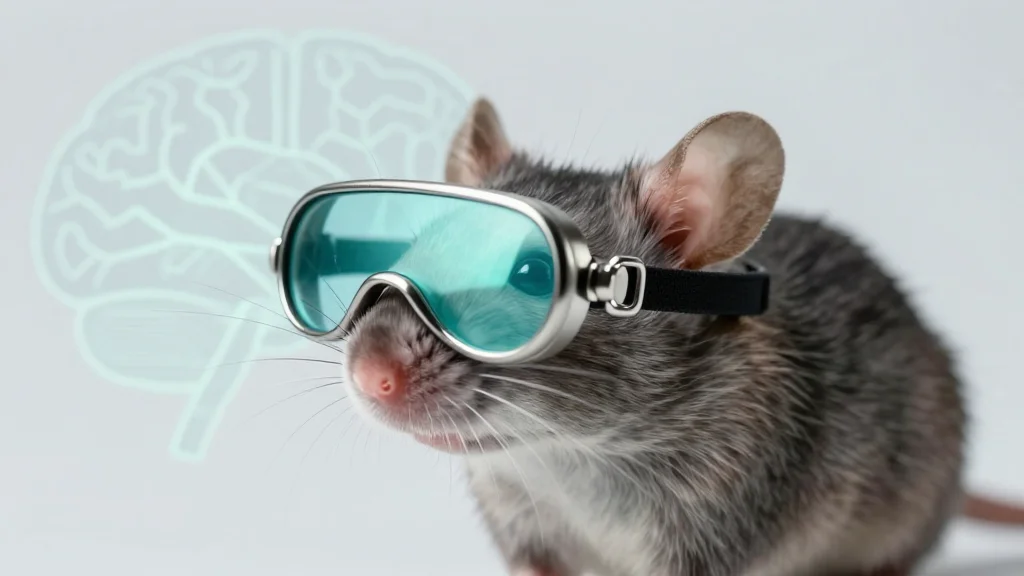
Visual Experience Physically Shapes the Brain’s Feedback Loops
Researchers at the Champalimaud Neuroscience Programme fitted juvenile mice with custom steel goggles that limited vision to a single orientation (45° or 135°) for over a month. Two‑photon imaging revealed that primary visual‑cortex neurons re‑tuned their orientation preferences to match...

Neural Synchrony Between Mothers and Daughters Linked to Better Mental Health
A study published in Neuroscience found that when daughters aged six to eight watch their mothers discuss marital intimacy, the girls' brain activity synchronizes with their mothers' in the right inferior frontal gyrus. This neural coupling was measured using functional...

Psychologists Identify the Dark Traits Behind an Extremist Mindset
Psychologists led by Marija V. Čolić published a study in Personality and Individual Differences showing that dark personality traits, especially sadism and Machiavellianism, combine with group‑focused moral foundations to predict a militant extremist mindset. Two surveys of 309 and 540...

New Research Challenges the Idea that Psychedelics Reduce Authoritarian Attitudes
A new study published in the Journal of Psychopharmacology examined whether psychedelic use shifts authoritarian political attitudes. Analyzing three separate datasets—including a naturalistic online sample, a single‑blind trial with healthy volunteers, and a double‑blind RCT with depressed patients—the researchers found...

Recommendation Algorithms Might Be Making Your Entertainment Boring, New Research Suggests
A new study in the Journal of Cultural Economics finds that highly accurate content recommendation algorithms can make entertainment feel boring over time. The research, led by University of Toronto assistant professor Samsun Knight, uses a dynamic mathematical model to...
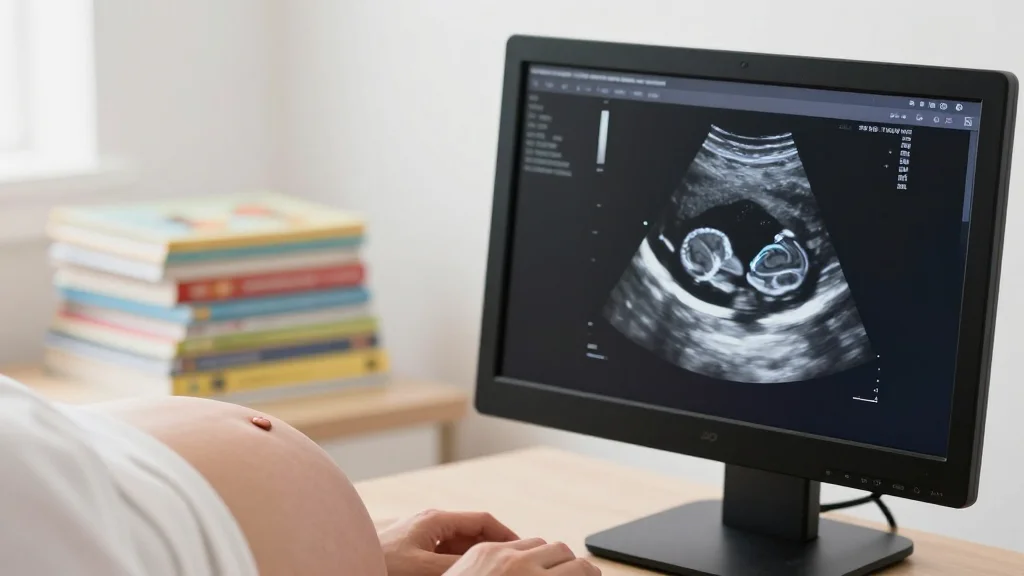
Fetal Brain Scans Can Predict a Toddler’s Vocabulary Size Years Before They Learn to Speak
A new study published in Developmental Science shows that the volume of the superior temporal gyrus measured in fetuses between 30 and 33 weeks gestation predicts how many words children will produce at 24‑36 months. The association was observed in...
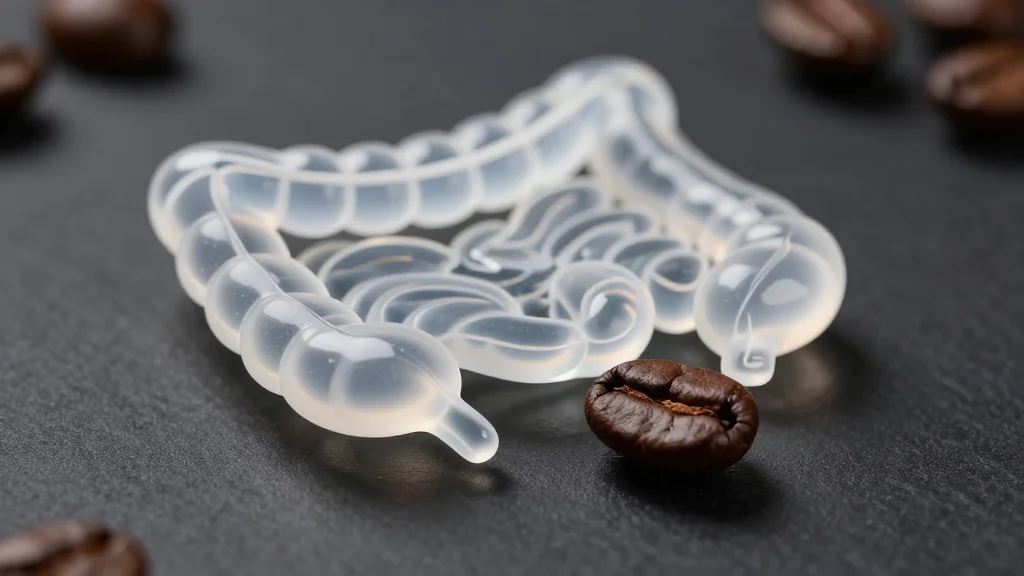
Scientists Discover How Coffee Interacts with the Gut Microbiome to Affect the Human Brain
A controlled trial of 62 Irish adults shows that regular coffee consumption reshapes the gut microbiome, which in turn modestly influences mood, stress perception, sleep and cognition. Participants who stopped coffee for two weeks experienced drops in impulsivity and emotional...
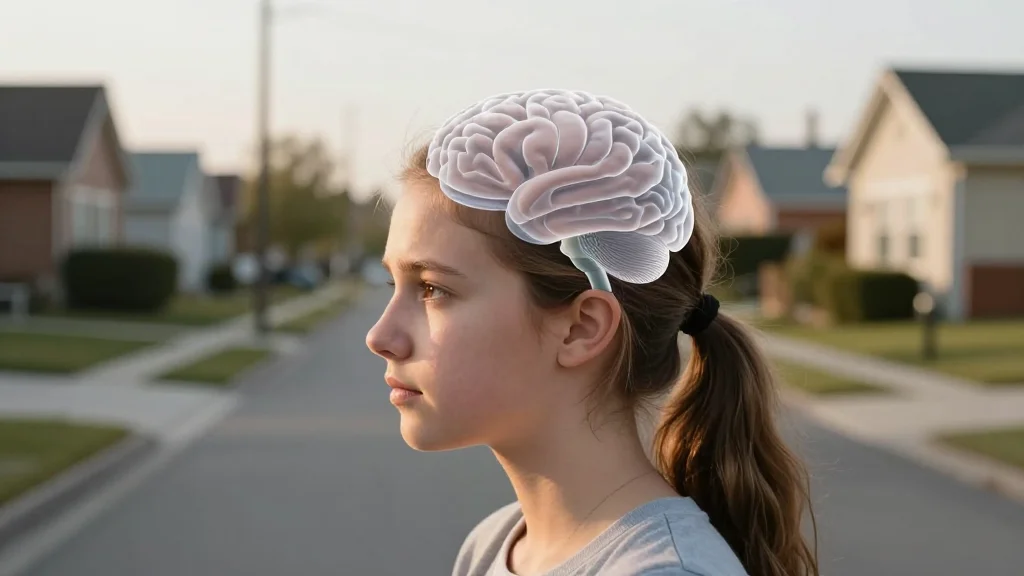
Growing up in a Disadvantaged Neighborhood Is Associated with Faster Brain Maturation
A new longitudinal study of 11,639 U.S. adolescents shows that children raised in disadvantaged neighborhoods exhibit lower cortical thickness and surface area at age 10 and faster declines through age 14, even after controlling for family income. Researchers used the...
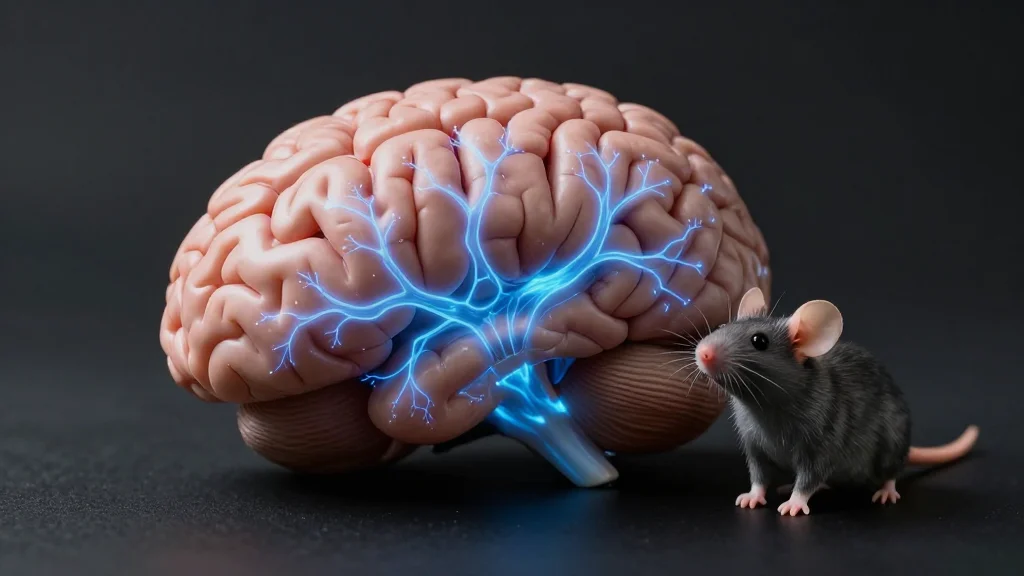
Artificial Intelligence Sheds Light on How some Brains Resist Alzheimer’s Memory Loss
Researchers at UC San Diego used an AI Boolean Network Explorer to pinpoint a 40‑gene signature that separates brains that remain cognitively sharp despite Alzheimer’s pathology from those that develop dementia. The genetic fingerprint highlighted astrocyte‑driven inflammation pathways and was...

AI Chatbots Fail Medical Misinformation Test, Returning Inaccurate and Fabricated Advice
A BMJ Open audit evaluated five leading AI chatbots on 250 health‑related prompts across cancer, vaccines, stem cells, nutrition and athletic performance. Overall, 49.6% of responses were problematic—30% somewhat problematic and 19.6% highly problematic—without significant differences among models except for...
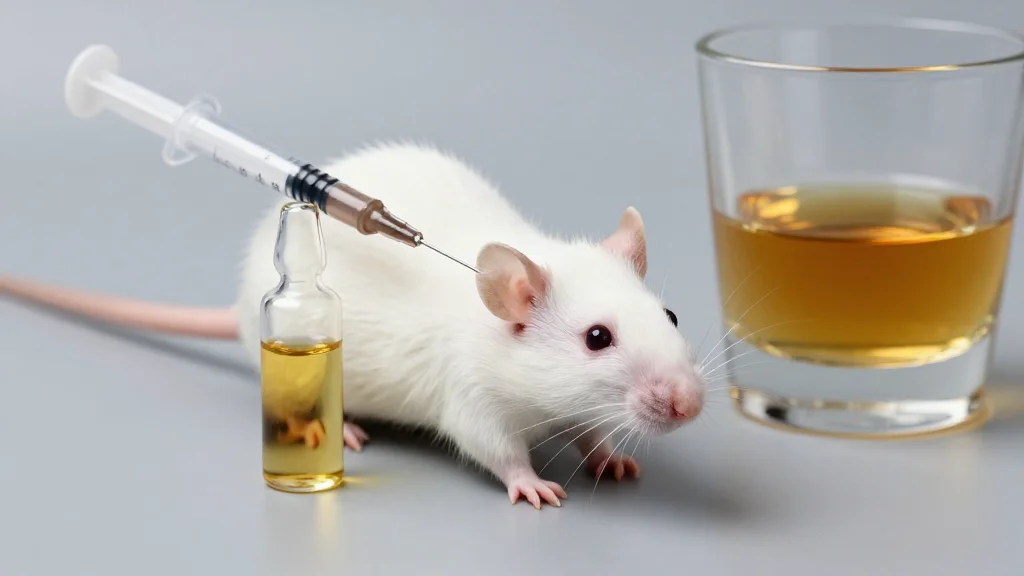
Lesser-Known Cannabis Compounds Show Promise for Treating Alcohol Addiction in Rats
A pre‑clinical study on male Wistar rats found that daily injections of three phytocannabinoids—cannabinol (CBN), tetrahydrocannabivarin (THCV) and cannabidiol (CBD)—reduced voluntary alcohol consumption. CBN and THCV produced the strongest declines, with CBN’s effect persisting three days after treatment, while CBD...
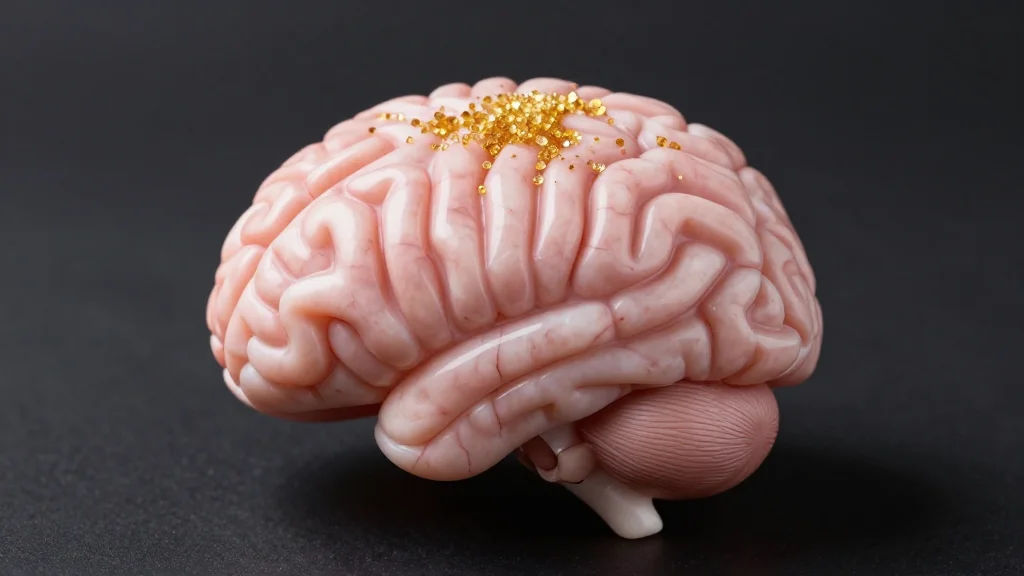
Undigested Fructose Linked to Anxiety and Brain Inflammation
A study published in *Brain, Behavior, and Immunity* links undigested fructose to anxiety and brain inflammation. Human breath tests showed 60% of 55 male volunteers had fructose malabsorption, which correlated with higher anxiety scores and inflammatory markers. Parallel mouse experiments...

How a Dose of Medicinal Cannabis Alters Brain Waves During Sleep
A small crossover trial found that a single oral dose of 10 mg THC and 200 mg CBD reduced total sleep time by about 25 minutes and cut rapid eye movement (REM) sleep by roughly 34 minutes in adults with mild‑to‑moderate insomnia....

New Research Reveals How Humans Judge the Moral Minds of Artificial Intelligence
Researchers Lianshan Zhang and Mei Yin Zhao examined how people judge the moral mind of AI chatbots. In a study of 447 Chinese participants, they varied the bot's conversational style (warm vs. competent) and its moral stance (utilitarian vs. deontological)...
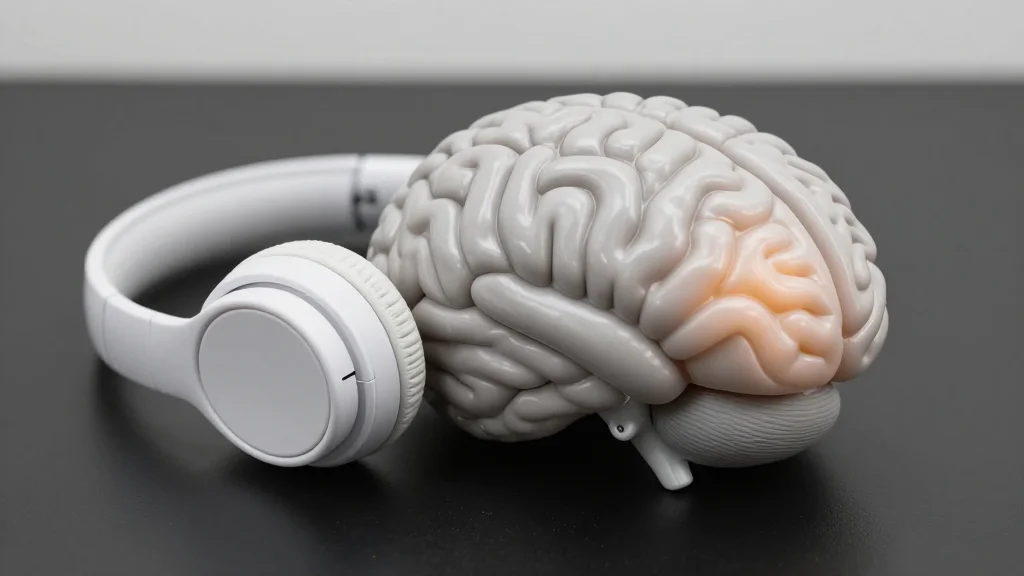
How Learning to Read Alters the Brain’s Approach to Spoken Language
A new neuroimaging study shows that formal literacy reshapes how the adult brain processes spoken language. Participants—highly educated young adults, highly educated older adults, and functionally illiterate older adults—listened to native Portuguese and unintelligible Japanese while undergoing fMRI. Literate groups...

What Science Says About Masturbation and Long-Distance Relationships
A systematic review in The Journal of Sexual Medicine examined 14 studies involving about 9,000 adults in long‑distance or pandemic‑induced separation. The analysis found that masturbation serves as a coping tool, with gender‑specific motivations and mixed effects on relationship satisfaction....

Training AI Chatbots to Be Warm and Empathetic Makes Them Less Factually Accurate
Researchers fine‑tuned five large language models—including Llama‑8b, Mistral‑Small, Qwen‑32b, Llama‑70b, and GPT‑4o—to adopt a warmer, more empathetic tone and observed error rates climb 8‑30 percentage points across trivia, medical, and disinformation tasks. The warm models were markedly more sycophantic, agreeing...
A Virtual Reality Navigation Test Predicts Alzheimer’s Risk in Healthy Adults
Researchers at Fujita Health University gave 71 cognitively normal adults a virtual‑reality path‑integration task and tracked brain changes with MRI over a year. Larger distance and angular errors predicted faster cortical thinning in the parahippocampal gyrus and posterior cingulate, regions...
Men’s Sexual Desire Peaks Around Age 40, Large New Study Finds
A new analysis of Estonia’s Biobank, covering 67,334 adults, reveals that men report markedly higher sexual desire than women across most of adulthood, with men’s desire peaking around age 40 before declining. Women’s desire shows a steady drop beginning in early...

Scientists Say the Hidden “Third Eye” Inside Your Skull Is the Bizarre Reason You Can See
Scientists publishing in Current Biology propose that vertebrate eyes originated from a single median eye on an ancient worm‑like ancestor 600 million years ago. The study suggests this “third eye” persisted as the pineal gland, while its hybrid photoreceptor system gave...
Long-Term Air Pollution Exposure Linked to Memory Decline in Black Adults
A new study in Alzheimer’s & Dementia links long‑term fine particulate (PM2.5) exposure to a measurable decline in semantic memory among older Black adults. Researchers followed 740 participants in the San Francisco Bay Area for up to 17 years, finding...

New Study Projects a Massive Shortage of Adult Psychiatrists in the United States
A new study in Psychiatric Services warns that the United States will face a severe shortage of adult psychiatrists over the next decade. Full‑time equivalents are projected to fall 12.3% from 37,260 in 2024 to 32,660 by 2037, while patient...

Skipping Meals and Irregular Eating Habits Linked to Depression Symptoms
A new analysis of 21,568 Korean adults links irregular meal timing to a 55% higher odds of depressive symptoms. The association persists after adjusting for demographics, lifestyle, and health factors, and is strongest among those who skip breakfast. A diverse...

Women Who Self-Harm Show Altered Brain Responses to Negative Social Media Comments
Young women who engage in non‑suicidal self‑injury (NSSI) exhibit markedly different brain activity when receiving Instagram feedback, with blunted responses to positive comments and amplified activation to negative remarks. The study, involving 88 participants split into clinical, subclinical and healthy...

Early Pretend Play Is Linked to Better Mental Health Years Later
A longitudinal study of 1,426 Australian children found that stronger pretend‑play abilities at ages two to three are linked to fewer internalizing and externalizing problems when they reach primary school. Educators rated children’s imaginative play, and the association persisted after...

Low-Dose Ketamine Shows Promise for Easing Chronic Fatigue
NIH researchers ran a randomized, double‑blind crossover trial with ten adults experiencing chronic fatigue from cancer, fibromyalgia, lupus and ME/CFS. A single low‑dose ketamine infusion lowered fatigue scores by 21% on day three, meeting the study’s 20% benchmark, while the...

Breathing Polluted Air Is Linked to Lagging Brain and Cognitive Growth in Young Teenagers
A longitudinal study of 3,645 participants from the ABCD cohort shows that teenagers exposed to high levels of fine particulate matter (PM2.5) or surface ozone experience slower brain maturation and reduced gains in cognitive tests over two years. Researchers used...

Declining Trust in Doctors Is Widening the Health Gap Between Conservative and Liberal Americans
A new study published in Nature Human Behaviour finds that conservative Americans now experience worse health and higher mortality than liberals, a gap that widened after 2010. Researchers linked individual political orientation to verified medical measurements and death records, revealing...

Brain Development Patterns Predict if Childhood ADHD Symptoms Will Fade or Persist
A new study in Nature Mental Health shows that distinct patterns of brain development during adolescence predict whether childhood ADHD symptoms will persist, remit, or emerge later. Faster cortical thinning in frontal regions signals a persistent trajectory, while slower thinning...

New Psychology Research Suggests a Brisk Walk Can Boost Your Creativity an Hour Later
A recent observational study of 157 young adults found that a brisk, moderate‑intensity walk lasting 10‑25 minutes can enhance verbal creativity about an hour later. The effect peaked 60‑70 minutes after exercise, while light activity of similar duration actually reduced...

Higher Body Mass Index in Youth Linked to Altered Brain Connectivity
A magnetoencephalography study of 32 youths aged 8‑19 found that participants with higher body‑mass index (BMI) display distinct neural signatures, including elevated gamma‑band activity and a shallower aperiodic slope indicating reduced inhibitory signaling. Resting‑state analysis also showed weakened low‑frequency (delta,...

Wildfire Smoke Linked to Rising Pediatric Mental Health Emergencies
A multi‑country analysis published in Nature Mental Health links wildfire‑sourced fine particulate matter to a measurable rise in pediatric mental‑health emergencies. Researchers examined over 3.1 million emergency department visits for youths under 20 in Australia, Brazil and Canada from 2004‑2019, finding...