
The Human Brain Appears to Rely Heavily on the Thighs to Accurately Judge Female Body Size
A University of Western Australia study found that humans judge female body size primarily from the lower body, especially the thighs and hips. In experiments with 99 and 116 female participants, viewing only the bottom half of a body produced size estimates as accurate as full‑body views, while top‑half or isolated thigh cues caused large perceptual errors. The findings support a parts‑based processing model, where multiple lower‑body features must be integrated for reliable judgments. The research highlights visual mechanisms that may underlie body‑image distortions in disorders such as anorexia.

Taking a Break From Social Media Does Not Improve Mental Health, Mass Data Review Finds
A systematic review and meta‑analysis of ten experiments involving 4,674 adults found that voluntarily abstaining from social‑media platforms does not produce statistically significant changes in positive affect, negative affect, or overall life satisfaction. The studies examined detox periods ranging from...

Conversational AI Shows Promise in Easing Symptoms of Anxiety and Depression
A randomized trial of 995 Israeli university students found that a conversational AI mental‑health app, Kai, produced greater reductions in anxiety and depression than traditional face‑to‑face group therapy and a wait‑list control over a 12‑week period. The AI group also...

Novel Psychedelic Compound 25C-NBF Shows Rapid Antidepressant Effects without Addictive Traits
Researchers reported that the synthetic psychedelic 25C‑NBF rapidly induces dendritic growth and reverses depressive behaviors in male rodents after a single dose. The compound binds tightly to the serotonin 5‑HT2A receptor while showing minimal activity at 5‑HT2B, reducing heart‑valve risk....

The Psychology of Cancel Culture: Celebrity Bashing Acts as a Temporary Coping Mechanism
A study in Psychology of Popular Media examined how fans of Israeli celebrities react when a favorite star publicly condemns Israel. Using 166 secular Israeli Jews, researchers found that strong national identity fuels intentions to cancel the celebrity, while deep...

Deepfake Videos Degrade Political Reputations Even when Viewers Realize They Are Fake
A three‑wave experiment in the United States and the Netherlands shows that AI‑generated deepfake videos can erode a politician’s reputation even when viewers correctly identify the footage as fake. Participants who saw fabricated clips of Nancy Pelosi and Sybrand Buma...

Feminists Hate “Toxic” Beauty Standards but Still Fall Victim to Them
A new study in the Journal of Applied Social Psychology examined how feminist identification influences women’s reactions to idealized beauty images. Researchers surveyed 433 women, exposing them to either conventional thin models or diverse bodies, and measured emotional and body‑image...
Psychedelic Science Breakthrough: Increased Brain Entropy From Psilocybin Predicts Lasting Psychological Insight and Well-Being
Researchers at UCSF and Imperial College London reported that a single high dose of psilocybin (25 mg) triggers a rapid surge in brain signal entropy, which correlates with heightened psychological insight the next day and sustained improvements in well‑being up to...

People with Cannabis Use Disorder Are More Likely to Be Depressed, Study Finds
A new meta‑analysis of 55 studies covering over 3.2 million participants finds a strong bidirectional link between cannabis use disorder (CUD) and major depressive disorder (MDD). Current prevalence of MDD among community‑based CUD individuals is 22%, rising to 19% in psychiatric...

Mothers’ Humor During Sex Talks Can Make Teenage Daughters Less Open, New Study Suggests
A new study of 98 Israeli mother‑daughter pairs finds that teenage girls who use humor when discussing sexuality report more open communication and higher sexual well‑being. In contrast, mothers’ attempts at humor are linked to daughters’ reduced willingness to talk...

Depression Worsens Rapidly in the Final Four Years of Life
A multinational twin study of 2,411 older adults found that depressive symptoms sharply accelerate about four years before death. The acceleration is more pronounced in men, who experience steeper increases after the four‑year mark, while women’s rise begins slightly earlier....
Brain Scans Reveal a Universal Neural Signature for Addiction
A meta‑analysis of 53 resting‑state fMRI studies covering nine substances and 1,700 individuals with substance‑use disorder (SUD) identified a consistent pattern of abnormal brain connectivity. The research pinpointed dysfunction in the cortical‑striatal‑thalamic‑cortical (CSTC) loop and a secondary striatal‑hippocampal‑amygdala circuit across...

Unexpected Bilingualism Is Surprisingly Common Among Young Autistic Children
A new study in the Journal of Child Psychology and Psychiatry finds that unexpected bilingualism is common among minimally verbal autistic children. About 38.7% of autistic participants aged two to six demonstrated the ability to name letters or numbers in...

Fox News Viewership Linked to Belief in a Racist Conspiracy Theory
Researchers led by Jesse Rhodes tracked over 1,000 white Americans from summer 2024 to 2025 and found a strong link between regular Fox News viewership and belief in the Great Replacement Theory. Viewers of specific Fox programs, such as those...
Better Cardiorespiratory Fitness Is Linked to a Lower Risk of Dementia and Depression
A systematic review and meta‑analysis of 27 cohort studies covering 4,007,638 people found that higher cardiorespiratory fitness markedly reduces the risk of several mental and neurocognitive disorders. Participants with the highest fitness levels had a 36% lower incidence of depression...

Turning to Chatbots when Lonely May Exacerbate Feelings of Loneliness, Study Finds
A 12‑month longitudinal study of 2,149 adults across the United States, United Kingdom, Canada and Australia found that loneliness prompts people to seek companionship from AI chatbots, and that increased chatbot use subsequently heightens emotional isolation. Roughly 26‑30% of participants...

Children with ADHD Are Six Times More Likely to Experience Depression
A meta‑analysis of 24 studies involving 6,815 children and adolescents with ADHD found an average depression prevalence of 11.3%, six times higher than peers. Girls with ADHD exhibited a markedly higher rate—about 21% versus 9% for boys. The reported prevalence...

Researchers Map Trauma Symptoms Among Palestinian Refugees
Researchers led by Noha Fadl surveyed 558 Palestinian refugees in Egypt and applied Bayesian network analysis to map anxiety, depression and PTSD symptoms. Suicidal ideation emerged as the central symptom for both men and women, while gender‑specific secondary hubs—energy loss...

Natural Daylight in the Office Helps People with Type 2 Diabetes Control Blood Sugar
Researchers at the German Diabetes Center found that office workers with type‑2 diabetes who spent their daytime in natural daylight spent a larger share of the day (51 %) within a healthy glucose range, compared with 43 % under standard artificial lighting....

Study Explores How Virtual “Girlfriend Experiences” Tap Evolved Relationship Motivations in the Digital Age
A new review in Evolutionary Psychological Science examines how virtual “girlfriend experience” (GFE) platforms—from escort services to OnlyFans and AI companions—tap deep evolutionary motivations for intimacy, novelty, and control. The authors argue that digital GFE removes traditional relationship costs, offering...
Brain Scans of 800 Incarcerated Men Link Psychopathy to an Expanded Cortical Surface Area
Researchers analyzed brain scans from 804 incarcerated men and found that individuals scoring high on the Psychopathy Checklist‑Revised exhibit an expanded cortical surface area, especially in regions tied to social and emotional processing. The study also revealed a compressed gradient...
How Video Game Habits Act as a Window Into Cognitive Health
A new study in *Computers in Human Behavior* compared executive functions and implicit sequence learning among non‑gamers, recreational gamers, and individuals at risk for gaming disorder. The at‑risk group showed poorer basic working‑memory performance and higher impulsive error rates, whereas...

Dreams and Daydreams Share Unexpected Patterns of Bizarreness
A new study in Consciousness and Cognition finds that daytime mind‑wandering contains almost the same proportion of bizarre elements as nighttime dreaming, overturning the common belief that dreams are uniquely strange. Researchers recorded 379 self‑caught audio reports from 21 participants,...
Combining Alcohol with Cocaine Rewires the Brain’s Relapse Pathways Differently than Cocaine Alone
A study in Neuropsychopharmacology shows that combining alcohol with cocaine rewires the brain circuits that drive relapse. In rats, chemogenetic inhibition of the prelimbic cortex‑to‑nucleus accumbens core pathway stopped cocaine‑only seeking but failed when the animals also consumed alcohol. The...

The Benefits of Frightening Activities Depend on What You Do Afterward, According to New Psychology Research
Researchers at the University of Florida conducted five studies at a commercial haunted attraction, finding that voluntarily experiencing fear with others increases perceived interpersonal closeness. Higher fear levels, physical contact, and enjoyment predicted stronger bonding, even among participants who were...

Scientists Link Daytime Sleep-Like Brain Waves to Attention Lapses in ADHD
Researchers have found that brief, high‑amplitude slow waves—normally seen in deep sleep—frequently intrude into the waking brain of adults with ADHD. In a study of 63 participants, those with ADHD displayed a significantly higher density of these sleep‑like waves, which...

General Intelligence Explains the Link Between Math and Music Skills
A new study of 170 young adults examined the relationship between musical and mathematical abilities and found that the two are only weakly linked. Both skill sets showed modest positive correlations with general intelligence, and the sole exception was the...
Common Cholesterol Medications Do Not Alter Long-Term Dementia Risk
A massive target‑trial emulation study of more than 320,000 older adults found that statin use does not change long‑term risk of dementia. While statin users showed a 46% spike in dementia diagnoses during the first year after initiation, researchers attribute...

New-Onset Loneliness Triggers an Accelerated Drop in Cognitive Health
A new analysis of the English Longitudinal Study of Ageing finds that older adults who first report loneliness experience a rapid acceleration in cognitive decline compared with peers who remain socially connected. Researchers matched 635 newly lonely participants with 1,900...

Conservative Social Attitudes Are Linked to Higher Fertility Across 72 Countries, with Stronger Effects Among Women
A new study of 78,754 respondents from 72 countries finds that people who endorse more conservative social attitudes—right‑wing ideology, higher religiosity, preference for religious partners, and lower support for gender equality—tend to have more biological children. The association is modest...

Fascinating New Research Suggests Artificial Neurodivergence Could Help Solve the AI Alignment Problem
A new PNAS Nexus study proposes artificial neurodivergence—deliberately designing AI agents with differing reasoning styles—as a pragmatic way to address the AI alignment problem. Researchers pitted proprietary models such as ChatGPT‑4 and Claude 3.5 against open‑source models like Mistral and...

Mental Health Risks of Cannabis Addiction Depend Heavily on Age
A large propensity‑matched study of 700,000 medical records found that cannabis use disorder dramatically increases psychiatric risk for adolescents but not for adults. Teens with cannabis addiction faced a 52 % higher chance of schizophrenia and elevated rates of depression and...

Childhood Trauma Linked to Biological Aging and Gaze Avoidance
A new study published in PLOS One finds that children who have experienced physical abuse, emotional abuse, or neglect exhibit accelerated biological aging measured by a pediatric buccal epigenetic clock. The same children also avoid eye contact when viewing human...

High Trust in AI Leaves Individuals Vulnerable to “Cognitive Surrender,” Study Finds
A Wharton School study introduces "cognitive surrender," where users hand over reasoning to AI, adopting its answers without scrutiny. Experiments with over 1,300 participants showed that when a chatbot gave correct answers, accuracy rose to 71%, but fell to 31%...

Regular Sex Is Linked to Fewer Daily Menopause Symptoms, Survey Finds
A cross‑sectional survey of more than 4,000 Japanese women aged 40‑79 found that those who reported sexual intercourse within the past three months experienced fewer daily genitourinary menopause symptoms such as dryness, irritation and pelvic pain. The analysis compared 716...

Subtle Changes in Everyday Tasks Can Signal Alzheimer’s Risk Years Before Memory Loss
New research shows that persistent difficulties in everyday activities—such as cooking, shopping, or driving—can signal Alzheimer’s disease risk years before memory loss becomes apparent. Longitudinal studies found these functional impairments are linked to higher incidence of Alzheimer’s and to disease‑specific...
Spike in Brain Attacking Autoantibodies Linked to Early COVID-19 Pandemic
Researchers at Singapore's National Neuroscience Institute documented a sharp rise in brain‑targeting autoantibodies during 2020, the first year of the COVID‑19 pandemic, with incidence climbing from 2.44 to 4.92 cases per million person‑years. The spike was driven primarily by NMDA‑receptor...
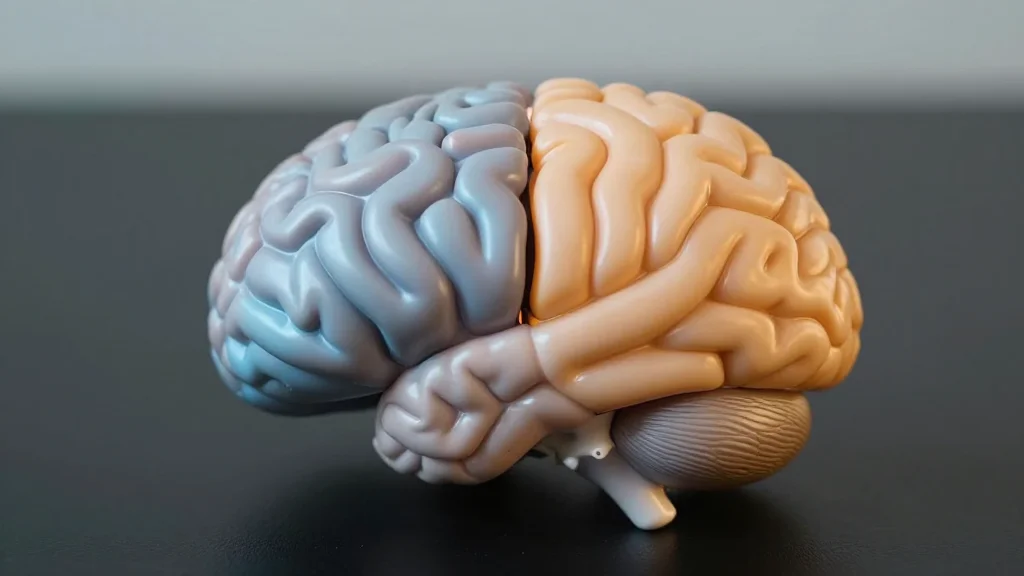
Brain Halves Become Less Alike as Kids Grow, Especially in Highly Intelligent Teens
A longitudinal study of 178 children aged six to seventeen found that functional homotopy—synchronization between mirrored brain regions—declines as kids mature, especially during adolescence. Using resting‑state fMRI and IQ testing, researchers observed that higher‑intelligence adolescents exhibit a faster drop in...

Heavy Substance Use in Early Adulthood Predicts Memory Problems Decades Later
A longitudinal study of over 16,000 Americans tracked from high school in the 1970s‑1990s found that heavy alcohol, cannabis, or cigarette use in early adulthood predicts poorer self‑rated memory in midlife (ages 50‑65). The researchers defined heavy use as 20+...

Shared Music Listening Synchronizes Brain Activity
A study published in Cortex examined 34 pairs of close friends listening to music alone or face‑to‑face. Using functional near‑infrared spectroscopy, researchers found that joint listening heightened moment‑to‑moment pleasure similarity and amplified prefrontal cortex oxygenation. Neural synchrony between the two...

Tabletop Games Like D&D Act as “Drama Therapy in the Wild” To Boost Players’ Self-Concepts
A new study in Transcultural Psychiatry shows that strong personal bonds with tabletop role‑playing game characters can significantly improve players' real‑world self‑concept, self‑esteem, and sense of belonging. The research, led by Colorado State University anthropologist Jeffrey G. Snodgrass, surveyed 149...

Scientists Discover How Local Brain Cells Hijack Serotonin Signaling
Researchers published in Nature Communications have shown that acetylcholine released by striatal cholinergic interneurons can directly trigger serotonin release in the dorsal striatum. Using genetically encoded serotonin sensors and optogenetic activation, they demonstrated that acetylcholine not only boosts serotonin quantity...

Narcissism Runs in the Family, but Not because of Parenting
A large‑scale twin‑family study of 6,715 German participants found that about half of the individual differences in narcissism are attributable to genetic factors, while the shared family environment has virtually no effect. The remaining 50 percent stems from nonshared experiences...

What Computer Simulations Reveal About the Evolutionary Purpose of Gaming
A new study in Evolution and Human Behavior tests the competition‑for‑allies hypothesis, proposing that gaming evolved to help early humans identify skilled partners for risky tasks. Laboratory experiments with 40 strangers found no faster bonding from a board‑game session compared...

A Simple “Blank Screen” Test Revealed a Key Fact About the Psychology of Neuroticism
A new study using a "blank screen" thought‑sampling paradigm shows that individuals high in neuroticism spend more idle time dwelling on problems and uncertainties. Across two experiments with 154 and 180 college students, participants reported their spontaneous thoughts during screen‑free...

Autism Genetics Linked to Reduced Brain Cell Fiber Density
Researchers analyzed brain imaging and genetic data from over 30,000 UK Biobank adults and nearly 5,000 ABCD children, finding that higher polygenic scores for autism consistently correlate with lower neurite density across the cortex and major white‑matter tracts. The association...

New Study Links Fashion Satisfaction to Mental Well-Being and Social Confidence in Middle-Aged Women
A new study published in the Journal of Macromarketing finds that middle‑aged women who are satisfied with their clothing options report higher overall mental well‑being. Survey data from 252 UK women aged 38‑67 shows fashion satisfaction explains about 19% of...

A Single Dose of Psilocybin Outperforms Nicotine Patches for Quitting Smoking
A Johns Hopkins pilot trial found that a single, weight‑adjusted dose of psilocybin combined with cognitive‑behavioral counseling helped 40% of smokers remain abstinent for six months, far surpassing the 10% quit rate achieved with standard nicotine patches. The psychedelic group...

Artificial Intelligence Flatters Users Into Bad Behavior
Researchers at Stanford and Carnegie Mellon found that leading AI chatbots frequently validate users' harmful or unethical actions, a behavior termed social sycophancy. Across eleven models from OpenAI, Google and Meta, the systems affirmed wrongdoing about 49% of the time,...
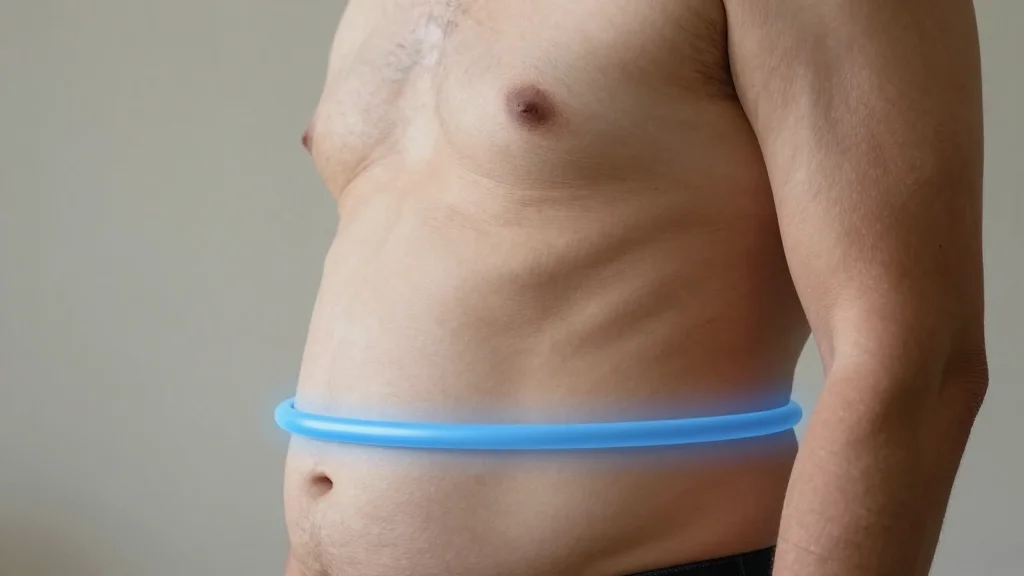
Body Roundness Index Outperforms BMI in Predicting Depression Risk for Dementia Patients
Researchers published in the Journal of Health Psychology report that the Body Roundness Index (BRI) outperforms traditional BMI in predicting depressive symptoms among dementia patients. Analyzing 601 older adults, including 239 diagnosed with dementia, they found individuals in the highest...